
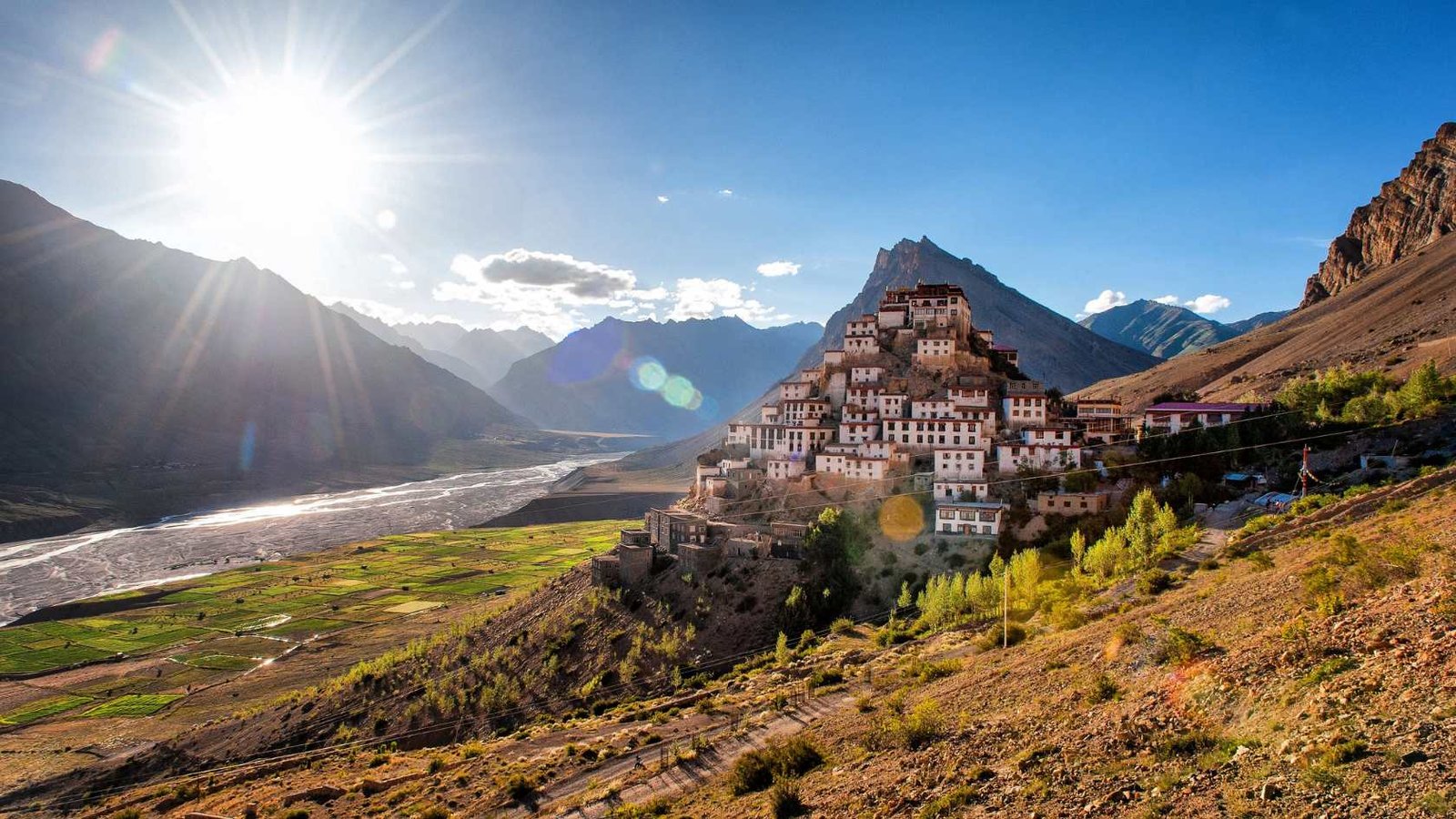
May is when Spiti slowly begins to wake up after a long winter. Roads start opening, travelers begin arriving again, and the valley shifts from months of isolation to the beginning of a new travel season.
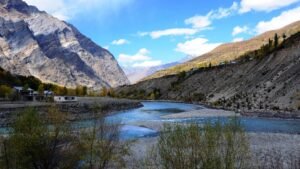
The weather in Spiti Valley in May is cold but manageable. Days can be sunny and surprisingly pleasant when the sun is out, but mornings and nights still carry the sharp chill of the high Himalayas. Snow remains visible across the mountains, especially on the higher passes and surrounding peaks.
The important thing to know is that early May can still be unpredictable. Some routes may open later depending on snowfall, and facilities are just beginning to resume operations after winter.
For travelers who want dramatic landscapes, fewer crowds than peak summer, and the raw beauty of Spiti Valley in Mayas it transitions out of winter, May can actually be a fascinating time to visit.
Quick Answer
May is one of the best-kept secrets on the Spiti calendar — and one of the trickiest to plan. The valley is waking up from winter, snow still covers the high ridges, and the crowds that fill Kaza in July are simply not there yet.
The Shimla-Kinnaur route is the reliable choice in May. The Manali-Kaza route via Kunzum Pass is uncertain in early May and should not be treated as a guarantee. As of the official Lahaul-Spiti district road status from March 2, 2026, Keylong to Kaza was listed as closed. Check live status before you leave.
Chandratal in May is possible some years, but not dependable. Keep it as a flexible bonus, not the centrepiece of your plan.
What Most Travellers Get Wrong About Spiti Valley in May
Here is the mistake we see every season: people treat May as a single month with one set of conditions.
Early May (1st to 15th) and late May (16th to 31st) are completely different trips. In early May, the Manali side is almost certainly still closed, some guesthouses have not yet opened, and the Chandratal diversion road is under snow. In late May, passes start clearing, more stays come online, and the logistics begin to settle.
The travellers who arrive in early May with a fixed return ticket and no buffer days are the ones calling us in a panic. The ones who arrive in late May with two extra days built in almost always have a great trip.
Is May a Good Time to Visit Spiti Valley?
It is excellent — for the right kind of traveller.
If you want empty monasteries, snow-dusted mountain views, and the version of Spiti that disappears once July arrives, May is your window. The tradeoff is route uncertainty and colder nights than peak season.
If you need a guaranteed Chandratal overnight, a smooth Manali exit, and everything to run on schedule, July is safer. May rewards flexibility. It punishes rigid planning.
How is Spiti Valley Weather in May?
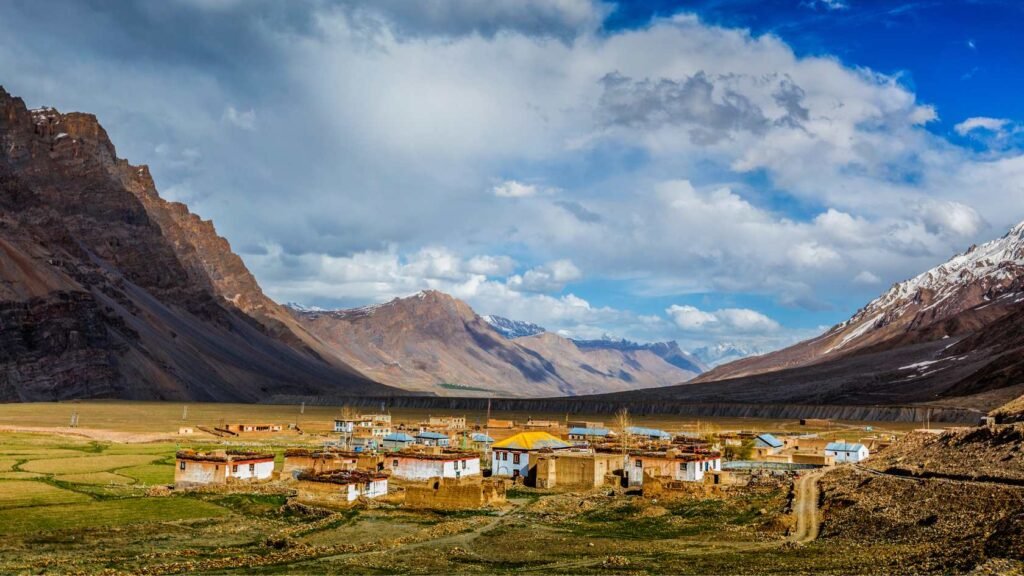
Daytime in Kaza (at 3,350 metres / 10,988 feet) typically reaches around 10°C to 18°C. In direct sun, it feels comfortable. Step into shade or climb higher and you feel the drop immediately.
Nights are cold. Even in late May, temperatures in Kaza can fall near 0°C. At Kibber (roughly 14,200 feet) or Kunzum Pass (around 4,590 metres), nights are colder still.
The sun in May is deceptively strong. UV at this altitude is intense — you will burn without feeling warm. Sunscreen is not optional.
Wind is the other thing people miss. A calm afternoon at 10°C can turn into a biting wind-chill situation within minutes. One heavy jacket is not enough. Layers matter much more than bulk.
Is Spiti Valley Open in May 2026?
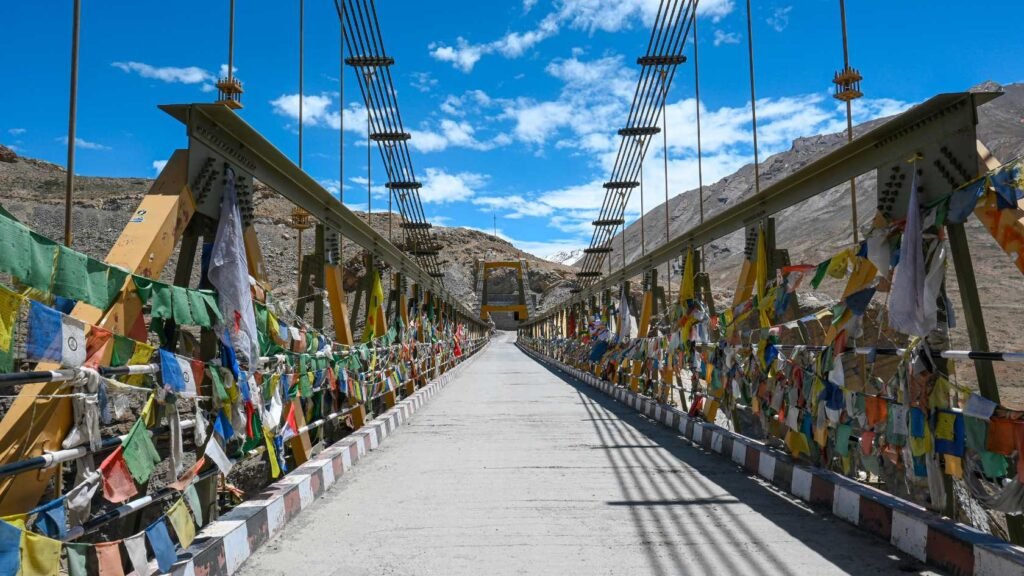
The short answer: the Shimla side is generally open, and the Manali side is not reliable.
The official District Lahaul-Spiti road status page (last updated March 2, 2026) showed Delhi to Manali open, Manali to Keylong open, and Keylong to Kaza closed. That closed stretch is the one you need for the Manali entry into Spiti Valley.
This does not mean Spiti Valley in May is inaccessible. It means the Manali route depends on BRO snow clearance progress between March and your travel date.
Always check the Lahaul-Spiti District Administration’s official road status page before departure. Not a blog, not a WhatsApp forward. The official page. Conditions can change overnight with a fresh snowfall.
Which Route Is Better in May: Shimla – Kinnaur or Manali – Kaza?
Shimla – Kinnaur route
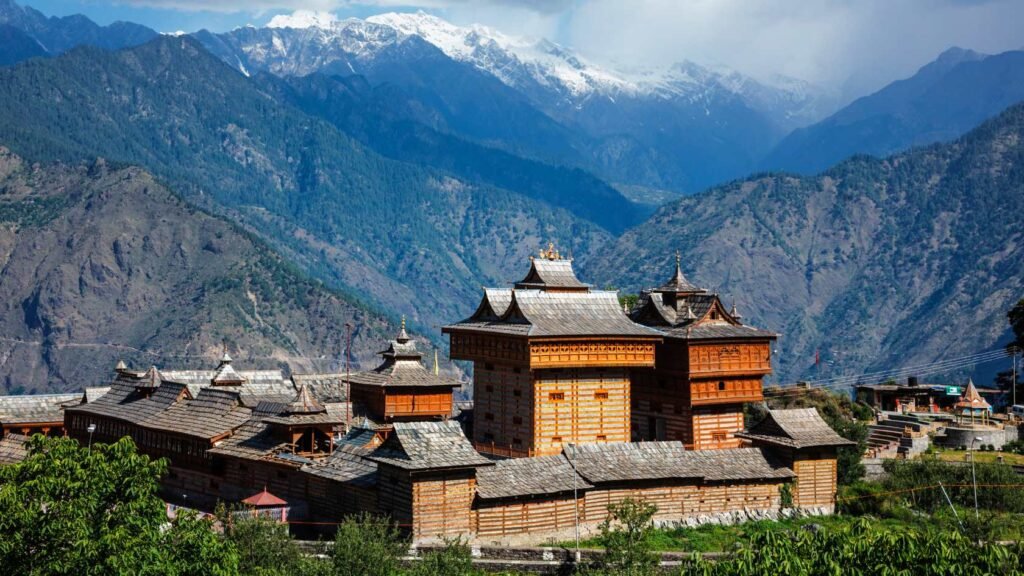
This route wins in May, and by a wide margin. The route climbs gradually over several days: Shimla, Narkanda, Rampur, Kalpa, Nako, Tabo, and finally Kaza. Your body adjusts slowly. By the time you reach Kaza at 3,350 metres, you have had three or four days to acclimatise.
Manali – Kaza Route
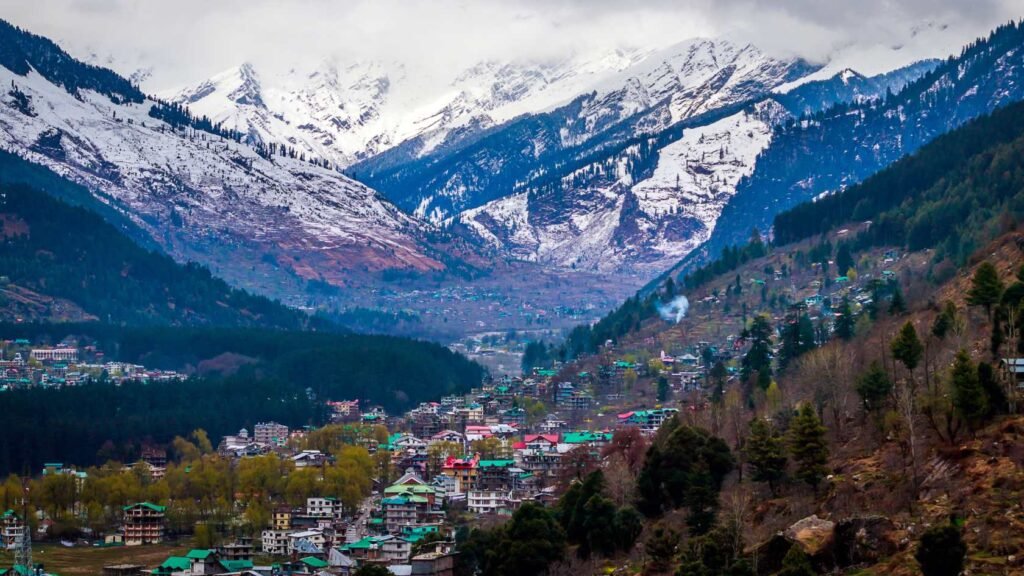
The Manali route through Kunzum Pass means jumping from Manali at roughly 2,000 metres to Kunzum at 4,590 metres in a single day. Even experienced mountain travellers feel that. In May, when the road may still be clearing, that risk compounds.
In our experience, the Shimla side entry is the right call for May, especially for anyone doing Spiti for the first time. Think of the Manali exit as a bonus if Kunzum opens by the time you reach Losar from the Kaza side — not as the plan itself.
Can You Visit Chandratal Lake in May?
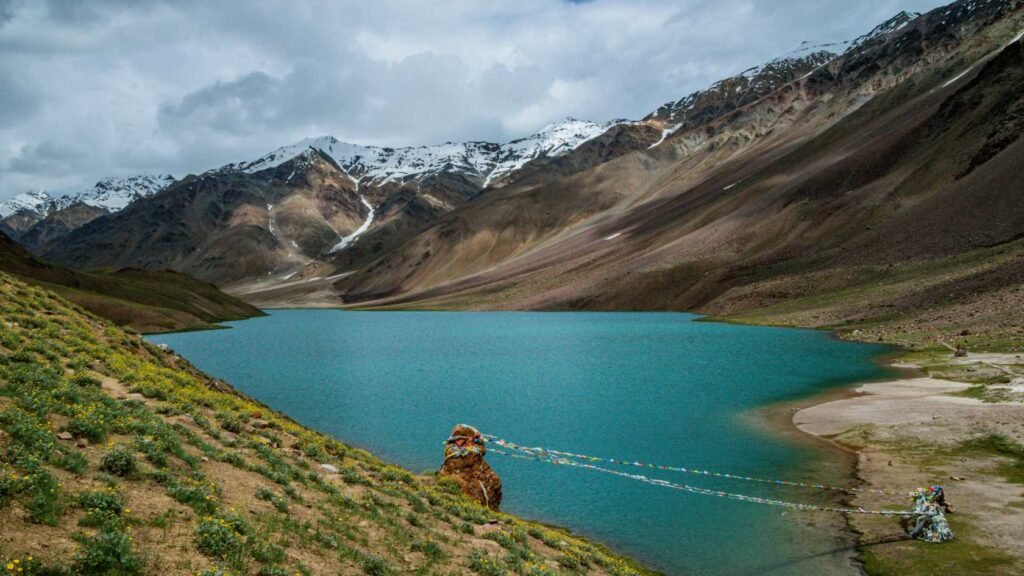
Some years, late May day trips from the Kaza side are possible. Most years, camps near Chandratal do not start operating before early June. The diversion road from Batal is typically the last stretch in the entire circuit to clear.
In 2024 and 2025, Kaza-side access to the Chandratal area opened around mid-to-late May. The Manali-side diversion opened slightly later, and proper overnight camping at the lake only became practical in early June.
What this means for May planning: keep Chandratal as a flexible Day 7 option that you confirm on the road. We have sent travellers in May who made it to the lake and those who had to skip it. The ones who treated it as a bonus — rather than the reason for the trip — were fine either way.
Best Places to Visit in Spiti Valley in May
Kaza
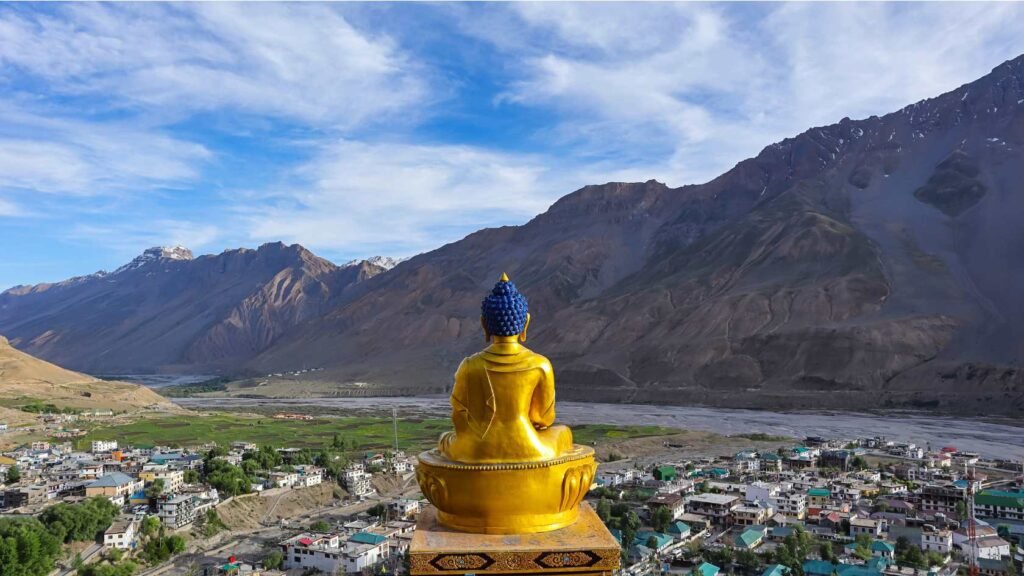
It is the hub and it works beautifully in May. The town is quiet, guesthouses are just warming up for the season, and you can eat a slow breakfast and walk the main market without dodging tourist groups.
One thing our team always tells first-timers: skip the overpriced souvenir stalls near the main bus stand and instead spend that hour walking toward the older part of town. The chai at the small Tibetan kitchen near the inner lane (ask any local for “the old kitchen near the mani wall” — most will know it) is where the genuine Kaza morning happens.
Key Monastery
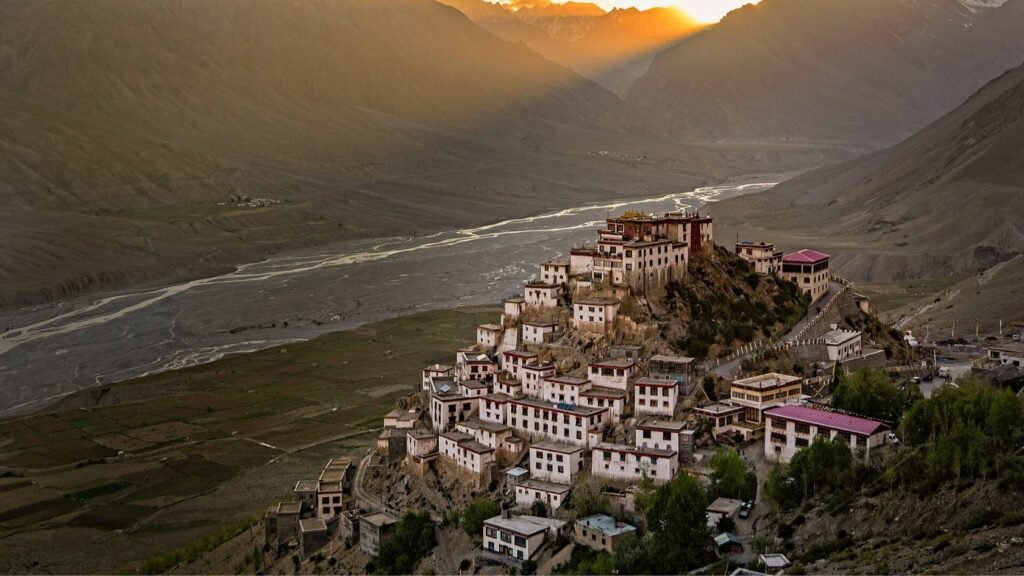
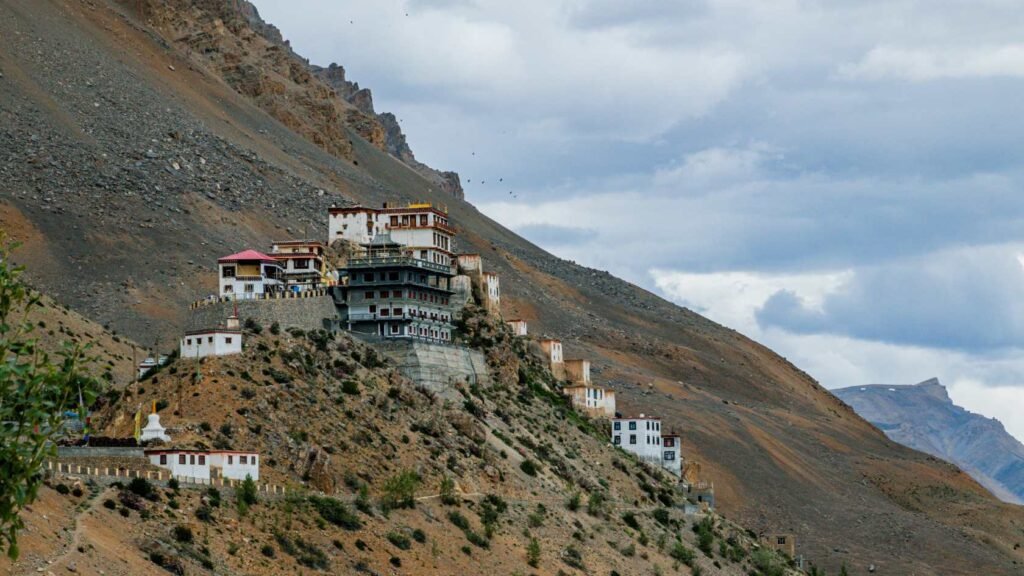
It sits above the Spiti River at about 13,500 feet and looks extraordinary in May when snow still covers the peaks behind it. Arrive before 7 AM. The light on the monastery walls is completely different before the sun climbs, and you will have the courtyard almost entirely to yourself.
Kibber
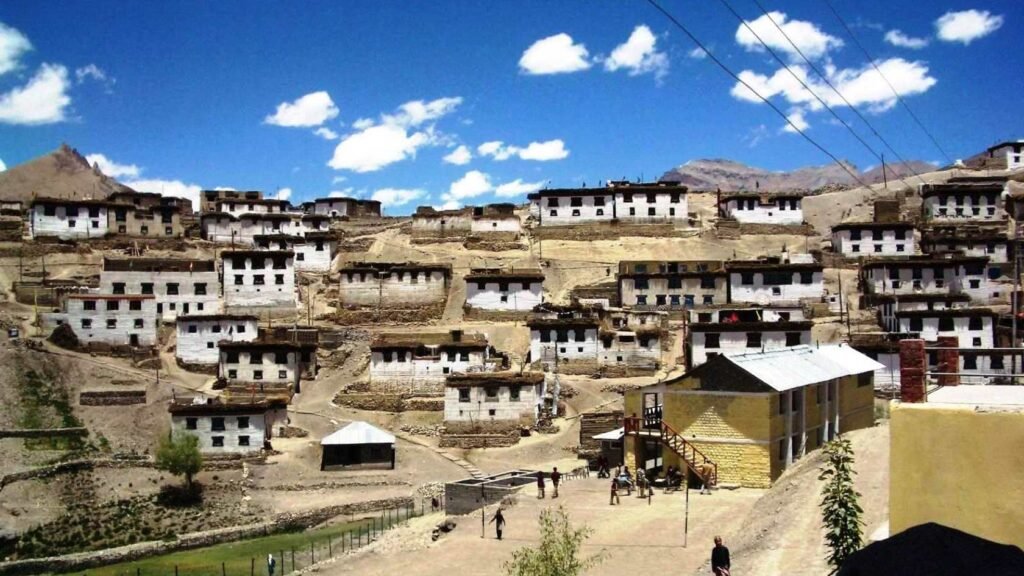
It is 16 km from Kaza at about 14,200 feet. In May, the village has a stillness that peak season never gives you. Snow leopard sightings are more likely in this region in late winter and early spring — May is the tail end of that window.
One honest negative: Kibber’s famous viewpoint involves a short uphill walk that some travellers find harder than expected at this altitude. If anyone in your group is still adjusting to the height, this is not the first stop to push them on. Go to Key Monastery first, let your body settle, then do Kibber on Day 2 or 3.
Langza
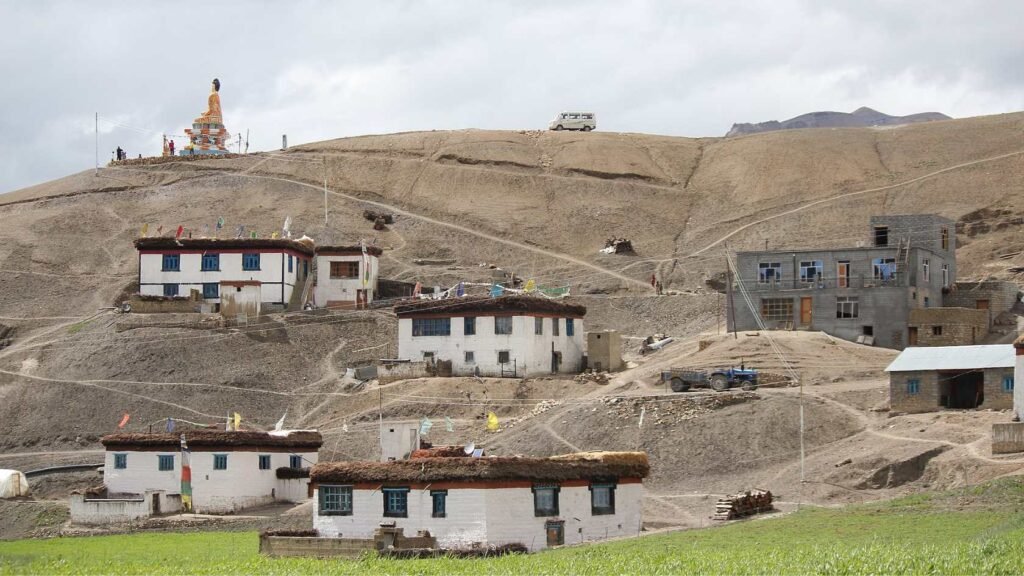
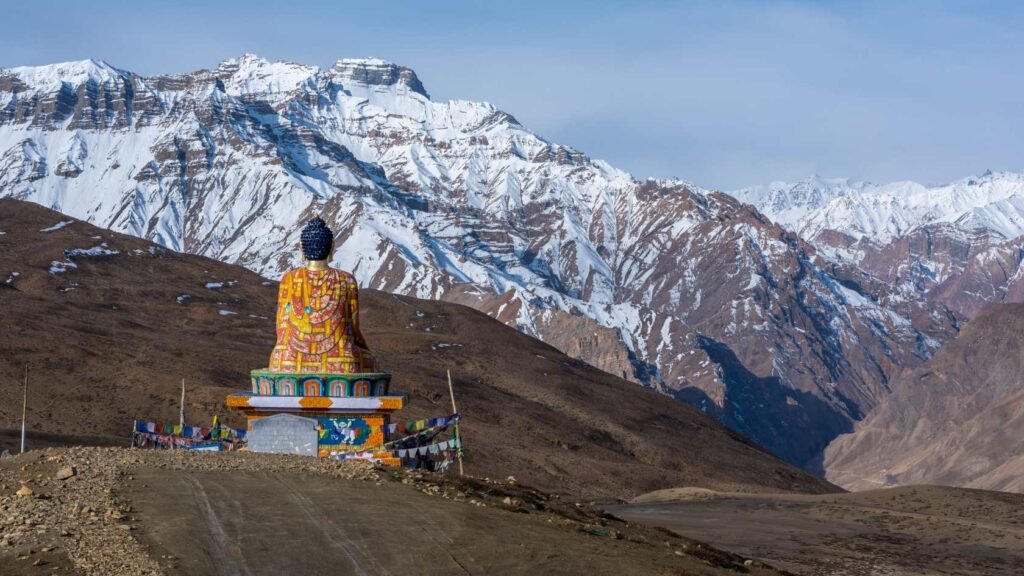
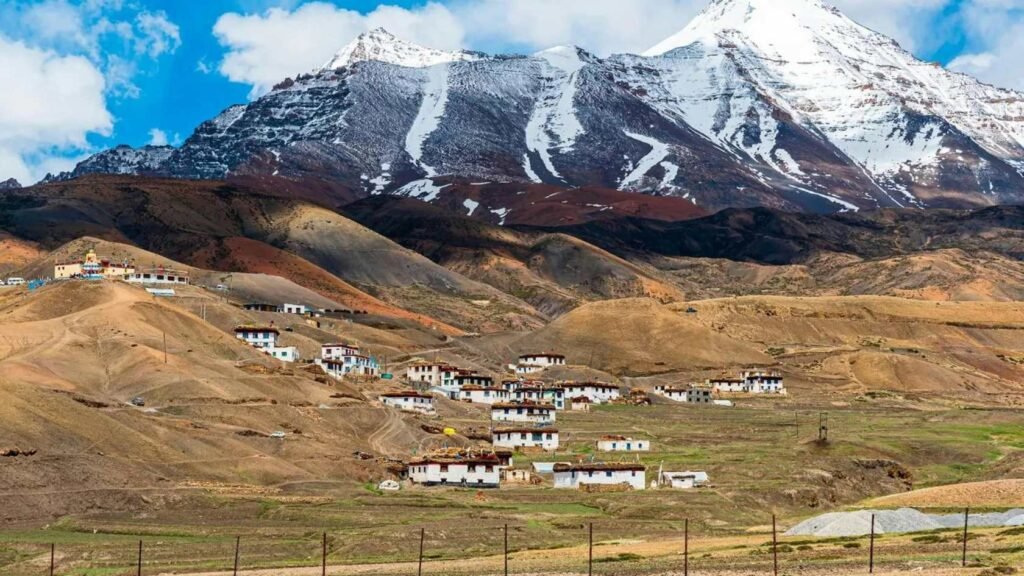
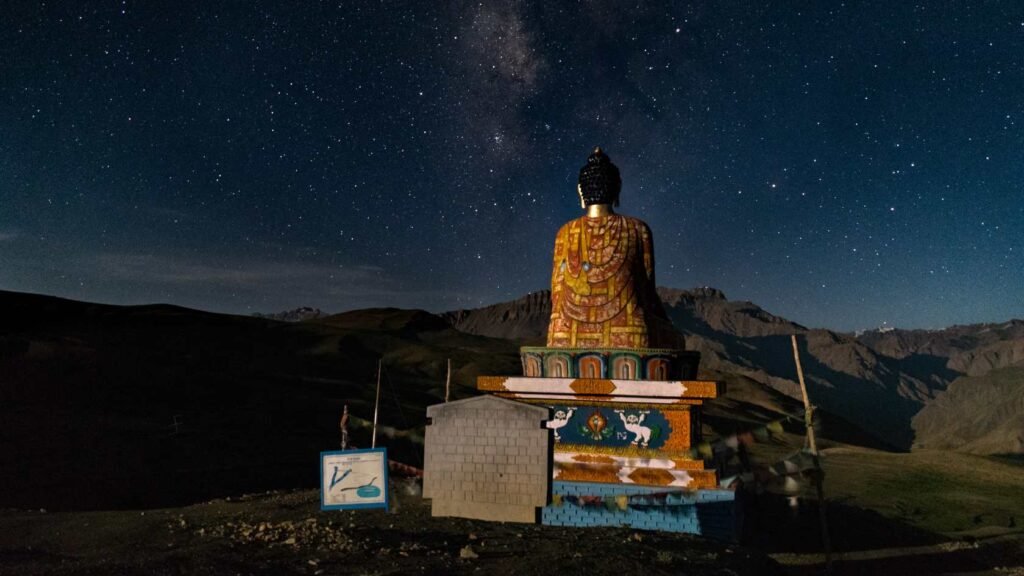
It is famous for its giant Buddha statue and the marine fossils you find in the surrounding fields. The drive from Kaza takes about 45 minutes. The views from the village are some of the widest anywhere in Spiti Valley in May.
Hikkim and Komic
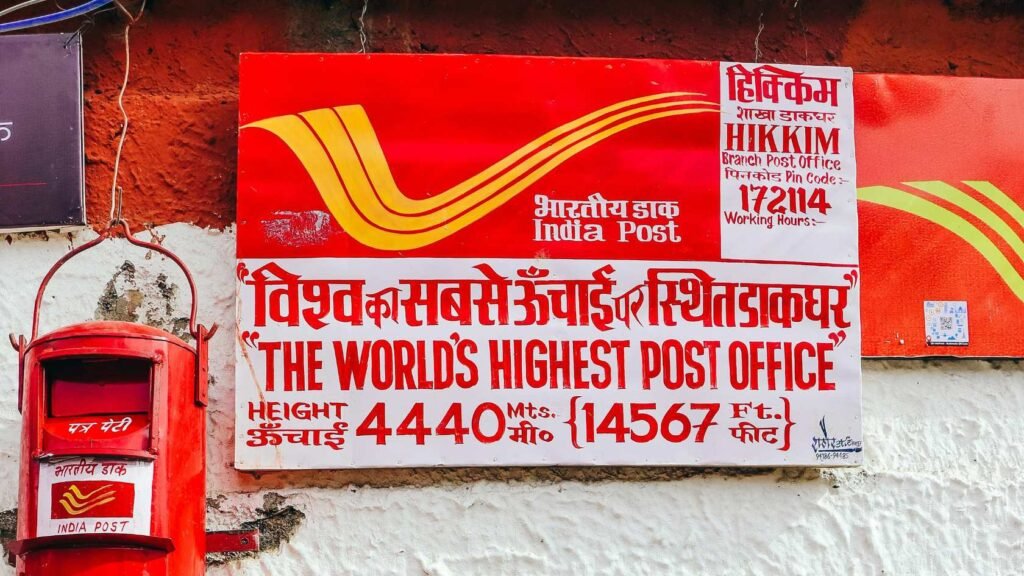
They sit above Langza and are often combined into a single half-day. Hikkim has the world’s highest functioning post office — post a letter home, it is the kind of detail that costs nothing and stays with you.
Tabo
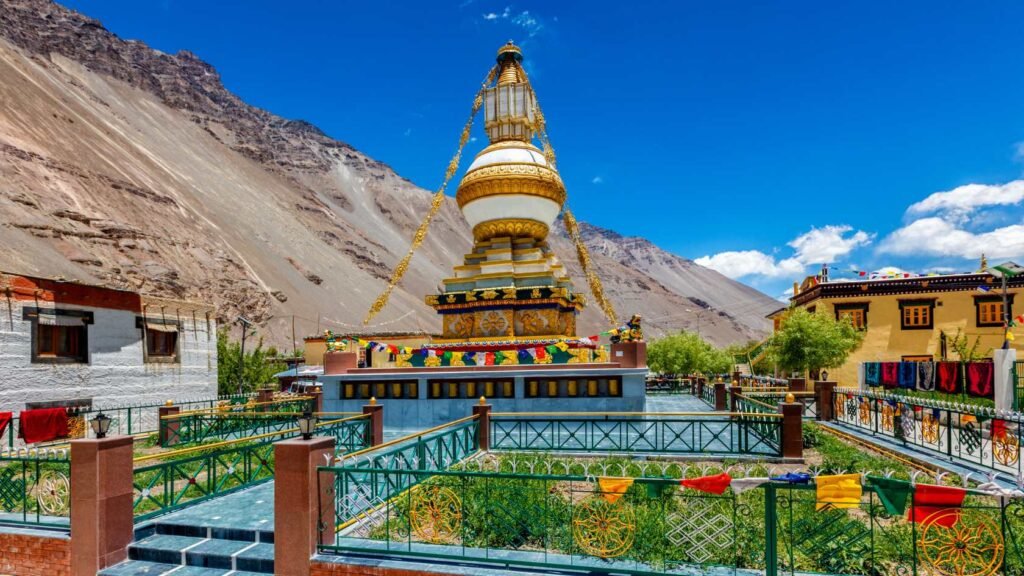
deserves more time than most travellers give it. The monastery is over a thousand years old, with murals inside that are genuinely remarkable. In May, you can often get a guide to walk you through the inner chambers slowly — something that becomes harder once July crowds arrive.
Dhankar
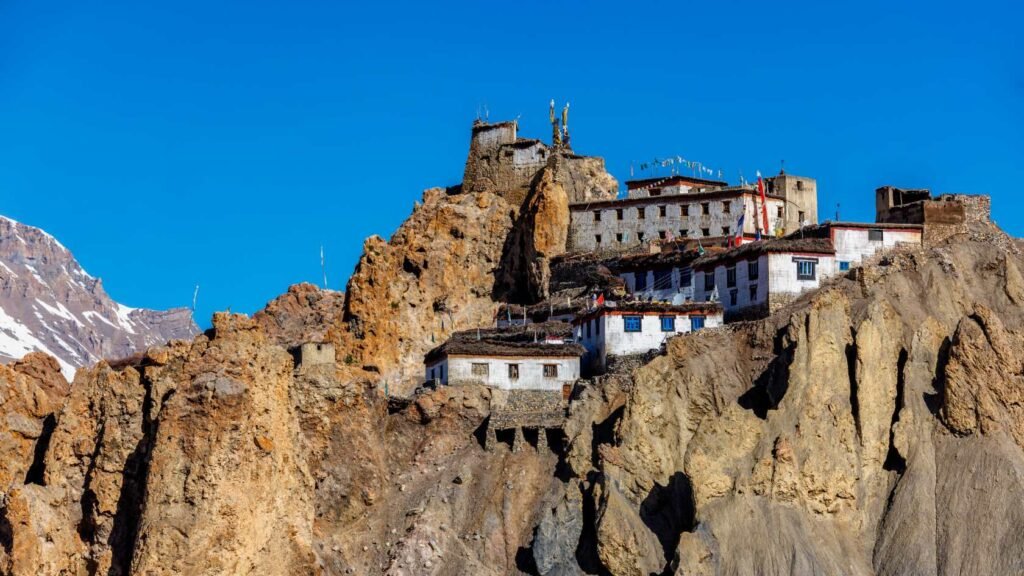
32 km from Kaza at 3,870 metres, is the monastery on the cliff. Go in the morning. The light hits it best before noon and the valley below looks unreal.
Pin Valley
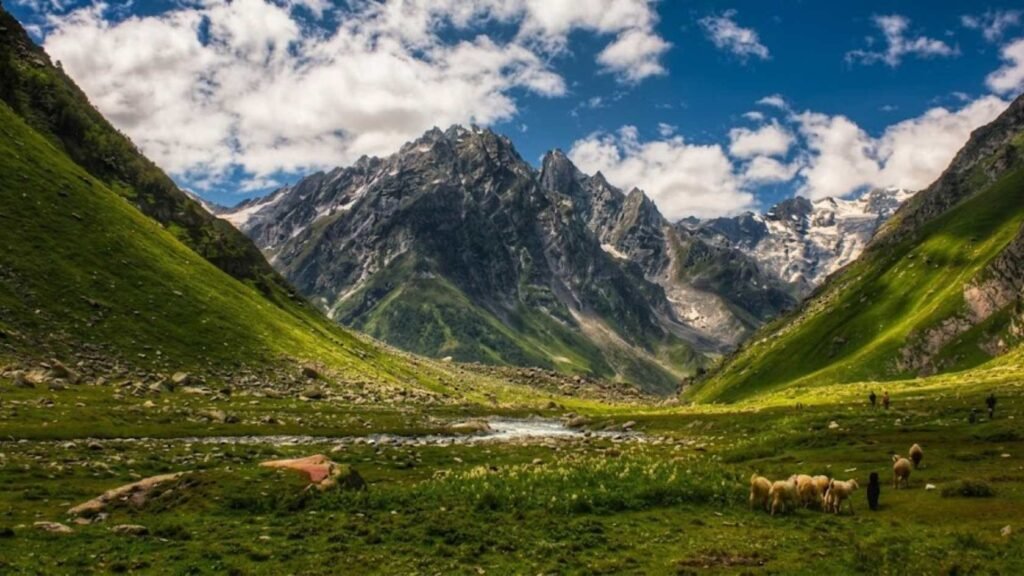
It is the most undervisited part of Spiti and one of our personal favourites. Quieter, drier, further from the tourist circuit. In May it is almost entirely yours.
The Money Tip Most Travel Agents Skip

Guesthouses in Spiti Valley in May are not running at full capacity. Owners want bookings and you have negotiating room that disappears entirely by July. Walk-in rates in May can run 20 to 30% lower than peak season at many properties in Kaza and Tabo. Book directly with the guesthouse owner rather than through OTA platforms — you save the commission and they often throw in meals or chai without being asked.
Also: local taxi drivers in Kaza quote per-vehicle, not per-person. If you are travelling as a group of four, the per-person cost drops significantly compared to a solo traveller paying for the same jeep. Combine day trips where routes overlap — the Hikkim-Komic-Langza loop is a single day, not three separate excursions.
How Many Days Do You Need for Spiti Valley in May?
8 days is the minimum for a comfortable trip via the Shimla route. That is not 8 days of sightseeing from Day 1 — the first two nights are gentle acclimatisation stops, and Day 3 is still an easing-in day.
Add one to two buffer days if Chandratal is on your list. In May, that stretch may or may not cooperate, and a rigid itinerary will cause stress.
We have seen people attempt Spiti in 5 days. It works only for experienced altitude travellers with genuine flexibility. For first-timers, those 5 days will include two days feeling off from altitude and one day stuck behind a road clearance crew. 8 days gives you a real trip. 5 days gives you a rushed one.
Suggested 7-Day Spiti Valley in May Itinerary

Day 1 — Shimla to Narkanda or Rampur
An easy opening day through the Sutlej valley. Altitude gain is gentle. Stay overnight and rest.
Day 2 — Rampur to Kalpa
Kalpa sits above Reckong Peo at about 2,960 metres. The views of Kinner Kailash from here are among the finest in Himachal. A slow afternoon walk through the village is enough.
Day 3 — Kalpa to Tabo
You cross the Sutlej gorge, pass Nako and Spello, and arrive at Tabo by evening. Spend your first evening inside the monastery before the light fades.
Day 4 — Tabo to Kaza via Dhankar
Stop at Dhankar Monastery and Dhankar Lake if energy allows. Arrive in Kaza by mid-evening. Do not push for a big sightseeing day on arrival.
Day 5 — Kaza circuit: Key Monastery, Kibber, Langza
Start at Key Monastery before 7 AM. Drive to Kibber, then Langza. Return to Kaza by mid-afternoon.
Day 6 — Hikkim, Komic, Pin Valley
Morning in the high villages, afternoon in Pin Valley. Two very different landscapes in one day.
Day 7 — Flexible: Chandratal attempt or Manali exit
Check road status the night before. If Kunzum Pass is confirmed open and the Chandratal diversion is clear, attempt it. If not, drive toward Manali via Kunzum if the pass is open, or retrace via Shimla. Never force this day in May.
What Should You Pack for Spiti Valley in May?

Thermal base layers, top and bottom. Non-negotiable. One extra set beyond what you think you need.
A fleece mid-layer and a windproof outer jacket
The wind drops the effective temperature fast — two lighter layers you can adjust are more useful than one heavy coat you cannot.
Gloves and a warm hat
These go in your day bag, not your checked luggage. You will need them at Key Monastery at 7 AM even if it is 14°C by noon.
High-SPF sunscreen and UV-blocking sunglasses
Snow reflection at this altitude is intense. Sunburn and mild snow blindness are both genuinely common in May.
Sturdy shoes with grip
Monastery steps, village trails, and the walk to Chandratal’s lakeshore all need proper footwear. Not sandals.
A fully charged power bank
Electricity supply in parts of Spiti is unreliable. Maps, camera, and phone all need backup power.
Enough cash for the full trip
ATMs in Kaza exist but can be out of cash. UPI fails without network. Carry small denominations — dhabas and guesthouses cannot always break large notes.
Download offline maps before Narkanda
From that point on, live GPS will fail you repeatedly. Both Maps.me and Google Maps offline work well for Spiti routes.
What we always tell our May travellers: pack one extra thermal layer and one extra warm pair of socks beyond what your packing list says. Every single person who has ignored this tip has called us from Kibber at 6 PM wondering why they are freezing.
Is Spiti Valley in May Safe?
Yes, with clear-eyed honesty about what the risks are.
Altitude sickness
It is the main one. Kaza is at 3,350 metres. Kibber is higher. Kunzum is at 4,590 metres. Come from Delhi and reach Kaza in two days on the Manali route and your body will protest. The fix is the Shimla side entry and proper acclimatisation stops — not Diamox from the first day.
Roads in May
have post-winter damage. Snowmelt creates water crossings, soft shoulders, and unpredictable surfaces on the higher stretches. Drive only in daylight. This is not cautious advice — it is the actual rule for May travel in this region.
For solo travellers
Spiti Valley in May is manageable, but the remoteness is real. Mobile network drops for long stretches. Tell someone your full route in writing before you leave signal range.
For families
May works for families with older children (above 10) if the plan is slow and acclimatisation days are real. For younger children or elderly members with heart or breathing conditions, July to August is the safer window.
One scam warning to know:
Private taxis from Kaza toward Chandratal or Kunzum sometimes quote ₹4,000 to ₹5,000 for the day in May when standard rates are closer to ₹2,500 to ₹3,500. Decide the rate before you sit down, and confirm whether the quote is per vehicle or per person.
Network, ATMs, Fuel, and Cash in Spiti Valley in May
BSNL gives the best coverage in the Spiti valley in may. Airtel and Jio work near Kaza and drop out in most villages. Do not rely on live navigation anywhere past Narkanda on the Shimla side.
Fill fuel at every opportunity. There is a pump in Kaza but availability can vary. Do not let your tank fall below half on any long drive day.
ATMs in Kaza exist but can be out of service or empty. Carry enough cash from Shimla or Manali to cover the entire trip. Dhabas, guesthouses, and local jeep drivers work on cash only.
What Does a Spiti Valley in May Trip Cost?

A self-drive or shared-taxi trip via the Shimla route, covering Kaza, Key Monastery, Kibber, Langza, Tabo, Dhankar, and Pin Valley over 8 days, typically runs ₹10,000 to ₹20,000 per person including stays, food, and local transport — assuming you are travelling in a group and sharing vehicle costs.
An organised package for the same route, with a driver, handpicked stays, and meals included, usually costs around ₹25,000 to ₹30,000 per person for a 7-night / 8-day trip. Across all travel styles, the overall range spans ₹10,000 to ₹50,000+ depending on how you travel.
Budget travellers sharing a jeep and staying in basic guesthouses will sit at the lower end. Those who want private transport and comfortable homestays will sit higher.
If you want a clearer number based on your group size and exact dates, have a look at our Spiti Valley Circuit Packages — the page breaks down inclusions at different price points clearly.
Final Verdict: Should You Visit Spiti Valley in May?
Yes — if you are the right kind of traveller for it.
May gives you Spiti before the rush. Quiet monasteries, snow on the passes, empty village lanes, and the kind of silence that peak season wipes out completely. If that sounds like what you want, May will deliver it.
But May is not the month for fixed itineraries, guaranteed Chandratal overnights, or first trips via Manali on a five-day plan. The route uncertainty, altitude, and cold nights are all real. They are manageable, but they require flexibility.
Our recommendation for most travellers: enter via Shimla, plan 8 days minimum, treat Chandratal and the Manali exit as optional bonuses, and pack warmer than you think necessary. Late May is noticeably more settled than early May — if you can choose your window, choose late May.
Frequently Asked Questions
Also Read: Manali in May 2026: Weather, Snow, Crowds, Places to Visit and Travel Tips
Ready for Your Himachal Adventure?
Get FREE customized itinerary · Best Price Guaranteed · Local Himachal Experts since 5+ years · 3,973+ Happy Travelers


Pingback: Shimla In May 2026: Weather, Crowds And Best Travel Tips