
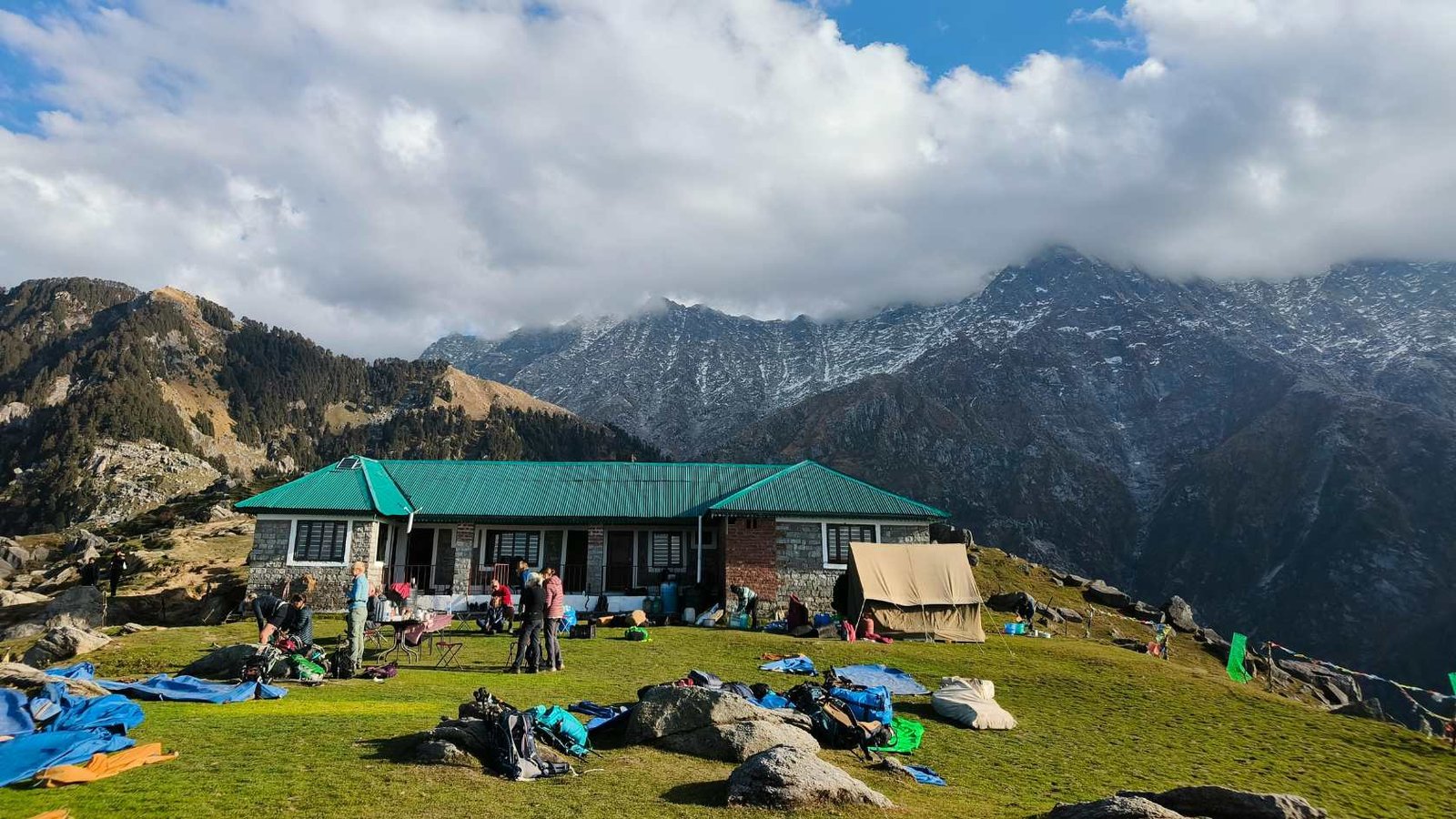
Chamba in May is one of the best months to visit. The Ravi Valley is green, the days are warm without being oppressive, and the town has a quieter, more relaxed feel than the packed tourist circuit further west. You get real Himachal — old temples, a proper bazaar, walks above the river — without the May crowds that hit Manali or Shimla hard.
That said, Chamba is a big district. What is true for the town is not always true for Bharmour or the Pangi belt. Keep reading before you plan your full itinerary.
Quick Answer
Chamba in May is a genuinely good time to visit. The town sits at a comfortable altitude and daytime temperatures hover around 22°C to 25°C, which is ideal for sightseeing. Evenings cool down noticeably, so carry a light layer. Higher areas like Bharmour and routes toward Sach Pass are cooler and need different planning. May is not monsoon, but short afternoon showers are possible — a buffer day helps, especially if you are planning longer drives within the district. Families, couples and first-time visitors to the region will find May very workable.
Is May a Good Time to Visit Chamba?
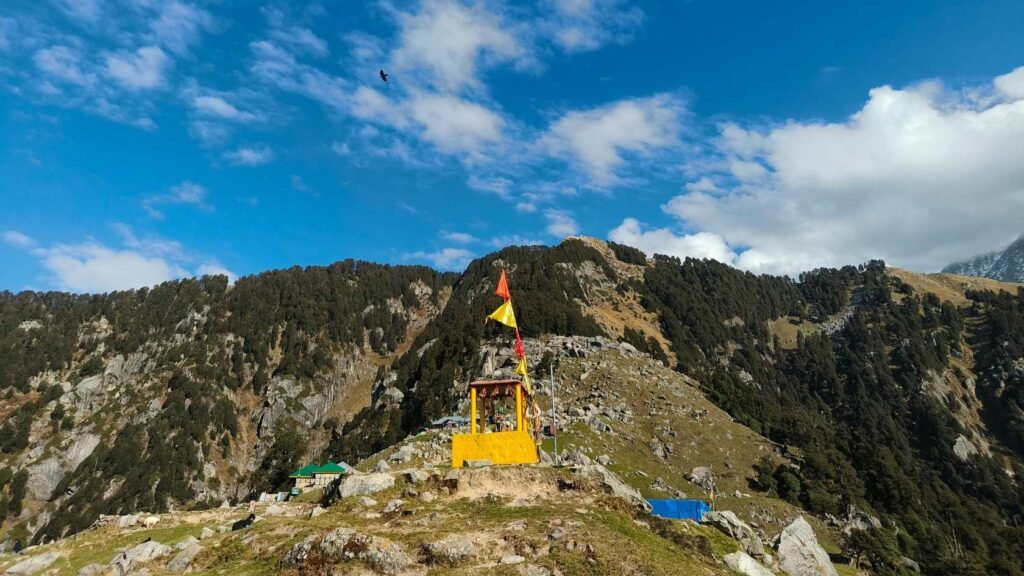
Yes, and honestly it is one of the more underrated travel months here. Most of India rushes to the hills in May, but Chamba stays calmer than its more famous neighbours.
The main sightseeing in Chamba town — the temple complex, the Chowgan ground, the museum, the old market lanes — all work perfectly in May weather. There is no snow blocking anything at the town level, and the heat that makes the plains unbearable barely touches Chamba.
Compare this to visiting in July or August, when the Chamba-Tissa road and some other district routes can get tricky due to landslides. In winter, some of the higher district roads close entirely. May avoids both problems for most travellers.
Families like May because the kids are still on school holidays and the weather behaves. Couples find it comfortable for slow mornings and evening walks along the river. First-time Himachal travellers often do not even know Chamba exists as an option — which is exactly why it makes for a better trip than the crowded alternatives.
What Is the Weather Like in Chamba in May?
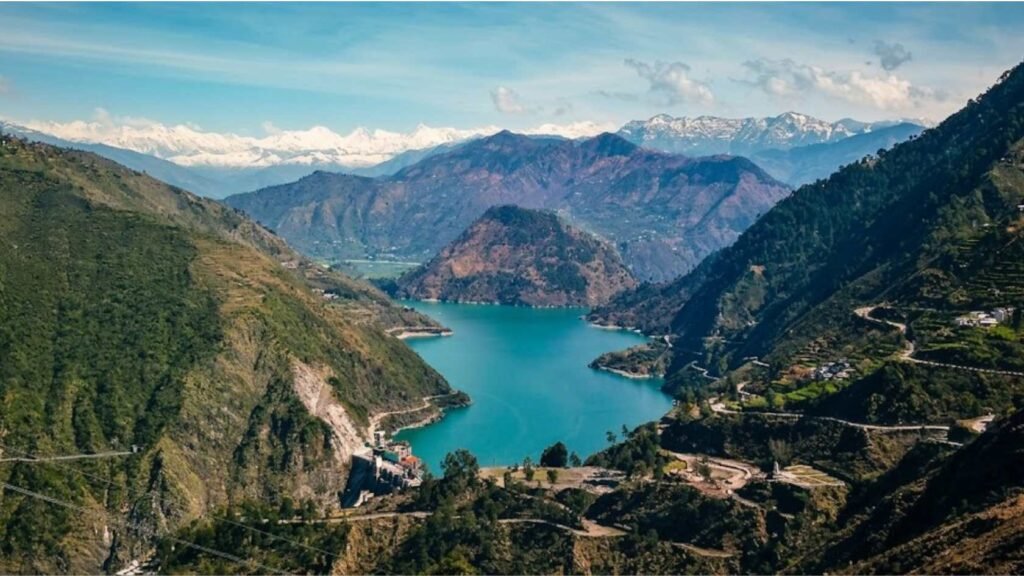
The IMD Climatology for Chamba puts the mean May temperature at 17.3°C, which makes it sound mild — and at night it is. But during the day you will feel comfortable warmth, with temperatures reaching around 25°C on sunny afternoons.
One set of data puts the May range at 9°C to 25°C, which matches what we see on the ground: cool mornings, warm afternoons, cool evenings again.
There is also data suggesting daytime peaks around 29°C for lower pockets of the district, though that is not typical for Chamba town itself. Our travellers who go in May almost always describe it as “just right” — not cold, not sweaty.
The picture changes as you go higher. In Bharmour, which sits at a significantly greater elevation, May mornings can feel genuinely cold. The stretch toward Sach Pass is still fully snowbound in May and not driveable for most travellers.
Plan two different wardrobes in your head: one for Chamba town, one for higher terrain if you are including it.
Does It Rain in Chamba in May?
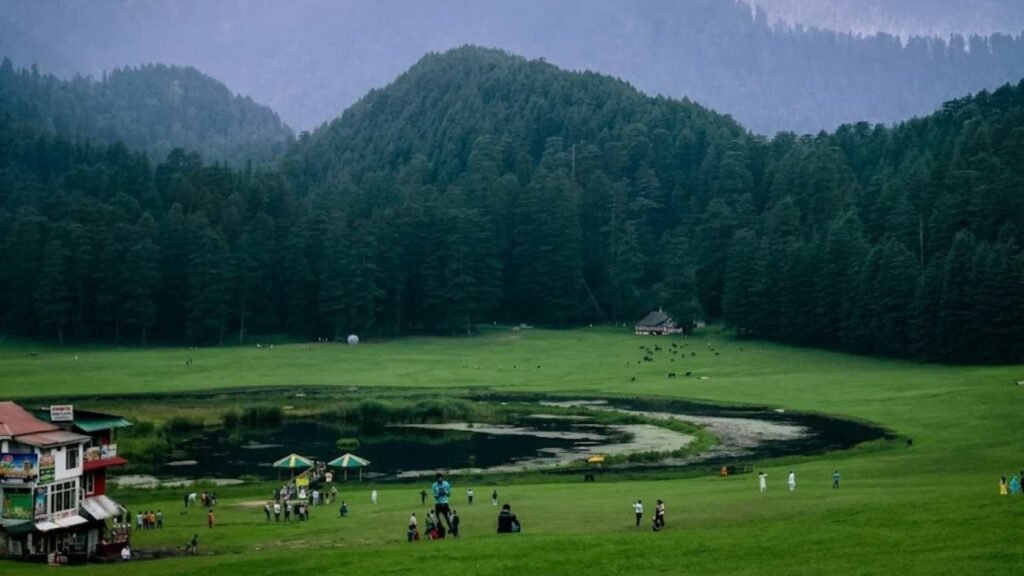
May is not monsoon, but it is not bone-dry either. IMD data shows an average of 5.5 rainy days in Chamba in May, with mean rainfall around 88.4 mm. That means you can expect short afternoon showers or occasional evening thunder — not day-long rain that kills plans, but enough to warrant a light jacket in your bag.
What matters more for planning is the district roads. A March 2026 report noted a landslide on the Chamba–Tissa road after a spell of rainfall. If rain does come in May, some of the smaller routes within the district can slow down or close temporarily.
Check road conditions on the morning you plan a longer drive — especially if you are heading toward Bharmour or anywhere beyond the main Chamba-Pathankot highway. One buffer day built into a 4-day trip can save the whole thing.
What Should You Pack for Chamba in May?

For Chamba town, pack light cottons or linen for daytime and a medium fleece or light jacket for evenings. You will not need a heavy Manali-style down jacket unless you are going higher.
Good walking shoes matter more than anything else. Chamba’s old lanes and temple areas are uneven stone paths. Comfortable sneakers or light trekking shoes will serve you better than sandals.
Sunscreen with a high SPF is non-negotiable. The UV at this altitude is stronger than it looks, especially on clear May days. A compact rain jacket or a foldable poncho takes up almost no space and saves the day if afternoon showers come in.
If your plan includes Bharmour, add thermals and a proper outer layer. Nights there are a different story compared to town. And carry more cash than you think you need — ATM access becomes less reliable as you move away from Chamba town.
Best Places to Visit in Chamba in May
The Laxmi Narayan Temple complex
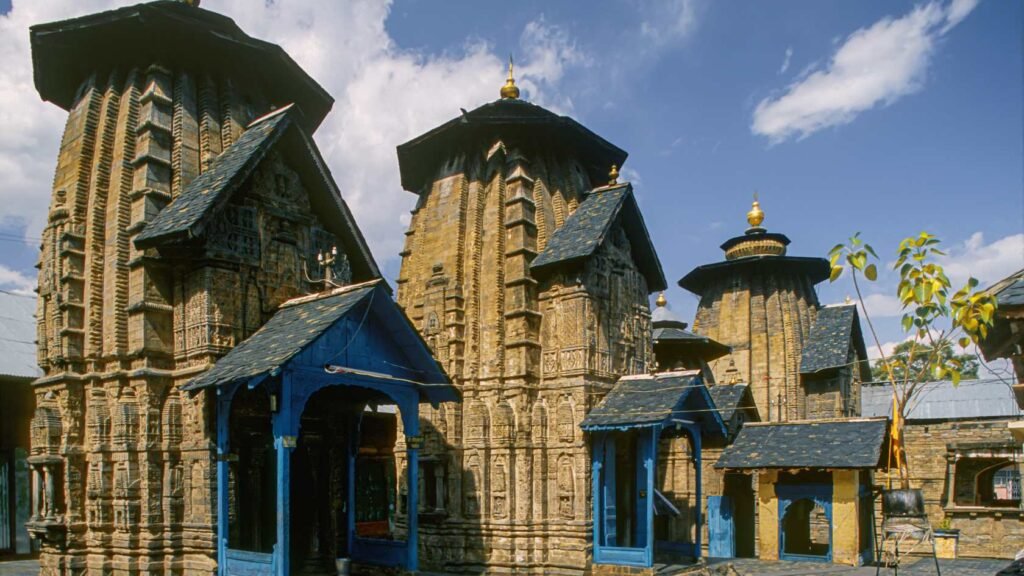
It is the first stop for almost everyone, and rightly so. The cluster of six temples — some dating back over a thousand years — sits quietly in a part of town that still looks like old Himachal. Go in the morning when it is less crowded.
The Bhuri Singh Museum
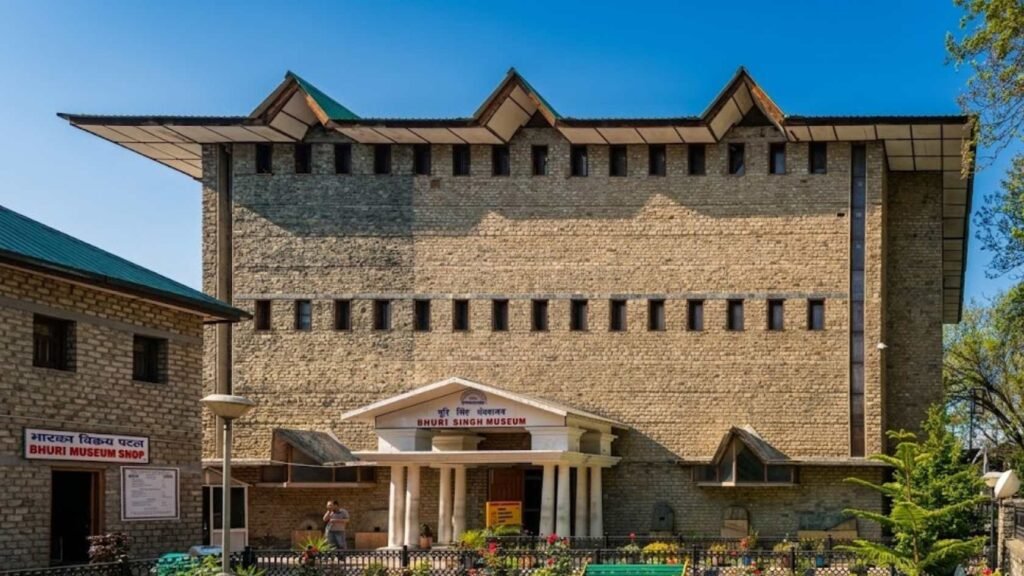
It holds one of the best collections of Pahari miniature paintings and archaeological finds in Himachal. It opens at 10 AM and closes at 5 PM, closed on Mondays. Budget 90 minutes here — most people rush through it in 30 and miss the best rooms upstairs.
The Chowgan
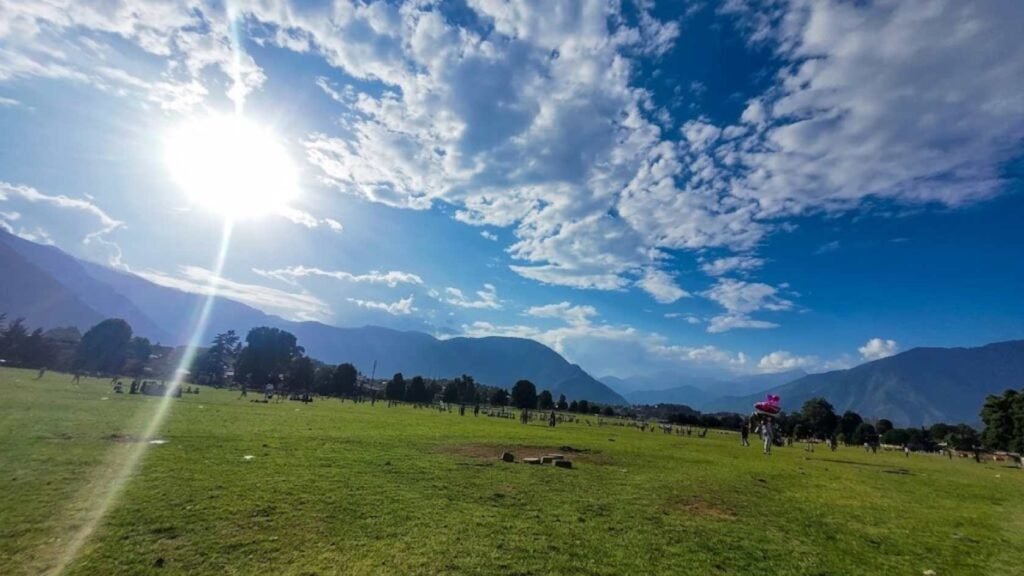
It is a large open ground at the centre of town — is where Chamba’s cultural life happens. Walk it in the evening, stop for chai at one of the dhabas on the edge, and watch the town settle into its rhythm. This is the kind of local detail that most generic travel guides skip entirely.
The main bazaar is worth a slow walk: Local textiles, Chamba rumals (the embroidered handkerchiefs that are a protected craft), and a few good eateries are spread along the lanes. In our experience, the older lanes behind the main market road are more interesting than the main street itself.
Khajjiar
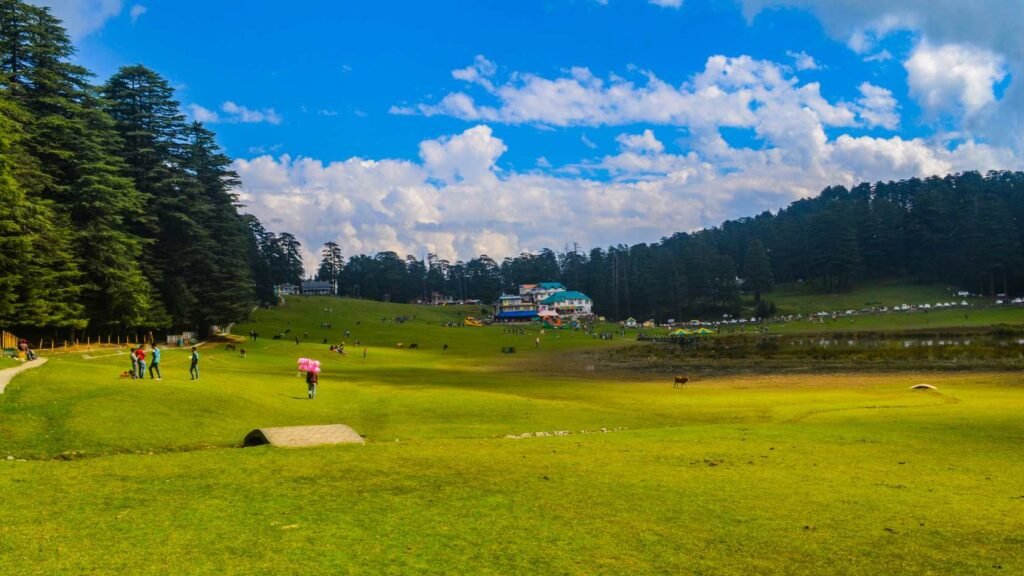
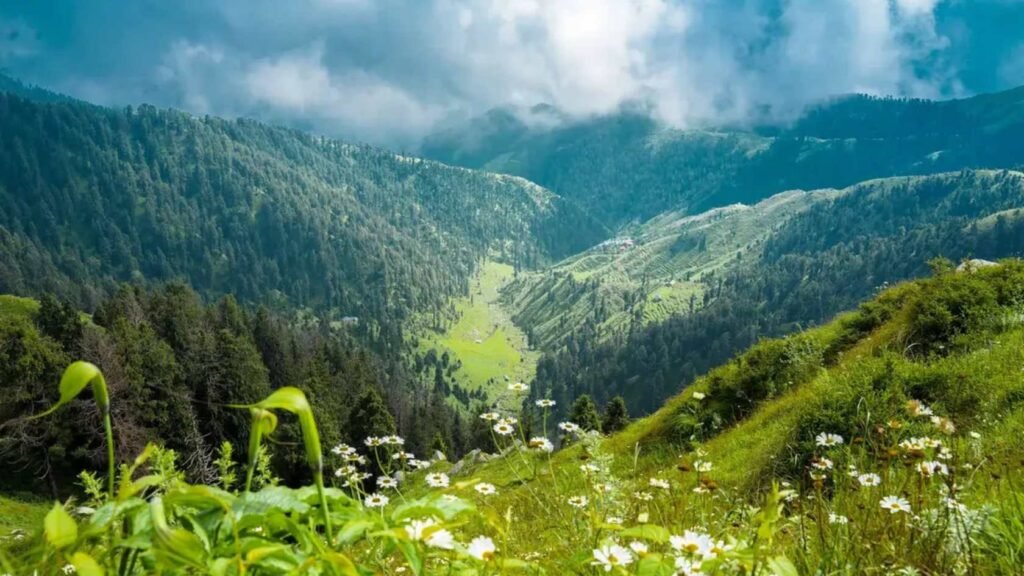
It is the obvious day trip from Chamba and it deserves the attention it gets. The meadow — a wide green bowl with a small lake in the middle and deodar forest on all sides — is one of those places that looks exactly like the photos, which is rare.
May is a strong month for Khajjiar. The meadow is fully green, the light is good, and the afternoon is warm enough to sit on the grass. It works for families who want an easy outdoor day and for couples who want the scenery without serious trekking.
The drive from Chamba to Khajjiar takes roughly an hour on a good day. Go early — by late morning the day-trippers from Dalhousie start arriving and it gets busier.
Kalatop Wildlife Sanctuary
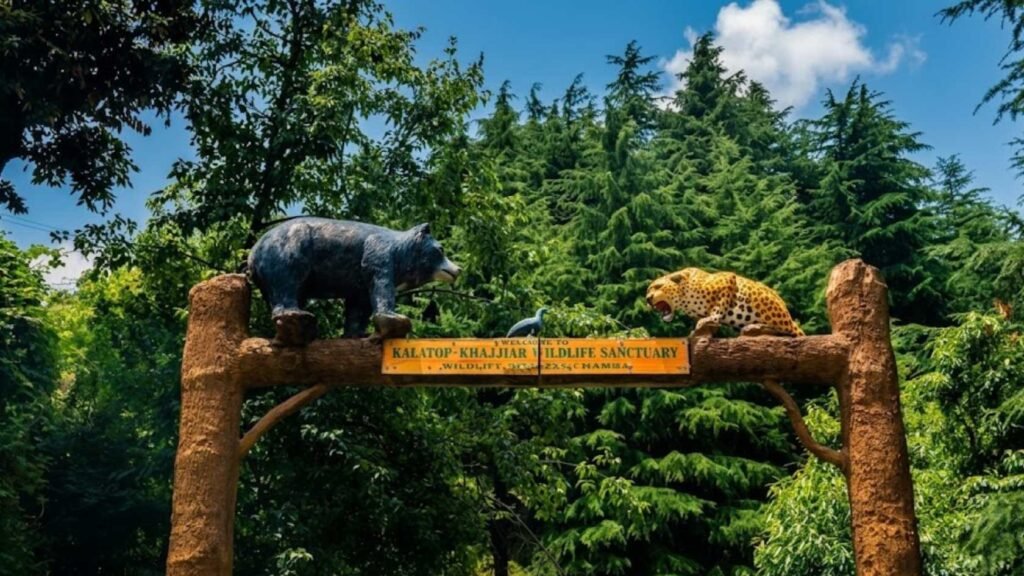
If Khajjiar is the crowd-pleaser, Kalatop is the reward for travellers who want something quieter. The sanctuary borders Khajjiar and gets a fraction of the footfall. May is a good month for birdwatching and forest walks here — the canopy is full and the trails are in reasonable shape.
Timings are commonly listed as 7 AM to 6 PM. Entry fee is listed differently across sources — figures of ₹150 to ₹250 for Indian visitors appear online, but these conflict enough that we suggest confirming at the gate. Take a published itinerary note: Khajjiar, Jot Pass and Kalatop can fit into one long day for fast travellers, but we prefer splitting Kalatop into its own half-day so it does not feel rushed.
Bharmour
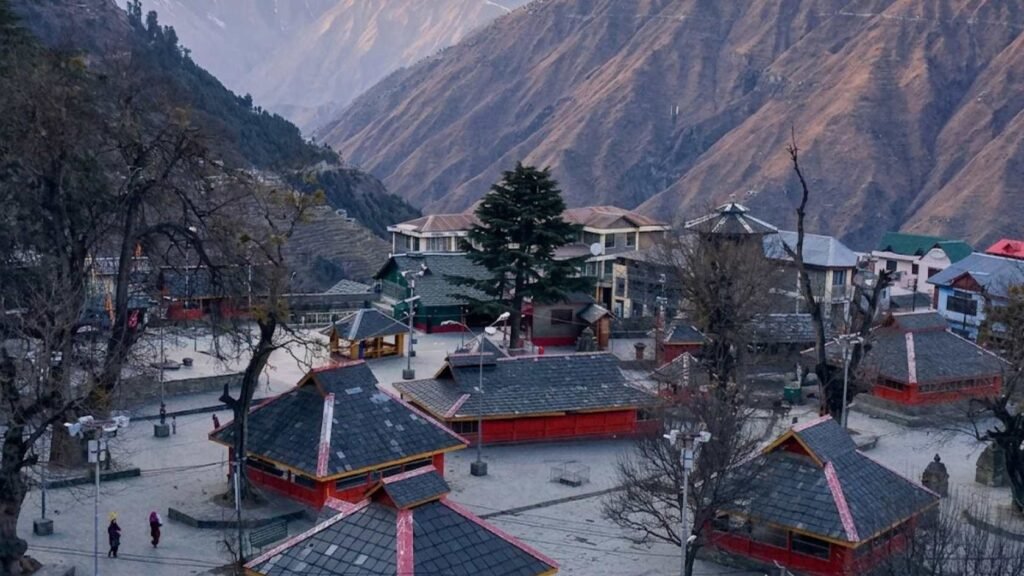
It is the ancient capital of the region and home to the Chaurasi temples complex — 84 temples on a single site, some over 1,400 years old. It is genuinely worth the drive.
The honest version: Bharmour adds roughly 5 hours of driving from the Dalhousie side of the district. That is a long commitment. Add it to your plan if you have 4 days or more, if you genuinely love heritage and mountain scenery, and if you enjoy a slower-paced trip.
Skip it if you are on a tight 2-day weekend plan, or if long mountain drives are not your thing. You will not feel like you missed a must-see — Bharmour is a real addition to the trip, not a basic checkbox.
Chamera Lake
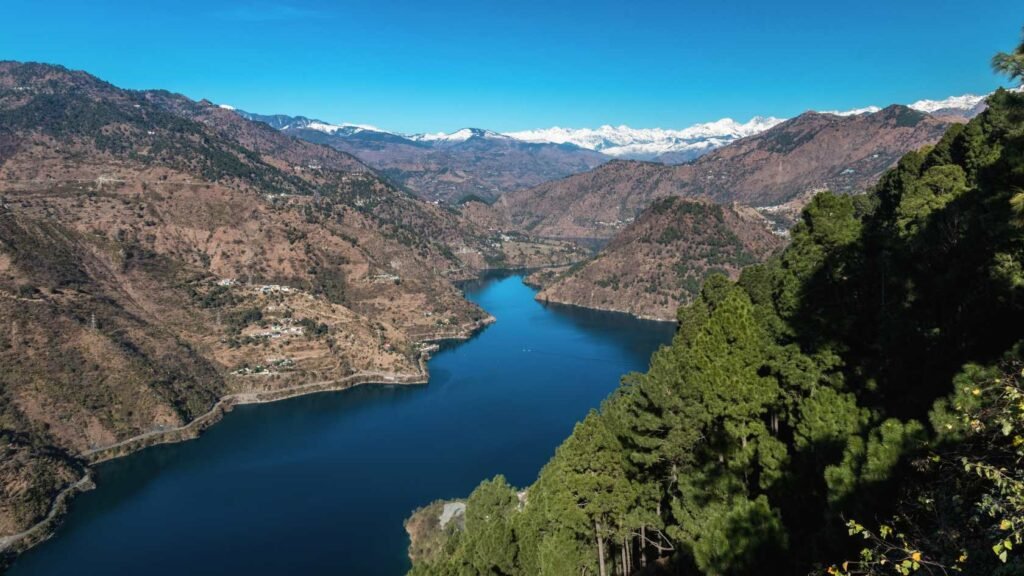
Technically a reservoir formed by the Chamera Dam — is best used as a scenic stop on the way to or from somewhere else, not a full standalone day. The water is wide and blue, the surroundings are green in May, and it makes for a good photo stop and chai break.
What we tell travellers: do not drive specifically to Chamera Lake expecting a dramatic destination. Stop there if it is on your route. The setting is pleasant, not extraordinary.
2-Day, 3-Day and 4-Day Itinerary for Chamba in May
2 Days in Chamba in May

Day 1 is for Chamba town: Laxmi Narayan Temple in the morning, Bhuri Singh Museum before lunch, Chowgan in the afternoon, the old bazaar in the evening. Walk slowly — this is a town that rewards wandering over planning.
Day 2 is the Khajjiar day trip. Start by 8 AM, drive up, spend the late morning and early afternoon at the meadow, and loop back through Kalatop for a short forest walk before heading back to town. This gives you the two most rewarding experiences in the district without overextending.
3 Days in Chamba in May

Follow the 2-day plan for days 1 and 2. Day 3 is your slower, open-ended day. Sleep in, revisit the temple complex at a different time of day, try the local dhabas on the riverside, or take a short walk above the town toward the ridge.
If you are a heritage traveller, Day 3 is also when you could drive to Bharmour — leave early, spend 3 to 4 hours at the Chaurasi temples and the old market, and drive back by evening.
4 Days in Chamba in May

This is our recommended format for Chamba in May. The extra time lets you be unhurried. Days 1 and 2 follow the same pattern. Day 3 goes to Bharmour properly — drive up, stay a night there if you like the idea of a slower morning at the temples, or day-trip it if you prefer your own accommodation in Chamba town. Day 4 is your buffer: check road conditions, do a Chamera stop on the drive out, or simply explore a part of Chamba you have not seen yet.
Families with kids especially benefit from the 4-day version — there is less pressure, and if a day gets rained out, nobody panics.
Chamba in May for Families, Couples and Road Trippers
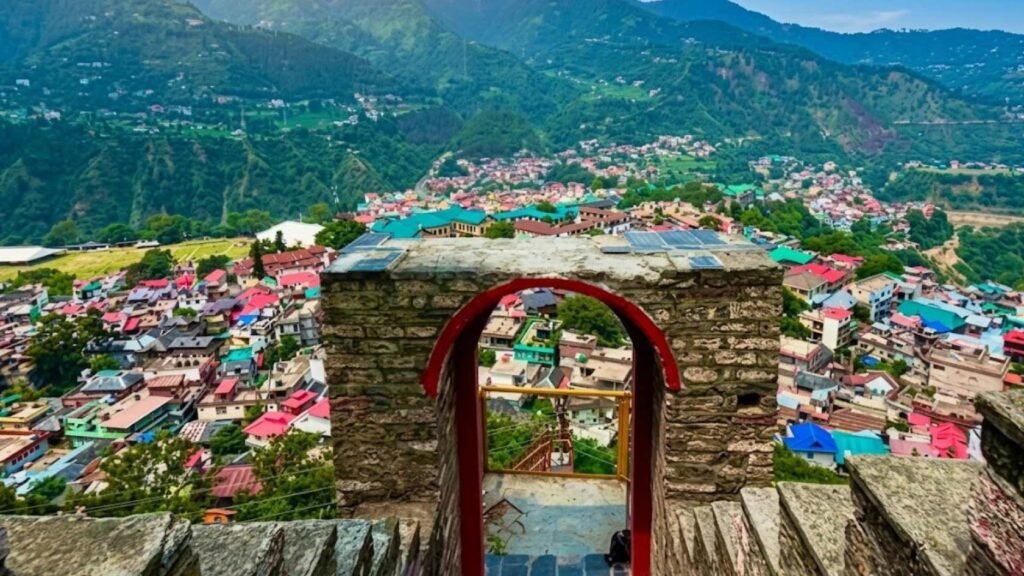
Families
They find Chamba in May genuinely easy. The town is walkable, the temperatures are comfortable, Khajjiar is a legitimate half-day for children, and there are no extreme roads or altitude concerns at the town level. One thing we always mention to parents: the old temple lanes have uneven stone paths — strollers are impractical.
Couples
Who want a quieter Himachal trip do very well here. Chamba does not have the backpacker crowd or the loud commercial tourism of Kasol or Bhuntar. Evenings by the Ravi, a slow dinner at a riverside spot, and mornings at the temple complex feel genuinely unhurried.
Road trippers
They are increasingly discovering the Chamba-Bharmour-Chamba loop as an underrated circuit. If you are doing a larger Himachal road trip and looking for something off the Manali-Kasol-Shimla trail, Chamba deserves serious consideration.
Our Manali tour packages and Dharamshala tour packages are the most common starting points for travellers who then add Chamba as an extension.
How to Reach Chamba and What Road Conditions Are Like in May
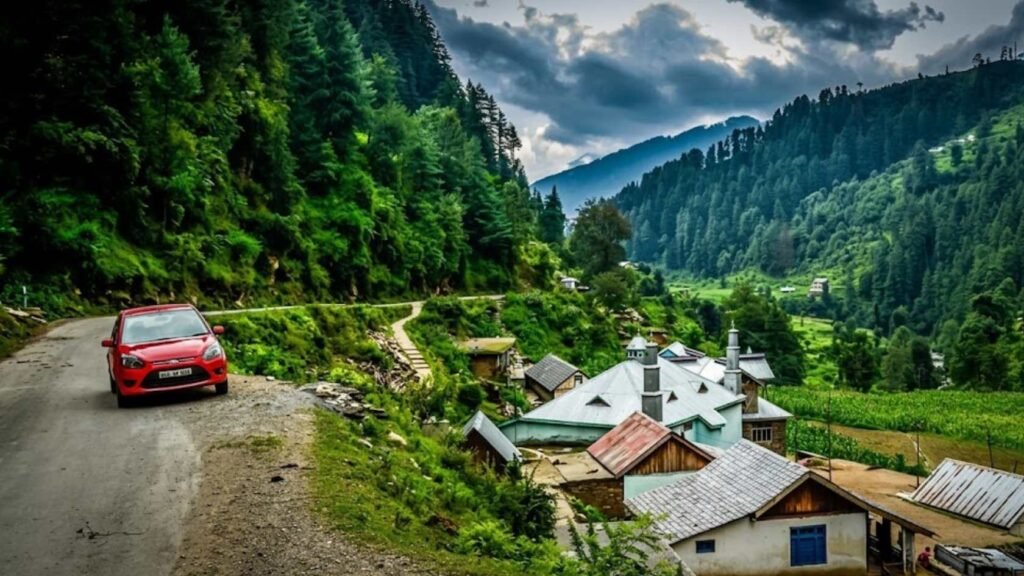
Chamba connects best via Pathankot — most travellers drive from Pathankot through Dalhousie and then continue to Chamba, a journey of roughly 3 to 4 hours from Pathankot depending on stops. Buses from Pathankot and Chandigarh also serve Chamba.
From Delhi, the most common approach is overnight bus or train to Pathankot, then a taxi or local bus to Chamba.
Road conditions in May are generally good on the main Pathankot-Chamba highway. The concern is district-level roads within Chamba — specifically toward Bharmour and the smaller valleys. A landslide briefly disrupted the Chamba–Tissa road after rain in March 2026. By May, conditions improve, but it only takes one heavy shower to temporarily affect a side route.
Always check road conditions on the morning you plan any drive beyond Chamba town. Your hotel or guesthouse will usually have updated information from local drivers. Do not rely on what was true the week before.
Are Permits or Registrations Needed?
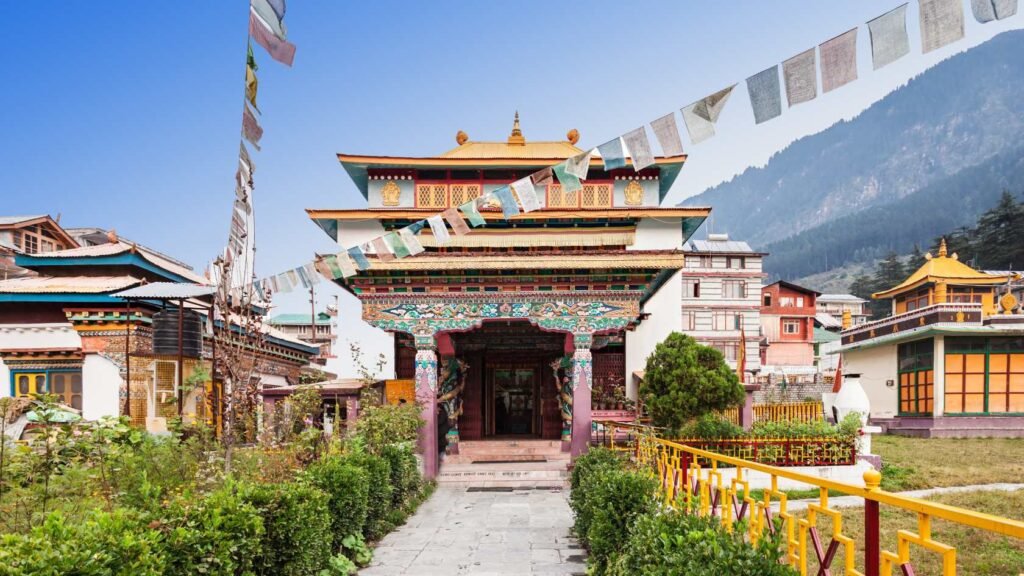
For a regular trip to Chamba town, Khajjiar or Kalatop, no permit is required for Indian travellers. You show up and go. No paperwork.
The situation changes for specific routes and pilgrimages. The Manimahesh Yatra — which happens in August and September — requires mandatory registration. In May, the yatra has not yet started, so this does not affect May travellers.
For routes toward Sach Pass or Pangi Valley, Indian tourists generally do not need a separate tourist permit, but ID checks at local check-posts are common and route-specific requirements can change by season. In May, Sach Pass is almost certainly still snowbound and not driveable anyway — it typically opens around June or July.
If your plan is Chamba town and the standard day trips, no permits are needed. If you are going deeper into the district, confirm the latest requirements with a local operator before you go.
Where to Stay in Chamba in May
Chamba town
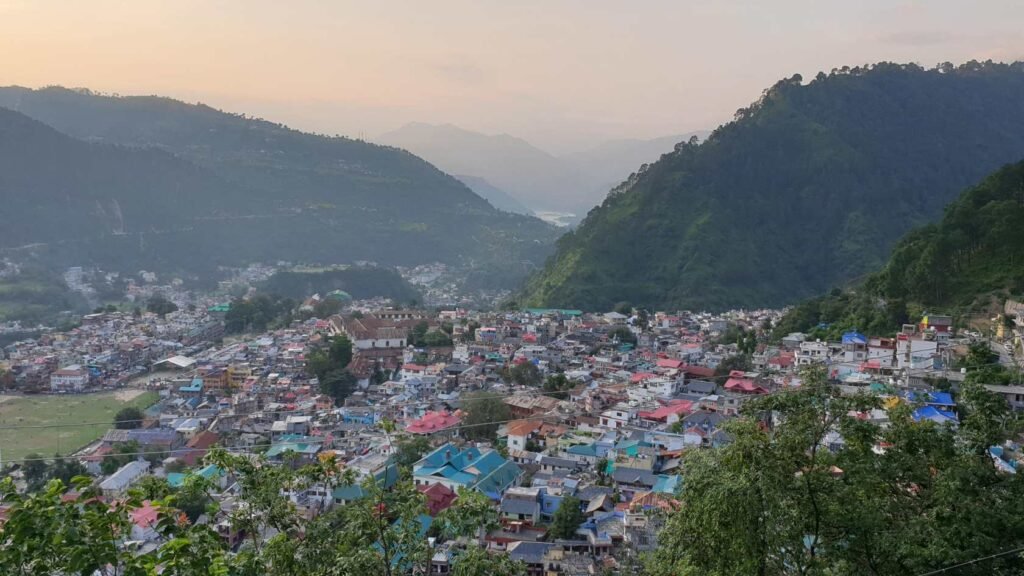
It is the most practical base for most travellers. You are central to the temple complex, the museum and the market, and Khajjiar is a comfortable day trip away. Options range from budget guesthouses near the bazaar to a few mid-range properties with valley views. May is not peak season for Chamba the way it is for Manali, so rates are reasonable and availability is not a problem if you book a week in advance.
If you prefer staying closer to the meadow itself, Khajjiar has a handful of properties. The experience of waking up next to the meadow is genuinely nice, but the trade-off is distance from the town’s heritage and food options. Good for a one-night middle stay on a longer itinerary, less ideal as a full base.
Bharmour
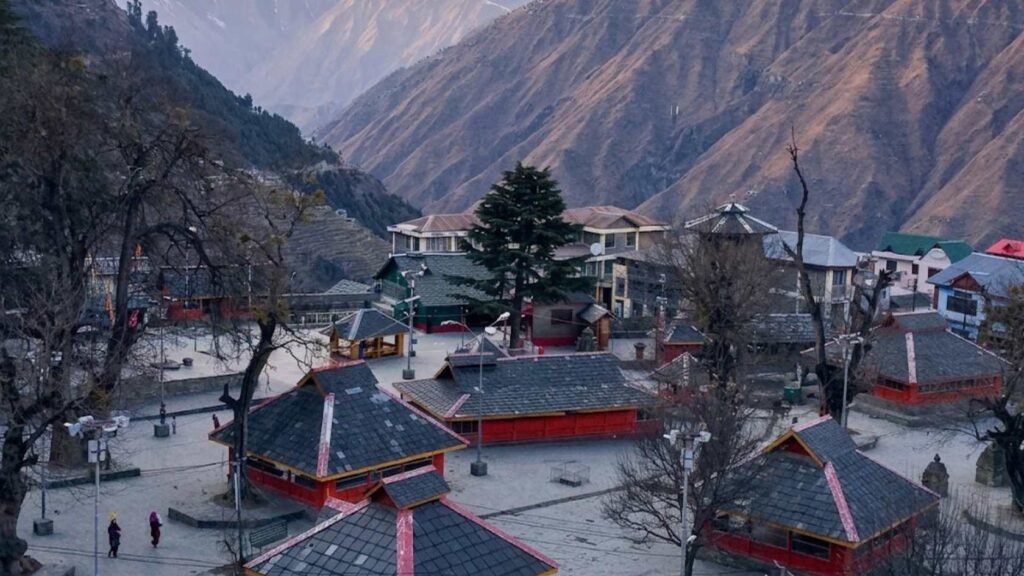
It is a valid overnight option if you want to spend real time at the Chaurasi temples without the pressure of a same-day drive back. Facilities are basic — expect simple guesthouses rather than hotels. That suits some travellers perfectly and puts others off completely.
Dalhousie side
It works for travellers who want more accommodation variety while still accessing Chamba and Khajjiar on day trips. Bakloh is about 30 km from Dalhousie and can be an interesting stop, though most travellers stay in Dalhousie itself rather than Bakloh specifically.
Local Tips Before Planning Chamba in May

The biggest thing most first-timers get wrong: they treat Chamba town as a quick half-day on the way to Khajjiar and miss what makes Chamba worth the trip. The temples, the museum, the Chowgan at evening — these are not supporting acts. They are the main reason to come. Budget at least one full day just for the town.
The Bhuri Singh Museum is better than almost any blog review will tell you. In our experience taking heritage-interested travellers through Chamba, this is consistently the highlight people talk about at dinner. Go when it opens at 10 AM on a weekday — you will likely have it to yourself for the first hour.
One money tip almost no travel guide mentions: shared taxis from Chamba to Khajjiar run during peak hours and cost a fraction of a full private taxi. Ask at the Chamba taxi stand. You will pay more for privacy but the shared option exists and works well if you are travelling as a couple or solo.
Skip the paid photography viewpoints at Khajjiar near the main parking area — the meadow itself is the experience. Walk 10 minutes away from the main entrance point and you get the same scenery without the commercial noise around it.
Get to the lake-side section of Khajjiar by 7 AM if you can. The meadow looks completely different in early morning light, there are almost no other tourists, and by 10 the Dalhousie day-trip buses start arriving.
A safety note on taxis: if you hire a vehicle for a longer drive within the district, agree on the full price before you start. A Chamba to Bharmour return should be confirmed as a fixed day-rate, not per kilometre — the road has enough slow patches that per-km billing adds up significantly.
Talk to our Himachal team on WhatsApp if you want a customised Chamba plan with stays and transport sorted before you leave home. We have run this route enough times to know which guesthouses are actually worth it and which ones look fine in photos but disappoint in person.If you are combining Chamba with a larger Himachal trip, our popular tours page has the most common Himachal circuits travellers build around May. Chamba works beautifully as a 3-day extension from Dharamshala.
Frequently Asked Questions
Also Read: Bir Billing in May: Weather, Paragliding, Costs and Travel Tips 2026
Ready for Your Himachal Adventure?
Get FREE customized itinerary · Best Price Guaranteed · Local Himachal Experts since 5+ years · 3,973+ Happy Travelers



Pingback: Narkanda In May 2026: Weather, Snow & Best Travel Guide