
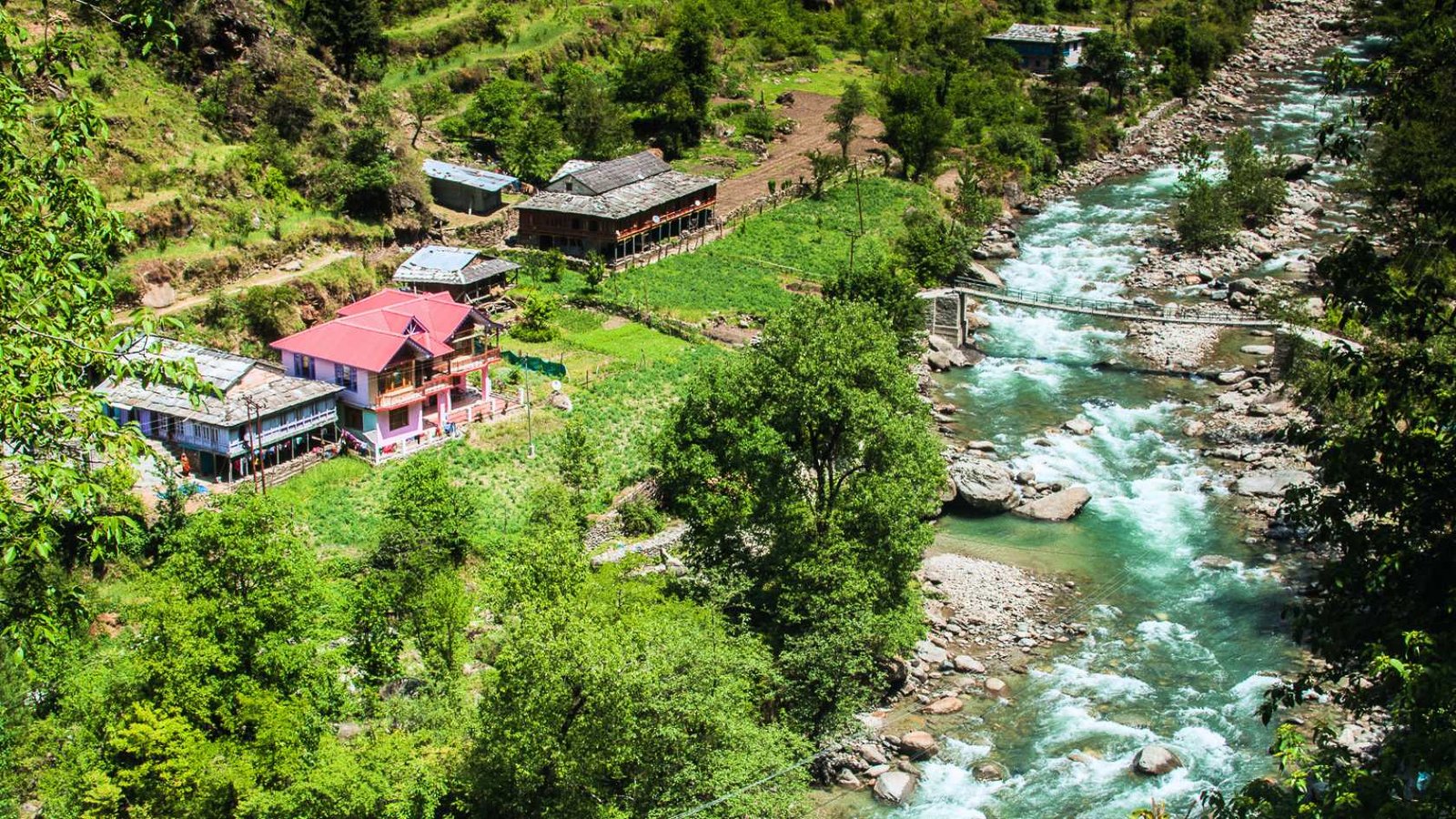
If you are wondering whether Tirthan Valley in June is worth the trip, the short answer is yes, and most locals will tell you the same thing. The river is full, the trails are open, the forests are at their greenest, and the valley feels alive in a way it just does not in winter.
But June is also the month when travellers get caught off guard. Early June is smooth and manageable. Late June starts getting tricky with pre-monsoon showers and heavier weekend traffic on the highway. If you plan right, you get one of the best months of the year here. If you plan lazy, you end up stuck in a jam near Aut wondering where the peaceful valley went.
In our experience sending travellers here every summer, the people who enjoy Tirthan the most are the ones who show up with realistic expectations. That is exactly what this guide is built for.
Quick Answer
Tirthan Valley in June is one of the best months to visit if you want greenery, open trails, and a lively valley atmosphere. The weather is pleasant, Jalori Pass is generally accessible, and most short treks and riverside spots are in full swing.
Early June is easier, with stable roads and clearer skies. Late June can bring pre-monsoon showers, heavier traffic on NH-3 and the Aut stretch, and occasional road uncertainty. Plan for layers, a rain jacket, and one buffer day if you are travelling after the 20th of June.
👉 Confused? Let locals plan your trip.
Is June a Good Time to Visit Tirthan Valley?
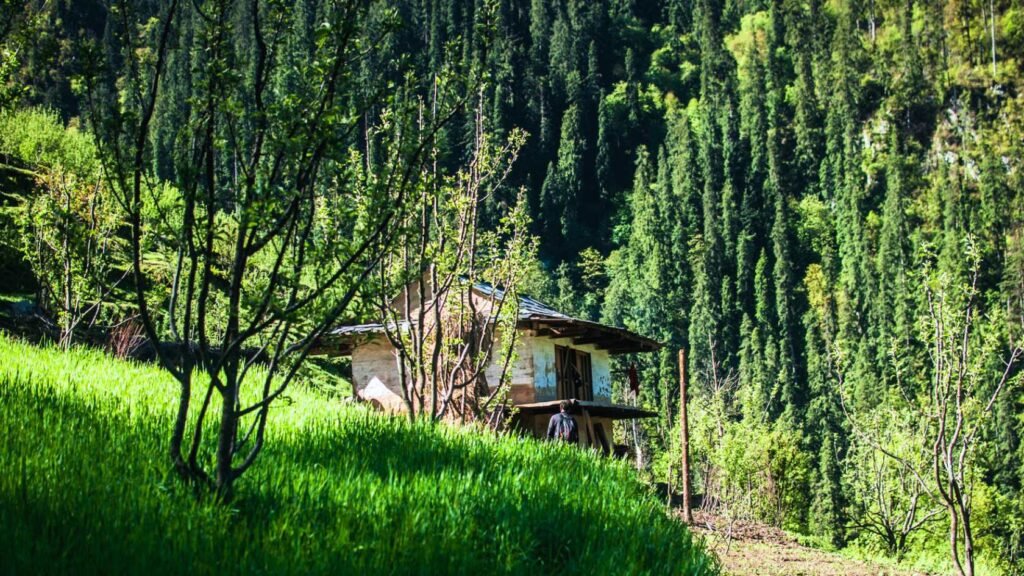
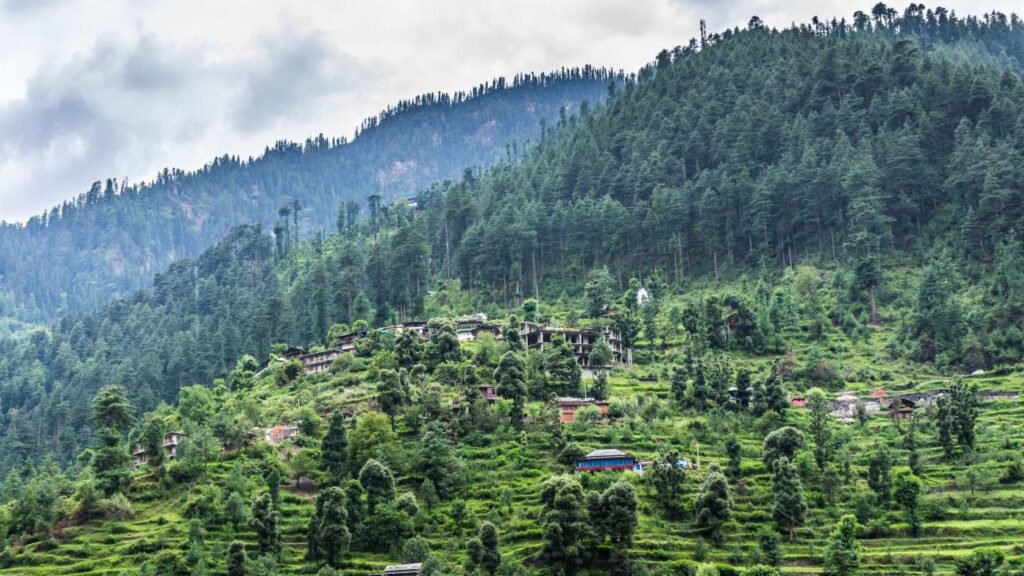
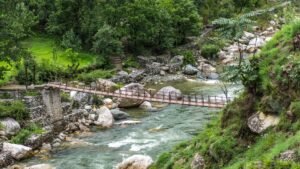
June sits firmly inside Tirthan Valley’s peak season. Most travel sources mark the best window as March to June, and June is when the valley is at its greenest. Forests are dense, the Tirthan river is full from snowmelt higher up, and village life is in full rhythm with locals back from winter migration.
The upsides are real. Day hikes are comfortable, cafés are fully open, homestays are running, and Jalori Pass gives you access to places that were snow-locked just two months earlier.
The downsides are also real. Weekend crowds from Delhi and Chandigarh start thickening in June, hotel rates climb, and the better homestays in Gushaini and Jibhi get booked out two to three weeks in advance. If you are planning a weekend trip without a booking, you will struggle.
Our team always tells travellers: June is peak season, not hidden season. Book early, or pick a weekday slot if you can.
What is the Weather Like in Tirthan Valley in June?
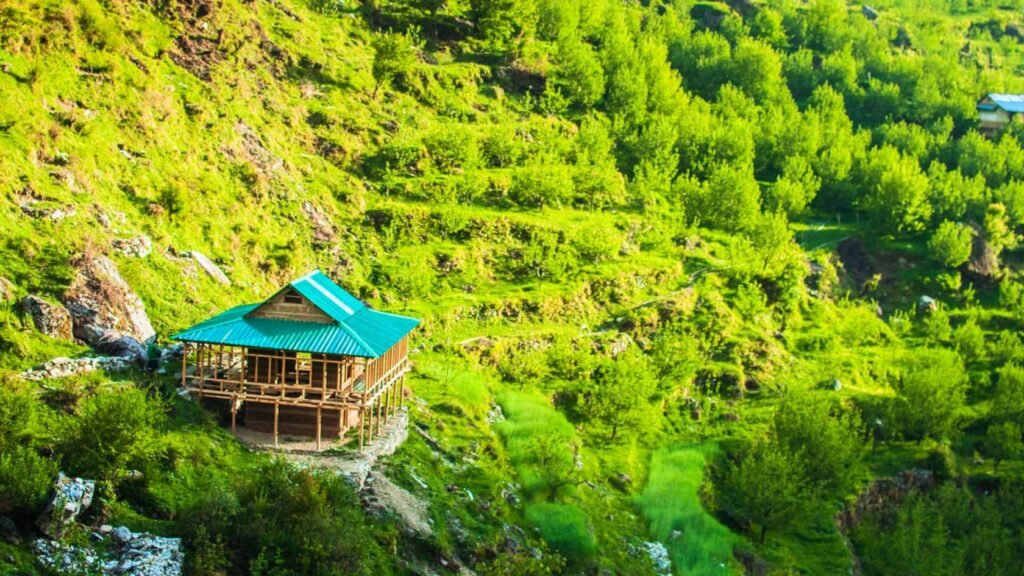
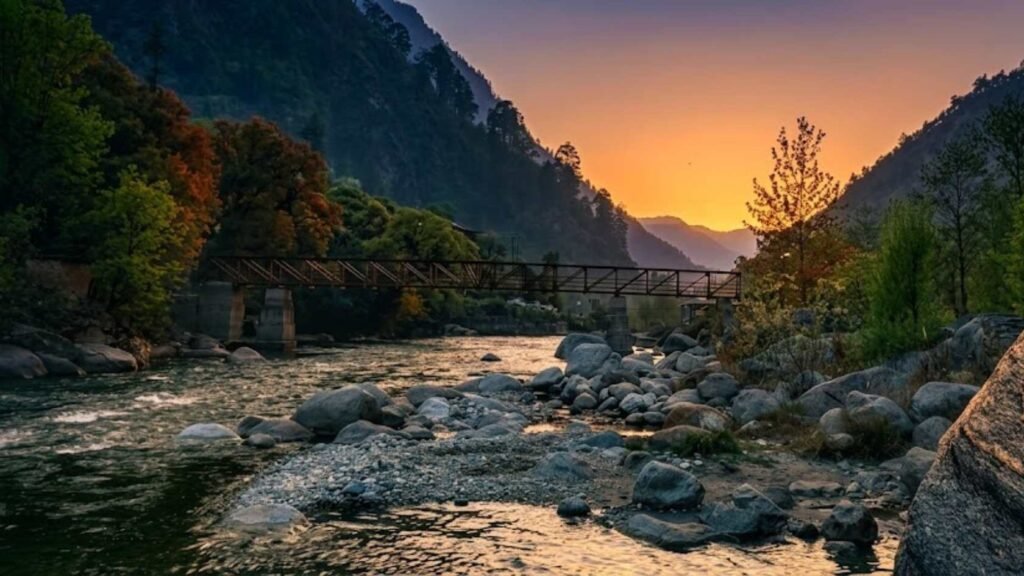
On the ground, June in Tirthan feels like a proper mountain summer. Afternoons in the lower riverside areas like Gushaini and Banjar feel warm, sometimes warm enough that you want to sit with your feet in the river. Mornings and evenings cool down quickly, and by 9 PM you will want a light layer.
For a rough reference, Banjar’s June forecast sits around a high of 33°C and a low of 18°C, though Tirthan’s deeper pockets stay cooler because of the tree cover and the river. Most of the valley sits comfortably in the 15°C to 30°C range through June.
Higher spots like Jalori Pass and Shoja run noticeably cooler. You can be in a t-shirt at Gushaini and still want a fleece at Jalori the same afternoon.
Rain becomes a real factor in the last week of June. Pre-monsoon showers arrive without much warning, so a light rain jacket stays in your daypack whether the morning looks clear or not.
What is Open in Tirthan Valley in June?
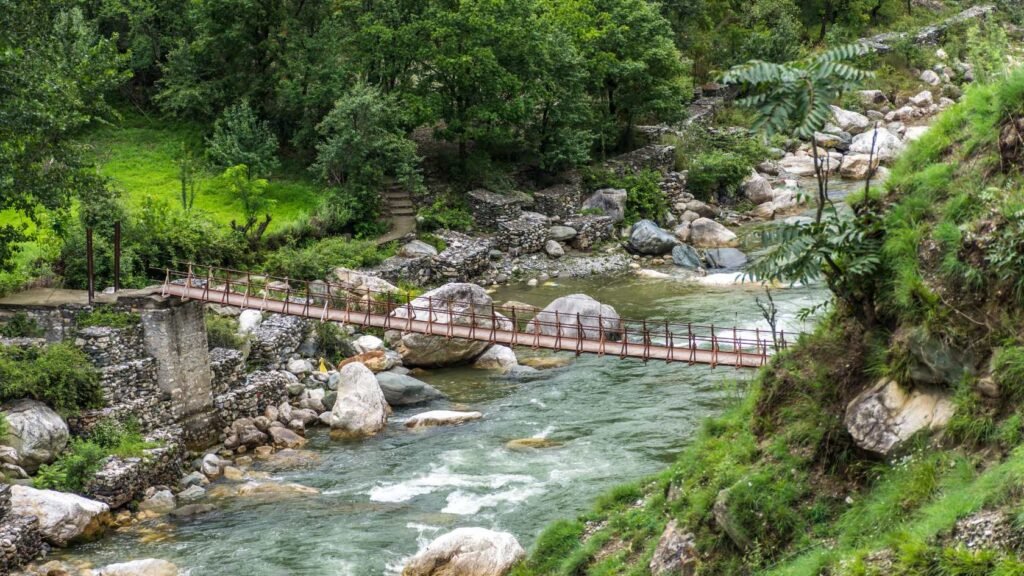
Most of Tirthan is accessible in June. The Great Himalayan National Park (GHNP) is open, and so is the road to Jalori Pass from the Jibhi side. A local update confirmed Jalori Pass was open and accessible by car as of 12 April 2026, so by June the road is well-settled.
GHNP entry to the core zone needs a permit. The official GHNP site confirms this, and permits can be collected at Shamshi, Shairopa in Tirthan Valley, and Ropa in Sainj Valley. The park also mentions that road conditions within and around the park can worsen during monsoon and winter, which is why June works better than late July.
One caution worth flagging. A Tribune report dated 17 April 2026 noted that the NH-305 Aut-Luhri corridor was in severely damaged condition. This is not a reason to cancel your trip, but it is a reason to plan your arrival during daylight and avoid rushing. Confirm the last-mile road status with your stay owner a day before you leave.
Best Places to Visit in Tirthan Valley in June
Gushaini and the Riverside Stretch
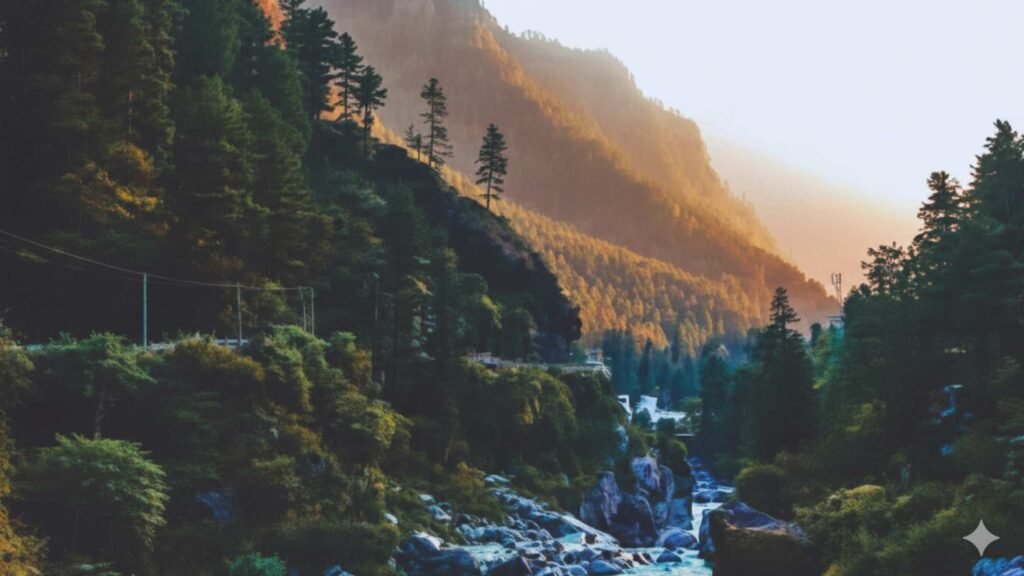
Gushaini is where most slow travellers end up staying. The river runs right through the village, there are a handful of small cafés, and the pace is unhurried in a way that lower Himachal rarely manages anymore.
In June, the mornings here are the best part of the day. Mist clears off the water around 7 AM, the trout fishermen head out, and you can sit with a chai for two hours without anyone bothering you.
Gushaini is also the roadhead for trekking in Tirthan Valley, about 52 km from Aut on an all-weather road. This makes it the natural base if you want access to GHNP without shifting stays. If you want the full village experience with a handpicked homestay, our Jibhi and Tirthan Valley packages are built around this stretch.
Great Himalayan National Park and Shairopa Side
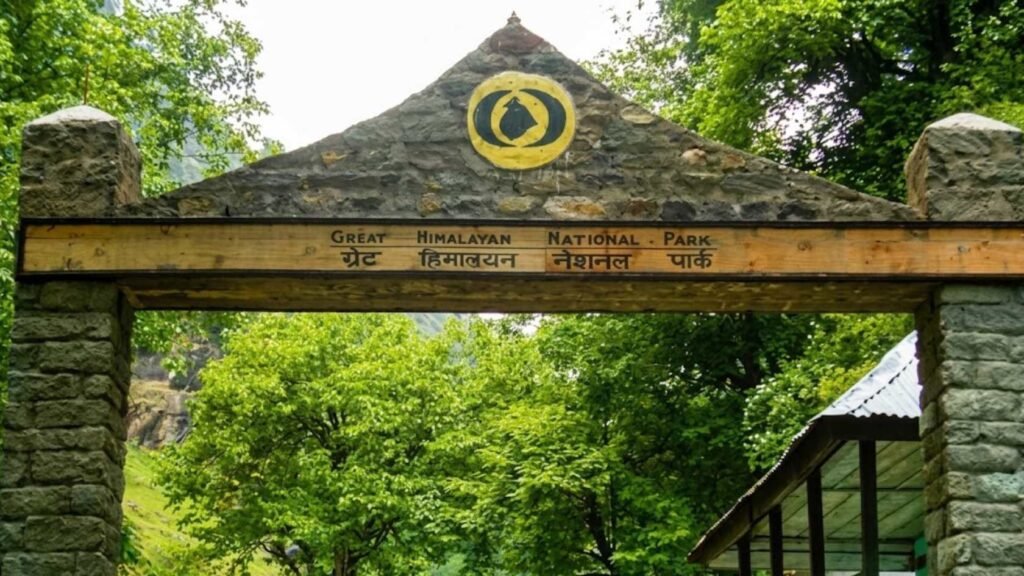
The Shairopa side is where Tirthan shifts from being a lazy river valley to a proper national park experience. You collect your permit at the Shairopa entry point and walk in through thick mixed forest.
Short-stay travellers usually do a half-day walk into the eco-zone. For the core zone, you need a longer plan and a registered guide. GHNP was declared a UNESCO World Heritage Site on 23 June 2014, and the park takes its rules seriously. Do not try to wing it without a permit.
Jalori Pass
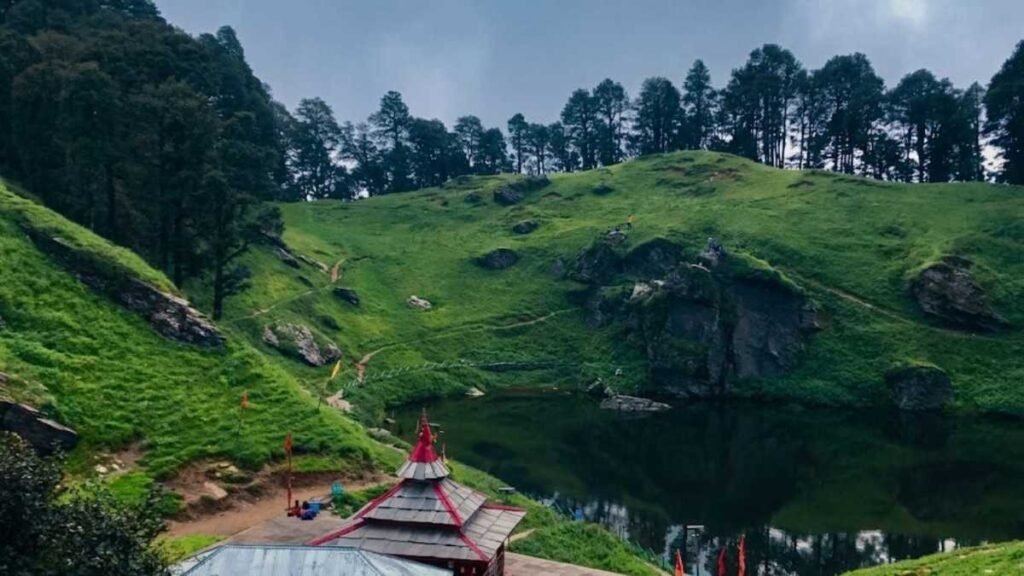
Jalori Pass is the single biggest draw in the Jibhi-Tirthan area in June. By this month, the pass is fully accessible, the dhabas at the top are open, and it connects you to the area’s best-known short treks.
The distance from Jibhi is because local 2026 sources put it somewhere between 13 km and 14 km, with drive times ranging from 45 minutes to 1 to 2 hours depending on traffic and road work. What we tell our travellers: start by 7 AM. By 10, the parking at the top fills up with weekend day-trippers and the narrow stretches become painful.
Serolsar Lake
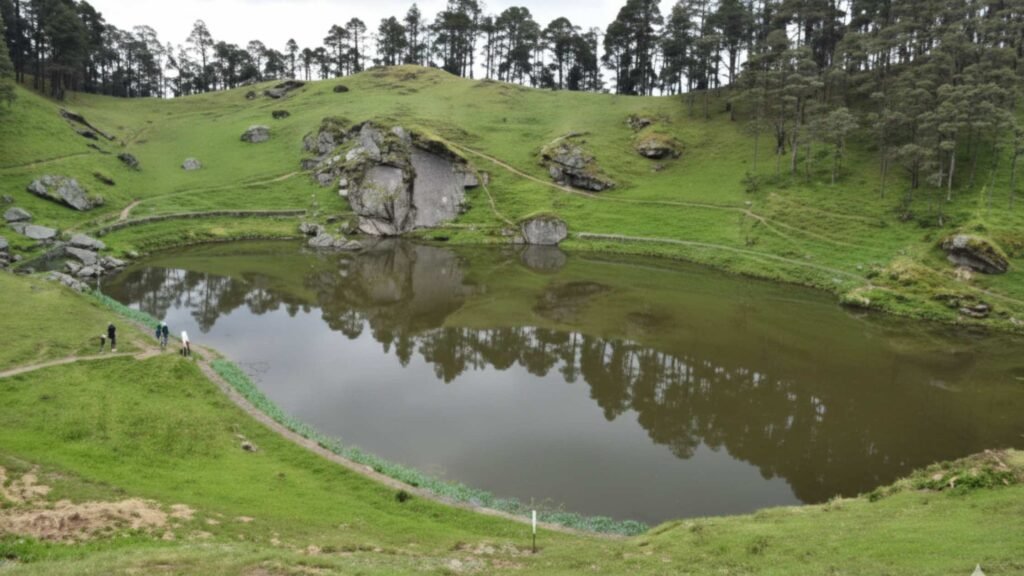
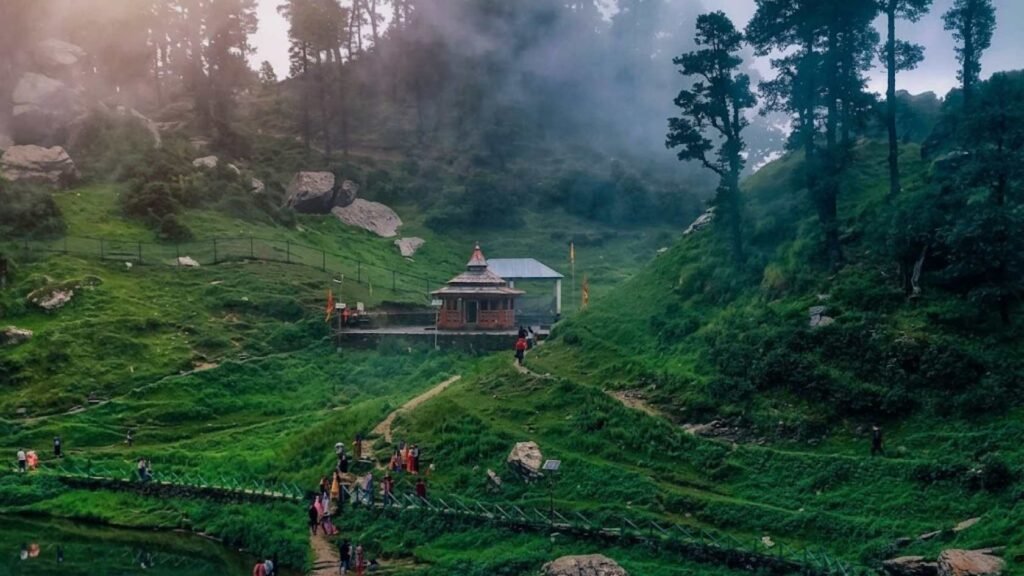
From the top of Jalori Pass, the Serolsar Lake trail runs about 4 km one way through oak and rhododendron forest. It is a gentle walk, not a technical trek, and June is when the trail is at its loveliest with green cover everywhere.
The lake itself is small and quiet, with a tiny temple beside it. Reach before 11 AM if you want the peaceful version. After that, day-trippers arrive in waves.
Chhoie Waterfall
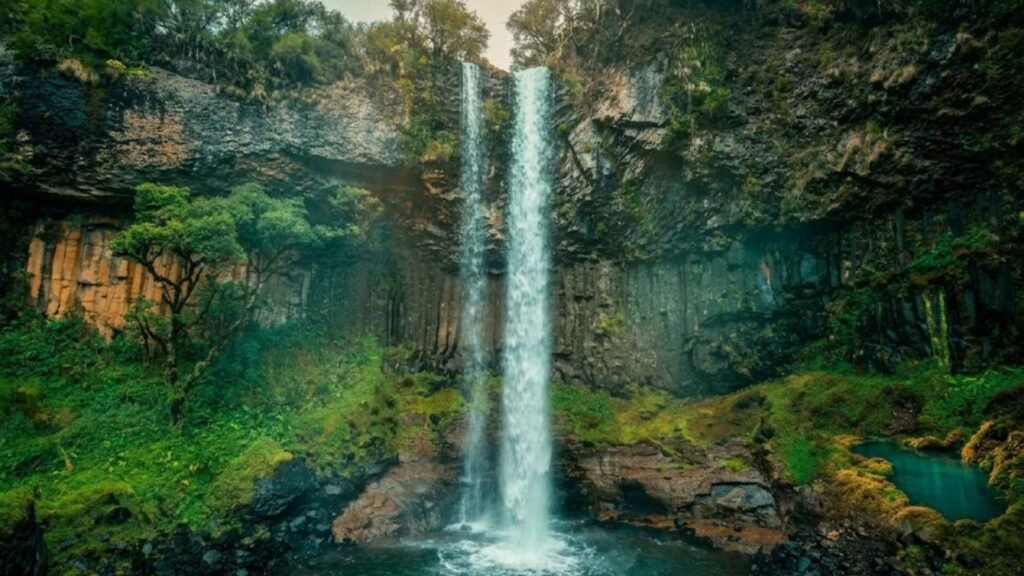
If you do not want a full trekking day, Chhoie Waterfall near Jibhi is the right pick. It is a short walk of around 20 to 25 minutes through forest, and the waterfall itself is tucked into a rock face that stays cool even in peak afternoon heat.
This is a good option for mixed-group travel where someone wants a hike and someone else just wants an easy outing.
Chehni Kothi
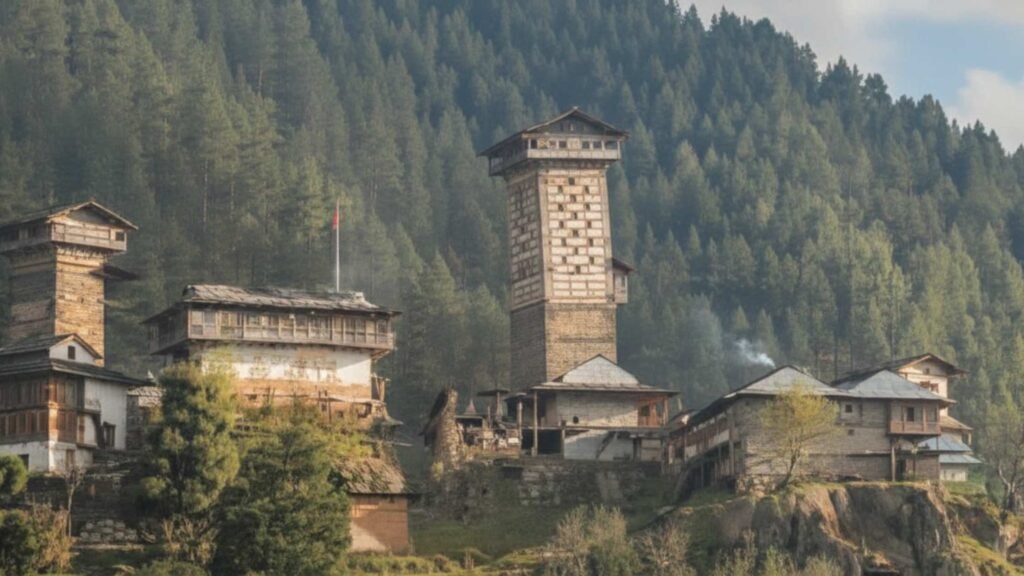
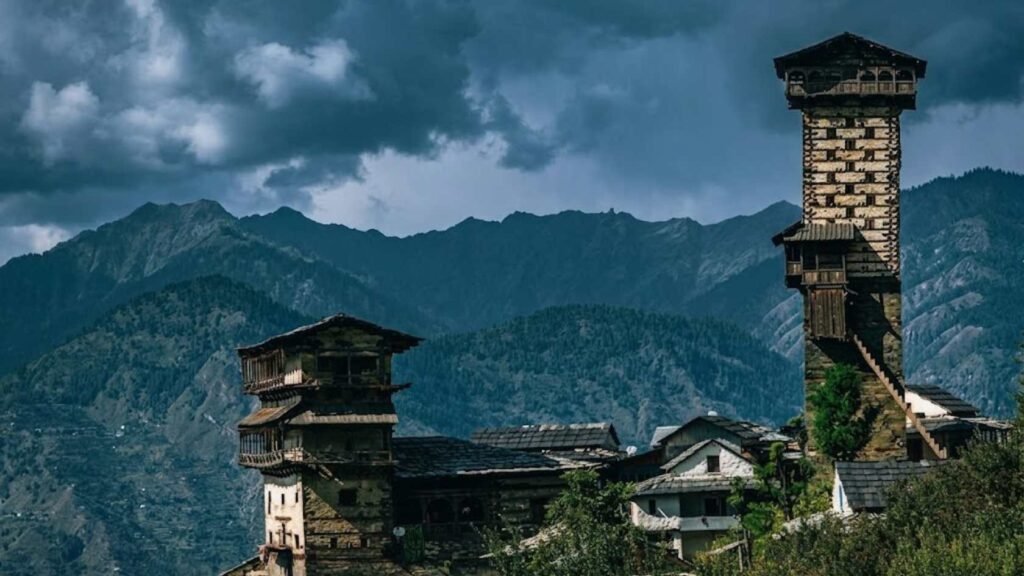
Most listicles skip Chehni Kothi, and that is a mistake. It is a tall traditional tower in Kothi village, built in the old Pahari style with wood and stone stacked without mortar. The climb to the village is a short uphill walk that filters out the lazy tourists.
What you get at the top is a genuinely old piece of Himachali architecture, a quiet village, and views down the valley that most travellers miss entirely. Our drivers always recommend slotting this in if you have a spare half-day.
Best Things to Do in Tirthan Valley in June
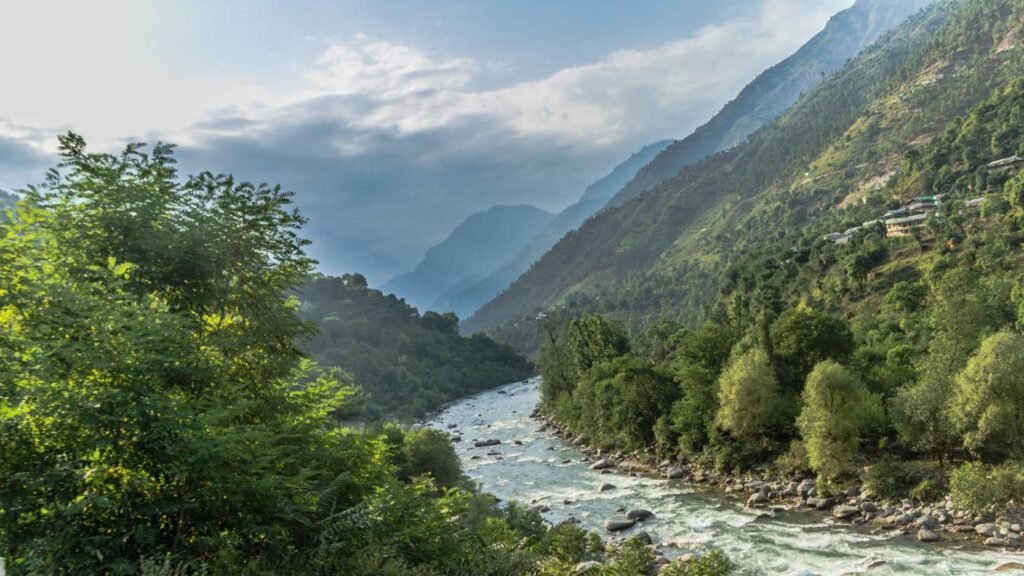
Short treks from Jibhi and Gushaini are the main event. Apart from Jalori and Serolsar, there are forest walks through GHNP’s buffer zone, riverside paths along the Tirthan, and day outings to Raghupur Fort above Jalori.
Birding is underrated here. June brings a lot of forest bird activity in the GHNP buffer, and if you hire a local naturalist from Shairopa, you will spot species you have never seen before.
Riverside downtime is honestly the thing most travellers remember. Sitting with a book beside the Tirthan, feet in the cold water, is worth more than any sightseeing checklist. Trout fishing is possible with a permit if you arrange it through your homestay.
Café time in Jibhi is fun but be warned, it gets crowded on weekends. The food scene is simpler in Gushaini but more authentic. We covered the Jibhi café and stay vibe in detail in our Jibhi in May guide if you want a feel for how this area functions in peak months.
Local food is where most travellers miss out. Siddu with ghee, trout freshly caught from the Tirthan, and Himachali dham at a homestay are worth far more than the Maggi-and-pasta café circuit.
Gushaini vs Jibhi vs Shoja: Where Should You Stay in June?
This is the question we get most often, so let me be direct.
Gushaini is for travellers who want quiet river access, GHNP proximity, and fewer reels-shooting tourists. The cafés are fewer but the homestays are more genuine. Best for couples, slow travellers, and anyone planning to walk into GHNP.
Jibhi is the convenient first-timer choice. More cafés, more stay options, more nightlife, easier access to Jalori Pass. It is also the most crowded in June, especially on weekends. If this is your first trip to the area and you want variety, Jibhi works.
Shoja is higher up, closer to Jalori Pass, and significantly quieter than both. You get mountain views and thick silence, but fewer food options. Best for travellers who want to disconnect and do not mind eating at their homestay every night.
How Many Days Are Enough for Tirthan Valley in June?
If you have only 2 days, stay in Jibhi or Gushaini, do Jalori Pass and Serolsar in one day, and keep the second day for riverside downtime and Chhoie Waterfall. This works but feels rushed.
If you have 3 days, you get the real Tirthan experience. One day for local and riverside, one day for Jalori and Serolsar, one day for GHNP side or Chehni Kothi. This is the sweet spot.
What we tell our travellers: do not try to cram GHNP and Jalori into the same day. People do it, and they regret it. Both deserve their own morning.
A Realistic 3-Day Tirthan Valley Itinerary for June

Day 1: Arrival via Aut and Easy Local Exploration
Reach Aut by late morning, continue to your stay in Gushaini or Jibhi. Check in, have a proper lunch, and spend the evening walking along the Tirthan.
Do not plan any major sightseeing on Day 1. The drive from Delhi or Chandigarh is long, and you will enjoy Day 2 much more if you rest. A simple trout dinner at your homestay is the right way to end the day.
Day 2: Jalori Pass and Serolsar Lake or Raghupur Fort
Start by 7 AM. Drive up to Jalori Pass, reach before the weekend crowds arrive. From Jalori, walk to Serolsar Lake if you want the gentle trail, or push up to Raghupur Fort if you want ridge views and a slightly harder walk.
Eat lunch at one of the dhabas at Jalori top. Simple rajma-chawal, hot and cheap. Head back by 3 PM to avoid the afternoon traffic on the winding road down.
Day 3: GHNP Side or Chhoie Waterfall
Collect your GHNP permit from Shairopa early morning and do a half-day walk into the buffer zone. Back to Gushaini for lunch, then Chhoie Waterfall in the afternoon if you still have energy.
Leave for home by late afternoon or next morning depending on where you are headed. For a slightly different take on this area across seasons.
👉 Pick the right stay & route — we’ll help.
How to Reach Tirthan Valley in June
From Delhi, the route runs through Chandigarh, Kiratpur, Bilaspur, Mandi, and then to Aut. The total distance is about 480 km and the drive takes 10 to 12 hours. Most travellers do this as an overnight Volvo to Aut or a direct self-drive with an early start.
From Chandigarh, the same route cuts down to about 8 to 9 hours depending on traffic at Swarghat and Mandi.
From Manali, you are only about 70 km from Aut, a drive of 2 to 3 hours. This makes Tirthan a natural extension if you are already doing Manali or Sissu.
Kullu district has a tourist-season traffic order on the Bhuntar-Manikaran road effective 14 April 2026 to 31 August 2026, which is a general reminder that peak-season traffic management is active here. Expect slower movement near Bhuntar during weekends.
By air, the nearest airport is Bhuntar, about 50 km from the GHNP entry points. From Bhuntar, you take a taxi or bus to Aut and continue to Gushaini.
By train, Joginder Nagar is the nearest narrow-gauge station mentioned by GHNP. The closest major railway station is Chandigarh, and most travellers choose that and drive up.
From Aut, local taxis and shared jeeps run to Gushaini through the day. The all-weather road is about 52 km and the drive takes around an hour and a half.
What Does a June Trip to Tirthan Valley Cost?

For GHNP entry, the official fee document lists ₹100 for Indian students, ₹200 for other Indians, ₹500 for foreign students, and ₹800 for other foreigners. The official site clearly says travellers should recheck the latest fees with park authorities before visiting, so treat these as a reference, not a guarantee.
For homestays, cafés, and local taxis, rates in June are higher than shoulder season. Weekend rates are higher than weekday rates. Exact numbers vary by property and week, so we are marking these as rather than inventing figures. Your best bet is to confirm prices directly when you book.
What to Pack for Tirthan Valley in June

Layers first. A light fleece or full-sleeve shirt for mornings and evenings, a t-shirt for afternoons, and a light rain jacket that lives in your daypack. Late June can surprise you with showers.
Trekking shoes with grip matter more than people think, especially if you are doing Serolsar or any GHNP walk. Forest trails stay damp in June even on sunny days.
A small medicine kit with paracetamol, ORS, anti-nausea tablets, and basic band-aids. Sunscreen for Jalori top where UV is stronger than it feels. Sunglasses. A cap or hat.
Carry cash. Most small homestays, dhabas, and local taxis prefer cash over UPI, and network gets patchy in deeper parts of the valley. A power bank helps because power cuts happen, especially after rain.
Is Tirthan Valley Safe in June?
The valley itself is genuinely safe. Locals are helpful, crime is practically non-existent, and solo travellers including women do this route without trouble.
The real risks are the road and the river, not the place. The Tirthan looks gentle in patches but it is a cold, fast-flowing mountain river. Do not wade into sections you do not know, especially after rain when the flow picks up. Families with small children should stick to the shallow marked spots near homestays.
Do not drive at night in rain, especially on the NH-305 stretch between Aut and Luhri which has had damage reports. Plan your arrivals and departures during daylight.
Late June needs slightly more caution because of pre-monsoon showers, but this is a planning adjustment, not a reason to cancel. Build in one buffer day if you are travelling after the 20th.
Practical June Travel Tips Nobody Tells You

Start Jalori early
By 7 AM from Jibhi, not 9. The road is narrow, traffic builds through the morning, and you want to be on the way down by the time day-trippers are arriving.
Book weekends two to three weeks ahead
June is peak. The good homestays in Gushaini fill up fast and you will either overpay or end up in a property you do not like.
Do not cram GHNP and Jalori into one day
Both are rewarding and both deserve a proper morning. Rushing means you enjoy neither.
Check last-mile road status with your stay owner
A day before you leave. They know if there is a landslide, a road closure, or a detour. This one call saves entire trips.
Skip the commercial “Mini Thailand” spot
On busy weekends. It is crowded, loud, and you get better river access for free five minutes further up.
For more trip ideas across Himachal, our popular tours page has the full list of what we run each season. If you want something fully customised, reach out on our contact page and we will put together a plan that actually fits your dates.
👉 Want this trip? Let’s plan it right.
Frequently Asked Questions
Also Read: Bir Billing in June 2026: Weather, Paragliding, Places to Visit and Travel Tips
Ready for Your Himachal Adventure?
Get FREE customized itinerary · Best Price Guaranteed · Local Himachal Experts · 3,973+ Happy Travelers


Pingback: Chamba In June 2026: Weather, Places & Best Itinerary Guide