
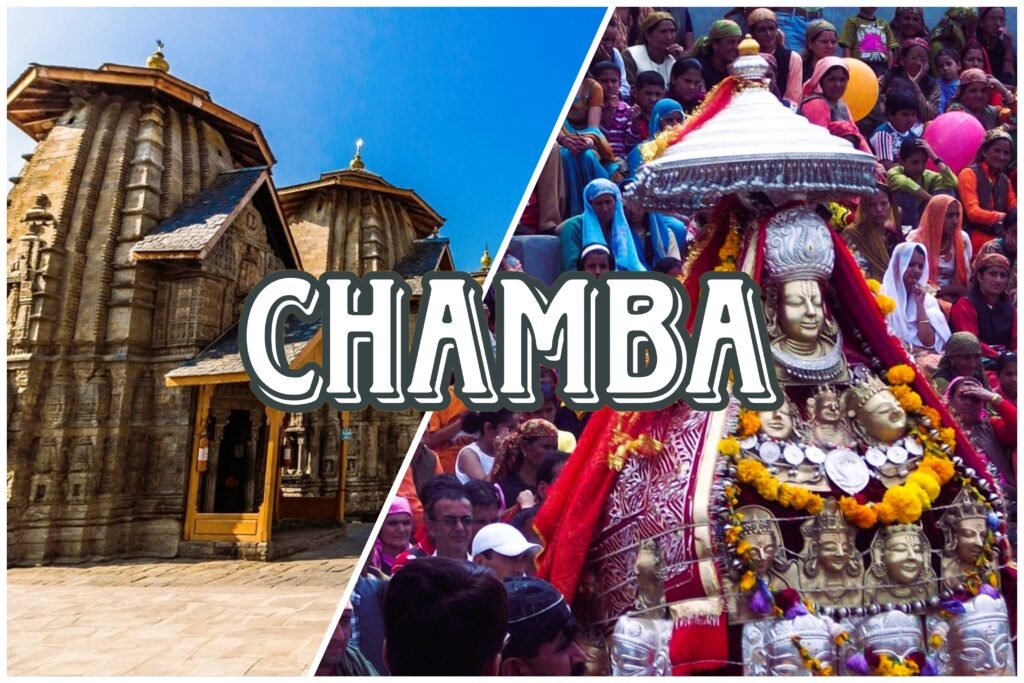
Chamba, a serene town in Himachal Pradesh, is a perfect blend of history, culture, and natural beauty. Nestled along the Ravi River and surrounded by the Dhauladhar ranges, this Himachali destination is ideal for travelers seeking a peaceful yet enriching experience. With ancient temples, tribal villages, and lush landscapes, this place provides a mix of spiritual, cultural, and adventurous experiences. This Chamba travel guide will help you explore the region, discover hidden gems, and plan a memorable trip.
Whether you are visiting for a short weekend or a longer journey into the hills, this place has something for every traveler. Its calm environment combined with rich heritage makes it a popular destination among both domestic and international tourists.
Chamba Travel Guide
Thi place is a hidden gem in Himachal Pradesh that perfectly combines scenic beauty with rich culture. This Chamba travel guide is designed to help you explore every aspect of the town, from its ancient temples to its picturesque landscapes. Travelers can enjoy a mix of heritage, nature, and adventure, making it suitable for families, solo travelers, and groups alike.
Getting around this place is relatively easy. The town has well-connected roads, and local taxis or shared cabs can take you to nearby attractions like Khajjiar, Bhuri Singh Museum, and tribal villages. Walking through the Old Town is also a great way to soak in the local culture and architecture. For longer stays, consider staying in a homestay or a small boutique hotel to experience Himachali hospitality first-hand.
This section also covers tips for first-time visitors. For example, carrying light woolens is recommended even in summers, as mornings can be chilly. Local markets are best explored on foot, and interacting with residents can reveal hidden spots not listed in typical itineraries. Including this guidance in your Chamba travel guide ensures you enjoy a well-rounded experience.
Best Time to Visit
Proper planning ensures that you make the most of your time here. The best time to visit Chamba is during spring (March–June), when the weather is pleasant, and the hills are vibrant with greenery. Autumn (September–November) is perfect for clear skies and cultural festivals. Winters are quieter, with cool temperatures and occasional snowfall in nearby higher reaches, ideal for travelers seeking a tranquil escape.
Many visitors prefer Chamba tour packages, which simplify travel logistics. Packages typically include accommodation, guided visits to temples, and trips to scenic spots like Khajjiar and Dhauladhar trekking trails. Using a tour package allows you to focus on experiencing the culture and nature rather than worrying about planning every detail. Local guides also provide insights into the history and traditions of the region, enhancing the overall experience.
Cultural Highlights and Places to Visit
This region is rich in history and heritage, offering several must-visit attractions.
Lakshmi Narayan Temple
This 10th-century temple is known for its intricate architecture and serene surroundings. History enthusiasts and photographers often include it in their itinerary for its peaceful ambiance and stunning carvings. The temple also hosts small cultural events during festivals, offering visitors a closer look at traditional rituals.
Bhuri Singh Museum
The museum offers insight into the royal past with traditional paintings, coins, and artifacts that tell the story of the region. Many travelers find the museum a fascinating way to understand Chamba’s heritage, making it an essential stop for history lovers.
Exploring Chamba Old Town
Cobbled streets, ancient havelis, and local markets make Old Town a delightful place for exploration. Travelers searching for places to visit in Chamba enjoy discovering authentic Himachali culture and sampling local delicacies. The quaint cafés and local handicraft shops in the Old Town add charm to the walking tour, allowing visitors to interact with locals and experience day-to-day life.
Other cultural highlights include the Chamunda Devi Temple, tribal villages, and riverside walks along the Ravi River. These offbeat experiences are increasingly sought by travelers looking for cultural tours and hidden gems near Chamba, making the region attractive for those who want something beyond the usual tourist spots.
Nature, Adventure, and Offbeat Spots
Beyond heritage, the area offers scenic beauty and light adventure.
Khajjiar: Often called the “Mini Switzerland of India,” this meadow surrounded by forests is perfect for picnics, horse rides, and photography. The area is also popular among adventure enthusiasts for zorbing and paragliding experiences during peak seasons.
Dhauladhar Trekking: Short treks offer breathtaking mountain views and are suitable for beginners and casual trekkers. The trails pass through villages where travelers can witness traditional Himachali lifestyles and interact with locals.
Ravi River Walks: Gentle riverside paths are ideal for families, couples, and photographers seeking serene landscapes. Early morning walks along the river are especially peaceful, with misty mountain views enhancing the experience.
These locations are commonly searched by travelers planning nature trips near Chamba or day trips from Chamba, adding broader search relevance to your content.
Accommodation and Tour Packages
Many visitors rely on Chamba tour packages for convenience. Packages usually include:
Comfortable hotels or homestays suitable for all budgets
Transport to temples, meadows, and trekking trails
Guided cultural and nature experiences
Independent travelers can also book places to stay in Chamba, ranging from budget guesthouses to mid-range resorts. Families, couples, and solo travelers benefit from both options. Packages are particularly useful for first-time visitors who want a smooth and well-organized trip. Some packages even include meals with local cuisine, which allows visitors to taste authentic Himachali flavors.
Seasonal Highlights and Festivals
Chamba’s character shifts with the seasons:
Spring & Summer (Mar–Jun): Blooming hills, pleasant weather, perfect for sightseeing, treks, and picnics
Autumn (Sep–Nov): Clear skies, fewer crowds, and vibrant festivals
Winter (Dec–Feb): Cool temperatures, occasional snow, perfect for peaceful retreats and photography
The town is also famous for the Minjar Mela, a colorful festival showcasing local music, dance, and traditions. Travelers planning around festivals often search for the best time to visit Chamba, and including it in your itinerary ensures both SEO visibility and a richer experience.
Chamba Travel FAQs
The best time is March to June for pleasant weather and sightseeing, or September to November for festivals and clear mountain views.
Chamba is accessible by road from Dharamshala, Pathankot, and Manali; the nearest railway station is Pathankot, and the closest airport is Kangra Airport in Dharamshala.
Don’t miss Chamba Palace, Lakshmi Narayan Temple, Bhuri Singh Museum, Rang Mahal, and the beautiful meadows of Khajjiar.
Yes, Chamba is safe for all travelers. Roads in the hills can be narrow, so it’s best to travel during daylight hours.
The Minjar Mela in July is the most famous, along with local temple fairs and folk music events that showcase Chamba’s heritage.
Pack light jackets for summer, warm clothes for winter, comfortable trekking shoes, and a raincoat during monsoon.
Yes, you can enjoy trekking, nature walks, paragliding in Khajjiar, and river activities in the Ravi valley.