
Chamba Travel Guide 2026 — Everything You Need to Know
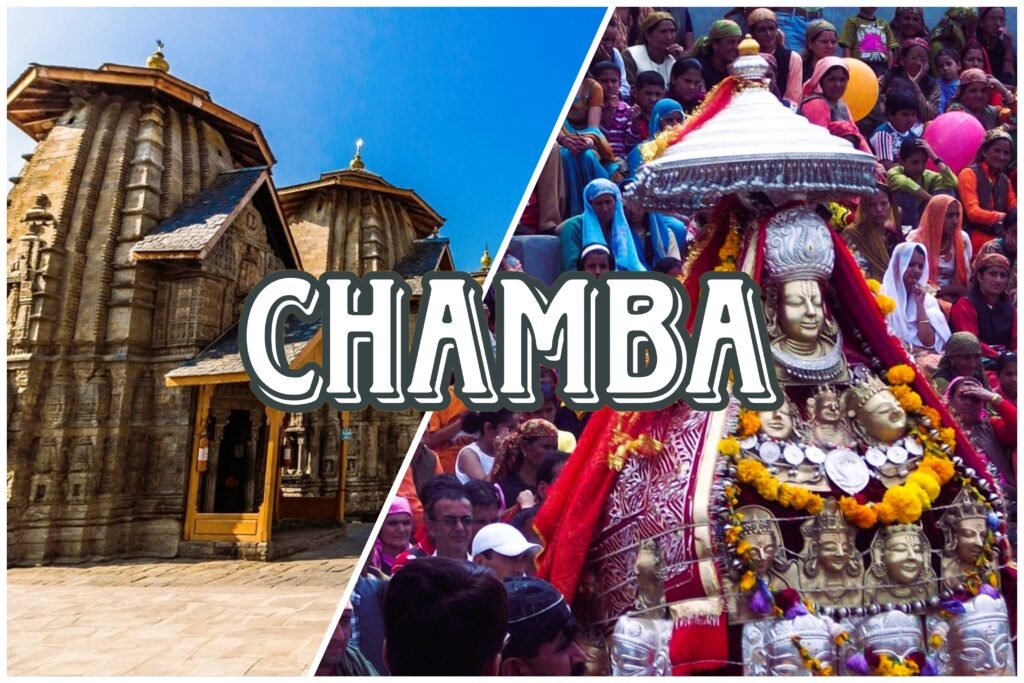
Chamba is one of the oldest continuously inhabited towns in the Himalayas. The town was founded in 920 AD by Raja Sahil Varman and has been the capital of the Chamba kingdom — and then of the Chamba district — for over a thousand years. The Laxmi Narayan Temple complex in the centre of the town dates to the 10th century. The Chamba Chaugan (the wide open ground at the heart of town) has been the site of festivals, markets, and royal processions since the medieval period. Walking through Chamba town is walking through 1,500 years of continuous human civilisation in the Himalayas.
Chamba is also the gateway to Khajjiar, to the sacred Manimahesh Lake, and to the ancient temple complex at Bharmour — three completely different experiences in the same district. At HimTrails, we consistently recommend Chamba as the most underrated combination destination in Himachal Pradesh.
Chamba — 1,500 Years of Living History
The Chamba kingdom survived remarkably intact through centuries of regional conflict, eventually being absorbed by the Indian state only at Independence in 1948. This continuity of rule meant that the town was maintained and added to over centuries rather than being dramatically rebuilt by successive conquerors. The result is a layered, textured historic town that carries its age with grace.
The Bhuri Singh Museum, established in 1908, houses one of the finest collections of Pahari miniature paintings in India, alongside Chamba rumal (embroidered textile) examples, royal artefacts, and archaeological finds from the district. The Pahari school of miniature painting developed in the hill kingdoms of Himachal and is one of India’s distinctive contributions to world art — the Chamba collection is essential viewing for anyone interested in Indian art history.
Top Places to Visit in Chamba District
Chamba District is a beautiful Himalayan region known for its ancient temples, scenic valleys, traditional villages, and stunning views of the Pir Panjal and Dhauladhar ranges. From historic heritage sites and peaceful hill towns to alpine meadows and remote mountain lakes, the district offers a rich blend of culture, history, and untouched natural beauty.
Laxmi Narayan Temple Complex
The Laxmi Narayan Temple group is the most important heritage site in Chamba. Six temples in the Shikhara style, the oldest dating to the 10th century, are dedicated primarily to Vishnu and Shiva. The stone carvings on the door frames and outer panels depict scenes from Hindu mythology with a fineness of detail that is extraordinary for their age. The complex is still actively worshipped — morning and evening prayers are conducted daily, and the atmosphere on festival days is exceptional.
Khajjiar — India's Mini Switzerland
Khajjiar, 24 km from Chamba, is a saucer-shaped meadow at about 1,920 metres, surrounded on all sides by dense deodar forest with a small lake at its centre. Switzerland’s ambassador to India is said to have coined the comparison in the 1990s, and the meadow does genuinely evoke the combination of open green grassland, forest framing, and distant snow peaks that characterises the Alpine landscape.
The Khajjiar Mata temple on the meadow’s edge dates to the 12th century. Activities include horse rides across the meadow, short forest walks, and picnicking with views of the Dhauladhar peaks. Most visitors come as a day trip from Chamba or Dalhousie, but an overnight in Khajjiar — when the day visitors have left and the meadow is quiet and misty — is a completely different experience.
Chamera Lake
Chamera Lake, 15 km from Chamba, was formed by the Chamera hydroelectric dam and has grown into a significant eco-tourism destination. Water sports including kayaking, canoeing, and speed boating are operated by the HP Tourism department. The forested hills surrounding the lake, and the proximity to the Chamba town make it an easy and enjoyable half-day excursion.
Bharmour — Valley of Eighty-Four Temples
Bharmour, 65 km from Chamba via the Budhil River valley, is the ancient capital of the Chamba kingdom and home to the Chaurasi temple complex — a group of 84 temples dating from the 7th to the 10th century. The main Manimahesh Shiv temple and the Lakshana Devi temple (dating to 680 AD) are considered among the most important examples of early Himalayan temple architecture in India. Bharmour is also the base for the Manimahesh Yatra trek and serves as the gateway for the traditional Gaddi shepherding routes.
Dalhousie
Dalhousie, 56 km from Chamba, is a British-era hill station with a distinct character — a series of ridges connected by paths and small roads, colonial bungalows hidden in pine forests, and the Kalatop Wildlife Sanctuary accessible on foot from the town centre. Satdhara Falls (5 km), the Panchpula picnic area, and the Dainkund Peak trek (highest point near Dalhousie, 2,745 m) are all worth combining with a Chamba visit.
The Manimahesh Trek
The Manimahesh Yatra is one of the most important Shiva pilgrimages in the Himalayas. The trail leads from Hadsar (near Bharmour) to the sacred Manimahesh Lake at 4,200 metres, below the Manimahesh Kailash peak. The standard pilgrimage route is 13 km one way (8–10 hours), passing through alpine meadows and boulder fields.
The main pilgrimage season is August–September, during Janmashtami and Radha Ashtami, when tens of thousands of pilgrims make the yatra. Outside the pilgrimage season (June–July and October), the route is quieter and the walk is available to trekkers.
HimTrails guides both pilgrimage-season trips and off-season trekking groups to Manimahesh Lake. The lake itself — sitting below the sheer face of Kailash peak — is one of the most dramatically positioned high-altitude lakes in Himachal Pradesh.
Things to Do in Chamba
Chamba offers a slower, more cultural mountain experience compared to many Himachal destinations. The activities here revolve around heritage, temples, mountain landscapes, and traditional Himalayan life.
Cultural & Heritage Exploration
Chamba is one of the oldest hill towns in Himachal and is famous for its historic temples and royal heritage. Visit the Lakshmi Narayan Temple, a group of six ancient temples dating back to the 10th century. Explore the Bhuri Singh Museum to see miniature Pahari paintings, ancient coins, and traditional Chamba embroidery known as rumal. The Rang Mahal, once part of the royal residence, showcases a blend of Mughal and British architectural styles.
Temple Visits
Chamba has a deeply spiritual atmosphere, with several important temples scattered across the town and nearby valleys. The hilltop Chamunda Devi Temple offers peaceful surroundings and beautiful views over the Ravi valley. Nearby villages also house historic shrines such as the Hari Rai Temple, famous for its intricate stone carvings and classical North Indian temple architecture.
Nature & Scenic Drives
The landscapes around Chamba are dramatic yet less crowded than other parts of Himachal. A scenic drive to Khajjiar, often called the “Mini Switzerland of India,” brings you to a lush meadow surrounded by dense cedar forests. Continue onward to Dalhousie for colonial-era viewpoints and forest walks. The journey through the Ravi valley itself is one of the highlights of visiting Chamba.
Local Markets & Traditional Crafts
Exploring Chamba’s small markets is a great way to experience the town’s traditional culture. Look for authentic Chamba rumal embroidery, handmade woollens, and local handicrafts. The markets around Chaugan Ground are lively in the evenings and provide a glimpse of everyday life in this historic hill town.
Leisure & Local Experiences
Unlike high-adrenaline destinations, Chamba is best enjoyed slowly. Walk along the open lawns of Chaugan, watch the Ravi River flowing below the town, or take relaxed walks through old streets and traditional houses. The charm of Chamba lies in its peaceful pace and strong sense of history.
Best Time to Visit Chamba
April to June
Good weather, clear mountain views, accessible roads to Khajjiar and Bharmour. The temple festivals add cultural interest.
August to September
Manimahesh Yatra season — worth experiencing for the pilgrimage atmosphere. The monsoon brings lush green landscapes around Chamba town and Khajjiar.
October
Clear skies, the forest around Khajjiar turns colour, and the crowds from the pilgrimage season have dispersed. One of the finest months in the valley.
December to February
Cold but accessible. Khajjiar and Chamba town receive occasional snowfall. Dalhousie gets more consistent snow and is a viable winter destination.
How to Reach Chamba
By Road from Delhi
Chamba is about 580–600 km from Delhi via Chandigarh, Pathankot, and Dalhousie. Overnight Volvo and Himachal Road Transport buses run from Delhi ISBT Kashmere Gate to Chamba or nearby Dalhousie. The journey usually takes 13–15 hours depending on traffic and weather. A self-drive or taxi route through Chandigarh → Pathankot → Dalhousie → Chamba is scenic, passing through the lower Himalayan foothills and Ravi Valley.
By Air
The nearest airport is Kangra Airport near Dharamshala, about 120 km from Chamba. Flights connect mainly from Delhi. From the airport, taxis or buses take 4–5 hours to reach Chamba via Dalhousie.
By Train + Road
The nearest major railway station is Pathankot Railway Station, about 120 km from Chamba. Trains connect Pathankot with Delhi, Amritsar, and other major cities. From Pathankot, buses and taxis reach Chamba in 4–5 hours, climbing gradually through Dalhousie and the Ravi Valley.
Where to Stay in Chamba
Chamba Town
The main base for travellers visiting the district. Most hotels, guesthouses, and markets are located here, along with attractions like temples and museums. Staying here is convenient for exploring the town and nearby valleys.
Dalhousie
About 50 km from Chamba, this colonial hill station offers a wide range of hotels, resorts, and scenic viewpoints. Ideal for travellers who want comfortable stays with easy access to Khajjiar and surrounding attractions.
Khajjiar
Often called the “Mini Switzerland of India,” Khajjiar is perfect for travellers who want to stay close to the famous meadow and enjoy peaceful forest surroundings. Accommodation options include resorts and cottages with beautiful views.
Bharmour
A historic mountain town about 60 km from Chamba, known for the Chaurasi Temple complex and as the starting point of the Manimahesh Yatra. Best for travellers seeking a spiritual or offbeat Himalayan experience.
Chamba Travel Tips
Altitude
Chamba town sits at around 996 m, making it one of the lower Himalayan destinations in Himachal. The altitude is comfortable for most travellers, but if you plan to visit higher areas like Khajjiar or Sach Pass, expect cooler temperatures and mountain weather.
Road & Access
Chamba is usually reached by road from Dalhousie or Dharamshala. The drive along the Ravi River valley is scenic but winding. Start early in the day and drive cautiously, especially during the monsoon when landslides can occur.
Clothing
Summers are pleasant with temperatures around 15–30°C, but evenings can still feel cool near the hills. Carry a light jacket. Winters (December–February) can get chilly, particularly in nearby places like Khajjiar, so warm layers are recommended.
Cash & Connectivity
ATMs and good mobile connectivity are available in Chamba town. However, smaller villages and remote areas toward Pangi Valley or mountain routes like Sach Pass may have limited network coverage, so carry some cash.
Local Food
Try traditional Chamba-style Himachali dishes and local sweets. The region is known for Chamba Rajma and simple homemade meals served in local dhabas. While exploring the area, don’t miss the historic temples and markets around Chamba Chaugan.
Chamba is famous for its ancient temple complex (Laxmi Narayan group, 10th century), the Bhuri Singh Museum with its Pahari miniature paintings, Khajjiar meadow (India’s Mini Switzerland), the Manimahesh pilgrimage, and the extraordinarily preserved heritage town that has been continuously inhabited for over 1,500 years.
Khajjiar is 24 km from Chamba, approximately 45 minutes by road. It’s easily visited as a half-day or full-day excursion from Chamba.
For any traveller interested in history, art, temple architecture, and genuine cultural depth — Chamba is absolutely worth visiting. It’s one of the most historically significant towns in the Himalayas and remains largely off the mass tourism circuit.
A complete Chamba travel guide usually includes attractions like Lakshmi Narayan Temple, the historic Bhuri Singh Museum, and the scenic meadow of Khajjiar, often called the “Mini Switzerland of India.”
A typical Khajjiar travel guide highlights activities like walking around the beautiful Khajjiar Lake, visiting the ancient Khajji Nag Temple, and enjoying nature views in the surrounding cedar forests near Dalhousie.
March to June offers pleasant weather for sightseeing and activities like trekking, while September to November provides clear skies and fewer crowds after the monsoon.
The nearest major railway station to Chamba, Himachal Pradesh, is Pathankot (PTK), located about 120 km away, from where you can get taxis or buses to Chamba.
Request A Customized Package
Do you have specific requirements? Our Agents will create a personalized package for you in No Time
Related Packages: Himachal Tour Packages | Manali Tour Packages | Leh Ladakh Tour Packages | Spiti Tour Packages | Kasol Tour Packages | Jibhi Tour Packages | Kinnaur Tour Packages | Dharamshala Tour Packages | Bir Billing Tour Packages | Tirthan Tour Packages | Shimla Tour Packages | Narkanda Tour Packages | Chamba Tour Packages
Ready for Your Himachal Adventure?
Get FREE customized itinerary · Best Price Guaranteed · Local Himachal Experts since 5+ years · 3,973+ Happy Travelers