
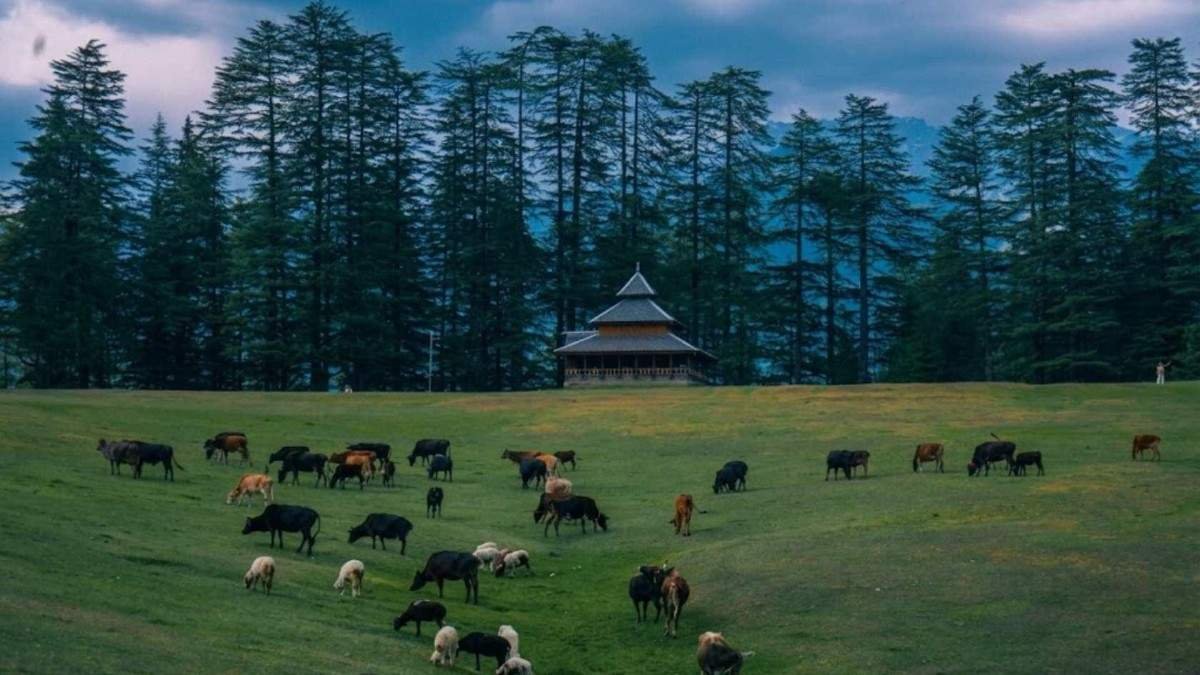
You’ve heard of Manali. You’ve probably done Kasol. But ask anyone who has walked through the deodar-lined trails of Jibhi and they’ll tell you — this quiet little village in Himachal Pradesh hits different. Maybe it’s the way the mist settles over the pine forest at dawn. Maybe it’s the wooden cottages sitting beside the stream like they’ve been there forever. Or maybe it’s just the fact that very few people know about it yet.
Jibhi — the village increasingly called the Mini Switzerland of India — sits tucked in the Banjar Valley of Kullu district at around 1,600 metres. In this guide, you’ll find the best places to visit, trails worth your boots, the right time to go, how to get there, where to stay, and everything you need to plan a trip you won’t stop talking about.
At HimTrails, our team has personally walked these forest trails, stayed in these wooden homestays, and scouted every corner of this valley so you don’t have to figure it out alone. We’re a Shimla-based travel company built on first-hand Himalayan experience — and Jibhi is one of our favourite places to send travellers.
Why Is Jibhi Called the Mini Switzerland of India?
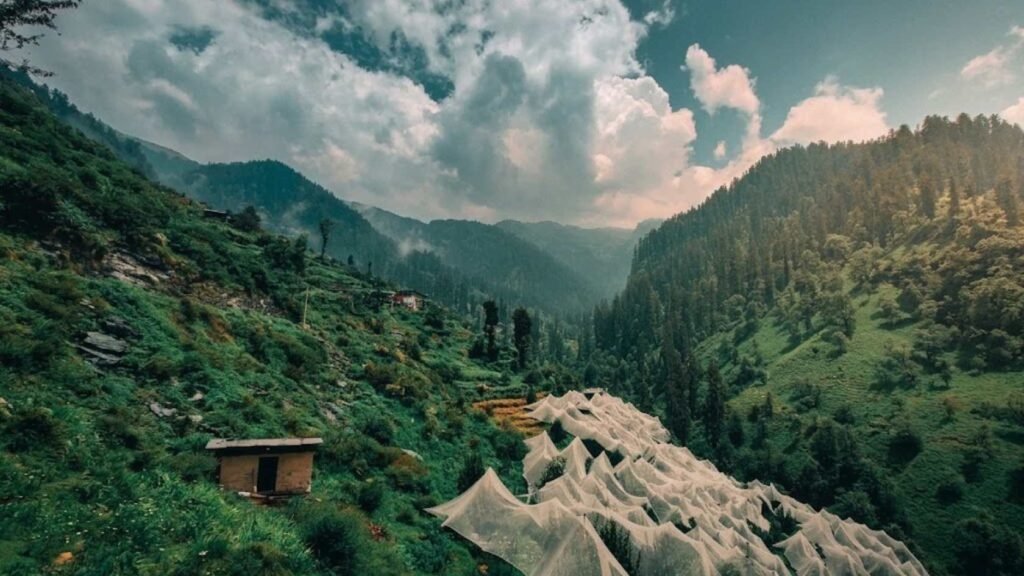
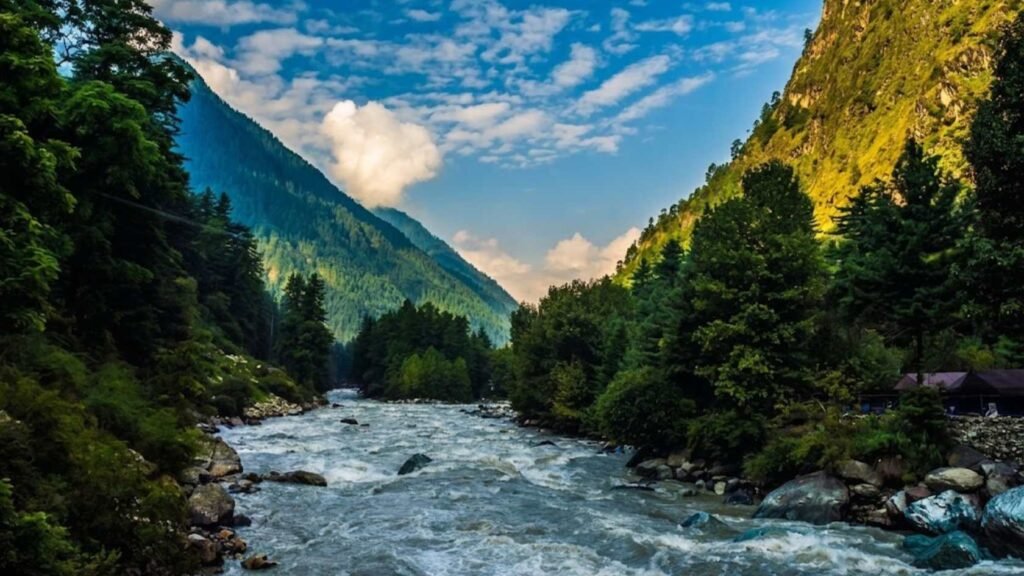
The nickname didn’t appear in a government memo or a tourism brochure. It came from travellers — people who arrived expecting a nice village and left feeling like they’d stumbled into a postcard from the Alps. The comparison makes sense when you see it: rolling meadows cut through by a clear stream, dense forests of cedar and oak stretching up to snowcapped ridgelines, and small wooden houses with carved balconies that wouldn’t look out of place in a Swiss canton.
What makes Jibhi mini switzerland-level special is that it combines all of this without the commercial noise. There are no cable cars or souvenir malls. The trails are quiet. The air smells of pine resin and woodsmoke. You can actually hear the river.
Interestingly, the official ‘Mini Switzerland of India’ title was formally given to Khajjiar near Dalhousie back in 1992 — but Jibhi has earned a stronger claim to the spirit of that nickname through word of mouth among travellers who have actually visited both. Khajjiar is beautiful, but Jibhi has a depth and a wildness that is harder to find anywhere else in Himachal.
Best Places to Visit in Jibhi — The Spots Worth Your Time
Jibhi is small, but it punches well above its weight in terms of what you can explore. Here are the places that make people come back a second and third time.
Jibhi Waterfall — The First Trail You’ll Walk
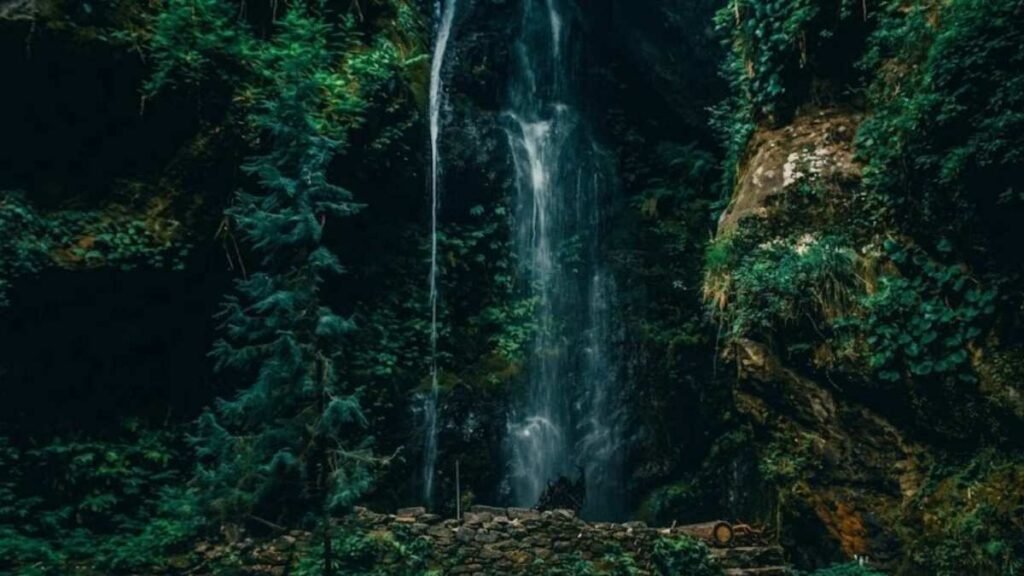
Less than a kilometre from the main market, the Jibhi Waterfall sits at the end of a short trail through the forest, accessible over wooden bridges and along stone paths. It’s the kind of place that takes you ten minutes to reach and forty minutes to leave. The sound of the water, the cool mist in the air, and the absence of crowds — especially if you go early in the morning — make it a perfect first outing. ALT TAG: Jibhi Waterfall trail wooden bridge Himachal Pradesh
Jalori Pass — Where the Trails Open Up
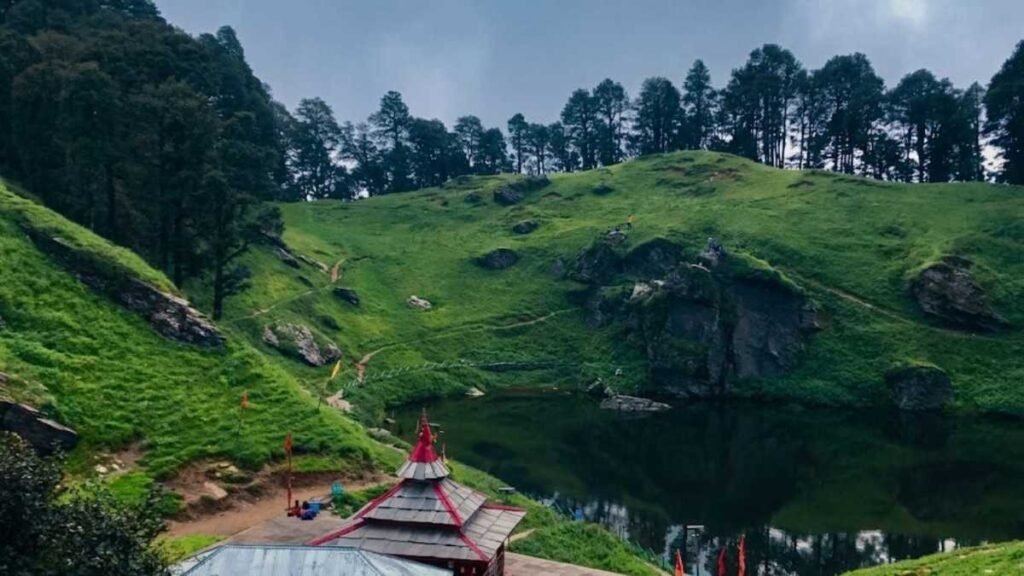
About 30–45 minutes by road from Jibhi (roughly 12 km on steep mountain curves), Jalori Pass stands at 10,800 feet and marks the boundary between Kullu and Shimla districts. It was historically used by the British to access Kullu Valley — and today it serves as the jumping-off point for two of the best short treks in Himachal. The views from the pass itself are worth the drive, but most people use it as a base rather than a destination.
Serolsar Lake — A Hidden Alpine Gem
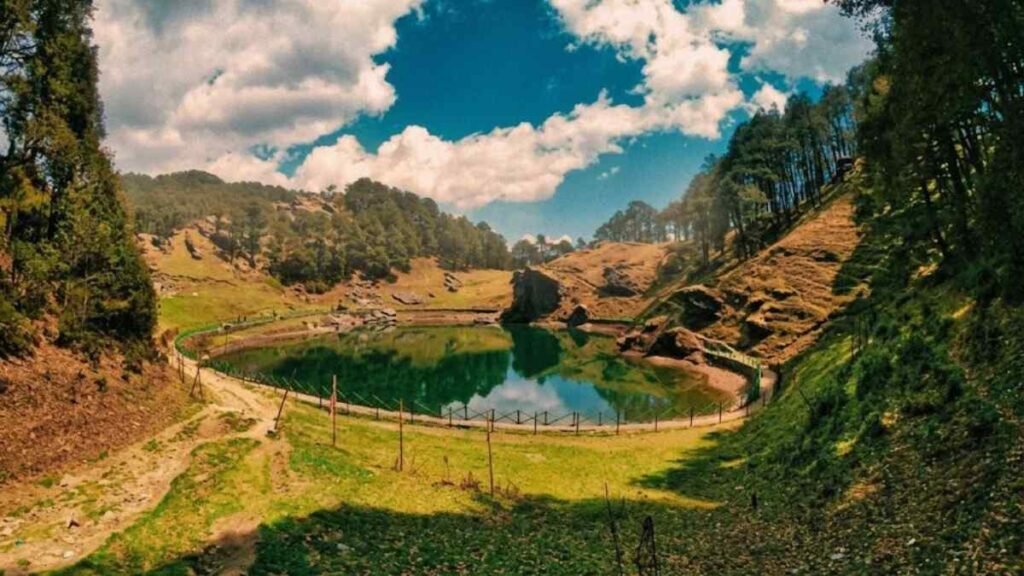
From Jalori Pass, a 5-kilometre forest trail leads through oak and rhododendron trees to Serolsar Lake — a pristine high-altitude lake sitting at about 10,170 feet. The Budhi Nagin temple beside the lake adds a sacred, unhurried quality to the place. Locals say the lake’s water never gathers impurities — and on clear days, the reflection of the surrounding forests in the water makes it easy to believe something extraordinary is protecting this place. The round-trip takes about 4–5 hours and is suitable for beginners.
Raghupur Fort — Views From the Ruins
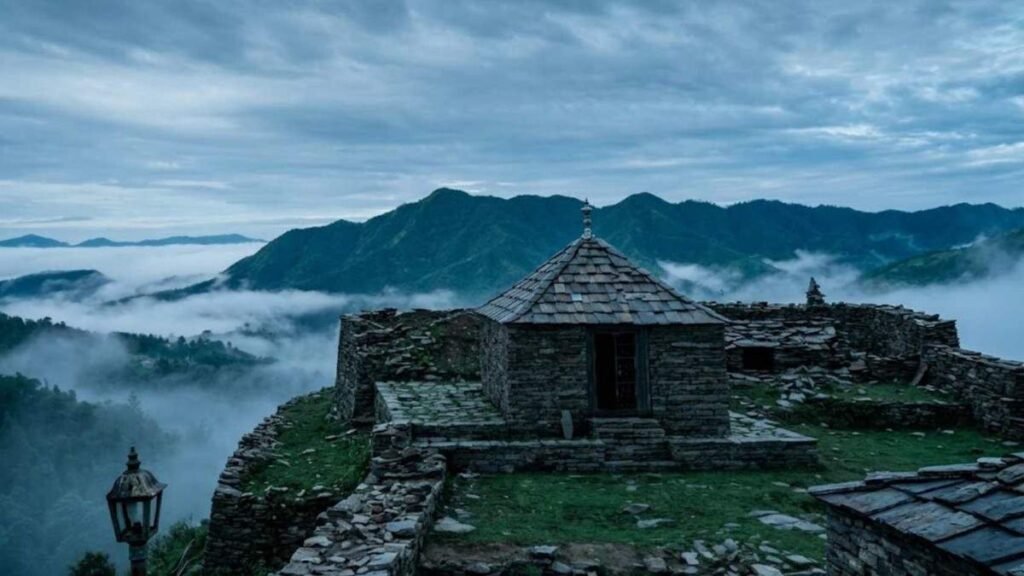
Built by the rulers of Mandi to defend against attacks from the Kullu side, Raghupur Fort is now largely in ruins — but what it offers in return for the climb is a 360-degree panorama of the Tirthan Valley, the Dhauladhars, and the Pir Panjal Himalayas. The trail starts from Jalori Pass and covers about 3 kilometres, with the last section steep enough to get your heart going. Camp here overnight if you want one of the finest sunsets in the Banjar Valley. ALT TAG: Raghupur Fort trek Jalori Pass Himachal views
Chehni Kothi — A Tower That Defies Time
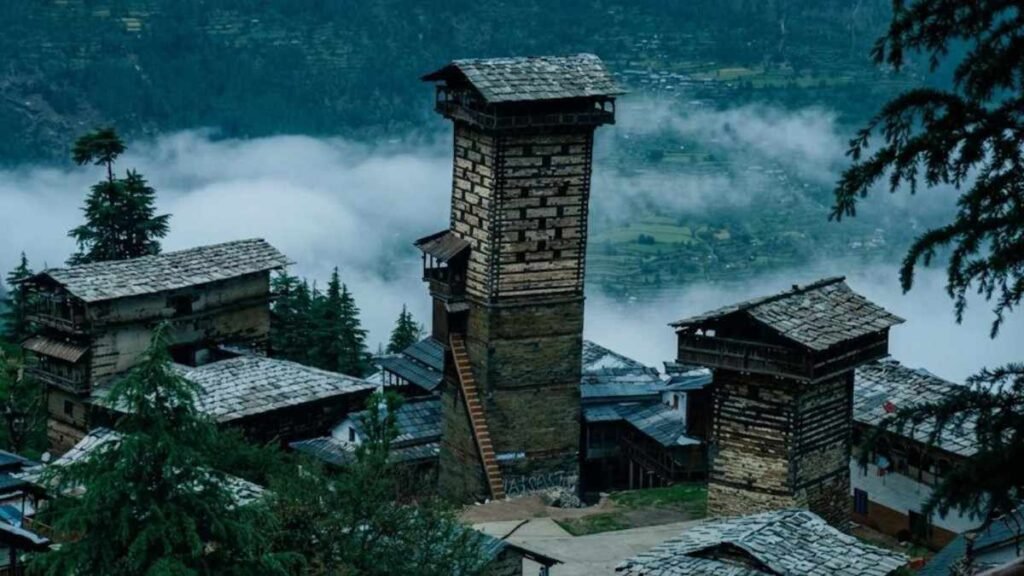
One of the most striking buildings in all of Himachal Pradesh, Chehni Kothi is a multi-storey tower built entirely from stone and wood in the Kath Kuni style — with no cement, no iron, nothing that wasn’t sourced from the immediate landscape. It’s accessible only via a short uphill trail from the village below. The tower has survived centuries of Himalayan winters and earthquakes, which says everything about the construction technique used to build it.
Kulhi Katandi — Jibhi’s ‘Mini Thailand’
Locals call it Mini Thailand — a small hamlet about 2–3 kilometres above Jibhi village. It feels like a different world: apple orchards climbing the hillside, traditional Himachali homes with carved wooden facades, and trails through the forest that lead to stunning views of the valley below. Very few guides mention this spot, which is exactly why it’s worth walking up to. The HimTrails team regularly includes this in our Jibhi itineraries as a half-day walk.
Trekking Trails You Cannot Miss in Jibhi
If there is one thing Jibhi does better than anywhere else in Himachal at this altitude, it’s giving you incredible trails that don’t require weeks of preparation or a support team. Most trails here are accessible to first-timers, and many can be completed in a single day.
| Trek / Trail | Distance | Difficulty | Best Season |
| Jibhi Waterfall Trail | ~1 km | Easy | Year-round |
| Serolsar Lake Trek (from Jalori Pass) | 5 km one way | Easy–Moderate | April–June, Sep–Nov |
| Raghupur Fort Trek (from Jalori Pass) | 3 km one way | Moderate | April–June, Sep–Nov |
| Lambhri Top Trek | ~8 km | Moderate | May–October |
| Kulhi Katandi Forest Walk | ~3 km | Easy | March–November |
| Chhoie Waterfall Trail (Nagini) | ~3 km | Easy–Moderate | April–October |
A few things to keep in mind on Jibhi’s trails: mobile signal disappears quickly once you’re into the forest. Carry water, a light snack, and — if you’re heading toward Serolsar or Raghupur — leave by 8 AM so you’re back before dark. HimTrails can arrange guided trail days for any of the above.
The Architecture of Jibhi — Kath Kuni Style Explained
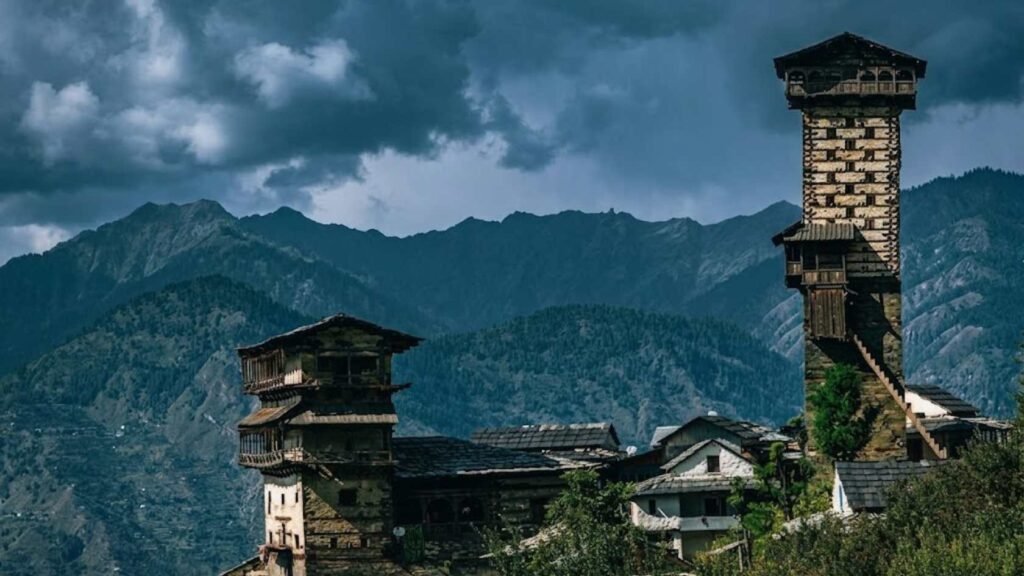
One of the things that makes Jibhi feel so different from other hill stations is what the buildings are made of. The traditional construction style here is called Kath Kuni — a centuries-old Himalayan technique that alternates layers of stone and deodar wood without using any mortar or cement. The result is a structure that flexes slightly during earthquakes rather than cracking, and stays naturally insulated in winter.
Chehni Kothi is the most dramatic example, but you’ll see this style in farmhouses, old temples, and the occasional homestay throughout the village. Staying in one of these buildings isn’t just comfortable — it’s a small lesson in how Himalayan communities worked with their environment before modern construction materials arrived. When HimTrails recommends a stay in Jibhi, we always push travellers toward properties that use or preserve this architecture.
Best Time to Visit Jibhi — Season by Season
Jibhi is worth visiting in every season, but the experience changes dramatically depending on when you go. Here’s an honest breakdown:
| Season | Months | What to Expect | Best For |
| Spring | March – May | Rhododendrons blooming, snow patches at Jalori Pass, pleasant temps (10–20°C) | Trekking, photography, first-time visits |
| Summer | June – August | Lush green forests, some rain, waterfalls at full flow. Jalori Pass open. | Monsoon green landscapes, camping |
| Autumn | Sep – November | Clear skies, golden oak forests, best Himalayan views. Peak season. | Trekking, Serolsar Lake, all activities |
| Winter | Dec – February | Jibhi village open; Jalori Pass snowed shut. Wooden cottages, slow pace. | Snow lovers, couples, peaceful retreats |
If you can only go once, October is probably the sweet spot — the trails are open, the air is clear enough to see deep into the Himalayan ranges, and the oak forests around Jalori Pass turn a shade of gold that genuinely looks like something out of a nature documentary.
Things to Do in Jibhi Beyond Trekking
Jibhi isn’t just about the trails — though the trails are excellent. Here’s what else is worth your time:
Trout Fishing on the Tirthan River
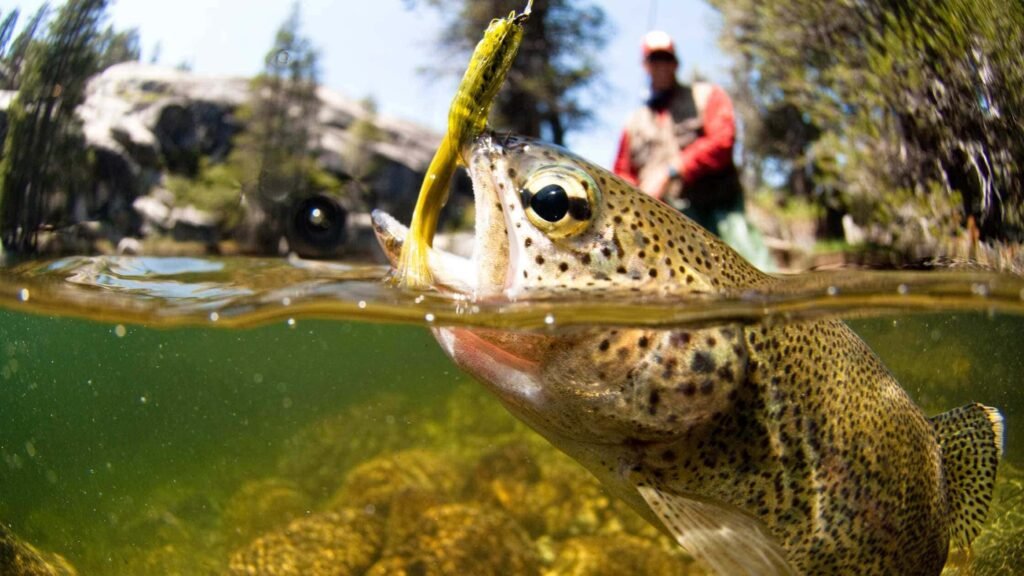
The Tirthan River, flowing adjacent to the Jibhi stream, is one of the finest trout fishing rivers in India. Fishing here requires a permit from the Himachal Pradesh Fisheries Department (available through the Banjar office, costing around ₹200–500 per day). The Great Himalayan National Park boundary runs alongside — which means the ecosystem is protected and the fishing is genuinely exceptional. Brown trout season runs roughly March through June.
Riverside and Forest Camping
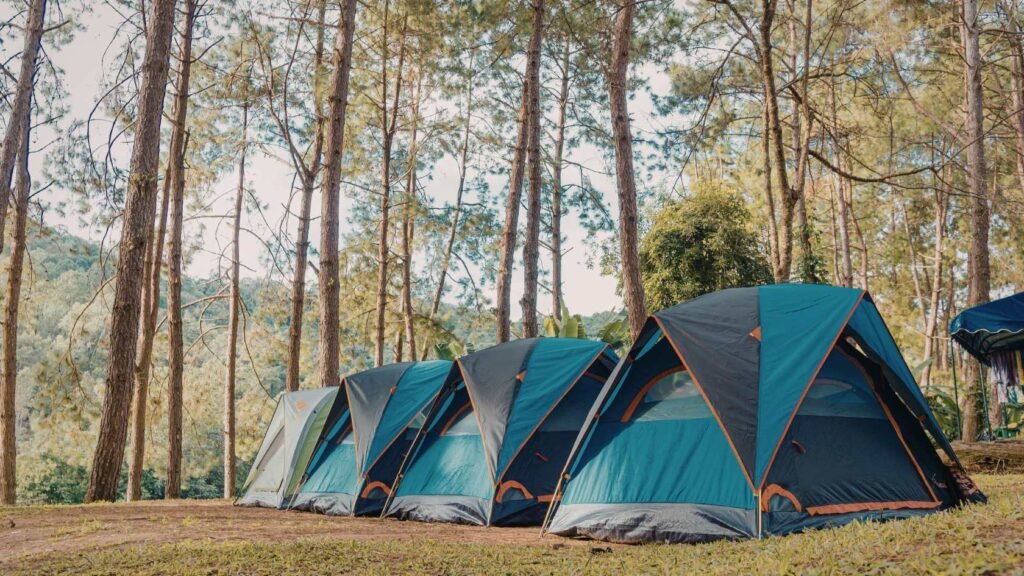
Camping in Jibhi is an experience in itself. Several campsites along the Jibhi stream offer bonfire nights, simple home-cooked meals, and skies clear enough for serious stargazing. For the more adventurous, forest camping near Jalori Pass or Kulhi Katandi gives you a complete break from civilization. Expect to pay ₹800–2,000 per person per night for a managed campsite with bonfire and meals included.
Village Walks and Local Culture
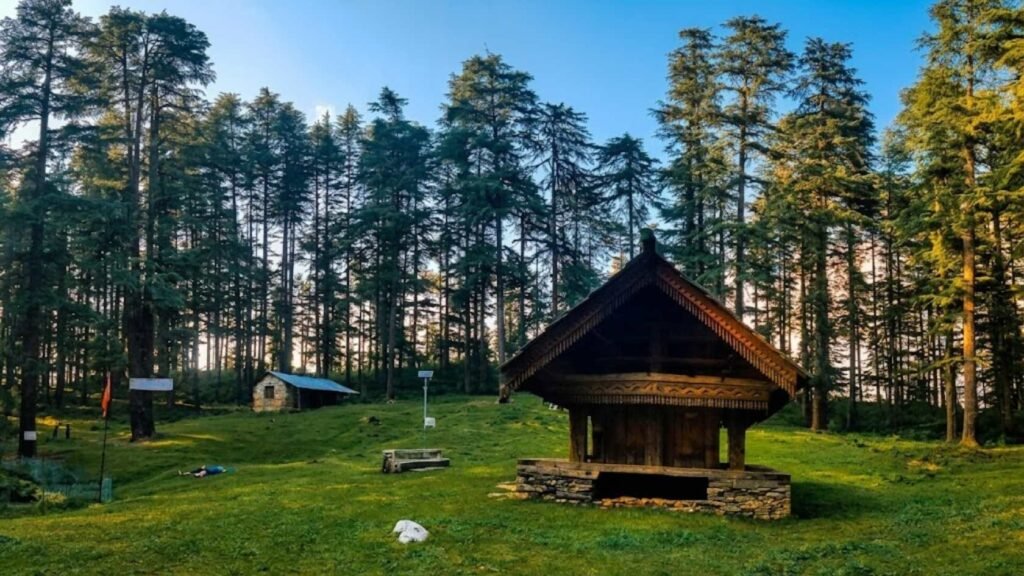
Some of the best hours in Jibhi are spent doing almost nothing — walking between villages, chatting with locals, watching someone card wool on a traditional spindle, or sitting in a riverside cafe that decided to serve filter coffee at 9,000 feet. The village of Shoja (about 5 km from Jalori Pass) and the hamlet of Pekhri are both worth wandering through. The pace of life here is the main attraction.
Exploring the Great Himalayan National Park
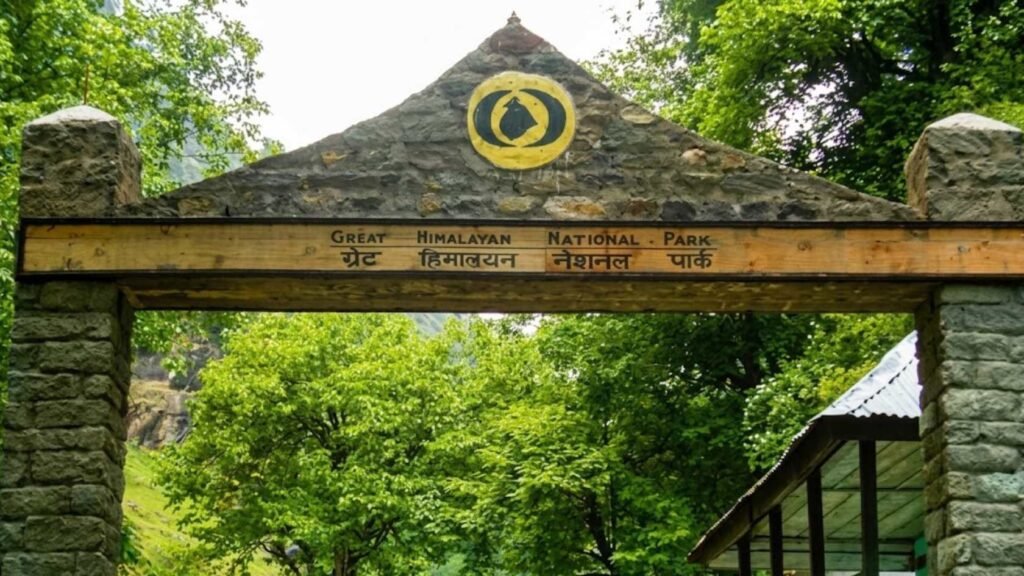
Jibhi sits at the edge of the UNESCO-listed Great Himalayan National Park — and while deep access requires permits and a guide, the park’s outer zones are accessible on foot. Birdwatchers come here specifically for species like the Western Tragopan, Himalayan Monal, and various pheasants. HimTrails can arrange guided nature walks that include the park’s buffer zone.
How to Reach Jibhi — All Your Options
Jibhi is about 500 km from Delhi and sits in the Banjar Valley of Kullu district. Here’s how to get there:
| Mode | Route / Details | Time | Approx. Cost |
| By Bus (Overnight) | Delhi ISBT → Aut or Bhuntar (HRTC/Volvo), then local taxi/bus to Jibhi via Banjar | 12–15 hrs | ₹600–1,200 |
| By Car (Self Drive) | Delhi → Chandigarh → Mandi → Aut → Banjar → Jibhi (NH-21) | 11–13 hrs | Fuel + tolls |
| By Flight + Taxi | Delhi → Bhuntar Airport (Kullu), then taxi ~80 km to Jibhi | ~3.5 hrs total | ₹4,000–8,000 flight + ₹2,000–2,500 taxi |
| By Train + Road | Delhi → Chandigarh/Pathankot → bus/taxi to Jibhi | 14–16 hrs | ₹500–1,500 |
Note: The last stretch from Banjar to Jibhi (about 15 km) involves narrow mountain roads. If driving yourself, take it slow. HimTrails provides direct pickup from Delhi for all Jibhi packages — our drivers know every curve of this route.
Where to Stay in Jibhi — Budget to Comfortable
The accommodation scene in Jibhi is one of its best features. You’re not choosing between generic hotel rooms — you’re choosing between wooden cottages, treehouse stays, riverside homestays, and the occasional heritage guesthouse.
| Budget Range | What You Get | Approx. Price/Night |
| Budget (₹500–1,500) | Basic homestays, shared bathrooms, home-cooked meals — genuine village hospitality | ₹500–1,500 |
| Mid-range (₹1,500–4,000) | Private cottages with river views, wooden interiors, decent attached bathrooms | ₹1,500–4,000 |
| Comfortable (₹4,000+) | Premium Kath Kuni cottages, treehouses, riverside chalets, bonfire setups | ₹4,000–8,000 |
HimTrails partners with handpicked properties across all budget ranges in Jibhi. When you book through us, every stay has been personally checked for cleanliness, safety, and the kind of hospitality that makes a trip memorable. Our Extended Jibhi & Shoja package (5N/6D, from ₹24,999 pp) includes stays at a carefully selected wooden cottage.
Jibhi Travel Tips — Things to Know Before You Go

- Carry enough cash. ATMs are available in Banjar (20 km away), not in Jibhi village itself.
- Mobile connectivity is limited on most trails. Download offline maps (Google Maps works well for Jibhi) before you start.
- Jalori Pass is closed from roughly December to mid-March due to snowfall. Check conditions before planning.
- The Jibhi Waterfall is best before 9 AM — after that, especially on weekends, it gets busy.
- Wear layered clothing regardless of the season. Evenings drop sharply even in summer.
- Trout fishing requires a permit — get it before you head to the river.
- Respect local customs. Many temples in the area have rules about non-Hindus entering inner sanctums.
- The roads from Banjar to Jibhi are narrow and steep — avoid driving at night if you’re unfamiliar.
- Jibhi is safe for solo female travellers — the community is small and the locals are genuinely warm.
Jibhi vs Kasol — Which Should You Pick?
This is one of the most common questions travellers ask us at HimTrails. Here’s the honest answer: they’re completely different experiences.
| Factor | Jibhi | Kasol |
| Crowd Level | Low–Moderate (growing) | High (peak seasons very busy) |
| Vibe | Slow, forested, village life | Backpacker cafes, party scene |
| Trekking | Excellent (Jalori Pass, Serolsar, Raghupur) | Good (Kheerganga, Rasol, Tosh) |
| Best For | Couples, families, nature lovers, slow travel | Solo young travellers, long-term backpackers |
| Budget | Slightly lower | Slightly higher |
If you want an offbeat Himachal experience with good trails, beautiful architecture, and real village quiet, Jibhi wins. If you want a more social, cafe-hopping, trail-focused trip with other backpackers, Kasol is your answer.
Final Word — Jibhi Won’t Stay a Secret Much Longer
Jibhi is exactly the kind of place that changes the way you think about Himachal Pradesh travel. Not because it has the tallest peaks or the most famous pass — but because it has something rarer: quiet. Real quiet. The kind where you can walk a forest trail in the morning with nothing but birdsong and the sound of the Jibhi stream for company, eat a home-cooked Himachali meal, and go to bed in a wooden cottage that’s been standing longer than you’ve been alive.
The Mini Switzerland of India – Jibhi comparison is well-earned — but what no postcard quite captures is how unhurried the whole experience feels. This is a place worth going to slowly, worth staying in longer than you planned, and very likely worth coming back to.
When you’re ready to plan your Jibhi trip, our team at HimTrails is happy to help you do it right.
Frequently Asked Questions
Also Read: Jibhi in April 2026 — Complete Month Guide: Weather, Waterfalls & What to Pack
Ready for Your Himachal Adventure?
Get FREE customized itinerary · Best Price Guaranteed · Local Himachal Experts since 5+ years · 3,973+ Happy Travelers



Pingback: 16 Things To Do In Jibhi In 2026 | Complete Guide