
Manali Travel Guide 2026 — Everything You Need to Know
Ask anyone who’s been to Manali once — they’ll tell you they went back. There’s something about this place that gets under your skin. The cold air carrying pine resin and river mist, the sound of the Beas pushing through the valley below your hotel window, the moment Rohtang Pass opens up in front of you and the plain world you came from feels impossibly far away.
At HimTrails, we plan Manali trips week after week, year after year. Every season brings a different version of the place, and every traveller leaves with a different story. This Manali travel guide is written from that experience — not assembled from other travel sites, but built from actual trips, real roads, and honest conversations with the people who live here.
Why Manali Still Tops Every Himachal Bucket List
Manali sits at about 2,050 metres in the Kullu district of Himachal Pradesh and has been drawing travellers since long before the tourism industry figured out what to do with it. The backpackers found it first — in the 70s and 80s, it was a stop on the overland trail from Europe to Asia. Then came the adventure crowd, drawn by the trekking trails above the valley and the rivers below it. Then families, honeymooners, corporate groups, solo travellers. Today, Manali receives millions of visitors a year and somehow still manages to absorb them all without losing what makes it worth visiting.
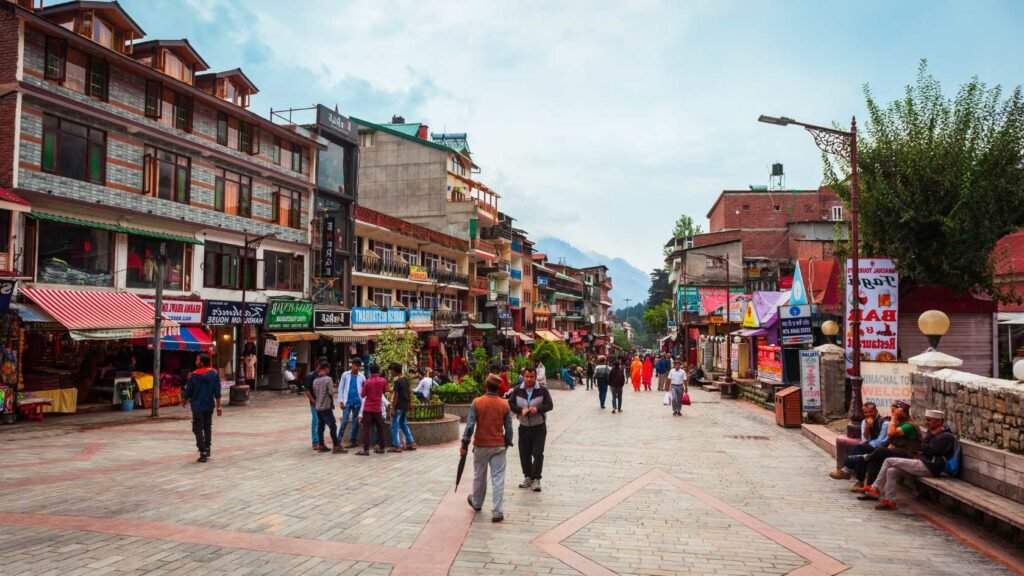
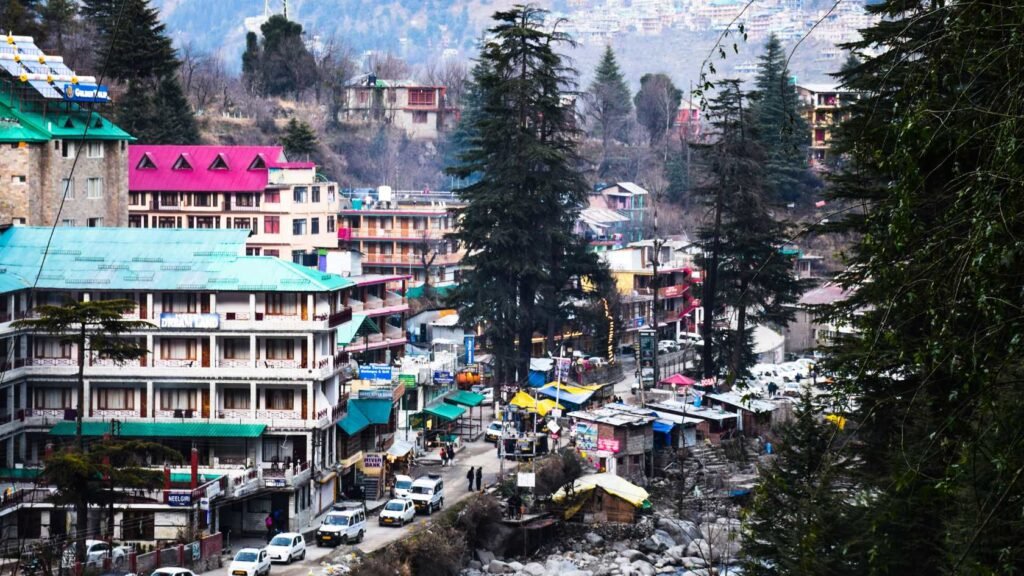
It helps that Manali is genuinely multi-layered. The Mall Road and main market give you one experience — convenient, commercial, always buzzing. Old Manali, across the Manalsu stream, gives you another — quieter, more traditional, full of timber-framed houses and apple trees. And then above both of them, the mountains give you something else entirely: raw, clean, and absolutely indifferent to your schedule.
The trails above Manali — to Beas Kund, Hampta Pass, Chandrakhani, and beyond — are some of the finest in the entire Himalayan range. Walking them even for a few hours changes how you see the valley below. That perspective shift, between the town and the mountain, is the real reason people keep coming back to Manali.
Top Places to Visit in Manali
Manali is filled with breathtaking mountain viewpoints, ancient temples, adventure valleys, and scenic Himalayan trails. From peaceful forest walks to thrilling high-altitude passes, the town offers countless experiences for nature lovers and adventure seekers alike.
Solang Valley
Manali sits at about 2,050 metres in the Kullu district of Himachal Pradesh and has been drawing travellers since long before the tourism industry figured out what to do with it. The backpackers found it first — in the 70s and 80s, it was a stop on the overland trail from Europe to Asia. Then came the adventure crowd, drawn by the trekking trails above the valley and the rivers below it. Then families, honeymooners, corporate groups, solo travellers. Today, Manali receives millions of visitors a year and somehow still manages to absorb them all without losing what makes it worth visiting.
It helps that Manali is genuinely multi-layered. The Mall Road and main market give you one experience — convenient, commercial, always buzzing. Old Manali, across the Manalsu stream, gives you another — quieter, more traditional, full of timber-framed houses and apple trees. And then above both of them, the mountains give you something else entirely: raw, clean, and absolutely indifferent to your schedule.
The trails above Manali — to Beas Kund, Hampta Pass, Chandrakhani, and beyond — are some of the finest in the entire Himalayan range. Walking them even for a few hours changes how you see the valley below. That perspective shift, between the town and the mountain, is the real reason people keep coming back to Manali.
Rohtang Pass (3,978 m)
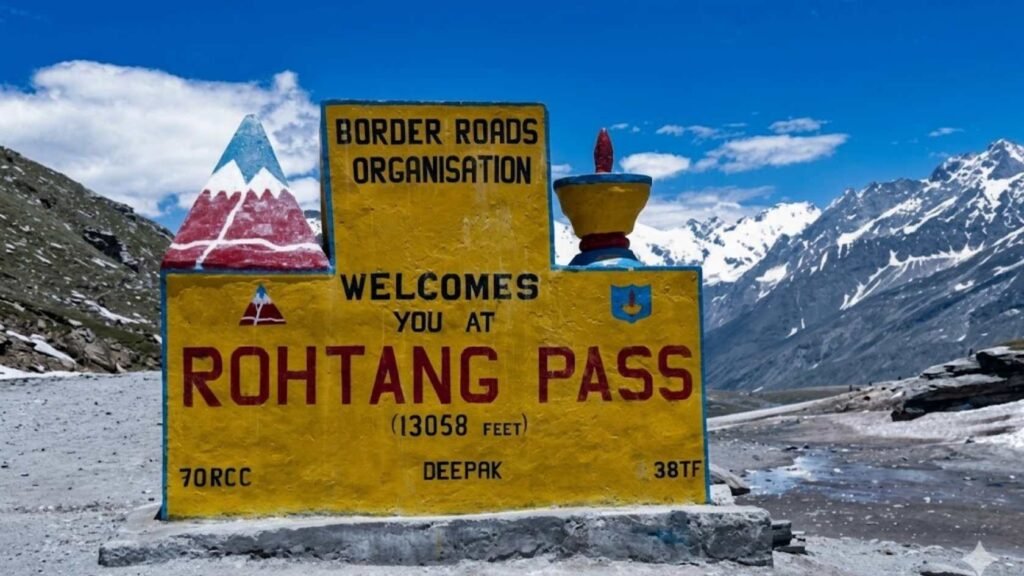
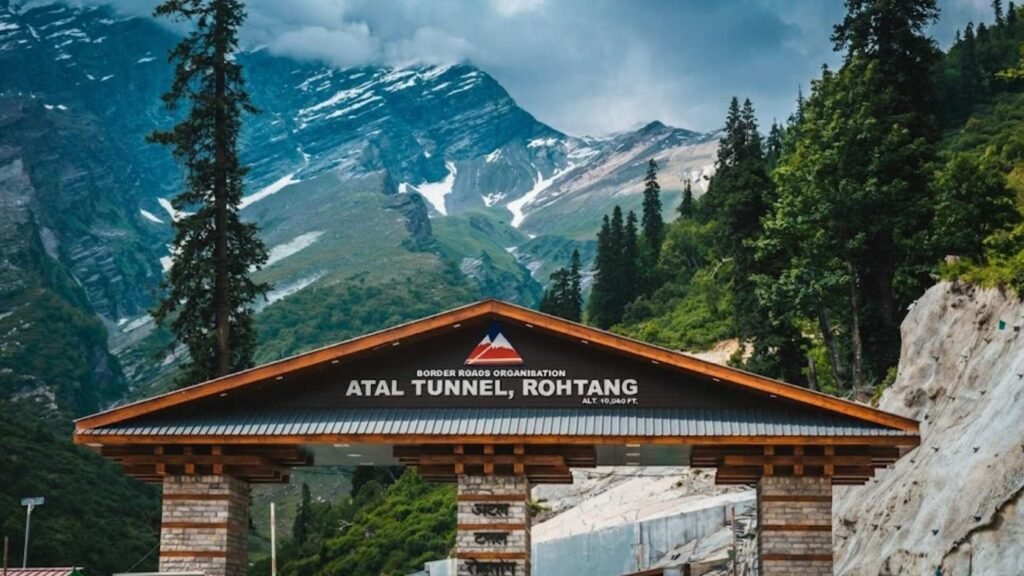
Fifty-one kilometres from Manali, Rohtang Pass is the gateway to Lahaul and the starting point of some of India’s most dramatic high-altitude routes. On the Manali side, you’re in green Kullu Valley. Cross the pass, and the landscape changes completely — brown, barren, cold desert, silent.
The pass is open from May to November depending on snowfall. Vehicle permits are required and are booked online through the Himachal government portal (daily limits apply). Go early — the afternoon brings crowds and cloud. If you’re planning to extend your trip toward Spiti or Leh, you’ll be crossing Rohtang on the way, which makes it doubly worth savouring.
One of the most rewarding trails in the area starts near Rohtang and goes up to the Shigri Glacier viewpoint — a route that most visitors skip in favour of the road, but one that HimTrails recommends for anyone with an extra half-day.
Hidimba Devi Temple (Dhungri Temple)
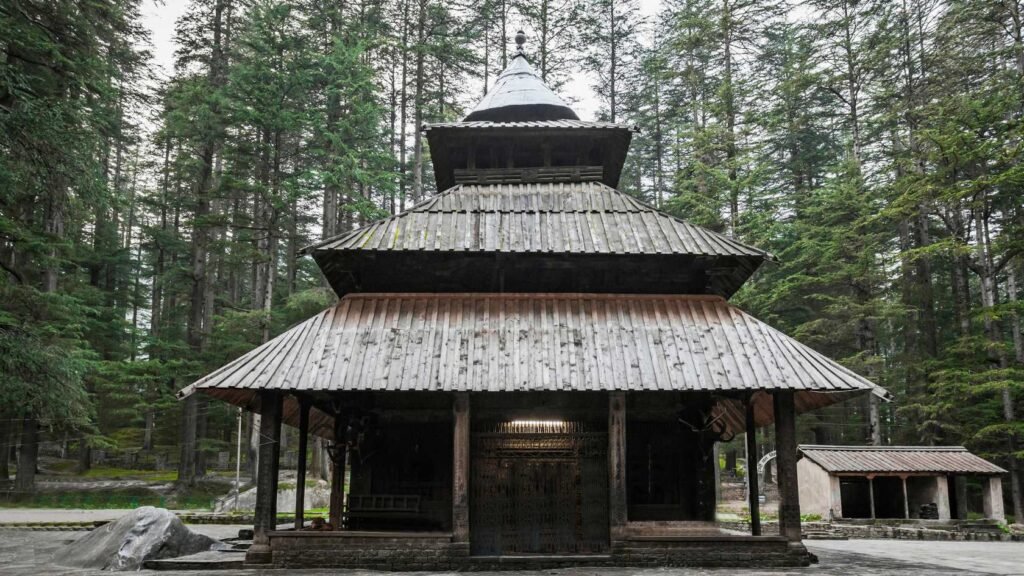
Built in 1553 AD inside a grove of ancient cedar trees, the Hidimba Devi Temple is one of Manali’s most genuinely distinctive attractions. The four-storey pagoda structure with its intricate woodcarving is beautiful in itself, but the setting — silent forest, soft light through the cedars, the smell of incense mixing with pine — elevates it completely.
The temple is dedicated to Hidimba, Bhima’s wife from the Mahabharata, making it one of only a handful of temples in India with this dedication. Morning visits before the tour groups arrive are strongly recommended. The forest path behind the temple leads up through the deodar grove and connects to a small trail network — worth exploring for an extra thirty minutes if you have them.
Old Manali
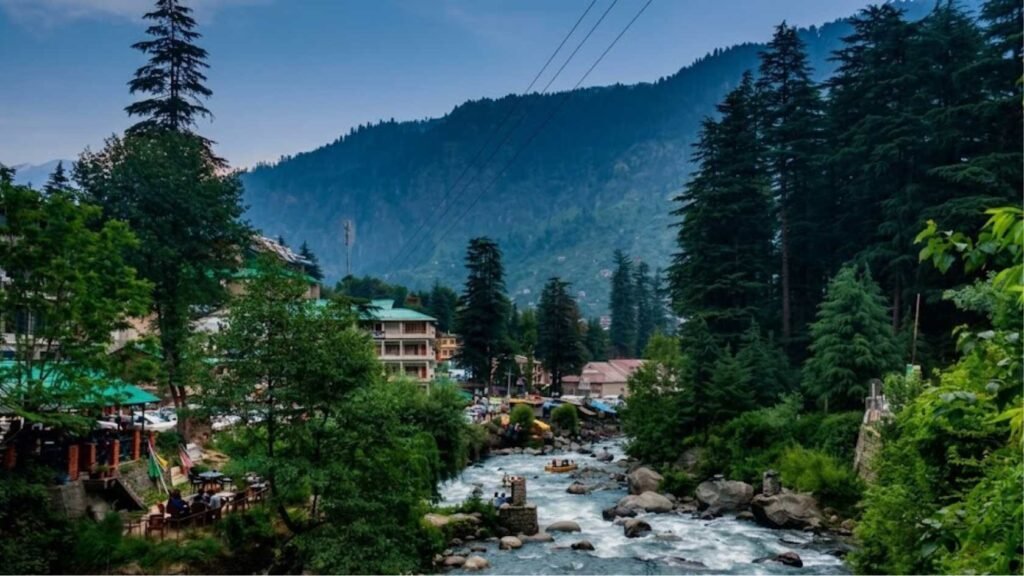
Old Manali is on the far side of the Manalsu stream, about 2.5 km from the main bazaar, and it feels like a different world. Traditional wooden-frame houses, apple orchards, the old Manu Temple in the village centre, and a collection of cafes that have been feeding travellers for decades. The pace is slower. The view is better. And the coffee, at several long-running places along the main lane, is significantly better than anything on Mall Road.
The trails from Old Manali up into the Solang and Beas Kund direction are also more accessible from here than from the main town — another reason to spend at least part of your Manali stay on this side of the river.
Vashisht Village & Hot Springs
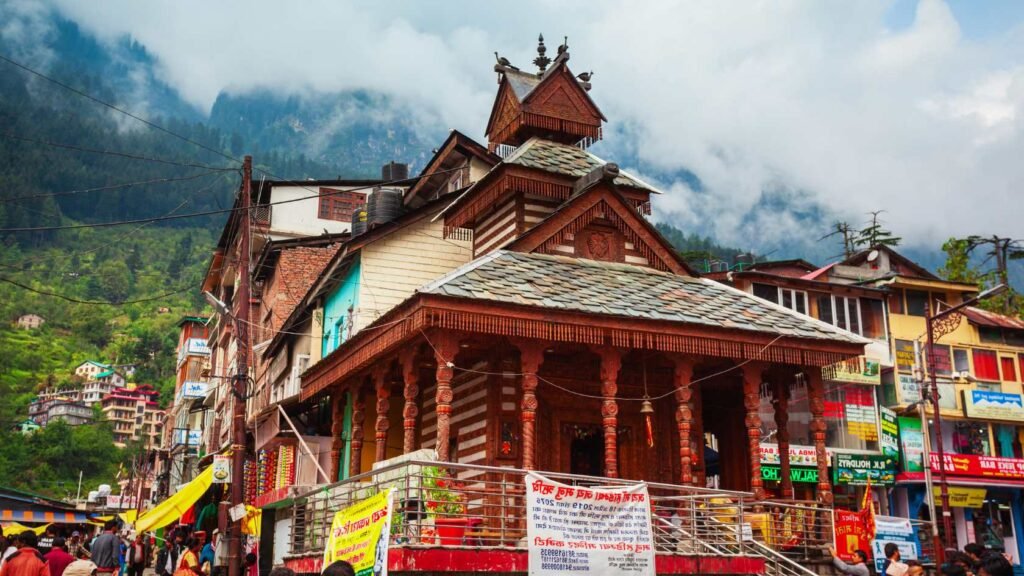
Three kilometres up the valley from Manali, Vashisht is a village built around natural sulphur hot springs. The springs feed into bathing tanks maintained at the Vashisht temple complex — separate enclosures for men and women, free to use. After a day on the mountain trails, they are exactly what your legs need.
The twin temples of Vashisht and Ram above the springs date back several centuries and have beautifully carved stone panels in the Shikhara style. The village market is smaller and less commercial than Manali’s, and the cafes here tend to draw a quieter crowd.
Beas Kund Trek
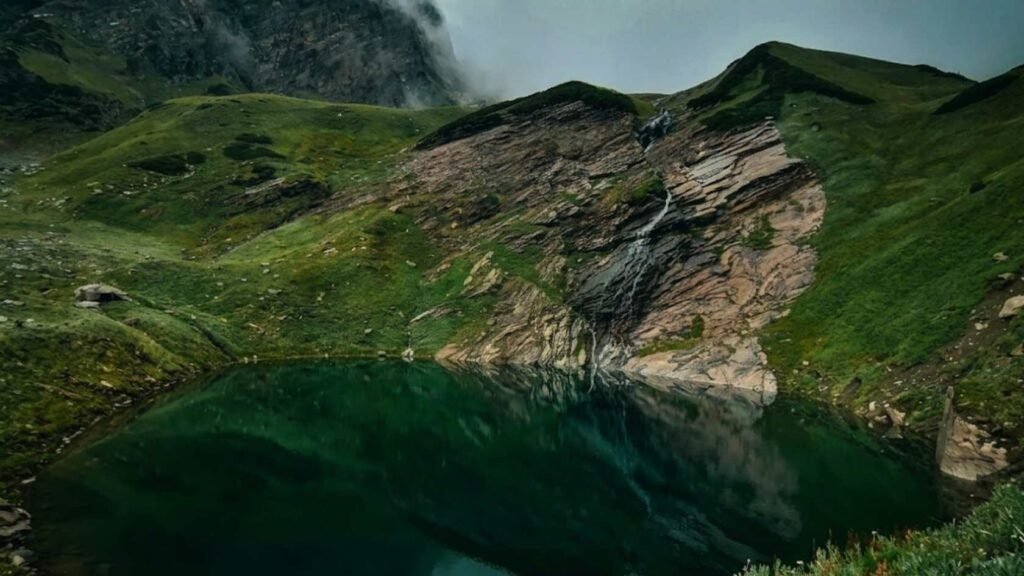
Beas Kund is the glacial lake above Solang Valley from which the Beas River originates. The trek to the lake takes 2–3 days from Manali and is one of the most accessible Himalayan treks in the region — suitable for beginners with a reasonable fitness level. The trail follows the Beas River through forest, then open meadow, then high-altitude moraines, and ends at the lake at around 3,700 metres.
This is one of the HimTrails signature trekking routes — we guide groups here through spring and autumn when the trail conditions are at their best. The views of Hanuman Tibba and Shitidhar peaks from the lake are outstanding.
Naggar Castle & Roerich Art Gallery
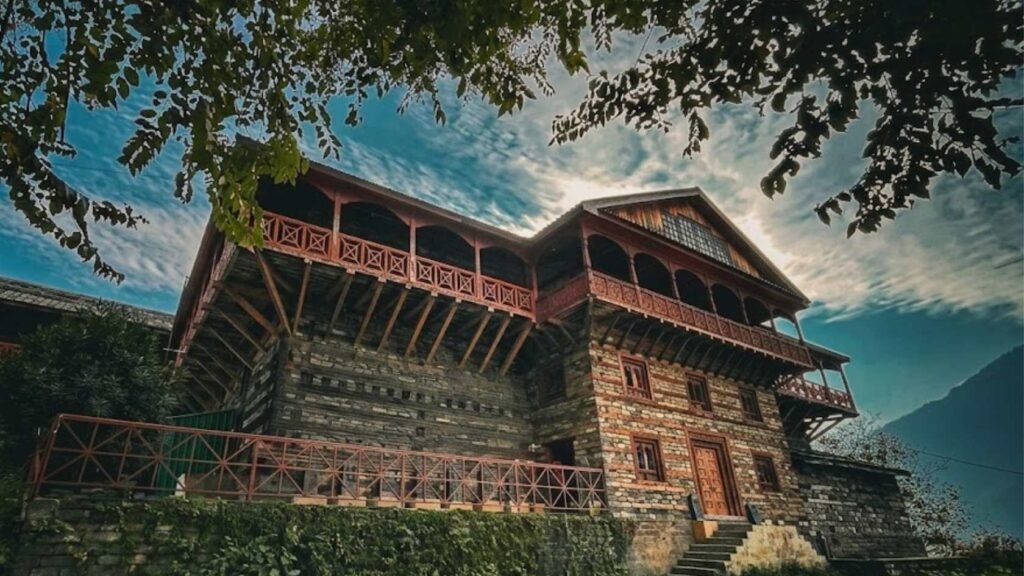
Naggar, 21 km south of Manali on the road toward Kullu, is a historic village built around a 500-year-old castle that was once the seat of the Kullu Raja. The castle has been converted into a heritage hotel and is open to visitors. The Nicholas Roerich Art Gallery nearby houses works by the Russian painter who settled in Naggar and spent his later life painting the Himalayas — the collections are extraordinary and completely undervisited.
Things to Do in Manali
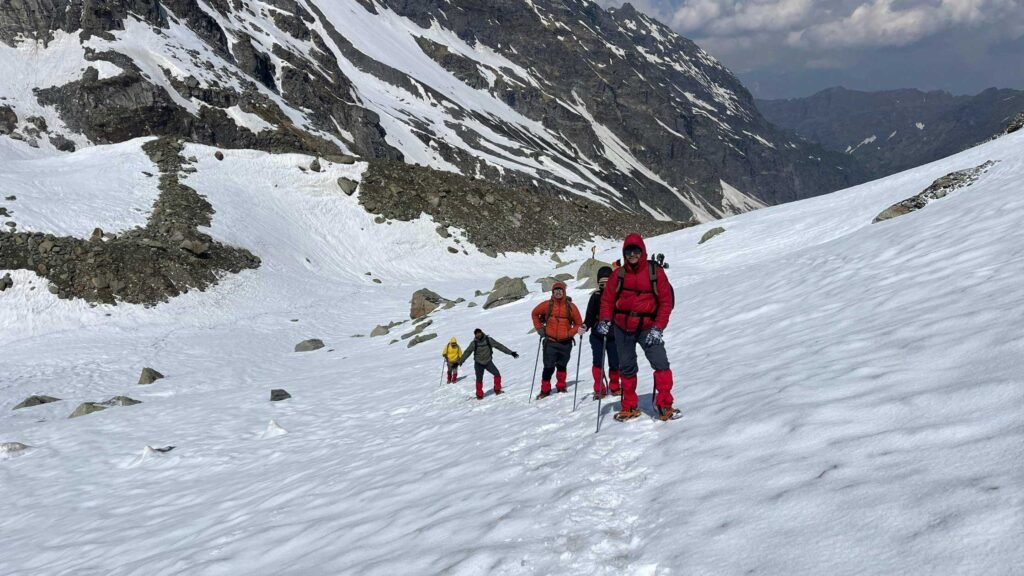
Manali‘s activity menu is one of the most comprehensive of any mountain town in India. Here’s how to think about it:
Adventure Sports
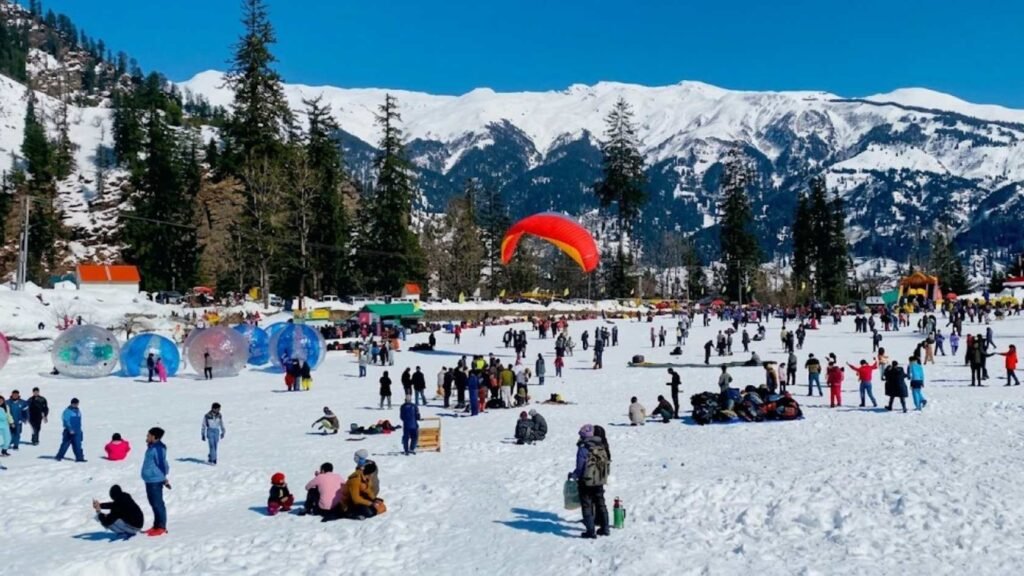
Skiing and snowboarding at Solang (December–March), paragliding over the valley (May–October), river rafting on the Beas (July–September, grades II–IV depending on water levels), rock climbing near Vashisht, zorbing, and ATV rides at Solang Valley. HimTrails arranges all of these with certified operators.
Trekking
The trails around Manali range from easy half-day walks (the Dhungri Forest trail behind Hidimba Temple) to challenging multi-day expeditions. Beas Kund (2–3 days), Hampta Pass (4–5 days, crossing into Spiti), Chandrakhani Pass (3 days), and the Deo Tibba base camp trek (6–7 days) are all excellent and accessible from Manali.
Cultural Visits
The temple circuit — Hidimba, Vashisht, Manu, and Jagatsukh (10 km south of Manali) — covers a range of architectural styles and historical periods. Naggar Castle and Roerich Gallery add art and heritage to the mix.
Leisure
Old Manali cafes, Van Vihar Park, Mall Road market, and the simply pleasurable activity of sitting by the Beas River and watching the mountains. Not everything needs to be an adrenaline event.
Best Time to Visit Manali
March to June
It is the most popular season and generally the best overall. The weather is clear and pleasant (10–25°C), adventure activities are all running, and the mountain views are at their sharpest before the summer haze sets in. The valley is green, the rivers are full, and Rohtang Pass opens in late May.
October to November
It is arguably the most beautiful month — the autumn light is golden, the crowds have thinned, the deodar forests turn, and the sky is deep blue. Road conditions are good and accommodation rates drop significantly.
December to February
It is for snow lovers. Solang Valley transforms into a ski slope, snowfall in the town itself is common, and the whole valley takes on a fairy-tale quality. Roads to Rohtang and Spiti are closed, but Manali itself is very much open and magical.
July to September (Monsoon)
Avoid if possible for Manali specifically. Heavy rainfall causes frequent landslides on the approach roads from Delhi, and outdoor activities are heavily disrupted. Spiti Valley, oddly, is actually at its best in these months — worth keeping in mind if flexibility exists.
How to Reach Manali
By Road from Delhi
540 km via NH3 through Chandigarh and Mandi. Overnight Volvo buses depart from Kashmere Gate ISBT and take 12–14 hours. A self-drive or taxi takes the same time but gives more flexibility for stopping at Mandi, Pandoh Dam, and the Kullu Valley.
By Air
Bhuntar Airport (Kullu-Manali Airport) is 50 km from Manali. Air India operates flights from Delhi — useful for shortening the journey, though flights are infrequent and weather-dependent. Most travellers prefer the overnight bus for the experience of arriving in the mountains at dawn.
By Train + Road
Take a train to Chandigarh or Ambala, then a bus or taxi for the remaining 4–5 hours. The Kalka–Shimla toy train is a scenic option if you’re combining Shimla and Manali in one trip.
Where to Stay in Manali
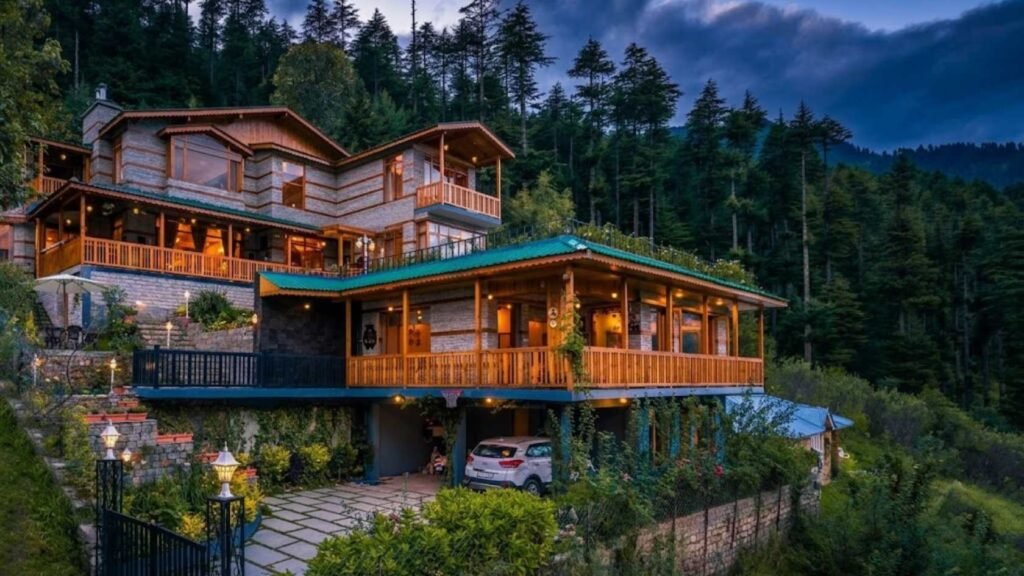
New Manali (Mall Road area)
Best for first-timers wanting easy access to restaurants, taxis, and tour operators. Mid-range to luxury hotels are concentrated here. Can get noisy and crowded in peak season.
Old Manali
Best for backpackers, solo travellers, and those who want a quieter, more atmospheric stay. Guesthouses and small hotels with mountain views are the norm. The Manalsu River sound is a free bonus.
Vashisht
A good middle ground — quieter than central Manali but still close enough to the main market. Popular with longer-stay travellers and people doing the hot-spring circuit.
Solang Valley Area
If you’re primarily there for snow sports in winter, staying at the valley base cuts your commute. Limited options but the views are extraordinary.
HimTrails arranges vetted accommodation across all these areas as part of our Manali tour packages — we work with properties we’ve personally verified.
Manali Travel Tips

Altitude
Manali itself is at 2,050 m — moderate altitude, and most people adapt fine within a day. If you’re continuing to Rohtang, Hampta Pass, or Spiti, spend a full day at Manali altitude first. Drink water, avoid alcohol on day one, and keep it slow.
Rohtang Permit
Book online at rohtangpermits.nic.in at least 2–3 days before your visit. Daily vehicle limits apply and the portal often fills up early in peak season. HimTrails handles permit logistics as part of our packages.
Clothing
Even in summer, evenings in Manali drop to 5–10°C. Carry a fleece and a windproof outer layer at minimum. For treks and Rohtang visits, add thermal underlayers in any season.
Cash
Manali ATMs work but can run dry during peak season. Carry sufficient cash if you’re heading to Old Manali, Vashisht, or up toward Rohtang where digital payments aren’t reliable.
Local Food
Don’t leave Manali without trying Siddu (steamed local bread stuffed with walnut paste), Dham (the traditional Himachali feast, occasionally available at local dhabas), and trout if you’re near the river — the Kullu valley rivers produce some of the finest freshwater trout in India.
For a solid Manali experience covering the main sights, 4–5 days is ideal. Add 2–3 days if you want to do a short trek like Beas Kund or include a Rohtang Pass visit with proper time at the pass. For a Manali–Spiti combo, budget 10–12 days minimum.
Yes — Manali is considered one of the safer hill stations in India for solo travel, including for women. The town is well-patrolled, tourist infrastructure is solid, and the local community is accustomed to independent travellers. The usual common sense applies: stick to populated trails, share your itinerary, and book verified accommodation.
December temperatures in Manali range from -5°C to 10°C. Snowfall is common in December and increases through January. Roads to Rohtang and Spiti are closed. Solang Valley skiing begins around late December depending on snowfall. Pack warm clothing — thermal underlayers, a heavy down jacket, gloves, and waterproof shoes are essential.
Most travellers take the Delhi–Chandigarh–Mandi–Kullu–Manali route (NH3), which is approximately 540 km. The overnight Volvo bus from Kashmere Gate ISBT is the most popular option. Self-drive and taxis are also common — the drive through the Kullu Valley in daylight is one of the best parts of the journey.
Yes, snowfall in Manali in March is possible, particularly in early March. Solang Valley typically still has snow. Rohtang Pass remains closed through most of March. By late March, the valley itself clears and the first spring flowers appear. It’s actually a lovely, less-crowded window to visit.
Beas Kund (easy–moderate, 2–3 days), Hampta Pass (moderate, 4–5 days), Chandrakhani Pass (moderate, 3 days), Bhrigu Lake (moderate, 2–3 days), and Deo Tibba Base Camp (challenging, 6–7 days) are all excellent options accessible from Manali. HimTrails guides trekking groups on several of these routes each season.
The most popular Manali tourist attractions include scenic valleys, ancient temples, waterfalls, and high-altitude viewpoints around Manali. Travelers often explore famous spots like Solang Valley, Rohtang Pass, and Hadimba Devi Temple, along with scenic Himalayan trails and nearby mountain villages.
Request A Customized Package
Do you have specific requirements? Our Agents will create a personalized package for you in No Time
Related Packages: Himachal Tour Packages | Manali Tour Packages | Leh Ladakh Tour Packages | Spiti Tour Packages | Kasol Tour Packages | Jibhi Tour Packages | Kinnaur Tour Packages | Dharamshala Tour Packages | Bir Billing Tour Packages | Tirthan Tour Packages | Shimla Tour Packages | Narkanda Tour Packages | Chamba Tour Packages
Ready for Your Himachal Adventure?
Get FREE customized itinerary · Best Price Guaranteed · Local Himachal Experts since 5+ years · 3,973+ Happy Travelers
