Autumn can be a strong time to visit Kasol, but the three months are not the same trip. For most first-time travellers, October is the strongest all-round choice to visit Kasol in Autumn. In the gateway climatology, September carries more post-monsoon rain exposure, October turns much drier, and November gets noticeably colder. One caveat matters throughout this guide: the reliable temperature and rainfall figures below come from Bhuntar, the lower-elevation gateway near the airport, not from Kasol itself. They show the direction of seasonal change rather than exact conditions in the valley. Pick your month by weather tolerance, and you will plan a much better trip.
Quick Answer: Is Kasol Good in Autumn?
Yes, autumn suits Kasol well, but choose the month deliberately. September gives you a greener, post-monsoon valley with more rain exposure, so keep plans flexible. October offers the best balance for most first-timers: drier gateway conditions and comfortable daytime warmth. November turns colder and works best if you actively like cool weather and treat any high-altitude trek as optional. No month guarantees snow or clear roads.
👉 Confused? Let locals plan your trip.
September vs October vs November — Which Month Should You Choose?
The table below sums up the trade-offs. Use it to match a month to your priorities, then read the detail underneath.
| Month | Best for | Main weather trade-off | Trek/activity approach | Main planning warning |
| September | Greener, post-monsoon feel with flexible plans | Highest autumn rain exposure at the gateway | Keep trek days optional around rain | Don’t lock a rigid dry-weather itinerary |
| October | The strongest all-round first trip | Much drier, cooler mornings and evenings | Good window, but still confirm access | Drier doesn’t mean guaranteed dry |
| November | Travellers who prefer colder conditions | Coldest of the three at the gateway | Treat high treks as conditional | Cold tolerance and access checks matter |
September — Greener, Wetter and More Flexible
September is the post-monsoon month, so the valley tends to look green and washed clean. In the IMD 1991–2020 normal for Bhuntar, September records a mean daily minimum of 16.8°C and maximum of 30.1°C. These are gateway figures, never Kasol’s own temperatures.
Rainfall is the real planning point. Bhuntar’s September climatological mean total rainfall is 77.4 mm across 5.2 mean rainy days. That is historical climate, not a forecast for your dates, but it tells you September carries more rain exposure than the months that follow. The smart approach is flexibility rather than a rigid, dry-weather itinerary. For broader month planning, our Himachal in September guide is a useful companion.
October — Best Balance for Most Travellers
October is where the gateway climatology shifts most in a traveller’s favour. Bhuntar’s October mean daily minimum is 10.1°C and maximum 27.9°C, with mean total rainfall dropping to 24.8 mm across just 1.6 mean rainy days.
Drier conditions and pleasant daytime warmth are why we point most first-time autumn travellers towards October. This is our editorial recommendation, not an official “best month” designation and not a promise of dry weather. You can still meet a wet spell; October simply gives you better odds and comfortable days for exploring the valley.
November — Colder and More Conditional
November brings the cold in. Bhuntar’s November mean daily minimum is 4.9°C and maximum 22.9°C, with mean monthly rainfall of 21.6 mm across 1.9 mean rainy days. Read these as gateway climate direction, not Kasol’s November average and not a forecast.
November suits travellers who genuinely enjoy cooler conditions. If you dislike cold, or if your trip depends on a high-altitude trek, reconsider the timing or verify access carefully first. We won’t tell you Kheerganga is definitely open or closed in November, and no one can promise snowfall.
Kasol Autumn Weather — What the Data Can and Cannot Tell You
Being honest about the numbers matters here. The reliable numerical dataset available is the India Meteorological Department’s 1991–2020 climatology for Bhuntar. Bhuntar is a lower-elevation gateway station near the Kullu-Manali airport, and Kasol sits higher up the Parvati Valley.
So the figures above show the direction of seasonal change, warmer and wetter in September, drier in October, colder in November, rather than exact daily conditions in Kasol. Kasol’s own valley temperatures will generally run cooler than these gateway readings. Just as importantly, these are historical averages across three decades, not a forecast for your travel dates. Treat them as a planning compass, then check an actual forecast close to departure.
Kasol Roads and Transport in Autumn
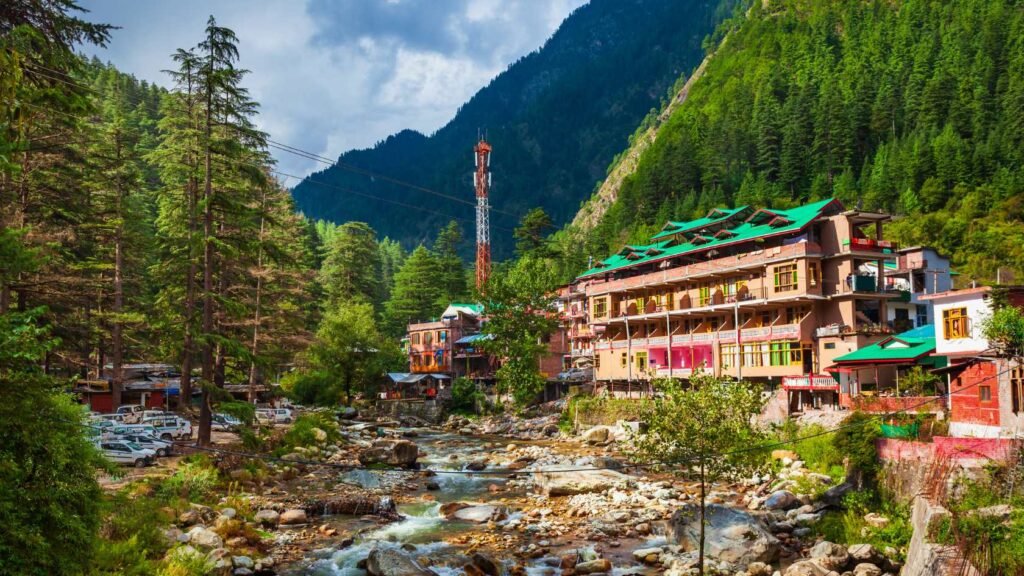
The main access route up the valley deserves attention. District Kullu’s 2026 order officially describes the Bhuntar–Manikaran road as narrow at several locations and affected by landslides. That is the authority’s own rationale for regulating traffic in the tourist season.
One point needs care. The specific tourist-season traffic order found in research was stated to run through 31 August 2026. Its expiry is exactly why you shouldn’t carry it into an autumn trip: unless District Kullu issues a fresh order covering your dates, that particular restriction does not apply to September–November. Check current District Kullu notices rather than relying on an old screenshot.
For buses, HRTC itself states that arrival and departure timings depend on conditions including road, weather and natural calamities. Read that as a reason to keep planning margin, not as evidence that disruption is likely. HRTC’s portal also allows advance booking up to 60 days, which helps if you want a seat locked in. For wider trip context, our Kasol travel guide covers the basics of reaching and getting around the valley.
What to Do in Kasol in Autumn
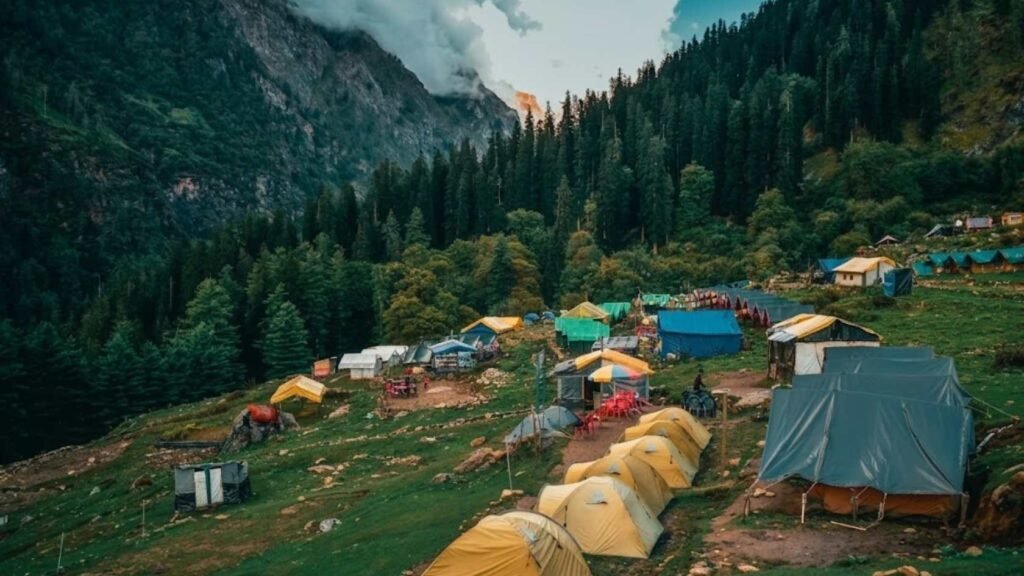
Keep autumn plans anchored in Kasol and the lower Parvati Valley, where cafés, riverside walks and easy village strolls fill a relaxed trip. Manikaran, further up the valley, is served by HRTC and private buses and taxis per District Kullu’s official listing, and its hot springs and gurudwara make a common day outing.
Kheerganga is the trek most people ask about. Treat it as an optional, conditional addition rather than the backbone of a short trip, because current access, route and camping rules should be confirmed for your travel dates before you commit. Our Himachal trek map helps you scope options, and if you want a guided structure, the Kasol Kheerganga trek package is one route to consider. If camping is part of the appeal, read up on camping in Himachal Pradesh and confirm seasonal availability.
👉 Pick the right stay & route — we’ll help.
Where to Stay in Autumn — Kasol or Chalal?
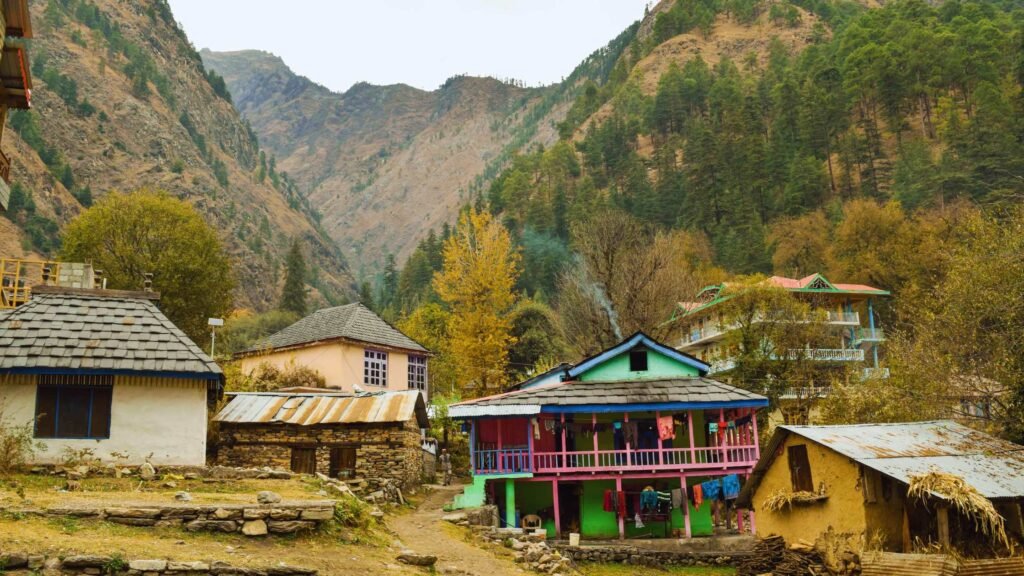
The choice comes down to convenience versus quiet. Main Kasol is the more practical base for first-time visitors who want easy access to cafés and services, with everything within walking reach. Chalal, a short walk across the river, is the quieter alternative for travellers who prefer calm over convenience.
Neither choice settles the practical details that matter in cooler months. Heating and hot-water standards vary property by property, so confirm those directly with your stay, especially for a November trip.
What Most Tourists Get Wrong About Kasol in Autumn
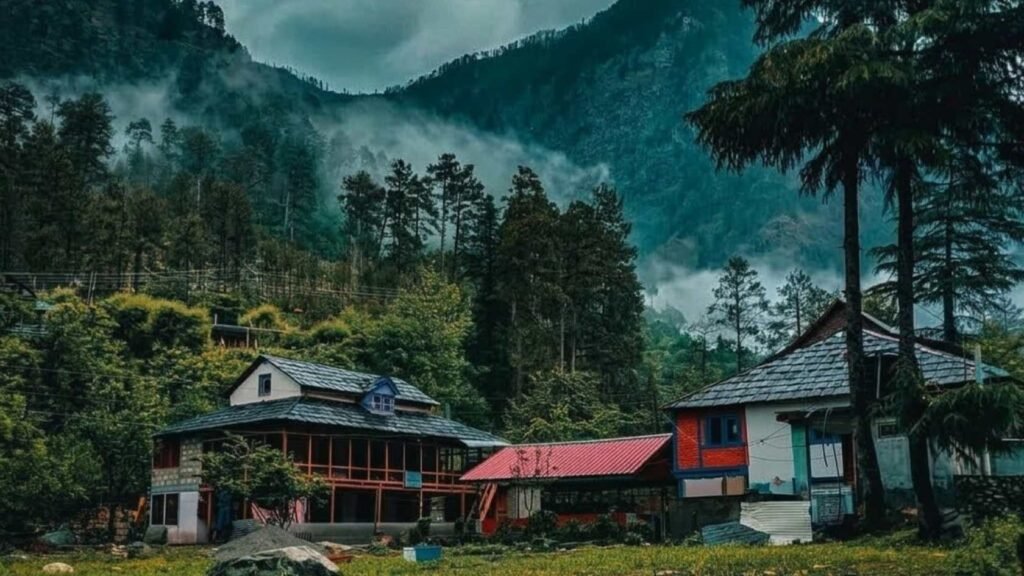
The common mistake is treating “autumn” as one consistent weather window. It isn’t. September, October and November show materially different rainfall and cold patterns even in the gateway climatology, so a plan built for one month can misfire in another.
Travellers make this error because “autumn in the mountains” sounds uniform and pleasant. The practical result is packing wrong, mistiming a trek, or expecting dry October weather in rainier September. The better choice is simple: pick your month by your weather tolerance and trip priorities, then pack and plan for that month specifically.
A Local Food Stop Near Kasol Bus Stand
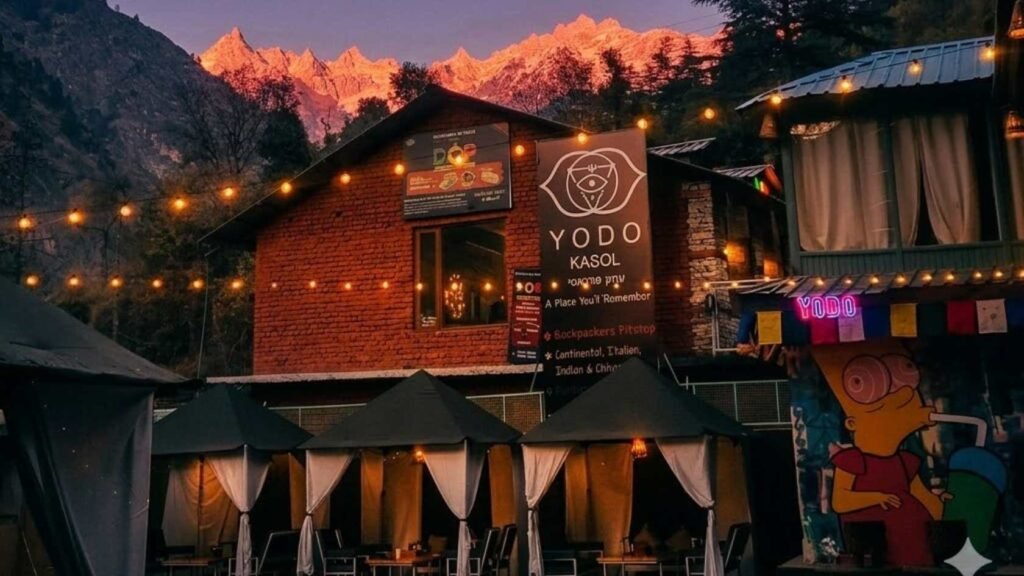
If you want a local bite, siddu is the dish to look for, a steamed Himachali bread usually served warm. One spot travellers mention is The Happy Uncle, listed at Shop No. 2, Chalal Road, next to the main bus stand, Kasol. It’s an easy walk when you arrive or before you head out.
Treat this as a pointer, not a review. Small valley eateries change hands and menus, so confirm it’s open and serving before you build a plan around it.
What to Pack for Kasol in September, October and November

Pack for the month, not for a generic idea of autumn. For September, prioritise practical rain protection, a good jacket, quick-dry layers, and flexible clothing you can adjust as showers come and go.
October calls for comfortable layers for cooler mornings and evenings, with lighter daytime wear. By November, step up to stronger cold-weather layering, warm mid-layers, a proper jacket, and cold-ready accessories. Because Kasol sits higher than the gateway station, assume the valley feels cooler than the Bhuntar figures suggest.
Safety and Planning Checks Before You Leave
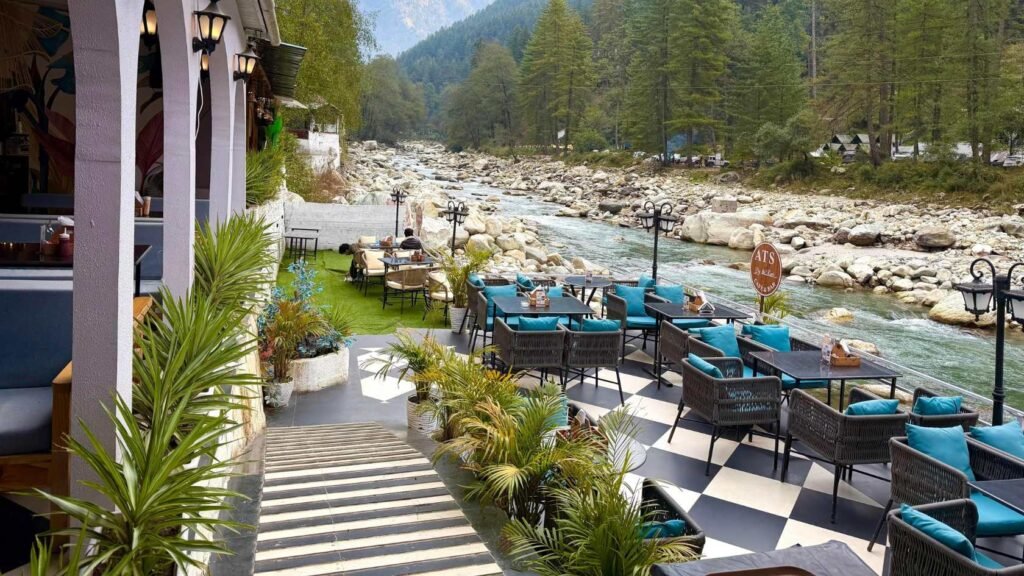
A few current checks beat any old summary. Look at IMD weather and warnings close to your departure, check District Kullu for road and traffic notices, and confirm actual bus availability with HRTC rather than assuming a schedule.
If Kheerganga matters to your trip, verify trail, forest-entry and camping status for your dates before you rely on it. Use current official sources instead of old screenshots or last year’s road-order summaries, and avoid building a tight plan around a single mountain-bus arrival time. To turn your rough budget into numbers, the Himachal trip cost calculator is a handy starting point.
Final Verdict — September, October or November?
Here is the decisive three-way call. Choose September if a greener, post-monsoon feel matters to you and you can keep plans flexible around rain. Choose October if you want the strongest all-round balance for a first trip, our default recommendation for most travellers. Choose November if you actively prefer colder weather and can keep any high-trek plans conditional.
Reconsider or delay if your trip depends on guaranteed snow, a guaranteed trek opening, or rigid weather-sensitive plans, because autumn can’t promise those. Once you’ve picked a month, our Himachal trip itinerary planner helps you shape it into day-by-day plans, and if you’d rather have the logistics handled, our Kasol tour packages are worth a look.
👉 Want this trip? Let’s plan it right.
Frequently Asked Questions
Also Read: Jibhi in Autumn 2026: September, October & November Guide
Ready for Your Himachal Adventure?
Get FREE customized itinerary · Best Price Guaranteed · Local Himachal Experts · 3,973+ Happy Travelers