Yes, Jibhi in autumn is worth visiting, but the three months are not interchangeable, and October is the strongest default for most first-time travellers. Himachal Tourism categorises September to November as autumn, yet that single label hides real differences. IMD records show monsoon withdrawal can extend into October, so early autumn still carries rain variability. Jalori Pass follows a normal winter traffic closure from December to March, which shapes how you plan upper excursions. None of this guarantees a specific 2026 weather or road condition, so treat the season as a good bet that still rewards flexibility.
Quick Answer
For a first autumn trip to Jibhi, October is the recommended all-round default because it usually sits between the monsoon-withdrawal window and the winter access pattern. September is transitional, so keep rain flexibility in your plans. November suits colder-weather travellers who can stay flexible, and any upper-road plan then needs fresh status checks. Autumn is a colour season in Himachal, but no month guarantees foliage peak, snow or guaranteed Jalori access.
👉 Confused? Let locals plan your trip.
Is Autumn a Good Time to Visit Jibhi?
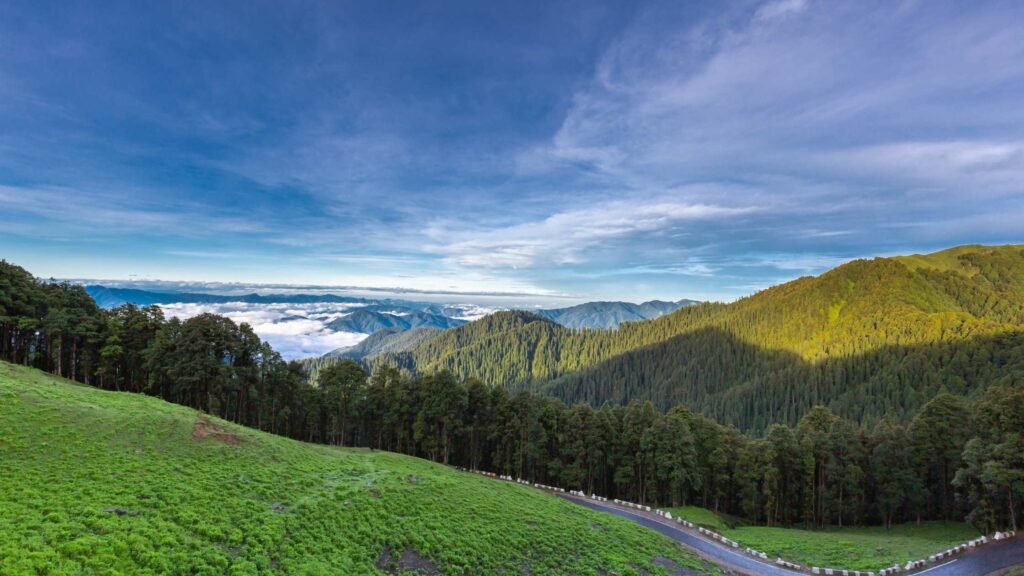
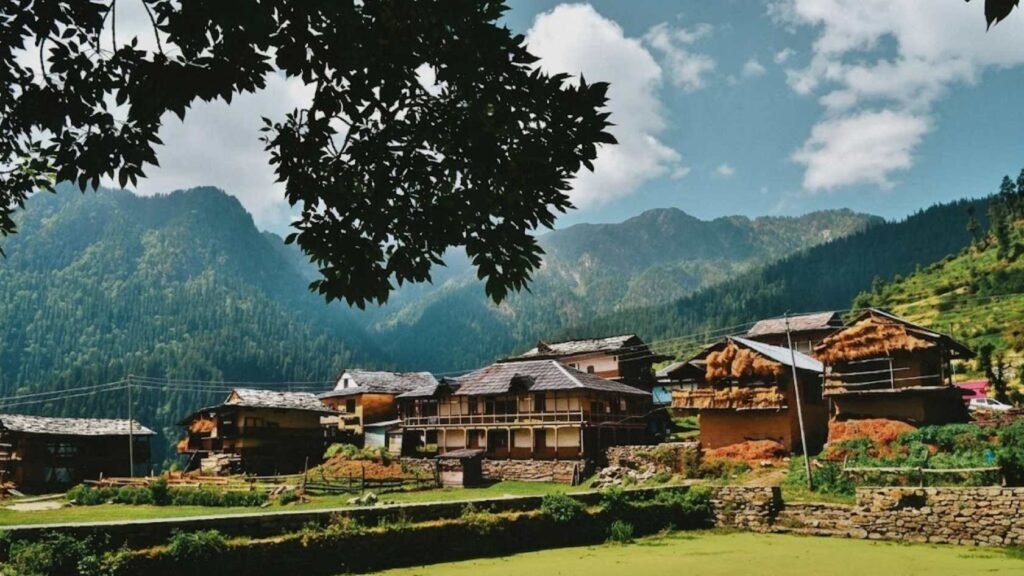
Autumn works well for travellers who want forest colour, quiet walks and village time without making snow the main objective. The mountain air is cooler, the heavy monsoon pressure eases through the season, and the valley shifts towards its warmer colour palette.
The catch is that “autumn” is not one settled block of weather. Each month behaves differently, and the gap between an early-September day and a mid-November one is significant. That is why your month choice matters more than the season label.
If you want the full evergreen picture of the village before fixing dates, our Jibhi travel guide covers the wider planning detail. This seasonal article focuses on choosing between the three months.
September vs October vs November — Which Month Is Best?
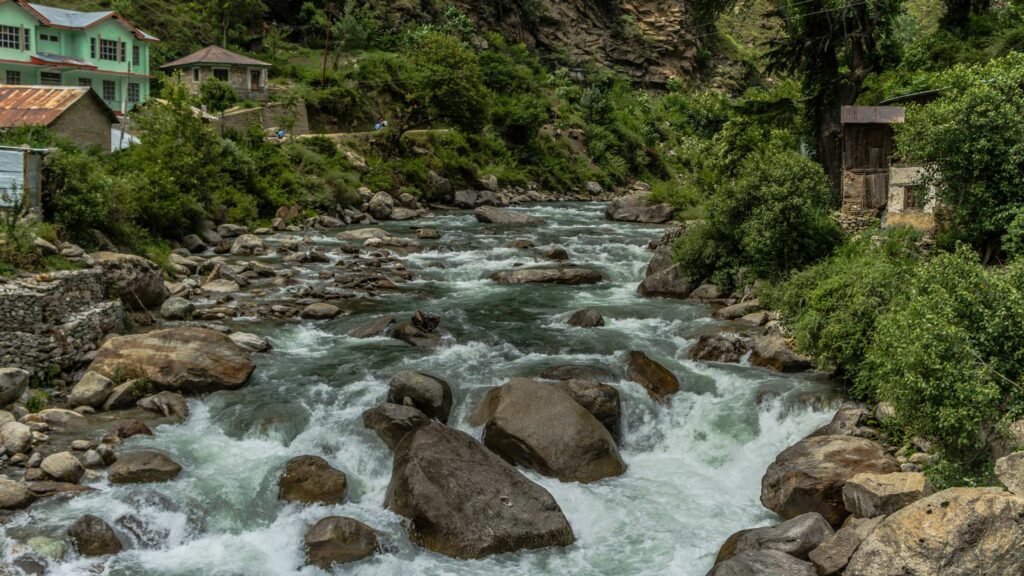
Here is how the three autumn months compare on the points that actually affect your plans.
| Month | Best for | Main advantage | Main uncertainty | Jalori planning approach |
| September | Green scenery, flexible travellers | Lush post-rain landscape, fewer settled crowds early | Monsoon withdrawal timing varies year to year | Keep it conditional; retain a rain buffer |
| October | Most first-time travellers | Usually sits between withdrawal and winter closure | Weather, colour timing and roads still not guaranteed | Plan it, but confirm live status near travel |
| November | Colder-weather, flexible travellers | Crisper air, quieter feel | Colder upper areas, more road sensitivity | Verify current road status close to the date |
Jibhi in September — Green, but Still a Transition
September is a transition month, not a fully settled post-monsoon period. IMD’s Himachal table lists 25 September as the normal monsoon-withdrawal date for 2024 and 2025, but actual withdrawal has often come later. It occurred on 11 October 2019, 10 October 2021, 6 October 2023 and 2 October 2024, and on 26 September 2025.
Read that as a warning against assumption, not a prediction. Some September days can still bring rain, so a traveller who needs settled weather should not treat early autumn as guaranteed dry. That said, not every September day or the whole month is wet.
For broader month-level planning across the state, our Himachal in September guide adds useful context.
Jibhi in October — The Best All-Round Choice
October is our editorial recommendation for a first autumn visit. Its position between the normal monsoon-withdrawal period and the December-to-March winter closure pattern usually gives you a more workable window for both lower-valley time and upper excursions.
This is a seasonal-positioning judgement, not a promise. October does not guarantee dry weather, a colour peak or open roads on your exact dates. You still confirm conditions close to travel.
For how October fits the wider state picture, see our guide to Himachal Pradesh in autumn.
Jibhi in November — Better if You Can Stay Flexible
November suits travellers comfortable with colder conditions and a more contingency-based plan. The air is crisper, upper areas feel noticeably cooler, and anything Jalori-dependent needs more flexibility as winter approaches.
Keep a lower-valley alternative ready so a single road status does not decide whether the trip feels worthwhile.
What Does Jibhi Look and Feel Like in Autumn?
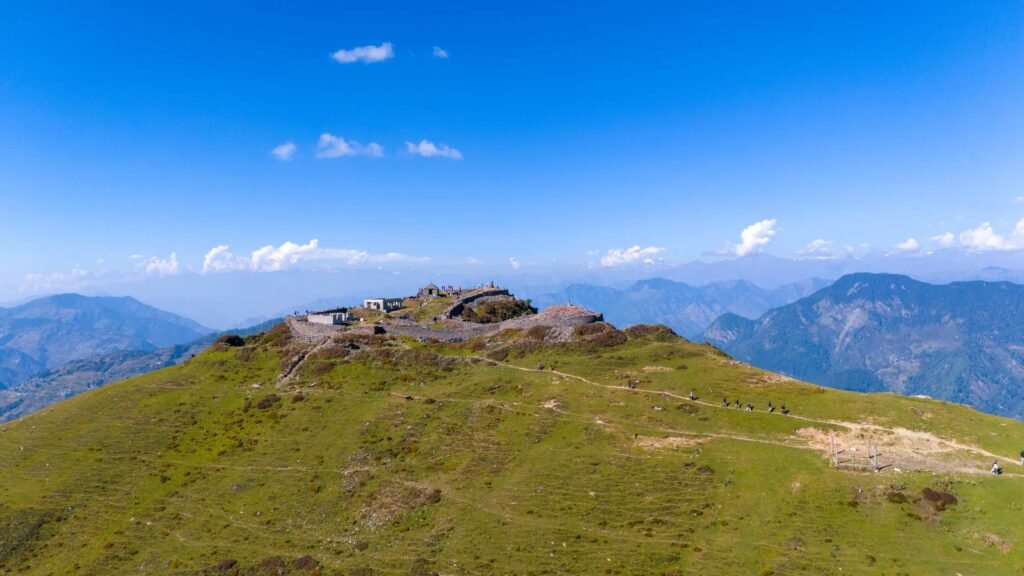
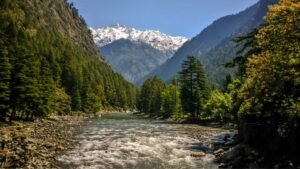
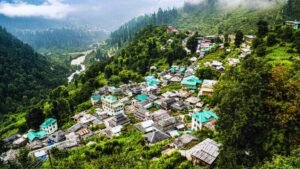
Himachal Tourism material associates autumn with crimson and golden colour across the hills, and Jibhi’s forested valley shares in that shift. Expect a quieter, warmer-toned landscape than the deep monsoon green of late summer.
Exact timing is the part you cannot pin down in advance. There is no verified peak-colour week for Jibhi, so photographers should plan for variable timing rather than booking around a fixed foliage date.
Jibhi, Shoja and Jalori — Why Your Day Plan Matters
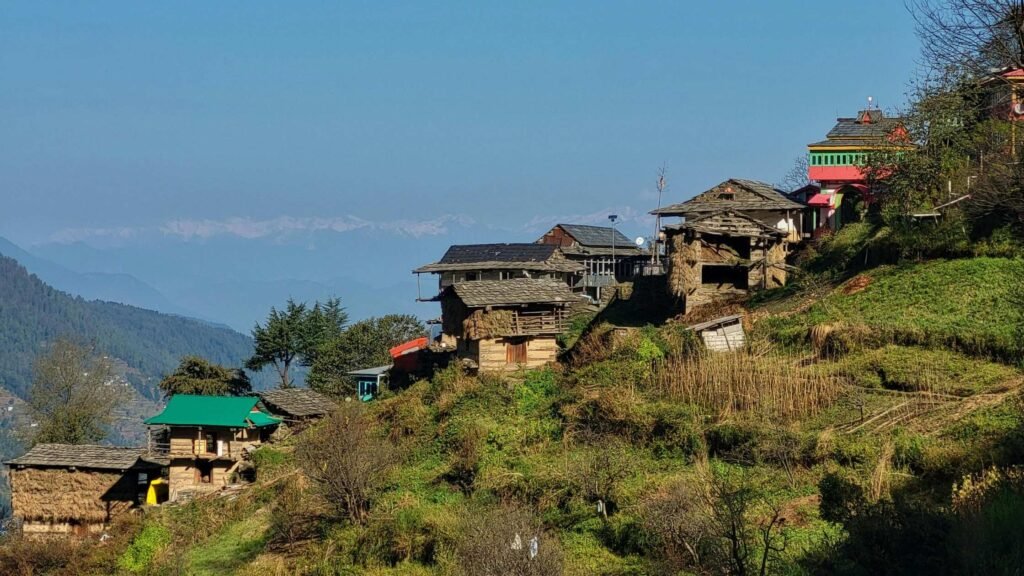
Jibhi sits lower in the valley, while Shoja is higher and closer to the Jalori side. Himachal Tourism identifies Shoja as a base for treks toward Jalori Pass and Serolsar Lake, which tells you the upper excursion is a distinct outing rather than a quick add-on.
Plan the Jalori and Serolsar day as its own thing with proper daylight, not something you squeeze in after several lower-valley stops. For deeper destination discovery around the village, our guide to places to visit in Jibhi helps you build the rest of the itinerary.
Is Jalori Pass and Serolsar Lake Accessible in Autumn?
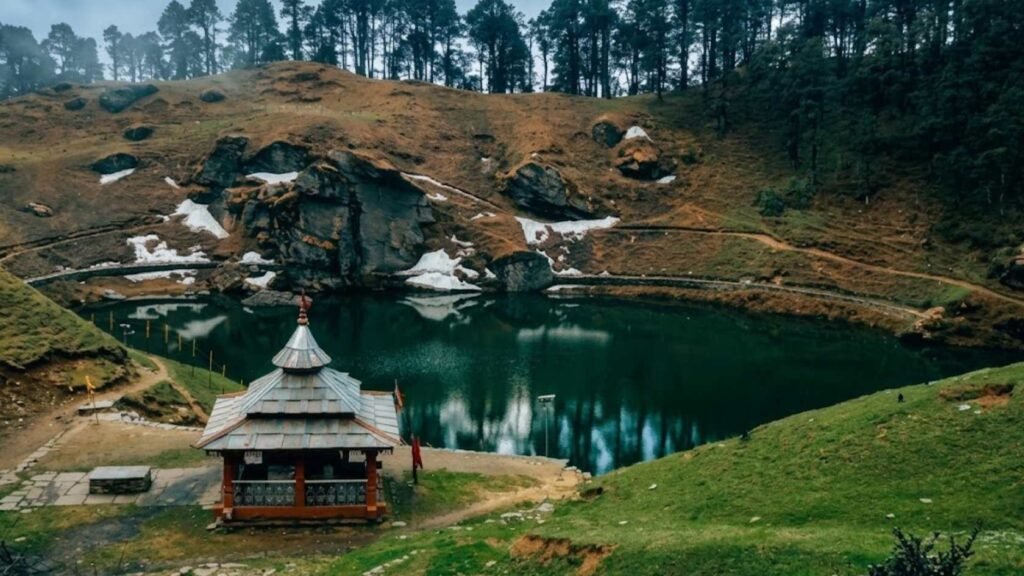
Himachal Tourism describes Serolsar Lake as a day-hike excursion from Jalori Pass, and it says Jalori receives substantial winter snow and remains closed to traffic from December to March. Autumn dates sit outside that normal winter closure description.
That is not proof that a particular October or November 2026 date will be open. Road status can change with early weather, so check current conditions near your trip rather than assuming access. Treat Jalori and Serolsar as a conditional excursion, not the single reason the trip works.
Where to Stay in Autumn — Jibhi or Shoja?
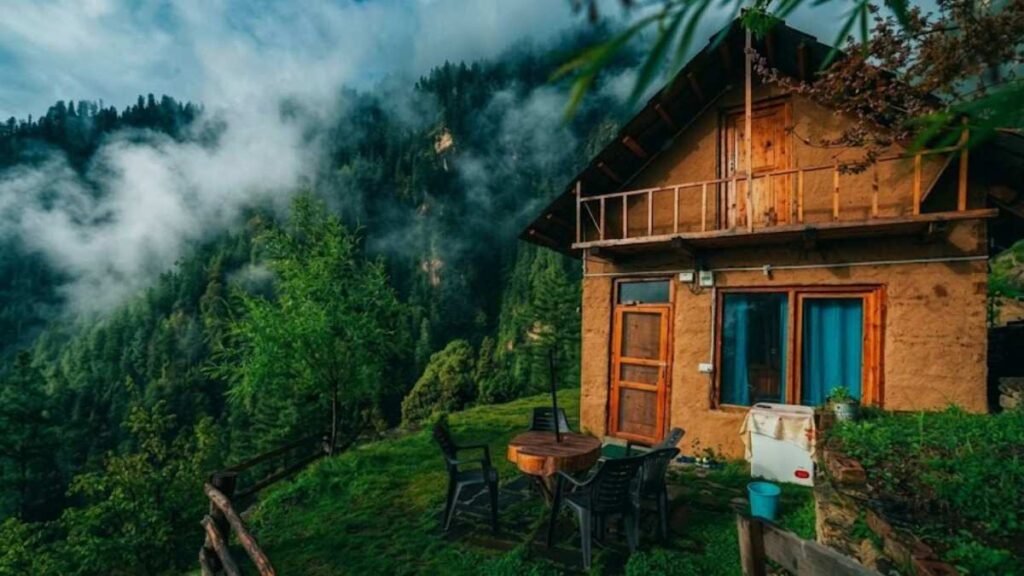
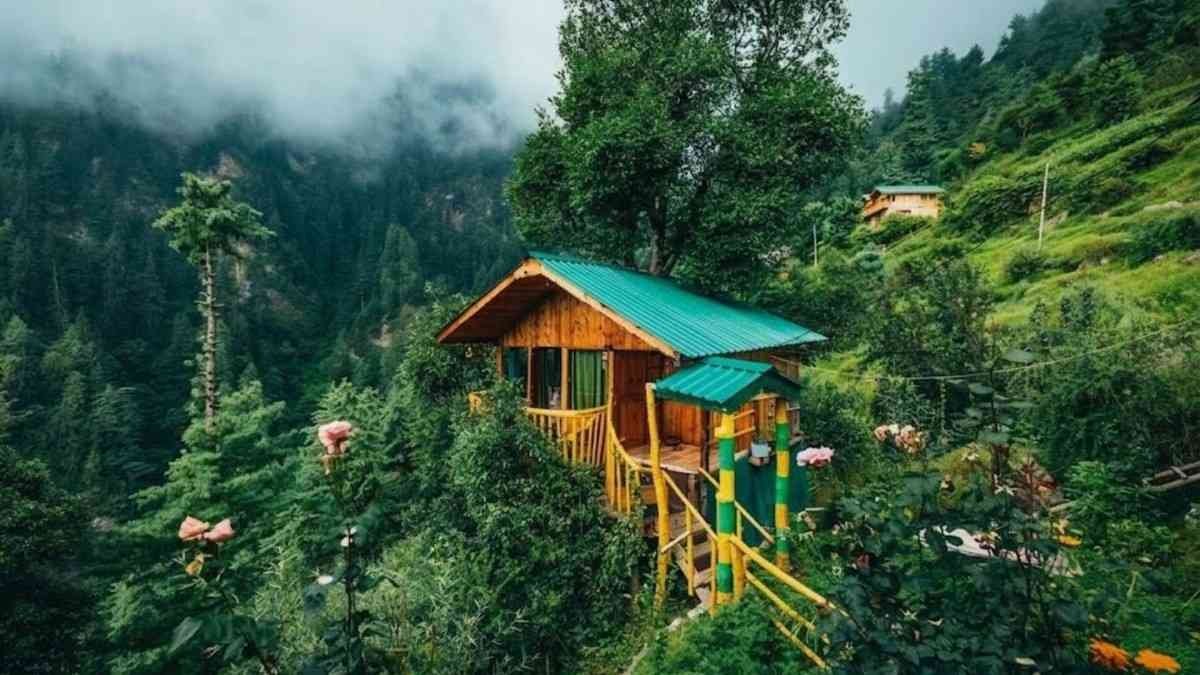
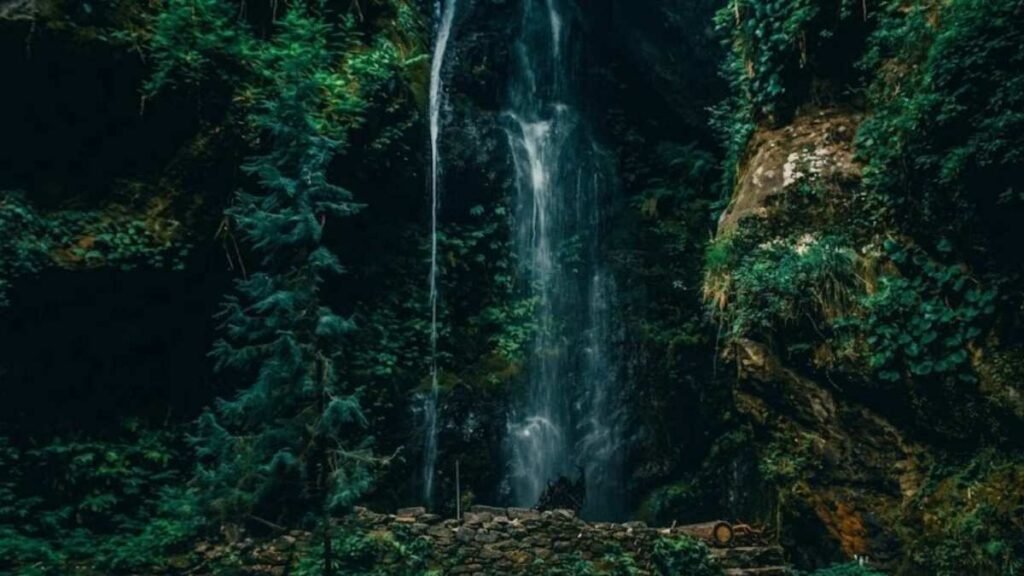
Your base changes the rhythm of the trip. Central Jibhi is the more convenient first-time choice when walkability matters; our current Jibhi guidance positions it as the most convenient base, with cafés and Jibhi Waterfall reachable on foot from many stays. Shoja better aligns with travellers prioritising the Jalori side, since it is identified as a base for those upper treks.
A practical money-saving angle: if most of your plans sit within the village, choosing central Jibhi can cut the need for some short local vehicle movements, because much of what you want is walkable. The trade-off is that Shoja gives you quieter, higher surroundings and a head start toward Jalori, which central Jibhi does not.
Neither base is universally better, so match it to your priority. If you are extending downhill, our Tirthan Valley travel guide covers the nearby lower-valley option.
👉 Pick the right stay & route — we’ll help.
Best Autumn Things to Do Without Overplanning
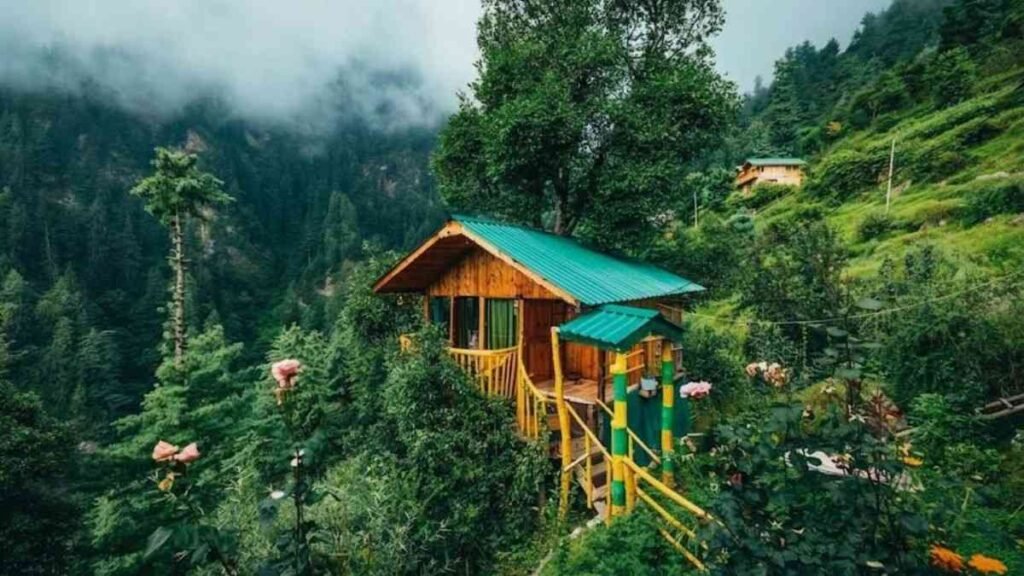
Keep the plan light. Village and waterfall time, a conditional Jalori or Serolsar excursion, and a short Mini Thailand detour together make a satisfying trip without cramming.
One sizing tip: do not allocate a full sightseeing day solely to Mini Thailand. Current HimTrails activity guidance treats it as a short detour rather than a standalone day, so fit it around your other plans. For the fuller list, see our guide to things to do in Jibhi.
What Most Tourists Get Wrong About Jibhi in Autumn
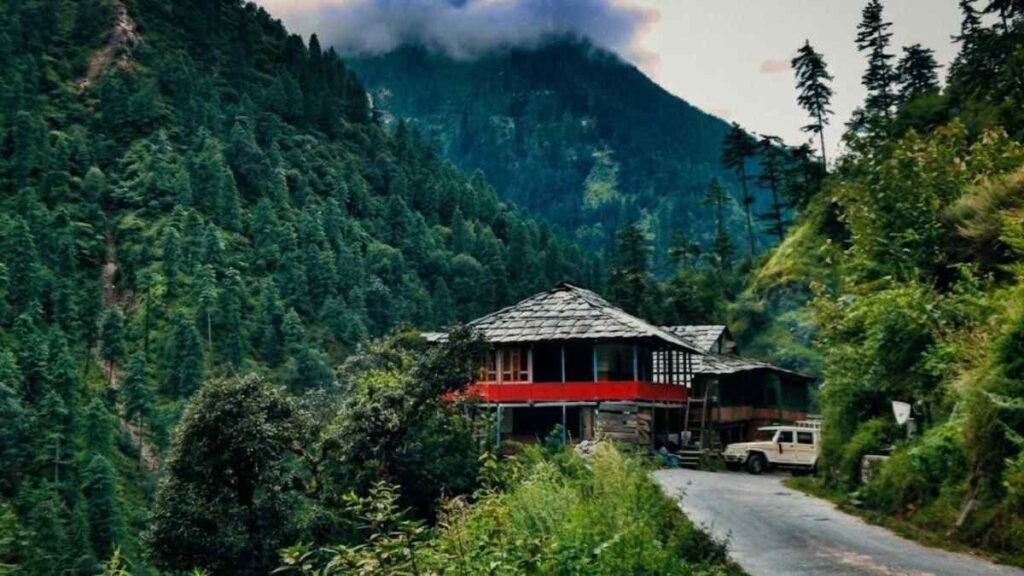
The common mistake is mentally converting all three autumn months into “post-monsoon October conditions.” Travellers assume September is already settled and November is still mild, then get caught out.
The evidence sits in the withdrawal record. Because actual Himachal monsoon withdrawal has landed in October in several years, September can stay genuinely transitional. Weather-sensitive travellers and anyone on a rigid itinerary feel this most. The better choice is to match your month to your tolerance for uncertainty rather than assuming one uniform autumn.
A Local Food Stop — Try Siddu in Jibhi
Siddu is worth trying while you are here. Himachal Tourism describes siddu as a popular Himachali preparation made from wheat flour and traditionally eaten with ghee or butter, so it is a proper regional dish rather than a tourist novelty.
If you want a specific local-food stop to check, Siddu and Momo is currently listed on NH-305 in Jibhi. Treat it as a candidate stop to confirm on the ground, since listings and operating status can change.
What to Pack for Jibhi in Autumn

Pack for walking and variable weather. GHNP trekking guidance recommends seasonal layers, a light waterproof and sturdy footwear, which suits Jibhi’s walks and any upper excursion well.
Adjust by month. September calls for more rain flexibility given the withdrawal variability, so keep that light waterproof handy. Late autumn and any upper-area outing call for warmer layering as temperatures drop. This is walking guidance, not a demand for technical trekking kit for ordinary village sightseeing.
Safety, Weather Checks and Permit Confusion
Check the forecast through an official source. IMD Meteorological Centre Shimla is the responsible official weather and warning resource, though short-term forecasts stay volatile. For district emergencies, Kullu lists 1077 for its District Emergency Operations Cell.
On permits, avoid a common confusion. Entering the Great Himalayan National Park requires official permission or a permit, with core-zone permits available through its listed park offices at Shamshi, Shairopa and Ropa. Use official park channels and confirm current fees with the park rather than relying on old third-party figures. This does not mean ordinary Jibhi or Jalori sightseeing needs the same GHNP permit. For buses, check current HRTC services through its official portal rather than trusting schedules from memory.
Who Jibhi in Autumn Suits — and Who May Prefer Another Season
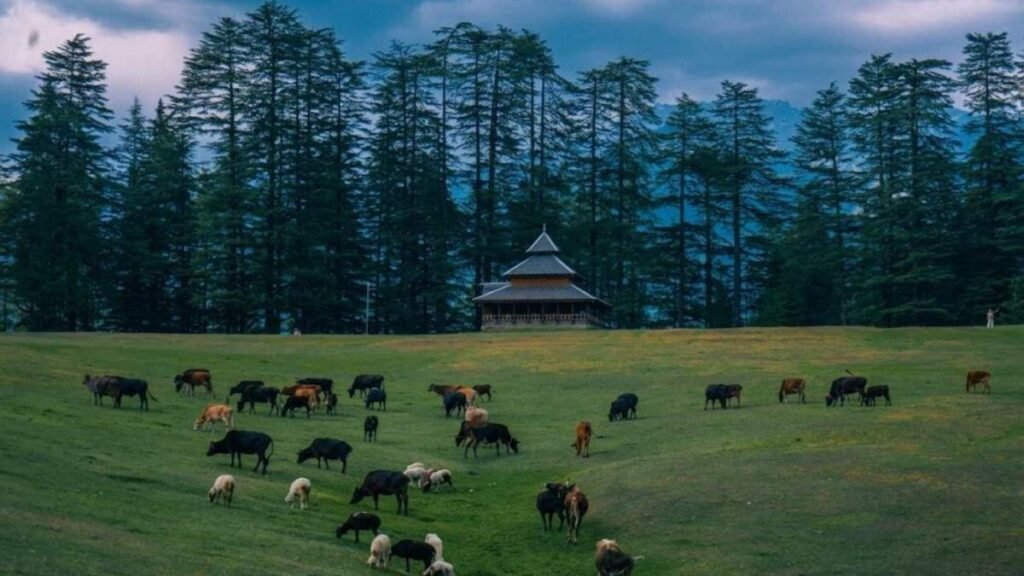
Autumn suits flexible travellers, photographers who accept variable colour timing, walkers, and couples, solo travellers or families comfortable with normal mountain-season uncertainty. If that is you, the season delivers quiet valley time and warm colour.
It is less suitable for travellers who need guaranteed snow, nightlife, guaranteed Jalori access, or a rigid itinerary with no room for weather changes. One honest negative worth stating plainly: a November itinerary that only feels successful if Jalori is accessible is unnecessarily fragile. Keep a lower-valley alternative and verify road status close to travel.
Final Verdict
Pick October for the easiest first-time autumn decision, since it usually sits in the most workable window. Pick September when you accept weather flexibility and want greener surroundings. Pick November when colder conditions and a more conditional upper-road plan are acceptable to you.
Whichever month you choose, keep one flexible day for the upper road and confirm conditions near your dates. If you would rather have the logistics handled around these choices, our Jibhi tour packages offer a booking-support path for planning the trip.
👉 Want this trip? Let’s plan it right.
Frequently Asked Questions
Also Read: Jalori Pass in October 2026: Road Access, Weather & Serolsar Lake Trek
Ready for Your Himachal Adventure?
Get FREE customized itinerary · Best Price Guaranteed · Local Himachal Experts · 3,973+ Happy Travelers