The Hampta Pass Trek in September is a strong choice for trekkers who care more about open mountain views, cooler walking weather and comparatively drier trail sections than about walking through snow. September marks the change from monsoon green to early autumn gold, so the same route can look different from one week to the next.
The month still needs practical planning. Early September may carry leftover rain on the Kullu side, higher camps can turn cold soon after sunset, and Chandratal remains dependent on the road and weather on the actual travel day.
Quick Answer: Is Hampta Pass Trek Good in September?
Yes. The Hampta Pass Trek in September is a good choice for clear views, cooler walking and early autumn colour.
Plan for 10°C to 15°C in the day and minus 2°C to 3°C at higher camps at night. Route snow is usually absent or minimal. Early rain is possible, and Chandratal depends on same day road and weather conditions.
👉 Confused? Let locals plan your trip.
Why Choose Hampta Pass in September?
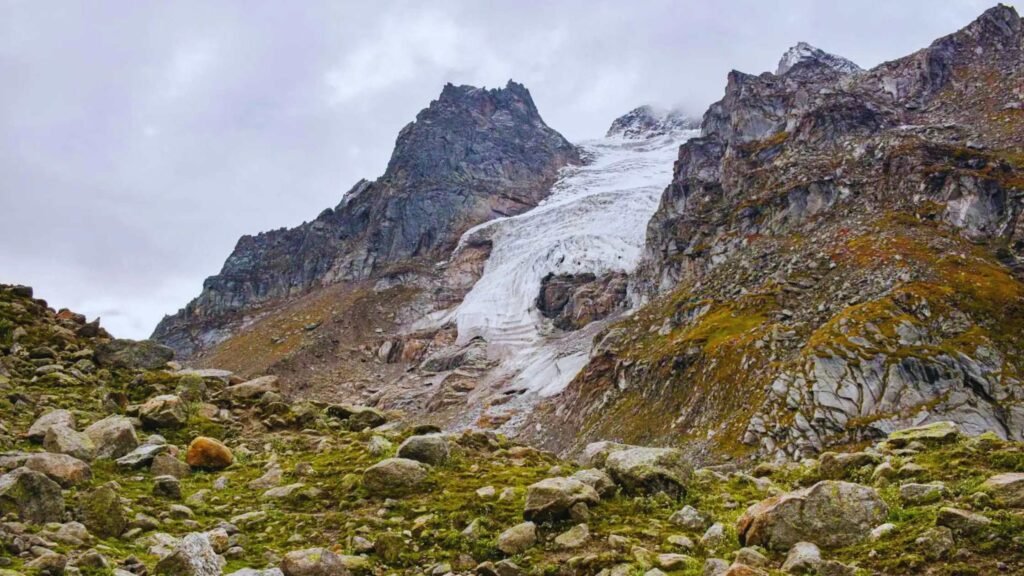
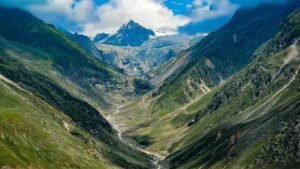
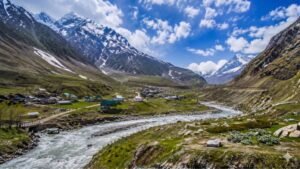
As the monsoon weakens, the Kullu side starts moving from wet summer conditions toward clearer autumn weather. Trails may become comparatively drier, cloud breaks can last longer and the green meadows slowly take on yellow and golden shades.
That change improves the chance of seeing the trek’s main contrast. You begin among forest, streams and softer Kullu landscapes, then cross into the bare and drier Lahaul side. When clouds lift, the difference between the two sides becomes much easier to understand with your own eyes.
What Changes After the Monsoon?
September is a transition month rather than one unchanging weather block. The first part can still feel connected to August, especially on the Kullu side where residual showers and damp trail sections may continue.
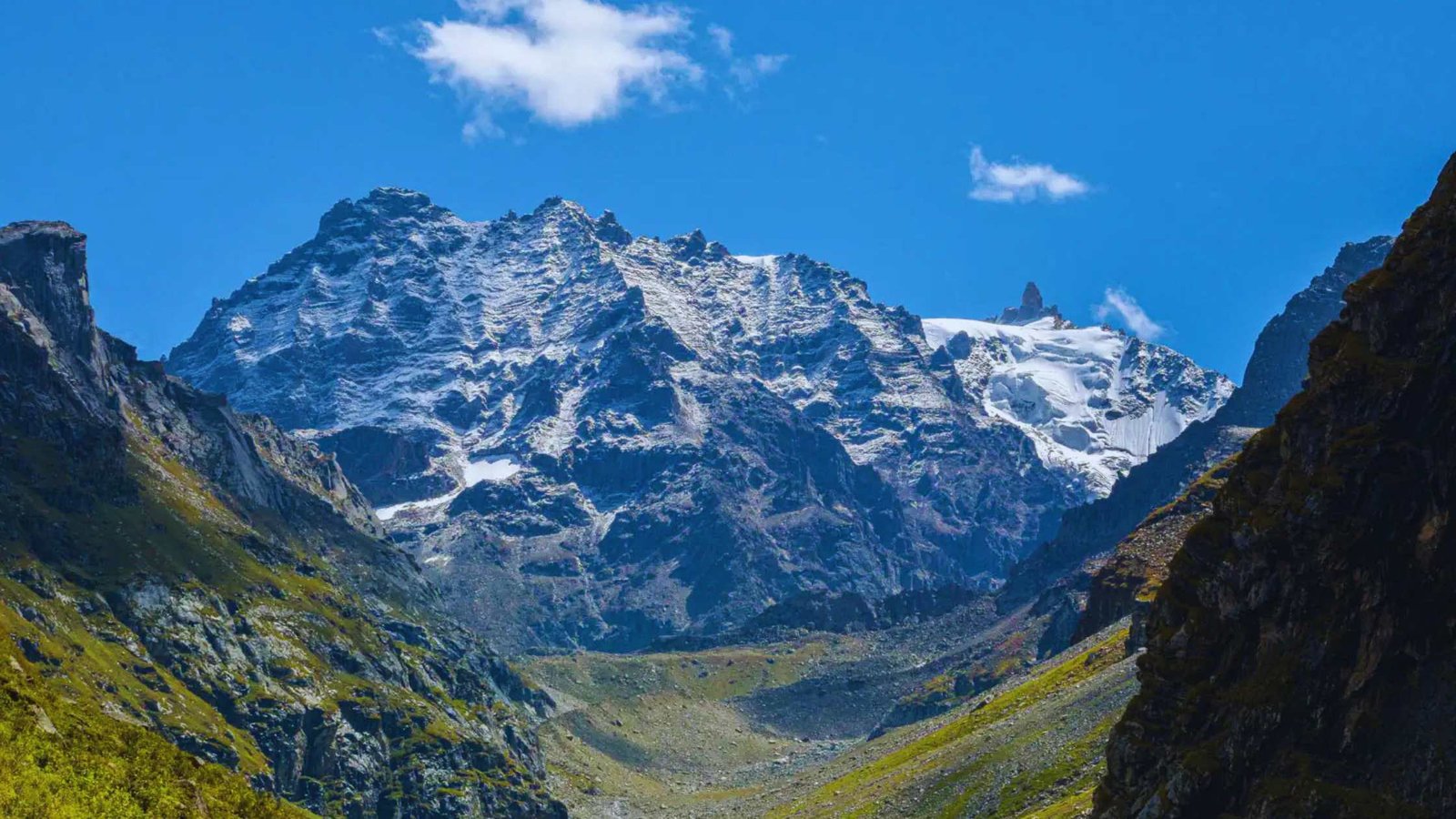
As the weeks pass, the air often becomes clearer and the colour of the slopes begins to shift. The meadows are not as intensely green as peak monsoon, but many trekkers prefer the sharper light and wider views.
Is Early, Mid or Late September Better?
Early September keeps more monsoon green but can still receive residual rain. Seasonal guidance says showers may continue until around mid September, so early batches need rain protection and patience with damp trails.
Post mid September usually brings clearer skies and stronger autumn colour, although this is a seasonal pattern rather than a promise.
The final week is colder and closer to the operational end of the season. Early snow, severe rain, authority instructions or trail damage can still alter a batch, so late September suits travellers with flexible plans and buffer time.
In our experience, the middle part of September often gives the easiest balance for a first time visitor. You may retain some green on the Kullu side while gaining better visibility, but you must still carry rain protection and accept that mountain weather can ignore the seasonal pattern.
September Versus June, July and August
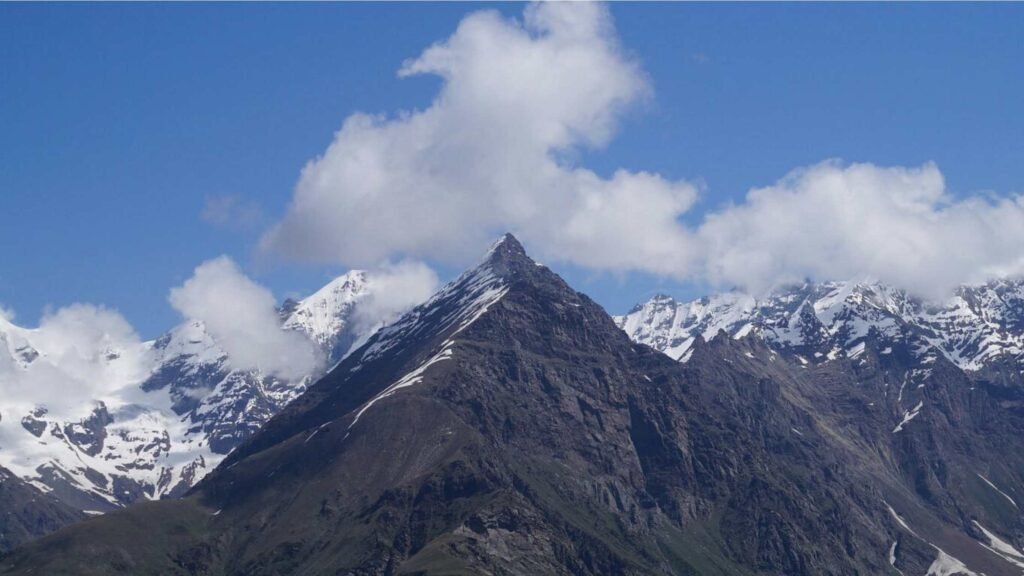
June is the stronger choice for trekkers seeking a better chance of old trail snow. July and August bring the greenest meadows, flowers, fuller streams and monsoon scenery, along with wetter and more slippery conditions.
Read the HimTrails guides to Hampta Pass Trek in July and Hampta Pass Trek in August for those wetter versions of the route.
September is stronger for visibility, cool walking and little or no normal route snow. Early rain is still possible, but the month generally moves toward clearer air and comparatively drier sections.
What Is the Hampta Pass Weather in September?
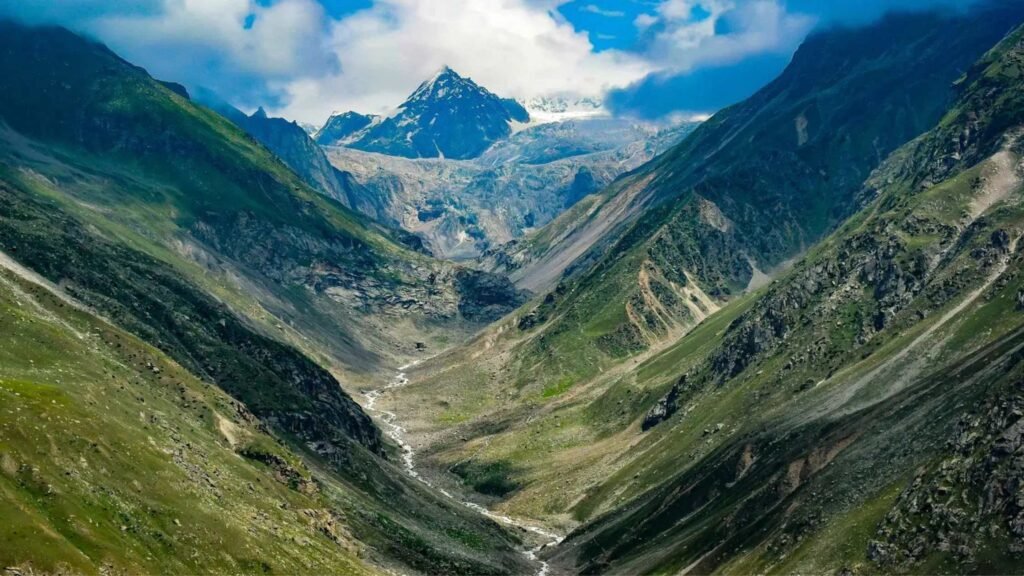
For practical planning, use approximately 10°C to 15°C during the day and minus 2°C to 3°C at the higher camps at night. These numbers are a planning range for the season, not a forecast for your exact trek dates.
One major operator gives a range of 12°C to 15°C in the day and 0°C to 3°C at night. Another seasonal guide gives 10°C to 15°C in the day and minus 2°C to 3°C at night.
Daytime and Night Time Temperatures
Direct sun can make a September afternoon feel comfortable, while shade, cloud or wind can make the same day feel cold within minutes.
Higher camps cool quickly after sunset. Keep a fleece, insulated jacket and outer shell accessible instead of buried deep in your bag.
People searching for hampta pass temperature in September should use a range, not one campsite number. The source brief does not support exact values for Manali, Jobra, Balu Ka Ghera or Shea Goru.
Rain, Clouds and Wind
Early September can still receive showers on the Kullu side. The monsoon does not leave according to a fixed trekking calendar, so a batch in the first part of the month should remain ready for wet ground and passing cloud.
Carry reliable rain protection even when the forecast looks mostly clear. A rain jacket, waterproof outer layer, pack cover and dry bags protect both your comfort and your warm clothing.
What Does Late September Feel Like?
Late September usually feels colder at night and less forgiving of poor packing. The trail may be comparatively dry, but that does not remove the risk of sudden rain, cold wind or an early spell of snow at altitude.
Flexibility matters more near the end of the month because operating decisions depend on actual trail conditions and local instructions. Do not plan around a promise that a particular pass crossing or Chandratal visit will happen.
Spend time in the base area before the trek and use the HimTrails guide to Manali in September to understand the wider seasonal pattern around your arrival.
Is There Snow on Hampta Pass in September?
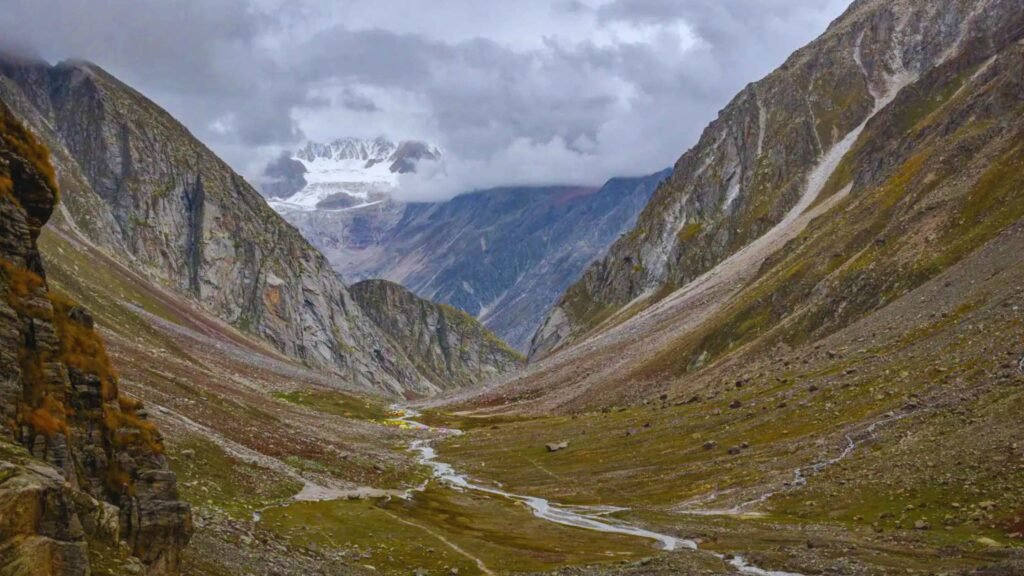
September is normally not the month to choose if your main goal is walking through snow. Old snow on the main route is generally gone or minimal by this stage of the season.
Fresh snowfall is possible at altitude, but it cannot be guaranteed or ruled out for a future date. A forecast close to departure and the trek leader’s assessment on the route are more useful than a broad promise made months in advance.
The practical choice is simple. Choose June for a stronger chance of walking on snow. Choose September for clearer mountain views and normally snow free walking.
Is Hampta Pass Trek Open and Safe in September 2026?
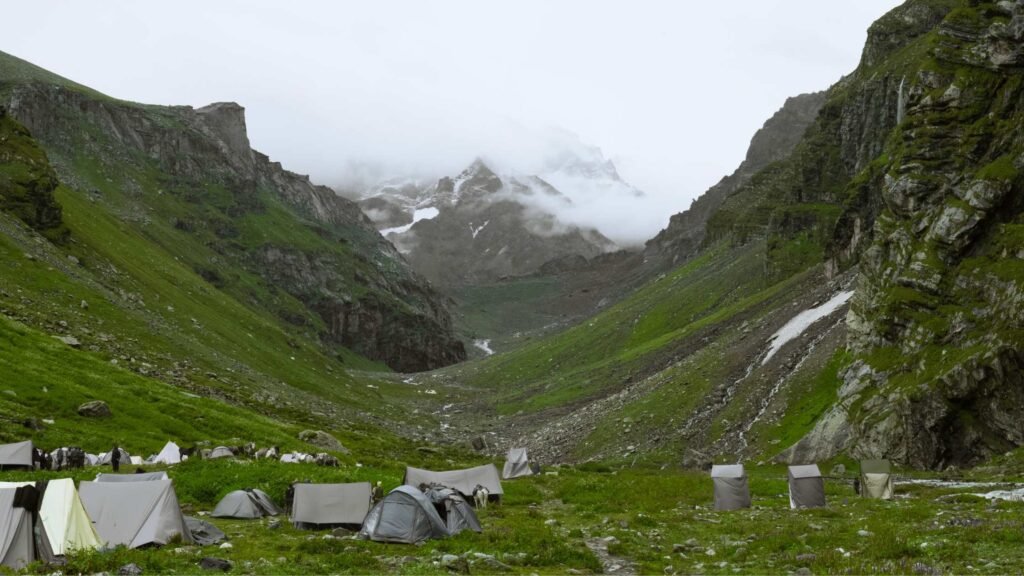
Public operators currently list September 2026 departures, showing that the month is part of the normal commercial season. A listed batch does not guarantee operation or completion of the crossing.
The latest official road snapshot checked during research was dated August 1, 2026. It showed Delhi to Manali open, Manali to Keylong open, Keylong to Kaza closed and Keylong to Leh open.
That snapshot is not a September forecast and does not prove the condition of the walking trail or the Batal to Chandratal diversion. Anyone asking is Hampta Pass open in September must confirm the actual batch close to departure.
What Can Make a September Trek Unsafe?
The trek reaches high altitude and includes a long pass day. The climb can be steep, the descent can be tiring, and parts of the route may contain loose stones, rocky ground and stream crossings.
Hampta Pass is usually described as a moderate trek. Moderate does not mean casual, certain or free from risk. It means a prepared trekker can attempt it without normal technical mountaineering skills, while still respecting altitude, terrain and the leader’s decisions.
What Happens If the Pass Cannot Be Crossed?
A trek leader may wait, turn around or modify the itinerary when conditions make the crossing unsafe. Reaching the pass never takes priority over the group.
Do not assume a second attempt, alternate trek, certificate, compensation or refund. These depend on the package’s written policy.
Arrive one day early and keep at least one buffer day after the trek for road delays, a late return or a safety based change.
How Difficult Is Hampta Pass, and Can Beginners Do It?
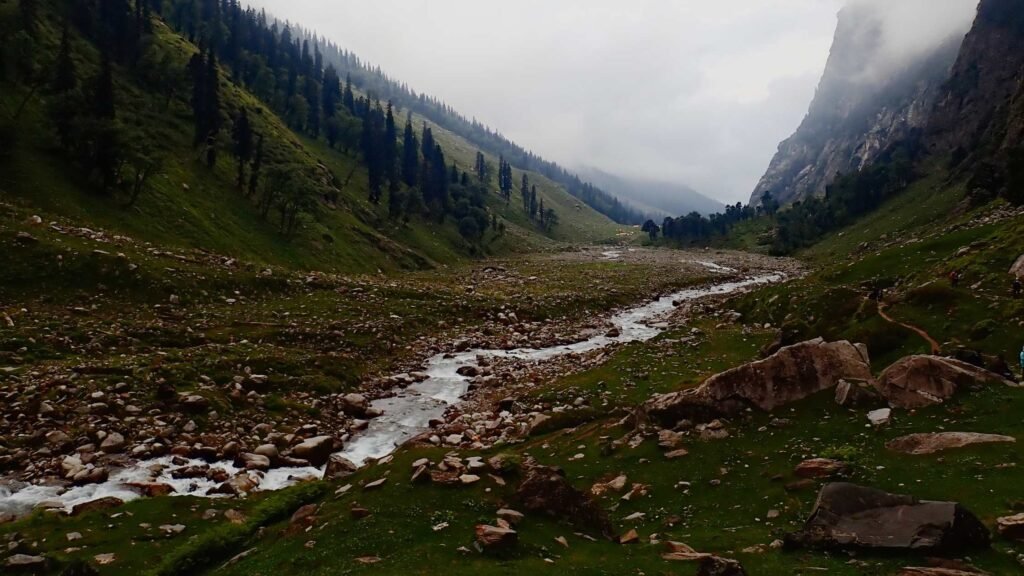
A prepared and reasonably fit beginner can attempt Hampta Pass with an experienced team. The trek should not be described as easy, because the altitude, pass day, terrain and limited exit options demand genuine preparation.
Why the Trek Is Rated Moderate
Published maximum altitudes differ slightly, so use approximately 4,270 to 4,300 metres, or 14,000 to 14,100 feet.
The pass day combines a sustained climb, an exposed crossing and a steep descent toward Shea Goru. Rocky ground and stream crossings add effort.
Normal commercial itineraries need no technical mountaineering skills, but stamina and confidence on uneven ground are necessary. The Hampta Pass trek difficulty comes from these demands adding together.
Fitness Required for a First Trek
One major operator uses the ability to cover 5 km in under 35 minutes as a fitness benchmark. Treat that as one operator’s standard, not a universal medical rule or a guarantee of altitude performance.
Train for four to six weeks with regular walking, jogging, stairs and lower body strength work. Practice carrying a daypack so your shoulders and back are used to moving with weight.
Who Should Obtain Medical Advice?
People with relevant cardiovascular, respiratory or other health conditions should consult a qualified medical professional before booking a high altitude trek.
Report any symptoms immediately to the trek leader. Do not hide discomfort to protect your chance of reaching the pass, and do not rely on medication advice copied from a general travel blog.
What Is the Hampta Pass Itinerary in September?
Both five day and six day itineraries are used. The difference usually comes from how the operator divides the opening stages, campsites, travel and altitude gain.
Published distance figures also vary. Common operator pages quote 23 km, 24 km and 25 km, while some route definitions go up to 35 km.
Use roughly 23 to 25 km on common operator itineraries, with the final total depending on campsite choice and what the operator counts. The honest duration range is 5 to 6 days.
Day 0: Arrive in Manali
Reach Manali one day before the trek. Use the time to rest, check your equipment and receive the latest briefing on the trail, weather, transport and Chandratal possibility.
A calm arrival day also gives you time to replace unsuitable shoes or missing layers before leaving town. Read the HimTrails Manali travel guide while planning your base stay.
Day 1: Manali to Jobra and the First Campsite
The trek begins with a vehicle approach from Manali toward Jobra. The exact drive time and the way the first stage is divided vary by operator, so there is no honest universal Day 1 distance or timing.
Some itineraries use Chhika as the first major campsite. Others divide the Jobra and Jwara sections differently. Confirm the exact campsite sequence in the package you select.
Day 2: Chhika or Jwara to Balu Ka Ghera
The valley opens further as the group moves toward Balu Ka Ghera. Streams, changing ground and a colder alpine setting make the day feel more like a high altitude trek.
The Balu Ka Ghera campsite is an important staging point before the pass crossing. Use the afternoon to rest, eat, organise warm layers and listen carefully to the next day’s briefing.
On our side, we advise trekkers to prepare the pass day bag before sleeping. Keep rain protection, gloves, a warm layer, water, personal essentials and the headlamp easy to reach, because opening a packed bag repeatedly in cold or wet conditions wastes time and body heat.
Day 3: Balu Ka Ghera to Shea Goru via Hampta Pass
This is the hardest day of the normal itinerary. The route is approximately 7 to 8 km and may take 9 to 10 hours, depending on the exact line, group pace and conditions.
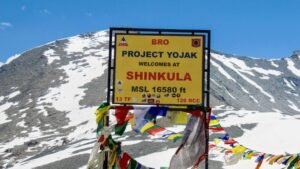
The high point is approximately 4,270 to 4,300 metres. The group climbs toward the pass, crosses an exposed high section and then makes a steep descent toward Shea Goru.
The trek leader’s turnaround decision takes priority over reaching the pass. A safe return or modified plan is a successful mountain decision, even when it is disappointing in the moment.
Day 4: Shea Goru to Chatru
The route descends from the Shea Goru campsite into the drier Lahaul landscape. The colour and texture of the terrain change sharply from the greener Kullu side.
Chandratal is attempted only when the road, daylight, vehicle, permissions and weather allow. It is a separate vehicle excursion after the walking route, not a guaranteed reward for completing the pass.
Day 5: Chatru to Manali
The return drive to Manali is road dependent and can finish later than planned. The route, traffic, stops and local conditions all affect the day.
Do not book a tight onward flight or bus based on one published arrival time. Keep the evening flexible and use your buffer day if the return is delayed.
How the Six Day Variant Differs
A six day plan may create separate Jobra or Jwara stages and spread the walking and altitude gain over more days. The exact design depends on the operator’s campsite choices and transport plan.
Use the HimTrails Himachal trek map to understand the route in relation to Manali, Lahaul and nearby trails before choosing a five or six day format.
👉 Pick the right stay & route — we’ll help.
Can You Visit Chandratal After Hampta Pass in September?
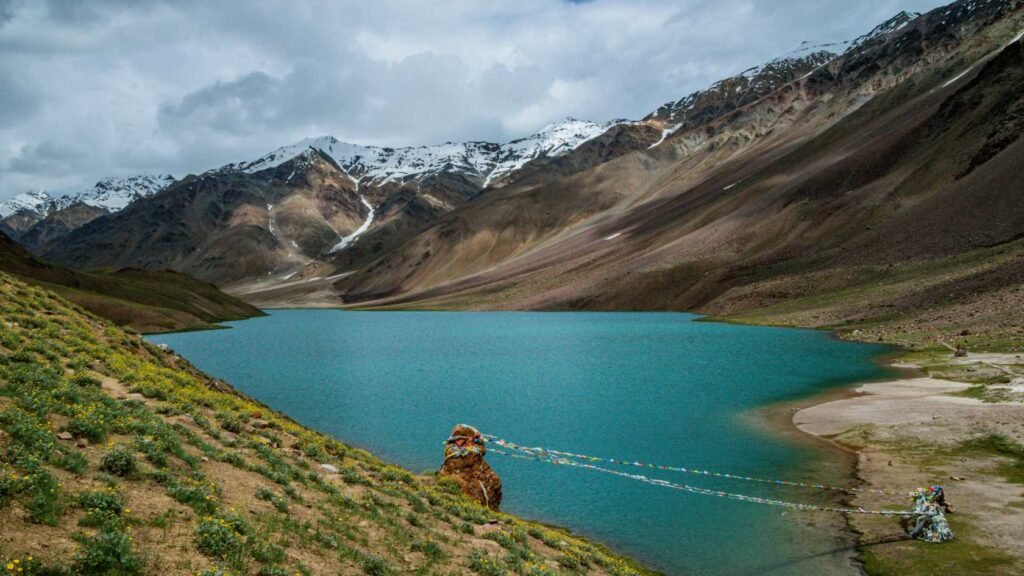
Chandratal is a vehicle excursion after the walking route. It is not part of the physical Hampta Pass crossing, even when operators include it in the same itinerary.
Why Chandratal Is Always Conditional
Access depends on conditions around Chatru and Batal, the lake diversion, vehicle readiness, daylight, road damage, weather and authority instructions.
Never treat Chandratal as guaranteed. Build the trip around the Hampta Pass experience first, then view the lake as a conditional addition.
What the 2026 Road Update Means
The official road page snapshot dated August 1, 2026 showed Delhi to Manali open, Manali to Keylong open, Keylong to Kaza closed and Keylong to Leh open.
Check the official district road page, local drivers, HimTrails and the trek leader close to departure. Check again on the day the group plans to move toward the lake.
What Happens If Chandratal Is Closed?
The group may return toward Manali or follow the contingency plan written by the operator. The exact response depends on road conditions, available time and the booked itinerary.
The HimTrails guide to Spiti Valley in September explains the wider road and weather context beyond the trek.
What Permits and Documents Are Needed in 2026?
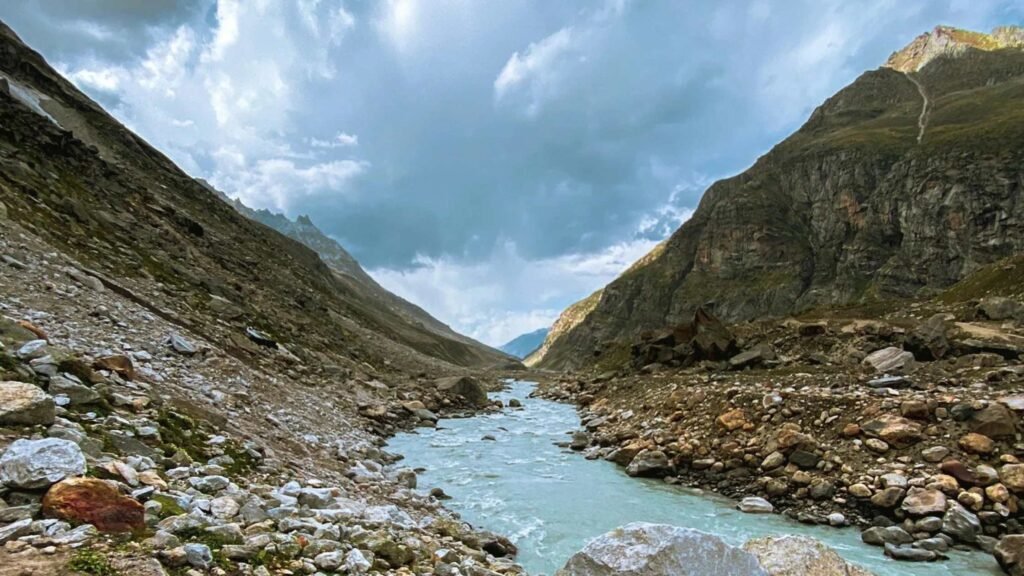
Travellers often mix together three separate systems. Trek or forest permission concerns the walking route, Hamta Pass permission on the government portal concerns vehicles, and the Lahaul Spiti system concerns vehicle entry and routes in the district.
Trek or Forest Permission
HimTrails and multiple operators state that forest permission is required and is normally handled by the organiser for a guided group.
For an independently organised trek, no current public online application form or fee schedule specific to the Hampta Pass walking route could be verified. Independent trekkers should obtain the current process, fee and issuing-office details directly from the Kullu Forest Division before departure.
Hamta Pass Vehicle Permission
The official government Hamta Pass page concerns vehicle tourism and congestion permission. The published permission is valid for a one day return journey.
The page requires a valid ID, a valid PUC and a vehicle registration date showing that the vehicle is no more than ten years old.
The published congestion charge for a car or jeep is ₹200. This is a vehicle permission and not proof of an individual walking permit.
Lahaul Spiti and Chandratal Vehicle E Pass
The official e Aagman portal states that applicants with vehicles entering Lahaul and Spiti must apply for an e pass.
For a vehicle entering Lahaul and Spiti, the official e-Aagman portal requires an e-pass. It specifically states that one e-permit per vehicle is required for the Atal Tunnel–Rohtang–Koksar–Chandratal circuit; the organiser should select the permit that matches the actual vehicle and route.
Documents to Carry
Carry a valid government photo ID, printed permissions supplied by the operator, emergency contacts and relevant personal medical information.
Keep documents protected from rain in a dry bag. Do not assume mobile screenshots will be enough at every check point when the official Hamta vehicle page says a printout is compulsory.
How Much Does the Hampta Pass Trek Cost in September 2026?

Publicly listed Manali based base fees checked on August 3, 2026 ranged from ₹6,500 to ₹12,950 per person before GST and additions.
This is a market reference from public operator listings, not a HimTrails quote. The headline price cannot be compared properly until you check what the package includes and excludes.
Anyone researching Hampta Pass trek cost 2026 should budget for the full trip from home, not only the amount shown beside the booking button.
Why Advertised Trek Prices Differ
Prices vary with meals, camping equipment, guide and support arrangements, transport from Manali, Chandratal transport, insurance, forest permissions, first aid, equipment rental and offloading.
Two packages with the same number of days may cover different starting and ending meals, different vehicle sections or different personal equipment.
Costs That May Sit Outside the Base Fee
Verified public examples include ₹180 for mandatory trek insurance on one operator listing and ₹2,000 plus tax for offloading on another listing.
These figures are examples from public listings and are not universal HimTrails charges. Your selected operator may structure the package differently.
Chandratal Entry Fee
No current fee schedule for Chandratal visitor entry could be verified on the official Lahaul and Spiti district or e-Aagman pages reviewed. Treat third-party figures as unconfirmed and check the payable amount with HimTrails or at the authorised checkpost on the travel day.
HimTrails Price
No dedicated current HimTrails price for this exact September trek was verified in the research.
HimTrails publicly states that its Hampta Pass group-joining package starts at ₹8,999 per person. The published inclusions are a certified guide, permits, camping, all trek meals, and transport to and from the trailhead. Private or custom rates vary by dates and group size, and Chandratal, rental gear, offloading, insurance, GST and other additions should be confirmed in the written quote.
What Should You Pack for Hampta Pass in September?

September packing needs to cover cold nights, warm spells in direct sun, wind and possible rain. A flexible layering system works better than one heavy item that is either too warm or not warm enough.
Clothing for Cold Nights and Changeable Days
Carry thermal base layers, a fleece, an insulated jacket and a windproof or waterproof outer layer. Add gloves, a warm cap and dry clothing reserved for sleeping.
One leading operator recommends four warm layers for September. The useful lesson is the layering system, not simply the number.
A base layer manages moisture, a fleece holds warmth, an insulated layer adds protection in camp, and the outer shell blocks wind or rain. Adjust them as the day changes.
We have found that keeping one completely dry set for camp is more useful than carrying several similar trekking tops. Protect that set inside a dry bag and change after walking, especially when an early September shower has dampened the clothes worn on the trail.
Shoes and Trail Equipment
Wear broken in, waterproof, high ankle trekking shoes with strong grip. New shoes can create blisters before your feet and the footwear have adapted to each other.
Carry trekking poles, rain protection, a backpack cover, sunglasses, sunscreen, a headlamp and reusable water bottles.
Campsite and Personal Essentials
Pack extra socks, toilet paper, hand sanitiser, personal medicines, a power bank, government ID and dry bags.
Do not expect phone charging at camps. Begin with charged devices, use airplane mode and keep the power bank warm and dry.
What Are Mobile Network, Electricity, Toilets and Camping Like?
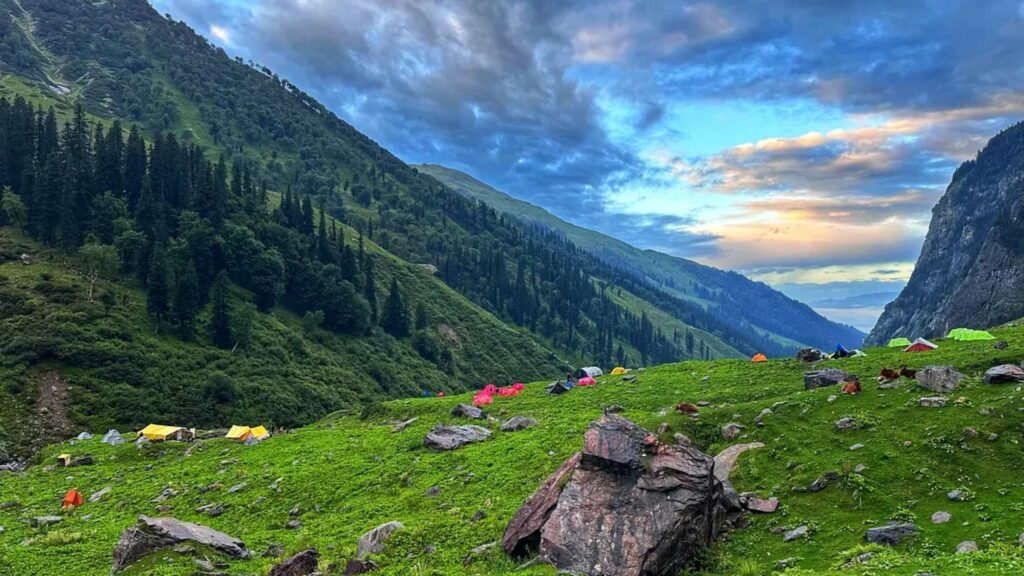
The trek leaves normal town facilities quickly. Plan as though communication, charging and bathroom comfort will be limited after the approach from Manali.
Mobile Network
Assume there is no dependable mobile network after the Prini or Manali approach.
Network generally returns near Rohtang or Manali on the return, but no particular provider’s signal should be promised.
Electricity
Trekking camps normally have no electricity.
Carry charged power banks, use airplane mode and reduce unnecessary screen use. Cold can also affect battery performance, so keep devices protected inside your clothing or sleeping system when practical.
Toilets
Organised camps generally use dry, pit style toilet tents rather than flush toilets.
HimTrails publicly confirms that camping equipment is included, but its reviewed pages do not publish the number of toilet tents, cleaning schedule, toilet-paper provision or detailed hygiene procedure. Confirm these operational details for the selected departure in writing.
Accommodation and Meals
Tents are the normal accommodation on the trek.
HimTrails publicly states that tents, sleeping bags, ground mats, group cooking equipment and trek meals are included. Tent occupancy, sleeping-bag temperature rating, menu, dietary options, and the exact first and last included meals are not specified on the reviewed public pages and should be confirmed for the selected departure.
Should You Trek Solo or With a Guide in September?
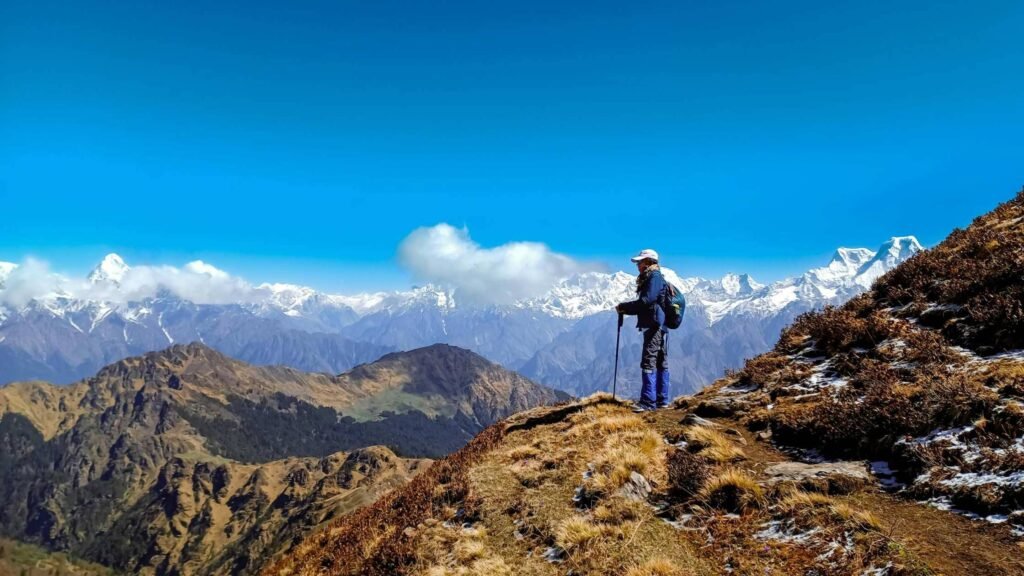
Solo trekking is strongly discouraged for an inexperienced trekker. Variable weather, stream crossings, route decisions, altitude, limited exits and unreliable mobile coverage create problems that are harder to manage alone.
A qualified local team is especially useful in the final week of September, when colder conditions and end of season operational decisions require more flexibility.
Who Should Choose September, and Who Should Pick Another Month?
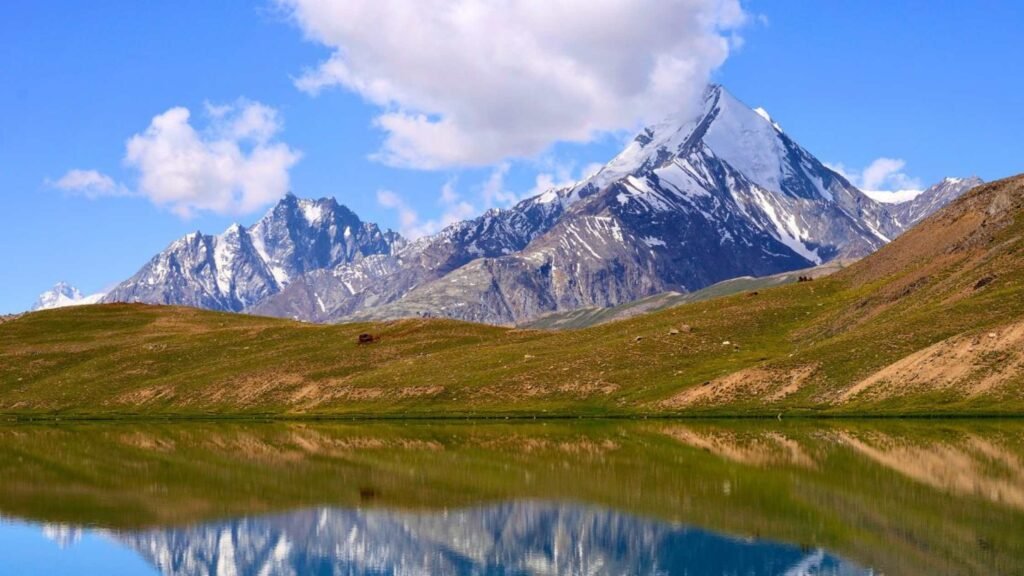
September suits trekkers prioritising clear views, cool walking, fewer monsoon clouds and normally little or no route snow.
Choose June for a stronger chance of trail snow. Choose July or August for greener meadows, flowers and fuller streams if you accept rain and slippery ground.
Late September is weaker for travellers with rigid onward bookings, no buffer day or low tolerance for cold and changes. Compare other routes through trekking in Himachal Pradesh.
How to Plan the Trek With HimTrails
HimTrails can help assess readiness, choose dates, arrange a guided plan, verify current permissions and check whether Chandratal is realistic for the selected batch.
In our experience, the best September plan includes a buffer day and a flexible Chandratal decision.
HimTrails publicly lists Hampta Pass from ₹8,999 per person on a group-joining basis, including a certified guide, permits, camping, trek meals, and trailhead transport. Its trekking page also states a maximum ratio of one certified guide per six participants on moderate and difficult trails. Request a written quote for the exact dates, group size, Chandratal plan, exclusions and departure status.
👉 Want this trip? Let’s plan it right.
Frequently Asked Questions
Also Read: Sissu in September 2026: Weather, Roads, Autumn Colours & Trip Plan
Ready for Your Himachal Adventure?
Get FREE customized itinerary · Best Price Guaranteed · Local Himachal Experts · 3,973+ Happy Travelers