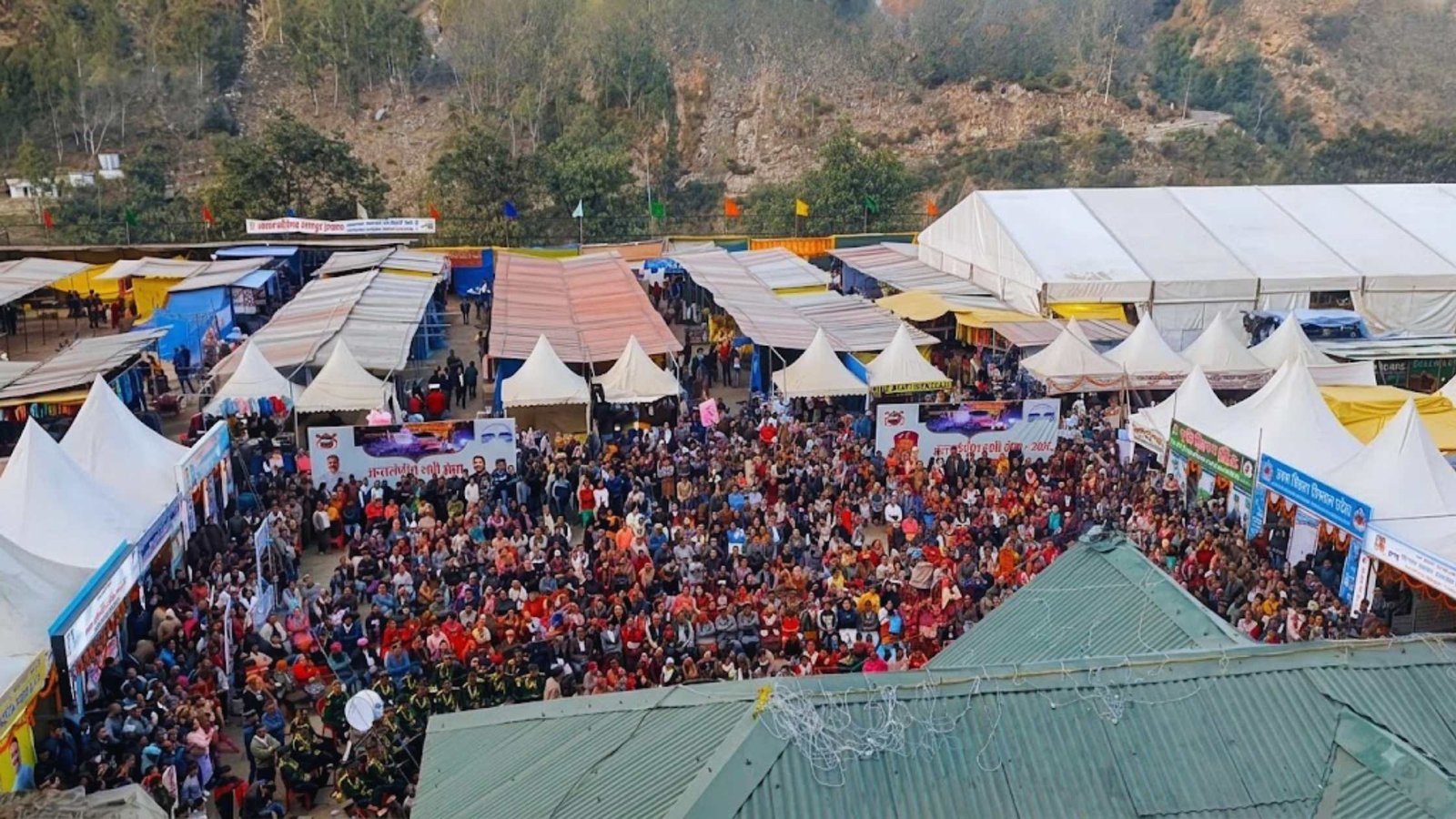
International Lavi Fair is Rampur Bushahr’s historic trade-and-cultural gathering, shaped by the former Bushahr–Tibet trading relationship and still associated with regional commerce, Kinnauri goods, folk traditions and cultural programmes. For a 2026 traveller, its value is not simply a stage event: it offers a direct way to understand how trade and cultural exchange have shaped Rampur’s identity.
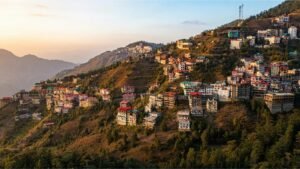
The fair is held in Rampur Bushahr in Shimla district, not in Shimla city. That distinction matters if you are planning from Shimla or combining the visit with Kinnaur, because Rampur is about 130 km from Shimla and is also a gateway towards Kinnaur. If you care about regional history, textiles, dry fruits, crafts and Natti, Lavi can justify a deliberate Rampur stop. The exact 2026 schedule status is covered below.
International Lavi Fair 2026 at a glance
For trip planning, separate what is firmly verified from what is still pending for 2026. The latest dedicated official Lavi edition found in the checked Shimla district event material was the 2025 fair, while a dedicated 2026 listing had not been found there by the research date.
| Detail | Verified planning context |
|---|---|
| Place | Rampur Bushahr, Shimla district |
| Event character | Historic trade fair and cultural event |
| Historical link | Bushahr/Rampur–Tibet trade |
| Latest verified official edition | 11–14 November 2025 |
| 2026 status | Dedicated 2026 Lavi listing not found on the checked Shimla district Events page as of 12 August 2026 |
| Approximate Shimla–Rampur distance | 130 km |
The key point is the distinction between the latest verified edition and the 2026 status. The 2025 dates are useful historical context, not a prediction for 2026. If your trip depends on the fair falling on a particular day, wait for a dedicated official 2026 update before fixing event-specific arrangements.
Why the International Lavi Fair matters
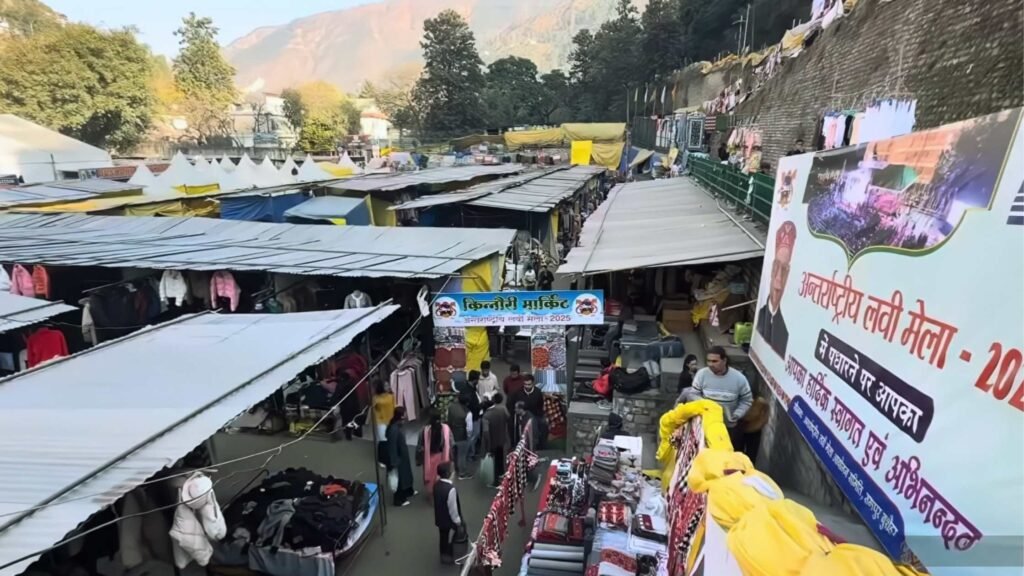
Lavi is better understood as a living trade-and-cultural institution than as a local stage festival. Official district material connects the fair with commercial exchange involving woollens, dry fruits and medicinal herbs, while also documenting Natti and cultural shows. That combination explains why the event appeals to travellers interested in both regional products and living folk traditions.
Government coverage of the 2025 edition described Lavi as supporting commerce, cultural exchange and folk tradition. Those themes are important because Rampur’s fair identity comes from a longer history of movement, trade and cultural contact rather than from entertainment alone.
For visitors, this changes how to approach the day. The market side is not incidental to the cultural side, and the cultural side is not simply decoration for shopping. Looking at textiles, regional produce and craft categories alongside Natti and other programmes gives a fuller sense of what the fair represents.
The word “International” also needs careful interpretation. It points to the fair’s historical and institutional connection with the former Bushahr–Tibet trading relationship. It should not be read as proof that active modern cross-border Tibet trade continues at the fair.
From Indo-Tibetan trade to today: the history of Lavi Fair
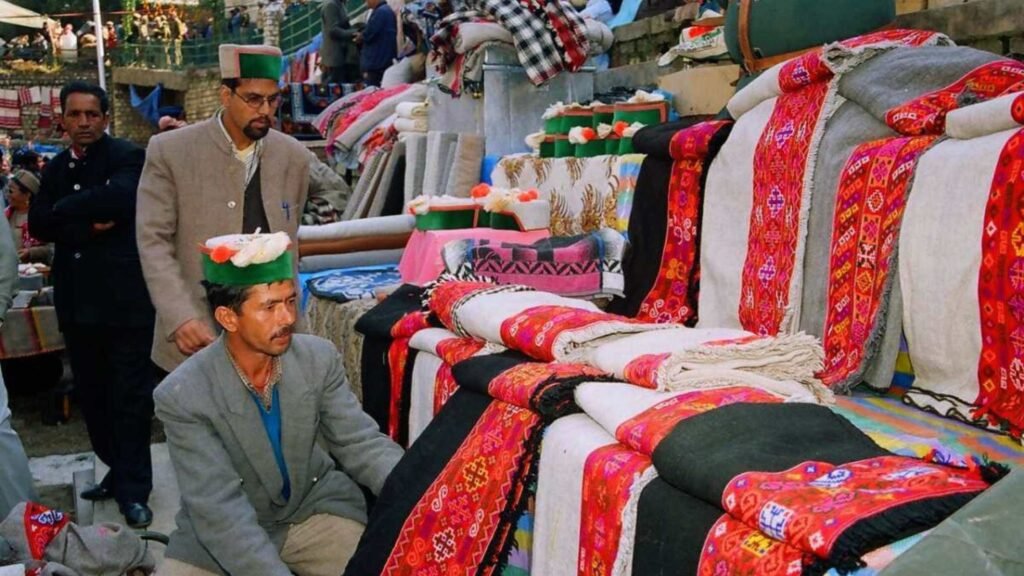
Official Himachal tourism history traces the origin of Lavi Fair to a 1681 trade treaty between the erstwhile Rampur/Bushahr state and Tibet. State-government material similarly describes centuries-old India–Tibet trade and cultural links, placing the fair’s roots in the seventeenth century.
That Lavi Fair history helps explain why trade remains central to the event’s identity. Official district material describes a commercial tradition involving woollens, dry fruits and medicinal herbs, alongside folk and cultural activity. Over time, the fair became a place where commerce and cultural exchange were understood together rather than as separate themes.
For a present-day visitor, the historical Tibet connection is most useful as context. It explains why Lavi is often described through an Indo-Tibetan trade legacy and why regional products are so prominent in descriptions of the event. It does not mean that visitors should expect continuing cross-border commerce with Tibet today.
This distinction matters because romanticising the old trading relationship can distort what the event is now. Lavi’s value lies in the way a historical trade institution continues to be expressed through regional commerce, craft categories, folk traditions and cultural programming. The history gives the fair depth, but the modern visitor experience should be described through what official material actually documents.
What you can expect at Lavi Fair in Rampur
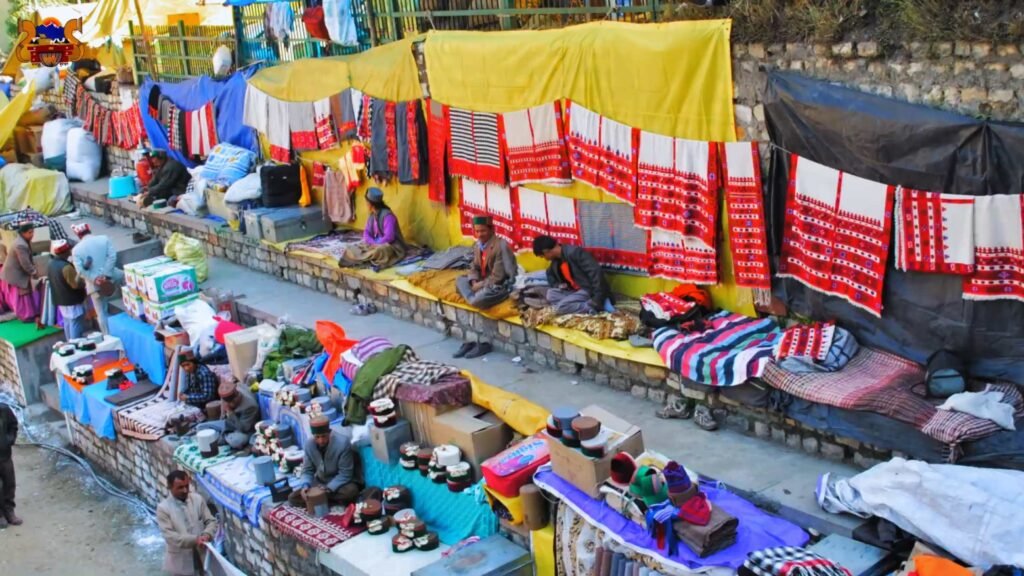
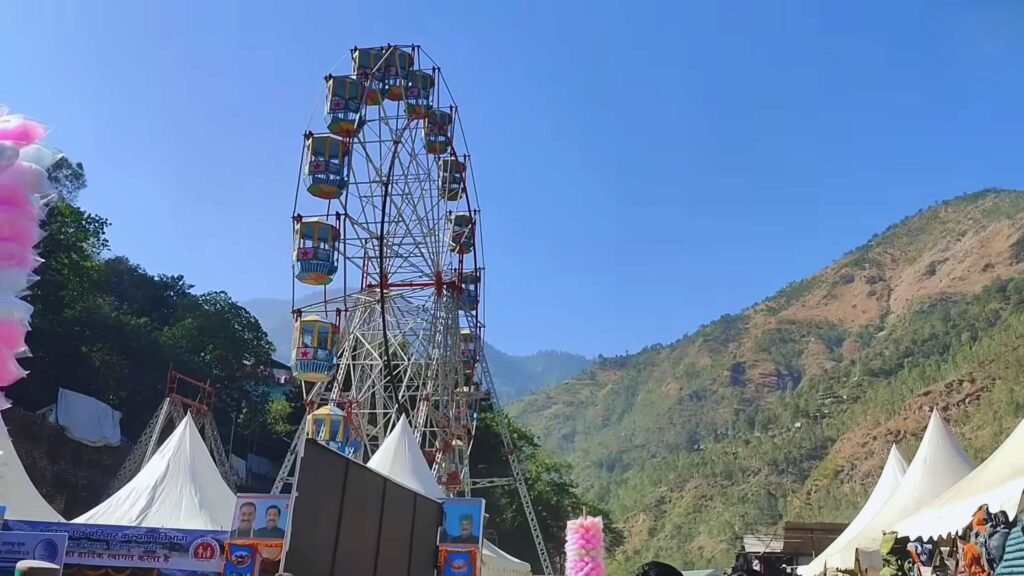
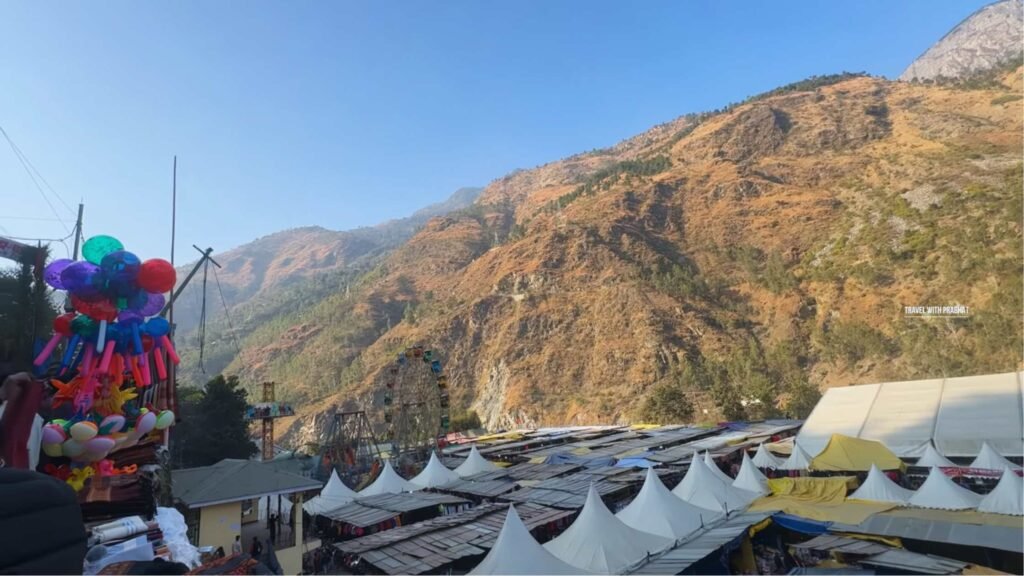
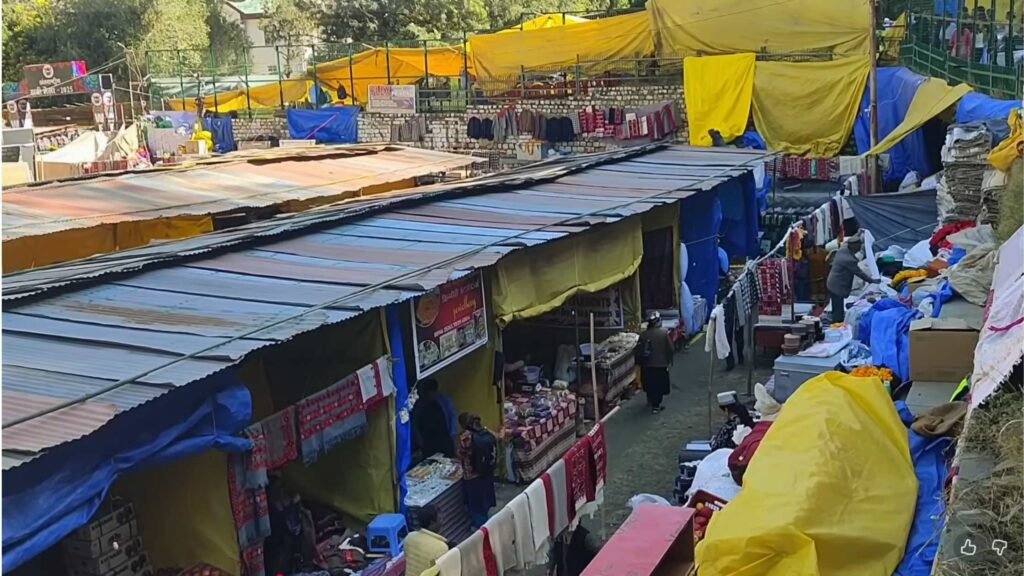
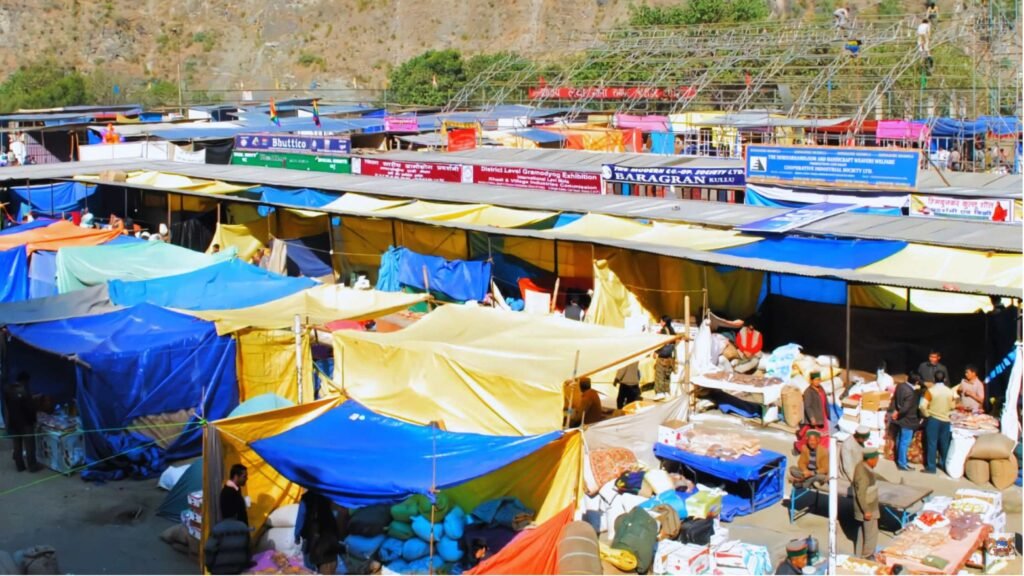
The documented character of Lavi combines trading activity with cultural programming. Visitors should think in terms of a fair where regional goods, craft traditions and public cultural activity share the same broader setting, rather than expecting a single-purpose shopping market or a performance-only festival.
Trade stalls and Kinnauri products
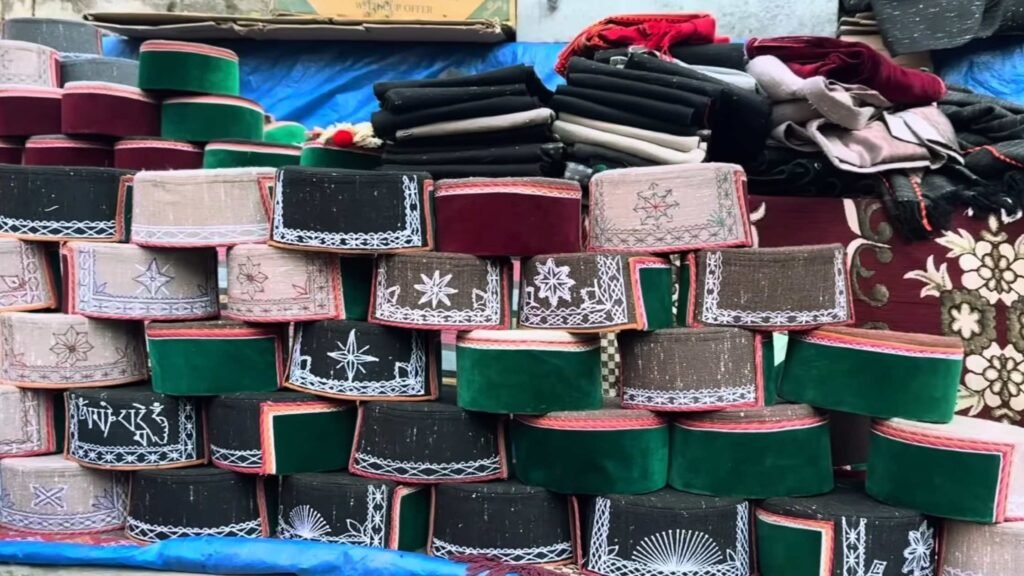
Official tourism associates Lavi with Kinnauri woollens, shawls, handwoven tweeds, dry fruits, metalware, pottery, jewellery, apples and other regional goods. Kinnauri horses also appear in the fair’s trade context, though for an ordinary traveller the most relevant shopping examples are textiles, crafts and regional produce.
The strongest shopping lens is regional identity. Woollens, shawls and tweeds help explain the mountain textile tradition, while dry fruits connect directly with products officially associated with Lavi. Do not assume every category will be available in the same form each year, and avoid planning a purchase around unverified inventory.
Natti, cultural programmes and recent fair exhibitions
Natti and cultural shows are part of Lavi’s documented identity. They matter because they show that the fair is not only about buying and selling; folk traditions and cultural exchange remain part of how the event is presented.
The 2025 edition also included departmental exhibitions and recognition connected with handicraft, handloom and metal craft. That is useful recent evidence that trade and craft categories still sit at the centre of Lavi’s public identity. It should not be used to predict the exact 2026 programme, performers or daily schedule.
What to buy at Lavi Fair — and what to skip
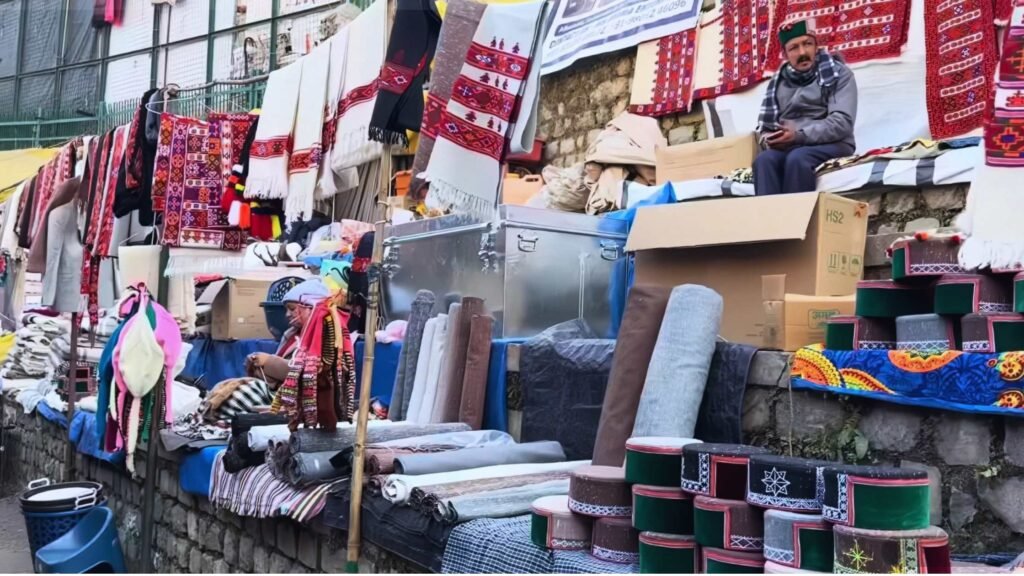
For travellers asking about things to buy at Lavi Fair, start with the products that best explain the event’s regional character rather than treating every stall as equally important.
Useful categories to look for include:
- Kinnauri woollens, including shawls and handwoven tweeds
- Dry fruits such as chilgoza, walnuts, almonds and dried apricots
- Handicraft, handloom and metal-craft categories
- Other officially associated goods such as pottery, jewellery and apples
The most useful shopping story is not “cheap shopping”; it is the relationship between Lavi and region-linked products. No approved research supports claims that prices are low, bargains are guaranteed or any labelled material is automatically genuine.
For a higher-value textile or craft purchase, ask what the item is made from, clarify the stated origin and request a bill. That is a sensible consumer check without assuming that misrepresentation is widespread.
What should you skip? Do not make generic consumer goods the main shopping objective. If your interest is Lavi’s regional identity, spend your attention on woollens, craft categories and dry fruits rather than on products that could be bought in any large fair market.
When should you visit? What is confirmed for 2026
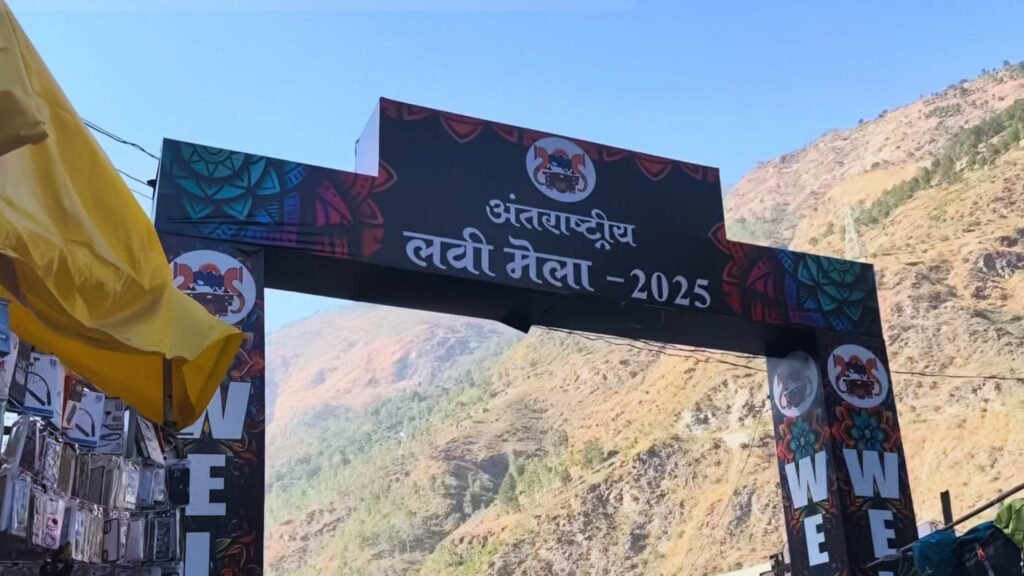
As of 12 August 2026, HimTrails research had not found a dedicated 2026 Lavi event listing on the checked Shimla district Events page. The latest dedicated official Lavi page found there was for the 2025 edition, held from 11 to 14 November 2025.
For readers checking Lavi Fair dates in 2026, the important point is that the verified 2025 dates cannot simply be carried forward. The 2025 dates are the latest verified past edition, not a date template that can safely be copied into 2026 planning.
Legacy tourism material places Lavi in a traditional November context, but that historical pattern is not the same as an approved 2026 schedule. It also should not be used to settle any generic three-day or four-day description. The safe approach is to check the dedicated official update for the specific edition.
If your plan depends on a particular date, performer, programme slot or operational arrangement, keep that part of the trip flexible until official 2026 information is available. Rigid event-specific bookings are premature when the exact schedule has not been verified.
How to reach Rampur Bushahr for Lavi Fair
From Shimla
Rampur Bushahr is about 130 km from Shimla. That distance is the key planning fact: Lavi is not an event in Shimla city, so travellers staying in Shimla should treat Rampur as a separate destination rather than as a city event.
For broader destination context before you plan the approach, use the Shimla travel guide. Do not attach a fixed drive-time estimate to the 130 km figure unless you have a current, verified travel basis for your date.
Bus and taxi planning
Official bus-booking and Rampur taxi-planning channels exist, so travellers can check current options before departure. Because schedules, fares and availability are not approved facts for this article, verify them close to travel rather than relying on a static guide.
The same caution applies to live road status. This article does not claim that a road is currently open, closed or operating normally. Use current official transport or road information when your travel date is fixed.
Where to stay and how long to allow
If Lavi is the main purpose of your journey, consider making Rampur your base for the fair day instead of automatically planning a return to Shimla. The approximately 130 km Shimla–Rampur distance is enough to make that a meaningful itinerary decision.
An overnight in Rampur can be treated as planning advice, not as an official minimum stay. Choose the length of your stop according to how much time you want for the fair and whether you are continuing into Kinnaur.
Do not plan around an assumed “best” hotel, fixed room rate or guaranteed availability. Those details are not part of the approved fact set and should be checked separately for your actual travel dates.
Should you combine Lavi Fair with Kinnaur?
Yes, especially if Kinnaur is already part of your wider Himachal plan. Rampur is a gateway towards Kinnaur, and HimTrails places it on the main Shimla-side approach into the district. That makes Lavi a logical cultural stop within a longer Sutlej-valley and Kinnaur journey rather than a forced detour.
Use our Kinnaur travel guide to think through the onward destination context. The key comparison is route fit, not an invented travel-time or cost saving.
HimTrails planning note: if you are continuing into Kinnaur after Rampur, start the longer mountain-drive day early. This is general route-planning guidance, not a Lavi-specific field observation and not a statement about current 2026 road conditions.
Local food, insider tips and what tourists get wrong
One important planning mistake is geographical: Lavi takes place in Rampur Bushahr, not Shimla city. Shimla is the common starting point for many travellers, but the fair itself is about 130 km away in Rampur. Treating it as a Shimla-city event can lead to a poorly structured day.
The second mistake is historical. Lavi’s Indo-Tibetan identity comes from the former Bushahr–Tibet trading relationship. That heritage explains the name, narrative and trade character of the fair, but it should not be turned into a claim that active modern cross-border Tibet trade still takes place there.
For food, keep the recommendation simple: Try a fresh siddu with ghee or butter if available while you are in Rampur. Siddu is a Himachali steamed stuffed wheat preparation; it is not exclusive to Lavi, so availability should be treated as local opportunity rather than a guaranteed fair stall.
Two details help you read the market with more context. Official tourism specifically associates chilgoza, walnuts, almonds and dried apricots with Lavi’s trade goods. The 2025 government account also separated handloom, handicraft and metal-craft categories, showing that trade and craft still matter alongside cultural programming.
A useful planning tip is to compare a Rampur stay with automatically returning to Shimla on the same fair day if Lavi is your main reason for travelling. The point is not a promised rupee saving; it is avoiding a plan that ignores the 130 km separation between Shimla and Rampur.
Do not structure the 2026 visit around a particular performance time until that day’s official programme is available. A historical pattern or a previous edition’s schedule is not enough for hour-by-hour planning.
What HimTrails tells its travellers: If the fair is your main reason for visiting, base the fair day around Rampur. If you continue into Kinnaur, give the longer mountain-drive day an early start.
Safety, shopping caution and one honest downside
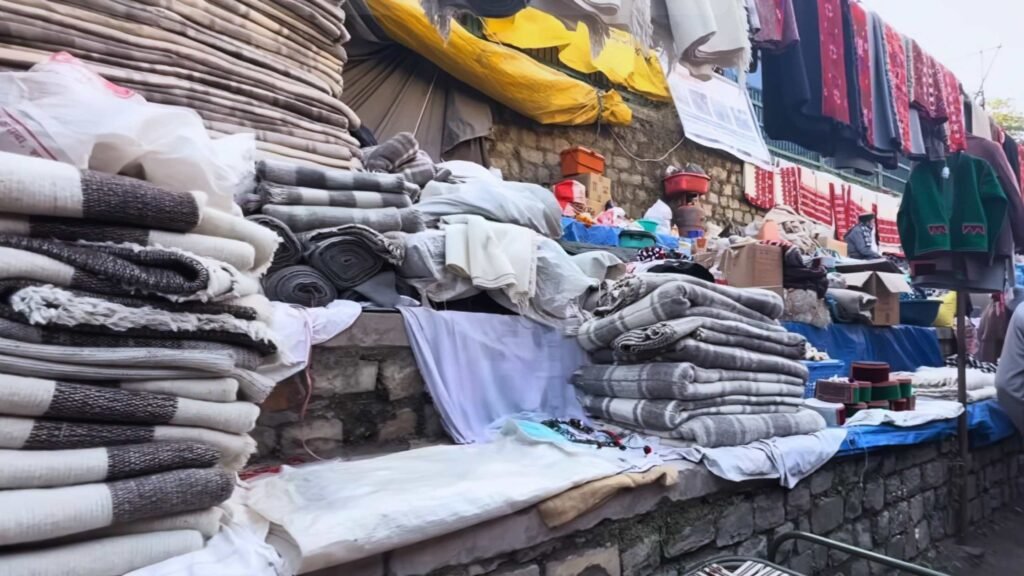
For a higher-value textile or craft, ask about the material, clarify the stated origin and request a bill. This is a practical buying habit, especially when the product’s value depends on what it is made from or where it is said to come from. It does not imply that scams or fake goods are common at Lavi.
Keep the same evidence-based approach to trip logistics. Do not make safety, traffic or road assumptions from the fair’s reputation or from a previous year. Current road arrangements, parking conditions and event operations need their own up-to-date checks when official information is available.
There is also a genuine downside for some travellers. If your priority is silence, low-key hill-station downtime or avoiding an active trade-and-cultural event environment, Lavi may be the wrong stop. Its appeal lies in commerce, folk tradition, crafts and cultural programming, which is exactly what a quiet-retreat traveller may not want.
Is International Lavi Fair worth visiting?
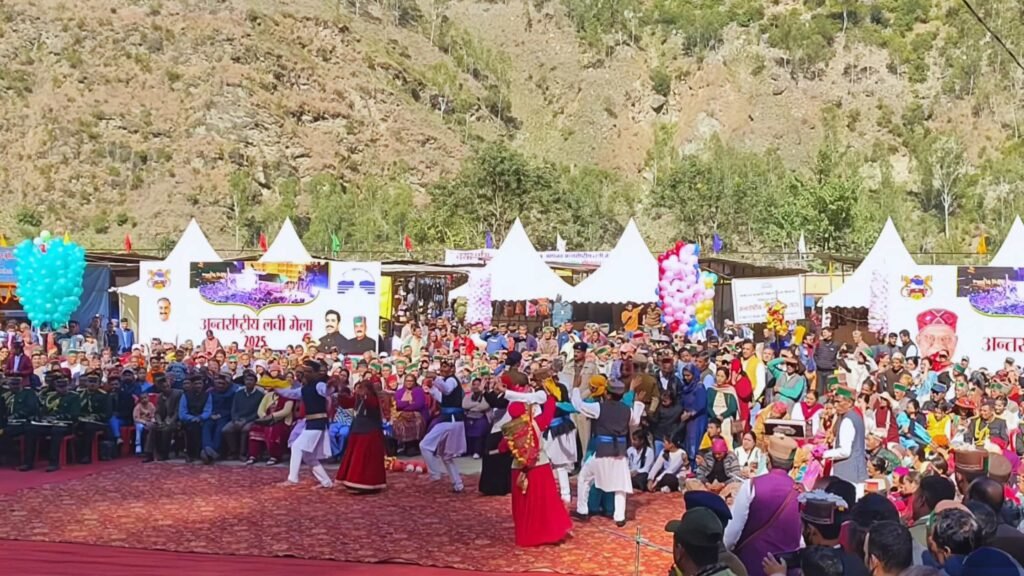
Yes—if your main interests are regional trade history, Kinnauri products, crafts, folk traditions and the cultural legacy of the former Bushahr–Tibet relationship. In that case, Lavi is worth treating as a deliberate Rampur stop rather than as a side note to Shimla.
If you are already planning Kinnaur, the fit is stronger because Rampur is a gateway and route point towards the district. If the fair itself is the purpose, base the fair day around Rampur rather than assuming a same-day return to Shimla.
For 2026, one condition matters: do not lock a rigid plan to an unverified date, performer or programme. If you want quiet hill-station downtime instead, Lavi is probably not the right match.
Frequently Asked Questions
Also Read: Kullu Dussehra 2026: Dates, Dhalpur Guide & Travel Planning
Ready for Your Himachal Adventure?
Get FREE customized itinerary · Best Price Guaranteed · Local Himachal Experts · 3,973+ Happy Travelers