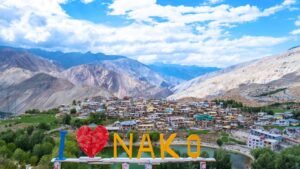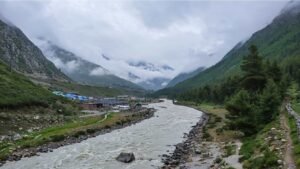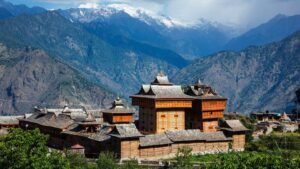
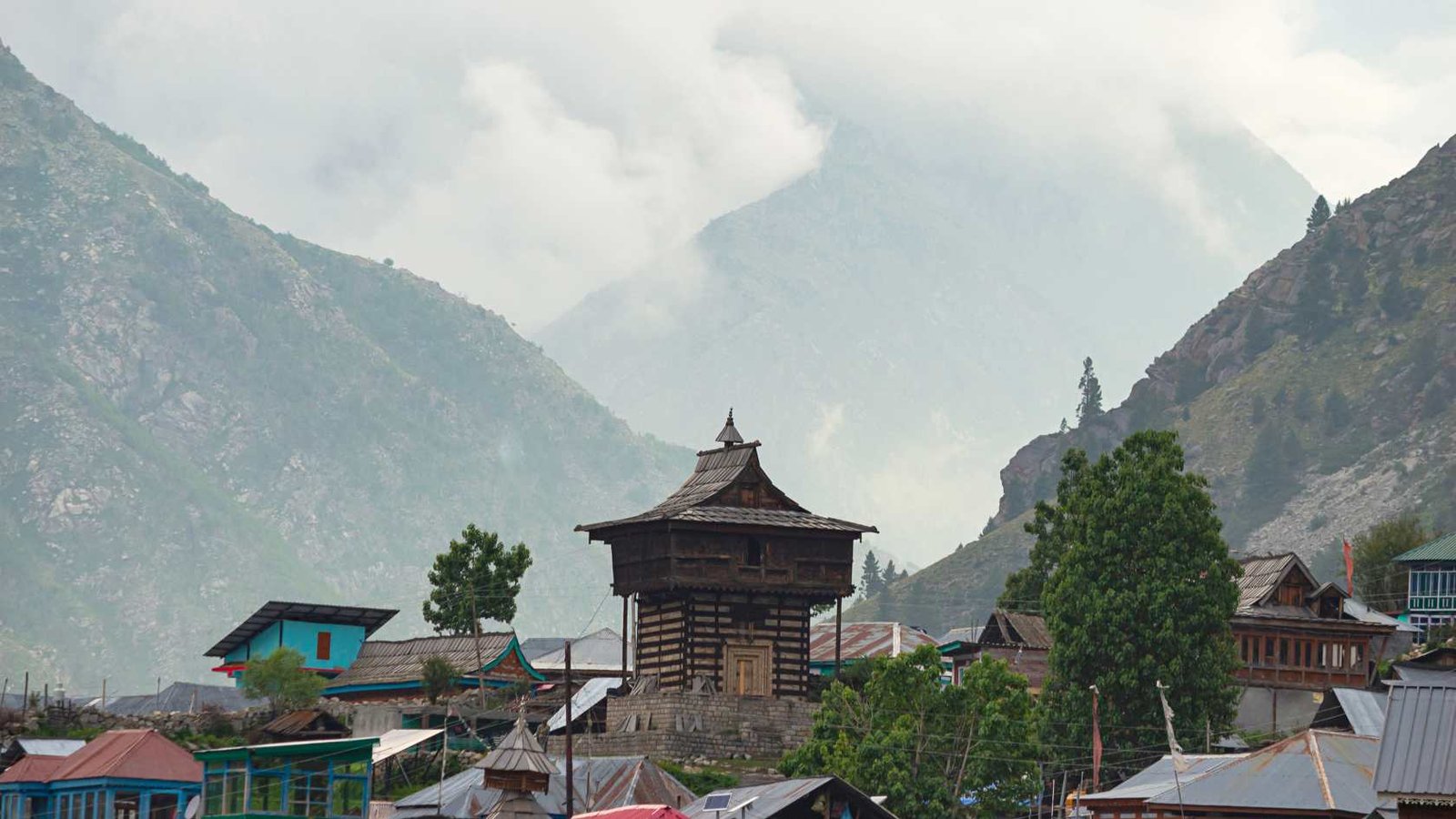
Kinnaur in Autumn can be a rewarding time to plan a trip, but September, October and November are not one single season. They differ in rainfall risk, cold and early-winter uncertainty. For most first-time travellers specifically choosing an autumn trip, October is the strongest editorial middle-ground choice. This reflects the district-level climate description, which places September within Kinnaur’s rainfall period and notes that heavier snowfall may begin in parts of the district from late November or early December. These are long-term climate patterns, not a 2026 forecast or a road guarantee.
Quick Answer
Choose October if you want the safest general autumn balance for a first trip. Choose September if you accept some residual rainfall uncertainty and a transition-season feel. Treat November as an early-winter trip suited to cold-tolerant, flexible travellers, not simply a quieter October. No month guarantees clear skies, open roads or snow, so always check live conditions for your exact dates.
Most travellers get this wrong by treating September, October and November as one uniform “autumn” and packing or planning identically. In reality, the official district-level seasonal description places rainfall across June to September, describes winter running October to May, and notes heavier snowfall may begin in parts of Kinnaur from late November or early December. The practical result is under-preparing for cold in November or over-worrying about rain in October. The better approach is to pick your month against your own tolerance for rain, cold and route uncertainty.
👉 Confused? Let locals plan your trip.
Is Autumn a Good Time to Visit Kinnaur?
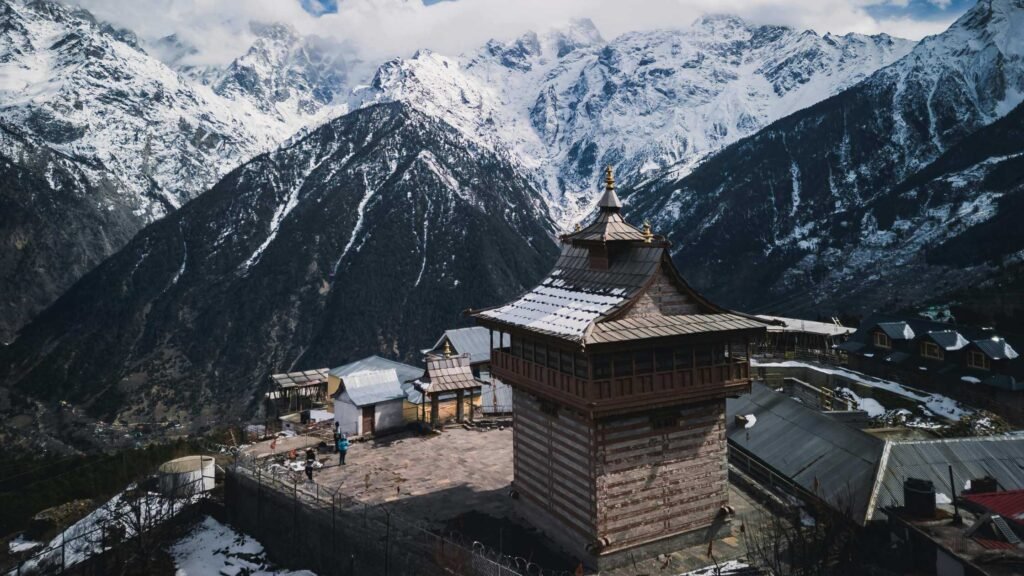
Autumn suits travellers who understand that Kinnaur is moving from a rainfall-affected period toward colder, increasingly winter-like conditions. The Himachal Pradesh State Agricultural Marketing Board describes Kinnaur as having long winters from October to May and short summers from June to September, with rainfall encountered from June through September. It also notes that heavy snowfall begins in parts of the district from late November or early December, continuing through March and sometimes April.
Read together, this means early autumn still carries rainfall-period characteristics, the middle of autumn sits in a relatively calmer window, and late autumn edges toward early winter. None of this predicts your specific travel dates.
If you want the wider picture on where to stay, what to see and how the district connects, our Kinnaur travel guide covers the destination in more depth. Use it alongside this seasonal article rather than as a substitute, because the month you choose changes how you should prepare far more than the sights themselves.
The honest summary: autumn works well for travellers who can carry proper warm layers and accept that mountain road and weather conditions need live checking. It works less well for anyone needing guaranteed roads, guaranteed snow or a rigid, no-buffer schedule.
September vs October vs November: Which Month Should You Choose?
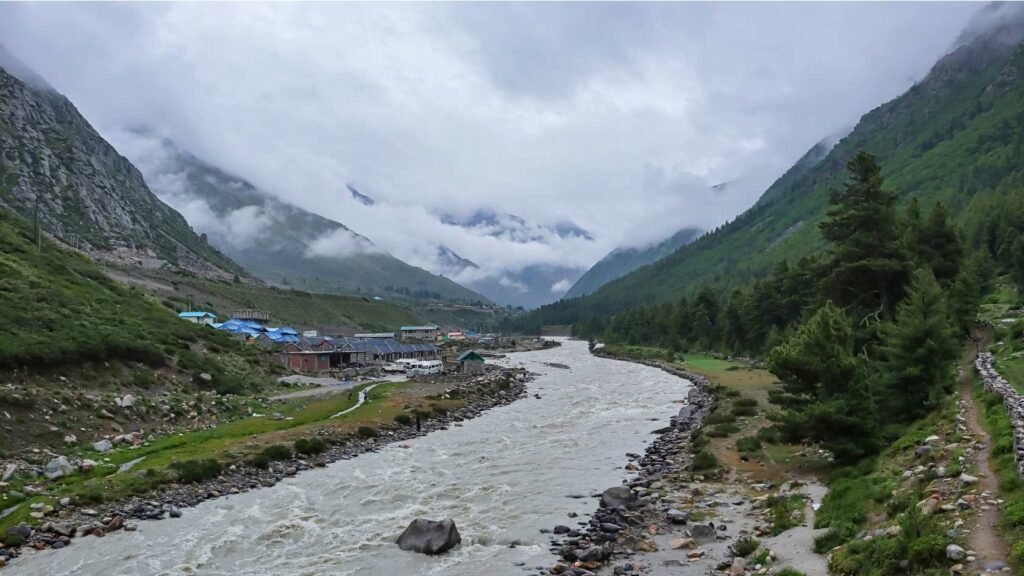
Here is the core comparison at a glance. Treat every row as a seasonal pattern, not a promise for your dates.
| Factor | September | October | November |
| Season character | Transition; within rainfall period | Calmer middle ground | Early-winter shift |
| Rainfall pattern | Falls in June–September rainfall period | Follows the rainfall period | Past the rainfall period |
| Snow pattern | Not expected | Not the heavy-snow window | Heavier snow may begin late Nov |
| Best suited to | Travellers okay with rain uncertainty | First-time autumn travellers | Cold-tolerant, flexible travellers |
| Main caveat | Not every day is rainy | Not guaranteed dry or road-safe | Never promised snow; more cold/access risk |
Kinnaur in September
September remains a transition month rather than a fully settled post-monsoon period. The official district-level source includes September within its June–September rainfall period, so occasional wet spells are part of the picture. This does not mean every September day is rainy.
Apples matter deeply to Kinnaur’s economy, and orchards shape much of the landscape you pass. That said, we cannot guarantee orchard picking, ripe fruit or farm access on your specific dates. Come for the transition-season atmosphere, not for a promised harvest experience.
Kinnaur in October
October is the strongest editorial middle ground for many first-time autumn travellers. It follows the cited September rainfall period and precedes the source’s late-November-or-early-December heavier-snow window. For a traveller who wants a reasonable balance between wet-weather risk and deep cold, this middle position is the practical sweet spot.
Even so, October is not guaranteed dry, clear or road-safe. Mountain weather shifts quickly, and a calm seasonal pattern is not a forecast for your travel week.
Kinnaur in November
Treat November as an early-winter trip, not simply a quieter October. The official source notes heavy snowfall may begin in parts of Kinnaur from late November or early December. This brings greater cold and more access uncertainty, especially in the second half of the month.
The honest negative here is real: late November can move toward heavier-snow conditions, while September still sits inside the cited rainfall period. Neither end of autumn offers the settled predictability of the middle. If you are set on late autumn, build in buffer days and stay flexible. If you are comparing seasons more broadly, our Kinnaur in June guide shows how a very different time of year compares.
Kalpa, Sangla and Chitkul in Autumn
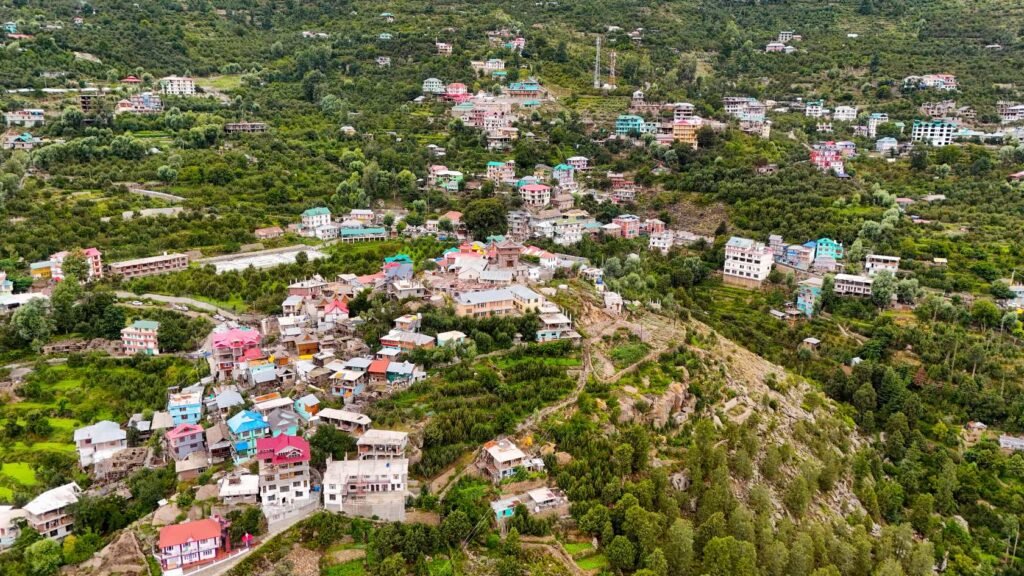
These three bases anchor most Kinnaur trips, and their elevations shape how cold you should expect them to feel.
Kalpa sits at 2,759 m and lies 14 km from Reckong Peo. The district highlights early morning as a particularly notable time to catch rising sunlight on the snowy Kinner Kailash peaks from Kalpa. Plan to be up and outside early for that view, but treat clear conditions as luck rather than a guarantee, and do not fix your hopes on a precise clock time.
Sangla lies at 2,621 m, about 17 km from Karcham, and works well as a Baspa Valley base. Chhitkul, at 3,450 m, is described by the district as the last and highest village of the Baspa Valley, which is exactly why its higher elevation deserves respect as autumn cools.
For a chai stop in Chhitkul, a current public listing places CHHITKUL LAST CAFE at VPO Chhitkul and identifies it as a tea and food spot. The listing does not show opening hours, so treat it as a candidate and check that it is open when you arrive rather than counting on it.
👉 Pick the right stay & route — we’ll help.
Kinnaur Roads and Transport in Autumn
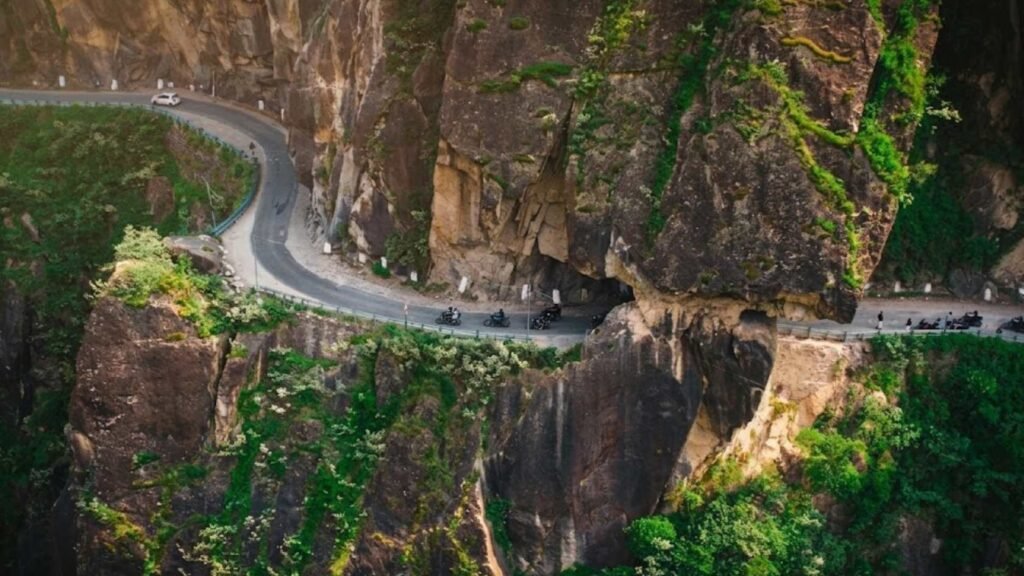
The goal here is to plan sensibly without pretending anyone knows a future road status. Reckong Peo is 235 km from Shimla according to District Kinnaur. District guidance says buses ply regularly, but winter and early-spring conditions can cause long breaks, and it advises checking road conditions before departure during winter and rainy periods. Do not assume a specific road or bus will be open on a future date.
For public transport, the practical insider move is to use live official information rather than copied timetables. You can search services on the HRTC online portal, and the Reckong Peo HRTC enquiry number is 01786-222444. Fixed schedules floating around travel blogs go stale quickly, so verify close to your dates.
On private cabs, there is a genuine cost-versus-flexibility trade-off worth understanding. For a fixed-schedule round trip, District Kinnaur says a lump-sum taxi contract for the full duration can be less expensive, while a per-day arrangement suits travellers who want to change plans en route. If your route and dates are locked, the whole-trip lump sum is often the better-value money-saving choice; if you value flexibility, pay per day and accept the higher likely cost.
When you are ready to sequence days across the region, our Himachal trip itinerary planner helps you shape a realistic route rather than an over-packed one.
Kinnaur Kailash Yatra 2026 — Current Safety Update
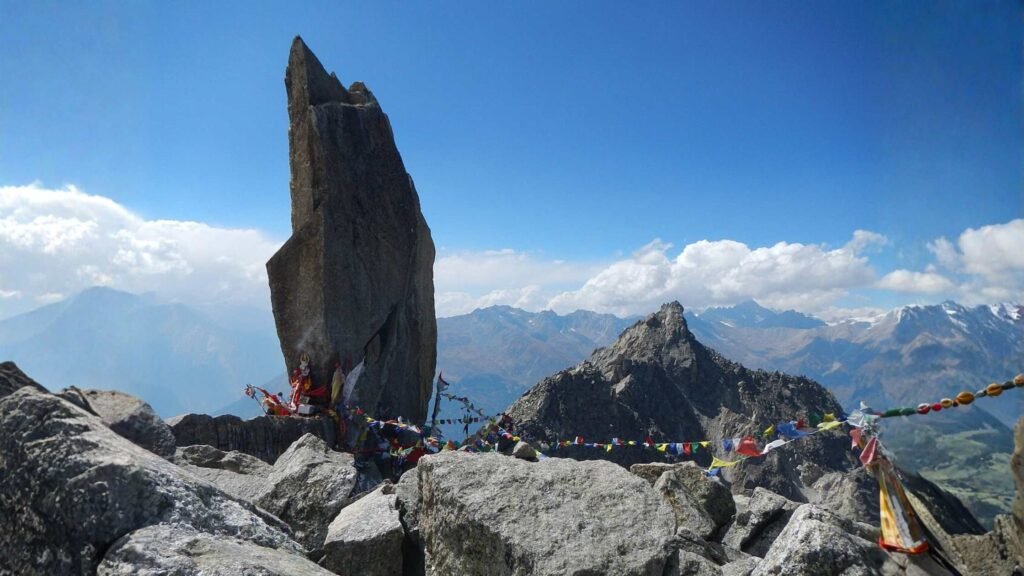
When checked on 19 August 2026, District Kinnaur stated that the Kinnaur Kailash Yatra 2026 was postponed until further orders. The postponement notice cites glaciers, unstable boulders, rockfall, landslides and falling debris, and it identifies specific dangerous and blocked stretches along the pilgrimage route. The district asks devotees not to undertake the pilgrimage until an official resumption is announced.
This matters for planning: do not build or pay for a trip around undertaking this pilgrimage while the postponement remains in force. Check the current District Kinnaur notice yourself before making any pilgrimage-linked plans, because this status is dated and can change.
Importantly, this is a pilgrimage-route notice. It is not evidence that ordinary tourism across Kinnaur district is closed. Regular road and attraction access is a separate question that needs its own live checking.
Apples and the Autumn Landscape
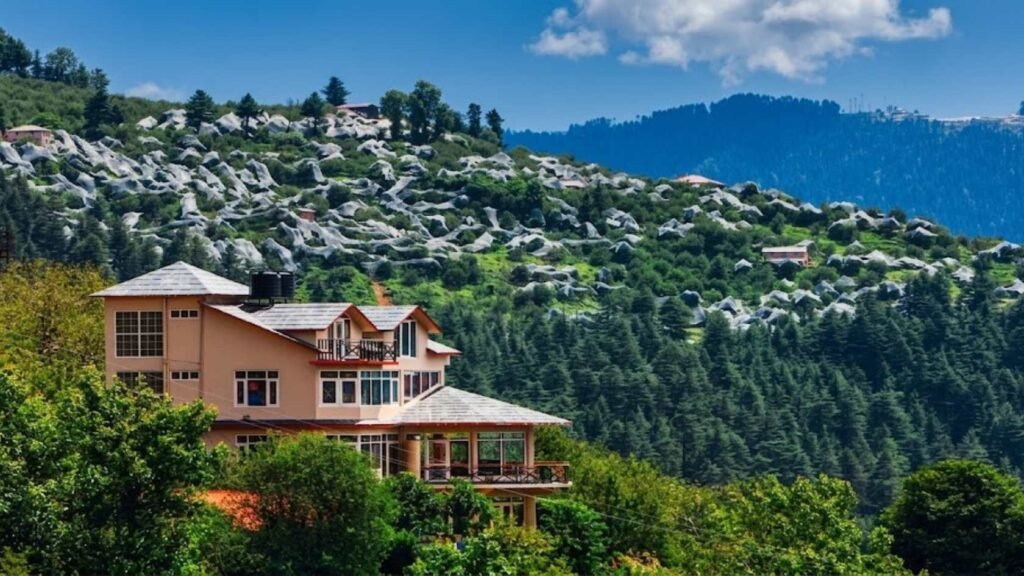
Apple is Kinnaur’s principal cash crop, which is why orchards form such a visible part of the district’s landscape and economy. As you travel, orchards will be part of the scenery in many areas.
What we cannot do is guarantee picking, harvest timing, ripe fruit, orchard colours or farm access for your specific autumn dates. If an orchard visit matters to you, treat it as something to confirm locally rather than a fixed feature of the trip.
Permits: What Travellers Should Know
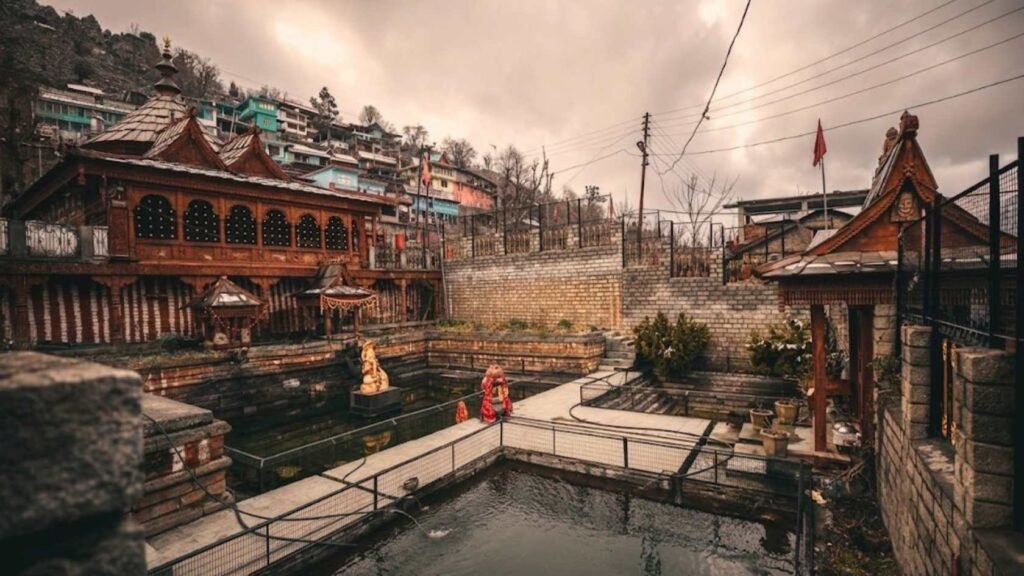
District Kinnaur’s official protected-area guidance says foreign tourists need permits for notified protected areas, and the district list includes Nako along with multiple Pooh Block locations. The page lists ₹200 per person at the e-Governance Centre for the Inner Line Permit, plus applicable travel-agency service charges. This fee and process apply to the foreign protected-area framework, so do not read it as a universal charge for every traveller.
For safety, foreign travellers should rely on the official District Kinnaur protected-area information rather than informal permit or fee claims heard on the road. Because HimTrails’ own planning resources are not aligned on whether Indian citizens need a permit on the unusual Kinnaur–Spiti border sector, we deliberately avoid a blanket Indian-permit claim for such itineraries. For any border-area extension, verify directly with the official District Kinnaur guidance before you travel.
Can You Combine Kinnaur and Spiti in Autumn?
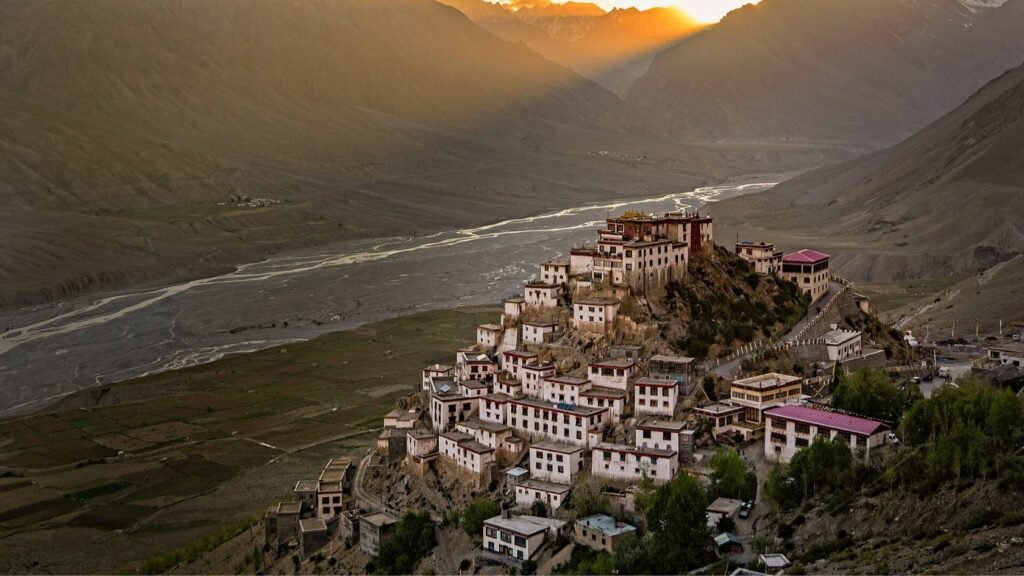
As a planning concept, yes, you can combine Kinnaur and Spiti in autumn. What you should not assume is that a full Shimla-in, Manali-out circuit stays possible throughout late autumn. District Lahaul & Spiti says the Kunzum-side route closes in winter, beginning around October or November depending on conditions.
The practical takeaway is that the Shimla and Kinnaur side and the Kunzum and Manali side have different seasonal reliability. A late-autumn plan should not depend on a guaranteed Kunzum, Chandratal or Manali-side exit. Use live route status for your actual dates, and keep a fallback of returning the way you came. Our Spiti Valley travel guide helps with onward planning once you know your window.
Who Should Choose Kinnaur in Autumn — and Who Should Reconsider?
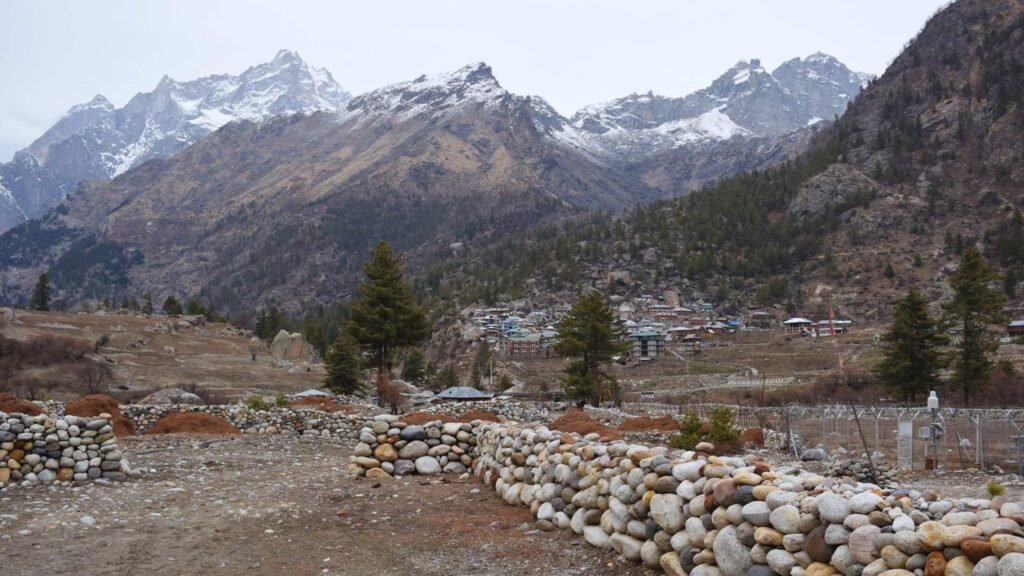
October is the strongest general editorial choice for first-time autumn travellers who want a reasonable balance of conditions. September suits travellers who accept rainfall-related uncertainty and a transition-season feel. November is better suited to cold-tolerant, flexible travellers than to anyone who needs predictable access and mild weather.
Reconsider a rigid autumn plan if you have important same-day onward flights or trains immediately after the trip, because mountain travel does not offer risk-free timing. Buffer days protect you far better than a tight schedule does. To sanity-check what a realistic trip might cost before you commit, our Himachal trip cost calculator is a useful starting point.
Final Verdict
For a first autumn trip to Kinnaur, choose October as your default. It sits after the cited September rainfall period and before the late-November-or-early-December heavier-snow window, giving most travellers the steadiest balance. Choose September if you are comfortable with transition-season rainfall uncertainty. Choose November only if you actively accept colder, increasingly winter-like conditions and can keep your route flexible.
No month is guaranteed for weather, roads, snow or clear views, so pair your choice with live checks close to your dates. If you would like help turning a chosen month into a workable trip, our Kinnaur tour packages can support the planning.
👉 Want this trip? Let’s plan it right.
Frequently Asked Questions
Also Read: Leh Ladakh in Autumn 2026: September vs October Weather, Roads & Travel Tips
Ready for Your Himachal Adventure?
Get FREE customized itinerary · Best Price Guaranteed · Local Himachal Experts · 3,973+ Happy Travelers