Thinking about Shinkula Pass in June 2026? Good timing, but not the kind you can take for granted. June is the first proper summer window on the Darcha–Shinku La–Padum road, the high crossing that links Lahaul in Himachal with Zanskar in Ladakh. The catch is that “June” and “open” do not always mean the same day-to-day reality up there. This guide gives you the honest picture — current road status, the snow you can realistically expect, whether your car will make it, permits, where to stay, and a simple 2-day plan that actually works.
Quick Answer: Is Shinkula Pass Worth Visiting in June?
Yes, June is one of the better months to attempt Shinkula Pass, especially from mid to late June, when the road has had a few weeks to firm up after its spring opening. The scenery is dramatic, the valley is wide open, and you get that rare feeling of slipping quietly into Zanskar.
But this is not a fixed-calendar destination. Early June can still throw slush, fresh snow, and the odd road or bridge problem at you, and movement is often police-regulated rather than free-flowing. In our experience, the travellers who get caught out are the ones who trusted a month-old update.
So treat the calendar as a guide, not a guarantee. Verify the Darcha to Shinkula road status in the same week you travel, ideally 48 hours before you leave and again before you cross Darcha.
👉Confused? Let Shimla locals plan your Shinkula trip.
Where Is Shinkula Pass and Why Does June Matter?
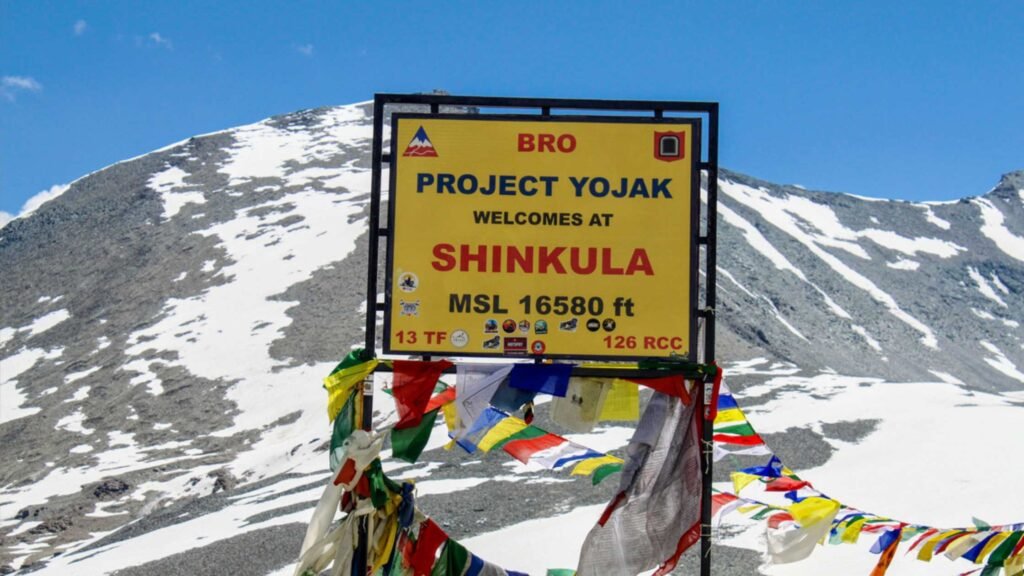
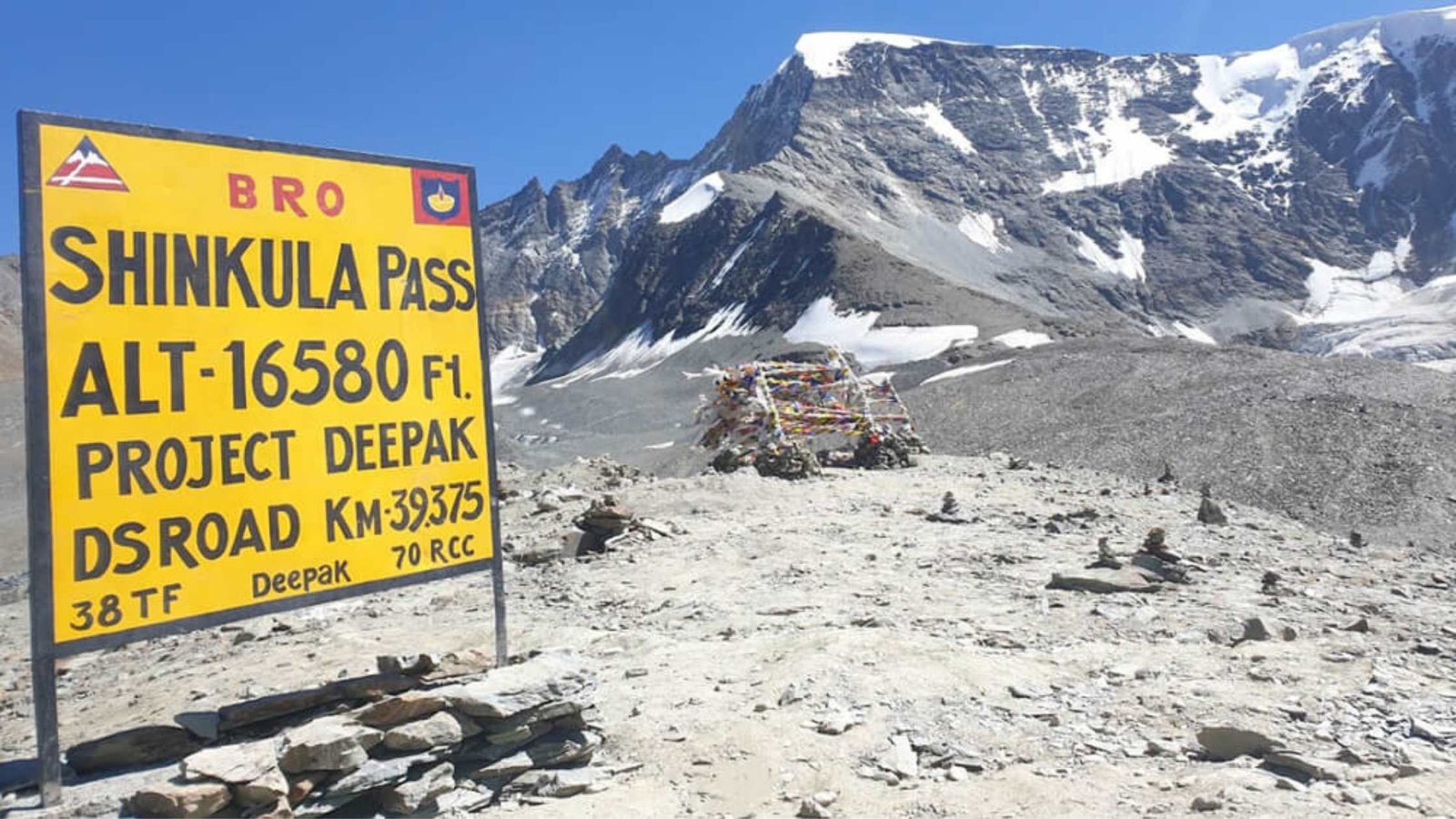
Shinkula Pass goes by a few names. You will see it written as Shinku La and Shingo La too, all pointing to the same high pass. It sits on the Nimu–Padum–Darcha road, the newest road axis into Ladakh, and it connects Lahaul in Himachal Pradesh with the Zanskar valley in Ladakh.
The altitude is genuinely big. Sources vary between about 16,580 ft and 16,703 ft, so we just say around 16,600 ft and leave the exact metre-counting to the geographers. Either way, this is serious high-altitude territory, snowbound from roughly October to April and avalanche-prone in the off season.
June matters because it is the first real summer window after winter lets go. The snow has usually been cleared enough for vehicles, the days stretch long, and the whole Lahaul–Zanskar corridor starts breathing again. But not every June date behaves the same, which is the whole point of reading on before you book.
If you want this folded into a wider mountain trip, our Spiti and Lahaul tour packages cover this high-desert belt with stays and routing already sorted.
Is Shinkula Pass Open in June 2026?
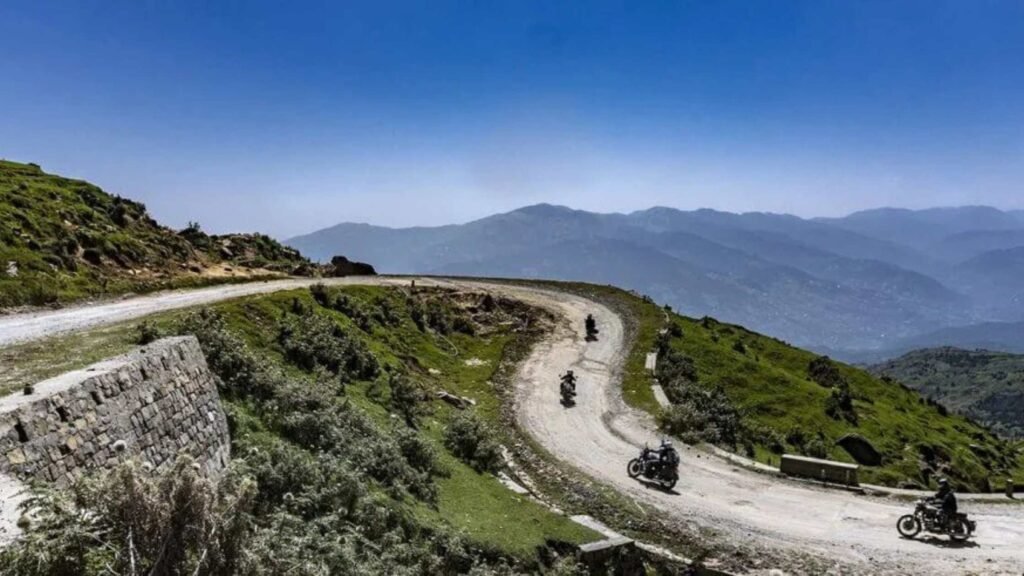
In practice, June is usually realistic — but not guaranteed every single day. Here is the honest 2026 picture, because this season had real drama.
On 1 May 2026, a bridge on the Shinku La stretch collapsed mid-crossing under a truck, halting Padum–Darcha connectivity and leaving vehicles stranded on both sides. It was a sharp reminder that this is young, still-settling infrastructure, not a smooth tourist highway.
After that, BRO cleared the stranded vehicle and limited 4×4 movement was reported, and the Darcha–Shinkula route was formally reopened from both sides under the Disaster Management Act, with the police directed to manage and monitor traffic by day. By mid-May 2026, the Lahaul and Spiti administration described the reopening of both Baralacha and Shinkula passes as a significant achievement for the region, again with police regulating movement.
So by June, the pass is normally a live option. What we will not do is tell you it is “open today” as a permanent fact, because that is exactly the kind of line that strands people. Road status here can flip on one snowfall, one water crossing, or one damaged stretch. Check it close to your date, every time.
Early June vs Late June: Which Is Better for Shinkula Pass?
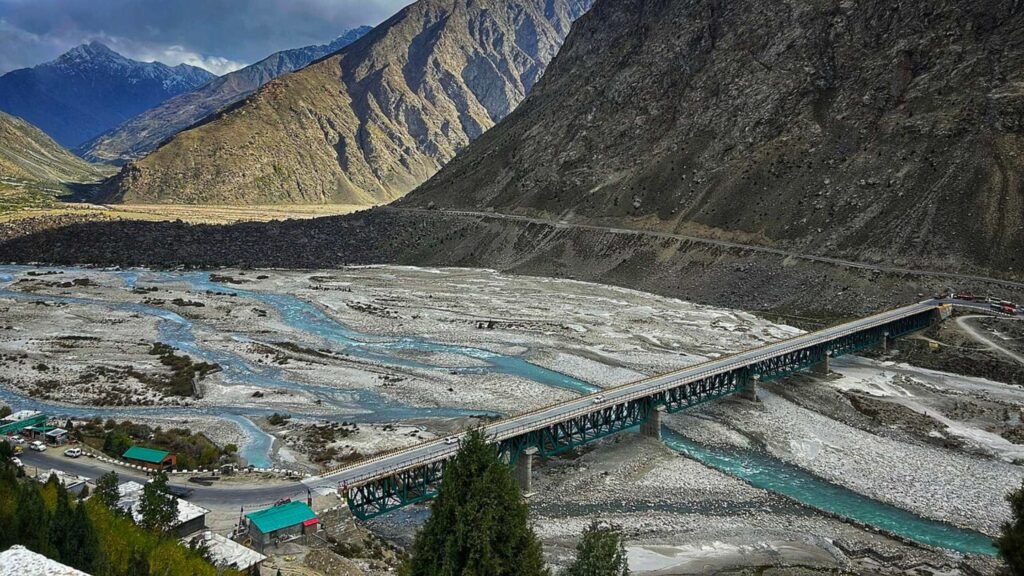
Early June gives you the better snow odds and the most dramatic scenery — white walls near the top, a raw just-opened feel, fewer vehicles. The trade-off is risk. You can hit slush, slippery patches, sudden weather, and 4×4-only advisories that change by the hour.
Late June is the steadier pick if you have fixed holidays, you are travelling with family, or you simply want a smoother drive. The snow thins by then, but the road becomes far more predictable and the police-controlled movement tends to loosen up.
If we are being honest with most first-timers, we point them at late June. Early June is for travellers who genuinely accept that the plan might change on the morning of, and who will not sulk if the pass says no.
Will You See Snow at Shinkula Pass in June?
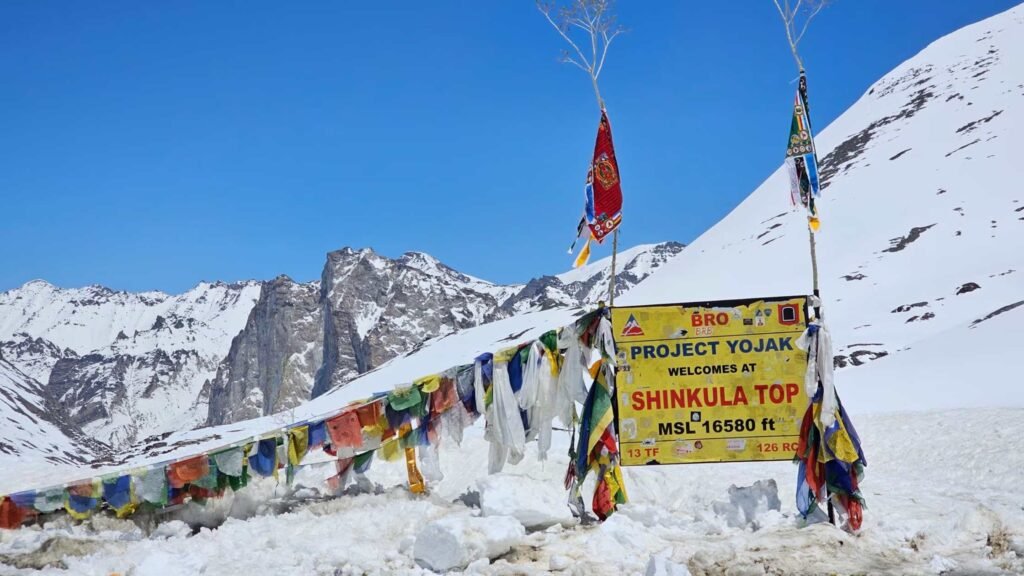
Snow is possible near the pass top, especially in the first half of June. What we will not do is promise you photogenic snow walls, because that depends entirely on the winter that just passed and the clearance work that followed.
Weather can still turn in early June. There was a chance of light rain or snow in Himachal’s higher reaches in this window, along with thunderstorm and gusty-wind alerts on some dates. At this altitude, a clear morning can become a snowy afternoon, so build that into your expectations.
In our experience, snow at Shinkula is a bonus, not the only reason to go. The real charm is the raw road, the open valley, and that quiet moment when you realise you are crossing into Zanskar with nothing man-made in sight.
What Is the Road From Manali to Shinkula Pass Like in June?
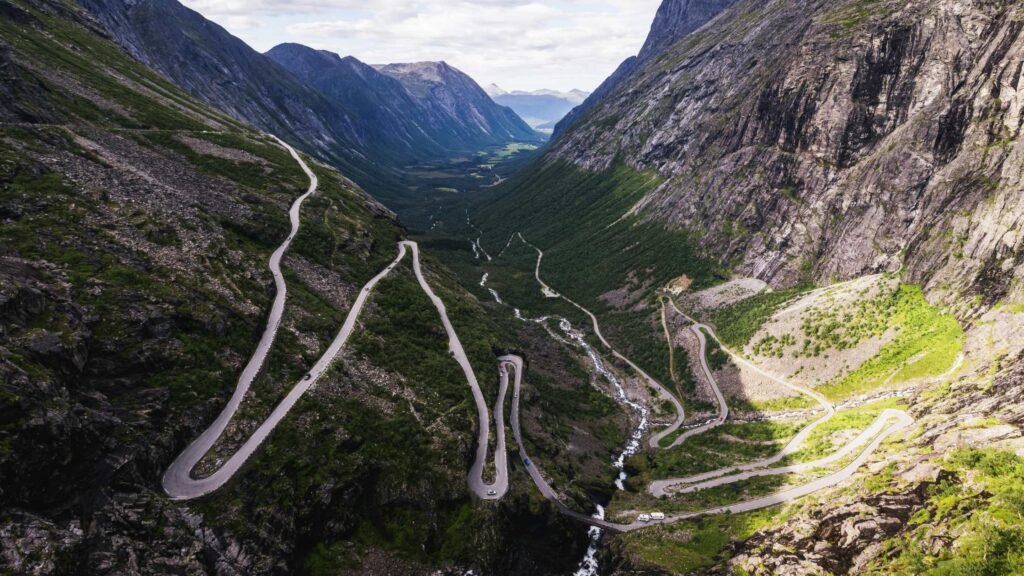
The Manali to Shinkula Pass drive breaks into clear stages, and they get progressively harder.
The easy start is Manali to the Atal Tunnel. The tunnel has transformed this corridor, giving year-round access into Lahaul without the old Rohtang gamble. From there to Sissu and Keylong is regular tourist movement on mostly decent road.
Keylong or Jispa to Darcha is your practical staging stretch — this is where you stage the early start for the pass. Darcha sits at about 3,360 m (11,020 ft), so you are already high before the real climb begins. For distance, one source places Keylong to Darcha at about 32 km and Darcha to Shinkula at about 40 km, but treat these as rough because numbers differ source to source.
Darcha to Shinkula Top is the real test. Expect rough patches, loose surface, and water crossings that swell through the day. Beyond the top, the run towards Kargyak and Padum is genuinely remote and should only be attempted if the road is confirmed safe and you have the right vehicle and a confident driver.
If you are flying into Manali first and want the lower legs handled cleanly, our Manali tour packages connect into this Lahaul route, and our Sissu and Lahaul stays give you a comfortable base before you push to Darcha.
👉Ask us today’s Shinkula road status before you commit.
Can a Normal Car Go to Shinkula Pass in June?
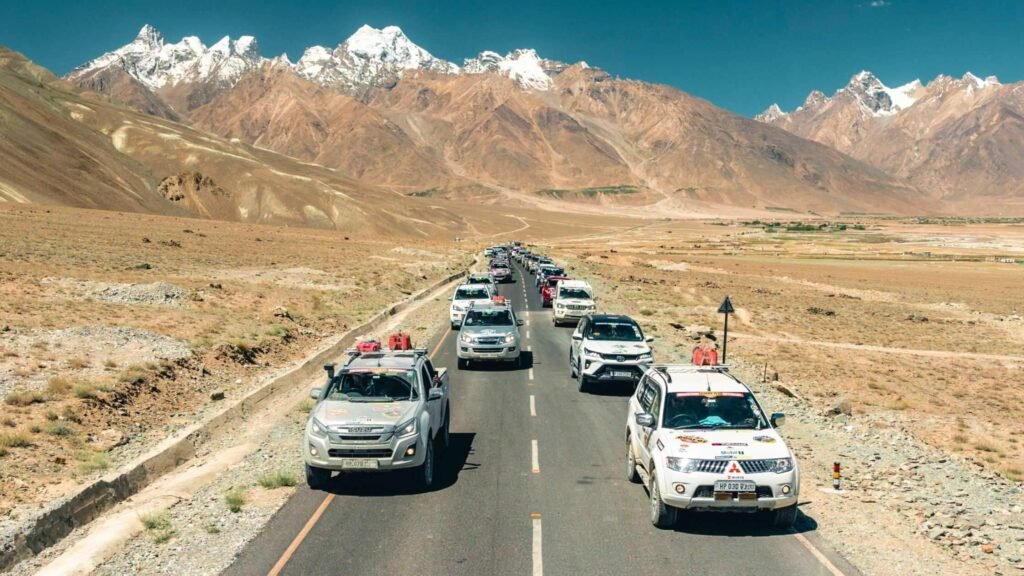
Let us be practical and a little conservative here, because this is where people damage cars.
A normal car is usually fine as far as Manali, the Atal Tunnel, Sissu, Keylong, Jispa, and sometimes Darcha in good weather. That part is manageable for most sedans and hatchbacks when conditions are dry.
Darcha to Shinkula Top is a different animal. Low ground clearance, slush, poor traction, water crossings, and the very real risk of underbody damage all stack against a normal car here. And if something goes wrong, quick recovery help is not waiting around the corner. A high-clearance SUV is the practical minimum, and a 4×4 is the safer call in early June, after fresh snow, after rain, or whenever the police advisories tighten.
We will not tell you a 4×4 is legally compulsory every single day, because that is not how it works. What is true is that on uncertain days it may be required, and on most uncertain days it is strongly recommended. If you do not have the right vehicle, that is exactly the kind of trip our 4×4 expedition team is built for.
Can You Visit Shinkula Pass as a Day Trip From Manali?
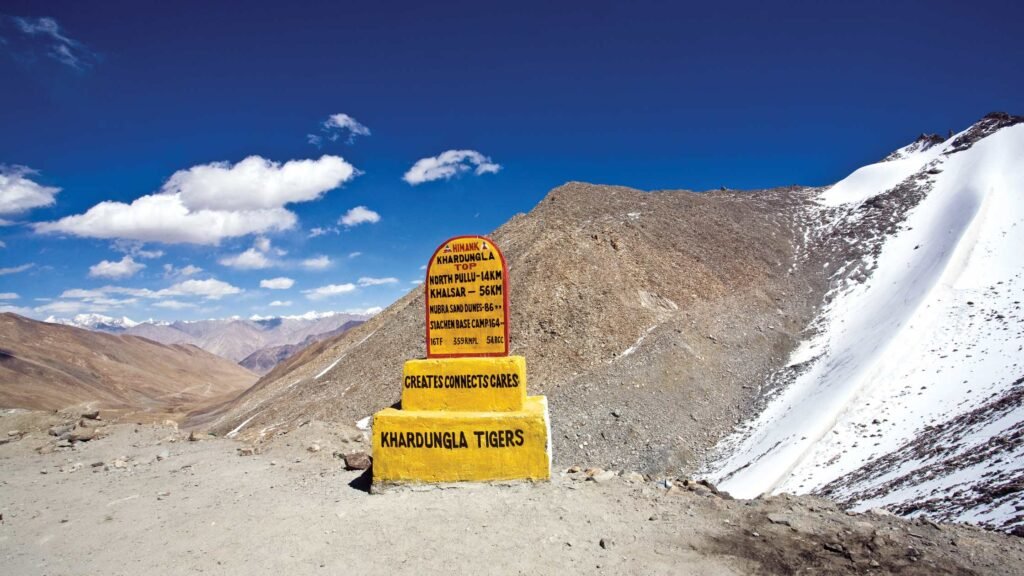
On a perfect-weather day, maybe. But it is not the plan we recommend for first-timers. It becomes a long, tiring day with almost no buffer for weather, traffic control, or the kind of road delay that is normal on this stretch.
A 2-day plan is far saner. Day 1, get yourself to Sissu, Keylong, or Jispa and let the body adjust while the driver rests. Day 2, start early towards Darcha and Shinkula, then return or push onward based on the actual road status that morning.
If you are dreaming of continuing all the way to Zanskar and beyond, our Leh Ladakh tour packages cover the onward route and the acclimatisation it demands, so you do not gain altitude faster than your body can handle.
Best 2-Day Plan for Shinkula Pass in June

This is the version that actually feels good rather than exhausting.
Day 1
Leave Manali, cross the Atal Tunnel, and settle into Sissu, Keylong, or Jispa. Keep the day light. You want a rested driver and a body that is starting to adjust to the height, not a sprint to the highest point you can reach.
Day 2
Start early for Darcha and Shinkula. Spend limited time at the pass if the wind is harsh or the road is crowded, because lingering at 16,600 ft in a gale helps nobody. Aim to return before late afternoon, or continue towards Zanskar only if the route is confirmed safe and your team is up for it.
If you are continuing to Padum, one route source suggested Manali to Padum via Shinkula was possible in under 8 hours in 2026 — but we would not bank on that, because road conditions change and a single water crossing can rewrite your timeline.
What Permits or Passes Do You Need for Shinkula Pass?
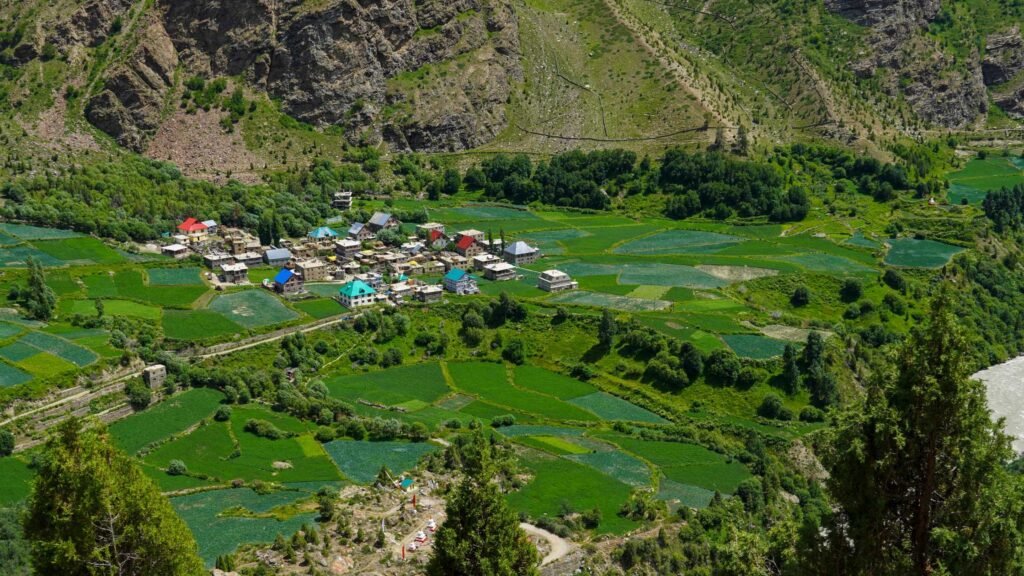
Here is the clean version, because permit talk gets muddled fast.
Himachal’s official e-Aagman system requires vehicles entering Lahaul and Spiti to register with an e-pass. It lists an e-permit per vehicle for the Atal Tunnel Rohtang–Koksar–Chandratal circuit, and an e-ticket per vehicle for other places, with destination options on the form including Chandertal, Other, Lossar Check Post, and Koksar Check Post. Think of e-Aagman as a vehicle entry and registration system, not the same thing as a Ladakh Inner Line Permit.
For Indian travellers, you generally do not treat Shinkula like a Rohtang tourist-permit route when you use the Atal Tunnel. But e-Aagman still applies to Lahaul-Spiti vehicle entry, so do not assume “no permit at all.” Verify the current district rules before you go.
If you continue into Leh, the Ladakh side adds its own costs. The Leh district tourist portal says the environmental/green fee, Red Cross Fund, and wildlife fee continue for tourists, and it advises at least 48 hours of acclimatisation in Leh before heading to high-altitude areas. Plan for that if Zanskar-to-Leh is part of your loop.
Where Should You Stay Before Visiting Shinkula?
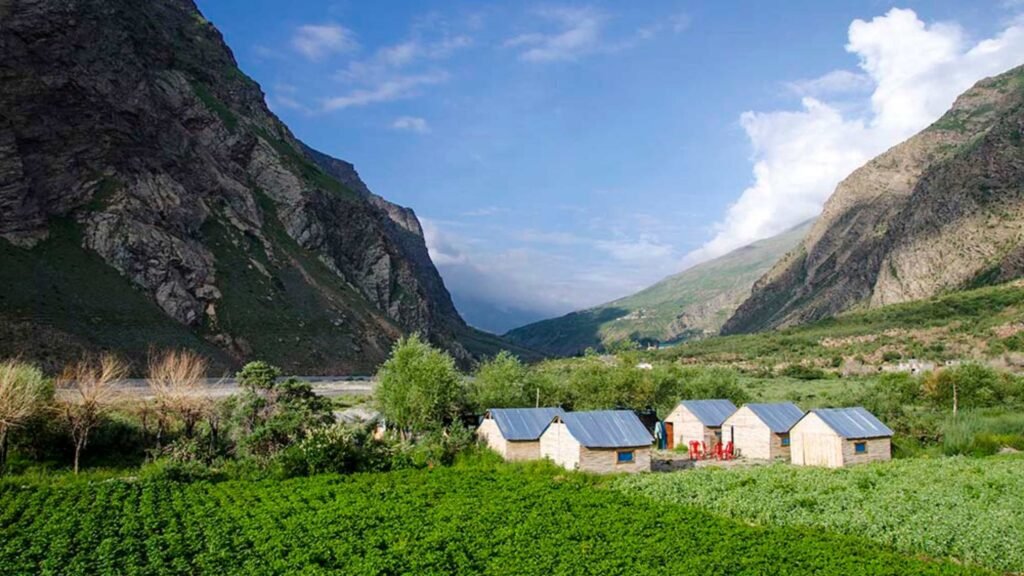
Your realistic bases are Sissu, Keylong, Jispa, and Darcha, and they each suit a different traveller.
Sissu is the scenic, relaxed choice, good if you also want a gentle Lahaul experience with waterfalls and cafe time rather than a pure mission to the pass. Keylong is the practical town base, with the most reliable spread of stays, food, and fuel before things get remote.
Jispa is our usual favourite when the goal is Shinkula, because it shortens the morning run to Darcha and has that easy road-trip feel. Darcha is closest of all, but it is basic, so confirm availability before you count on a bed there.
In our experience, Jispa or Keylong is the sweet spot for a Shinkula attempt. You get a manageable early start without pushing your body too hard the night before.
What Should You Pack for Shinkula Pass in June?

Pack for cold even though Manali below feels like summer. You want warm layers, a windproof jacket, gloves, sunglasses, and high-SPF sunscreen, because the UV at this altitude is brutal even on a cool day. Add water, snacks, basic medicines, a power bank, and offline maps, since the network all but disappears up there.
On the practical side, carry cash, your ID proof, and your vehicle documents, plus a spare tyre, a tyre inflator, and basic tools. This is not a place to discover you are missing a jack.
The temperature gap is the thing people underestimate. As a sense of scale, a higher Lahaul spot like Darcha Dangma showed something close to a 0°C high and a -12°C low around early June. Manali can feel pleasant while Shinkula is freezing on the same afternoon, so dress for the top, not the trailhead.
Who Should Avoid Shinkula Pass in June?
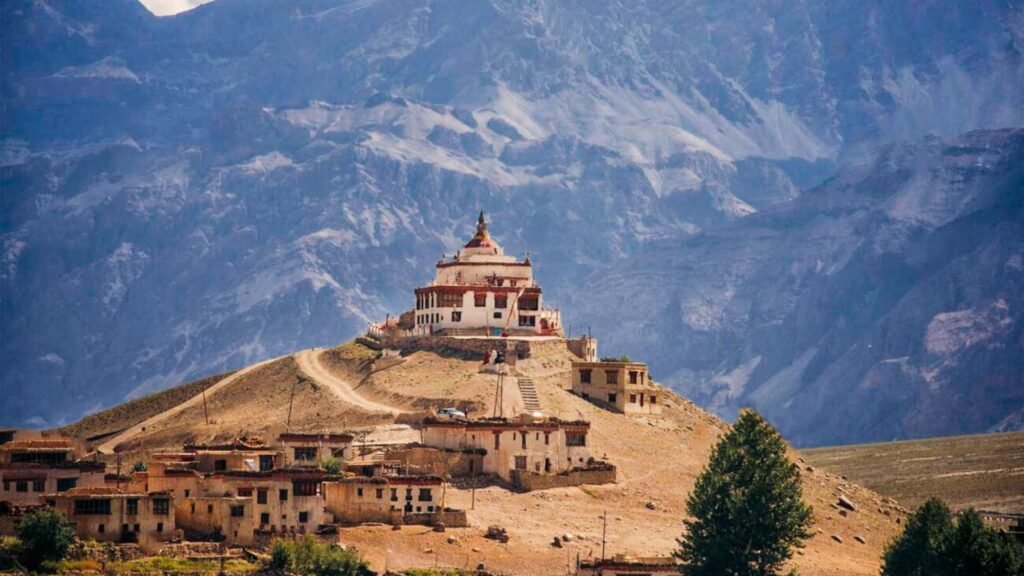
This is not a casual snow-picnic point, so a few people should skip it. Very young kids, elderly travellers with heart or lung concerns, and anyone prone to altitude sickness are taking on real risk at 16,600 ft with no nearby medical help.
Also skip it if you have a fixed flight the next day, because one road block can eat half a day and a missed flight stings far more than a delayed plan. And do not attempt it in a low-clearance car, full stop.
If you want easy snow with cafe comfort and gentle scenery, Sissu or other Lahaul spots will make you much happier than a hard push to Shinkula.
What to Do If Shinkula Is Closed or Unsafe?
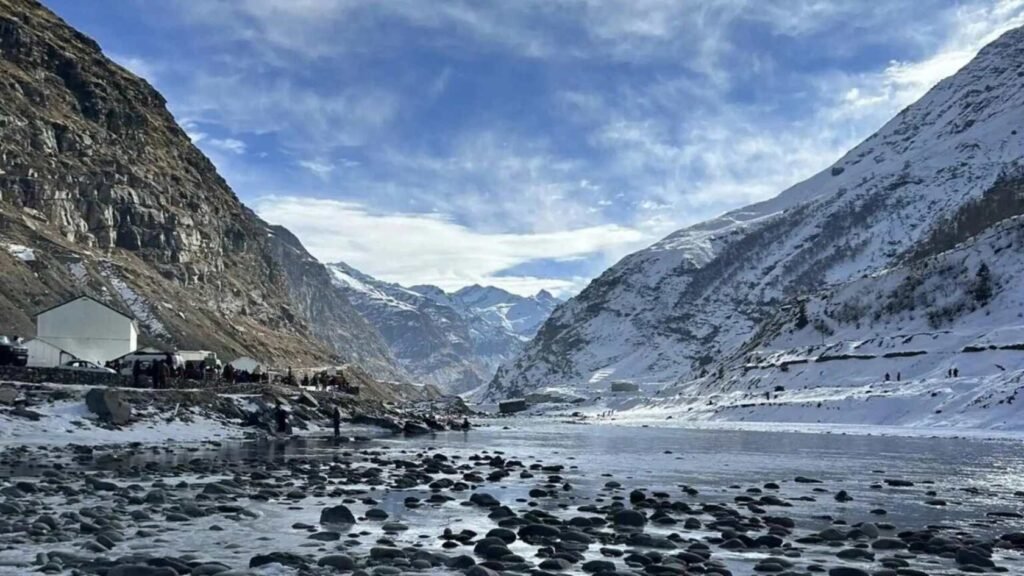
Do not force it. If the pass says no, the surrounding region is still loaded with good days.
Stay in Sissu, explore Keylong and Jispa, do a relaxed Lahaul drive, or pivot to a wider plan. If your dates allow and the routes are open and permitted, Chandratal can slot in later in the season — we cover how that window works in our Spiti Valley in July guide, which also explains the road-status logic that applies to Shinkula too.
Whatever you do, do not push towards the pass just because a reel shows snow. Reels are usually BRO convoys or heavily equipped local vehicles, not a normal tourist car on a normal day.
Shinkun La Tunnel Update 2026
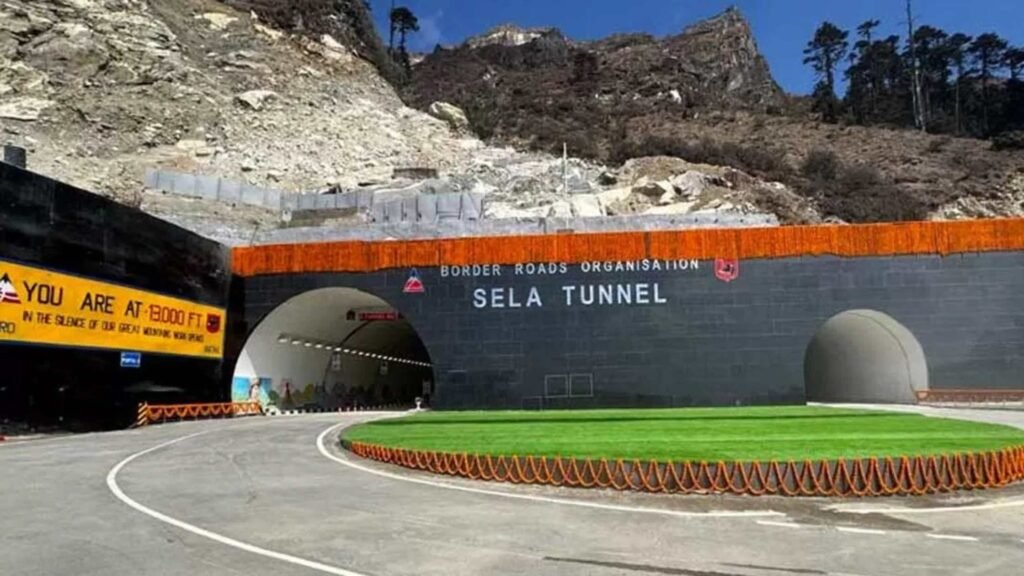
The Shinkun La Tunnel is under construction, and it is not a reason to ignore current road status. PIB describes it as a 4.1 km twin-tube tunnel at around 15,800 ft on the Nimu–Padum–Darcha Road, built to give all-weather connectivity towards Leh.
BRO’s Project Yojak is responsible for the Shinkun-La Tunnel along with the 298 km Nimu–Padam–Darcha road. Major construction began in 2025, with completion currently targeted for around 2028.
Once it is operational, it should bypass the pass entirely and change Zanskar connectivity for good. But for June 2026 travellers, that future does not help you yet. Treat Shinkula as a seasonal, condition-dependent pass, exactly as you would have last year.
If the off-road romance of this whole region is the draw, our bike expedition routes and 4×4 plans run through this belt every season.
Final Local Advice for Shinkula Pass in June
June is a good month to do this if you bring three things — the right vehicle, the right driver, and a flexible plan. Get those right and Shinkula in June is one of the most rewarding crossings in the Indian Himalaya.
Late June is the safer bet for most tourists. Early June is for people who genuinely accept uncertainty and will roll with a changed plan. And above everything, remember that road status beats the calendar every single time on this route.
If you would rather not gamble on the logistics, browse our full range on the Himachal tour packages page, or just contact HimTrails and we will shape a Shinkula plan around your dates, your group, and your comfort with rough roads.
👉Want this trip done right? Let’s plan it.
Frequently Asked Questions
Also Read: Kunzum Pass in June 2026: Road Status, Weather, Route Tips and Safety Guide
Ready for Your Himachal Adventure?
Get FREE customized itinerary · Best Price Guaranteed · Local Himachal Experts · 3,973+ Happy Travelers