If you are planning Shinkula Pass in September, here is the honest version most blogs skip. September is one of the better months to cross this pass, but the road can shut and reopen inside the same week. On 2 September 2025 the Darcha–Shinku La–Padum road was blocked after flash floods, and by 16 September 2025 it was open again. That single month tells you everything about how this route behaves.
We are a Shimla-based team at HimTrails, and we send travellers across Lahaul and Zanskar every season. This guide covers whether September works, whether the road is open, how risky late September gets, what vehicle you need, snow chances, permits, stays, and what to do if the pass closes on you.
Quick Answer: Is Shinkula Pass Good in September 2026?
Yes, Shinkula Pass in September is usually a good time, especially early to mid September when the route is more settled than early summer.
Late September gets colder and more unpredictable, with fresh snow possible near the top. Treat it as a bonus, not a guarantee.
Same-day road status matters far more than any general best-time advice. A pass that is open on Monday can close by Tuesday afternoon.
Our team recommends checking the Darcha–Shinkula–Padum stretch specifically, not just the Manali–Keylong road, before you commit. We can verify live status for you on WhatsApp.
👉 Confused? Let locals plan your trip.
Shinkula Pass in September at a Glance
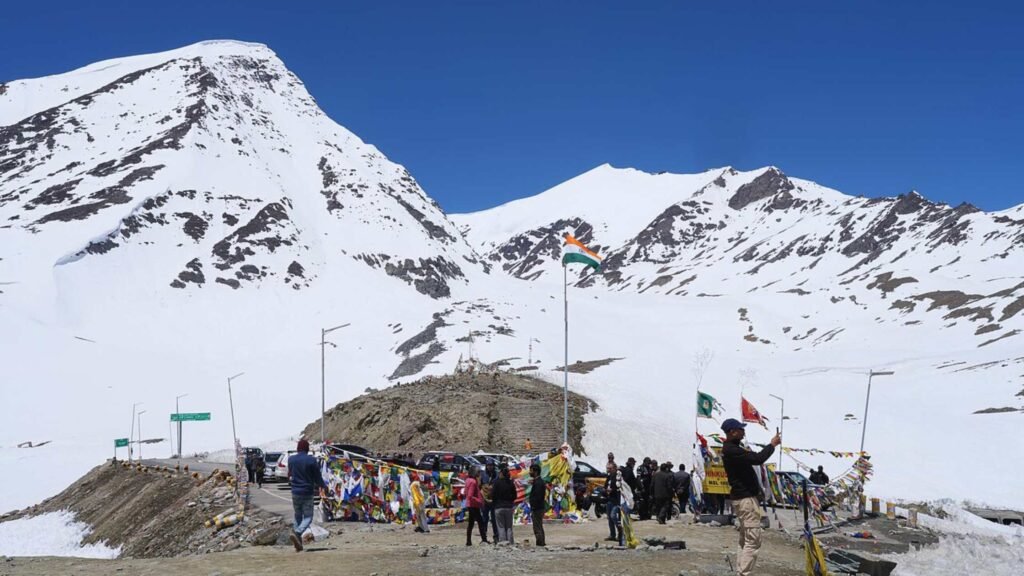
Road reliability in September is moderate to good, better in the first half of the month. Snow chance is low to medium, mostly old patches near the top with a small risk of fresh snow late in the month. The ideal traveller is someone comfortable with rough high-altitude roads, not a first-time hill driver.
For vehicle, a high-ground-clearance SUV is the safer minimum and a 4×4 is strongly recommended after rain or fresh snow. Your best base stays before the climb are Sissu, Keylong or Jispa. A short plan needs 2 days from Manali; a full Padum run needs 4 days or more.
Where Is Shinkula Pass and Why Is It Popular?
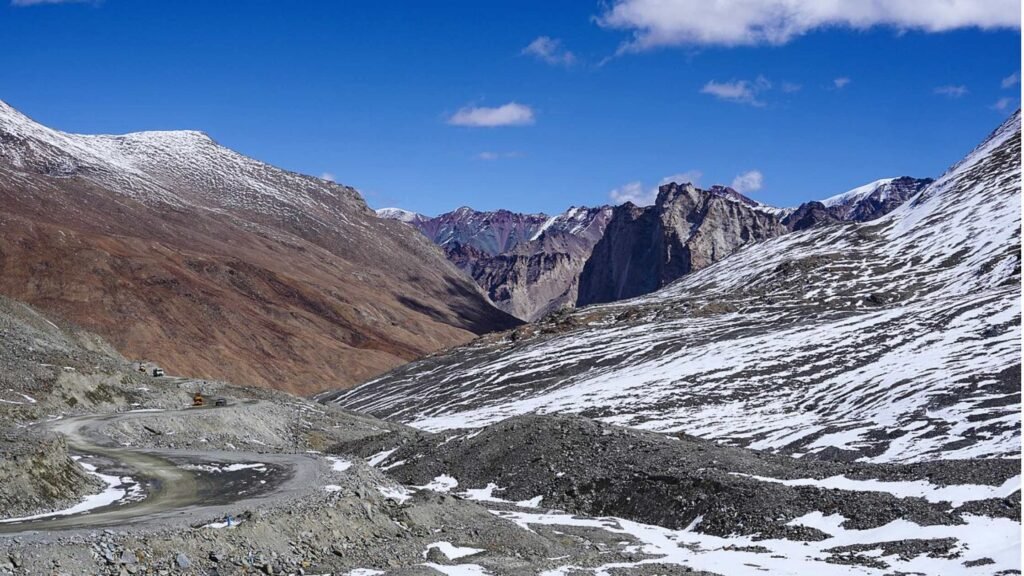
Shinkula Pass sits on the Nimu–Padum–Darcha road and connects Lahaul in Himachal Pradesh with Zanskar in Ladakh. You will also see it written as Shinku La, Shingo La and Shinkun La — same pass, different spellings.
From the Manali side, the route flows through the Atal Tunnel, Sissu, Tandi, Keylong, Jispa, Darcha, then over Shinkula and on to Gonbo Rangjon, Kargyak, Purne and finally Padum. It is the shorter, wilder way into Zanskar that skips the long Kargil detour.
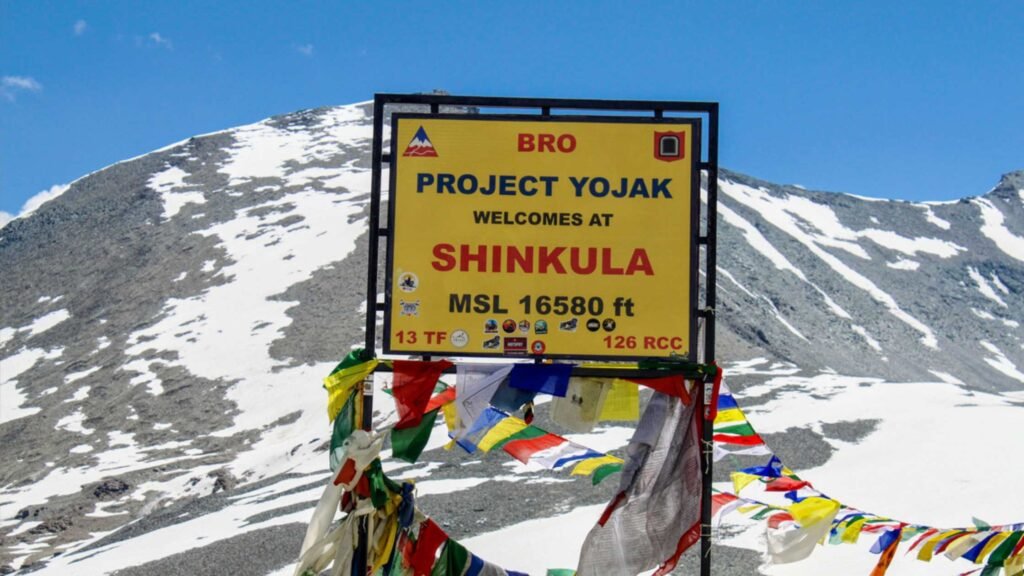
The altitude is roughly 16,580 ft (about 5,050 m). Some sources list around 5,091 m, so treat the exact number as approximate. Either way, you are very high up, and altitude planning is not optional.
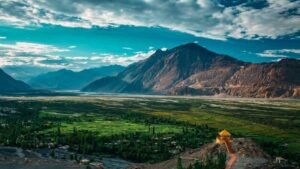
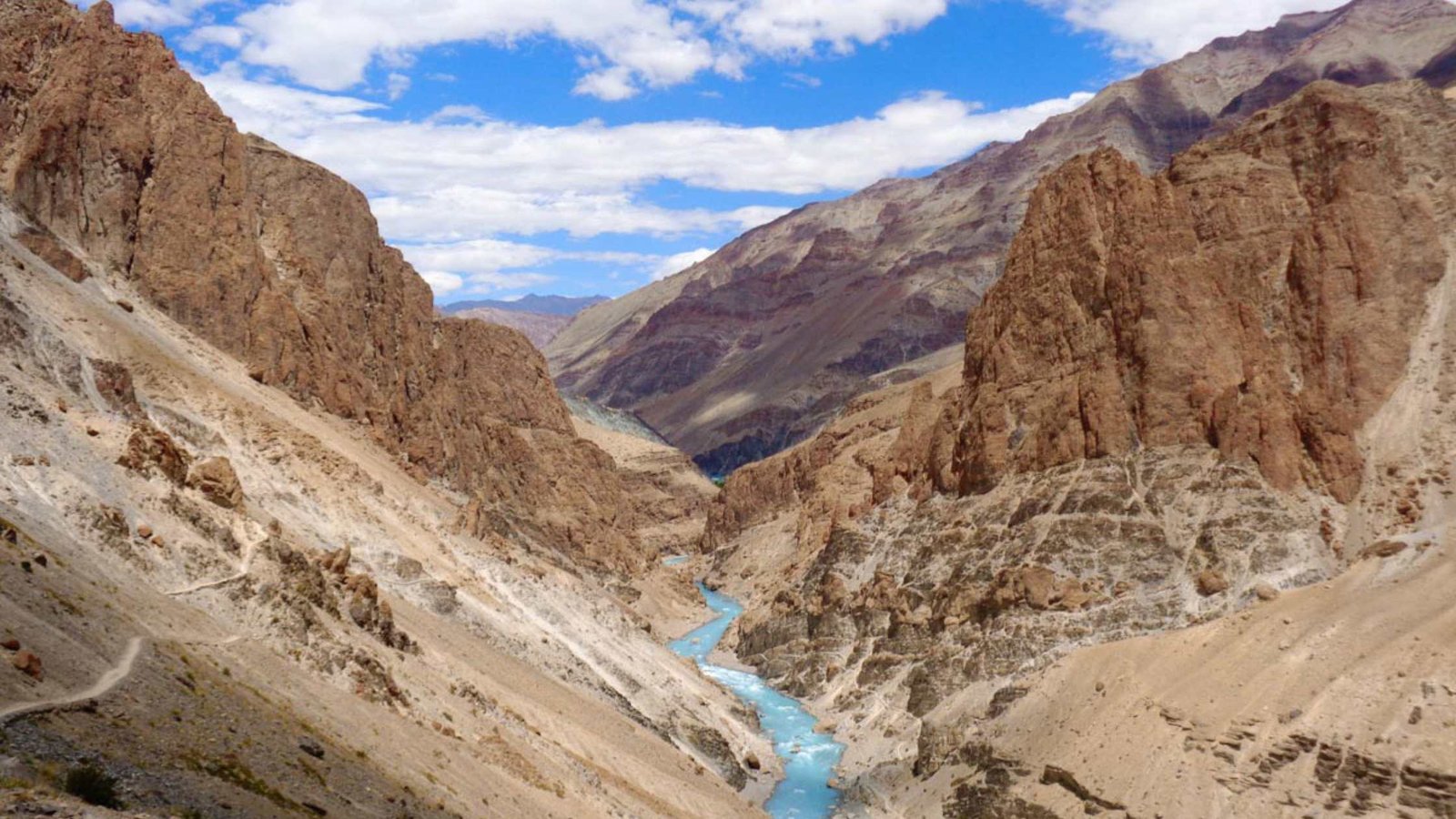
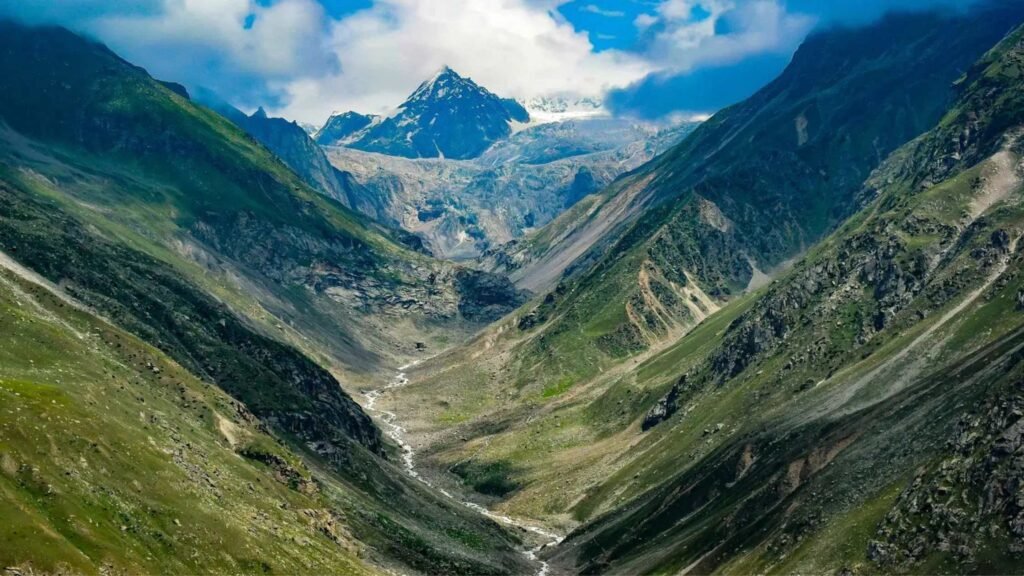
People love this route because it is raw. Barren Zanskar valleys, the lone rock tower of Gonbo Rangjon, and almost no traffic. If Manali is your base, our Manali tour packages help you set up the trip properly, and travellers heading deeper into Ladakh often pair this with our Leh Ladakh tour packages.
What most tourists get wrong: they treat Shinkula like a quick photo point. It is not. This is a serious high-altitude crossing on a road that changes with the weather. Plan it like an expedition, not a day drive.
Is Shinkula Pass Open in September 2026?
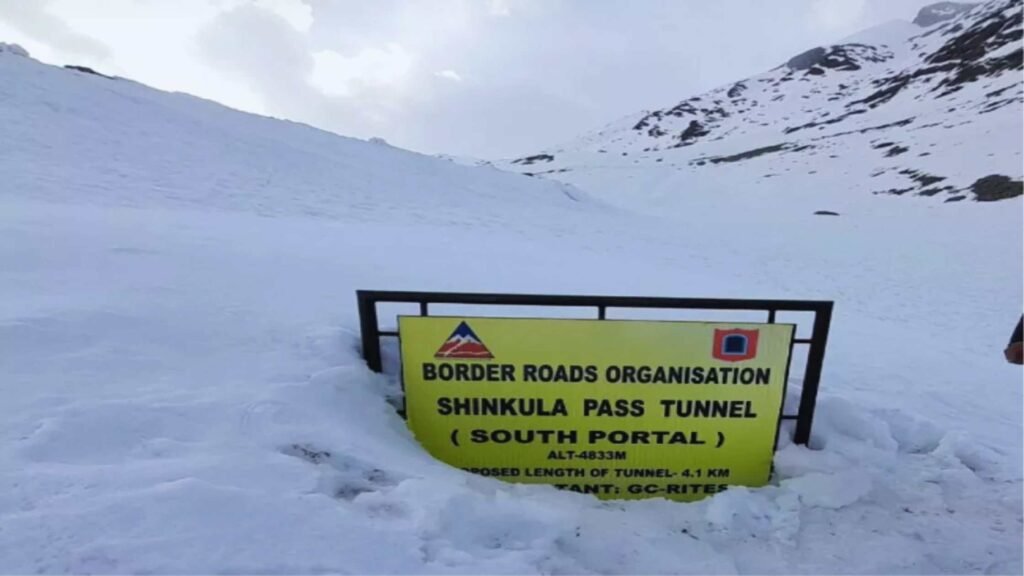
September sits inside the usual practical window for this route, but open is not guaranteed. Road status can flip due to snow, rain, flash floods, landslides, water crossings, shooting stones, police restrictions or BRO work.
The clearest proof is 2025 itself. On 2 September 2025, the Darcha–Shinku La–Padum road was reported blocked after flash floods, traffic was stopped at Darcha, and snowfall was reported around Shinku La. Then on 16 September 2025, the Manali–Darcha–Shinkula–Padum road was reported open again. Same month, two very different realities.
Here is the trap. The official Lahaul and Spiti district road-status page showed Manali–Keylong open and Keylong–Leh open, last updated 24 June 2026. But it did not separately list Darcha–Shinkula–Padum in the visible table. So do not assume the Shinkula stretch is fine just because Manali–Keylong is green. Check that diversion on its own. This uncertainty is normal for high Himalayan passes.
What Is the Road Condition Like in September?
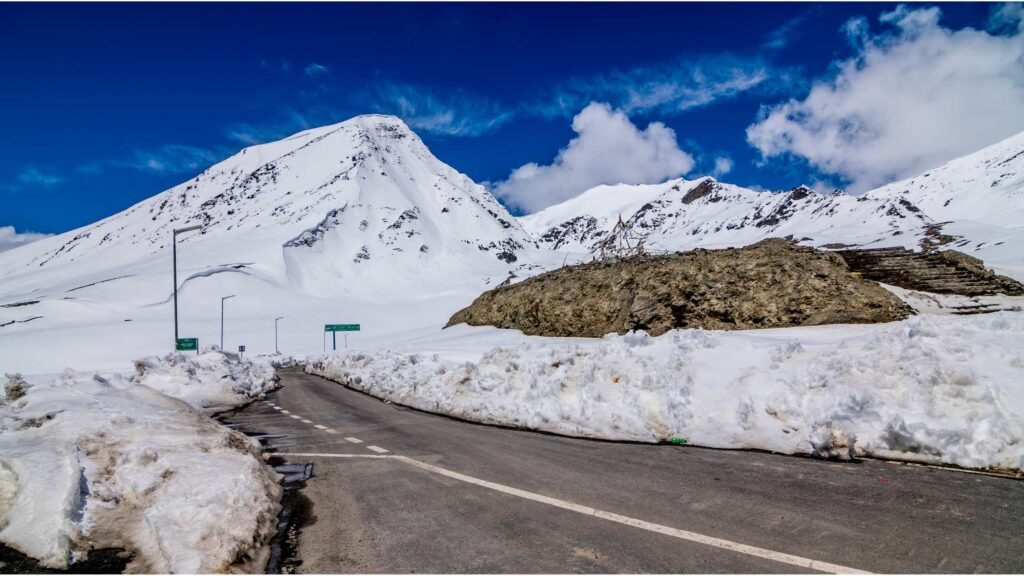
The road is not one road. It changes character in four clear stages, and each stage needs a different mindset.
Manali to Sissu via Atal Tunnel
This is the easy part. You cross the Atal Tunnel and drop into Sissu in about an hour and a half of relaxed driving. Smooth tarmac, tea stalls, and a soft landing into Lahaul.
Sissu is a smart first-night halt if you want a calm start and some altitude adjustment. Our Sissu tour packages work well for travellers who want to ease into the region before the hard driving begins.
Local tip most guides miss: fill your tank in Manali before the tunnel, not after. Fuel gets unreliable once you are past Tandi, and you do not want to gamble on it.
Sissu to Keylong, Jispa and Darcha
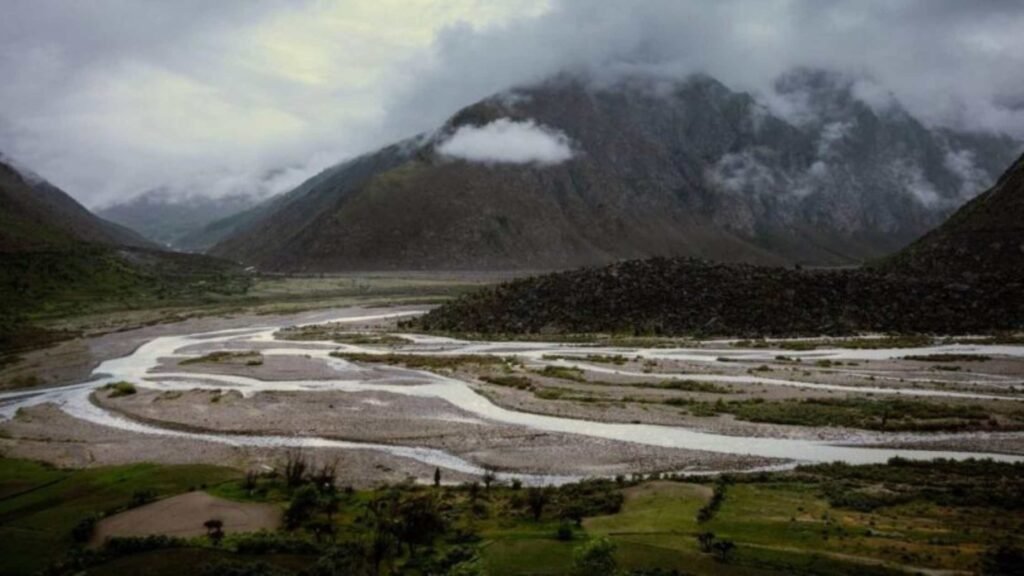
This stretch is mostly manageable and gives you fuel, food, beds and time for your body to adjust. Keylong is the main town with proper stays. Jispa is quieter, right on the river, and a favourite last comfortable night before the climb.
Tandi is the last reliable fuel pump before the Zanskar diversion. Treat it as your final proper top-up point. In our experience, travellers who skip a full tank at Tandi regret it badly around Purne.
Skip this: do not rush from Manali to Darcha in one push and expect to feel great at the pass. Spending a night around Jispa does more for your altitude health than any tablet.
Darcha to Shinkula Top
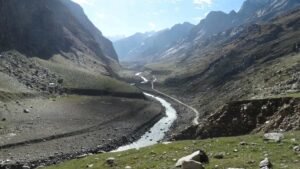
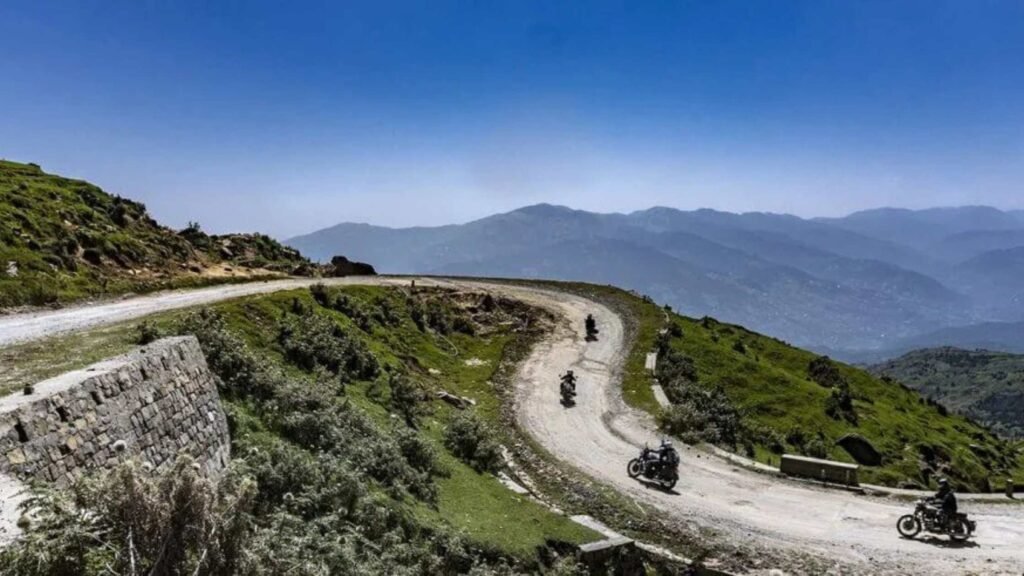
This is the serious stretch. Expect rough patches, slush, water crossings and weather that changes within an hour. Police can restrict movement here, and in early or late season the top gets slippery with snow and ice.
The evidence is on record. On 8 May 2026, the Padum–Shinkula–Darcha road was open but only 4×4 vehicles were allowed near Shinku La, and all vehicles were permitted only till mid-way of the Darcha–Shinkula road. On 25 April 2026, the route was open only for 4×4 vehicles, the area near Shinku La was extremely slippery, and anti-skid snow chains were advised.
Start early. Cross the top in the morning while conditions are stable, and verify status the same day. We tell travellers this clearly: an afternoon attempt in bad weather on this stretch is not worth the risk.
Shinkula to Gonbo Rangjon, Kargyak, Purne and Padum
Past the pass, you are in deep Zanskar. This section is for road-trippers heading to Padum, not casual sightseers turning back. Help is limited, phone network is patchy to nonexistent, and the nearest garage could be hours away.
Gonbo Rangjon, the sacred rock tower, is the visual highlight here. But respect the isolation. Carry water, snacks, a power bank and offline maps, and never drive this after dark.
What Is Shinkula Pass Weather in September Like?
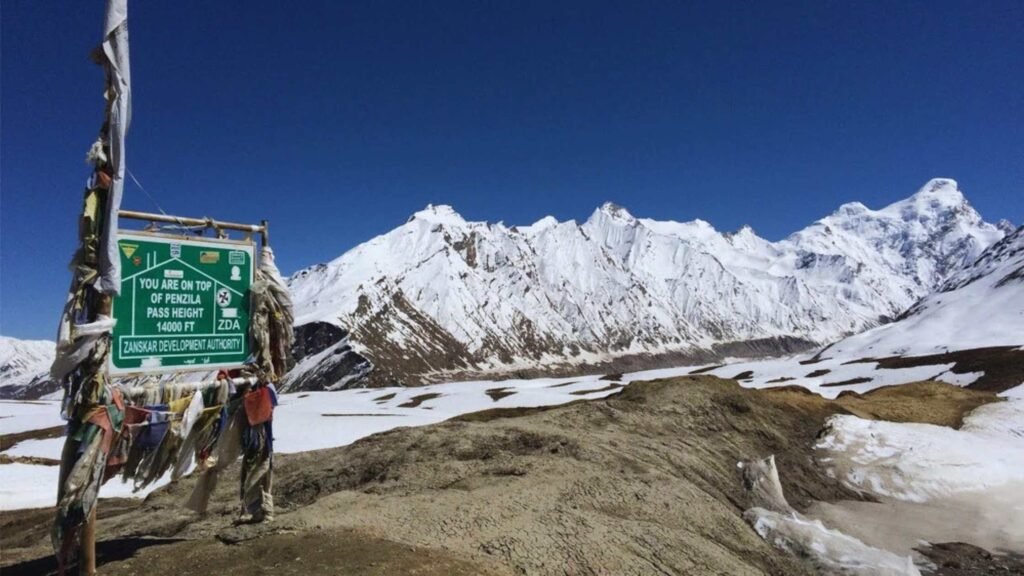
Early September is the friendlier half. Clear skies, strong daytime sun and cold but manageable nights. Late September flips colder, with sharper winds and a real chance of fresh snow near the top.
A Shinkula-specific route guide estimates September at the pass around 5°C to 10°C in the day and around -5°C at night, with light snow possible towards the end of the month. Treat these as rough figures and check live weather before you leave.
One big mistake: judging Shinkula by Manali’s weather. Manali can be warm and sunny while the pass is snowing. The two are worlds apart in altitude. Always check the high-altitude forecast, not the town below.
Will There Be Snow at Shinkula Pass in September?
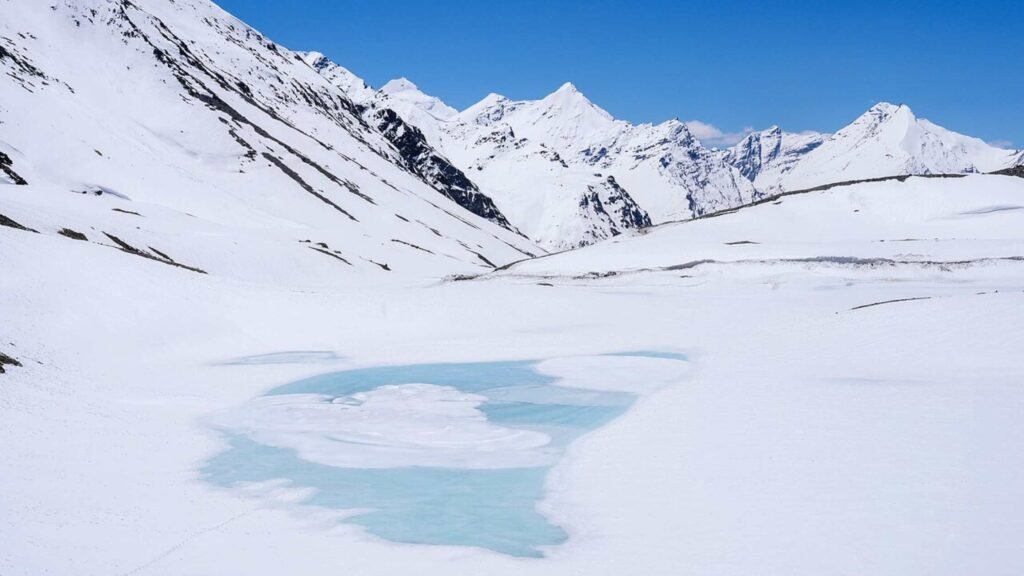
Snow is possible but not guaranteed. In early and mid September you will mostly see old snow patches clinging to the higher slopes rather than deep walls.
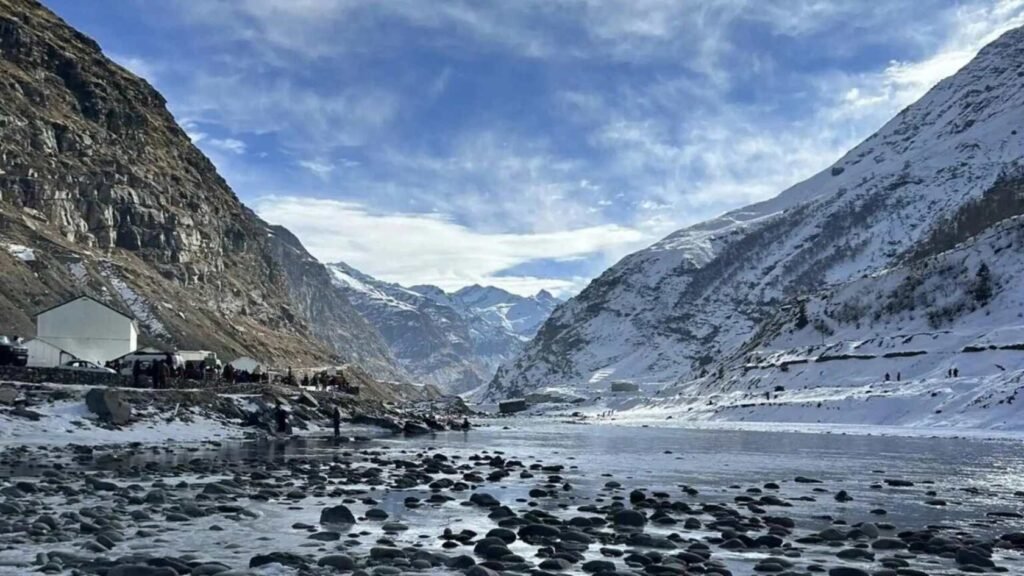
Late September is when fresh snow can arrive without much warning, and that is exactly when the road turns slippery and 4×4 becomes non-negotiable. If snow walls are your dream shot, September is not the month for it.
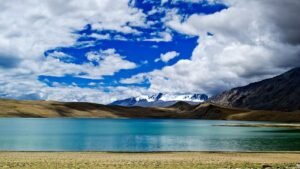
What September does give you is clearer views and cleaner Zanskar access. The landscape is open, the light is crisp, and the driving is easier than the snow-heavy early season. For most travellers, that trade is worth it.
Is September Better Than June, July or October?
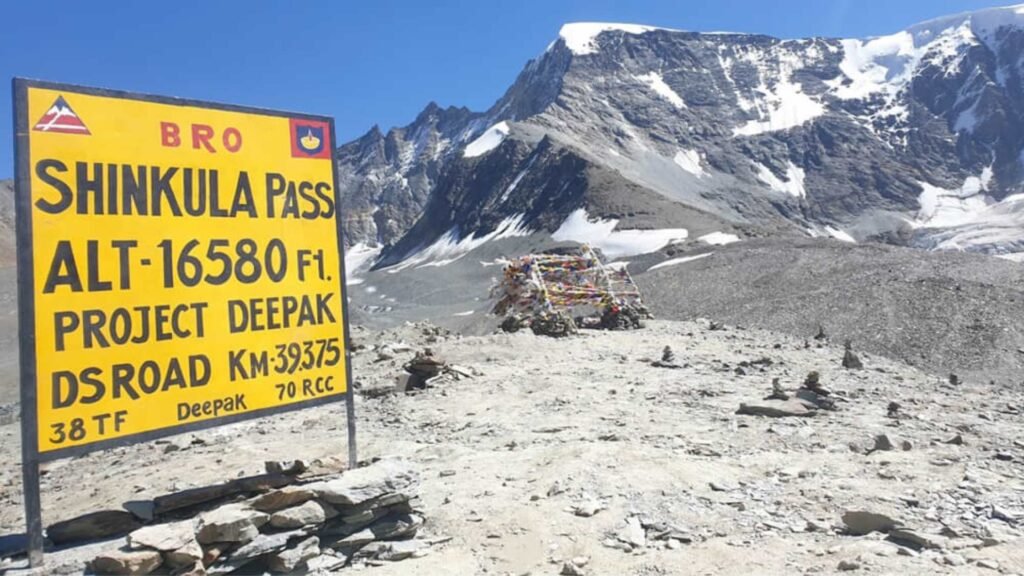
June is dramatic but rough. The route is still shaking off winter, snow patches are common, and the road can be unstable. Good for experienced adventurers, hard for first-timers.
July and August bring the most settled roads on the Zanskar side, but the Manali approach can catch rain and slush, and this is peak season with more traffic. Solid months if you plan buffer days.
September, especially early to mid, is our pick for the balance of clear weather, open roads and thinner crowds. October is a gamble. Early October can be stunning, but snow can shut the pass fast, and camps and help thin out. We do not overpromise any month here — this is a mountain, not a calendar.
👉 Pick the right stay & route — we’ll help.
Can a Normal Car Go to Shinkula Pass in September?
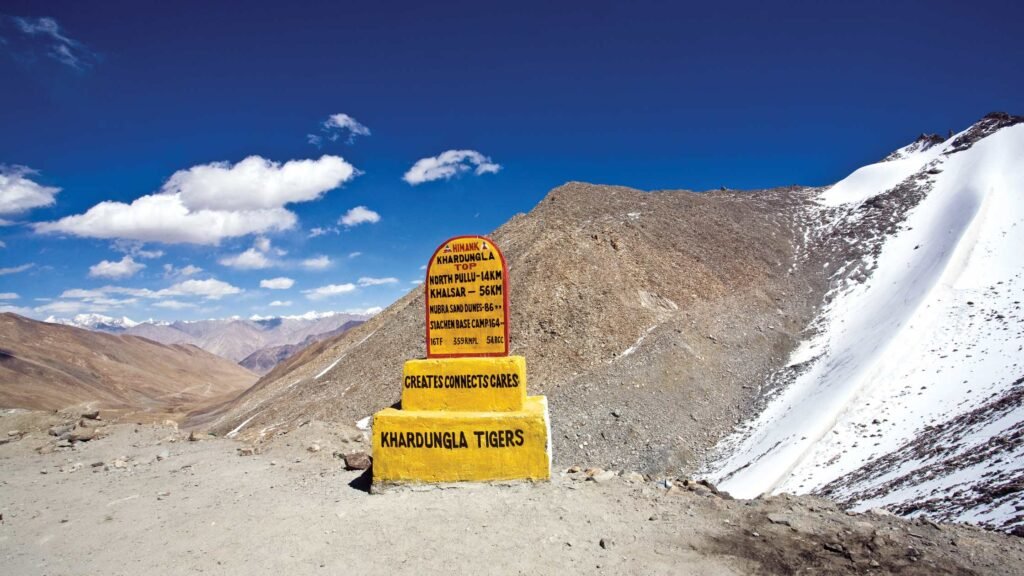
A normal car may manage Manali to Darcha in good weather. The road up to that point is mostly reasonable when it is dry.
Beyond Darcha is a different story. Low sedans and hatchbacks are not recommended for the Darcha to Shinkula section because of rough sections, poor traction, water crossings, slush and underbody risk. You will scrape, get stuck, or worse.
A high-ground-clearance SUV is the safer minimum, and a 4×4 is strongly recommended after rain, fresh snow, slush, police warnings, or early and late-season conditions. Serious riders on a Royal Enfield 350cc and above or a strong adventure motorcycle do this route too, but only if they are genuinely experienced. This is not a beginner ride.
If you want the right vehicle sorted without stress, our 4×4 expedition experiences and guided bike expeditions cover Zanskar-style routes with backup support.
Do You Need a Permit for Shinkula Pass in September 2026?
For domestic travellers, route guides say you generally do not need a Ladakh Inner Line Permit just for the Manali–Zanskar route via Shinkula as of 2026. Still, checkpoints may record your ID, vehicle number and passenger count, so keep documents ready.
On the Himachal side, HP e-Aagman says vehicles entering Lahaul and Spiti have to apply for an e-pass. It lists an e-permit per vehicle for the Atal Tunnel–Rohtang–Koksar–Chandertal circuit and an e-ticket per vehicle for other places. Rules shift, so verify the exact current requirement before you travel.
Practical checklist: carry ID proof, driving licence and RC, keep your phone charged, and save offline copies of everything. Networks vanish past Darcha, and a screenshot beats a dead signal at a checkpoint.
Can You Do Shinkula Pass as a Day Trip from Manali?
Technically possible in clear conditions with an experienced local driver, but we do not recommend it for most travellers. The distance, altitude gain and rough top make a same-day return exhausting and risky.
A far better plan is to stay a night in Sissu, Keylong or Jispa first, then tackle the pass fresh the next morning. Your body adjusts, your driving stays sharp, and you actually enjoy the place instead of surviving it.
We tell first-timers this plainly: rushing altitude is the fastest way to ruin a Himalayan trip. If you want us to build a safe, paced plan and check live road status, reach out to us.
Best September Itinerary for Shinkula Pass

2-Day Plan from Manali
Day 1: Drive Manali to Sissu, Keylong or Jispa. Settle in, adjust to altitude, top up fuel at Tandi on the way.
Day 2: Early start to Darcha and Shinkula. Cross the top in the morning, spend time at the pass, and return based on road and weather. Keep it flexible.
4-Day Plan to Padum
Day 1: Manali to Jispa. Easy driving day, last comfortable beds before the wild section.
Day 2: Jispa over Shinkula to Purne or Padum. This is the long, serious day. Start at first light.
Day 3: Explore Padum, the Phuktal side, or local Zanskar villages. Rest and soak it in.
Day 4: Return the way you came, or continue deeper depending on route status.
7-Day Zanskar–Leh Plan
For the full expedition, the allowed distance markers help you plan pace. Manali to Keylong is 72 km, Keylong to Darcha is 32 km, Darcha to Kurgiakh is 83 km, Kurgiakh to Purne is 29 km, and Purne to Padum is 56 km. One route guide lists Manali to Padum as about 246 km.
For the onward Leh leg, one guide lists Manali to Leh via Kargil and Zanskar as about 699 to 700 km, and via Lingshed and Zanskar as about 536 to 540 km. Do not lock tight driving times to these numbers — road conditions decide the real day.
A 7-day version usually means Manali to Jispa, over Shinkula to Padum, two days exploring Zanskar, then onward to Leh with buffer built in. Our Leh Ladakh tour packages are built exactly for this kind of long crossing.
Where to Stay Before and After Shinkula Pass
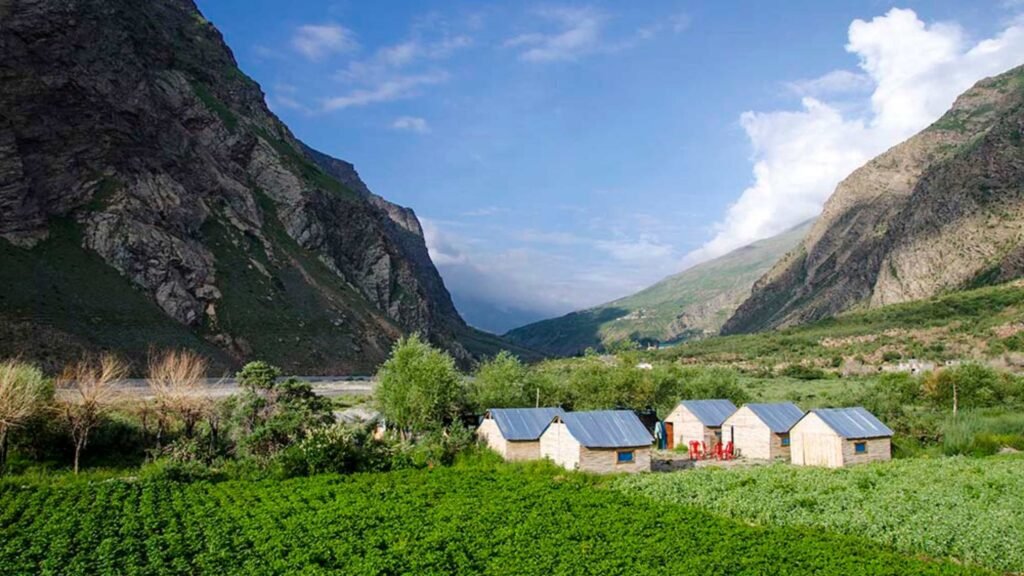
Sissu is the calmest first halt, right after the tunnel, good for easing into altitude. Keylong is the practical hub with the most options, and Jispa is the scenic riverside pick for your last comfortable night before the pass.
Past the pass, Padum is your Zanskar base. Homestays along the Zanskar route are reported around ₹1,000 to ₹1,500 per person including meals. Prices change with season and demand, so confirm before you rely on them.
Book flexibly and keep a buffer day. If the pass closes, you want the freedom to wait it out or reroute without losing money on rigid bookings.
Fuel, Network and Food on the Shinkula Route
Tandi is your last reliable fuel pump before the Zanskar diversion. Fill up fully here, every time.
Padum has fuel options, but availability can be limited or unreliable. For longer Zanskar or Leh runs, route guides suggest carrying 20 to 30 litres of extra fuel safely — treat that as a long-route precaution, not a rule for a short day trip.
Mobile network is limited. Route guides say BSNL postpaid has the best chance in some spots, while Jio and Airtel often drop after Darcha. Download offline maps before you lose signal, and carry enough cash, snacks, water and a power bank. Cards and UPI are useless out here.
What to Pack for Shinkula Pass in September

Layer up. You want thermal inners, a fleece, and a proper windproof jacket, because a sunny afternoon can turn into a freezing, windy evening within an hour. Add warm gloves and a beanie for the top.
Sun protection is not optional at this altitude. Carry sunglasses, high-SPF sunscreen and lip balm — the UV here burns faster than you expect, even on cool days.
For health, pack basic medicines, ORS for hydration, and personal prescriptions. For the vehicle, carry a spare tyre, a basic toolkit and a power bank. Keep enough cash and all your documents in a waterproof pouch. In our experience, the travellers who pack for both sun and snow in the same bag are the ones who enjoy this route.
Who Should Avoid Shinkula Pass in September?
Skip this route, or do it only with a full support team, if you are travelling with very small kids or elderly members with heart or breathing concerns. The altitude and cold are unforgiving for vulnerable travellers.
Also think twice if you are prone to altitude sickness, driving a low-clearance car, a first-time mountain driver, an inexperienced rider, or someone with zero buffer days. This is not a route to attempt under time pressure. When in doubt, let an experienced driver handle the hard sections.
Safer Alternatives if Shinkula Pass Is Closed
If the pass shuts, you still have great options nearby. Sissu, Keylong and Jispa are worth days on their own, with waterfalls, monasteries and easy riverside stays that need no high-pass gamble.
You can also swing your plan toward Spiti, which offers a similar cold-desert experience with more reliable access. Our Spiti Valley tour packages make a strong plan B when Zanskar is out of reach.
Closer to base, Manali keeps you busy while the weather clears. Browse our adventure activities in Manali for a full backup day.
Planning Shinkula Pass the Right Way
Shinkula Pass in September rewards travellers who respect it. Get the timing right, carry the right vehicle, keep buffer days, and check the road the same day you drive. Do that, and Zanskar opens up in a way few people ever see.
We drive these routes every season, and we would rather help you plan it right than see you stuck at Darcha. Message the HimTrails team, tell us your dates, and we will sort the road status, stays and the right 4×4 for your trip.
👉 Want this trip? Let’s plan it right.
Frequently Asked Questions
Also Read: Rohtang Pass in September 2026: Weather, Snow, Permit, Road Status and Local Travel Tips
Ready for Your Himachal Adventure?
Get FREE customized itinerary · Best Price Guaranteed · Local Himachal Experts · 3,973+ Happy Travelers