Planning Spiti Valley in August is a bit of a gamble, and anyone who tells you otherwise has not driven the Kinnaur road in monsoon.
The valley itself stays mostly dry because it sits behind the big Himalayan ranges in a rain shadow. The problem is getting in and out, because the roads that take you there pass through Kinnaur, Manali and lower Himachal, where the monsoon hits hard.
We run trips through this exact window every year from our Shimla base, and August travellers fall into two groups. The ones who keep their plan flexible love it. The ones who book tight flights and zero buffer days end up stressed.
This guide gives you the real picture. Weather, rain, routes, Chandratal status, a day-wise plan, cost, permits and the local tips we actually tell our travellers before they leave.
Quick Answer: Is August a Good Time to Visit Spiti Valley?
Yes, you can visit Spiti Valley in August, but treat it as a flexible traveller’s month, not a zero-risk holiday month.
Spiti stays relatively dry thanks to the rain-shadow effect. The trouble is the approach roads through Kinnaur, Manali and lower Himachal, which can throw landslides and closures at you in monsoon.
For most people we suggest entering from the Shimla-Kinnaur side, keeping 2 to 3 buffer days, and checking road status the same day you plan to drive each tough stretch.
If you want a ready-made plan, our Spiti Valley tour packages are built with these exact buffers and same-day checks in mind.
👉 Confused? Let locals plan your trip.
What Is Spiti Valley Weather in August Like?
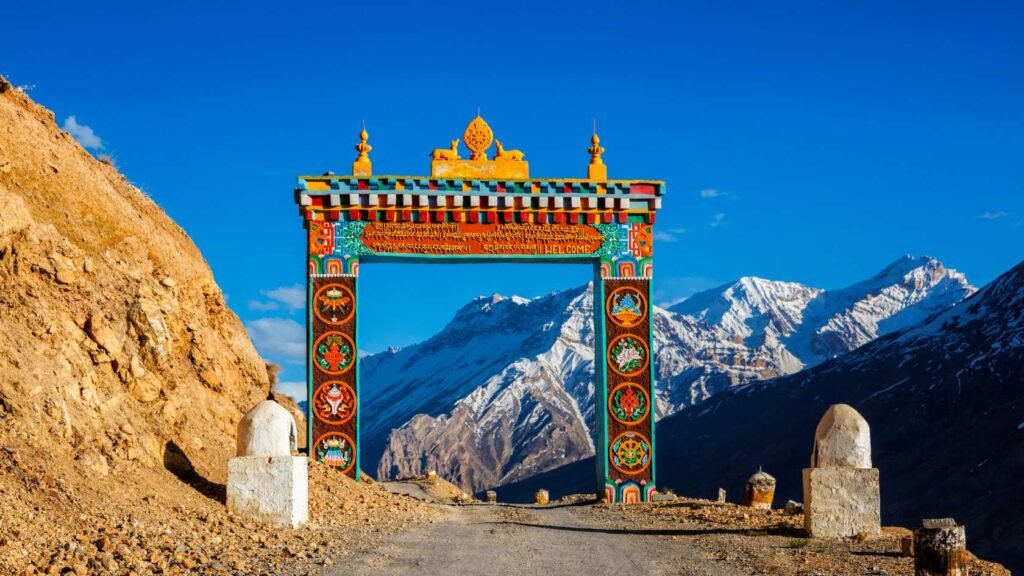
Here is the honest part. August weather sources do not agree with each other, so plan for pleasant but unpredictable days rather than a fixed forecast.
A safe way to think about it: days can feel pleasant, roughly 10 to 25°C depending on altitude and cloud cover. Nights can drop to around 0 to 10°C in the higher places.
If you want exact numbers, the sources split. MakeMyTrip lists a colder August range of about 0.7°C to 11.9°C with 48 mm of rain, while several travel guides quote daytime 15 to 25°C and nights 5 to 10°C.
What this means on the ground is simple. Expect cloudy skies, short showers, chilly evenings and very strong sun at altitude, sometimes all in the same day.
This is why layers beat one bulky winter jacket. A thermal, a fleece and a windproof shell handle the swings far better than a single heavy coat that you cannot adjust.
Does It Rain in Spiti Valley in August?
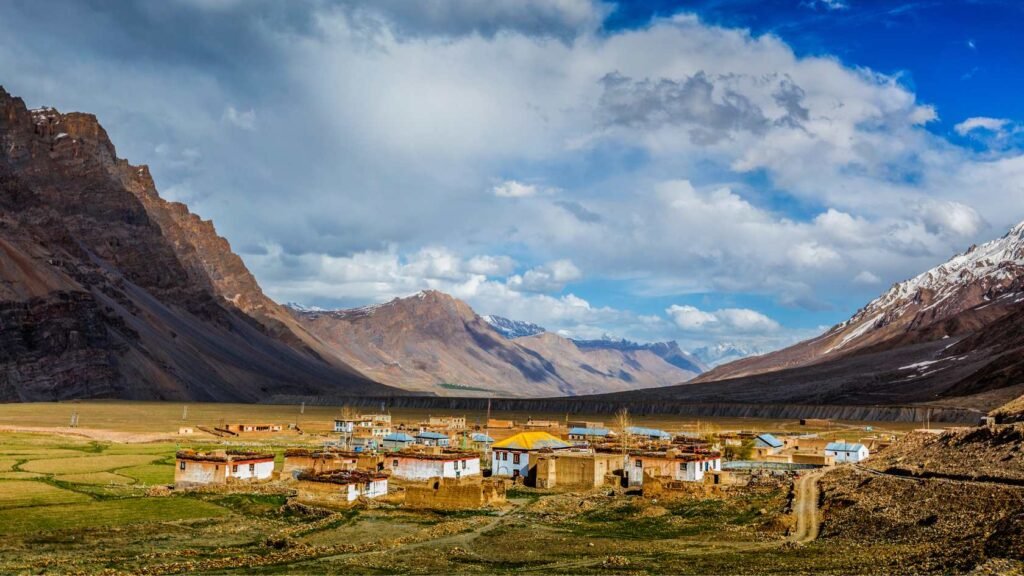
Spiti gets far less rain than lower Himachal because it lies in a rain-shadow region. That does not mean it stays bone dry.
You can still get short drizzle, heavy clouds and road conditions that change within hours. The bigger monsoon problem is the approach, not Spiti itself.
The risky stretches are the ones that take you in and out, through Kinnaur, Manali, Mandi, Kullu and the Shimla side. These are where the rain does real damage.
Watch for landslides, shooting stones, slush, water crossings and temporary road closures. Spots like Malling Nala, Negulsari and the Gramphu to Batal stretch need real caution in August.
In our experience, the single biggest August disruption is not inside Spiti at all. It is a slide on the Kinnaur road near Rampur or Reckong Peo that holds traffic for a few hours.
Which Route Is Better for Spiti in August: Shimla or Manali?
There are two ways into Spiti, and in August they behave very differently. One is gentler on your body and your nerves, the other is shorter but rougher.
Shimla-Kinnaur-Kaza Route in August
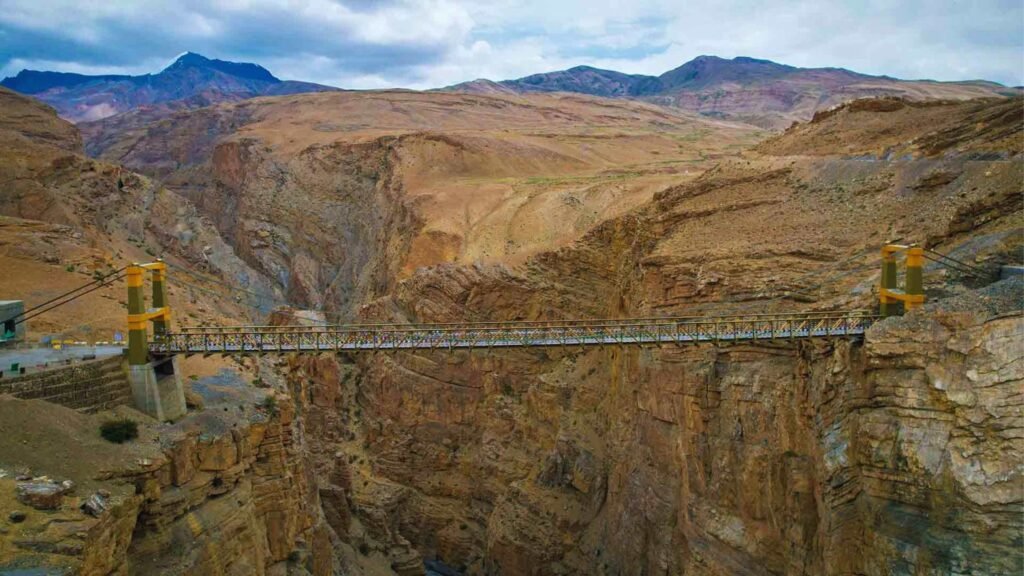
This is the route we suggest for most first-timers in August. You gain altitude slowly, and you skip Kunzum Pass on the way in, which removes one big point of failure.
The catch is that Kinnaur is monsoon country. You will still face rockfall and landslide risk on this side, so same-day road checks matter.
For distances, Shimla to Kaza via Kinnaur is around 420 km. Delhi to Kaza via the Shimla side is about 680 km and usually takes 2 to 3 days with stops.
Good overnight stops are Narkanda or Rampur first, then Kalpa or Reckong Peo, then Tabo or Kaza. This slow climb is also the best thing you can do for altitude.
If you want to add the apple-orchard valleys on the way up, our Kinnaur packages pair perfectly with a Spiti run.
Manali-Kaza Route in August
This route is shorter but rougher, and it depends on high mountain stretches staying open.
Manali to Kaza is roughly 180 to 200 km and can take 8 to 12 hours depending on road conditions. That is a full, tiring day.
The Gramphu to Batal stretch is about 47 km and is one of the roughest parts of the whole circuit, with loose gravel, broken surfaces and water crossings.
One local tip that saves trips. Water crossings here are usually lower in the morning and get stronger later in the day as the snowmelt picks up. Cross them early.
If you want to base part of your trip on this side, our Manali packages cover the Atal Tunnel side properly.
Best Route Recommendation
Our standard August advice is to enter from Shimla and exit via Manali only if Kunzum, Batal and the Chandratal side are confirmed safe on your travel dates.
If those are not confirmed, do not force it. Return the way you came, via Shimla and Kinnaur. A clean trip out beats a stranded night at Batal.
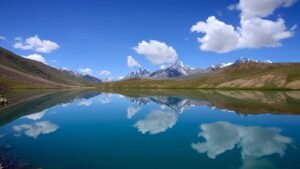
Is Chandratal Lake Open in August?
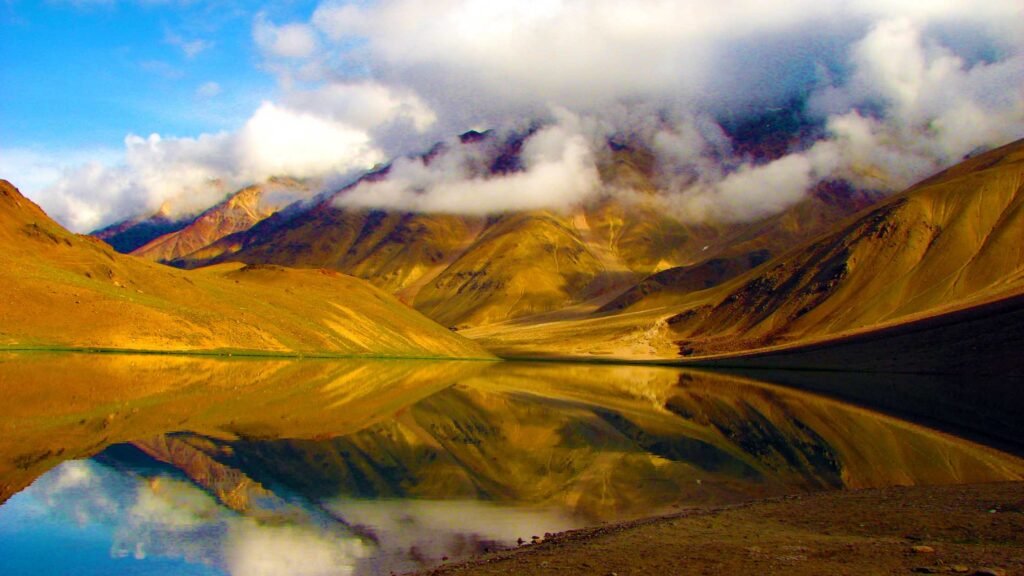
Chandratal access depends on three separate things, and all three need to line up. Kunzum Pass, the separate Batal to Chandratal diversion road, and the camp operations at the lake.
For context, in 2026 BRO reopened the Sumdo-Kaza-Gramphu highway via Kunzum for 4×4 vehicles in late May. Even so, Chandratal access has to be checked on the same day you plan to go.
The Batal to Chandratal diversion usually clears 1 to 2 weeks after Kunzum opens, and camps generally start coming online from mid-June onward.
For August, access is usually possible in a normal year. The honest caveat is that rain, water crossings or a local order can change conditions fast, so treat Chandratal as a maybe until your driver confirms it on the day.
We cover the full season picture in our guide on when Chandratal opens in 2026, and if camping at the lake is your main goal, our Grand Spiti Circuit with Chandratal package is built around the open window.
Best Places to Visit in Spiti Valley in August
August is green by Spiti standards, which is a treat in a cold desert. Here are the stops worth your time.
Kaza, Key Monastery and Kibber
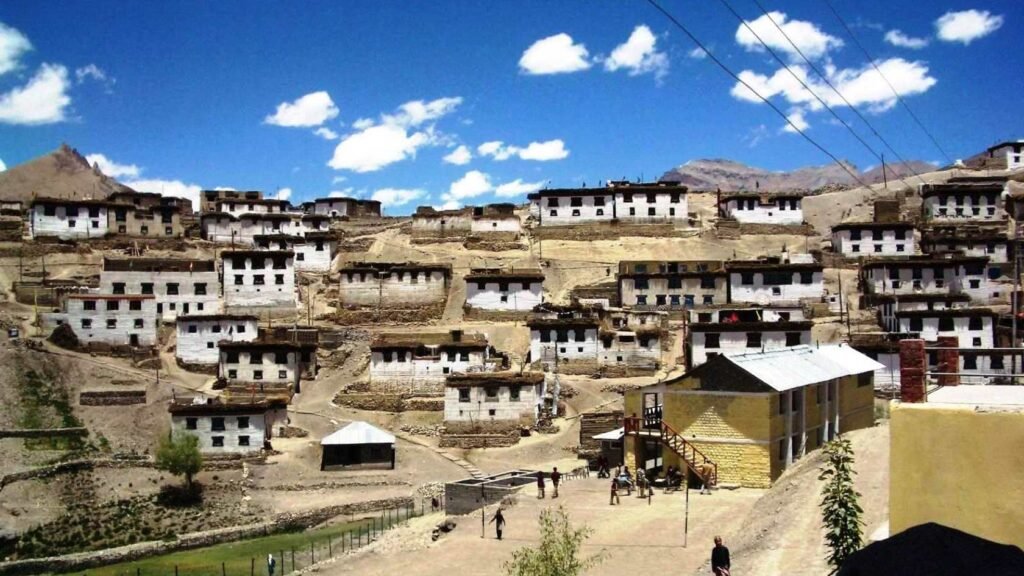
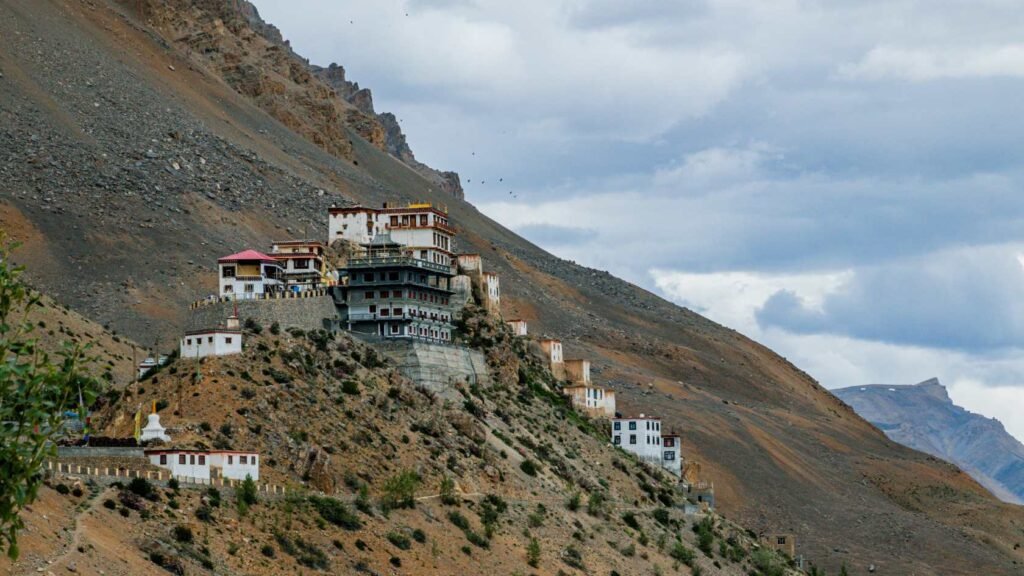
Kaza is the main hub and your base for everything deeper in the valley. Use it to slow down and let your body adjust before going higher.
Key Monastery overlooks Kaza from about 13,500 ft and is at its best at sunrise, when the light hits the white walls and the morning chant begins.
Kibber is about 16 km from Kaza and sits around 14,200 ft. Spend your time on village walks, cafe stops and easy acclimatisation rather than rushing.
Langza, Hikkim and Komic
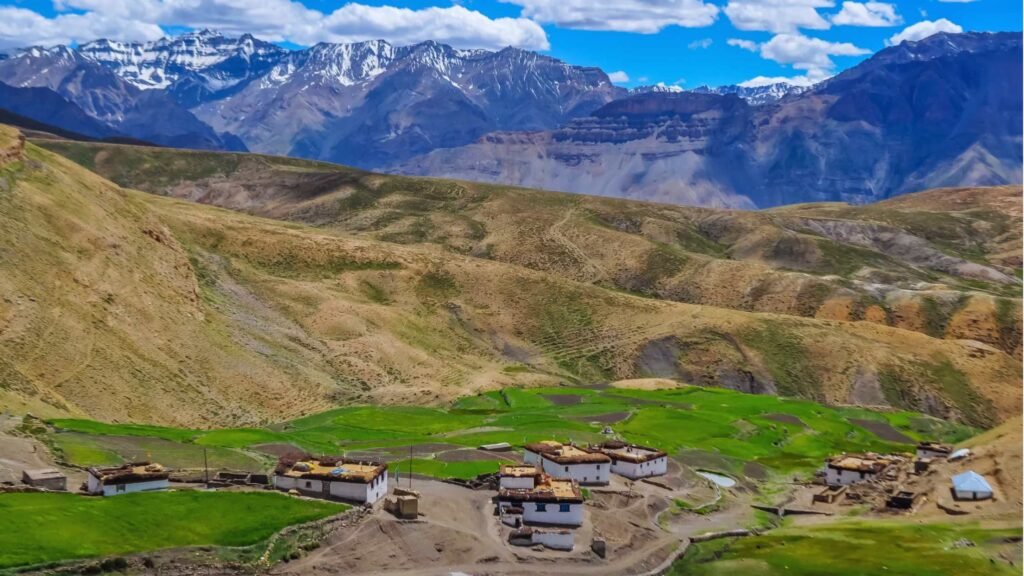
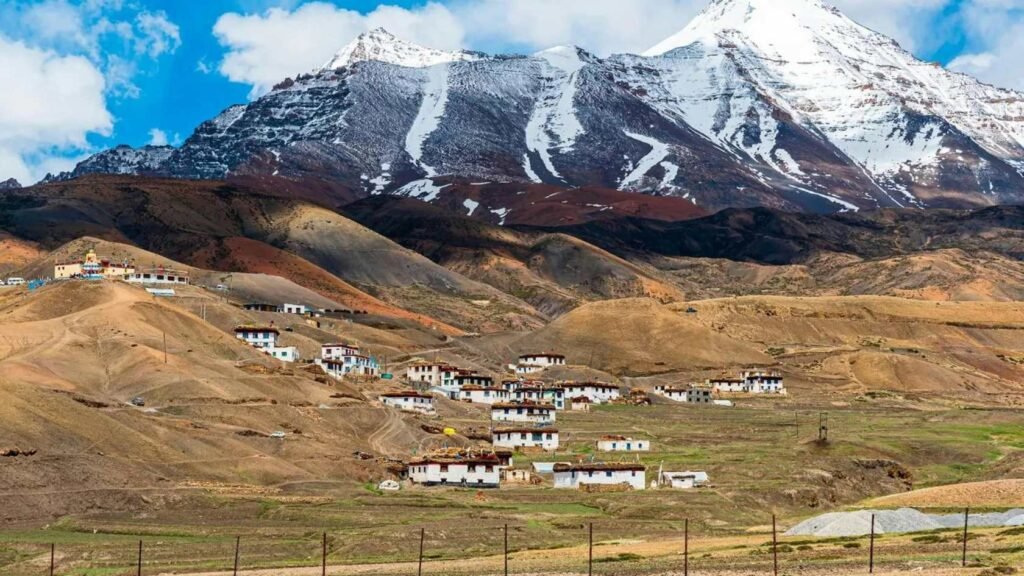
This upper plateau loop is the postcard side of Spiti. Big open views, old homes and a real sense of altitude.
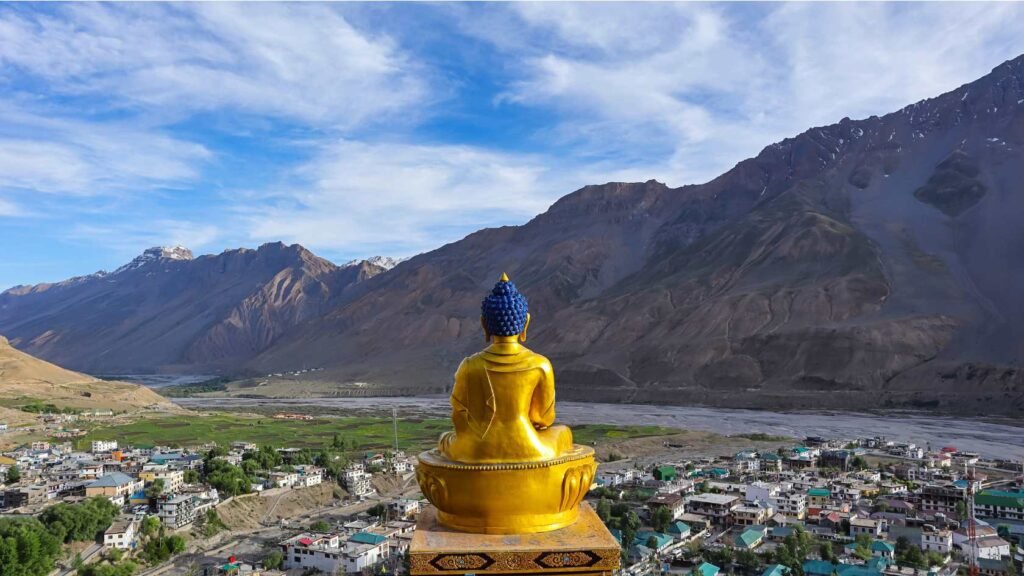
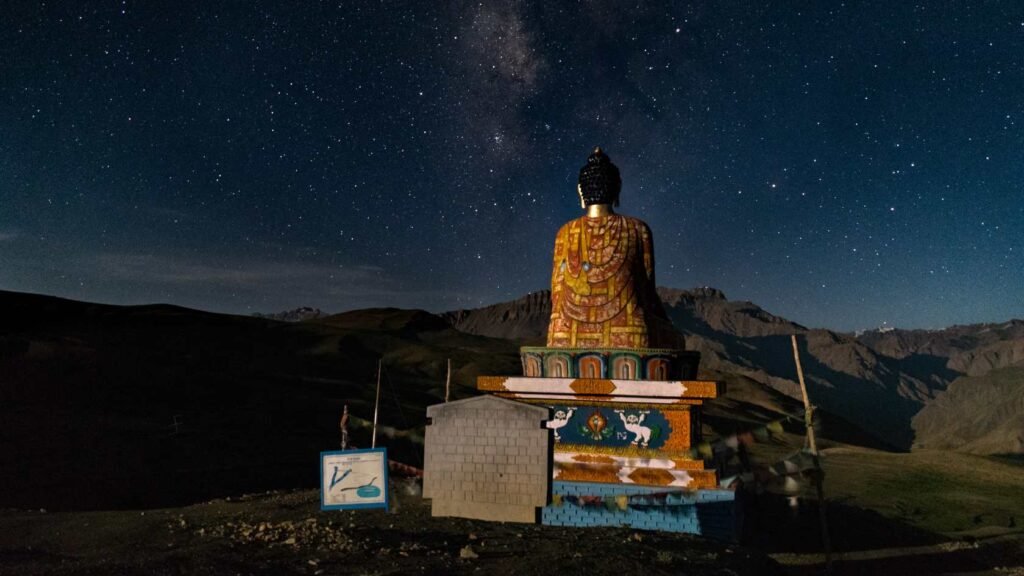
Langza is known for the giant Buddha statue watching over the valley and for fossils scattered across the plateau, left from when this land sat under an ancient sea.
Hikkim is where you can post a card home with a postmark few people ever get, and Komic gives you a tiny cluster of homes high on the plateau. These are quiet, slow places. Walk them, do not race them.
Dhankar Monastery and Dhankar Lake
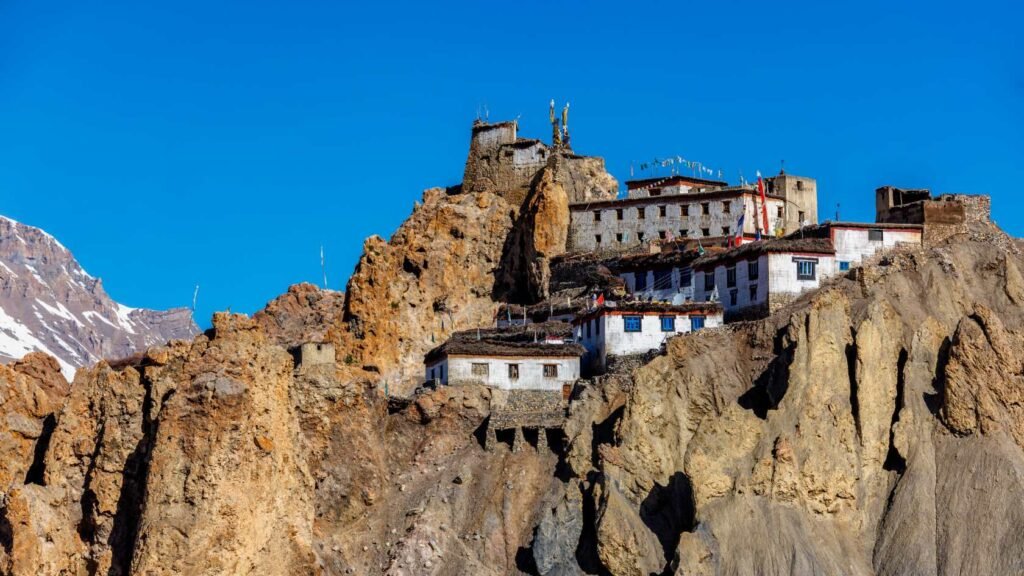
Dhankar is about 32 km downstream from Kaza and sits at 3,870 m, perched on a cliff where the Spiti and Pin rivers meet.
There is a short uphill hike to Dhankar Lake above the village. Whether you attempt it should depend on the weather that day and your fitness, since August can turn the trail slippery.
Tabo, Gue and Pin Valley
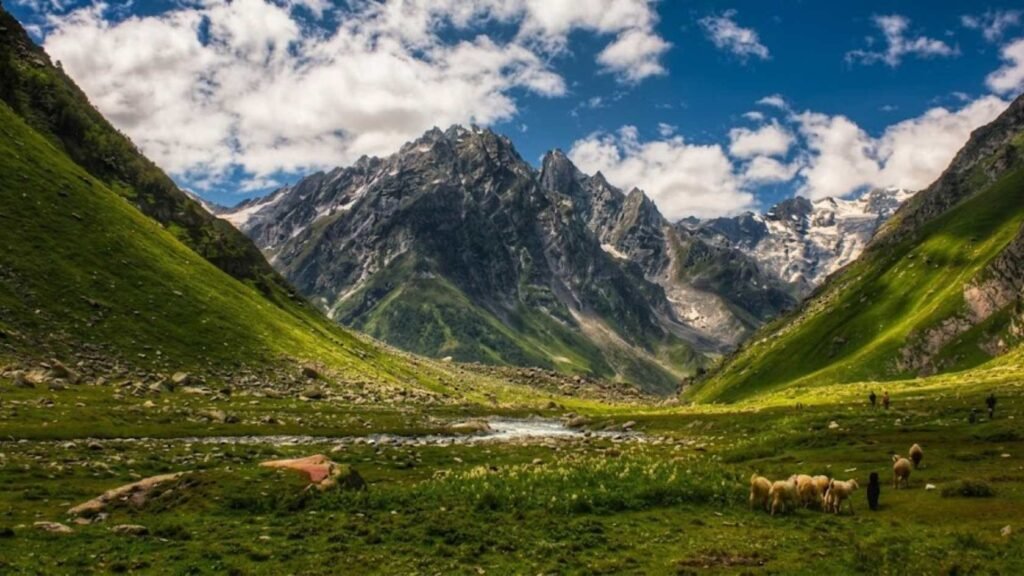
Tabo has a thousand-year-old monastery with a quiet, old-world feel that you sit with rather than tick off. It is one of the best overnight stops on the Shimla side.
Gue is a short offbeat detour worth the small extra drive. Pin Valley is at its greenest in August, a nice change from the brown desert tones of the main route.
Chandratal and Kunzum Pass
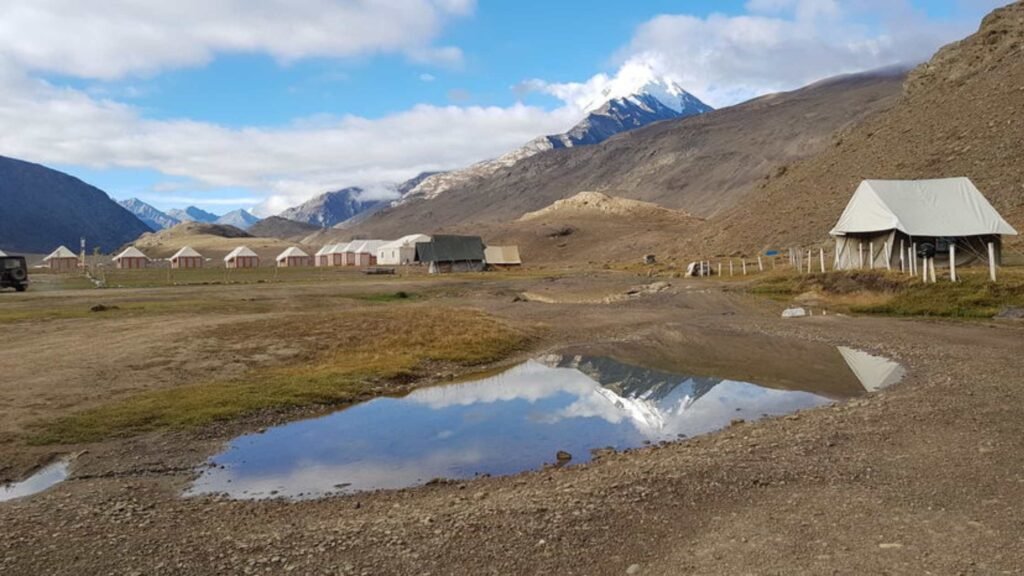
Add these only if same-day road status allows. They are the most weather-dependent part of any August plan.
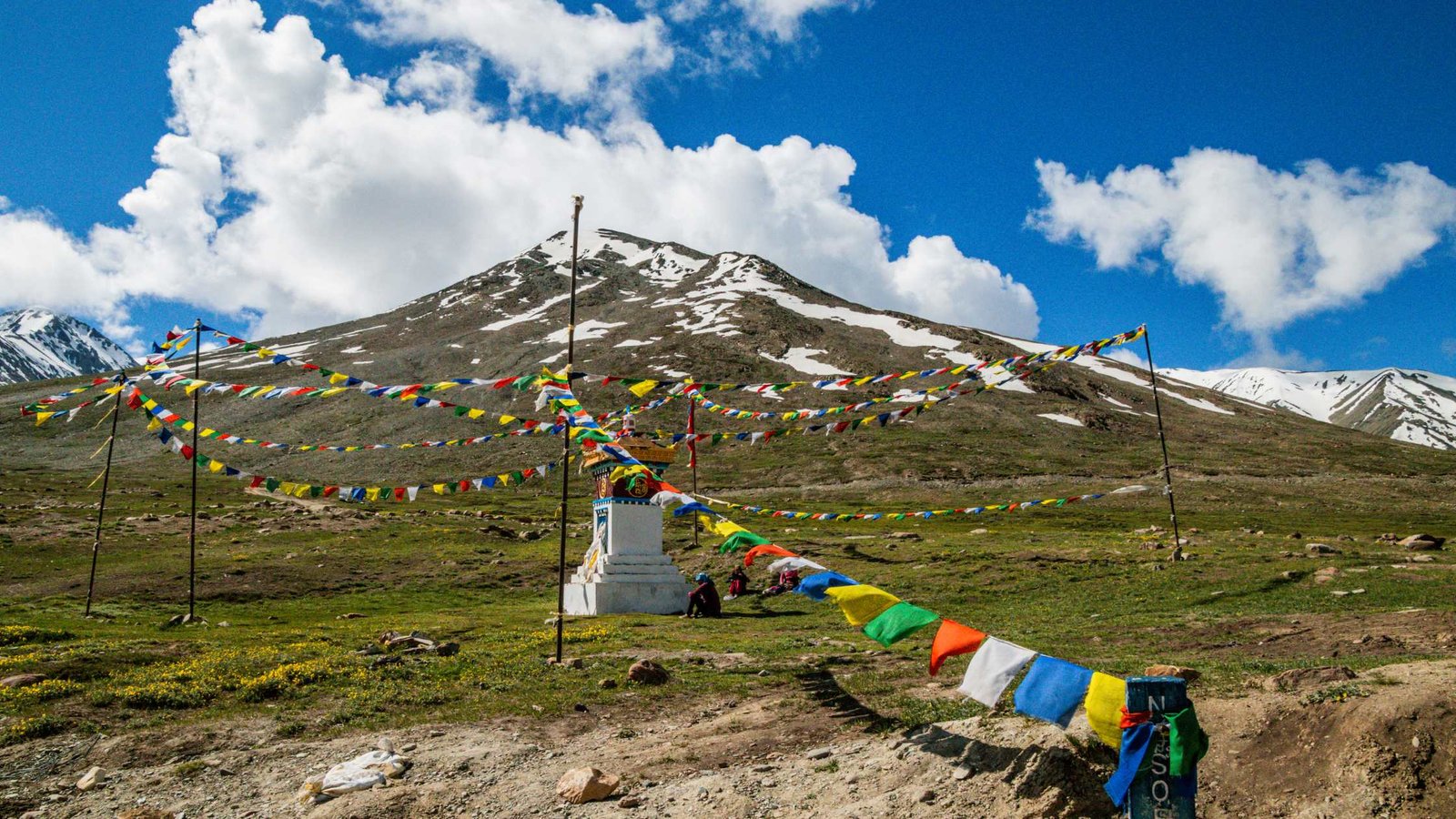
On altitude, sources differ. Kunzum Pass is around 4,551 m or 14,931 ft according to TravelCoffee road-status data, while the official district tourist page lists about 4,590 m. Either way, it is high, cold and exposed, so dress for it.
Suggested Spiti Valley August Itinerary

There is no single perfect plan for August, because the month rewards flexibility. Here are two versions we run, plus why buffer days matter.
8-Day Safer Route via Shimla and Kinnaur
Day 1 – takes you from Delhi or Chandigarh up to Narkanda or Rampur, an easy first climb that starts your acclimatisation gently.
Day 2 – moves from Narkanda or Rampur to Kalpa or Reckong Peo, with the Kinnaur valley opening up around you.
Day 3 – runs from Kalpa or Reckong Peo to Tabo via Nako, where the landscape turns into proper cold desert.
Day 4 – is a slow, rewarding stretch from Tabo to Dhankar and Pin Valley, finishing in Kaza for the night.
Day 5 – is your Kaza day, covering Key Monastery, Kibber and Chicham at an easy pace.
Day 6 – takes in the sky villages of Langza, Hikkim and Komic, ideally in one unhurried loop.
Day 7 – is your buffer day, or your Chandratal day if and only if the road is confirmed open.
Day 8 – is your return via Shimla, or via Manali if that side is safe.
9-Day Full Circuit with Chandratal
This longer version follows the same Shimla-side climb and then exits via Chandratal and Manali. It only works if Kunzum and the Chandratal road are confirmed on your dates.
One firm bit of advice. Do not lock every hotel tightly in August. Route changes are common, and a rigid booking chain is what turns a small delay into a costly mess.
You can roughly map this out yourself with our Himachal trip itinerary planner before you talk numbers with anyone.
Why You Need Buffer Days in August
August needs 2 to 3 buffer days because the approach roads through Kinnaur and Manali can face monsoon delays that are completely out of anyone’s control.
Think of buffer days as insurance, not wasted time. They are the difference between catching your train home and sleeping in a dhaba at Batal.
👉 Pick the right stay & route — we’ll help.
How Much Does a Spiti Trip Cost in August 2026?

Costs in August swing with how you travel and where you sleep. Here are realistic ranges.
For stays, budget homestays run roughly ₹400 to ₹1,200 per night depending on the village, room type and source. Mid-range hotels run roughly ₹1,200 to ₹3,000 per night.
For food, budget on ₹300 to ₹500 per day at dhabas, and ₹600 to ₹1,000 per day at mid-range cafes and restaurants.
Putting it together, a budget-style monsoon trip lands around ₹10,000 to ₹15,000 per person, while a mid-range trip lands around ₹25,000 to ₹40,000 per person.
If you prefer to play with the numbers, our Himachal trip cost calculator gives you a quick estimate before you commit.
On public transport, the HRTC Manali to Kaza open-season bus is roughly ₹400 to ₹600, departing around 5 to 6 AM and reaching Kaza around 3 to 5 PM, since bus schedules change every season.
On the Shimla side, HRTC Shimla to Reckong Peo takes around 8 to 12 hours and costs about ₹430 to ₹650, while Reckong Peo to Kaza takes around 9 to 10 hours and costs about ₹400 to ₹700, again because schedules shift.
Here is a money tip most agents will not volunteer. Homestays in Spiti almost always beat hotels on value, because the meals are home-cooked, the warmth is real, and you eat with the family instead of paying restaurant rates for plain dal.
Do You Need Permits for Spiti Valley in August?
For most travellers, this is simpler than the internet makes it sound.
Indian citizens do not need an Inner Line Permit or a Protected Area Permit for normal Spiti tourism. Just carry a valid photo ID and you are fine.
Foreign nationals do need permits for the protected areas. The official protected area names are Khab, Samdo, Dhankar, Tabo, Gompa, Kaza, Morang and Dubling.
On fees, the Kinnaur official guideline lists ₹200 per person for the ILP at the e-Governance Centre, with service charges extra.
Rohtang is a separate thing that confuses people. If you specifically take a Rohtang tourism permit, the official fee is ₹500 for a car, jeep or MUV plus a ₹50 congestion charge. Buses and HMVs pay ₹500 plus a ₹100 congestion charge. This is not the same as regular Atal Tunnel travel, so do not mix the two up.
We break the full process down in our Spiti Valley permit guide so you know exactly what applies to you.
What Should You Pack for Spiti Valley in August?

Pack for two different worlds in one bag. Rain gear for the approach roads, and warm layers for the cold Spiti nights.
Carry a waterproof jacket, a fleece, a warm jacket, quick-dry pants and waterproof shoes. The rain gear mostly earns its place on the Kinnaur and Manali stretches, not inside Spiti.
For warmth, layering is everything. A thermal base, a fleece mid-layer and a windproof outer handle the day-to-night swing far better than one heavy coat.
Add your personal medicines, high-SPF sunscreen, lip balm, a power bank, a reusable water bottle, enough cash, your ID and offline maps. Throw in some basic snacks for the long road days too.
What we always tell our travellers is to carry a thermos of hot tea on the rough stretches. At altitude, a warm drink does more for a sluggish morning than anything you will buy on the way.
Mobile Network, ATMs, Fuel and Local Facilities
Connectivity in Spiti is thin, so plan to be offline for stretches.
BSNL has the widest coverage across Spiti, according to the cited travel guide. Jio and Airtel work in Kaza town but are unreliable or missing in many parts, and Vi does not work at all per the same guide.
Bad weather makes the network worse, so download your offline maps and tell someone your plan before you head into the deeper valley.
For cash and fuel, treat Kaza as your main place to sort everything before going further into the inner villages. If you see claims about a single ATM or exact petrol pump details, confirm them on the day, because these change.
Who Should Avoid Spiti Valley in August?
August is not for everyone, and being honest about this saves people from a bad trip.
Skip August if you have no flexibility in your dates, if you are a nervous driver, if you are planning tight flight connections, or if you want to try the Manali to Kaza road in a sedan without local confirmation.
If you simply do not want any weather uncertainty, August will frustrate you. September is usually the better pick for clearer skies and more stable roads.
The honest negative about Spiti in August is the in-and-out risk. The valley delivers, but the monsoon roads to reach it can cost you a day or more, and there is no way to fully promise otherwise.
Local Travel Tips from Our Himachal Team

This is the chai-table advice, the stuff we repeat to every August group.
Start early every single day and avoid night driving. Mountain roads are hard enough in daylight, and in monsoon they get genuinely risky after dark.
Cross water crossings before noon while the flow is lower, and never stop or park under loose, crumbling slopes, even for a photo.
Keep snacks and water within reach, and always check with local drivers or your homestay owner before leaving Kaza for the day, because they know about a fresh slide hours before any app does.
And do not trust Google Maps timing blindly in Spiti. The kilometres are short but the roads are slow, so the app will lie to you about drive times.
In our experience, the travellers who enjoy August the most are the ones who keep their plan flexible and treat a delay as part of the adventure, not a disaster.
Final Verdict: Should You Visit Spiti Valley in August 2026?
If you are a flexible traveller, Spiti Valley in August is absolutely worth it. You get dramatic skies, green patches in a cold desert, fully open high-altitude villages and a raw Himalayan road trip with fewer crowds at the lake than peak July.
If you want guaranteed clear skies and zero delays, this is not your month. The valley is reliable, but the monsoon roads to reach it are not, and no honest operator will promise otherwise.
The smart move is to plan around the uncertainty rather than against it. Right route, right vehicle, real buffer days and same-day road checks.
👉 Want this trip? Let’s plan it right.
Frequently Asked Questions
Also Read: Bhrigu Lake Trek in July 2026: Weather, Difficulty, Itinerary and Local Tips
Ready for Your Himachal Adventure?
Get FREE customized itinerary · Best Price Guaranteed · Local Himachal Experts · 3,973+ Happy Travelers