If you are planning Tirthan Valley in September, here is the honest version most blogs won’t give you. September is one of the best months to be here, but the first week can still act like monsoon, and the whole trip lives or dies on the weather that particular week.
At HimTrails, we run trips into the Banjar and Tirthan side through the whole season, and September is quietly our favourite. The valley is green, the river is full, and the crowds have gone home.
Let me walk you through exactly how to plan it right.
Quick Answer: Is September a Good Time to Visit Tirthan Valley?
Yes, September is a good time to visit Tirthan Valley, especially mid to late September. The slopes are green after the rains, the river runs full, the waterfalls are fresh, and there are far fewer tourists than in summer.
Early September still needs a weather and road check because rain can hang around in Himachal. If your dates are flexible, aim for the second half of the month. That is when skies clear, trails dry out, and outdoor plans stop depending on luck.
👉 Confused? Let locals plan your trip.
What Is Tirthan Valley Like in September?
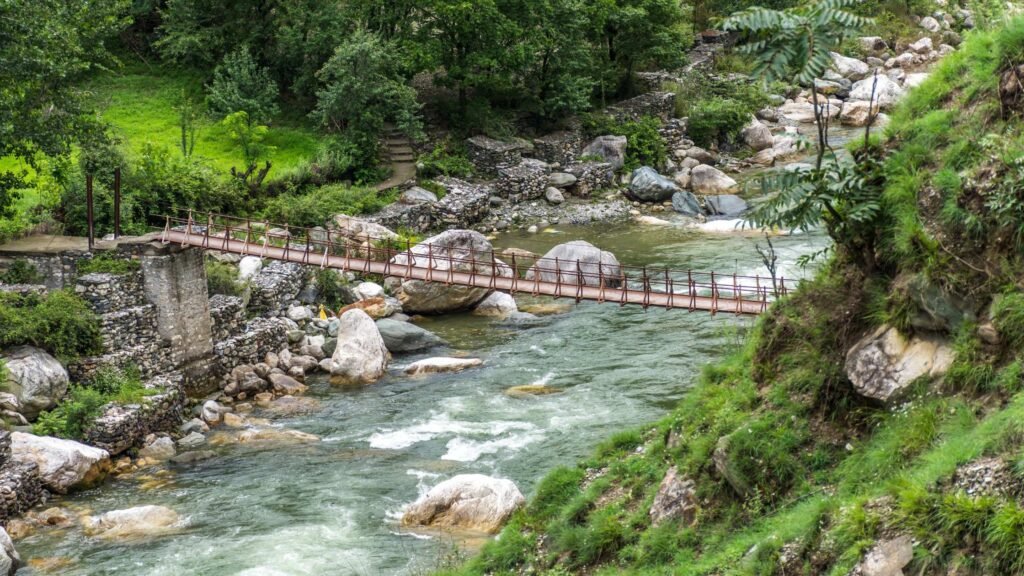
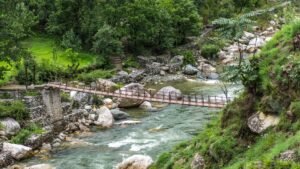
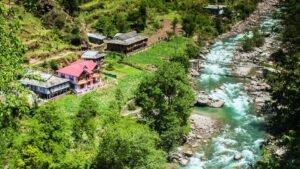
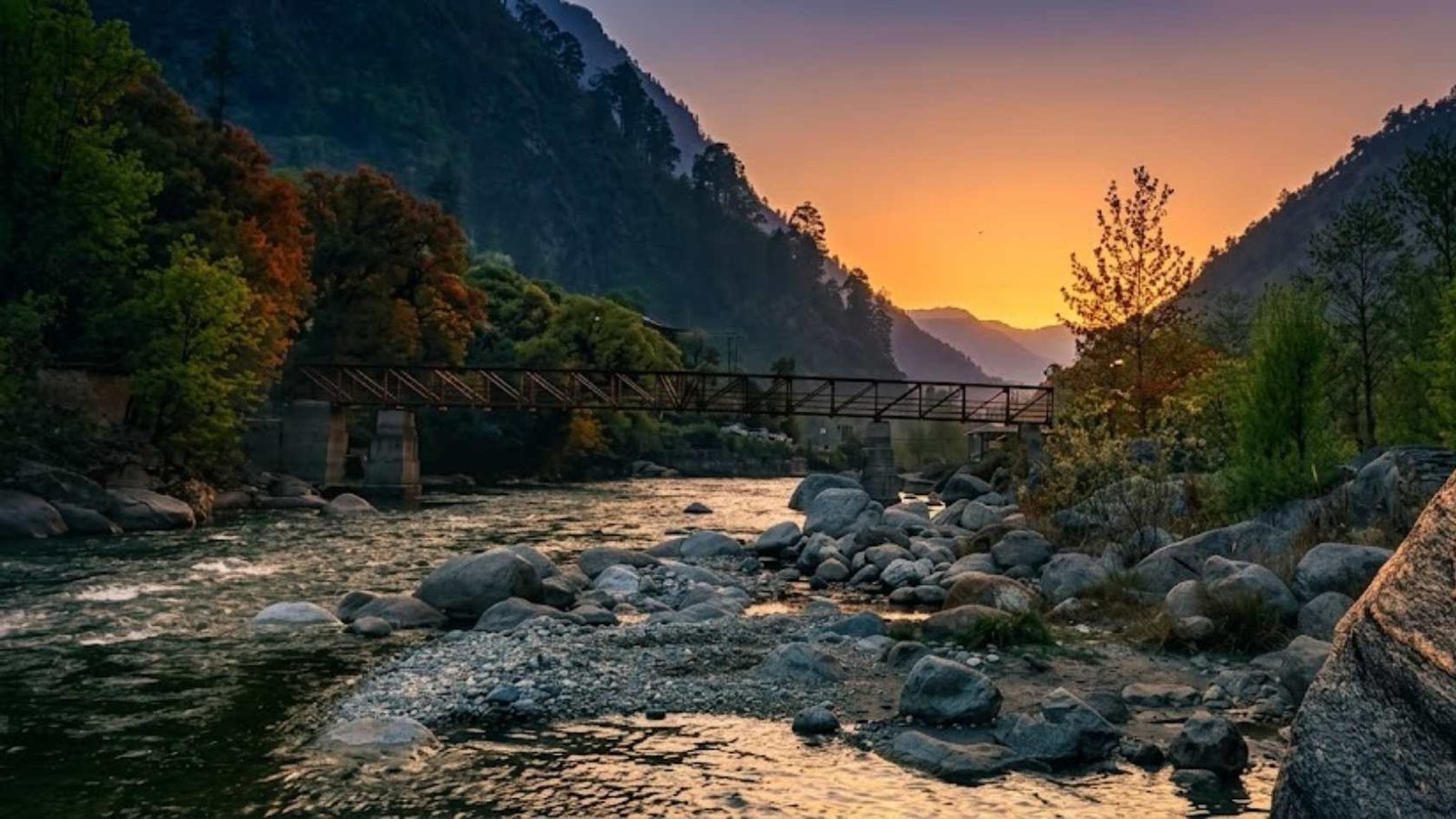
September in Tirthan Valley feels like the valley taking a deep breath after a long monsoon.
The slopes are their deepest green of the year. The Tirthan River runs high and clear, and small waterfalls appear on hillsides that were dry in May.
The village stays get quiet again. The summer rush is over, so you actually hear the river at night instead of other tourists.
This month suits slow travellers, couples, families who like nature over sightseeing checklists, photographers, and anyone who wants a calm Himachal without the noise.
One honest warning. After rain, riverbanks get slippery and forest trails stay muddy. Do not walk close to the water’s edge when the river is running high, and wear proper shoes for the trails.
What most tourists get wrong: they treat Tirthan like Manali or Kasol and pack their days with sightseeing. Tirthan does not reward that. The people who love it most come to slow down, not to tick boxes.
Tirthan Valley Weather in September
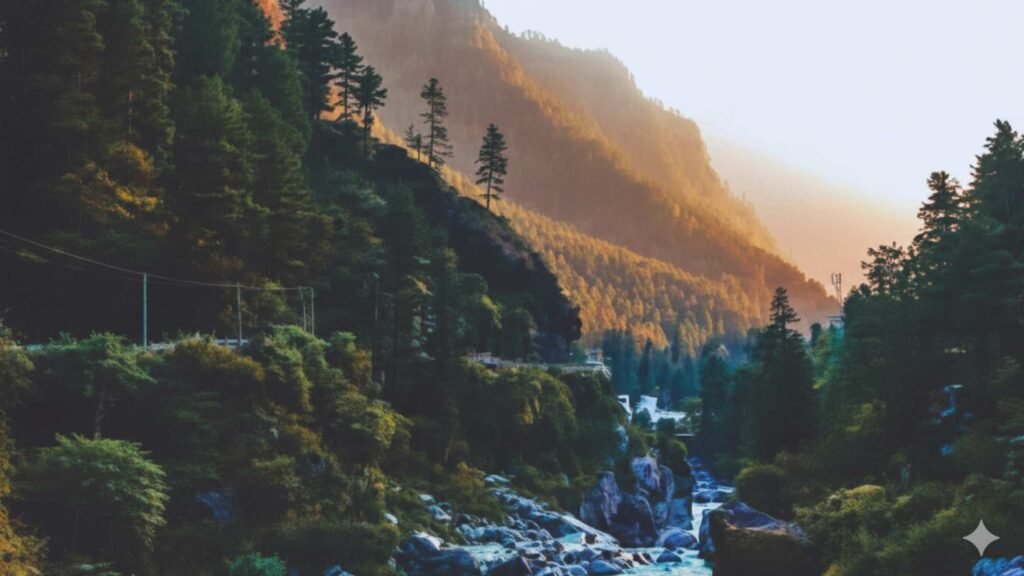
Here is where you need to be a little careful, because the numbers online don’t agree.
Holidify lists September as around 17°C high and 9°C low, with as many as 15 rain days. Vargis Khan puts it closer to 15°C at night and 25°C by day toward the end of the month.
Both can be true depending on the exact village, altitude and week. So treat these as a rough guide, not gospel.
The practical takeaway is simple. Days feel mild and pleasant when the sun is out. Evenings and nights turn chilly and damp, and you will want a warm layer after sunset.
Sources like Himalayan Ecotourism and StayVista both note September can still bring some rain. So check the actual forecast for your travel window before you finalise anything. Do not trust a single monthly average.
Early September vs Late September: Which Is Better?
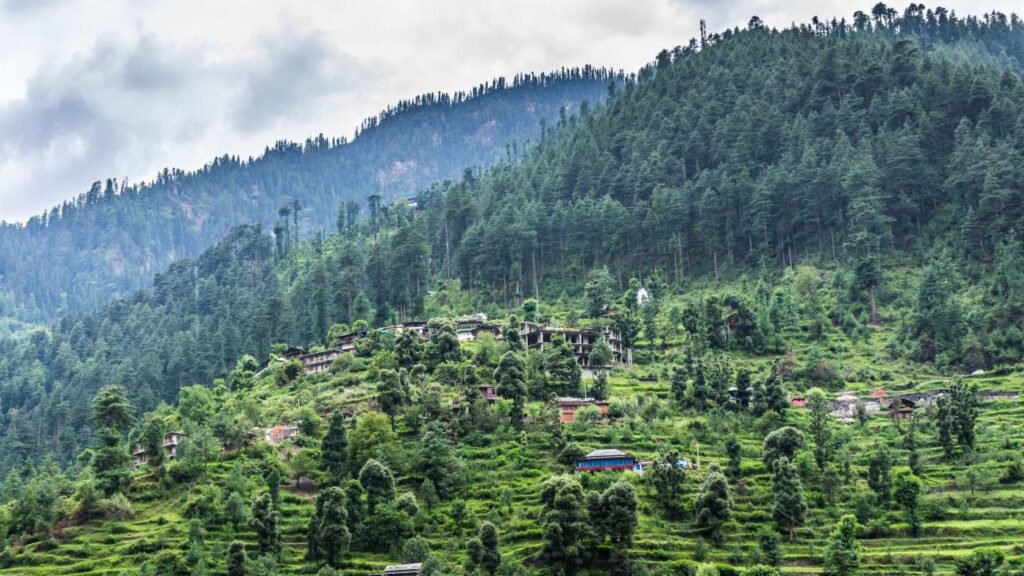
Early September can still feel like the tail end of monsoon. Roads may be wet, small landslides can happen after heavy rain, and the rivers and waterfalls run stronger and louder.
That has its own charm if you like dramatic water and green everywhere. But it comes with more uncertainty.
Late September is usually the safer bet, especially for first timers. Skies improve, trails dry out, and outdoor plans like Jalori Pass and Serolsar Lake become far easier to pull off.
In our experience, travellers who come after the 20th of September have smoother trips than those who arrive in the first week. Road-safety questions come up a lot around this month, so check conditions three to five days before you leave.
Is the Road to Tirthan Valley Safe in September 2026?
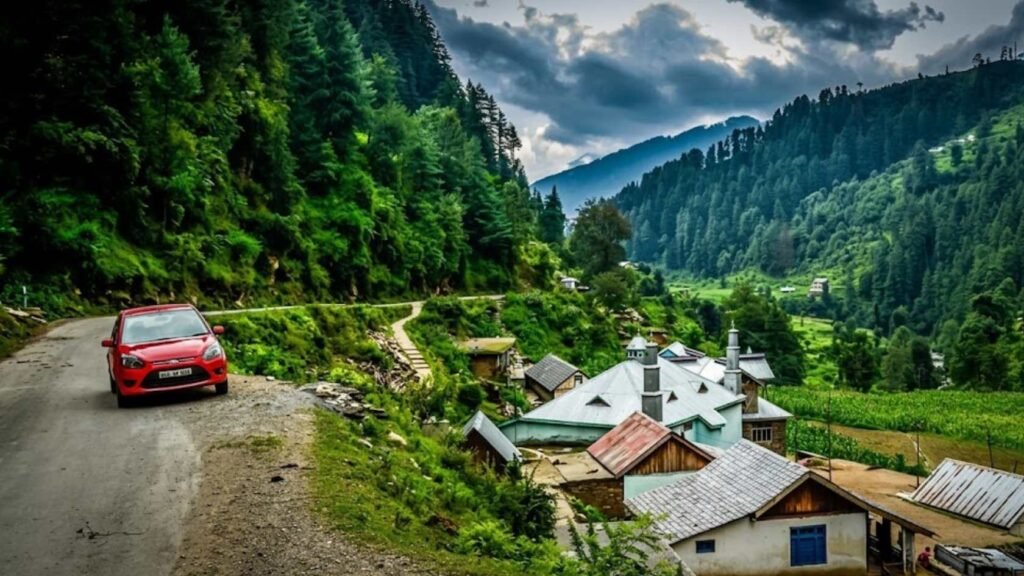
September road safety in Tirthan Valley depends on that week’s rain, not the calendar. A clear week is easy. A wet week can bring slush and small slides on the mountain sections.
The standard route runs via Chandigarh, Mandi, Aut, Banjar and Gushaini.
Here is a small detail that trips people up. When you reach Aut, do not enter the Aut Tunnel toward Manali. Take the road toward Banjar and Tirthan before the tunnel. Plenty of first-timers drive straight into the tunnel by mistake.
One more thing to verify. In May 2026, the Aut to Banjar NH 305 stretch had daily repair traffic suspension from 12 pm to 2:30 pm, with the Banjar bypass used as a diversion. Whether any similar traffic window is active in September 2026 needs checking. Do not assume the road is fully open until you confirm it.
And avoid night driving after rain. These roads are narrow, and visibility plus wet surfaces is a bad combination in the dark.
If you would rather not gamble on road conditions, talk to us. We track this stretch through the season.
How to Reach Tirthan Valley in September
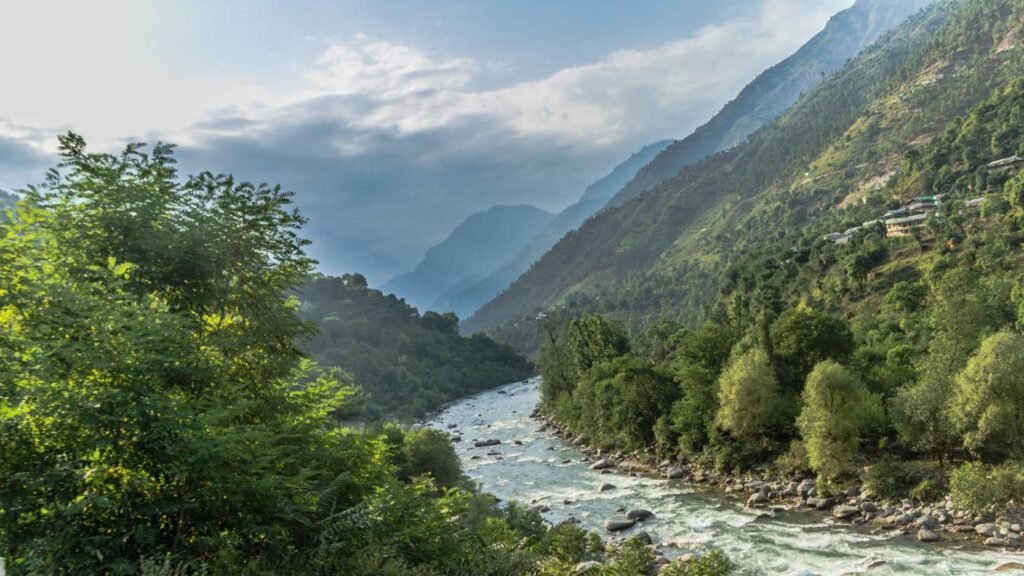
Delhi to Tirthan Valley
The route runs Delhi to Chandigarh to Mandi to Aut to Banjar to Gushaini.
The GHNP official site gives Delhi to GHNP access as roughly 480 km and 10 to 12 hours. Other Tirthan travel sources stretch this to around 11 to 14 hours depending on your final village and road conditions.
Treat these as approximate and weather dependent. A wet day near Mandi can add hours you didn’t plan for.
Chandigarh to Tirthan Valley
The route runs Chandigarh to Bilaspur to Mandi to Aut to Banjar to Gushaini.
One 2026 route source gives this as approximately 260 km and 7.5 to 8.5 hours. Mountain traffic and rain can push it higher, so don’t build a tight schedule around the lower number.
Aut to Banjar and Gushaini
From Aut to Banjar it is 24 km. From Banjar to Gushaini it is another 10 km.
If you are staying on the Jibhi side instead, Banjar to Jibhi is 8 km.
If you want the whole thing sorted with a local driver and handpicked stay, our Jibhi and Tirthan Valley tour packages cover this route end to end.
Best Places to Visit in Tirthan Valley in September
Great Himalayan National Park
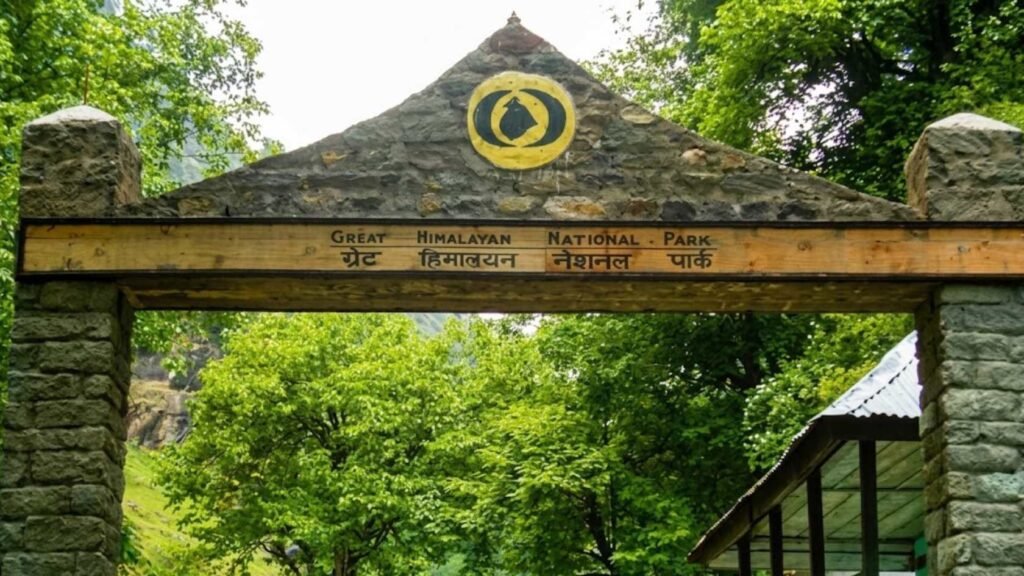
Tirthan Valley is one of the two main gateways to the Great Himalayan National Park, along with Sainj Valley. The park was constituted in 1984, formally notified in 1999, and became a UNESCO World Heritage Site in 2014.
The core zone needs permits. You get these from official offices at Shamshi, Shairopa in Tirthan Valley, or Ropa in Sainj Valley.
The official GHNP site asks visitors to check the latest fees directly with authorities and warns against unauthorized agents collecting money. So confirm the current fee at the office and skip anyone who offers to “arrange” it informally.
Chhoie Waterfall
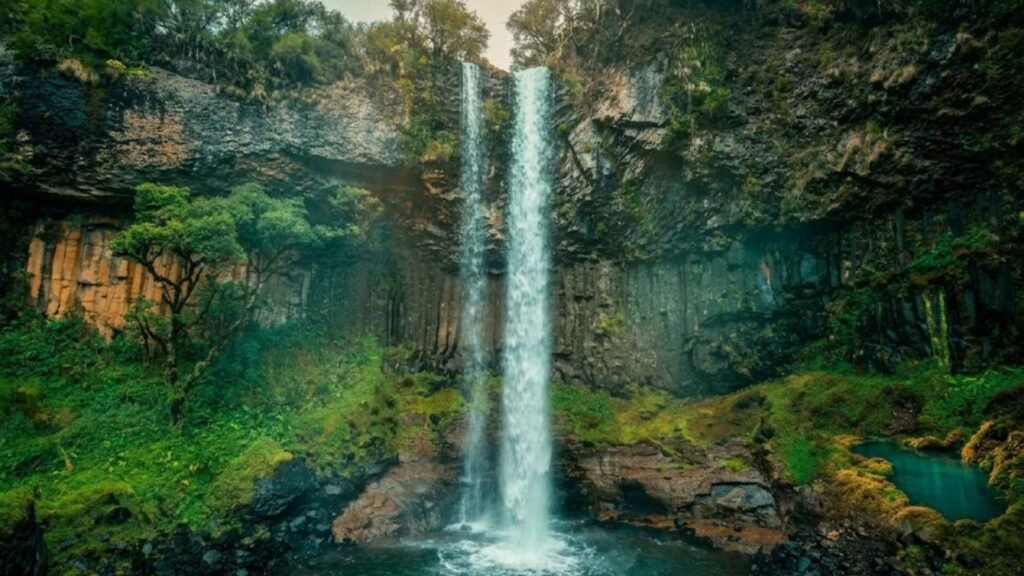
Post-monsoon, the Chhoie Waterfall flow is at its best. All that rain feeds it, and it looks fuller in September than in the dry months.
The catch is the trail gets slippery. Wear proper trekking shoes and skip the walk during rain or right after heavy rain. Wet rock and mud is not worth the fall.
Jalori Pass and Serolsar Lake
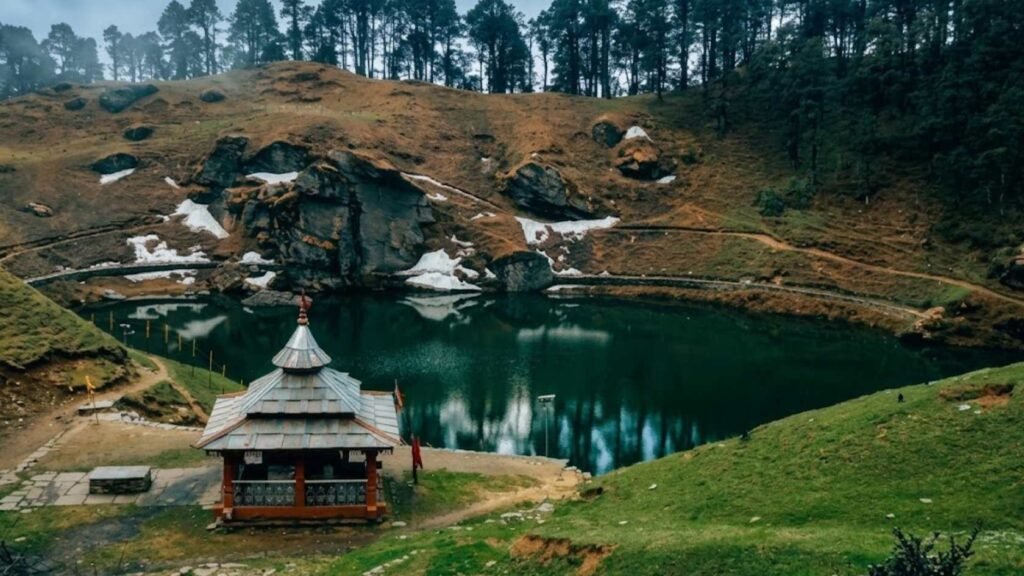
Jalori Pass sits at around 10,800 ft (3,120 m), though sources vary slightly, so treat it as approximate.
From the pass, Serolsar Lake is a 5 km trek one way through old oak forest. It is one of the finest short treks in this part of Himachal.
Late September is much better for this than a rainy early-September day. Clear weather changes the whole experience up here.
Jibhi, Shoja and Gushaini
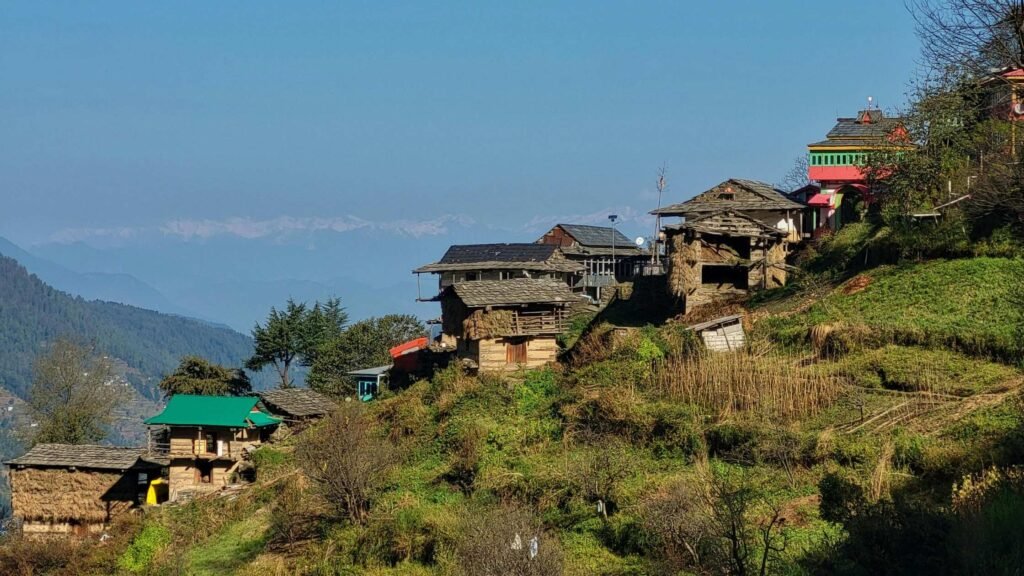
Each base has its own personality. Gushaini is best for the river and GHNP access. Jibhi suits cafés, forest stays and easy short walks. Shoja sits on the Jalori side and works well if the pass is your main plan.
A local tip most guides skip: the villages above the valley floor, like Nagini, Bandal and Ropa, have old stone-and-wood houses and apple orchards. Walk between them on the old footpaths instead of the road. That is the real Tirthan, and almost no day-tripper sees it.
Can You Visit Jalori Pass and Serolsar Lake in September?
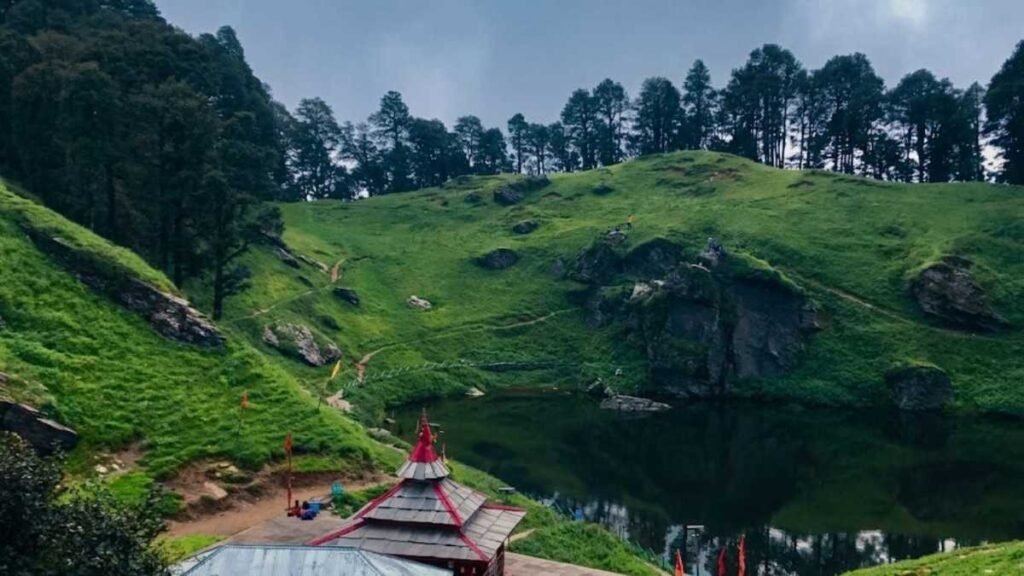
Yes, September is not the winter closure season for Jalori Pass. The pass closes during heavy winter snowfall, not usually in September.
But rain, fog and road conditions still matter. A foggy morning up there kills the views and makes the drive risky.
Go only in clear weather, and confirm conditions locally before you head up. The Serolsar Lake trek is 5 km one way from the pass through thick forest.
Planning a wider Himachal loop around this? Our Shimla tour packages and Tirthan stays pair well if you are entering from the Shimla side.
Can You Visit GHNP in September?
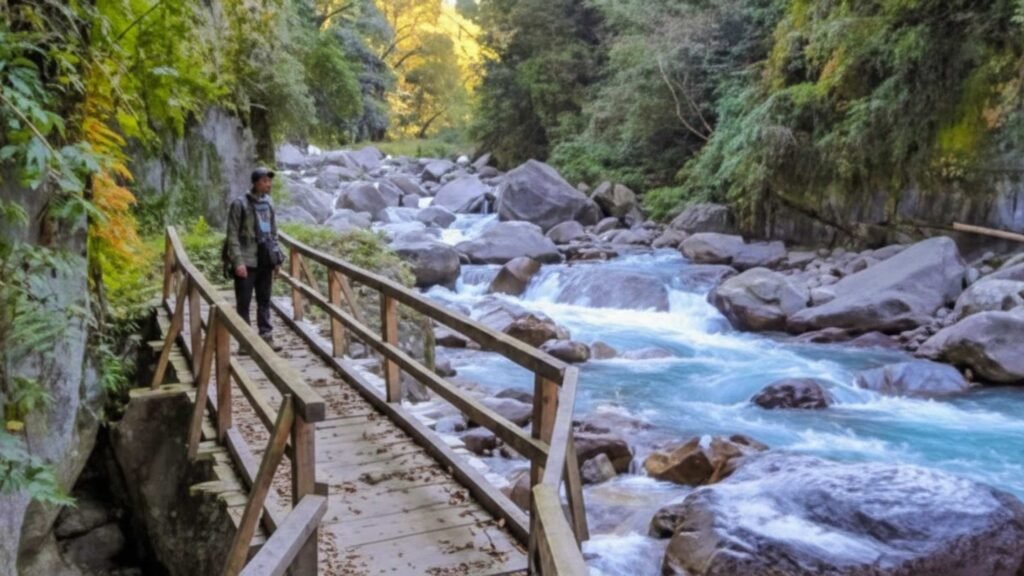
Yes, but understand the three different levels first.
Casual valley sightseeing needs nothing special. Ecozone walks are easy and open to most visitors. Core zone trekking is a different thing entirely.
Core zone entry needs permission and route approval from GHNP officials. This is not a walk-in situation.
Also remember the park has no motor safaris. Everything inside is done on foot. So plan your fitness and time accordingly.
Keep a buffer day if you plan GHNP after rain. Trails need time to dry, and you do not want your only park day to be a washout.
Is Trout Fishing Open in September?
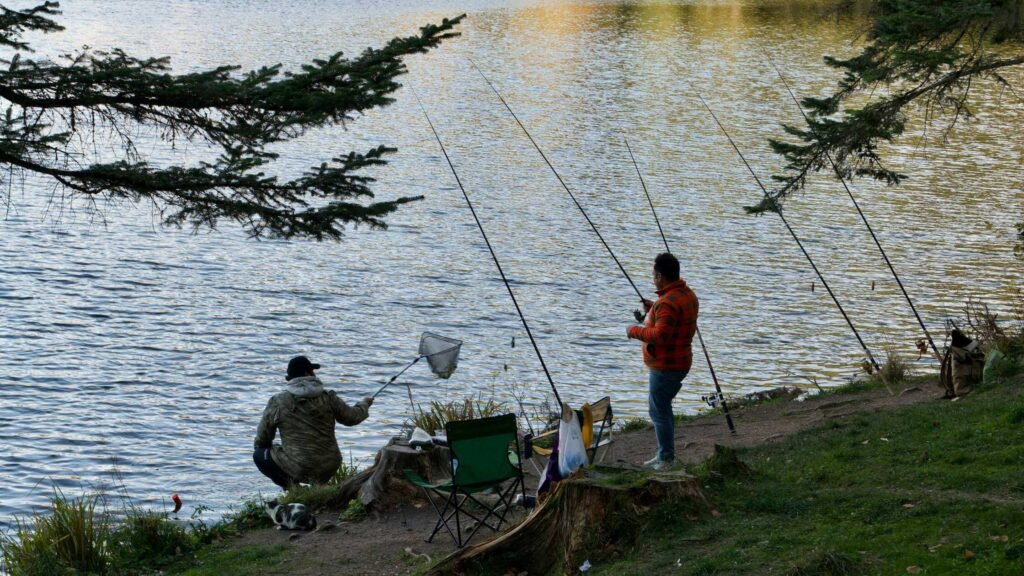
Trout fishing in the Tirthan River is one of the valley’s signature experiences, and September usually falls inside the fishing window.
One local stay source says fishing is typically permitted March to June and September to October. But current season rules must be confirmed at Shairopa or with local Fisheries authorities.
Desh Videsh notes you need a license from the Fisheries Department. The current process and any fee should be confirmed locally, so don’t lock in a fishing plan until you check.
👉 Pick the right stay & route — we’ll help.
Suggested 3 Day Tirthan Valley September Itinerary

Day 1: Arrival, Gushaini, River Walk and Slow Evening
Reach Gushaini, check in, and eat a proper meal after the long drive. Do an easy riverside walk and find a local café for the evening.
Skip any major trek on day one. You have just spent hours on the road, and the altitude plus tiredness is not worth pushing.
Day 2: GHNP Ecozone or Chhoie Waterfall
If the weather is clear, do the GHNP ecozone side or the Chhoie Waterfall trail. Both give you a proper feel of the valley’s forests.
If it is raining, keep the day slow. Café, a short village walk, and river views from a safe distance beat forcing a muddy trek.
Day 3: Jalori Pass, Serolsar Lake or Jibhi/Shoja
If weather and road are good, drive up to Jalori Pass and trek to Serolsar Lake.
If conditions are iffy, spend the day around Jibhi and Shoja with short walks, then start your return. No shame in the safe choice here.
Suggested 4 Day Tirthan Valley September Itinerary

In September, four days beats three because the weather can flip on you.
Day 1 is arrival and a slow evening. Day 2 is GHNP or the waterfall. Day 3 is Jalori Pass and Serolsar Lake if the sky is clear. Day 4 is Jibhi, Shoja, short walks and a relaxed return.
That extra day is your insurance. If day 3 gets rained out, you still have day 4 to catch Jalori. Without a buffer, one bad-weather day can wipe out your main plan.
If you would rather combine this with Manali, our Manali tour packages can be built around a Tirthan stop.
Where to Stay in September: Jibhi, Gushaini, Shoja or Banjar?
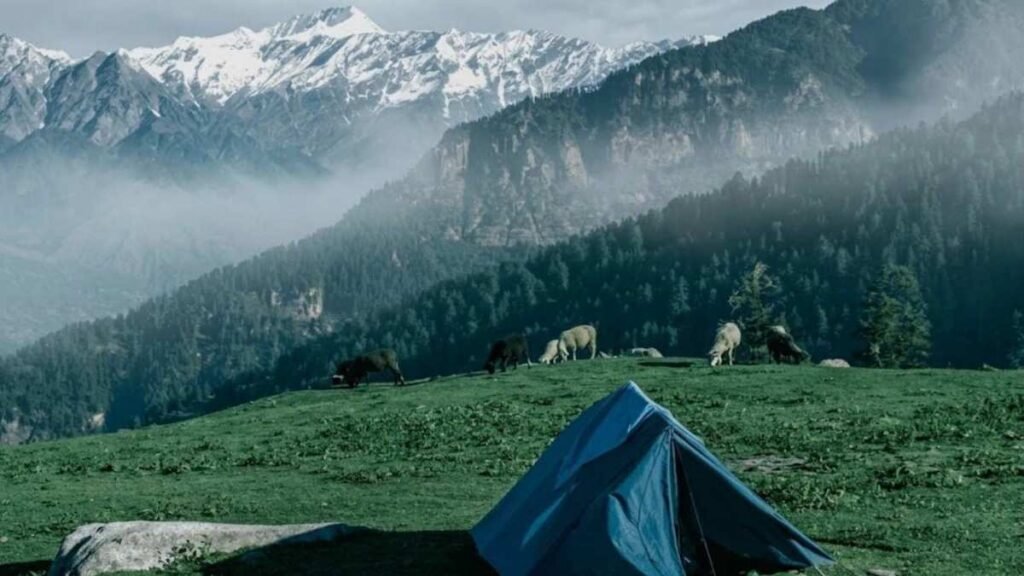
Each base fits a different kind of trip.
Gushaini is best if the river and GHNP access are your priority. You are right at the valley’s inner edge.
Jibhi is better for cafés, forest cottages, and first-timers who want a slightly livelier feel with easy short walks nearby.
Shoja is the pick if Jalori Pass is your main plan, but it sits higher, so it is colder and quieter. Some people love that, others find it too still.
Banjar is practical and central but less scenic than the inner stays. It works as a base, not as the highlight.
One honest warning for September. Do not book stays right on the river edge after heavy rain. When the Tirthan River rises, those spots are the last place you want to be sleeping.
What we always tell our travellers: in September, pick the stay for the weather, not the photos. A cosy cottage slightly up the slope beats a riverside deck that floods.
What to Pack for Tirthan Valley in September

Pack for two temperatures in one day. Cottons are fine when the sun is out, but evenings turn cold and damp.
Bring a light jacket, a rain layer, quick-dry clothes, trekking shoes, and extra socks. Wet socks in the mountains are misery, so carry spares.
Also pack a power bank, your personal medicines, cash, ID, a reusable bottle, and a small day bag for treks. Network and digital payments get patchy inside the valley, so cash matters more than you’d think.
Tirthan Valley Trip Cost in September

Costs depend heavily on your travel style.
Desh Videsh gives a broad budget of ₹3,000 to ₹10,000 per person depending on how you travel. Backpacker versus comfort stay makes a big difference.
An Aut to Gushaini taxi is quoted by one source at ₹1,500 to ₹2,200, but confirm the current rate before you agree. Fix the price before you sit in the car, not after.
For stays, food, permits and guides, exact current rates need confirming. Message us for real numbers based on your dates and group size.
A money tip most agents won’t mention: you do not need to pre-book a full package for Tirthan. A local homestay plus a shared taxi from Aut often works out far cheaper than a city-agent bundle, and the homestay food is usually better anyway.
Who Should Visit Tirthan Valley in September?
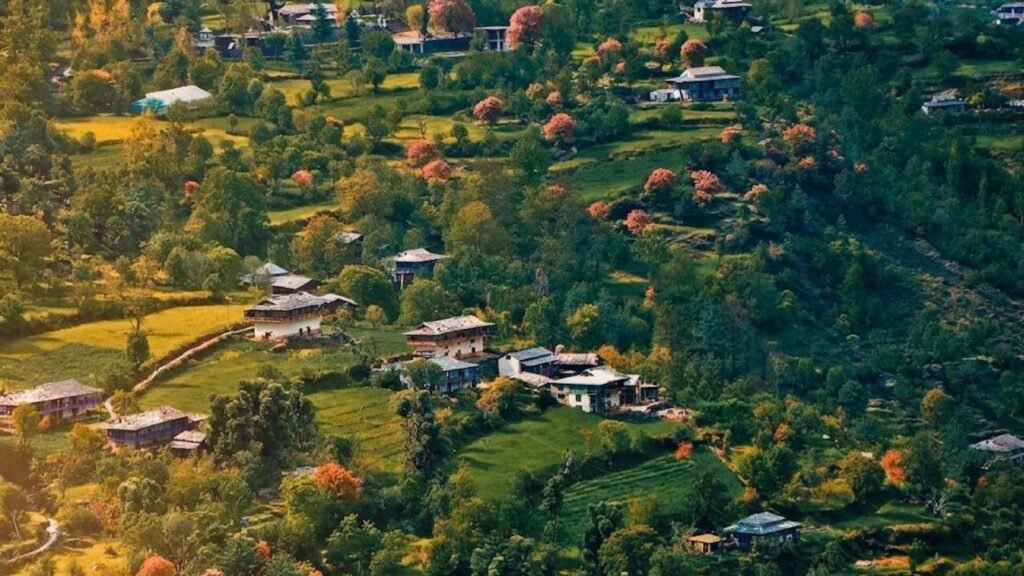
This month suits couples, families, slow travellers, photographers, birdwatchers and anyone who wants a quiet mountain stay.
If you love green landscapes, full rivers and empty trails, September delivers.
It is not the right pick if you want nightlife, shopping, guaranteed sunshine or a packed sightseeing trip. Tirthan has none of that, and September’s weather makes it even less of a “checklist” destination.
If a livelier valley sounds more like you, our Kasol tour packages sit at the opposite end of the Himachal mood scale.
Tirthan Valley in September Travel Tips From a Himachal Team
Avoid night driving after rain. This is the single most important one on wet mountain roads.
Check weather for Mandi, Aut and Banjar, not just Tirthan. Your drive passes through all of them, and trouble anywhere on that line affects your whole trip.
Keep a buffer day. September weather changes fast, and one spare day saves the trip.
Stay away from swollen river edges, choose an experienced mountain driver, and keep cash because smaller areas are not reliable for digital payments. Confirm road status three to five days before you leave.
👉 Want this trip? Let’s plan it right.
Frequently Asked Questions
Also Read: Kinnaur in September 2026: Weather, Roads, Itinerary and Local Travel Tips
Ready for Your Himachal Adventure?
Get FREE customized itinerary · Best Price Guaranteed · Local Himachal Experts · 3,973+ Happy Travelers