If you are trying to figure out whether Kasol in September is worth it, here is the honest version before you read another line. September sits right between the monsoon and autumn, so it can go either way.
Early September can still be wet with slippery trails and slow roads. Late September usually settles down and gives you green hills, misty mornings and thin crowds.
We are a Shimla-based team and we send travellers into Parvati Valley every season. The ones who enjoy Kasol in September most are the ones who stay flexible, not the ones locked into fixed trek dates.
Quick Answer: Is Kasol Good in September 2026?
Yes, but with a condition. Kasol in September is a shoulder month between monsoon and autumn, so the weather is a mixed bag.
Early September can still bring rain, wet trails and road delays. Late September is usually the safer bet once the rainfall starts easing off.
September suits slow travellers, café hoppers, photographers and anyone who wants misty views without the May-June rush. It is not the month for guaranteed treks or tight return dates.
If your leave is fixed and short, keep one buffer day. That single day saves most September trips.
👉 Confused? Let locals plan your trip.
What Is Kasol Like in September?
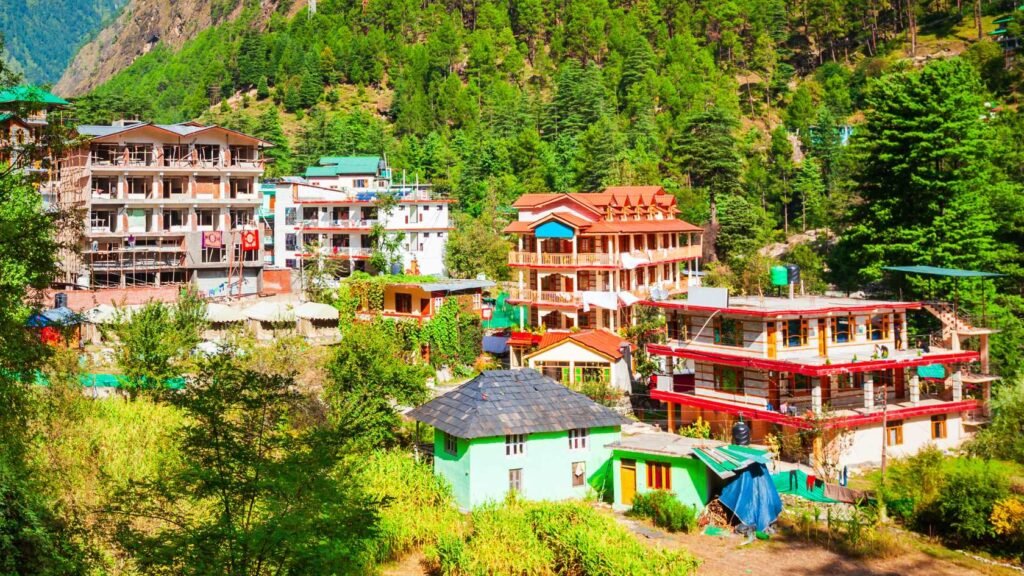
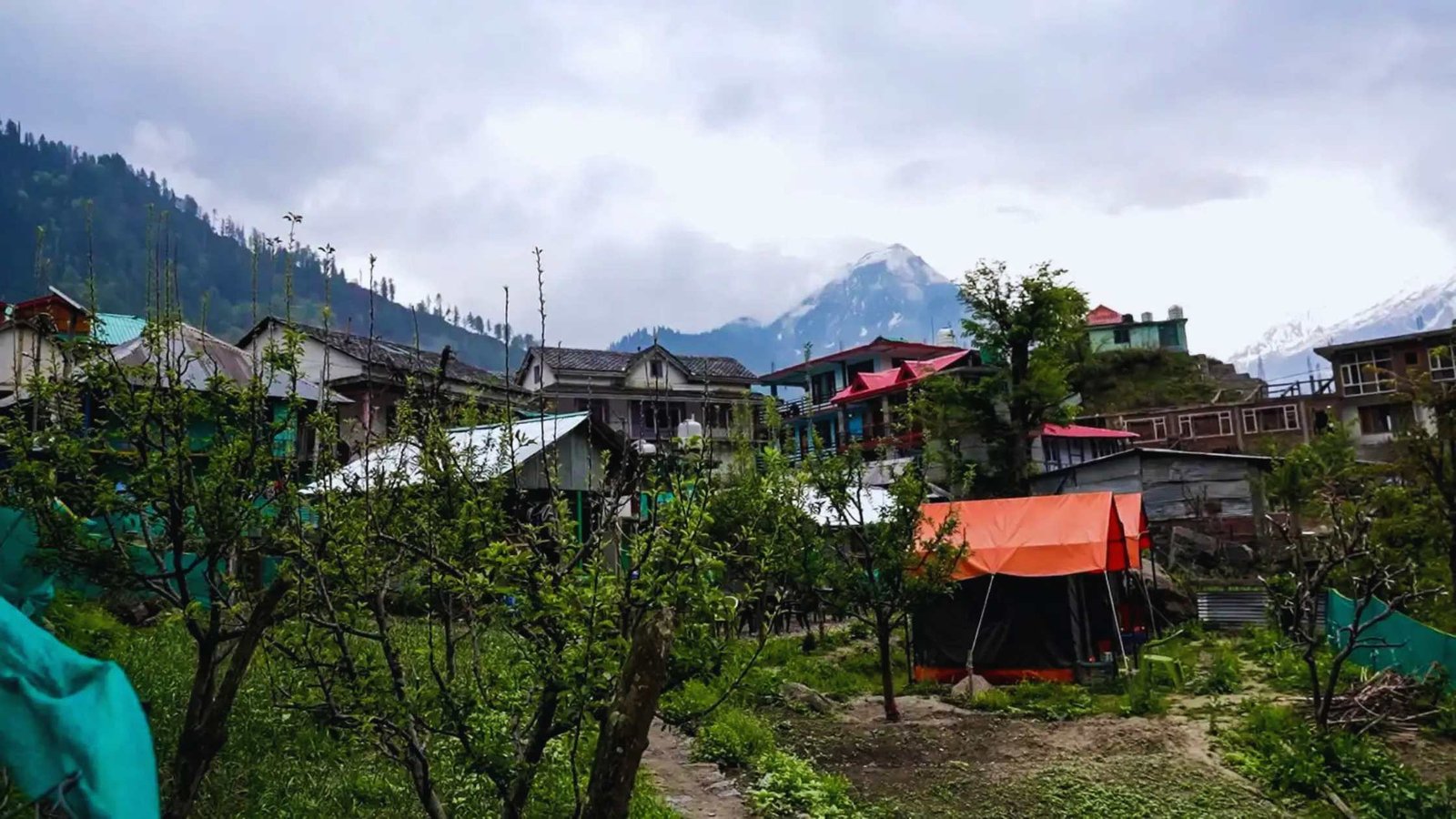
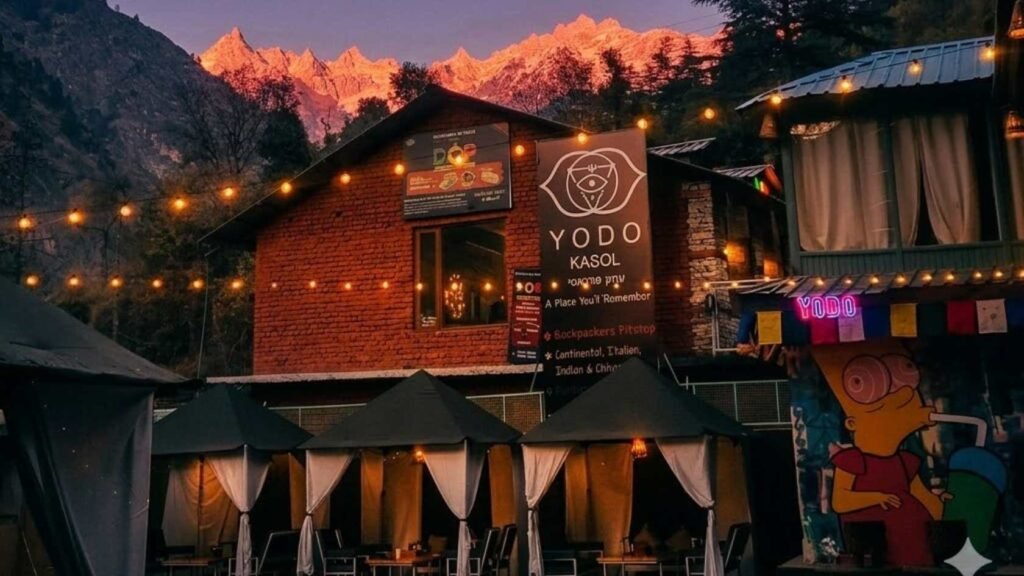
The valley looks its greenest in September. Monsoon has fed the hills, the forests are thick, and the Parvati River runs loud and strong right beside the main market.
Crowds are much thinner than May and June. You get parking without a fight, cafés without a wait, and river spots where you can actually hear the water instead of other tourists.
The vibe slows down. Mornings come with mist rolling over the pine slopes, and the light on the river before 8 AM is the kind of thing people travel here for.
Here is the trade-off though. That same monsoon that makes everything green can still spill into early September and mess with roads and trails. Beauty and unpredictability come in the same package this month.
In our experience, travellers who come for the cafés, the river and the slow pace leave happy. The ones who come only to tick off Kheerganga sometimes leave disappointed if the weather turns.
If you want the logistics handled instead of chasing taxi drivers on WhatsApp, our Kasol tour packages cover stays, transport and day trips built around September conditions.
What Most Tourists Get Wrong About September
Most people assume September means clear autumn skies from day one. It does not. The autumn window really settles in around late September, not the 1st.
They book a non-refundable Kheerganga trek for the 5th, hit rain, and then feel cheated. Plan the month like a spectrum, not a switch that flips on September 1.
Is September Safe for Kasol?
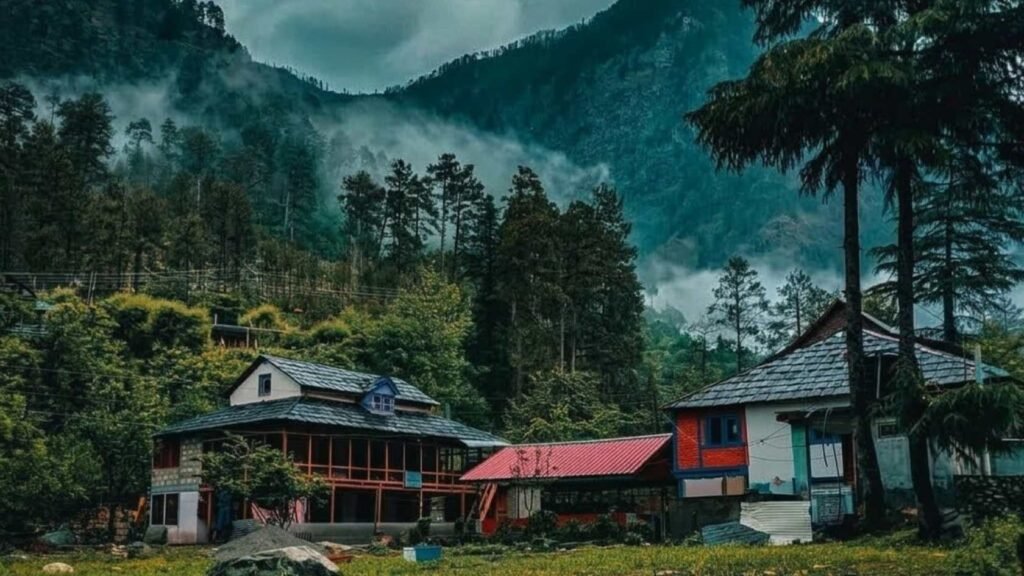
Kasol town itself stays visitable through September. The market, cafés and short river walks work fine even on a grey day.
The roads and trails are what actually decide your trip. That is where September needs respect.
IMD Shimla’s 2026 monsoon bulletin recorded that the monsoon covered Kullu district. When heavy rain hits, the known impacts are localised landslides or mudslides, slippery roads, low visibility, traffic congestion and possible service disruptions.
So the safe playbook is simple. Avoid night driving, stay away from riverbanks in heavy rain, check local updates before moving, and keep one buffer day in your plan.
Emergency Numbers Worth Saving
Save these before you leave signal. The Kullu District Emergency Operations Cell number is 1077.
The other Kullu DEOC numbers are 01902-225630, 01902-225631, 01902-225632 and 01902-225633. Keep them in your phone and share your plan with someone at home.
Early September vs Late September: Which Is Better?
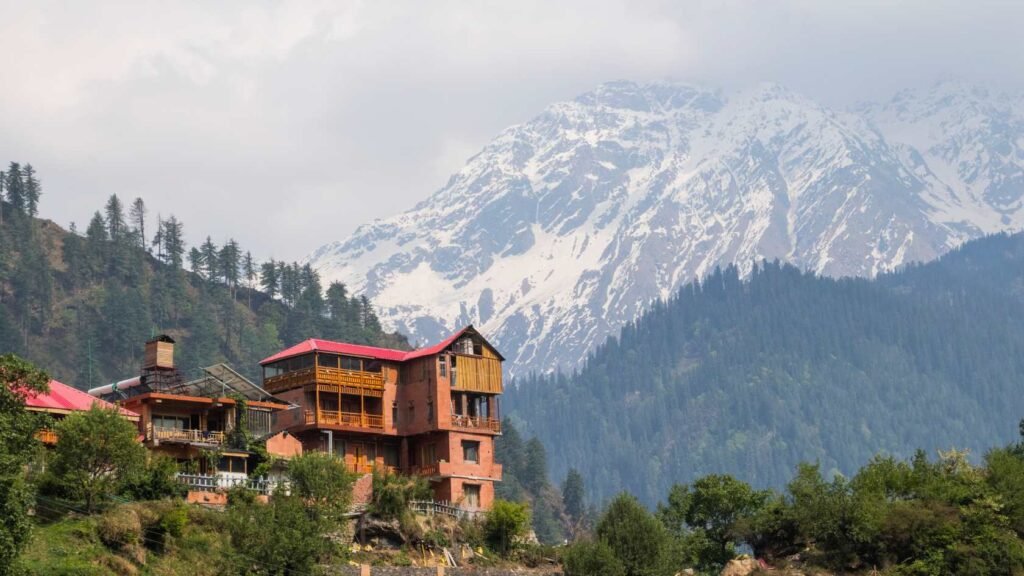
Early September
Is basically a monsoon hangover. Trails stay wet, the Kheerganga and Tosh forest sections get slippery, and road-delay risk is at its highest for the month.
Mid September
Is the in-between phase. Some days are clear, some still bring showers. It is flexible if you keep your plans loose.
Late September
Is usually the better window for anything outdoors. Rainfall generally eases, the air feels crisp, and the trails start drying out.
Do not take this as a guarantee though. Even late September can throw a wet spell. Always check the live forecast the evening before and the morning of any trek or drive.
Kasol Weather in September 2026
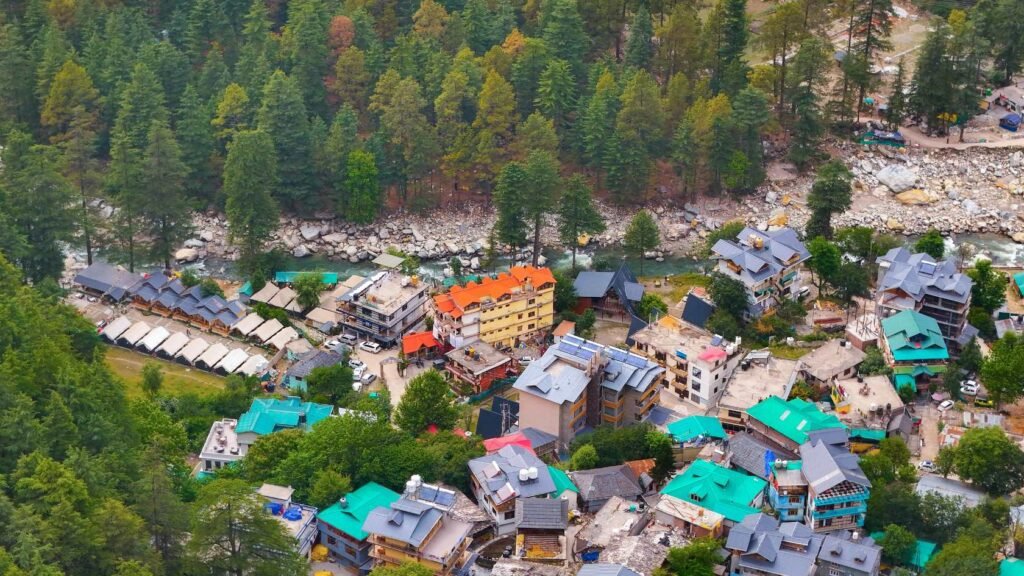
Here is the honest bit most blogs skip. Kasol weather in September 2026 numbers do not agree across sources, so do not trust a single figure as gospel.
MakeMyTrip lists September around 15°C to 5°C, with about 143 mm of rain and nearly 12 hours of daylight.
Holidify paints it warmer at 23°C to 14°C with around 10 rain days in the month.
Tripcrafters lists monsoon temperatures in a higher band of 22°C to 32°C.
So treat September as a cool-to-pleasant month with a real rain risk, not a fixed-temperature month. Check the live forecast a day or two before you travel and pack for both sun and rain.
The one thing all of this tells you clearly is this. Do not pack like it is summer in the plains. Nights get properly cold by late September.
Are Roads to Kasol Open in September?
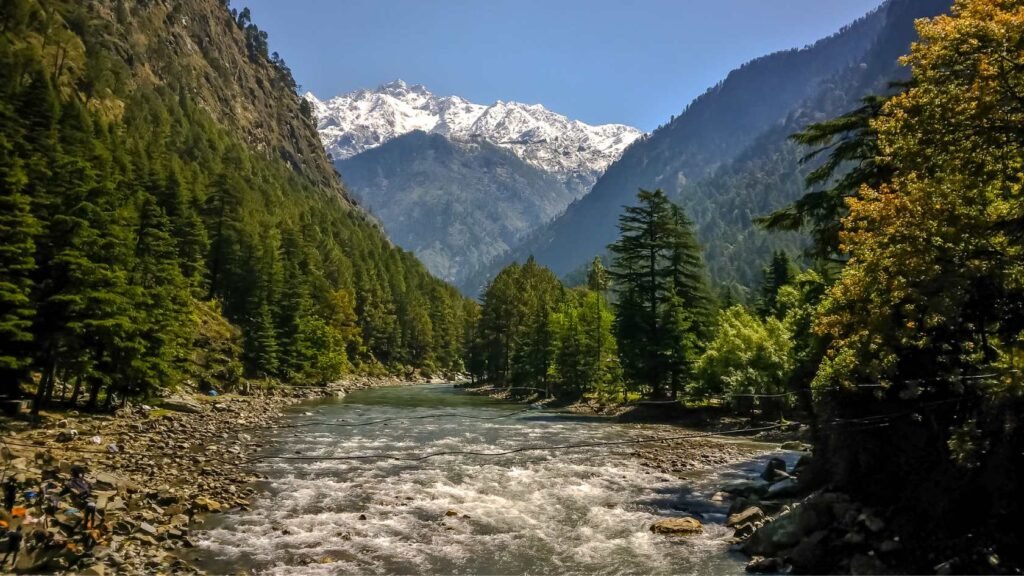
Yes, the main road to Kasol stays open in September. The official Kullu district page describes Manikaran as well connected by road, with HRTC buses, private buses and hired taxis all available on this stretch.
The standard approach is via Bhuntar. From Bhuntar to Kasol is around 30 to 31 km, and the drive takes anywhere from about 0.5 to 1.5 hours depending on traffic, road work and which source you go by.
The catch is the deeper valley. The Barshaini, Tosh and Kheerganga side needs a current road check before you commit.
Recent 2026 reporting mentioned rain and snow related disruption on the Manikaran-Barshaini and Bhuntar-Manikaran stretches. So confirm live status before you plan Tosh, Barshaini or Kheerganga into your dates.
What we always tell travellers is to treat “Kasol is open” and “the upper valley is open” as two different questions. They do not always have the same answer in September.
Can You Do Kheerganga Trek in September?
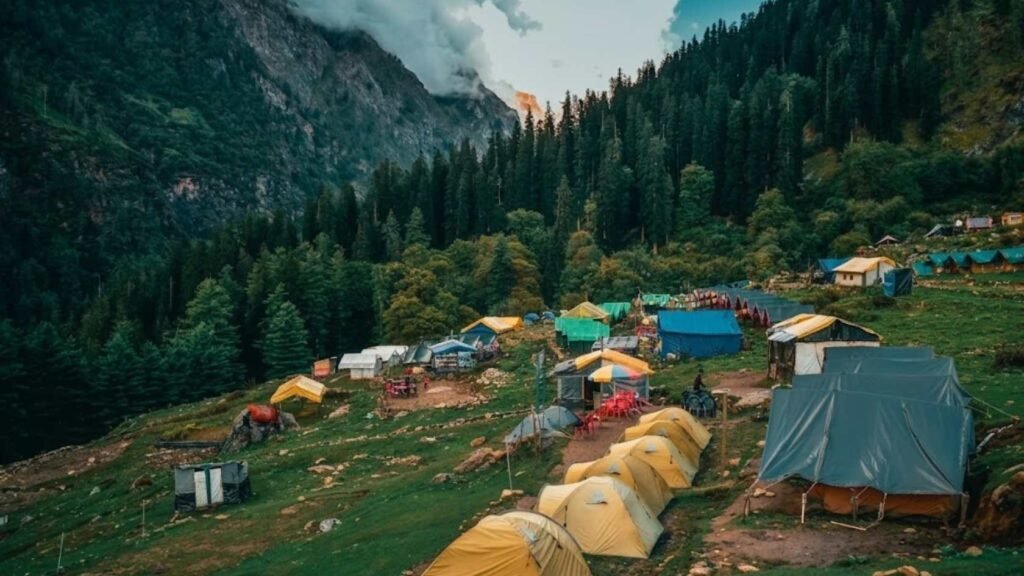
You can, but only if three things line up. The weather has to be stable, the trail dry enough, and the local guides have to say it is safe on that day.
The Kheerganga trek in September runs from Barshaini and is around 12 to 14 km, usually taking about 5 to 6 hours.
Rain changes everything on this trail. The forest sections turn slippery fast, and a wet descent at altitude is where people get hurt.
Here is the honest advice. Do not force the trek just because you already booked it. A slippery Kheerganga trail in a downpour is not worth a twisted ankle five hours from the road.
In our experience, the smart move is to keep Kheerganga as a “if conditions allow” plan in September, never as a fixed non-negotiable day.
Best Places to Visit in Kasol in September
Kasol is not a place where you race through a checklist. In September, with fewer people around, it is even more about slowing down. Here are the spots worth your time, and the ones to skip if the weather turns.
Manikaran in September
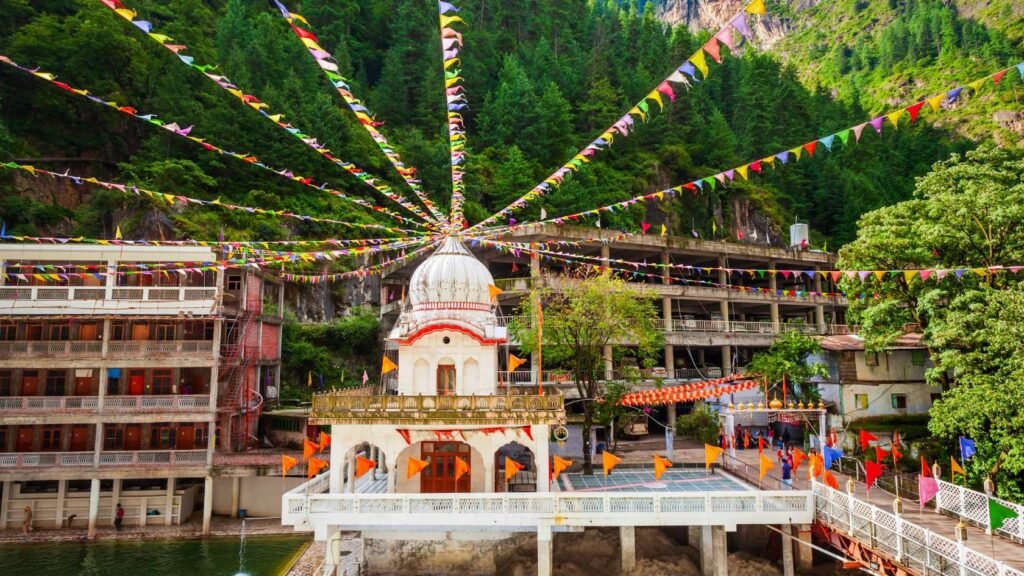
Manikaran is around 4 to 5 km from Kasol depending on where you measure from. When the road is clear, it is an easy half-day trip and buses and shared taxis run often.
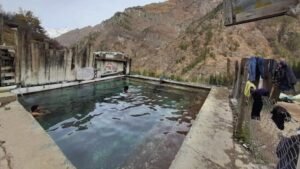
The gurudwara here has natural hot springs and serves a free langar. It is worth doing once for the experience and the scale of service, even if religious sites are not usually your thing.
Our honest take. Manikaran as a town is not pretty. It is a functional religious site with tight, crowded lanes. Go for the gurudwara, the springs and the langar, then head back to Kasol for the evening.
Chalal Walk in September
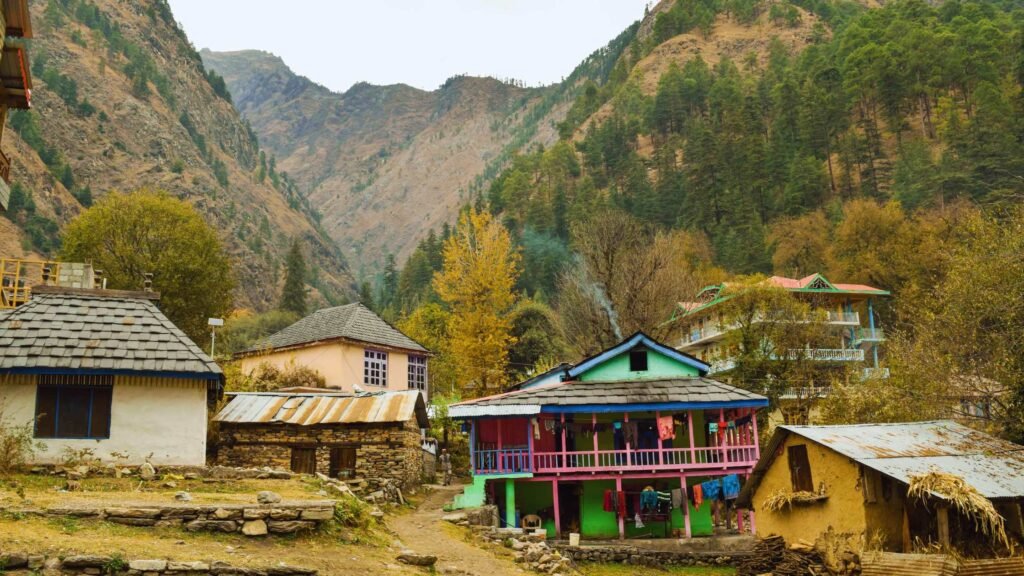
The Chalal walk is the gentlest thing you can do in the valley. It is a short riverside walk from Kasol, best on a dry day, and takes roughly 30 to 40 minutes at a slow pace.
The warning for September is the riverside sections. During heavy rain, the Parvati runs high and the path near the water is no place to be. Skip it on a wet day and save it for a clear morning.
Tosh, Pulga, Kalga and Tulga
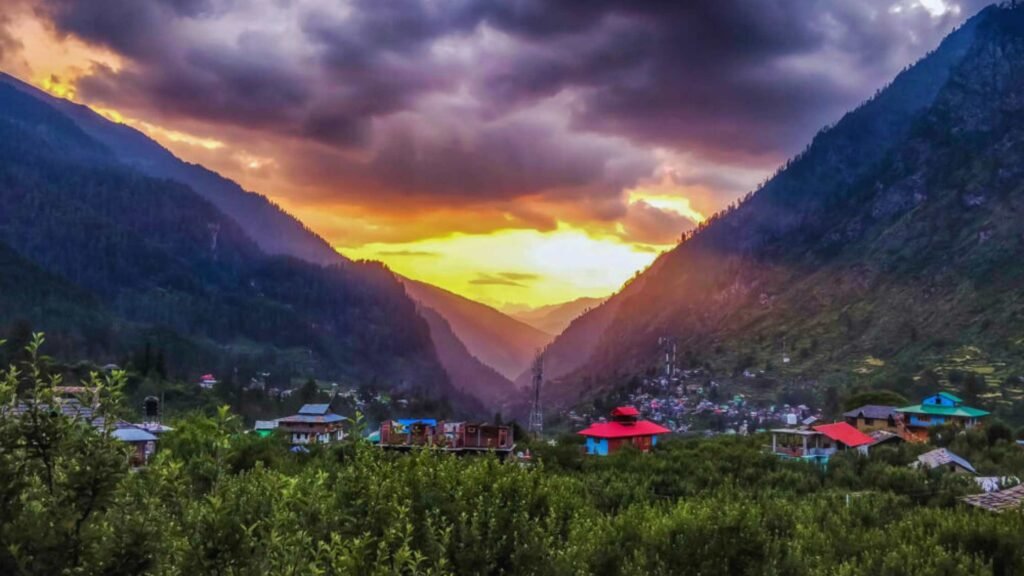
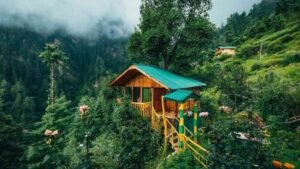
Tosh, Pulga, Kalga and Tulga sit higher up past Barshaini and give you the quieter, wooden-balcony side of Parvati Valley.
Treat these as weather-and-road-dependent plans in September. They are worth it only if the Barshaini-side road is confirmed open and the weather is stable.
If the upper road is shut, do not fight it. There is plenty to do lower down without risking a stuck vehicle on a broken stretch.
Kasol Market and Cafés
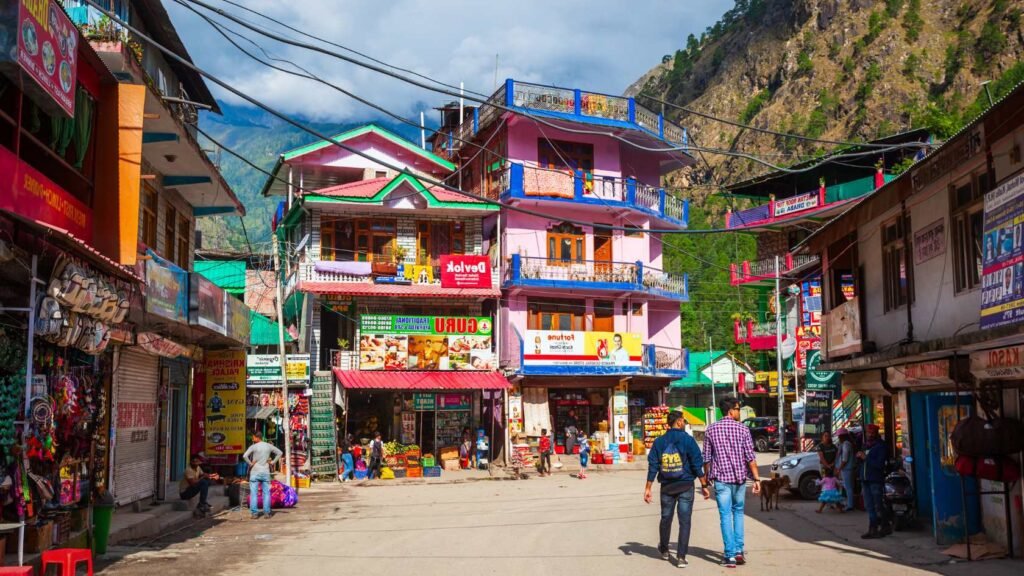
This is your safest rainy-day plan. When the weather closes in, the Kasol market and its cafés are exactly where you want to be.
The cafés on the far side of the wooden bridge tend to be quieter than the ones on the main road, with a cleaner view of the river. Café hopping, short walks and staying close to town make a wet September day genuinely pleasant.
Money tip most guides skip. A local dhaba thali runs around ₹100 to ₹150, while a café meal is closer to ₹250 to ₹300. Mix the two and your food budget behaves.
Grahan Village
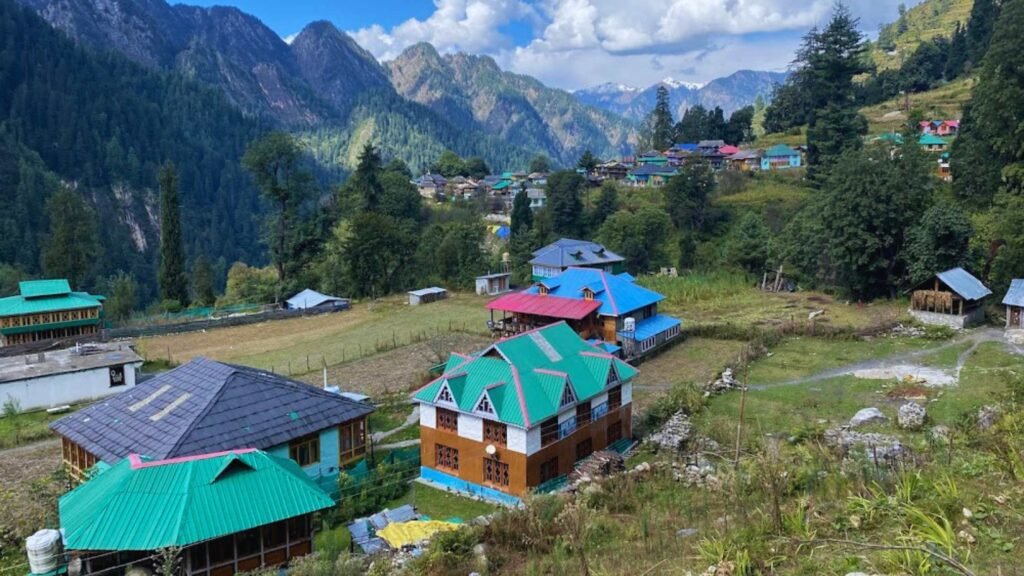
Grahan is a lovely village walk, but keep it purely weather-dependent in September. It involves a forest trail that turns slippery in rain.
Ask locals about the trail condition on the day, and skip it entirely if it has been raining or the path is wet. This is not a trek to gamble on in a bad-weather window.
If you are still deciding whether Kasol is even the right valley for your kind of trip, our comparison of Jibhi and Kasol is worth a read. Jibhi wins on quiet and forests, Kasol wins on cafés and people.
3-Day Kasol Itinerary for September

This is the plan we hand most travellers doing a long weekend from Delhi or Chandigarh. It is built to bend around September weather instead of fighting it.
Day 1: Arrival, Check-in and Kasol Market
Reach Kasol by late morning or early afternoon. Check in, eat a slow lunch at a riverside café, and rest for an hour.
Spend the evening on the river and in Kasol market. Do not move on the roads after dark on Day 1. September evenings can bring rain, and the Bhuntar-Kasol road is no fun wet and dark.
Day 2: Manikaran and Chalal If Dry
If the morning is clear, drive to Manikaran for the gurudwara, the hot springs and the langar. Head back to Kasol by afternoon.
If the day stays dry, add the short Chalal walk before sunset. If it is raining, swap it for café time and an easy market evening. No forcing.
Day 3: Tosh or Barshaini Side, or a Slow Café Day
Only push to Tosh or the Barshaini side if the road and weather are both confirmed clear. Start early, because September rain tends to arrive later in the day.
If conditions look shaky, do not gamble. Make it a slow café morning or a local village walk near Kasol, then start your return drive by noon.
👉 Pick the right stay & route — we’ll help.
4-Day Flexible Itinerary If You Want Treks

Four days is what we recommend if a trek matters to you. That extra day is your insurance against September weather.
Day 1: Travel and Rest
Reach Kasol, check in, and keep the day light. Lunch, a short river walk, dinner in the market. Let your body settle before any altitude.
Day 2: Manikaran and Chalal
Do Manikaran in the first half of the day. Add the Chalal walk in the afternoon if it stays dry.
This keeps Day 2 gentle and gives the weather a full day to show its hand before you commit to a trek.
Day 3: Kheerganga or Tosh, Only If Safe
This is your trek day, but only if the forecast, the trail and the local guides all say yes. Start Kheerganga from Barshaini early, since it runs 12 to 14 km and 5 to 6 hours.
If the weather is bad, this is where the plan flexes. Move the trek to Day 4, or drop it and do a quieter village day instead.
Day 4: Buffer Day for Delays or a Slow Departure
This is the most important day in a September plan. If Day 3 got rained out, Day 4 becomes your trek day.
If everything went smoothly, Day 4 is a relaxed café morning before you drive out. Buffer days matter in September because a single landslide or heavy spell can block a road for hours. The buffer is what turns a stressful trip into a good one.
How Much Does a Kasol Trip Cost in September?

Costs swing based on your stay, transport and how much you eat at cafés versus dhabas. Here are realistic ranges to plan around.
A budget 3-day trip from Delhi can start around ₹4,200 to ₹6,700 per person if you use buses, dorms or budget stays, and simple food.
A mid-range 3-day trip usually lands between ₹9,800 and ₹16,500 per person with better stays and private transport.
Stay Costs
Hostel dorms are usually around ₹400 to ₹900 per night, depending on season, location and amenities. MMT listed hostel examples around ₹889 to ₹1,944 per night in 2026 results.
September is off-peak compared to May-June, so you often get better rates. But weekends can still push prices up, so book ahead if your dates are fixed.
Food Costs
Budget around ₹400 to ₹500 per day for food, depending on how you split local and café meals. A local restaurant meal is roughly ₹100 to ₹150, while a café meal runs ₹250 to ₹300.
Treat all these numbers as flexible. Weekends, group size and stay category can move them either way. Want an exact figure for your dates? Run them through our Himachal trip cost calculator.
What Should You Pack for Kasol in September?

Pack for one simple truth. It can be sunny at noon and pouring by 4 PM, all in the same day.
Start with a good rain jacket and quick-dry clothes. Cotton stays wet for hours at this altitude, so leave the heavy cotton tees at home.
Add one warm layer for the cold nights, especially late September. A fleece or light down layer covers you when the temperature drops after sunset.
Your feet matter most. Carry waterproof shoes with grip and at least one extra pair of socks. Slippery fashion shoes are how people fall on wet trails.
Round it off with a power bank, your basic medicines, a waterproof cover for your bag, your ID and some cash in small notes. Network and UPI get patchy in the upper valley, so cash is your backup.
Who Should Visit Kasol in September?
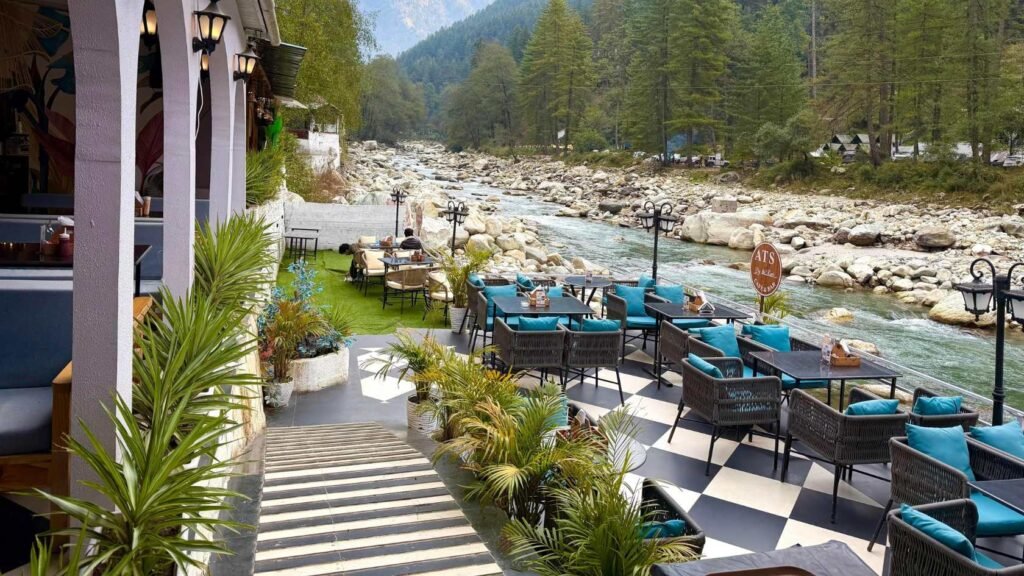
September rewards a certain kind of traveller. It is great for slow travellers, photographers, café people and couples who are okay with a little rain.
It also suits repeat Himachal travellers and flexible backpackers who do not mind reshuffling a day. If you have been to Kasol in peak season and hated the crowds, September is your redemption month.
It is not ideal for first-time hill drivers, anyone on a tight return schedule, or heavy trek-focused plans that cannot flex. Families with small kids should think twice if heavy rain is forecast.
If your group leans more toward quiet forests than café buzz, look at our Jibhi and Tirthan Valley options instead. And if you want to pair Kasol with bigger mountains and adventure activities, our Manali tour packages combine well with Parvati Valley in one trip.
Kasol in September vs October
This is the question we get most, so here is the straight comparison.
September
Gives you green views, mist, fewer crowds and often lower stay prices. The cost is the rain risk, which is real, especially early in the month.
October
Is usually calmer. Clearer skies, better odds for outdoor plans, drier trails and less stress overall. It is the second peak season for a reason.
So here is our take. If your dates are fixed and fall in Kasol, aim for late September and watch the forecast closely. If you can choose your dates freely and want the safest clear-sky bet, pick October.
Local Safety Tips From a Himachal Team

These are the things we tell every traveller before a September trip, learned from years on these roads.
Stay away from riverbanks, especially when the Parvati is running high after rain. The water rises faster than it looks.
Never drive after dark on the valley road in wet weather. Visibility drops and small landslips are hard to spot at night.
Check the weather the evening before and again the morning of any drive or trek. Conditions here change overnight.
Listen to locals and guides over any blog or app. If a local operator says a trail is not safe today, believe them. Keep the DEOC number 1077 handy and never push a trek in bad weather.
IMD also advises following traffic advisories, avoiding waterlogged or vulnerable areas, not crossing streams during heavy spells, and keeping a safe distance from rivers and water bodies. Simple rules, but they are the ones that keep people safe.
For more of how we plan these trips, browse our popular Himachal tours or just contact HimTrails and tell us your dates.
Final Verdict: Should You Visit Kasol in September?
Yes, if you want a green, slower, café-heavy Kasol trip and you can stay flexible. September gives you the valley at its most peaceful, with mist, thin crowds and a river in full flow.
No, if you want guaranteed treks and fixed, rigid travel plans. The rain risk is too real to promise anyone a dry Kheerganga day in early September.
Between the two halves of the month, late September is the better bet than early September. And if you can choose freely and want clearer skies, October is the safer call.
The valley is worth it either way. You just have to time it right and keep one day spare.
👉 Want this trip? Let’s plan it right.
Frequently Asked Questions
Also Read: Dharamshala in September 2026: Weather, Itinerary, Things to Do and Travel Tips
Ready for Your Himachal Adventure?
Get FREE customized itinerary · Best Price Guaranteed · Local Himachal Experts · 3,973+ Happy Travelers