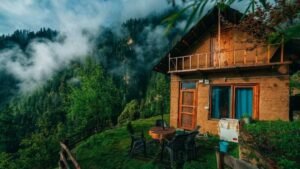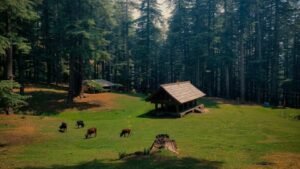
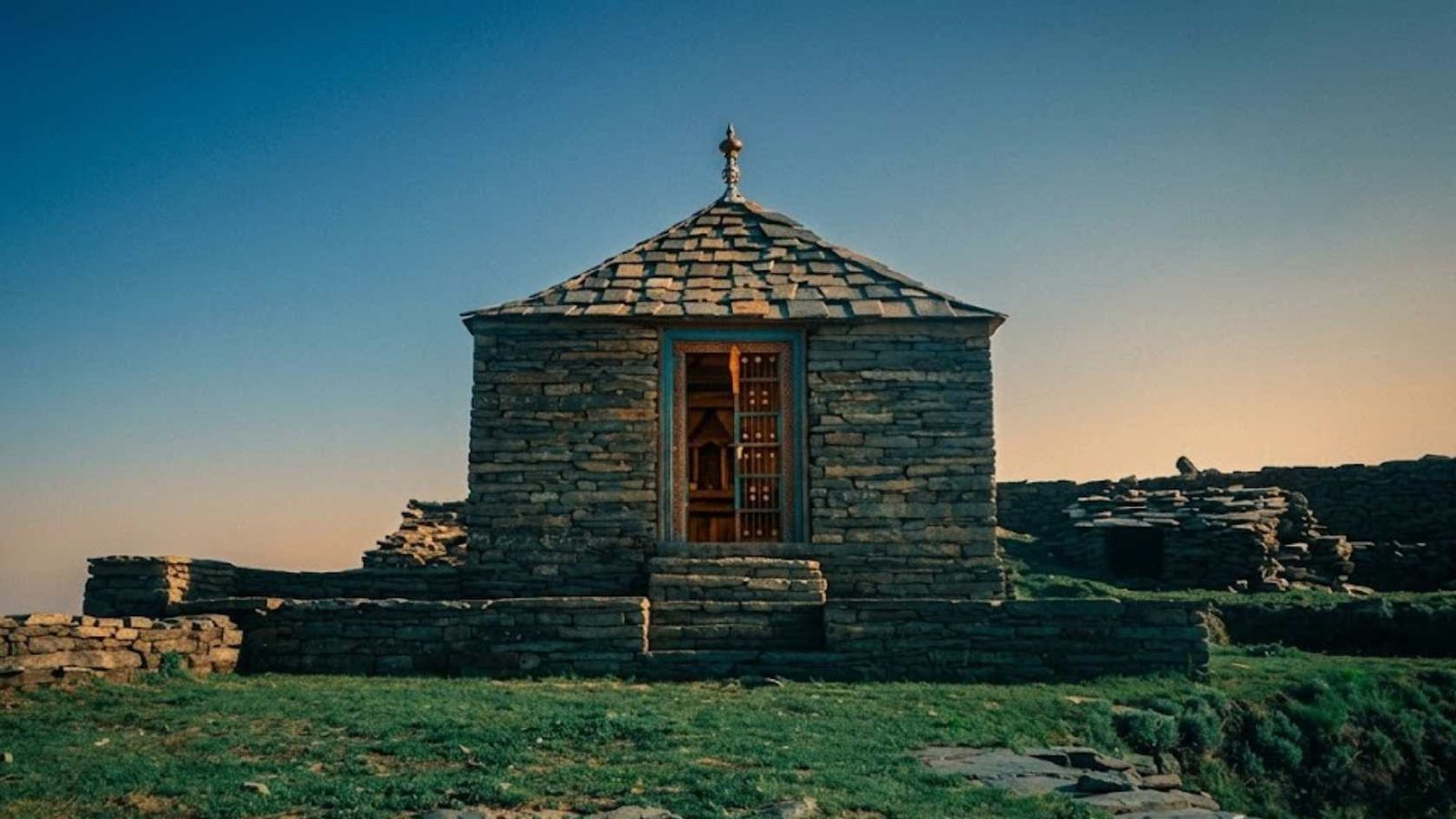
If you are searching Jibhi in monsoon, you probably want one honest answer: is it worth it, or will the rain ruin your trip? Here it is, straight from a Shimla-based team that runs this Banjar valley every season. Jibhi in monsoon is green, misty, quiet, and cheap on crowds. But it is also rain-prone, and a few plans go wrong every year because people treat it like a fixed sightseeing trip instead of a flexible one.
Quick Answer: Is Jibhi Worth Visiting in Monsoon?
Yes, if you are flexible. From July into September, Jibhi turns deep green, the streams run strong, and the whole valley empties out. It suits slow travellers, couples, café-sitters, and photographers who do not mind a full day indoors.
It is not the right season if your trip depends on Jalori Pass, back-to-back treks, a rigid sightseeing checklist, or guaranteed road access. Those plans break the moment it rains hard.
Simple rule we give every traveller: go when no severe alert is active and the road is confirmed open, and postpone when the IMD issues an orange or red warning for Kullu or your hosts and drivers report road disruption.
If you want us to handle the routing and stays, explore our Jibhi and Tirthan Valley tour packages and we will build the trip around the forecast, not against it.
👉 Confused? Let locals plan your trip.
What Is Jibhi Like During the Rainy Season?
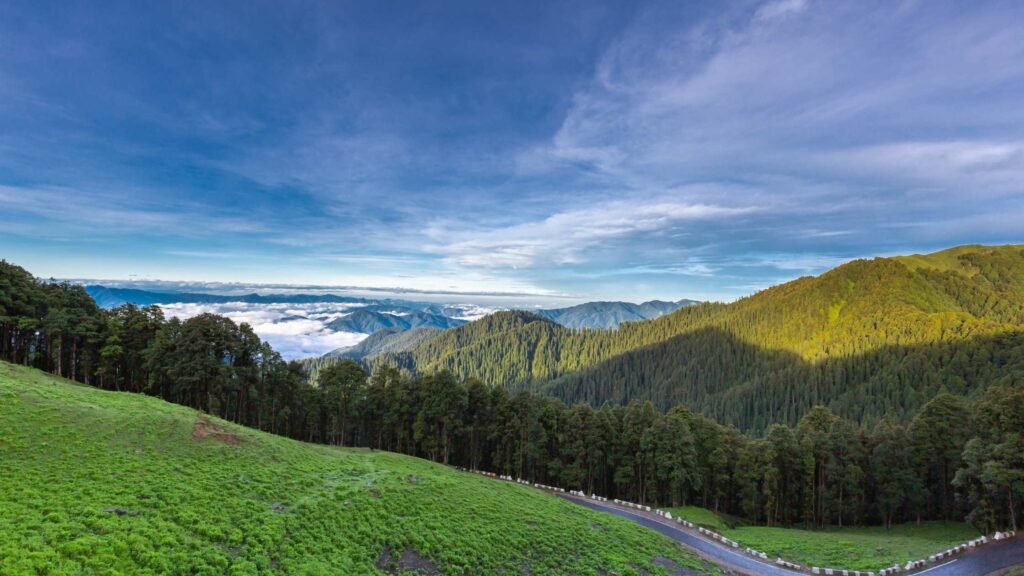
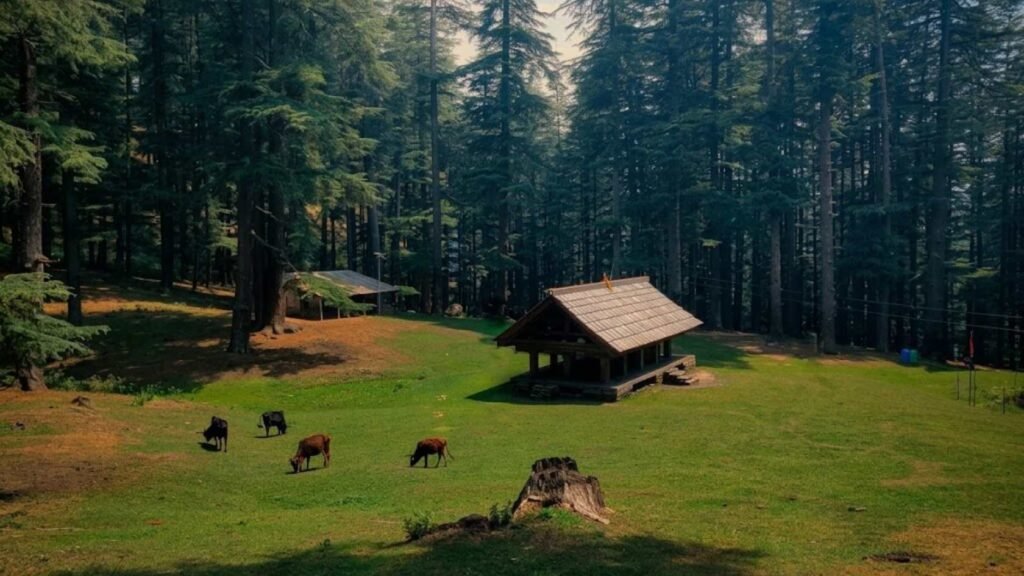
The forest goes electric green. Clouds sit low over the deodar and oak, mist drifts through the village, and the Jibhi stream runs louder and fuller than any other time of year. On a soft-rain morning with a hot cup of tea, this is one of the prettiest corners of the Kullu district.
Now the part most blogs skip. Your clothes stay damp. Your shoes get muddy and stay that way. Power can cut out for hours. Travel slows down, and outdoor plans get cancelled with no notice.
In our experience, travellers who enjoy monsoon Jibhi are the ones who came expecting exactly this, not a dry, sunny hill-station holiday.
One honest warning before you book: rain here does not follow a neat schedule. Do not believe anyone who tells you it rains only in the mornings or only at night. Some days it barely stops, and you plan around that, not around a pattern.
When Does Monsoon Start in Jibhi?
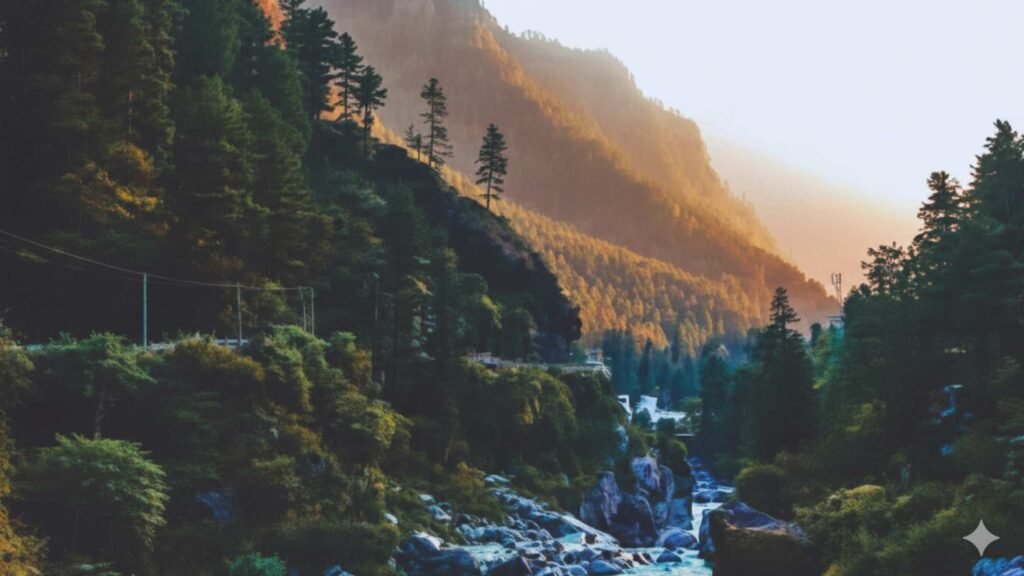
Most travel sources describe the Jibhi monsoon as July to early or mid-September. Within that window, each month feels different, so pick your dates by what you can handle.
Jibhi in July
July usually brings the most active monsoon of the season. The greenery peaks, but the trails turn slippery and everything gets less predictable.
For July, keep your dates flexible, book refundable stays, and check the forecast every single day before you leave.
Jibhi in August
Heavy rain and strong water flow often continue into August. Expect cloud, mist, wet forest paths, and a real chance of transport getting disrupted for a few hours.
We tell our August travellers to build in a buffer day and never plan a same-day connection out of the valley.
Jibhi in September
September can keep the green while the rain slowly eases off. It is often the sweet spot for monsoon lovers who still want some stability.
Just remember the monsoon withdrawal date changes every year. Nobody can promise you a dry September, so keep checking the forecast right up to departure.
Want more stable conditions instead? Read our Jibhi in May season notes, or plan a shoulder-season trip using our Jibhi and Tirthan Valley Guide for drier trails.
Is Jibhi Safe to Visit During Monsoon?
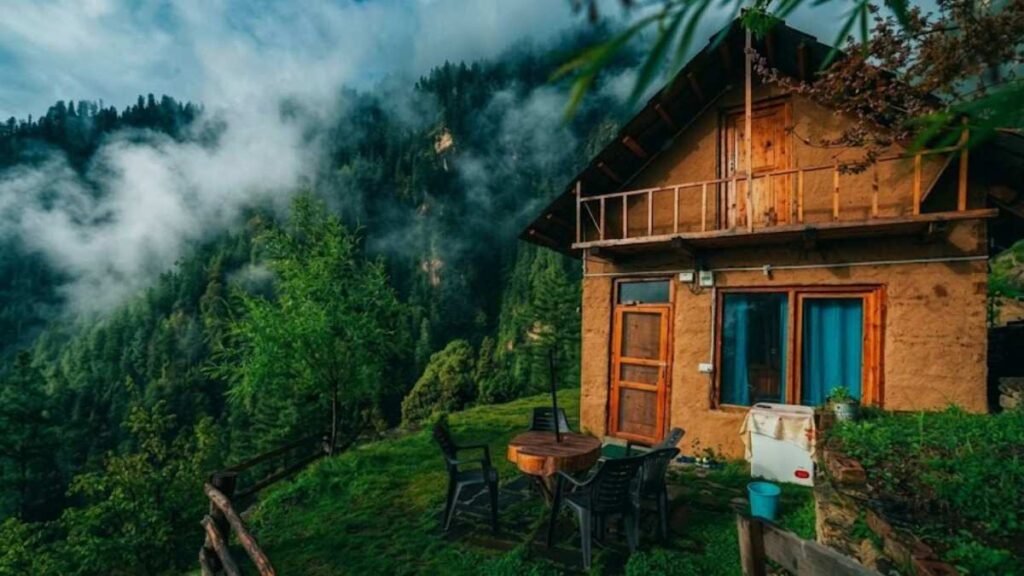
Mostly yes, with caution. Sitting inside a Jibhi homestay during rain is not the risk. The real concerns are landslides, falling rocks, flash floods, rising streams, slippery roads, poor visibility, and temporary traffic blocks during heavy spells.
Most people who get into trouble here did one of two things: they drove a mountain road at night to protect a booking, or they walked up to swollen water for a photo. Both are avoidable.
Use This Go, Postpone or Cancel Framework
Go with caution when no severe warning is active, your host or driver has confirmed the approach road is open, you can arrive in daylight, and your bookings are flexible. That is the green light we look for.
Postpone when an orange or red warning covers Kullu or the districts you drive through, when heavy rain has been falling for days, when your host reports road disruption, or when you simply have no flexibility in your dates.
Do not continue when there is an official road closure, visible rockfall, water flowing across the road, a driver refusing to go further, or any instruction from police and local authorities. On those days you stop, full stop.
These are conservative planning guidelines, not a promise of safety. Mountains do not read forecasts, so treat every rule here as the minimum, not the maximum.
What Official Alerts Actually Mean
An IMD alert usually covers a whole district. It does not prove every road is shut or that every village gets the same rain. Your specific road might be fine while another part of Kullu floods.
That said, take severe alerts seriously. The IMD lists landslides, mudslides, flash floods, rising water levels, slippery roads, low visibility, traffic congestion, and disruption to services as possible impacts of heavy rain.
Who Should Avoid a Monsoon Trip?
Skip monsoon Jibhi if you are travelling with very young children, elderly members who need predictable access, or anyone with medical requirements that cannot wait out a road block. It is also a poor fit for inexperienced mountain drivers and anyone holding same-day, non-refundable flights or trains at the other end.
How Are the Roads to Jibhi in Monsoon?
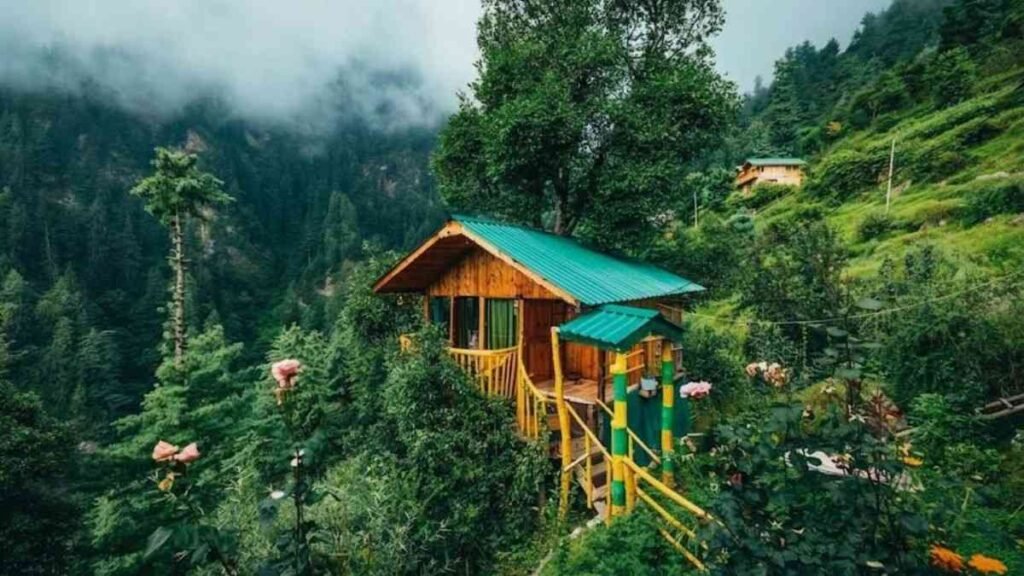
The common approach runs through Chandigarh, Bilaspur, Mandi, Aut, Banjar, and Jibhi. The highway sections are the easy part. Things get slower and narrower once you leave Aut.
Delhi and Chandigarh to Aut
Delhi to Jibhi is roughly 480 to 510 km, and our own estimates usually land at 10 to 14 hours depending on route, traffic, stops, and road conditions.
From Chandigarh, sources conflict. We plan around roughly 260 to 280 km and 7 to 8 hours, while other route platforms show significantly different figures, so treat that number as a planning estimate only.
In monsoon, add time for traffic, roadwork, landslides, and waiting for clearance. A drive that runs clean in May can crawl in July.
Aut to Banjar and Jibhi
Plan for about 24 km from Aut to Banjar and another 8 km from Banjar to Jibhi. In normal conditions, Aut to Jibhi takes roughly 1.5 to 2 hours, but rain can stretch that out.
The road narrows and winds after Aut. Drive it in daylight, and confirm the road condition on the morning you travel rather than the night before.
One local note: road repairs affected the Aut–Banjar section earlier in May 2026. Check whether any of that work is still active before you set off.
Jibhi to Shoja and Jalori Pass
Jibhi to Jalori Pass is about 14 km. This is a higher, more weather-sensitive road than the valley floor.
We never tell travellers the pass is definitely open or definitely closed. Access depends entirely on the same-day road, weather, and local-authority situation. Check it the morning you plan to go, not before.
Should You Self-Drive?
If you self-drive, your tyres, brakes, wipers, headlights, and window defogging all have to be in good shape. Keep fuel topped up, watch your visibility, and take every corner slowly.
Four-wheel drive does not make an officially closed or actively unstable road safe. If you are not comfortable on wet mountain roads, hire an experienced local hill driver and let them handle it.
How Should You Check Live Conditions Before Leaving?
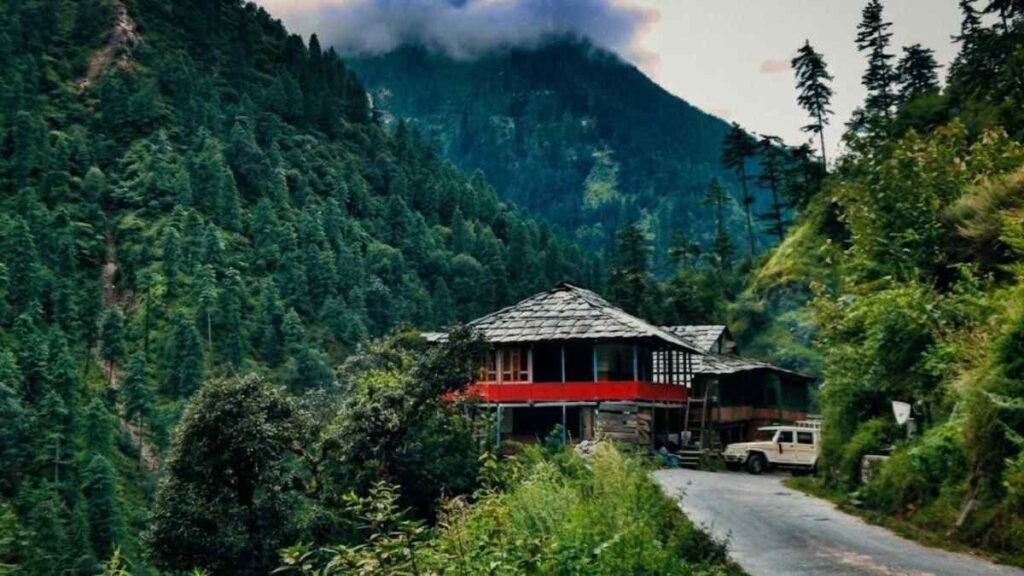
Start about 72 hours before departure by checking the IMD Shimla district warning for Kullu. Check it again the evening before you travel.
On the departure morning, contact your stay, your driver, or our HimTrails team for the live Aut, Banjar, and Jibhi road situation. Police and district-authority closures always take priority over whatever a navigation app estimates.
If you are connecting to a flight or train, keep at least one buffer day. Never leave Jibhi and take a same-day connection during monsoon.
2026 Live Weather Update
Dated update — 19 July 2026. As of today, the IMD has placed Kullu under significant rainfall warnings. Moderate to heavy rain is forecast at isolated places on 19 July, heavy to very heavy rain on 20 July, very heavy to extremely heavy rain on 21 July, and heavy rain on 22 July. The department has flagged the risk of landslides, flash floods and road disruption, and advised travellers to stay away from rivers, streams and waterfalls. If your dates fall in this window, treat it as a postpone signal unless your host and driver confirm the road is genuinely clear.
The IMD extended outlook for 24 to 30 July 2026 expected light to moderate rain on many days with isolated heavy rain on some, but that longer-range view does not replace the short-range forecast. This update is time-sensitive and must be swapped for the latest IMD bulletin before publication.
Which Places Can You Visit in Jibhi During Monsoon?
Jibhi Village and Cafés
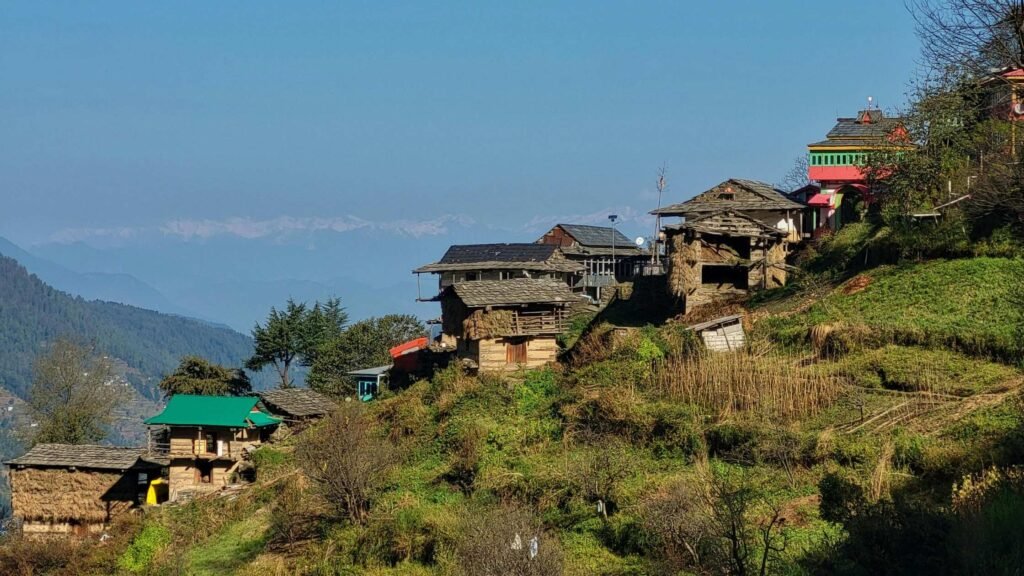
Keep village walks short and save them for light, stable weather. Most of your good monsoon hours will be spent in cafés, over local food, in long chats with your hosts, reading, or shooting photos from a safe, dry spot.
The riverside cafés near the main village are the heart of a rainy-day Jibhi trip. This is where the slow-travel crowd falls in love with the place.
Jibhi Waterfall
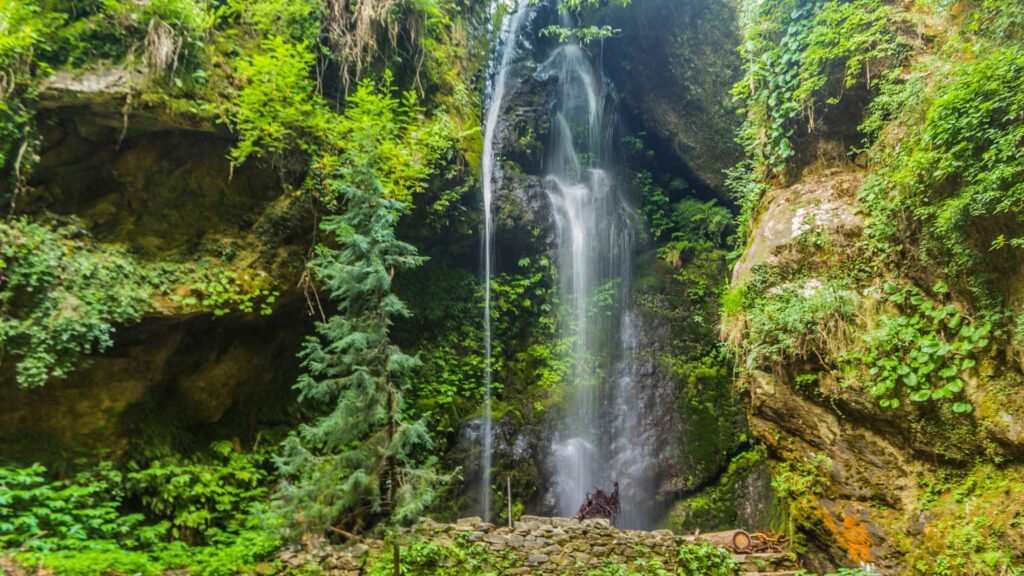
The Jibhi Waterfall runs stronger in monsoon, and that is exactly why the approach gets slippery. Stay behind any barriers, follow local instructions, and keep well away from the pool and the water’s edge during strong flow or heavy rain.
Do not assume it is safe just because it sits close to the village. Strong monsoon flow is the reason people slip here.
Mini Thailand
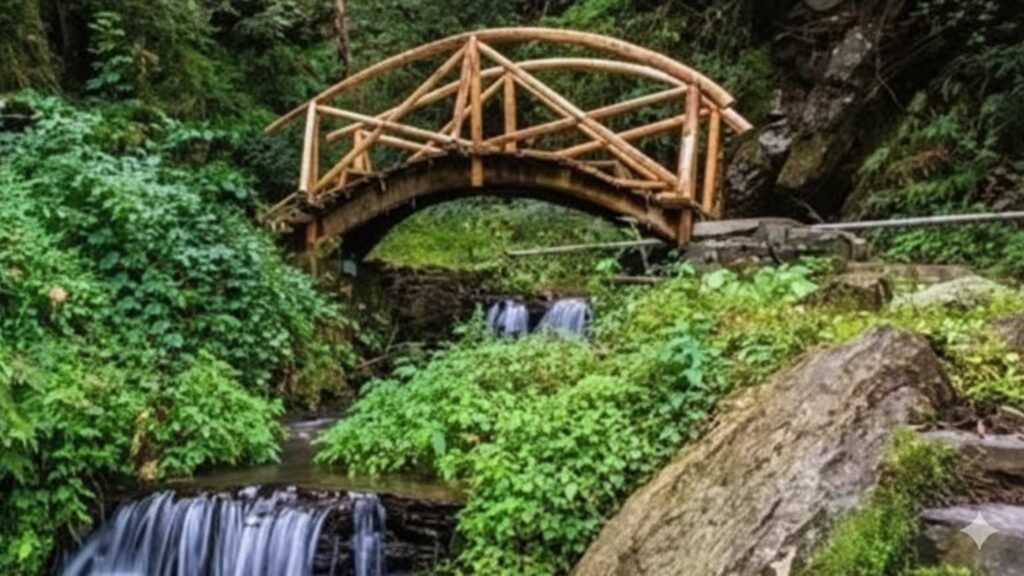
Mini Thailand is all rocks and flowing water, which makes it a monsoon judgement call. Only go if a local host or guide confirms conditions are suitable that day.
Do not swim, do not enter the water, and do not climb wet rocks in the rainy season. This is where overconfidence causes accidents.
Chehni Kothi
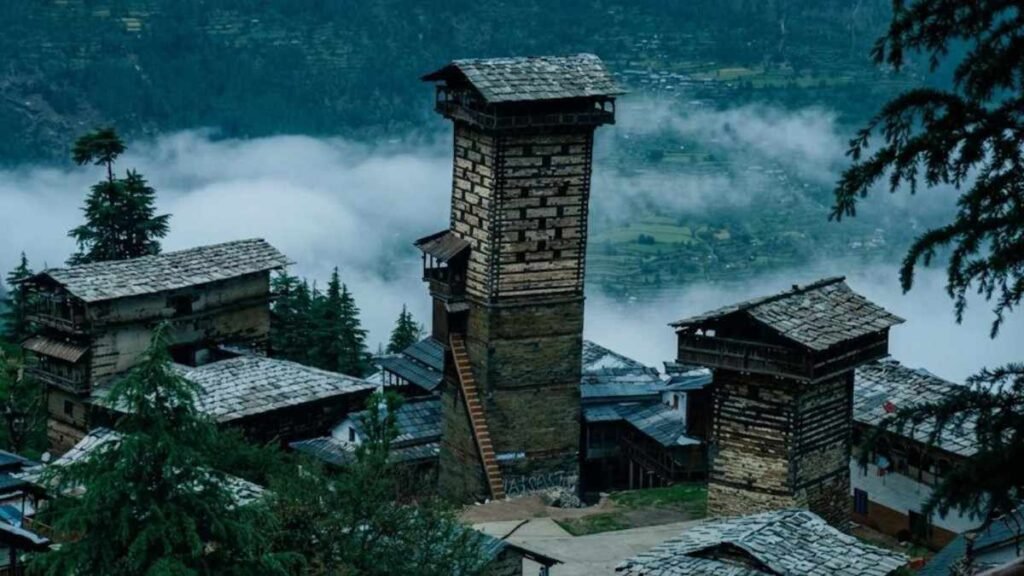
Treat Chehni Kothi, the old tower fort, as a conditional excursion for a stable-weather day. Check the trail locally before you leave the village, since the short climb turns tricky when wet.
Jalori Pass, Serolsar Lake and Raghupur Fort
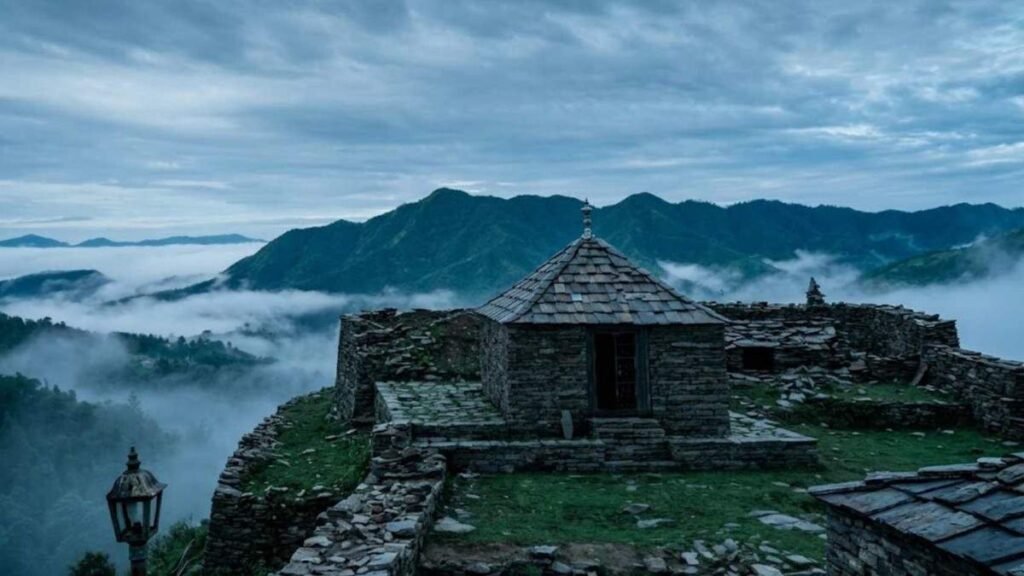
Jalori Pass, Serolsar Lake, and Raghupur Fort all depend on the live road, trail, and weather picture. Do not attempt these during an active heavy-rain warning.
Keep Jalori optional rather than the centre of your plan. If it opens up on a clear day, great. If it does not, you should still have a full trip.
Still deciding between valleys? Our honest comparison, Jibhi or Kasol: Which Is Better?, breaks down which one fits your travel style in the rains.
A Flexible Three-Day Jibhi Monsoon Itinerary

Day 1: Arrival and a Slow Village Evening
Aim to arrive in daylight, check in, get a warm meal, sit at a nearby café, and rest. Do not schedule Jalori Pass or a long walk on arrival day.
If you land in heavy rain, skip the walk entirely. Settle in, order local food, and let the valley reveal itself the next morning.
Day 2: Waterfall and Local Exploration
Plan the Jibhi Waterfall and a short village walk only when the weather and local advice are on your side.
If the rain sets in, go fully indoors: café time, local food, reading, board games, long conversations with your hosts, and photography from the property. A good homestay makes this the best part of the trip.
Day 3: Conditional Excursion or Relaxed Departure
On a stable day, add a short, locally approved outing to Chehni Kothi, Shoja, or a nearby trail. Do not force Jalori Pass into the plan.
If you have an onward flight or train, add an extra night or a buffer day here. We would rather you lose a night’s booking than miss a connection because of a landslide.
Where Should You Stay in Jibhi During Monsoon?
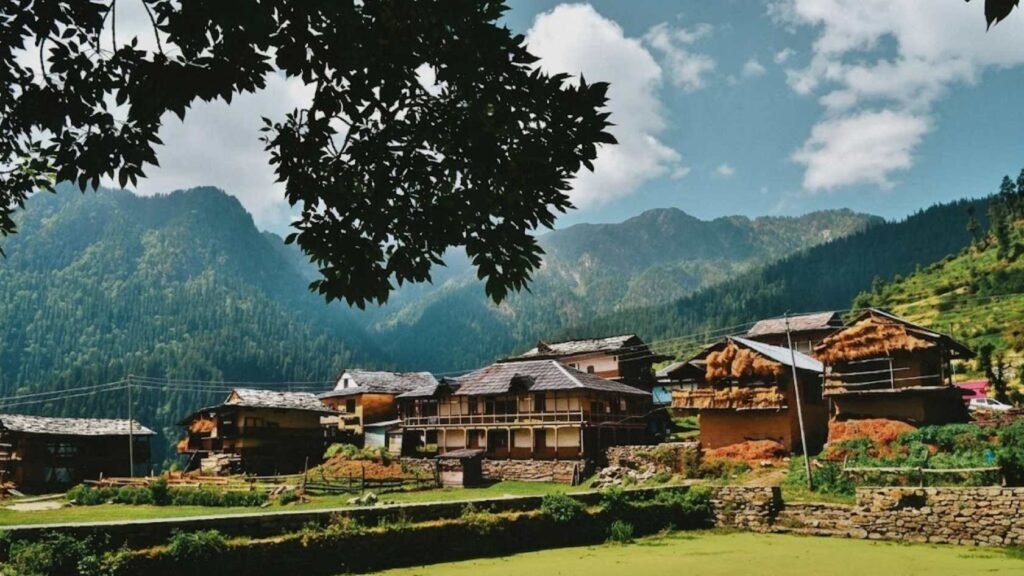
The most beautiful photo is not always the most practical stay. In monsoon, access matters more than looks.
Before booking, ask whether a normal vehicle can reach the entrance, whether you have to carry luggage down a slippery trail, whether parking exists, and whether the property can serve meals when you cannot go out.
Also ask about backup electricity, hot water, room dampness, leaking roofs, mobile signal, Wi-Fi reliability, stairs, and the cancellation policy. These small answers decide how a rainy day feels.
A riverside stay looks dreamy, but do not make river views your only booking criterion during high water flow. Pick flexible cancellation over the cheapest non-refundable rate every time.
Want a shortlist that already checks these boxes?
Browse popular tours and we will match you to stays that handle monsoon well.
👉 Pick the right stay & route — we’ll help.
What Should You Pack for Jibhi in Monsoon?

Start with a proper waterproof jacket, quick-drying clothes, and a waterproof cover for your bag. Pack dry inner bags for electronics and clothes, footwear with good grip, and extra socks, because your first pair will get wet.
Add a light warm layer, a torch, a power bank, your usual medicines, insect repellent, and backup cash. ATMs are limited around Jibhi, so carry enough from Banjar or Aut.
An umbrella alone is not enough on narrow paths or in wind. A jacket keeps your hands free and your body dry when the trail gets tight.
One more thing some local guides mention: leeches on wet forest trails. Not every traveller runs into them, so do not panic, but tuck your socks in and carry a little salt if forest walks are on your list.
What Should You Never Do During Heavy Rain?
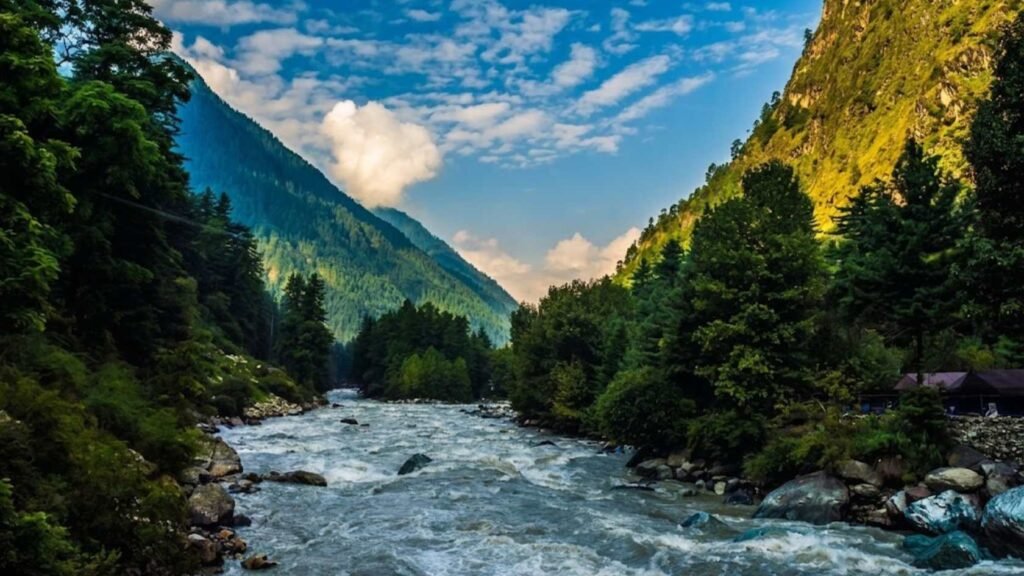
Do not stand beside swollen rivers, streams, waterfalls, drains, culverts, or nallas. Water rises faster than you expect at altitude.
Do not cross moving water over a road or trail, and do not trek during an active heavy-rain warning. Do not start a mountain-road journey after dark just to protect a hotel booking.
Do not stop below exposed road-cut slopes for photos, and do not trust a social-media video filmed on some other day as proof of today’s conditions. The IMD is clear on this: during severe rain, avoid trekking, vulnerable slopes, and water bodies.
How Much Does a Jibhi Monsoon Trip Cost?

Your budget normally covers transport to Aut, the local transfer to Jibhi, accommodation, food, local sightseeing transport, and one emergency buffer night. That buffer night is not optional in the rains.
Some properties report better availability in monsoon, but lower prices are not guaranteed. The honest move is to ask for a date-specific quotation rather than trust a generic range.
Is Jibhi Better Than Manali or Kasol in Monsoon?
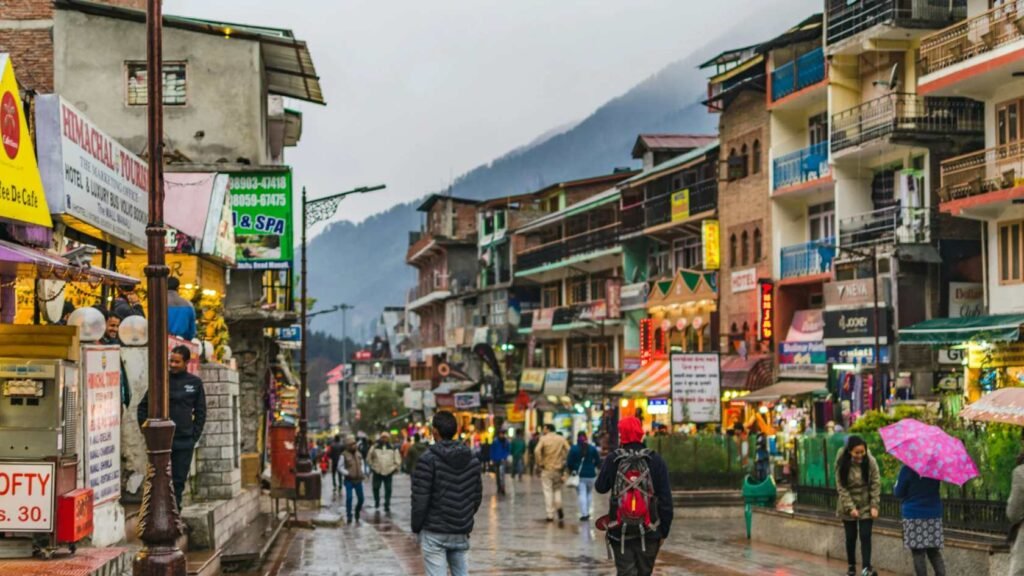
Jibhi is quieter and made for slow travel, but it has fewer transport backups, fewer indoor attractions, and none of the large-town services you get elsewhere. When a plan fails, you have fewer fallbacks.
Manali gives you more cafés, more transport options, busy markets, and plenty of alternative activities when the outdoors shuts down. Explore our Manali tour packages if you want a bigger base with more backups.
Kasol has a broader backpacker setup, but it still faces the same monsoon road and river risks. See our Kasol tour packages to compare the vibe.
We will not call one destination universally safer without checking current conditions. In monsoon, the safest choice is whichever one has the clearest road on your travel dates.
Final Verdict: Who Should Visit Jibhi in Monsoon?
We recommend monsoon Jibhi for flexible couples, photographers, repeat Himachal travellers, slow travellers, and anyone comfortable spending a full day indoors with good coffee and better views.
We steer people away from it if they have a rigid weekend itinerary, are inexperienced self-drivers, want a trekking-first trip, are travelling with elderly members who need predictable access, or simply cannot absorb a delay.
After years of running this valley, the one line we repeat most is this: come to Jibhi in monsoon for the rain, not in spite of it. Plan loose, keep a buffer day, and it becomes one of the most peaceful trips in Himachal.
👉 Want this trip? Let’s plan it right.
Frequently Asked Questions
Also Read: Phulaich Festival Kinnaur 2026: History, Rituals, Dates, Travel Guide & Visitor Tips
Ready for Your Himachal Adventure?
Get FREE customized itinerary · Best Price Guaranteed · Local Himachal Experts · 3,973+ Happy Travelers