
हिमाचल प्रदेश के प्रमुख पर्यटन स्थल
Every time someone asks us at HimTrails, ‘Which is the best destination in Himachal Pradesh?’, we pause — not because we don’t know the answer, but because there are too many right ones. After five years of running trips across this state, we can say with full confidence: Himachal Pradesh doesn’t have one standout destination. It has twelve that will genuinely change the way you look at mountains.
Whether you’re planning a quick weekend escape from Delhi or a full 15-day circuit through the Himalayas, this guide covers all the major Himachal Pradesh destinations — what makes each one special, when to go, and what kind of traveller will love it most. We’ve kept it real, kept it honest, and added notes from the thousands of trips we’ve organised over the years.
Why Himachal Pradesh is India's Favourite Mountain State?
Himachal Pradesh sits in the western Himalayas, sharing its borders with Tibet, Jammu & Kashmir, Uttarakhand, Punjab, and Haryana. It covers over 55,000 sq km of terrain that shifts dramatically — from subtropical forests in the lower hills to barren cold deserts above 12,000 feet in the north.
What sets it apart from other hill states is variety. In a single trip, you can go from apple orchards in Kinnaur to Buddhist monasteries in Spiti. From colonial-era promenades in Shimla to riverside campsites in Kasol. From paragliding at world-record heights in Bir Billing to quiet fishing on the Tirthan River. You genuinely cannot exhaust what Himachal offers.
It’s also safer, cleaner, and better connected than most Indian hill destinations — which is why repeat travellers keep coming back. The locals are warm, the food is honest, and the mountains are never too far away.
The 12 Best Destinations in Himachal Pradesh
These are the 12 destinations we cover through our tour packages at HimTrails — each picked for a different reason, each worth your time.
Shimla — The Queen of Hills

Shimla is the capital of Himachal Pradesh and probably the name that comes to most people’s minds first. It sits at around 2,200 metres and carries a distinct colonial character — wide promenades, heritage churches, old libraries, and a ridge walk that makes for one of the most satisfying evening strolls you’ll find in any Indian hill town.
But Shimla is more than its Mall Road. The surrounding areas of Kufri, Chail, Narkanda, and Fagu are all within a short drive and offer everything from apple orchards to skiing. It’s the most accessible Himachal destination from Delhi and Chandigarh, making it a natural starting point for first-time visitors.
- Best For: Families, couples, first-time Himachal visitors, heritage lovers
- Best Time: March–June for pleasant weather; December–January for snowfall
- Distance from Delhi: ~350 km via NH5
Manali — The Adventure Capital
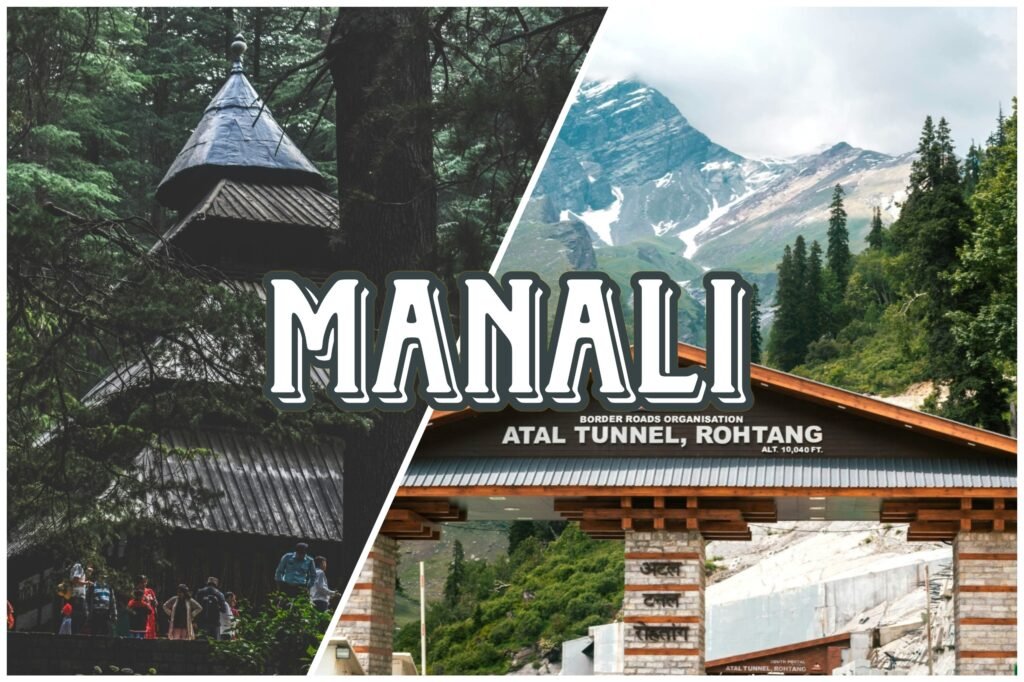
If there’s one name on every adventure traveller’s list, it’s Manali. Sitting at about 2,050 metres in the Kullu district, Manali serves as the gateway to Lahaul, Spiti, and Leh Ladakh. The town itself is full of life — cafes, old temples, backpacker hostels — but the real draw is what surrounds it.
Solang Valley offers snow activities and skiing in winter. Rohtang Pass takes you into a completely different world of barren mountain beauty. Hadimba Devi Temple sits quietly in a cedar forest that feels ancient. Old Manali, across the Beas River, has a village charm that the main bazaar can’t quite match. And beyond all of this, Manali is the departure point for some of India’s greatest road trips — to Spiti via the Rohtang tunnel, and to Leh via the Manali-Leh Highway.
- Best For: Adventure seekers, road trippers, honeymooners, solo travellers
- Best Time: October–June; avoid July–August monsoon season
- Distance from Delhi: ~540 km via Chandigarh and Mandi
Spiti Valley — The Last Kingdom
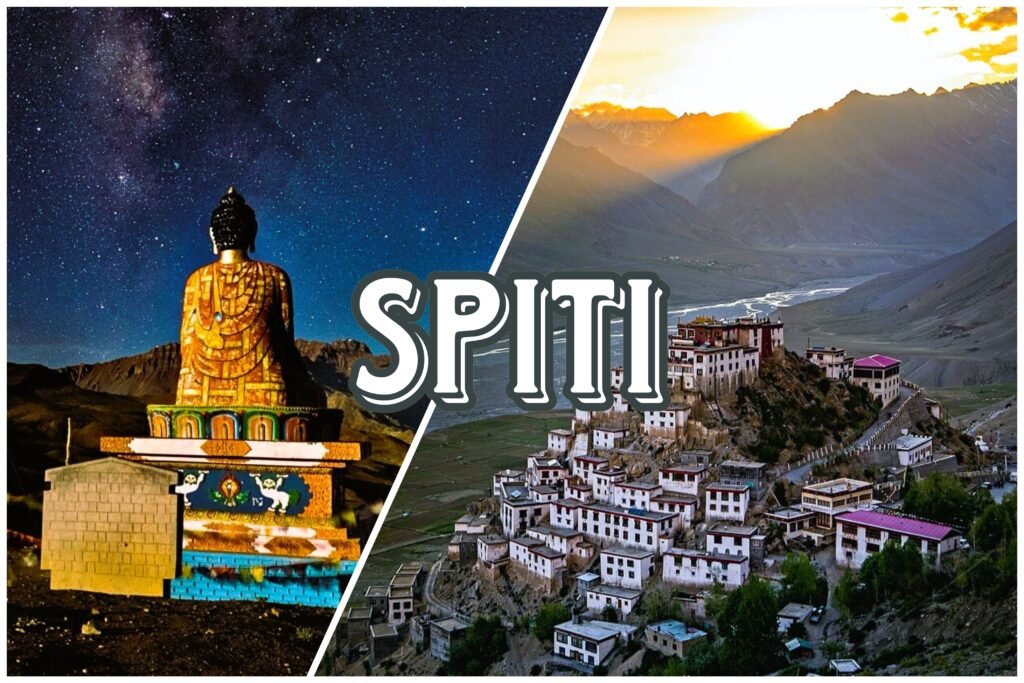
Spiti sits at over 12,500 feet and feels like another planet. It’s a cold desert, technically — brown and barren and magnificent. The Spiti River carves through impossibly high canyon walls, small villages cling to cliff faces, and monasteries like Key, Tabo, and Dhankar have been standing for over a thousand years.
Spiti is not for everyone, and that’s precisely its charm. The roads are tough. The altitude tests you. The mobile signal disappears for stretches. But nothing quite prepares you for the silence and the scale of this place. Travellers who visit Spiti — whether on a bike, in a 4×4, or on a leisurely road trip — consistently say it’s unlike anywhere else they’ve been in India.
- Best For: Offbeat explorers, photography enthusiasts, bike expedition riders, culture lovers
- Best Time: June–September only (passes close in winter)
- Access Route: Shimla–Kinnaur–Spiti circuit or via Manali–Rohtang tunnel route
Dharamshala — Little Tibet in the Himalayas

Dharamshala is the seat of the Tibetan government in exile and home to the Dalai Lama — which already makes it unlike any other hill station in India. Split into lower Dharamshala and the more popular McLeodganj, the town draws a mix of spiritual seekers, yoga practitioners, trekkers, and travellers simply looking for something deeper than a typical holiday.
The mountains around Dharamshala belong to the Dhauladhar range, and the trekking here is outstanding — Triund is one of the most popular day treks in north India. The food scene is fantastic, with everything from Tibetan momos and thukpa to Israeli falafel and Italian pasta. The energy of this place is hard to describe — it’s both deeply calm and quietly alive.
- Best For: Spiritual travellers, trekkers, solo travellers, yoga and meditation seekers
- Best Time: March–June and September–November
- Distance from Delhi: ~480 km
Kasol — The Backpacker's Paradise
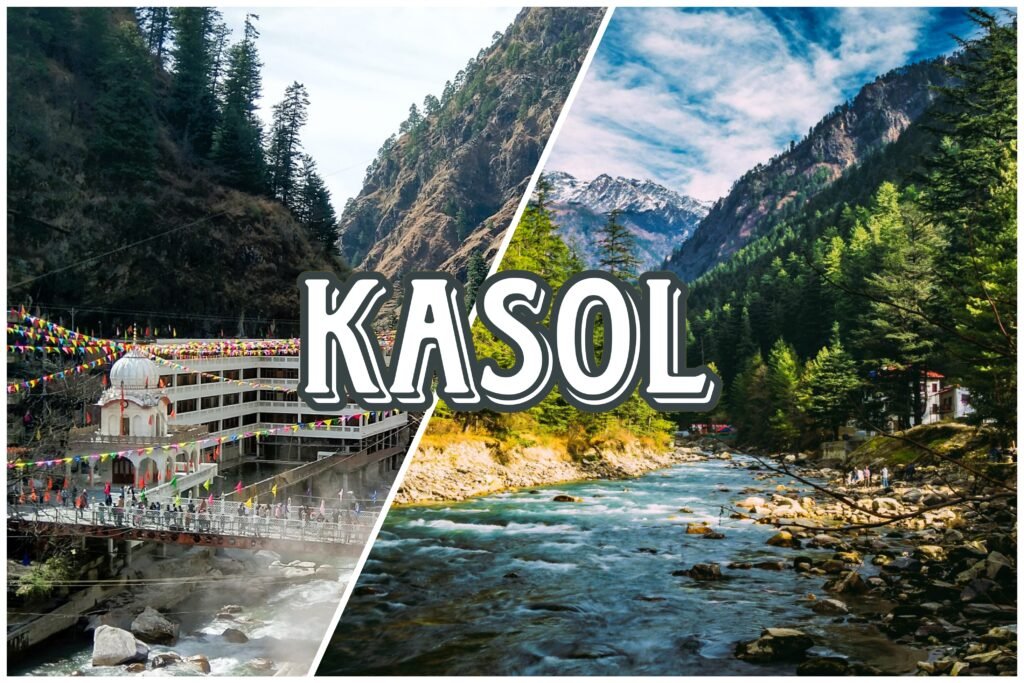
Kasol is a small village in the Parvati Valley and has built a reputation as the most popular backpacking destination in north India. The Parvati River runs right through it, the surrounding forests are gorgeous, and the trekking routes to Kheerganga, Tosh, and Malana are the kind travellers talk about for years.
It draws young travellers, solo hikers, and people looking for a budget escape that still delivers on natural beauty and mountain culture. Kasol is also the base for visiting Manikaran Sahib, one of the most revered Sikh gurudwaras, which adds a completely different dimension to the trip.
- Best For: Solo travellers, backpackers, trekkers, nature lovers
- Best Time: March–June and October–November
- Distance from Manali: ~80 km
Jibhi — The Hidden Valley
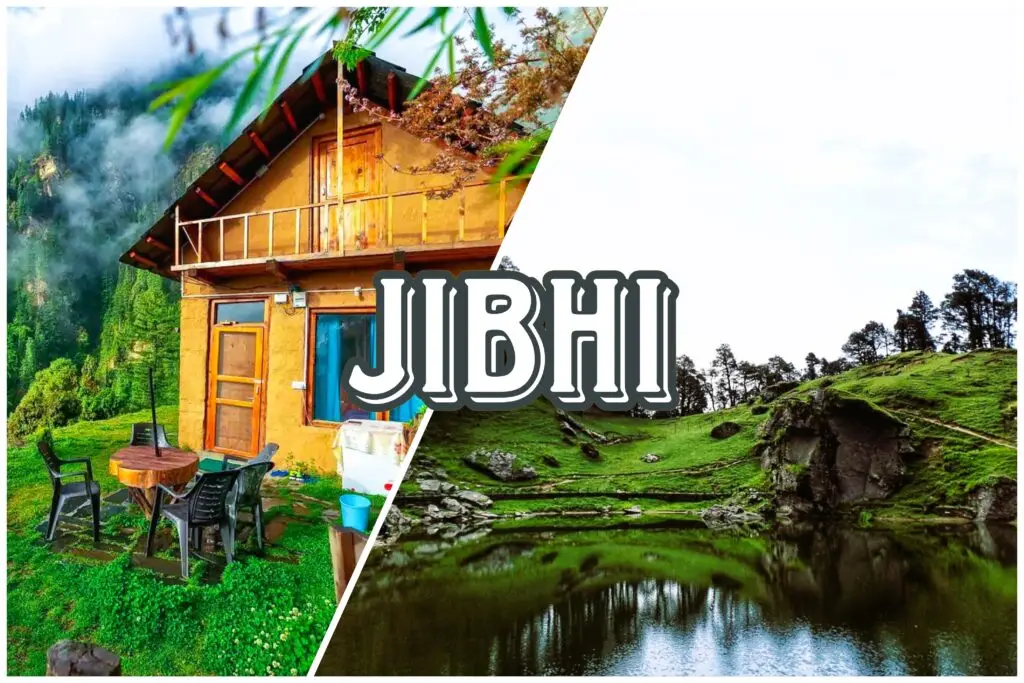
Jibhi is the kind of place people discover by accident and immediately plan to come back to. It’s a quiet village in the Tirthan area, set among dense pine forests with a cold stream running through it. No crowds, no commercialisation, just wooden homestays, forest walks, and genuinely peaceful days.
The Jalori Pass trek from Jibhi is one of the easiest high-altitude walks in Himachal and ends at Serolsar Lake — a gorgeous, rarely-visited spot. Jibhi is also conveniently close to Tirthan Valley and Shoja, making it an ideal base for a slow, exploratory holiday.
- Best For: Couples, slow travellers, digital nomads, weekend trippers from Delhi
- Best Time: March–November; December–January for snow
- Distance from Delhi: ~500 km
Kinnaur — Where the Gods Live
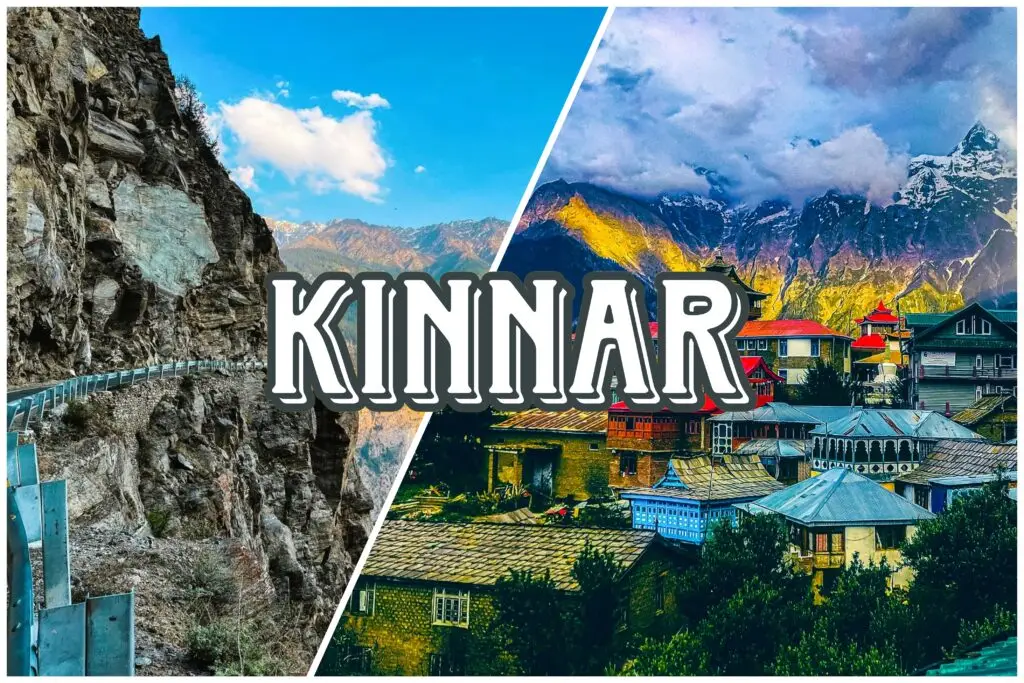
Kinnaur sits between Shimla and Spiti and is one of the most dramatically scenic drives in all of India. The Kinnaur Kailash range towers above the Sutlej River gorge, apple orchards line the mountain terraces, and the traditional Kinnauri architecture — slate-roofed wooden homes with intricate carvings — is unlike anything you’ll see elsewhere.
Chitkul, at the end of the Sangla Valley, is the last inhabited village on the Indian side of the Indo-Tibet border. It genuinely feels like the edge of the world. Kalpa, the main town, has stunning views of the Kinner Kailash peak and is one of the best sunrise-watching spots in the entire Himalayas.
- Best For: Road trip enthusiasts, nature lovers, culture explorers, photography
- Best Time: May–November
- Note: Inner Line Permit required for some areas near the Tibet border
Bir Billing — The Paragliding Capital of Asia

Bir Billing holds world records in paragliding — the 2015 Paragliding World Cup was held here — and the flying conditions are genuinely exceptional. The launch site at Billing (2,400 m) and the landing zone at Bir are separated by about 14 km of pure flying through open Himalayan sky.
But Bir is also a Tibetan refugee settlement with beautiful monasteries, great cafes, and a calm village energy that makes it a lovely base even if you’re not into adventure sports. Camping here, especially near the Uhl River, is one of the best outdoor experiences in Himachal.
- Best For: Adventure sports lovers, paragliding enthusiasts, campers, backpackers
- Best Time: March–June and September–November for paragliding
- Distance from Dharamshala: ~70 km
Tirthan Valley — Nature at Its Purest
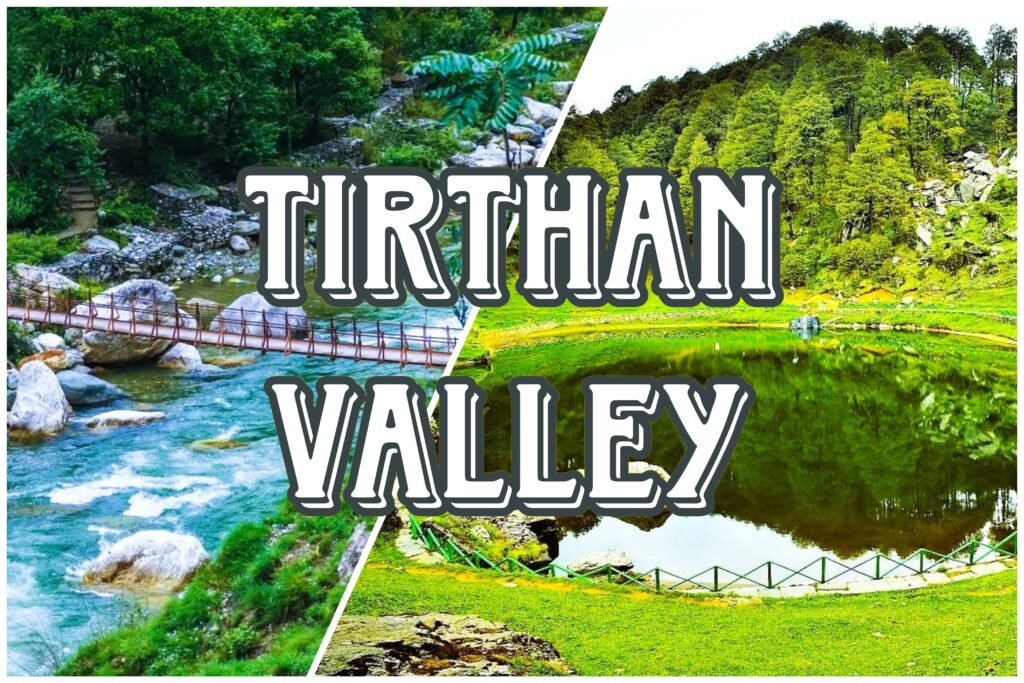
Tirthan Valley is the gateway to the Great Himalayan National Park, a UNESCO World Heritage Site. The Tirthan River is crystal clear and full of trout, making it one of the best fly-fishing destinations in India. The forested trails, traditional village stays, and lack of large tourist crowds make Tirthan a genuinely restorative destination.
It’s the kind of place where you can do as little or as much as you want — trek for a day, laze by the river the next, and pick wild berries on your way back to the homestay. For travellers burned out on busy hill stations, Tirthan is a cure.
- Best For: Nature lovers, trout fishing, families, wildlife trekking
- Best Time: March–June and September–November
- Distance from Aut: ~30 km (Aut is 4 hrs from Delhi by Volvo bus)
Narkanda — The Apple Valley
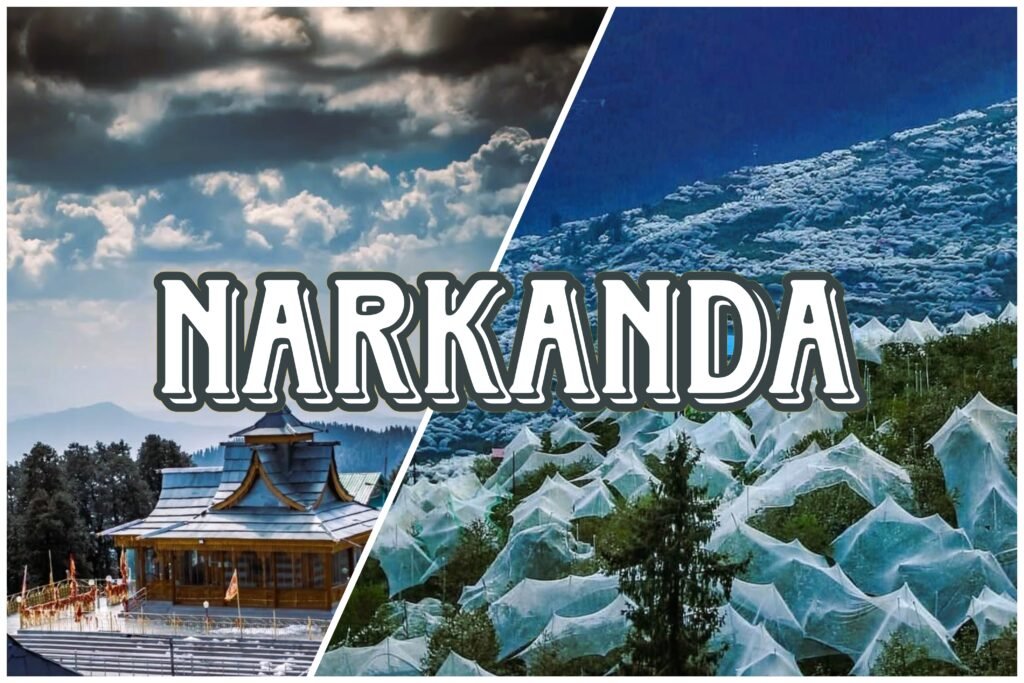
Narkanda sits at about 2,700 metres on the old Hindustan-Tibet Road, roughly 65 km from Shimla. It’s known for two things: its apple orchards and its winter skiing. The ski slopes at Narkanda are among the closest high-altitude skiing spots to Delhi, and the Hatu Peak trek above the town offers panoramic views of the Sutlej valley and distant Himalayan ranges.
Narkanda is often overlooked in favour of the more famous names, but for travellers who like slow mountain travel, apple-season visits in August–September are particularly special — the orchards are heavy with fruit and the air smells of harvest.
- Best For: Skiing in winter, apple orchard visits, off-the-beaten-path travellers
- Best Time: December–February for skiing; August–September for apple orchards
- Distance from Shimla: ~65 km
Chamba — The Valley of Ancient Temples
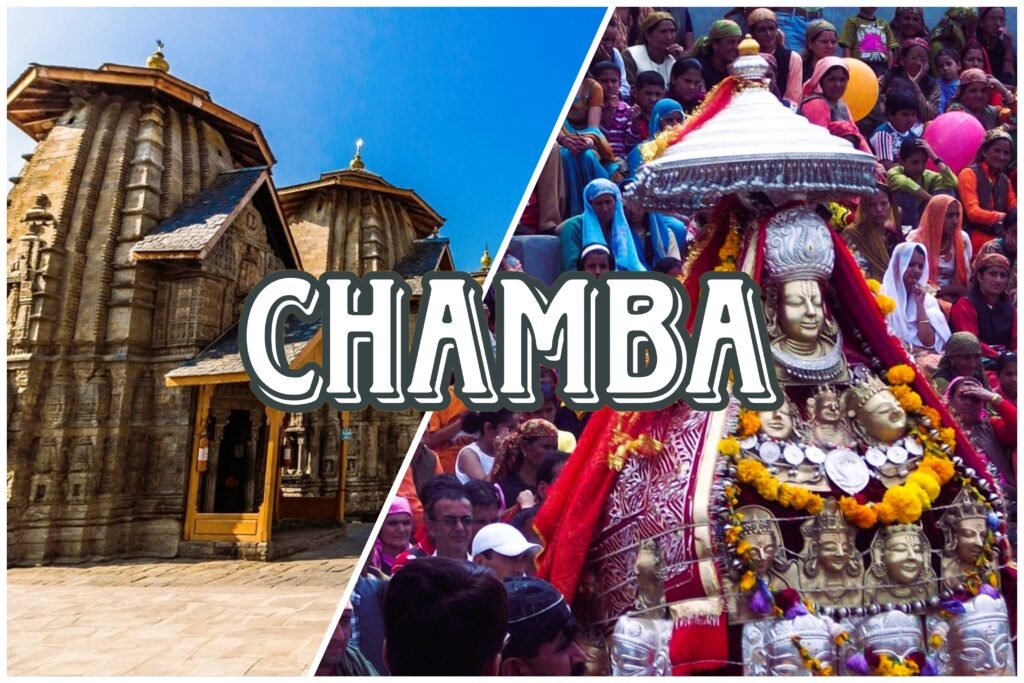
Chamba is one of the oldest continuously inhabited towns in the Himalayas, with a history going back over 1,500 years. The Laxmi Narayan Temple complex in the heart of the town, the sweeping Chamba Chaugan ground, and the proximity to Khajjiar — often called India’s Mini Switzerland — make Chamba a destination that rewards slow, curious travel.
The Bharmour region near Chamba has some of the oldest temples in all of Himachal Pradesh and is the traditional home of the Gaddi shepherds. Trekking in this area, especially through Manimahesh, offers a mix of spiritual and natural experience that’s rare to find.
- Best For: History and culture lovers, temple circuit visitors, trekkers
- Best Time: April–June and September–October
- Distance from Dalhousie: ~36 km
Leh Ladakh — Beyond Himachal, Into the Sky
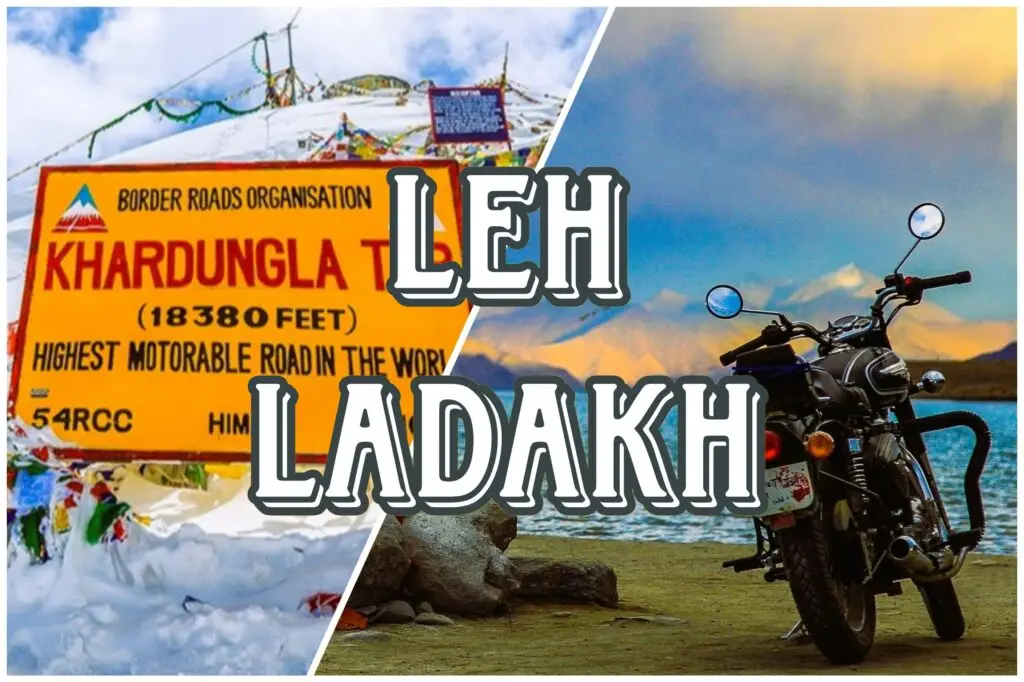
Technically a Union Territory, Leh Ladakh is reachable from Manali via one of the world’s most dramatic highways — the Manali–Leh Highway. We include it in our Himachal itineraries because most people combining Manali with Ladakh travel through this route, and it completes the great northern circuit.
Pangong Tso, Nubra Valley, Khardung La, Tso Moriri — these are places that don’t feel like they belong on Earth. If you’ve done the main Himachal destinations and want to go further, Leh Ladakh is the natural next chapter.
- Best For: Bike expeditions, 4×4 adventures, high-altitude explorers
- Best Time: June–September
- How to Reach: Via Manali–Leh Highway (accessible late June–October)
How to Choose the Right Himachal Destination for You?
With so many options, it helps to know what you’re actually looking for. Here’s a quick framework we use at HimTrails when people ask for a recommendation:
- First trip to Himachal? → Start with Shimla and Manali. Both are well-connected, well-developed, and give you a solid taste of what the state is about.
- Want adventure and high altitude? → Spiti Valley, Leh Ladakh, or the Manali–Rohtang circuit. Factor in acclimatisation days.
- Looking for peace and quiet? → Jibhi, Tirthan Valley, or Kasol (off-season). These are places where you can genuinely slow down.
- Travelling with family and kids? → Shimla, Manali, Dharamshala, or Narkanda. Accessible roads, comfortable stays, and enough to do for all ages.
- Honeymoon or romantic trip? → Jibhi, Manali, or Kufri near Shimla. Add a scenic drive and a cosy cottage and you’re set.
- Culture and heritage? → Chamba, Dharamshala, or Kinnaur. All three have deep local histories and distinct traditions.
- Short trip from Delhi (3–4 days)? → Shimla or Kasol. Both are doable in a long weekend.
Best Time to Visit Himachal Pradesh Destinations
| मौसम | महीने | क्या उम्मीद करें |
|---|---|---|
|
गर्मियाँ |
मार्च-जून |
Best overall. Pleasant temperatures, open mountain passes, blooming valleys. |
|
मानसून |
जुलाई-अगस्त |
Avoid Shimla and Manali roads. Spiti is fine. Lower Himachal gets heavy rain and landslides. |
|
पतझड़ |
सितंबर-नवंबर |
Clear skies, fewer crowds, golden deodar forests. One of the best windows to visit. |
|
सर्दियाँ |
दिसंबर - फरवरी |
Snow in Shimla, Manali, Narkanda. Ideal for skiing. Spiti and Leh mostly inaccessible. |
How to Reach Himachal Pradesh Destinations
हवाई मार्ग द्वारा
The main airports serving Himachal are Shimla (SLV), Kullu-Bhuntar (KUU) near Manali, and Gaggal (DHM) near Dharamshala. Delhi, Chandigarh, and Amritsar airports are the major hubs from where road connections to most Himachal destinations are available.
सड़क मार्ग से
Himachal is well connected by NH3, NH5, and NH20 from Delhi. Volvo overnight buses from Delhi and Chandigarh reach Shimla (7–8 hrs), Manali (12–14 hrs), Dharamshala (10–12 hrs), and Kasol (10–11 hrs). Road trips here are genuinely part of the experience.
ट्रेन द्वारा
The Kalka–Shimla toy train (UNESCO heritage route) is one of India’s most scenic railway journeys. Chandigarh, Pathankot, and Ambala are the main railway junctions with onward bus or taxi connections to most Himachal destinations.
अक्सर पूछे जाने वाले प्रश्न
Manali and Shimla consistently attract the highest number of visitors. Manali is especially popular for its accessibility, range of activities, and role as the gateway to Spiti and Leh.
A focused 7–10 day trip lets you cover 2–3 major Himachal destinations well. A comprehensive circuit taking in Shimla, Kinnaur, Spiti, and Manali takes 12–15 days. Rushing doesn’t do justice to the mountains.
Himachal Pradesh is consistently ranked among the safest states in India for travel. The locals are welcoming, infrastructure is reliable, and even offbeat routes are manageable with a good operator and local guide.
Shimla and Manali make the best starting point — well-connected, all amenities available, and enough variety to get a real feel for the state. Once you’ve done those, the lesser-known destinations like Jibhi and Tirthan offer a completely different side of Himachal.
Yes, though different destinations suit different seasons. Summer (March–June) is ideal for most places. Autumn (September–November) is perhaps the most underrated season. Winter is great for snow but limits access to high-altitude areas. Monsoon is best avoided for most road-heavy routes.
Shimla, Kasol, and Jibhi are all doable as extended weekend trips from Delhi — roughly 7–10 hours by road. For Shimla, the overnight Volvo bus is a popular choice. Kasol is best reached by booking a shared taxi or bus via Bhuntar.
अनुरोध करे अनुकूलित पैकेज
क्या आपकी कोई विशेष आवश्यकताएं हैं? हमारे एजेंट कुछ ही समय में आपके लिए एक व्यक्तिगत पैकेज तैयार कर देंगे।
Related Tour Packages
क्या आप अपने हिमाचल एडवेंचर के लिए तैयार हैं?
फ्री कस्टमाइज्ड यात्रा कार्यक्रम पाएं · बेस्ट प्राइस गारंटी · हिमाचल के स्थानीय विशेषज्ञ 5+ साल से · 3,973+ खुशहाल यात्री
