
Tirthan Valley Travel Guide 2026 — Everything You Need to Know
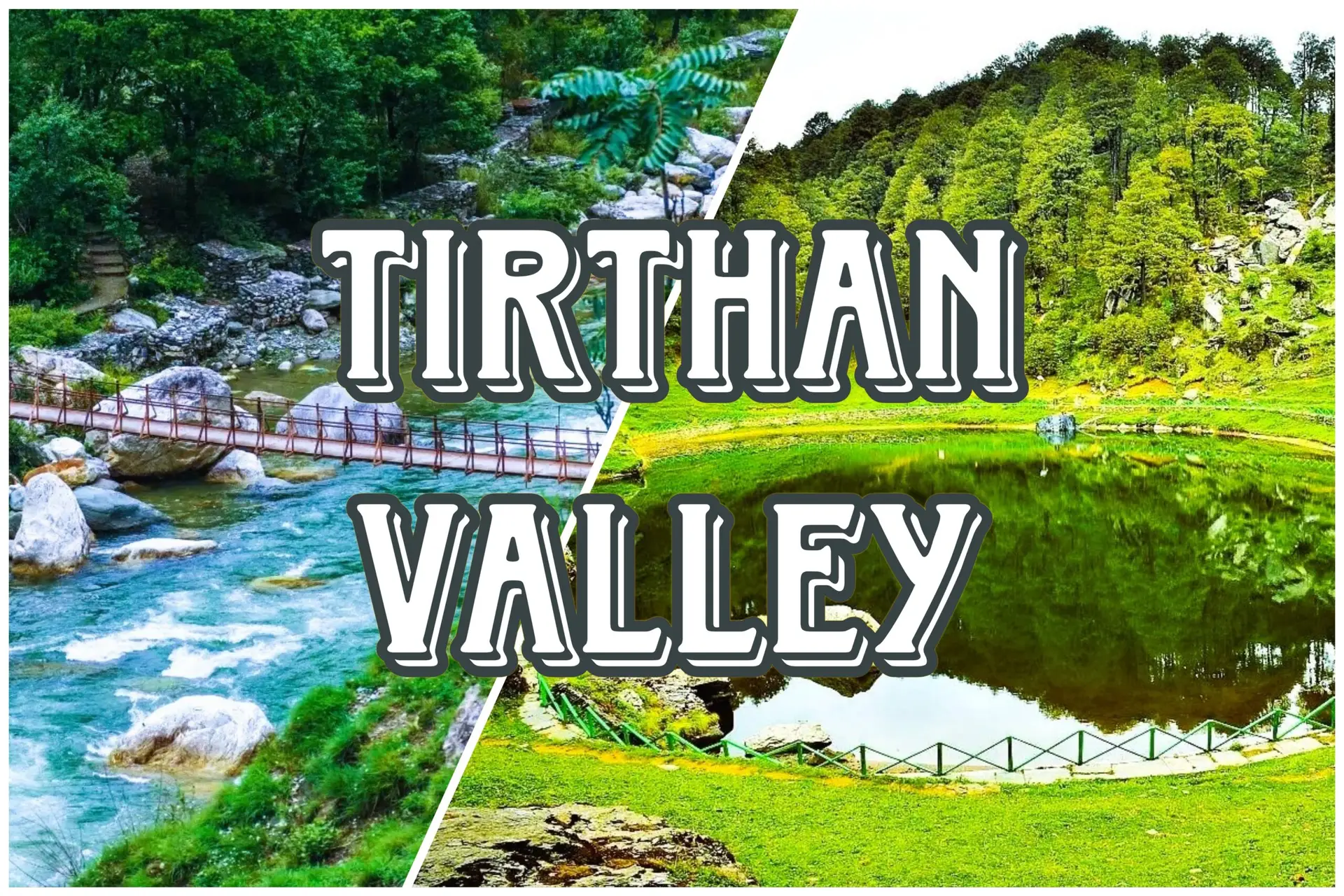
The Tirthan River is the most beautiful river in Himachal Pradesh. That’s a subjective opinion, but we hold it firmly at HimTrails after years of working across every valley in the state. The water runs absolutely clear over smooth boulders, cold enough to ache after a few seconds, full of brown trout that rise for flies in the evening. The forests above the valley are dense and old. The villages are small and quiet. And the Great Himalayan National Park, which the valley touches on its eastern side, is a UNESCO World Heritage Site that most Indian travellers have never heard of.
तीर्थन घाटी is not for everyone. It doesn’t have snow activities, high-altitude passes, or famous monuments. What it has is nature at its most intact — a section of Himalayan landscape that has been protected, preserved, and largely left alone. For travellers who know what they’re looking for, Tirthan delivers it completely.
What Makes Tirthan Valley Special
Tirthan Valley lies in the Kullu district, south of the main Manali highway. The Tirthan River — from which the valley takes its name — originates in the GHNP and flows through a widening valley before joining the Beas at Larji. The main villages (Gushaini, Ropa, Bandal, Sai Ropa) are strung along the river, and the valley remains narrow enough that the mountains are always visible above the tree line.
The key attraction here is the Great Himalayan National Park, which begins at the upper end of the valley. Covering 754 sq km of high Himalayan terrain, the GHNP is home to over 375 species of fauna including snow leopard, Himalayan brown bear, musk deer, blue sheep, and over 200 species of birds. The trails inside the park require certified guides and permits, and the experience of walking in genuinely wilderness terrain — without the crowds you find at more commercial trekking destinations — is something HimTrails consistently highlights to travellers considering this region.
Tirthan Valley Live Weather, Forecast & Travel Essentials
Latest model-based mountain forecast and practical location details for planning your visit.
At a glance
Location details for this destination
- पर्यटक स्थल
- तीर्थन घाटी
- Forecast point
- Gushaini, Tirthan Valley
- District
- Kullu
- State
- Himachal Pradesh
- Elevation
- 1,500 mApproximate ground elevation supplied to the forecast model
- Place type
- Valley
- Time zone
- Asia/Kolkata
- Local time
- मंगल, 6 अक्टूबर, 8:37 पूर्वाह्न
Updating the latest forecast…
On the ground
Seasonal weather
Suitable for
Top Places to Visit in Tirthan Valley
Tirthan Valley is a peaceful Himalayan escape known for its crystal-clear river, dense forests, hidden waterfalls, and charming mountain villages. From scenic nature walks and trout fishing to exploring the trails of the Great Himalayan National Park, the valley offers a perfect retreat for travellers seeking tranquility, nature, and offbeat mountain experiences.
Great Himalayan National Park (GHNP)
The ग्रेट हिमालयन नेशनल पार्क begins just above the villages of Gushaini and Sai Ropa in the Tirthan Valley and is one of India’s most pristine protected ecosystems. Recognised as a UNESCO World Heritage Site, the park protects dense cedar forests, alpine meadows, glacial rivers, and rare wildlife including the Himalayan tahr, musk deer, and the elusive snow leopard.
Most visitors explore the park through day hikes or short treks from Gushaini along the Tirthan River. The trail to Rolla (about 9 km one way) is the most popular entry trek and offers a gentle introduction to the wilderness — walking through pine forests, wooden bridges, and riverside meadows.
Jalori Pass & Serolsar Lake
Jalori Pass sits at 3,120 metres and connects Tirthan Valley with the Kullu side of Himachal Pradesh. The pass is known for its dramatic mountain views, dense oak and rhododendron forests, and a cool alpine atmosphere even in summer. It is one of the most scenic drives in the region.
From Jalori Pass, a 5 km forest trail leads to the sacred Serolsar Lake, a serene alpine lake surrounded by thick forest. The path is relatively easy and passes through beautiful Himalayan woodland, making it one of the most rewarding day hikes near Tirthan Valley.
Gushaini Village
Gushaini is the main base village of Tirthan Valley, located where the Tirthan River widens into a peaceful valley floor. Wooden guesthouses, apple orchards, and small cafes line the riverbanks, creating a relaxed mountain atmosphere far removed from the crowds of larger hill stations.
The village is also the starting point for most treks into the Great Himalayan National Park. Early mornings here are particularly beautiful — mist rising from the river, birds calling in the forests, and the sound of the fast-flowing Tirthan River echoing through the valley.
Chhoie Waterfall
The trail to Chhoie Waterfall begins from Gushaini and climbs gradually through traditional Himalayan villages and terraced fields before entering a forested hillside. After about a 45–60 minute walk, the path reaches a narrow valley where the waterfall drops dramatically into a rocky pool below.
Chhoie is one of the most peaceful short hikes in Tirthan Valley and is especially beautiful during spring and early summer when the surrounding forests are lush and full of birds.
Raghupur Fort & Meadows
Above Jalori Pass lie the wide alpine meadows of Raghupur Fort, reached via a 3 km uphill hike from the pass. The ruins of the old fort are barely visible today, but the ridge offers sweeping 360-degree views across the Himalayas — on clear days you can see peaks across the Kullu, Mandi, and Shimla ranges.
The grassy meadows surrounding the fort are dotted with wildflowers in summer and often used by shepherds grazing their flocks. The combination of open alpine landscape, distant snow peaks, and quiet mountain air makes this one of the most memorable viewpoints near Tirthan Valley.
Top Things to Do in Tirthan Valley
Great Himalayan National Park Treks
The GHNP has multiple trail access points from the Tirthan Valley. The most popular is the Sai Ropa trail leading up through the Tirthan River gorge into the park’s buffer zone. The Rolla overnight camp (12 km, moderate) and the Raktisar camp (2 days, moderate–hard) are the main options for day and overnight treks into the national park.
A certified local guide (mandatory within the park boundary, available through the GHNP range office at Sai Ropa) adds depth to any GHNP trek — they know where the best birdwatching spots are, when the wildflowers peak, and where the tracks of large mammals are most likely to be found.
Tirthan River — Trout Fishing
Trout fishing in the Tirthan is one of the finest freshwater angling experiences in India. The river is stocked with brown trout and the populations in the upper valley are healthy. Licences are available from the Fisheries Department office in Banjar and fishing is permitted in designated sections of the river. Fly fishing equipment can be rented from several operators in Gushaini and Ropa.
Fishing season: March–October (closed November–February for spawning). The morning and evening hours are most productive. The stretch between Gushaini and Sai Ropa is considered the best.
Chhoie Waterfall
The Chhoie Waterfall, 2 km above Gushaini via a forest trail, is a multiple-cascade waterfall in a beautiful gorge setting. The trail to the falls passes through mixed forest and is suitable for all fitness levels. Most visitors combine the waterfall with a riverside walk back to the village.
Jalori Pass & Serolsar Lake (from Tirthan)
Jalori Pass is easily accessible from Tirthan Valley via Banjar and Shoja — about 45 minutes by road from Gushaini. The Serolsar Lake trek from the pass (described in the Jibhi section) makes for an excellent day trip. From Tirthan, you can take a slightly different approach trail that gives good forest and valley views.
Village Walks & Orchards
The villages above the Tirthan Valley floor — Nagini, Bandal, Ropa — have traditional stone-and-wood houses, terraced fields, and apple orchards. Walking between these villages on the ancient footpaths (rather than the road) gives the most authentic experience of how this part of Himachal has been lived for centuries. HimTrails guides a village trail walk as part of our Tirthan Valley packages.
Best Time to Visit Tirthan Valley
March to June
The valley is green and flowers are blooming. Trout fishing is excellent. GHNP trails are clear. The river runs high with snowmelt in April–May, creating spectacular scenery.
July to August
Monsoon. The river rises significantly and some trails in the lower valley become muddy. However, Tirthan Valley doesn’t get heavy monsoon rain — it’s partially in the rain shadow. Many travellers prefer this period precisely because it’s quiet and the forest is at its most luxuriant.
September to November
The best season for GHNP wildlife spotting and clear mountain photography. The fishing remains good until October. Village orchards are in apple harvest and the light on the valley in the late afternoon is exceptional.
December to February
Cold (0–8°C), light snowfall possible. Most homestays remain open but some trekking facilities are limited. The river is very clear and peaceful in winter.
How to Reach Tirthan Valley
दिल्ली से
Overnight bus to Aut (on the Delhi–Manali highway, 9–10 hours) then a taxi to Gushaini (40 minutes, 25 km). Total journey approximately 11 hours.
मनाली से
80 km via Kullu and Larji — approximately 2.5 hours. Easy to combine with a Manali stay.
शिमला से
Via Narkanda and Banjar — approximately 4.5 hours (145 km). The scenic route via the Sutlej Valley.
Where to Stay in Tirthan Valley
Gushaini
The main hub of Tirthan Valley and the most popular place to stay. Most riverside cottages, homestays, and guesthouses are located here. It’s the best base for visiting the Great Himalayan National Park and enjoying peaceful views of the Tirthan River.
Nagini
A quiet village close to Gushaini, known for its scenic river views and calm environment. Ideal for travellers looking for boutique homestays and nature-focused stays away from tourist crowds.
जिभी
A charming village about 12 km from Gushaini, famous for wooden cottages, waterfalls, and forest surroundings. A great option for travellers who want a cosy mountain stay with cafés and easy access to Jalori Pass.
Shoja
Located above Jibhi on the way to Jalori Pass, Shoja offers stunning Himalayan views and a peaceful forest setting. Perfect for travellers planning treks to Serolsar Lake or looking for a quiet nature retreat.
Tirthan Valley Travel Tips
Altitude
तीर्थन घाटी lies at around 1,600–2,000 m, making it a comfortable altitude for most travellers. Villages like Gushaini and जिभी are ideal bases to explore the valley without worrying about altitude sickness.
Road & Access
The valley is accessed via Aut on the Chandigarh–मनाली highway. From Aut, a scenic mountain road leads toward Gushaini and deeper into the valley. Roads are narrow in places, so drive carefully, especially during monsoon.
Clothing
Weather in Tirthan Valley stays pleasant but evenings near the river can feel cool even in summer. Carry a light jacket or fleece. In winter (December–February), temperatures can drop close to 0°C, so warm woollens are necessary.
Cash & Connectivity
ATMs are limited within the valley. The nearest reliable ATMs are usually in Banjar or Aut. Mobile network coverage can be patchy in forest areas and near the river, so carrying some cash is recommended.
Nature & Local Food
Tirthan Valley is known for its pristine rivers and access to ग्रेट हिमालयन नेशनल पार्क. Many homestays serve homemade Himachali meals. If you’re near the river, try fresh trout, a local speciality from the cold mountain streams.
अक्सर पूछे जाने वाले प्रश्न
Tirthan Valley is excellent for families. The Chhoie Waterfall trail, river walks, village visits, and the short GHNP buffer zone trails are all accessible to children above 7–8 years old. The homestay environment is family-friendly and the valley is safe and uncrowded.
Tirthan Valley is one of Himachal’s least crowded tourist areas relative to its quality. The narrow road and the absence of big hotels or popular monuments keeps visitor numbers low. Even in the peak months of April–May and September–October, the valley retains a genuinely quiet character.
The GHNP Rolla trail (12 km to the Rolla camp, moderate) is the signature trek of the Tirthan Valley. It enters the national park proper and gives the best chance of wildlife encounters and wilderness scenery. The Jalori Pass to Serolsar Lake trail is the best day trek accessible from the valley.
March to June offers pleasant weather, blooming flowers, and ideal trekking; September to November brings crisp autumn air, vibrant colors, and fewer crowds; while December to February is perfect for snow lovers, though accessibility can be tricky.
While coming from Delhi or Chandigarh via bus, get down at Aut (which is 19 km before Bhuntar and 3 hours from Manali) and take a cab or a local bus to Banjar or Jibhi.
अनुरोध करे अनुकूलित पैकेज
क्या आपकी कोई विशेष आवश्यकताएं हैं? हमारे एजेंट कुछ ही समय में आपके लिए एक व्यक्तिगत पैकेज तैयार कर देंगे।
Related Tour Packages
क्या आप अपने हिमाचल एडवेंचर के लिए तैयार हैं?
फ्री कस्टमाइज्ड यात्रा कार्यक्रम पाएं · बेस्ट प्राइस गारंटी · हिमाचल के स्थानीय विशेषज्ञ 5+ साल से · 3,973+ खुशहाल यात्री
