
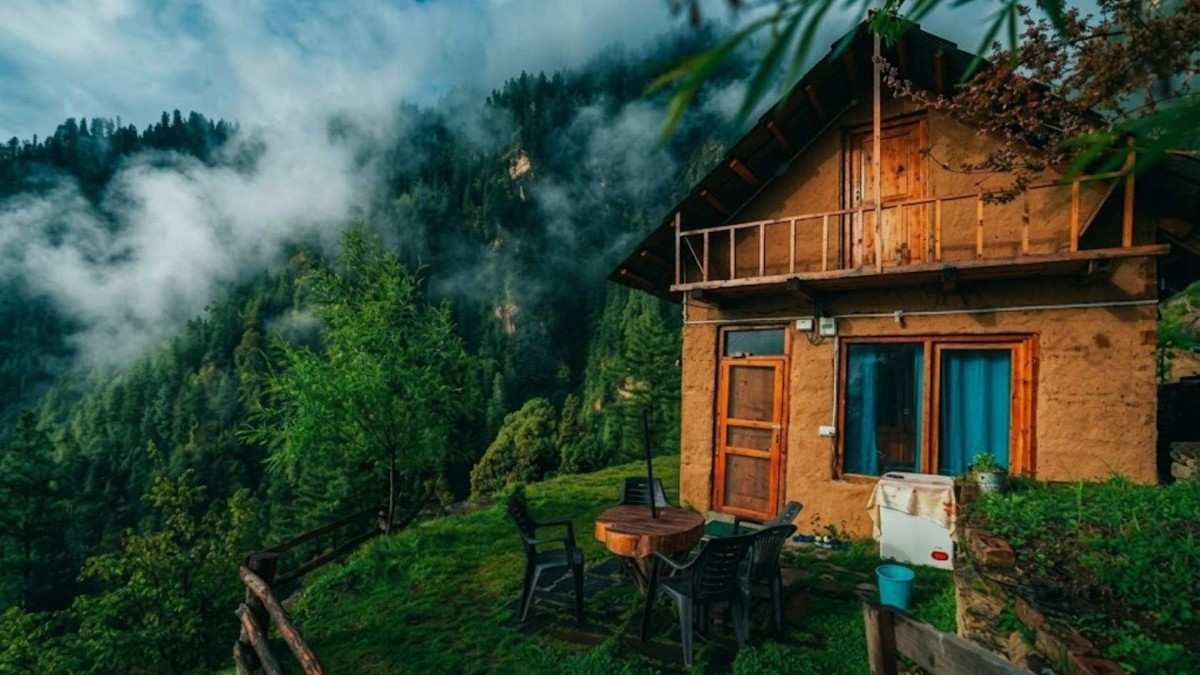
April hits different in जिभी. The valley shakes off its winter stillness, apple blossoms carpet the hillsides in pale pink, and the Tirthan River swells into a jade-green rush. Tourists haven’t fully arrived yet — and that’s exactly the point.
If you’re planning jibhi in april, you’re picking the single best month before the summer crowds descend. This guide covers everything: exact temperatures, the waterfalls worth the hike, what goes in your bag, how to get here on a budget, and a day-by-day plan to make the most of it.
Why April Is Jibhi’s Sweet Spot
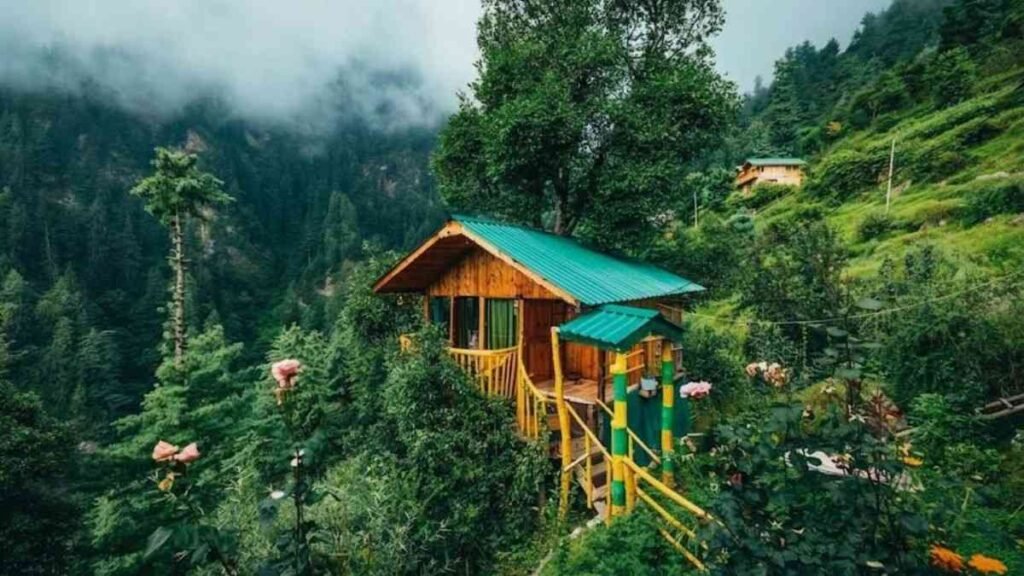
Most people discover जिभी too late — peak June, when every homestay is booked and the Jalori Pass road turns into a slow-moving convoy. April sidesteps all that.
The snow on the upper ridges is still melting, so the Pundrik Lake trail and the Serolsar Lake path hold patches of white well into mid-month. Down in the village, temperatures are mild enough for long walks but cool enough that you’re never sweating through a trek. It’s the narrow window before jibhi in summer tips into something crowded.
Flowers are the other reason locals love this month. Wild iris, rhododendrons, and apple blossoms bloom simultaneously along the forest trails between Jibhi and Shoja — a 3-km walk that costs nothing and looks like a painting. Bird activity peaks in April too; you’ll hear Himalayan laughingthrushes in the oak forests around Chehni Kothi before 7 AM.
The best time to visit jibhi is a genuine debate between September and April. September has clearer skies. April has the waterfalls. If waterfalls are your thing, April wins — no contest.
Jibhi Weather in April
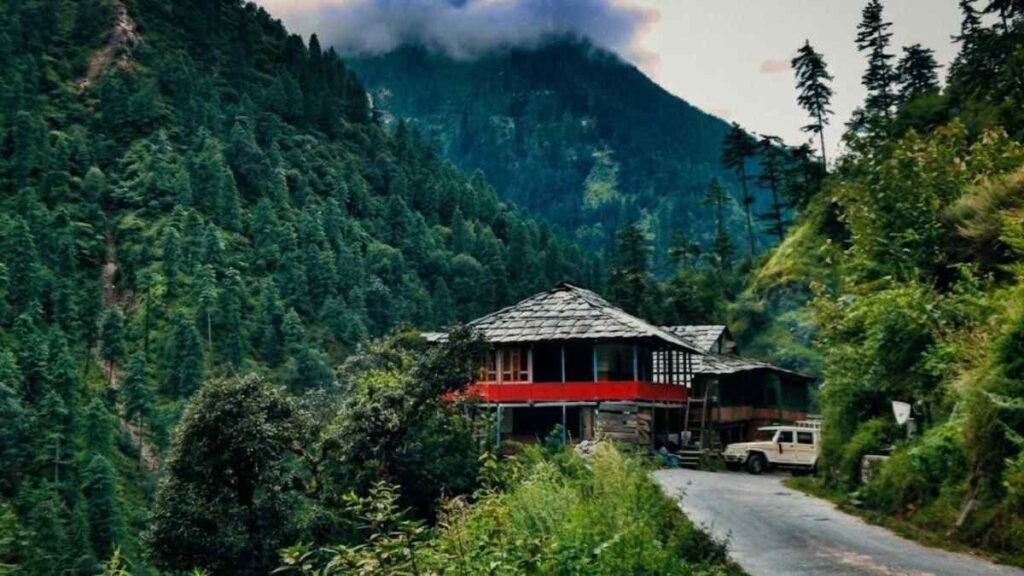
April in जिभी sits at roughly 1,500 metres elevation. Mornings are crisp. Afternoons are genuinely warm. Evenings drop fast after sunset.
| Time of Day | Temperature Range | Conditions |
| Early morning (6–9 AM) | 5°C – 10°C | Foggy in lower valley, clear on ridges |
| Daytime (10 AM – 5 PM) | 16°C – 22°C | Sunny with occasional cloud cover |
| Evening (5–8 PM) | 10°C – 14°C | Cool, light jackets needed |
| Night (after 9 PM) | 3°C – 8°C | Cold, fleece or light down required |
Rainfall is light and patchy — usually 30–40mm across the month. Don’t skip the rain jacket; an April shower can appear fast, especially above 2,500 metres. Here’s the week-by-week forecast:
| Week | Expected Weather | Trail Condition |
| Week 1 (April 1–7) | Mix of cloud & sun, light showers possible | Muddy lower paths, snow on Jalori Pass |
| Week 2 (April 8–14) | Mostly clear, warmest afternoons | Trails drying; Jalori passable with care |
| Week 3 (April 15–21) | Stable, ideal trekking weather | Pundrik Lake trail fully accessible |
| Week 4 (April 22–30) | Pre-monsoon cloud build-up in afternoons | Best month-end window before summer haze |
Top 8 Things to Do in Jibhi in April
Chase the Jibhi Waterfall
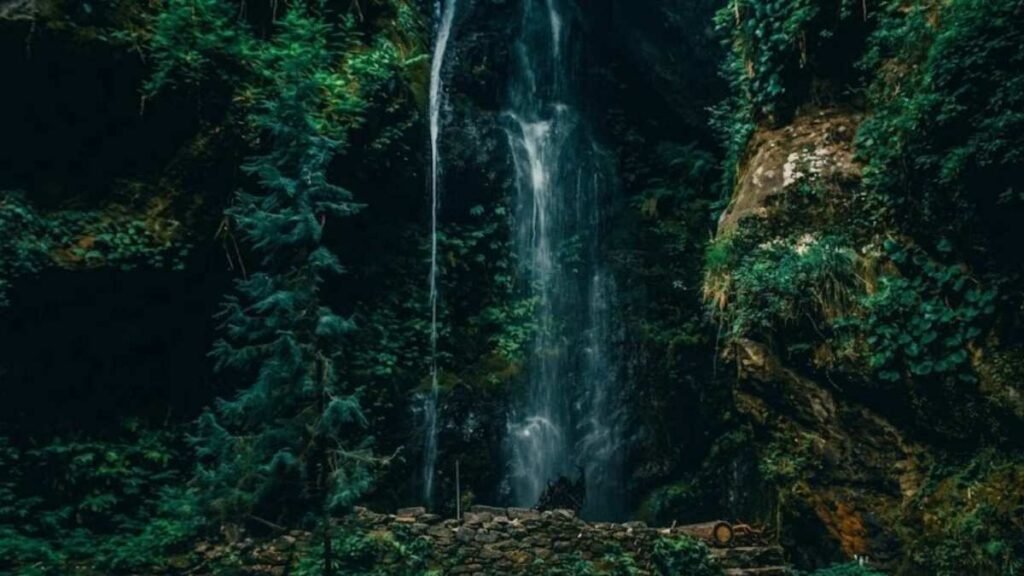
The Jibhi waterfall — a 5-minute walk from the main bazaar — runs at full force in April, fed by snowmelt from the Banjar-Shoja ridge. In summer it shrinks. In April it roars. Locals call this stretch of the trail their ‘morning route’ — go before 9 AM to have it entirely to yourself.
Trek to Serolsar Lake
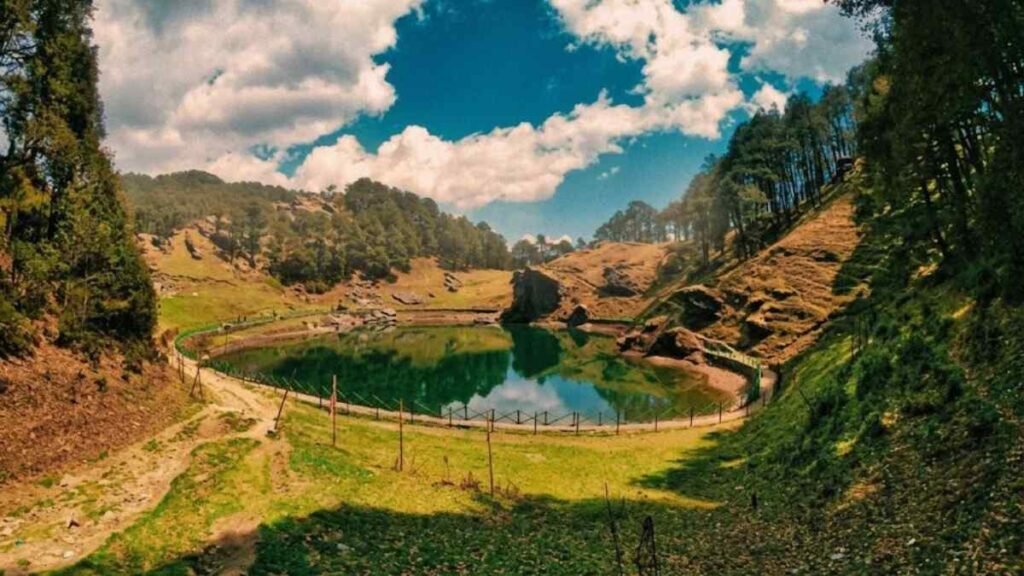
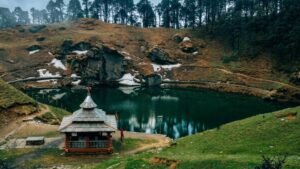
The Serolsar Lake trek starts from Jalori Pass (30 km from Jibhi via Shoja). The 5-km trail through old-growth oak passes several forest trails draped in moss, climbing to a still black lake at 3,100 metres. Snow patches near the top are common in the first two weeks of April. Carry microspikes if you plan to go before April 15.
Explore Chehni Kothi
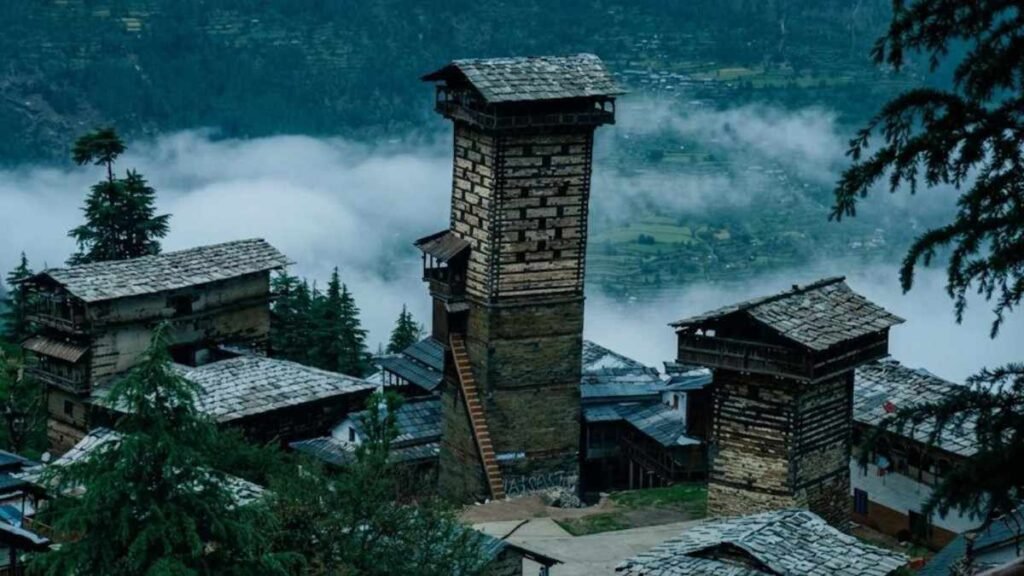
Chehni Kothi is a medieval-era tower village 8 km from Jibhi — and one of Himachal’s least-visited heritage sites. The cultural trails connecting Jibhi to Chehni wind through walnut groves and slate-roofed homes. April’s clear light makes the 30-metre stone tower look sharper than any photograph suggests.
Fly-Fish the Tirthan River

April is prime catch-and-release season for brown and rainbow trout in the Tirthan. The Great Himalayan National Park buffer zone upstream from Gushaini has stretches of river trails along the bank where you can fish with a permit (₹300/day from the GHNP office in Sai Ropa). Several homestays arrange guided half-day sessions even if you’ve never held a rod.
Walk the Jibhi–Shoja Apple Blossom Route
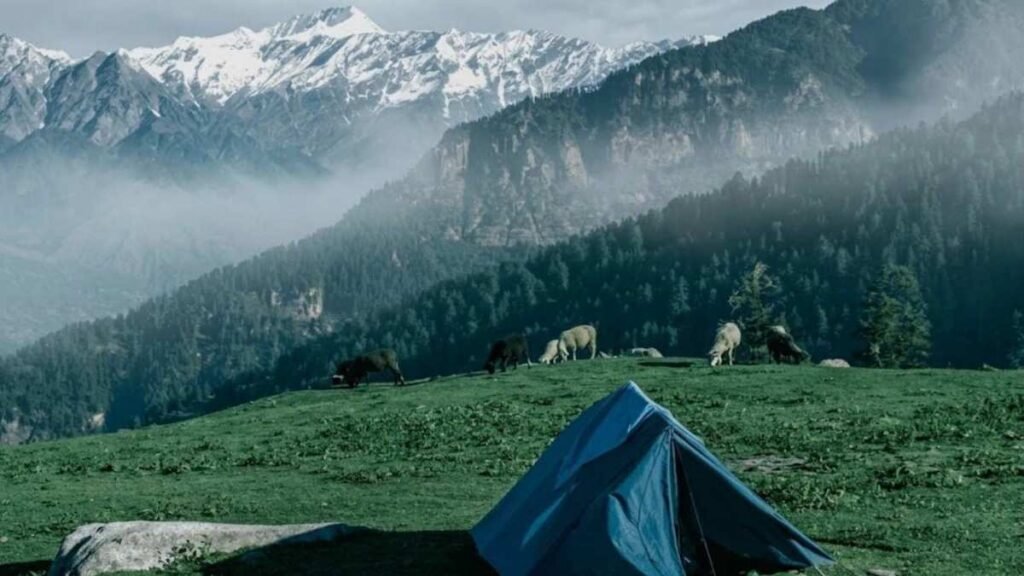
The 3-km road connecting Jibhi to Shoja becomes a white-and-pink tunnel in early April. Apple orchards line both sides. Farmers are usually pruning or grafting — stop and ask questions. These orchard trails are flat and easy; perfect for a slow morning walk with a thermos of chai.
Day Trip to Jalori Pass
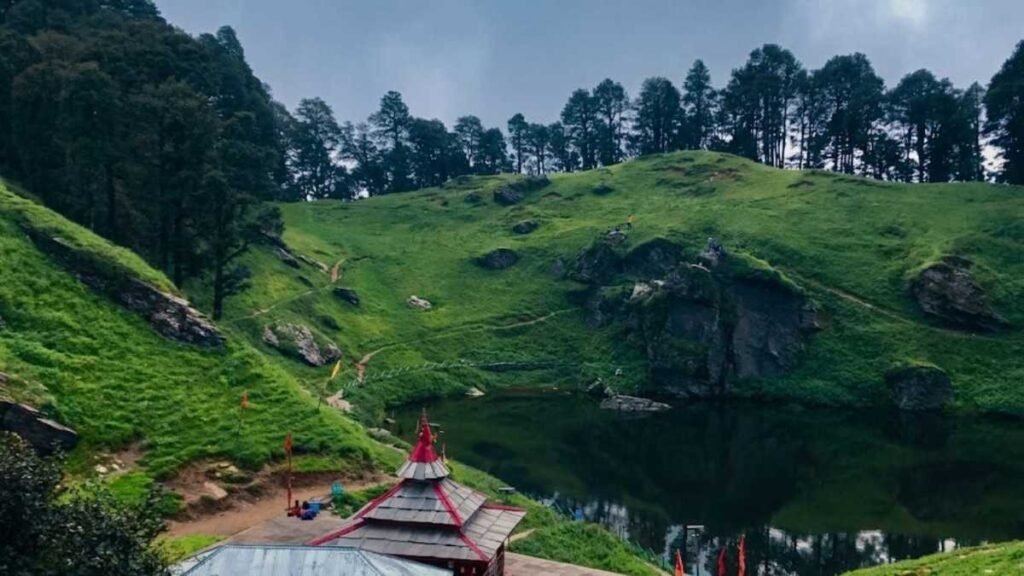
At 3,120 metres, Jalori Pass is often still partially snowbound in early April — which is half the appeal. The pass itself takes 2 hours from Jibhi by taxi (₹1,200 one-way, shared jeep ₹200/seat from Aut/Anni). On a clear day, the views stretch to the Dhauladhar and the Kullu peaks. The dhabas at the top serve rajma-chawal that tastes unreasonably good at altitude.
Visit Raghupur Fort
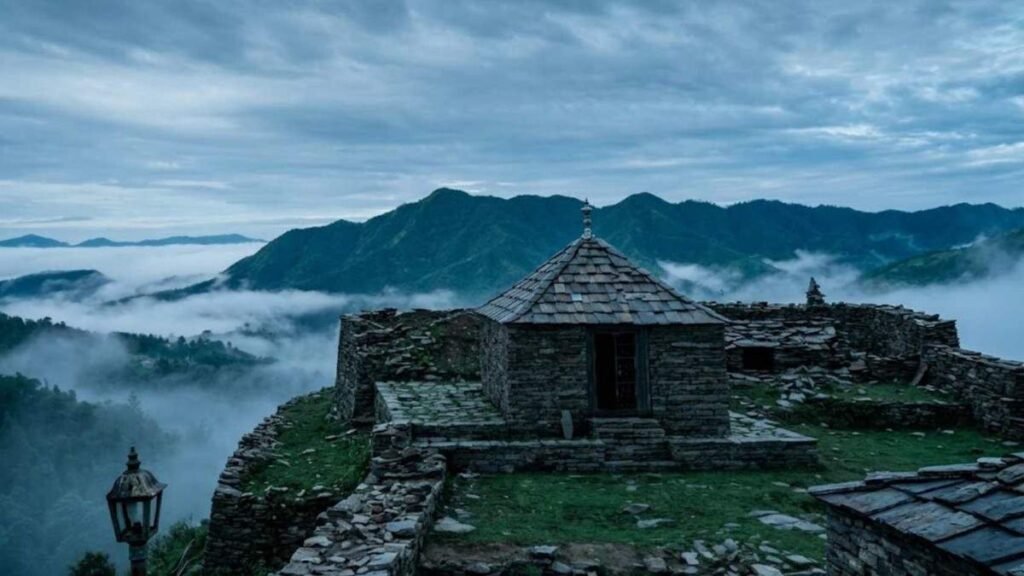
Few people make the 3-km climb from Jalori Pass to Raghupur Fort, which means you’ll likely have the crumbling 17th-century walls to yourself. The mountain trails above the treeline here are straightforward, rising through a meadow that holds snow in early April. Budget 4 hours return from the pass.
Attend the Baisakhi Celebrations in Banjar
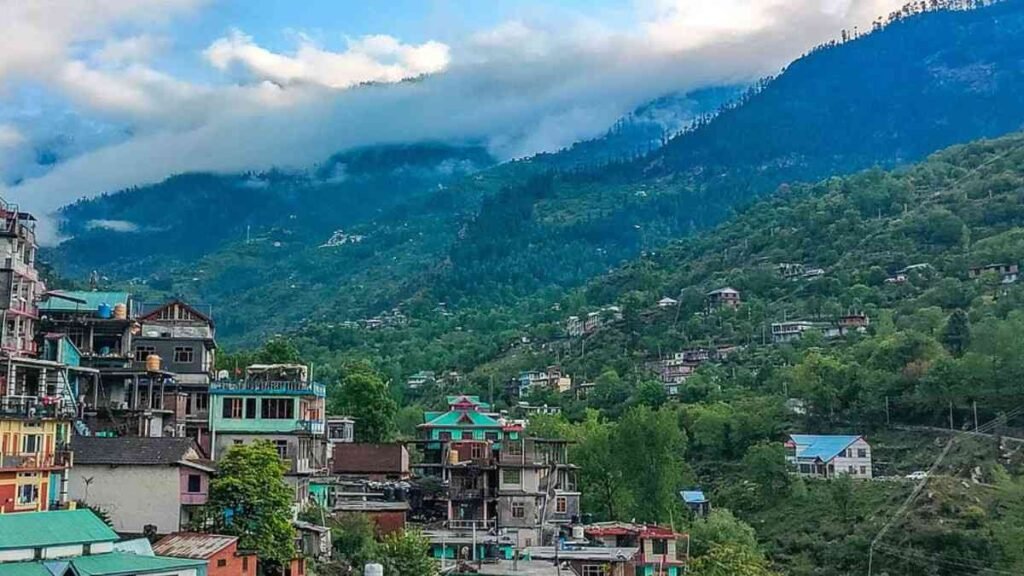
Baisakhi (April 13–14) brings folk music, Nati dances, and local food stalls to the Banjar market, 16 km from Jibhi. It’s relaxed and genuinely local — no tourist performances, just the valley celebrating the harvest. Worth timing your trip around if you can.
What to Wear & Pack for Jibhi in April

जिभी weather in april demands layering. The gap between 7 AM and 2 PM can be 15°C. Pack accordingly.
Clothing:
- 2–3 base layers (merino wool or synthetic — not cotton, which stays wet)
- 1 mid-layer fleece or light down jacket
- 1 waterproof outer shell — April showers are real
- 1 pair trekking trousers, 1 pair lighter pants for evenings
- Thermal leggings for cold nights
- Sturdy trail shoes or ankle-support hiking boots — trekking trails above Shoja are muddy
Gear:
- Trekking poles (helpful on snow near Serolsar in early April)
- Headlamp with extra batteries
- Sunscreen SPF 50+ — altitude UV is intense even on cloudy days
- Water purification tablets or a filter bottle
- A small dry bag for rain protection
Documents:
- GHNP permit if entering the buffer zone (₹100/day Indian nationals; ₹800/day foreign nationals)
- Government photo ID — checkpoints on the Jalori Pass road ask routinely
Pack light. Most Jibhi homestays have extra blankets and will launder clothes for a small fee.
Getting to Jibhi from Delhi & Chandigarh
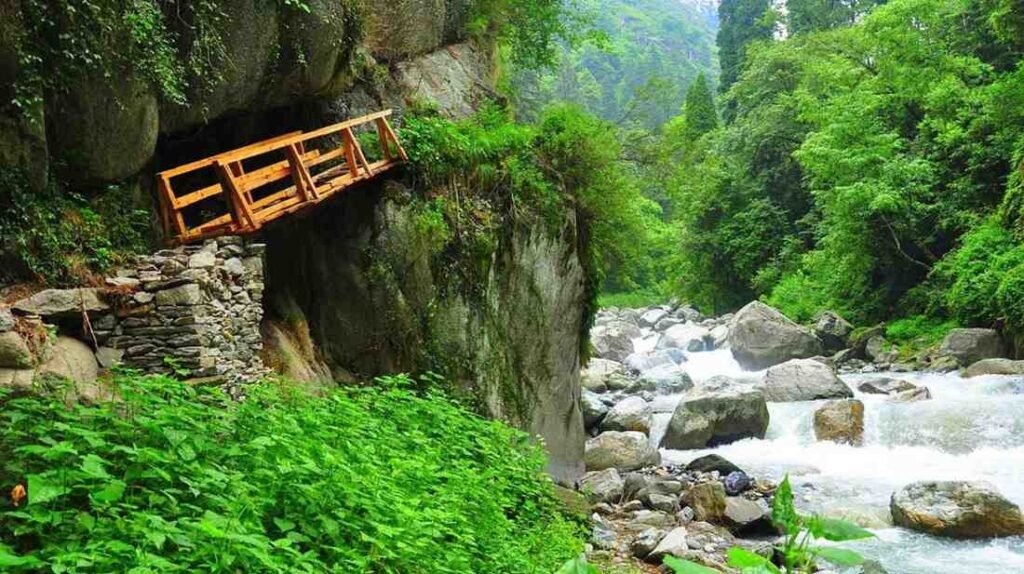
From Delhi (530 km)
By bus: HRTC overnight buses depart from Kashmere Gate ISBT to Aut (₹650–800, ~12 hours). From Aut, shared jeeps cover the 35 km to Jibhi (₹80–120, 1.5 hours). The Volvo to Kullu also works — get off at Aut crossing.
By car: NH3 via Chandigarh → Bilaspur → Mandi → Aut → Banjar → Jibhi. GPS works well until Aut; after that, ask locals. Road condition through Banjar is smooth blacktop in April.
From Chandigarh (230 km)
By bus: Direct HRTC buses from Sector 43 ISBT to Aut (₹350–400, ~7 hours). Departures at 6:30 AM and 9:30 PM. From Aut, shared jeep to Jibhi (₹100).
By car: 5–6 hours via Mandi and the Aut-Larji road. No hills permit required for private vehicles in Kullu district. Fuel up in Mandi — the next reliable pump is in Banjar.
For current road status updates, HP Tourism’s official site (hptdc.in) has reliable route information.
Budget Breakdown for Jibhi in April

April is shoulder season — homestay rates run 20–30% lower than peak summer, and you won’t compete for bookings.
| श्रेणी | Budget (₹/person) | Mid-range (₹/person) | Notes |
| आवास (प्रति रात) | ₹600–900 | ₹1,500–2,500 | Basic room vs. private valley view |
| Food (3 meals/day) | ₹400–600 | ₹800–1,200 | Local dhabas vs. homestay meals |
| Transport (return) | ₹1,500 | ₹2,500–3,500 | Bus vs. train + cab |
| Activities & permits | ₹500–1,000 | ₹1,500–3,000 | GHNP permit, fishing, guided treks |
| Miscellaneous | ₹300 | ₹600 | Chai, snacks, tips |
| 5-day trip TOTAL | ₹7,000–9,000 | ₹14,000–20,000 | Per person, ex-flights |
Jibhi has no ATM. Carry cash from Banjar (SBI branch with ATM, 16 km). Most homestays accept UPI.
Day-Wise Itinerary: 5 Days in Jibhi in April

Day 1 — Arrive, Settle, Walk the Village
Reach Jibhi by noon if you took the overnight bus from Delhi. Check in, eat a proper meal, and do nothing ambitious. The evening walk from the old wooden bridge to the waterfall takes 40 minutes return and costs nothing. Go at 5 PM when the light is golden on the cedar trees.
Day 2 — Chehni Kothi & Orchard Trails
Start at 8 AM. The 8-km trail to Chehni Kothi climbs through apple orchards in full blossom — this is the month’s signature walk. Budget 5–6 hours return with time at the tower. Pack lunch; there’s no dhaba at Chehni. Back by 3 PM, river-side chai in the evening.
Day 3 — Jalori Pass & Raghupur Fort
Leave by 7:30 AM by shared jeep to Jalori Pass. Hike to Raghupur Fort (3 km, ~1.5 hours up). Snow likely on the meadow stretch — go steady. Descend by noon, eat at the pass dhaba, return to Jibhi by 3 PM. These snow trails above 3,000 metres tire legs faster than they look.
Day 4 — Serolsar Lake Trek
The full Serolsar Lake day. Taxi to Jalori Pass by 8 AM. Trail through oak forest to the lake is 5 km one way, gaining 500 metres. The mountain trails section above the treeline begins around kilometre 3 — pace yourself. Return to Jibhi by 5 PM. You’ll sleep well.
Day 5 — Tirthan River & Departure
Morning fly-fishing session on the Tirthan (arrange the night before with your homestay, ₹800–1,200 with guide). Lunch, pack up, catch the afternoon shared jeep to Aut for the evening bus back to Delhi or Chandigarh.
अक्सर पूछे जाने वाले प्रश्न
Also Read: 10 Best Places to Visit in Jibhi in April: Waterfalls, Meadows & Hidden Villages
क्या आप अपने हिमाचल एडवेंचर के लिए तैयार हैं?
फ्री कस्टमाइज्ड यात्रा कार्यक्रम पाएं · बेस्ट प्राइस गारंटी · हिमाचल के स्थानीय विशेषज्ञ 5+ साल से · 3,973+ खुशहाल यात्री



Pingback: Mini Switzerland Of India: 7 Amazing Reasons Jibhi Is Himachal’s Sweetest Escape