
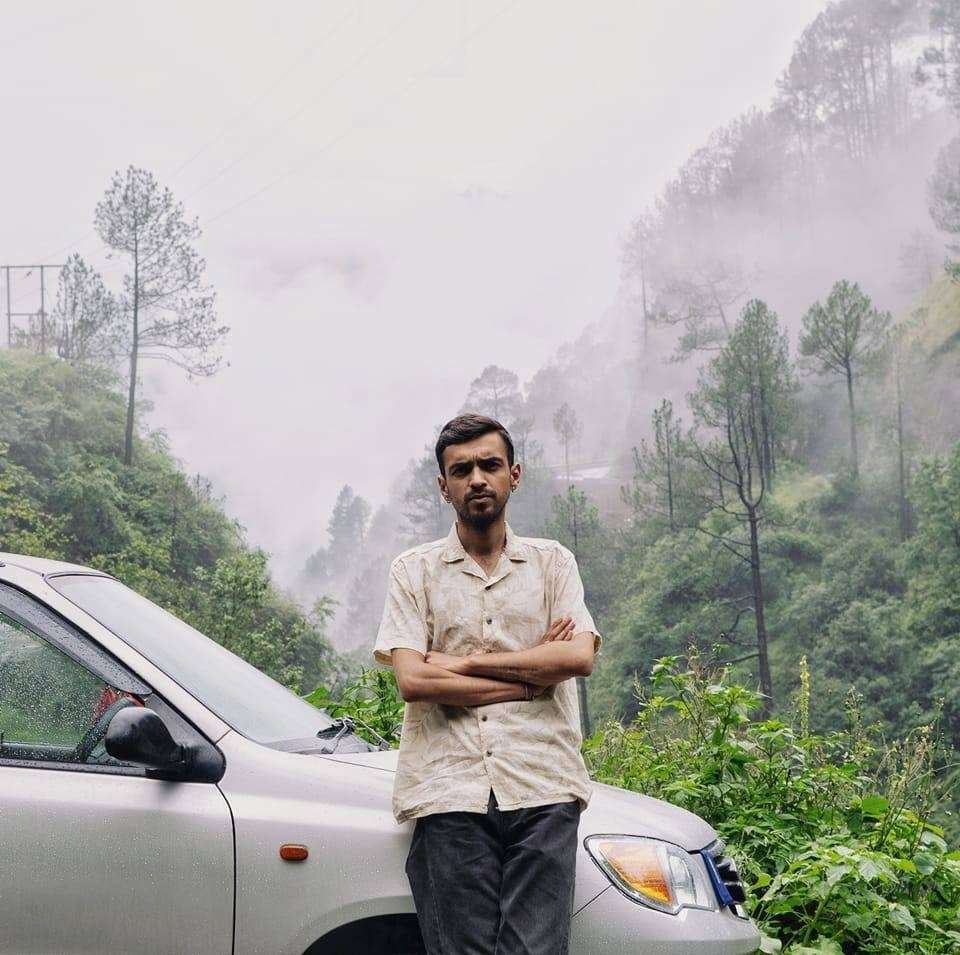
Shimla, Himachal Pradesh · HimTrails Founder
Praveen
Chauhan
Born in the Hills. Still Here.
के बारे में
Who
I Am
My name is प्रवीन चौहान. I was born and raised in शिमला, हिमाचल प्रदेश — at about 7,000 feet, in a place where winter means real snow, not a tourist photo opportunity.
I am not, first and foremost, a travel professional. I am someone who grew up here. Who learned these mountains the slow way — on foot, in seasons, through the years. The passes, the villages, the hidden temples, the trails that don't have names in any guidebook. That's where I come from.
I speak Pahari — the native language of the Himachali mountains — because I grew up speaking it. Not because I learned it for work.
I've spent my adult life turning that kind of local knowledge into something useful: helping people from all over India and beyond experience Himachal Pradesh the way it actually is — not the way it looks in a travel brochure.
In 2020, I founded हिमट्रेल्स as a way to do that with more structure and more people. As HimTrails founder, I remain personally involved in every trip we plan. But this page isn't about the company. It's about me — how I think, where I've been, and what I believe about these mountains.
The Places I Know
Not From a Blog.
From Being There.
There is a real difference between knowing a place from research and knowing it from presence.
I have trekked to Kheerganga in June when the rhododendrons are out, and in September when the crowd is gone and the valley is yours alone. I have sat inside Shikari Devi temple at 11,000 feet — a place most people from outside Himachal have never heard of — in the kind of silence that makes you feel very small in a good way.
I have been to Malana and understand what it demands of visitors. I've explored कसोल and the Parvati Valley when it was quiet, and when it wasn't. I've watched the annual Bijli Mahadev ritual above मनाली — where the lightning-struck staff is rebuilt by local priests with a quiet ceremony that has happened for centuries.
I have been to Kedarnath and understood something about high altitude and humility that I couldn't have learned any other way — and that now informs every स्पीति, किन्नौर, and लेह लद्दाख trip I plan.
"Serolsar Lake near Jalori Pass. Giri Ganga in the Shimla hills. The sunrise above Tosh. These are not bullet points in a brochure. These are places I have personally been."— Praveen Chauhan · Shimla, Himachal Pradesh
Languages
Three Languages.
One Mountain Range.
I speak Hindi, English, and Pahari. The third one is the one that changes everything.
Pahari is the language of Himachal's mountains — spoken by local drivers, guides, village elders, dhaba owners, homestay families, and the people who actually live here year-round. It's the language in which people tell you the honest version of things: which road is passable, what the weather will do tonight, whether the pass will open tomorrow.
That's not a skill I acquired for professional reasons. It's just how I grew up.
"When you can speak that language — not just understand a few words, but actually speak it, joke in it, ask real questions in it — you stop being a visitor and become something closer to a guest. The mountain communities let you in."
Pahari · Native speaker · Shimla, Himachal Pradesh
How I Think
What I Believe
के बारे में Travel
Most people who come to Himachal Pradesh are not looking for a destination. They are looking for a feeling — the feeling of being somewhere genuinely different. Of scale. Of smallness in a comforting way.
The popular places — Rohtang Pass, Mall Road in शिमला, the Solang viewpoint — are popular for a reason. But the real Himachal exists just past the crowd: the valley one turn beyond where the tourists stop.
The mountains aren't dramatic to me — they're familiar. Familiar means you know their moods. You know when they're being generous with visibility and when they're not. When to go and when to wait.
"I don't build itineraries. I build conversations between a traveler and a landscape. My job is to make sure those two are well matched."
Where I'm From
Shimla,
Himachal Pradesh
I grew up in a place where the mountains are not a destination — they're just outside. That shapes how you relate to them. They're not dramatic to me. They're familiar.
Familiar means you know their moods. You know the roads that get scary in rain and the ones that are fine. You know which week in October the Spiti valley turns gold before winter closes it. You know which month the apples come in at Sangla.
That familiarity is what I bring to the work I do. It's not expertise in the formal sense. It's just a life spent in one place, paying attention.
If you're planning a trip and want a genuine local perspective, the best thing you can do is contact HimTrails directly. No form, no bot — just a conversation with someone who was born here.
Find
Me
I'm most reachable on WhatsApp and Instagram. If you want to talk about Himachal — or just need to ask something about a place you're planning to visit — reach out to प्रवीन चौहान directly.
