
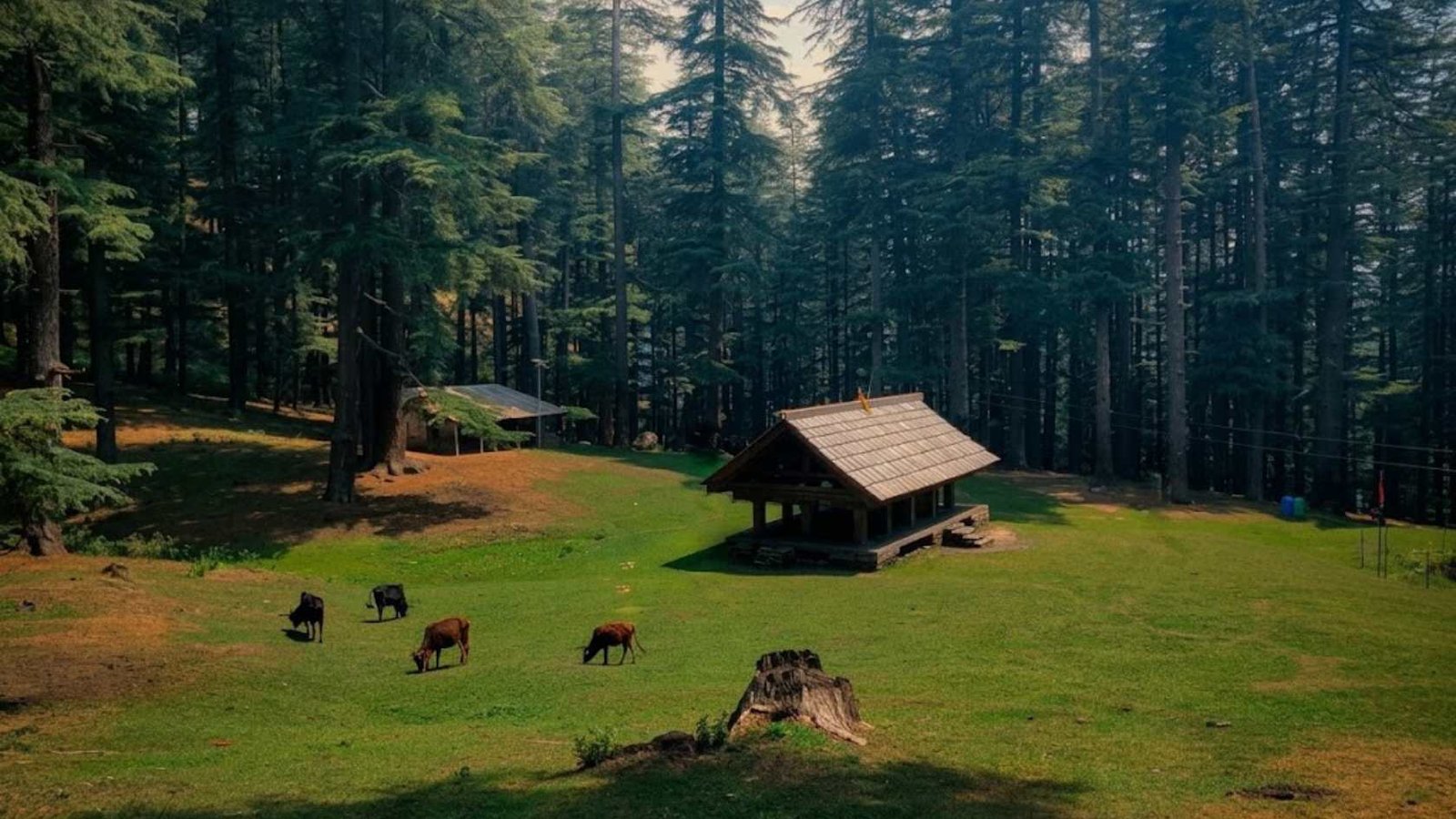
If you are trying to decide between जिभी in May and Jibhi in June, here is the honest truth. June is one of the better months to visit Jibhi, but the experience changes a lot between the first week and the last week of the month.
We send a steady stream of travellers to Jibhi every summer, and June is when we get the most “should I come now or wait” questions. This guide answers that directly, and then tells you exactly how to plan the trip so you do not end up stuck in traffic near the market or standing at a closed Jalori Pass with no backup plan.
Quick Answer
जिभी in June works well for most travellers. Days feel mild and evenings stay cool, usually somewhere around 12°C to 25°C depending on the week. Early June is the safer pick for clearer skies and easier Jalori Pass access. Late June can bring cloud build-up and short showers, but the valley turns its greenest by then.
If your dates are flexible, aim for the first two weeks. If not, late June is still a good trip as long as you pack for light rain and keep a buffer day.
👉 Confused? Let locals plan your trip.
Is June a Good Time to Visit Jibhi?
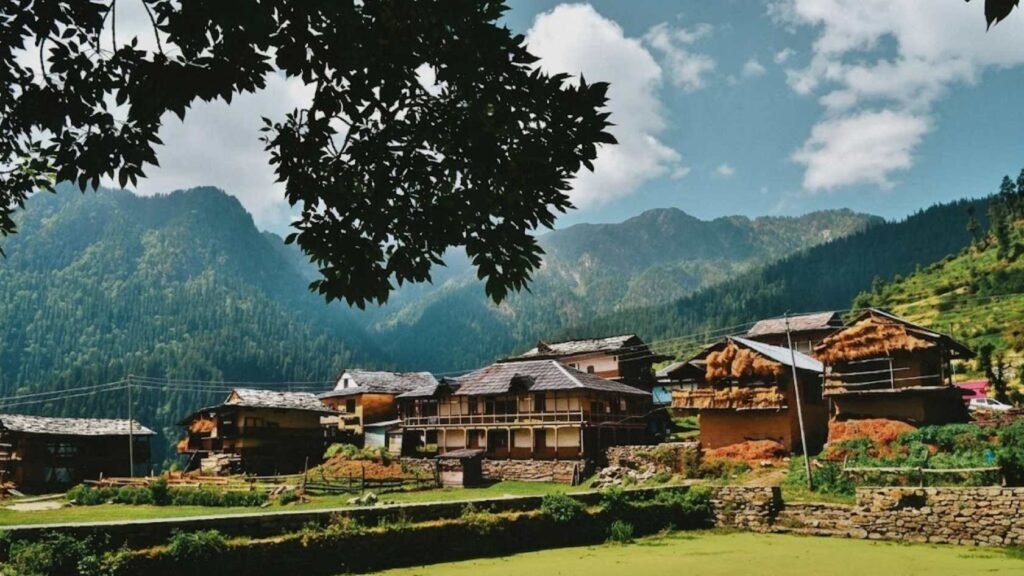
For most travellers, yes. June is one of Jibhi’s main summer months, and the valley is fully open, fully green, and running at its best pace.
June suits couples looking for a quiet riverside stay, groups of friends wanting cafes and a Jalori Pass drive, and first-time Himachal travellers who want mountains without the altitude risk of Spiti or Ladakh.
It also works if you want to see Jibhi at its greenest. The forests around Banjar fill in, the Tirthan river runs full, and the valley feels alive in a way it does not in winter.
June is not the best fit if you hate any chance of rain. Late June can see showers rolling in over the ridges, and the Jalori Pass weather can shift in an hour. It is also not ideal for travellers who want total solitude, because weekends do get busy.
In our experience, the people who enjoy Jibhi in June the most are the ones who come with a loose plan and do not try to cram everything into two days.
What is the Weather Like in Jibhi in June?
Days feel pleasantly warm and nights stay cool. Most sources put the June range at roughly 12°C to 25°C, though the exact numbers shift a bit week to week.
Mornings are the best part. The light is soft, the market is quiet, and it is cool enough to walk for an hour without sweating. By midday, the sun is strong enough that a cotton shirt works. By 7 PM, you will want a light fleece or a hoodie.
IMD‘s April 2026 outlook says southwest monsoon rainfall across most of Himachal is likely below normal this year, which is good news for June plans. That said, Kullu district still gets short-term rain and thunder alerts, so always check the forecast one day before you leave.
For packing, think layers. A light jacket for evenings, a quick-dry t-shirt for day walks, and a compact rain shell for late June. Sunscreen matters more than most people think, even in the hills. The UV is strong and the sun feels deceptively gentle.
Early June vs Late June in Jibhi
This is the part most travel blogs skip, and it genuinely changes the trip.
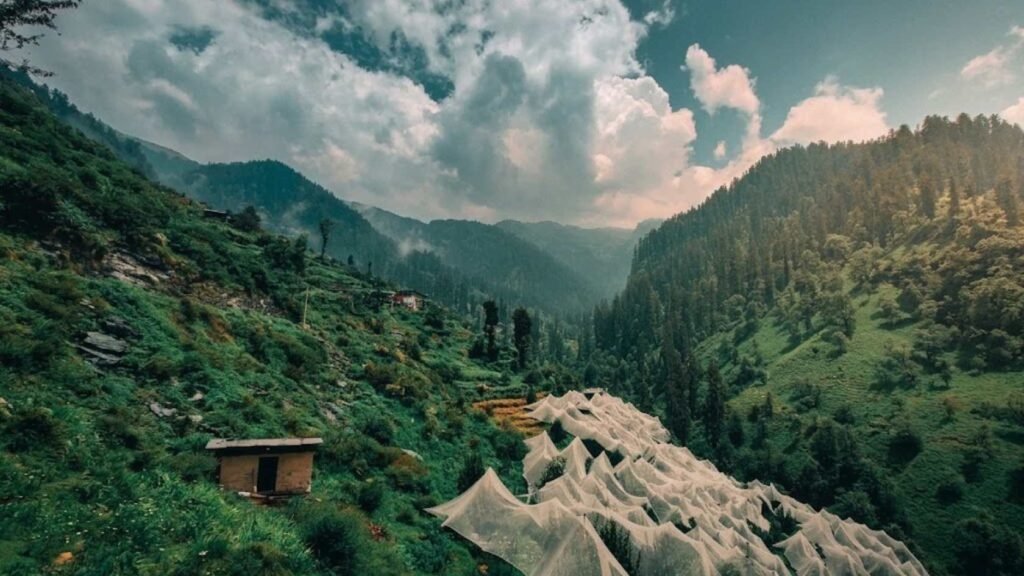
Early June (roughly 1st to 15th) usually has clearer skies, better mountain visibility, and the most reliable Jalori Pass weather. The valley is green but not yet heavy with cloud cover. Crowds are moderate because schools have just started closing.
Late June (roughly 16th to 30th) brings more cloud build-up in the afternoons and a higher chance of short showers. The greenery peaks, so everything looks more lush, but your Jalori Pass day could be a wash-out if the timing is wrong. Crowds also pick up because summer vacation traffic from Delhi and Chandigarh hits its stride.
Our honest take: early June is the better pick for first-timers who want predictable weather and a smooth Jalori Pass drive. Late June is better for travellers who love monsoon-season landscapes and do not mind adjusting plans on the fly.
What are the Best Things to Do in Jibhi in June?
The good part about June is that almost everything is open and working. You do not have to pick and choose the way you do in March or February.
Jibhi Waterfall
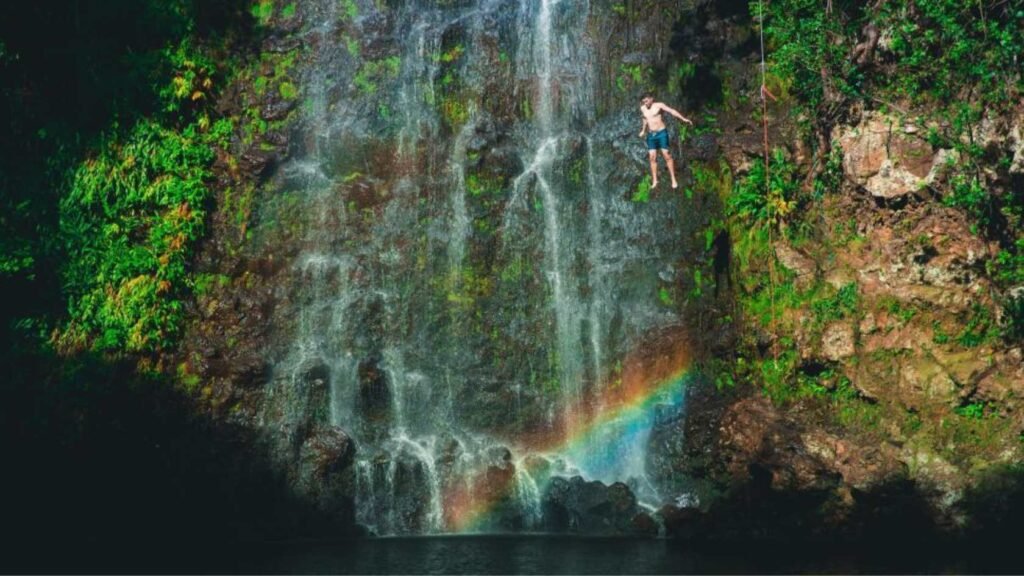
The Jibhi Waterfall is the easiest outing in the valley and a solid first-evening plan. It sits about 1 km from the main market and the walk in and out takes 30 to 45 minutes depending on how long you stop for photos.
The path goes through a short forest stretch with a wooden bridge near the end. In June the water runs full and the spray cools the whole area down by a few degrees. Go early morning or late afternoon to skip the small midday rush.
One honest warning: after a rainy spell, the rocks near the waterfall get slippery fast. Do not climb up for that Instagram shot. We have seen too many travellers limp back with a twisted ankle.
Jalori Pass and Serolsar Lake
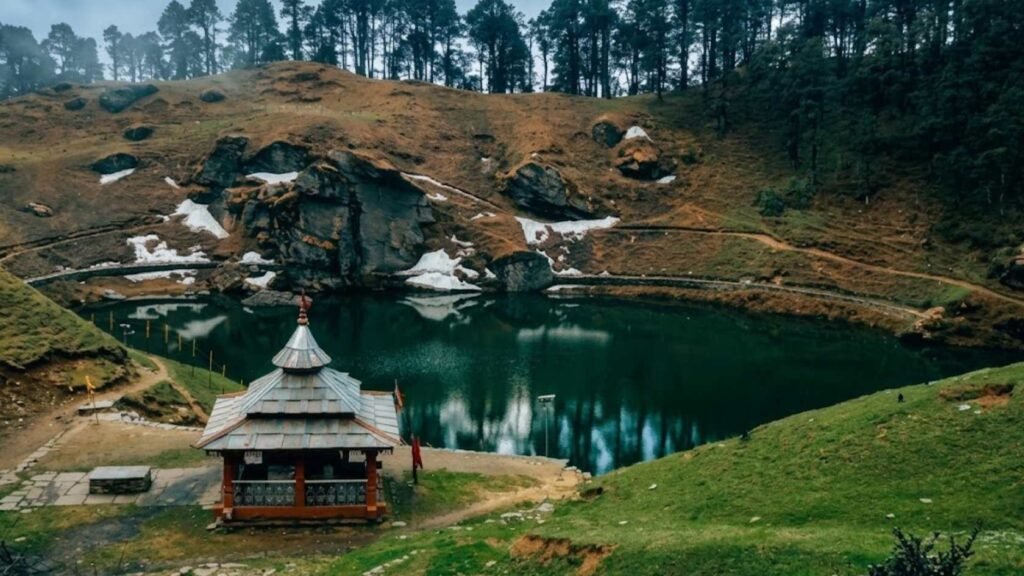
This is the biggest June draw and the reason many travellers come to Jibhi in the first place. Jalori Pass sits higher than the valley and opens up views of the Dhauladhar and Pir Panjal ranges on a clear day.
From the top, a roughly 5 km one-way trail leads to Serolsar Lake, a small forest lake surrounded by oak and deodar. The walk is mostly flat, takes about 2 to 3 hours return, and works for reasonably fit travellers of any age above 10.
Always check road access the night before.
Jalori Pass had winter closures earlier in 2026 and local sources reported it open by mid-April 2026, but road status can flip with one heavy rain. Our drivers check updates every morning before leaving.
What we tell our travellers: start from Jibhi by 7 AM latest. By the time you reach the pass, park, and begin the walk, it is already 9. Afternoon clouds can roll in by 2 PM, especially in late June, and the lake loses its reflection the moment the sky greys out.
Chehni Kothi and Village Walks
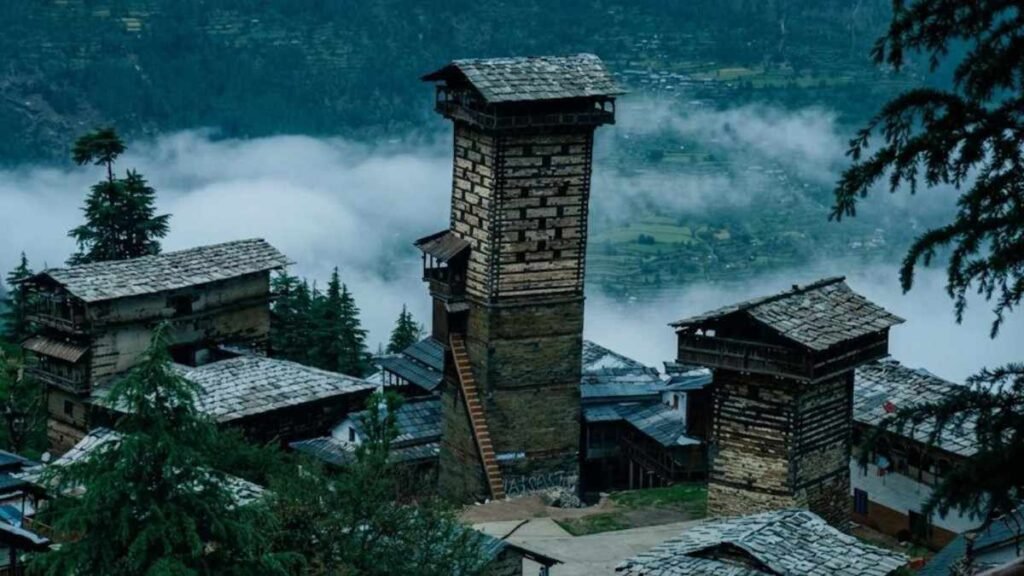
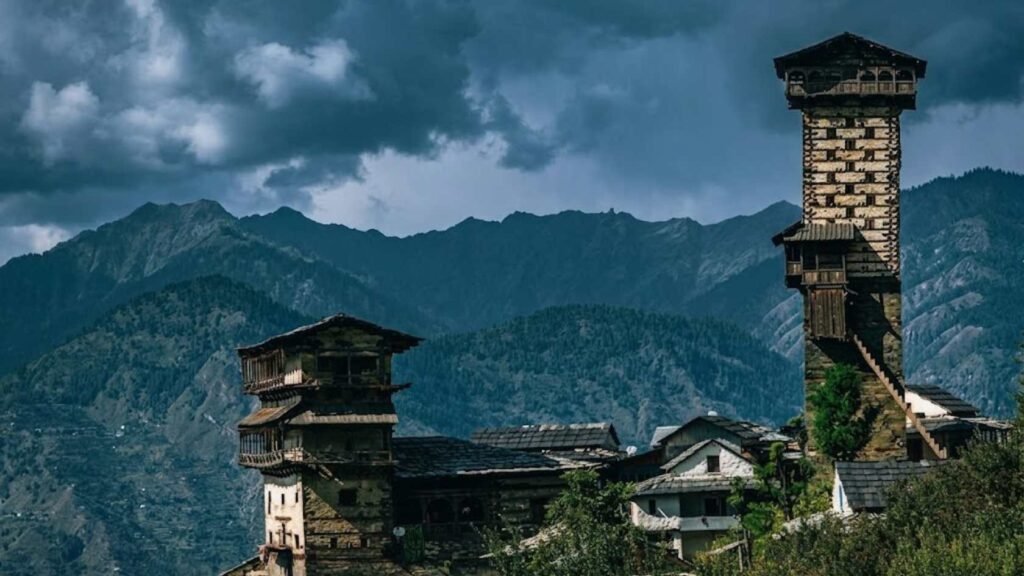
If you want more than cafes and photo spots, Chehni Kothi is worth a morning. It is an old tower house in a hillside village, reached by a 1 to 2 km walk through terraced fields and stone houses.
The structure itself is centuries old and the surrounding village has not been over-tourist-ified yet. Most big travel blogs skip it because it does not photograph as well as a cafe. That is exactly why we recommend it.
Walk slowly, stop for tea at a small village shop, and let the morning stretch out. This is the kind of Jibhi experience that stays with you long after the trip.
Riverside Time, Cafes, and Slow Mornings
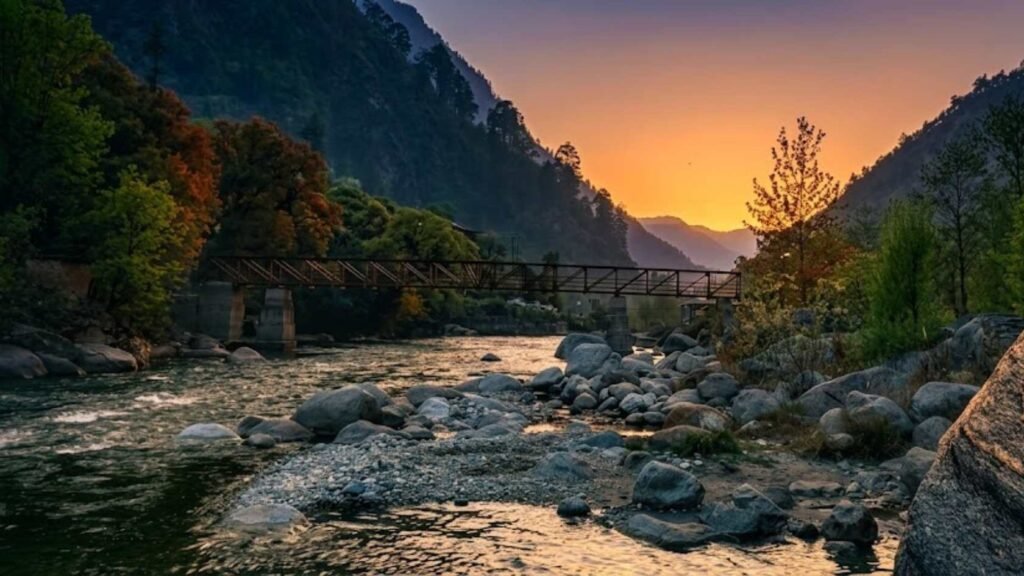
The real Jibhi vibe is not in any single attraction. It is in sitting by the Tirthan with a book for three hours, walking back to your homestay for dal chawal, and doing nothing until the evening chai.
June works especially well for this because the weather cooperates. You can actually sit outside without freezing (like in March) or sweating (like in the plains). The cafes around the main market serve decent coffee and okay food, and the river spots just outside the market are quieter than the touristy stretches closer in.
Our favourite local tip: the small dhabas on the Banjar side of Jibhi serve better siddu and rajma chawal than the photogenic cafes, and charge half the price. Ask any local driver where they eat lunch, and that is where you want to go.
How Crowded is Jibhi in June?
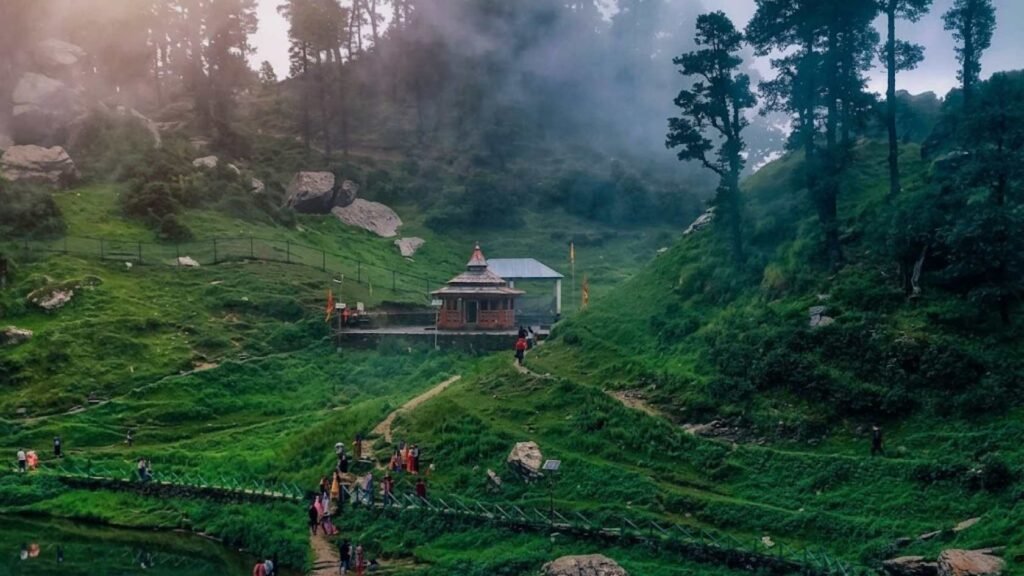
Let us be straight with you. Jibhi in June is not empty.
Weekdays are manageable. The main market stretch feels lived-in, cafes have seats open, and you can walk to the waterfall without dodging selfie groups. Weekends and long weekends are a different story.
From Friday evening to Sunday afternoon, the Aut to Banjar road sees genuine traffic, and parking in the main Jibhi stretch gets tight. Homestays near the market run full, and the quieter valley-view stays book out two to three weeks ahead.
The simplest fix: check in on a Monday or Tuesday, check out on a Thursday or Friday morning. You get better rates, quieter walks, and actual service at the cafes. If you can only come on a weekend, book your stay 3 to 4 weeks in advance and aim for a homestay at least 1 km off the main market stretch.
Our team has been pushing weekday Jibhi trips for years, and every single traveller who listens comes back saying it was the right call.
How Much Does a Jibhi Trip Cost in June?

Costs in June are slightly higher than May or September because demand is up, but still reasonable compared to Manali or Kasol.
Stay cost:
Budget homestays and basic rooms run around ₹800 to ₹1,500 per night. Mid-range stays with valley views, better rooms, and good food land around ₹2,000 to ₹4,000 per night. Premium boutique stays go higher, especially on weekends.
Food cost
Most meals at cafes and homestays sit around ₹200 to ₹400 per person. Local dhabas are cheaper, cafes on the main stretch are pricier.
Overall fee
For a 3-day trip with a mid-range stay, a couple can plan for roughly ₹8,000 to ₹15,000 per person including stay, food, and local transport, depending on how they get there. This does not include the Delhi or Chandigarh to Jibhi travel cost, which depends heavily on whether you take a bus, drive, or hire a cab.
The one place people over-spend is on cafe meals. Eating two meals a day at the Instagram cafes adds up fast. Mix it with homestay food and local dhabas and your budget stretches far more comfortably.
How to Reach Jibhi in June from Delhi or Chandigarh
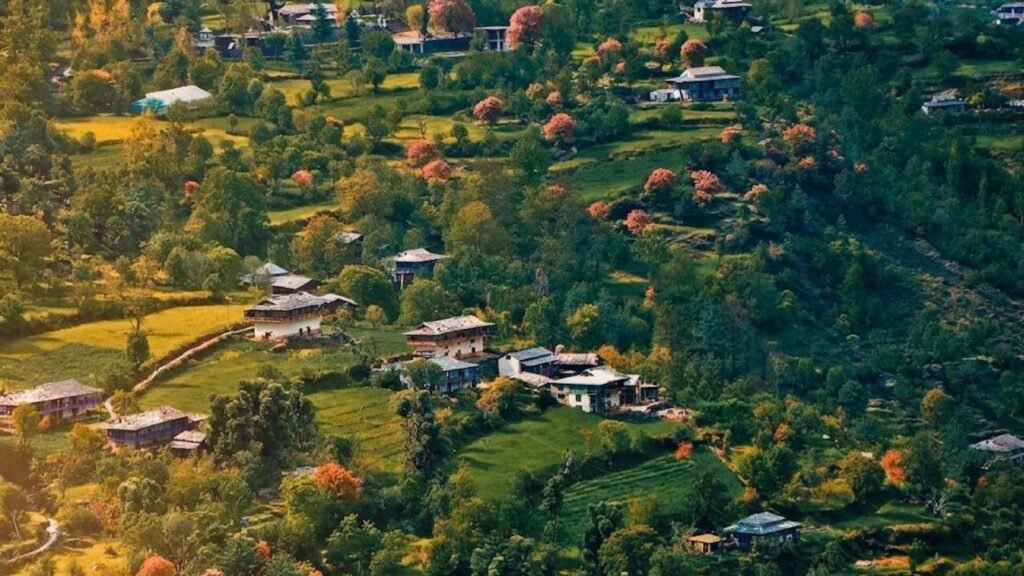
The route does not change much by season. Most travellers take the Aut to Banjar to Jibhi path, with Jibhi sitting about 8 km ahead of Banjar.
For bus travellers
An HRTC or Volvo overnight bus from Delhi or Chandigarh to Aut is your main option. From Aut, you take a shared cab or local bus to Banjar and then to Jibhi. This works out cheapest but adds a few hours and a transfer at Aut.
For self-drive travellers
The route is Chandigarh to Bilaspur to Mandi to Aut, then turn off towards Banjar and Jibhi. Most self-drives from Delhi cover it in one long day with an early start. Chandigarh to Jibhi is shorter and more doable in daylight.
If you are planning to drive up to Jalori Pass from Jibhi, check the road update the night before. The Pass side can close with little warning after heavy rain or a landslide. Our drivers always check the Himachal roads WhatsApp groups and the local district admin channels before starting out.
👉 Pick the right stay & route — we’ll help.
Where to Stay in Jibhi in June
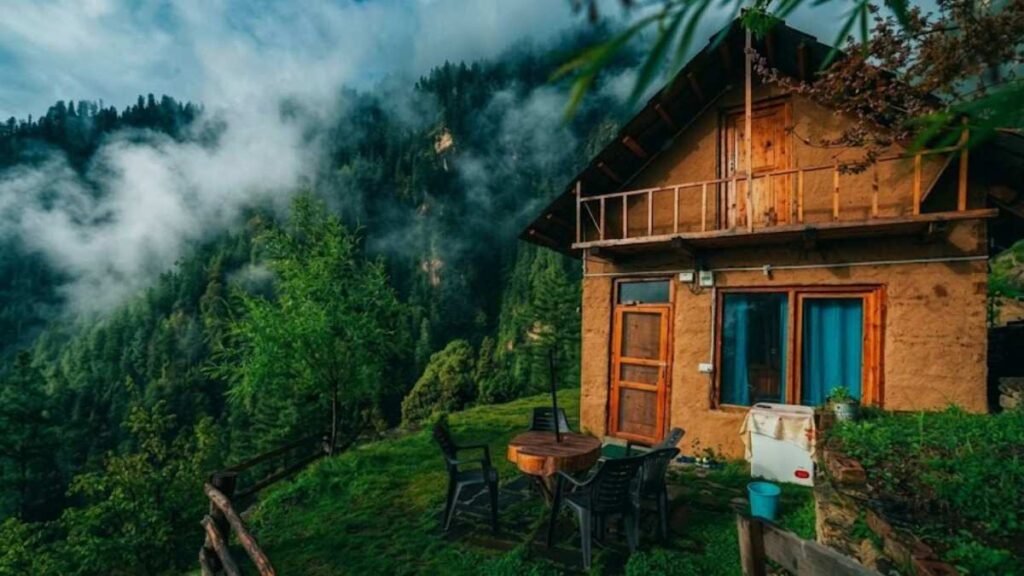
You get three broad options, and the right one depends on what you want from the trip.
Market stays
Sit right in the main Jibhi stretch. Walking distance to cafes, the waterfall trail, and shops. Good for travellers who want convenience and do not mind some road noise in the evenings. Parking can be tight on weekends.
Valley-view stays
These are on the slopes above or across the river. You get better views and more quiet, but you will drive or walk 5 to 10 minutes to reach the market. Worth it for couples and anyone prioritising the peaceful vibe.
Off-market homestays
In nearby villages like Ghiyagi or small hamlets further out are the most peaceful. You give up cafe walkability but gain real village life, home-cooked food, and star-filled night skies.
Before booking, ask the host four questions every single time: Is there dedicated parking? Which network works best here, Jio, Airtel, or BSNL? Is there power backup for evening cuts? And how far is the main market on foot or by car? Jio is usually the strongest in the valley, Airtel and BSNL can be patchy.
What to Pack for Jibhi in June

Pack for mild days and cool evenings. A good layering system beats one thick jacket.
Start with basics: a few cotton t-shirts, one light full-sleeve shirt, one pair of comfortable trekking shoes with grip, and one pair of sandals for the homestay. Add a fleece or light jacket for evenings, and a compact rain jacket or poncho especially if you are travelling in late June.
Other things to throw in: sunscreen with SPF 30 or higher, a cap or hat, sunglasses, a small daypack for the Jalori and Serolsar walk, a power bank, and basic medicines like paracetamol, Disprin, and something for stomach upsets.
Carry cash. ATM availability in Jibhi itself is unreliable, though Banjar definitely has working ATMs. We always tell our travellers to withdraw enough in Aut or Mandi before the Banjar turn-off, because hunting for a working ATM on vacation is not fun.
Is Jibhi Safe in June for Couples, Families, and Solo Travellers?
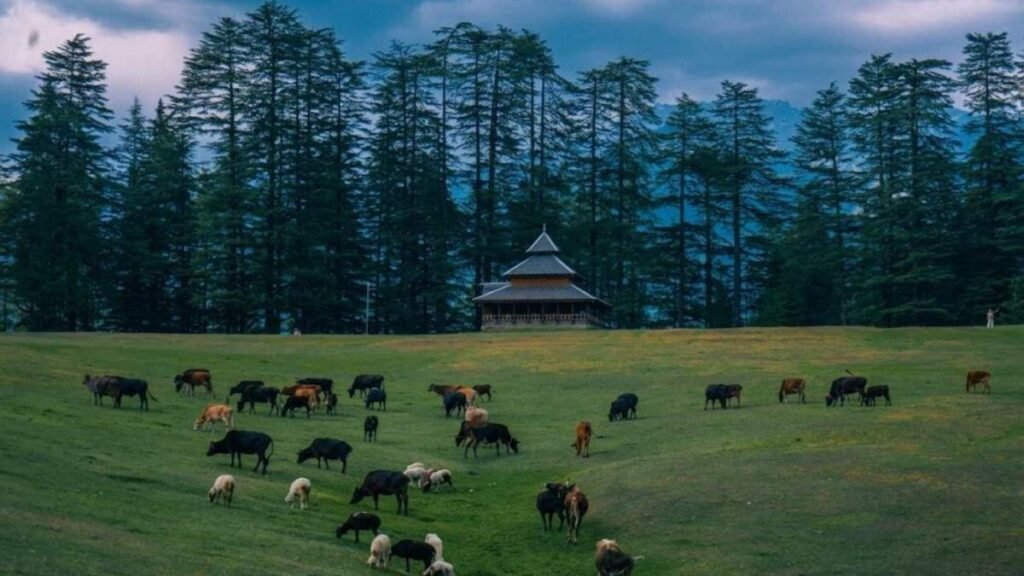
Generally, yes. Jibhi is one of the safer Himachal valleys for all traveller types. The local community is welcoming, homestays are family-run, and petty crime is rare.
For couples, it is one of the easier Himachal picks. The vibe is calm and nobody will stare.
For families, it works well as long as you do not over-plan. One full day of Jalori Pass with kids is the limit. The second day should be slow, river-side, waterfall, and cafe-based.
For solo travellers, Jibhi is solid. We have sent plenty of solo women travellers here over the years with no issues. Stay at a well-reviewed homestay, let the host know your plans for the day, and stick to the main trails.
The real June-specific risks are weather and roads. Trails get slippery after rain, and hill driving needs real attention. If you are self-driving, do not attempt the Jalori road after dark. It is narrow, unlit, and the edges are unforgiving.
Do You Need Permits for Jibhi, Jalori Pass, or GHNP?
Staying in Jibhi itself does not need any tourist permit. You can show up, check in, and explore the valley freely.
Jalori Pass does not need a permit either. It is an open public road when the weather allows.
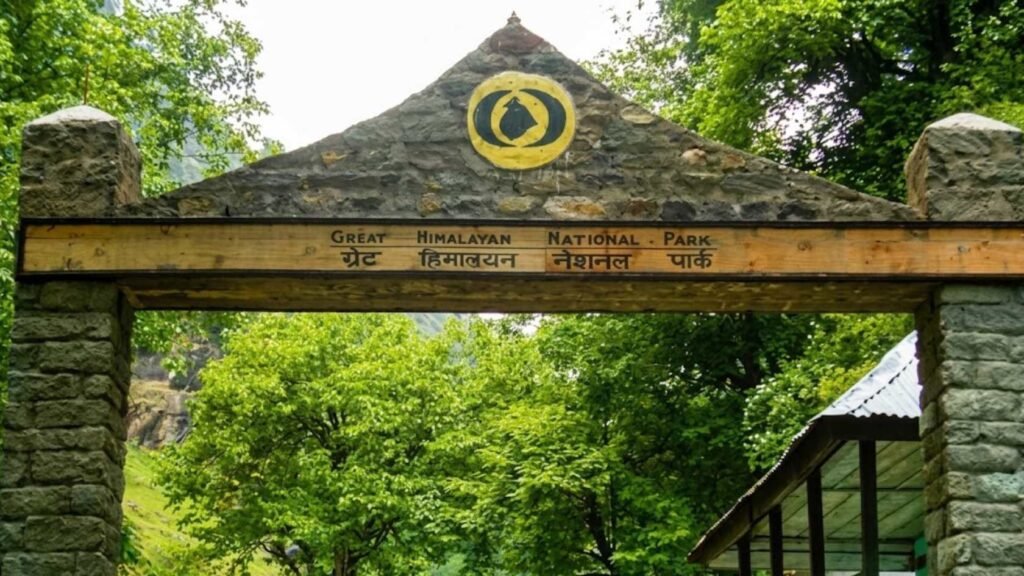
The permit-sensitive part is the Great Himalayan National Park core zone. GHNP is a UNESCO World Heritage Site since 2014, and entry into core areas is by permit.
Permits are issued at Shamshi, Shairopa, and Ropa. If you are planning multi-day treks inside the park, you must engage certified guides and porters through the forest department. This is not optional, and it is there for good reason.
Fee figures change, and the official GHNP site embeds an older PDF that says travellers should check with park authorities for the latest rates. We always tell our guests to call the Shamshi or Shairopa office a week before their trek to confirm current fees and availability.
3-Day Jibhi in June Itinerary

This is the flow we suggest most often. It gives you real time to slow down without missing the main highlights.
Day 1: Arrival, check-in, and easy evening
Reach Jibhi by afternoon. Check into your stay, rest for an hour, then walk to the Jibhi Waterfall. Grab dinner at a cafe near the market or at your homestay. Sleep early, because Day 2 is the big one.
Day 2: Jalori Pass and Serolsar Lake
Start by 7 AM. Drive to Jalori Pass, park, and walk to Serolsar Lake. Carry water, snacks, and a windbreaker. Return to Jalori, eat at one of the dhabas at the top, and drive down by early afternoon. Spend the evening by the river or at a quiet cafe.
Day 3: Chehni Kothi or slow village morning, then departure
Do Chehni Kothi early if you want the cultural side of Jibhi. Or just have a long breakfast, walk through the market one more time, and head out by noon. Drive back down to Aut and onwards to your onward connection.
This plan has one built-in buffer. If the Jalori weather is bad on Day 2, swap it with Day 3 and do Chehni first. Flexibility is the single biggest thing that separates a good Jibhi trip from a frustrating one.
Jibhi vs Kasol in June
This is the question we get most often, and the honest answer depends on what kind of trip you want.
कसोल
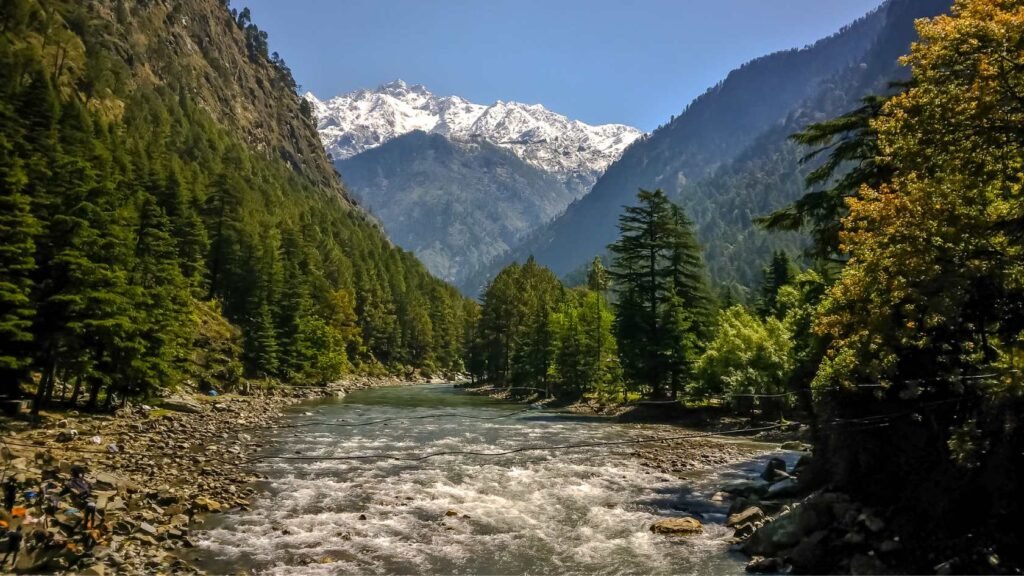
It is louder, busier, and has more of a backpacker energy. Cafes are lively, the Parvati river is beautiful, and you meet travellers from all over. It works well for groups of friends who want a social trip with some nightlife.
जिभी
It is quieter, slower, and more about forests, rivers, and village life. Cafes exist but they close earlier. The vibe is homestay-first, cafe-second. It suits couples, solo travellers, families, and anyone who wants a break from the noise.
In June, Kasol gets significantly more crowded than Jibhi because of its reputation and weekend traffic from Delhi. If a calm riverside stay is what you want, Jibhi wins. If you want more people, music, and a louder scene, Kasol wins.
Final Verdict: Should You Visit Jibhi in June?
Yes, with a small caveat on timing.
For early June travellers
Go. The sky is usually clear, Jalori access is easier, and the crowd is manageable on weekdays. A 3-day trip works beautifully.
For late June travellers
Still go, but build in a buffer day for weather. Do Jalori as early in your trip as possible so you have room to re-plan if rain closes the road. Pack a rain jacket and do not over-schedule.
June sits between the dry brightness of May and the full green monsoon weight of July. It is the month where you get the best of both without the worst of either. If you want more May-side planning detail, we have a full Jibhi in May guide that shows how the two months compare side by side.
Jibhi in June is not perfect. The roads get busy, the weather can shift, and the cafes can feel crowded on a Saturday evening. But the forests, the river, the slow mornings, and the drive up to Jalori are worth every bit of the planning.
👉 Want this trip? Let’s plan it right.
अक्सर पूछे जाने वाले प्रश्न
Also Read: Narkanda in May 2026: Weather, Snow Chances, Places to Visit & Travel Tips
क्या आप अपने हिमाचल एडवेंचर के लिए तैयार हैं?
Get FREE customized itinerary · Best Price Guaranteed · Local Himachal Experts · 3,973+ Happy Travelers



Pingback: Spiti In June 2026: Weather, Roads, Best Itinerary & Cost Guide