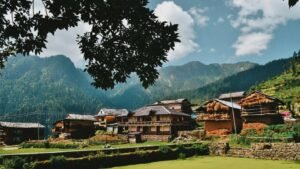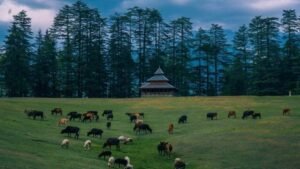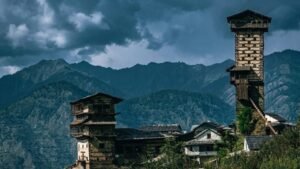
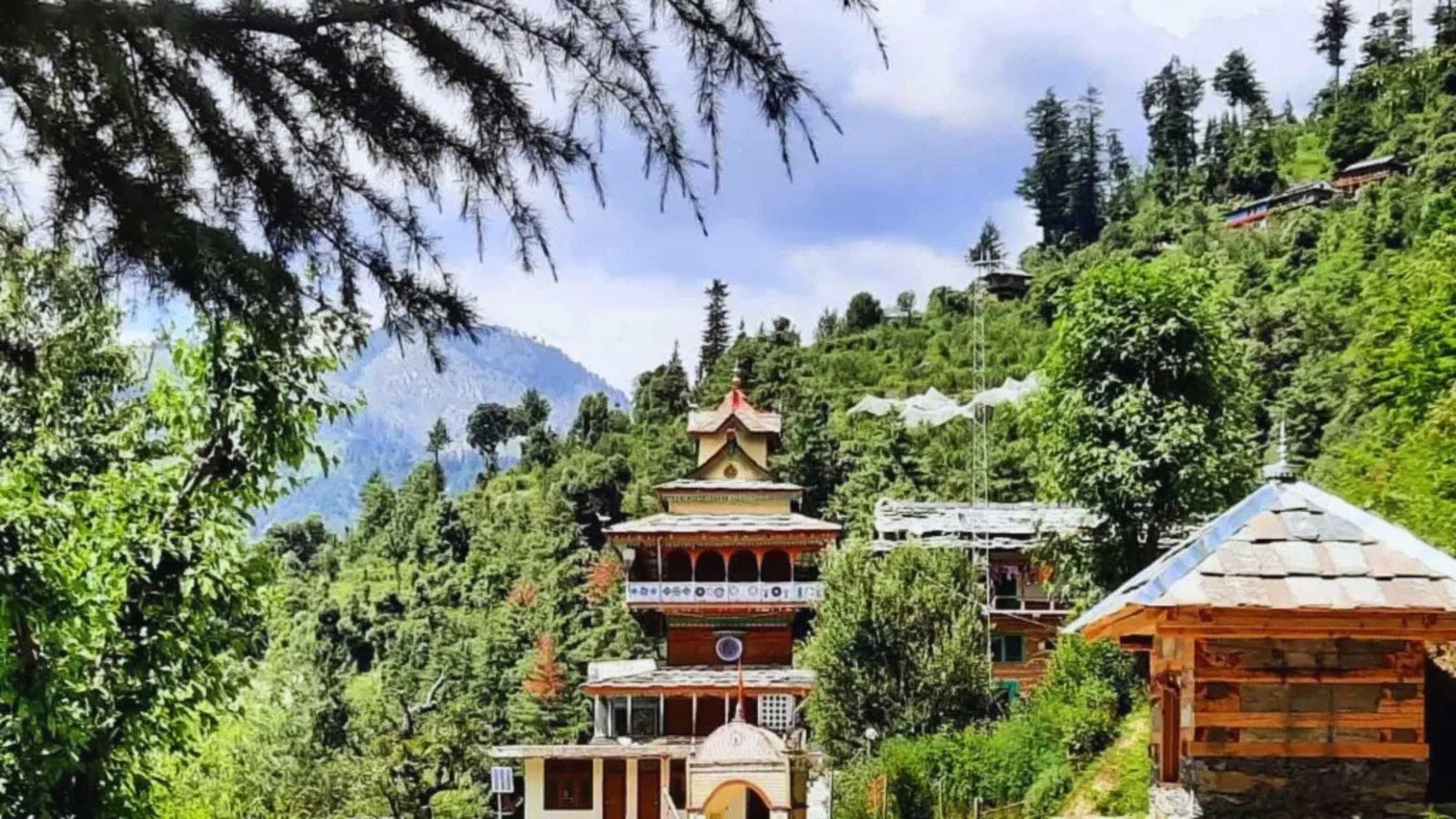
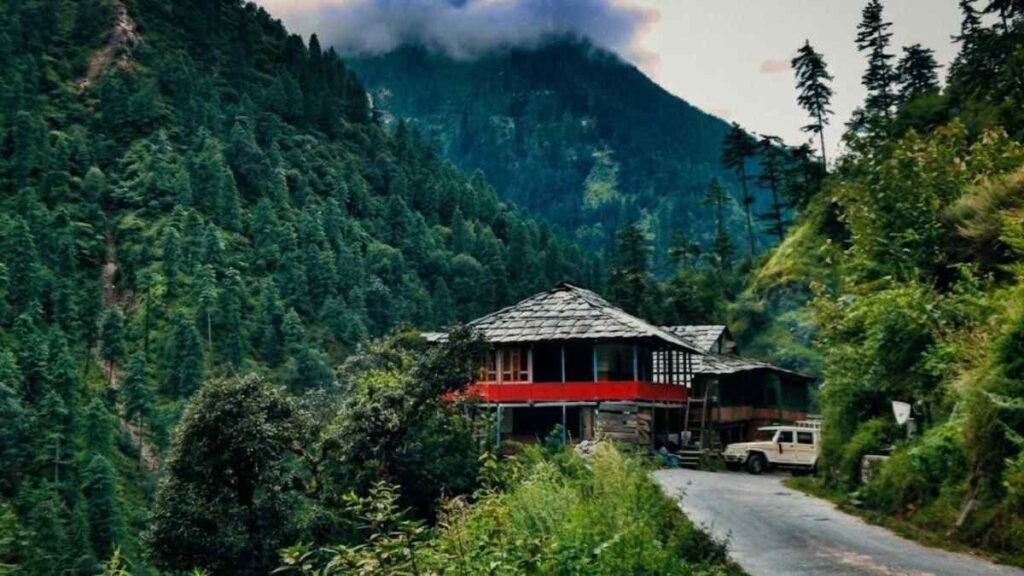
Planning Jibhi in September is one of the smartest calls you can make for a Himachal trip, but the month has two very different faces. Early September can still be wet and misty because the monsoon lingers. Late September clears up, the valley turns deep green, and the whole place feels calm again.
At HimTrails, we run the Banjar and Tirthan side every season, and September is easily one of our favourite windows to send travellers here. Below is the honest, practical breakdown so you can lock your dates without guessing.
Quick Answer: Is September a Good Time to Visit Jibhi?
Yes, September is a good time to visit Jibhi, and in our experience late September beats early September for most people.
You get post-monsoon greenery, cooler weather, waterfalls running at full strength, and far fewer tourists than the summer rush.
The only thing you must do is check live rain and road updates before you leave, because early September can still throw a wet, slippery day at you.
If you want us to handle stays, transfers and the Jalori Pass logistics, our Jibhi and Tirthan Valley tour packages are built exactly for this kind of slow, weather-smart trip.
👉 Confused? Let locals plan your trip.
Jibhi Weather in September: Temperature and Rain Reality
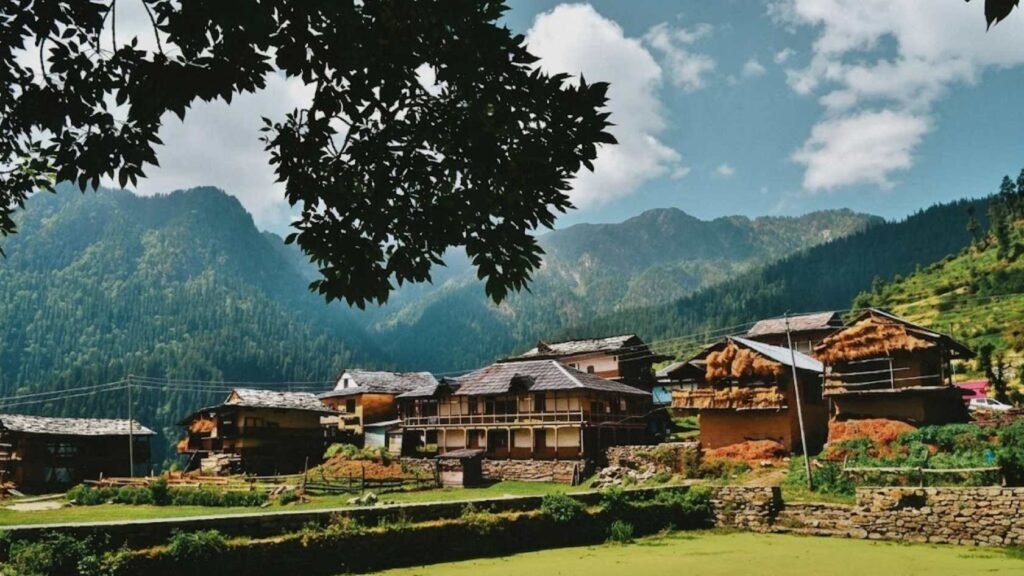
Different weather sources give different numbers for Jibhi, so treat any single figure with caution.
The safest planning range is around 11°C to 22°C, depending on where you are and how high you go. Jibhi village sits lower and warmer, while Jalori Pass and Shoja run colder.
To show you how much sources disagree, Wanderlog lists roughly 11°C to 19°C, Bajaj lists around 16°C to 22°C, and Jibhi.in puts September autumn closer to 9°C to 18°C.
Use this as a planning range, not a guaranteed forecast. Mornings and nights feel cool, and the day warms up nicely when the sun is out.
How Much Does It Rain in Jibhi in September?
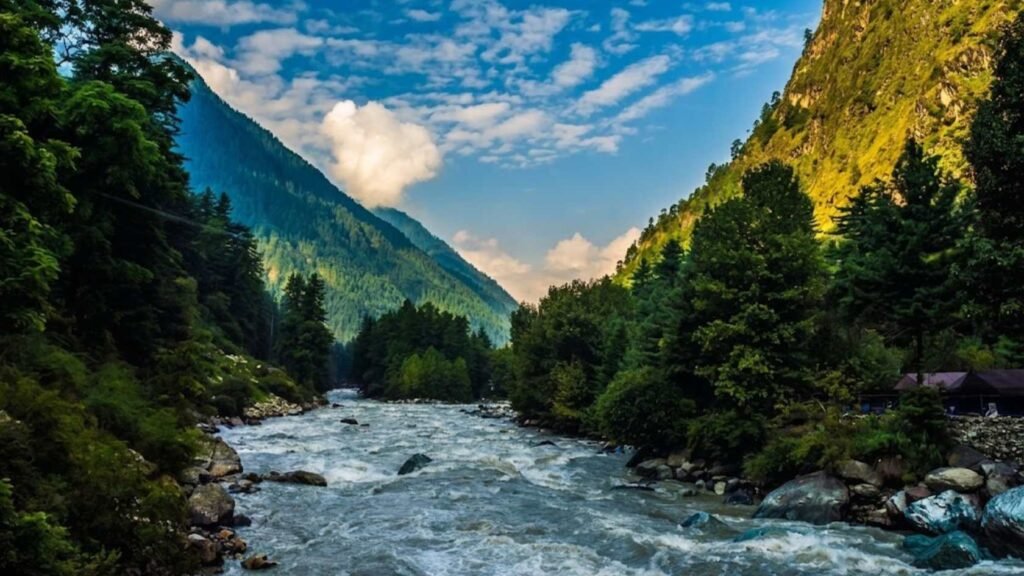
Rain is the real variable. Wanderlog puts the chance of rain on an average September day at about 53%, which is high enough to plan around.
Early September can still feel humid and rainy because the monsoon does not switch off on the 1st. Late September usually dries out and turns clearer.
What most travellers get wrong here is trusting a week-old forecast. Mountain weather shifts fast, so check the live IMD forecast a day or two before you leave, not a screenshot someone shared in a WhatsApp group.
Early September vs Late September: Which Is Better for Jibhi?
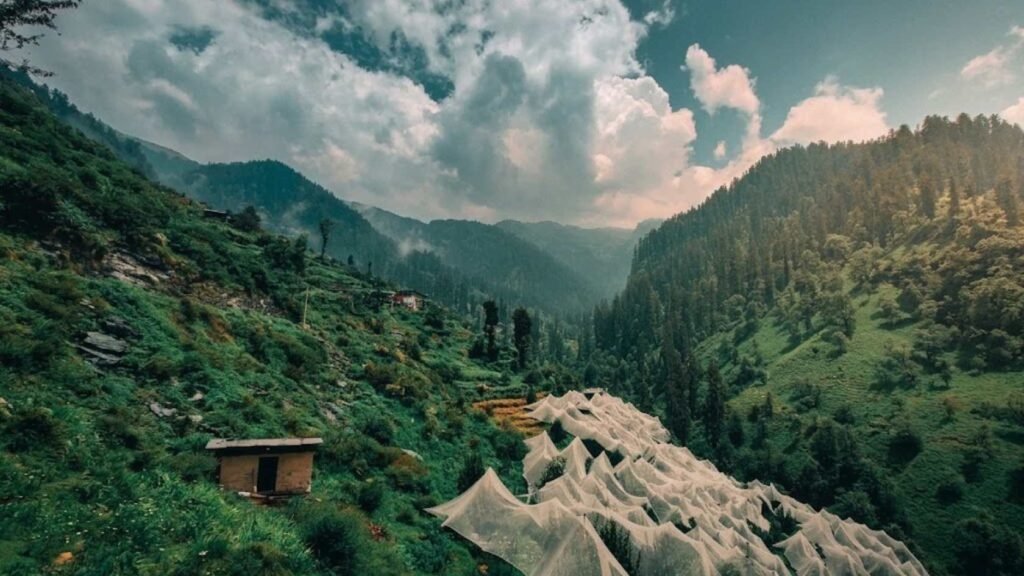
Early September
Is greener, mistier and more unpredictable. The forest looks its lushest and the light is moody and beautiful, but the monsoon can still linger, and roads and trails stay slippery.
If you love that damp, cloud-in-the-valley look and you are a flexible traveller, early September delivers it.
Late September
Is the safer pick. It works better for first-timers, couples, families, Jalori Pass drives, the Serolsar Lake trek and clean photography.
In our experience, late September is simply easier to plan around because you are fighting the weather less. If your dates are fixed and you only get one shot, aim for the back half of the month.
Is It Safe to Visit Jibhi in September 2026?
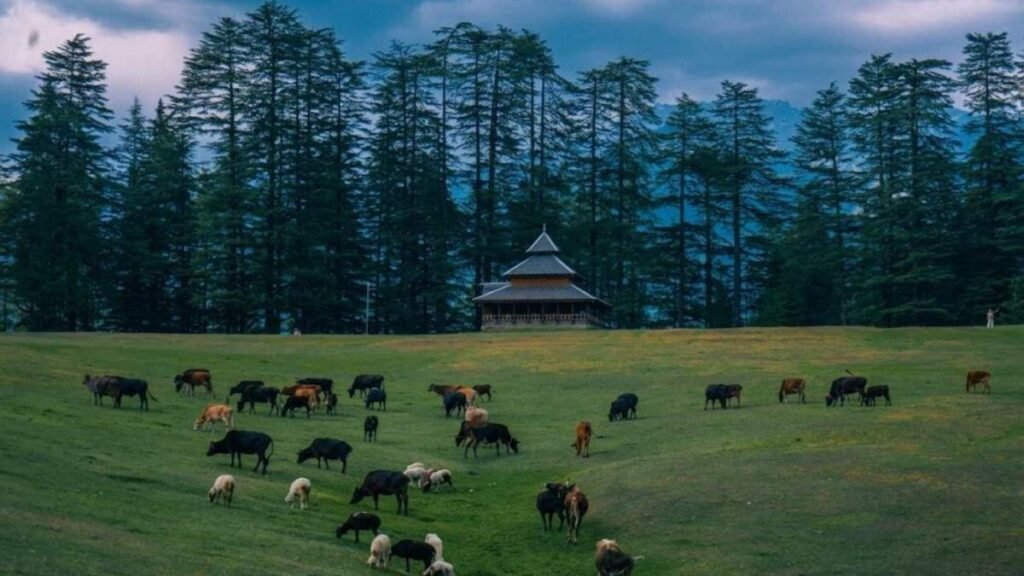
Jibhi itself is a calm, peaceful village. The safety concern in September is not the place, it is the road.
Rain brings landslides, road cuts, fog, low visibility and slippery turns on the mountain stretches. None of this should scare you off, but it does mean you plan smart and travel in daylight.
Here is the 2026 backdrop. IMD confirmed the southwest monsoon had covered all of Himachal Pradesh by 1 July 2026. During heavy rain spells, IMD warned about possible landslides, mudslides, slippery roads, low visibility, traffic congestion and service disruption.
There is also a road note worth knowing. In May 2026, the NH-305 Aut–Banjar stretch had daily traffic suspension from 12 pm to 2:30 pm for repair work, and September status can change, so confirm it close to your travel date.
Practical Safety Rules Our Drivers Follow
Travel in daylight and avoid night driving once you cross Aut or Banjar. Keep buffer time so one blocked road does not wreck your whole plan.
Ask your stay owner about last night’s rain before you head up to Jalori Pass, and use a local taxi for the pass after bad weather instead of forcing a self-drive.
What we always tell our travellers is simple. If the road looks bad and the sky looks worse, wait a few hours. The pass is not going anywhere, and neither is the lake.
Are Jalori Pass, Serolsar Lake and Raghupur Fort Open in September?
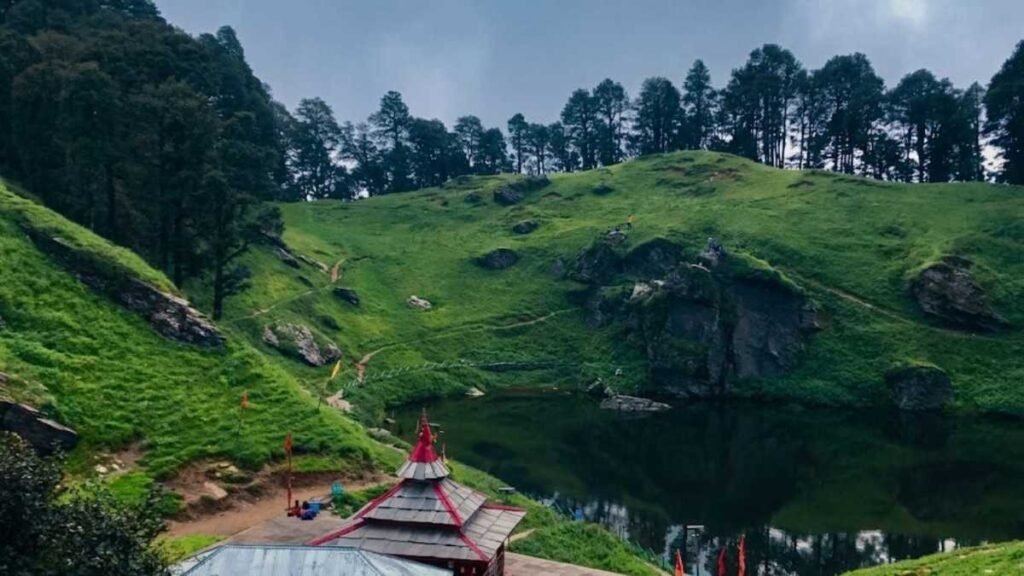
September is generally a good window for all three, especially late September once the monsoon eases. That said, access is weather-dependent, and we never claim a live open status from a desk.
Jibhi to Jalori Pass is around 12 to 14 km and usually 40 to 45 minutes by road, though our own valley guide notes the pass sits about 15 km from Jibhi and conditions can change day to day.
From Jalori Pass, Serolsar Lake is a 5 km trek, and Raghupur Fort is a 3 km trek. Both are doable in a morning if the weather holds.
Skip these treks during heavy rain, fog, thunder, fresh landslides or poor visibility. A clouded-out pass gives you nothing but a cold, wet walk, and the trail turns genuinely slippery.
If you want the fuller month-by-month picture of how this valley behaves, our guide on the best places to visit in Jibhi across the seasons is worth a read before you finalise.
Best Places to Visit in Jibhi in September
Jibhi Waterfall
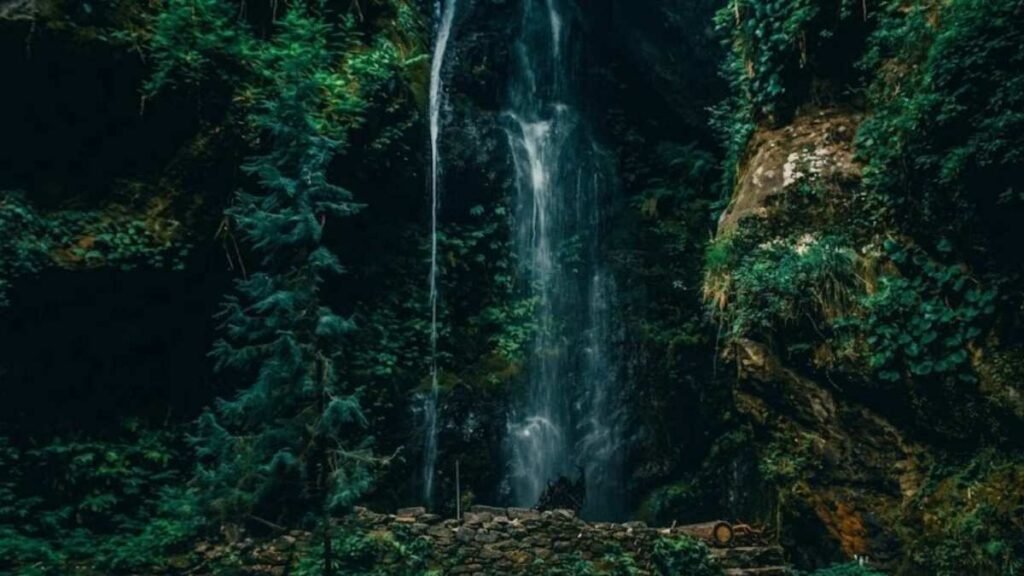
The Jibhi Waterfall is a short forest walk from the village and looks its best right after the monsoon, when the water is running hard.
The path and stones get slippery in September, so wear proper grip shoes and go slow on the last stretch down.
Entry is often listed as ₹20, but sources conflict, with some mentioning no major fee and others a small local charge. Carry loose cash either way.
Mini Thailand (Kulhi Katandi)
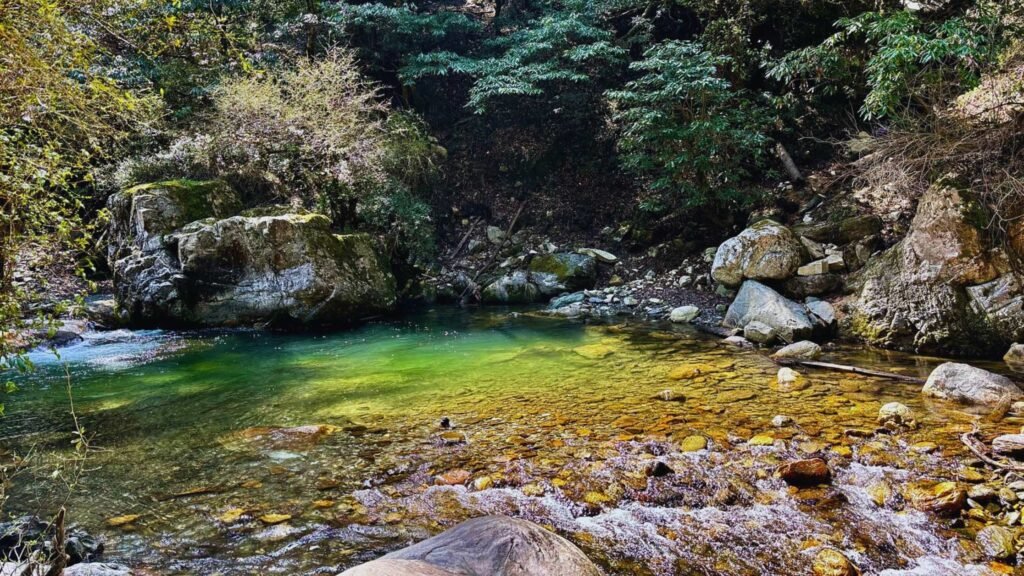
Mini Thailand, locally called Kulhi Katandi, is a short forest descent to natural rock pools and flowing water. It is one of those quiet spots most day-trippers miss.
Sources vary on how to reach it. One says it is around 1.5 to 2 km from the Jibhi village market with a 15 to 20 minute walk down, while another puts it around 300 m from the Jibhi Waterfall.
The trail can get slippery in rain, so this is a fair-weather stop. Skip it if it has been pouring.
Jalori Pass in September
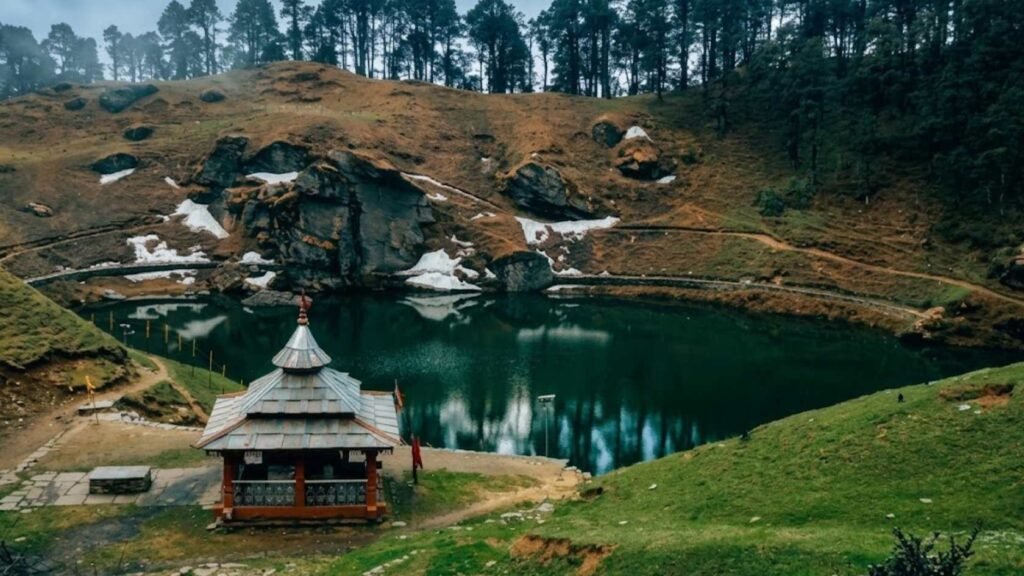
Jalori Pass in September gives you a real shot at clear valley views, and late September improves those odds a lot.
The road is narrow and steep in parts. Do not force it during rain or fog, because the surface and the visibility both work against you up there.
A quiet local tip most guides skip: reach the pass early. By late morning the tea stall gets busy and the clouds often roll in, so the clean view window is usually before the crowd arrives.
Serolsar Lake Trek in September
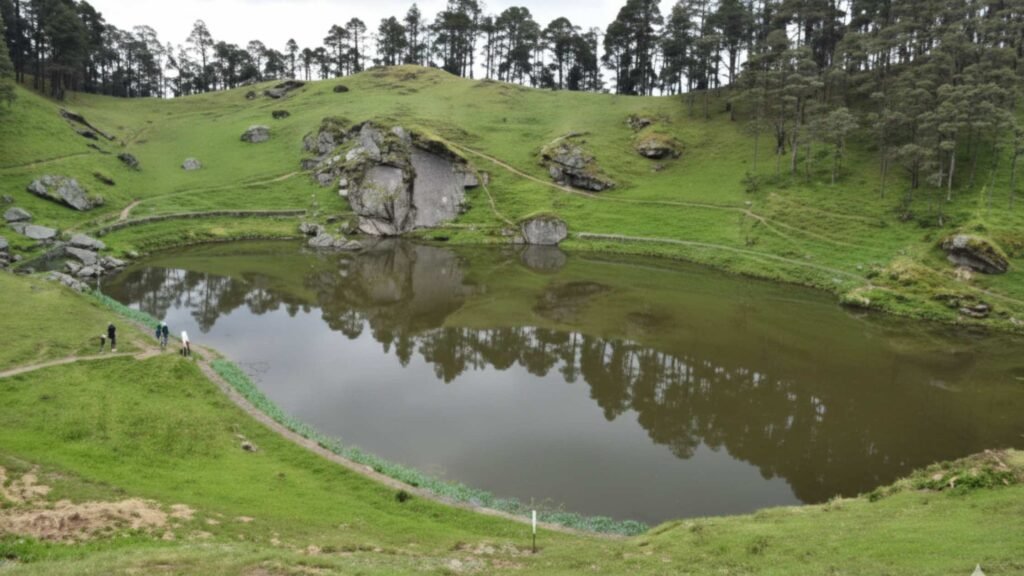
The Serolsar Lake trek is 5 km one way from Jalori Pass through an old oak forest, and it is one of the finest short walks in the whole valley.
Start early and aim to be back before dark. The forest is calm and the small Budhi Nagin temple by the water makes a good turnaround point.
Keep it practical. If the pass is fogged in or it rained overnight, do the drive, enjoy the tea stall, and save the trek for a clearer morning.
Raghupur Fort
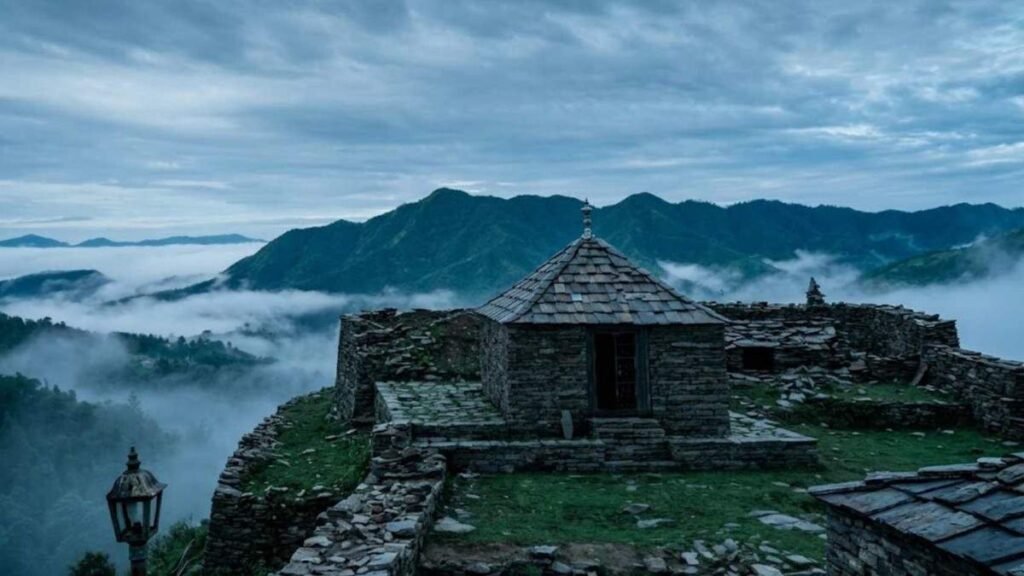
Raghupur Fort is a 3 km trek from Jalori Pass to a ruined fort on a ridge, and it is completely overlooked by most visitors.
Timing sources vary, so plan for anywhere between 90 minutes and 2.5 hours one way depending on your pace and the trail condition after rain.
The payoff is a big open ridge with views toward the Kullu Valley, minus the crowd you would find on more famous trails.
Chehni Kothi and Shringa Rishi Temple
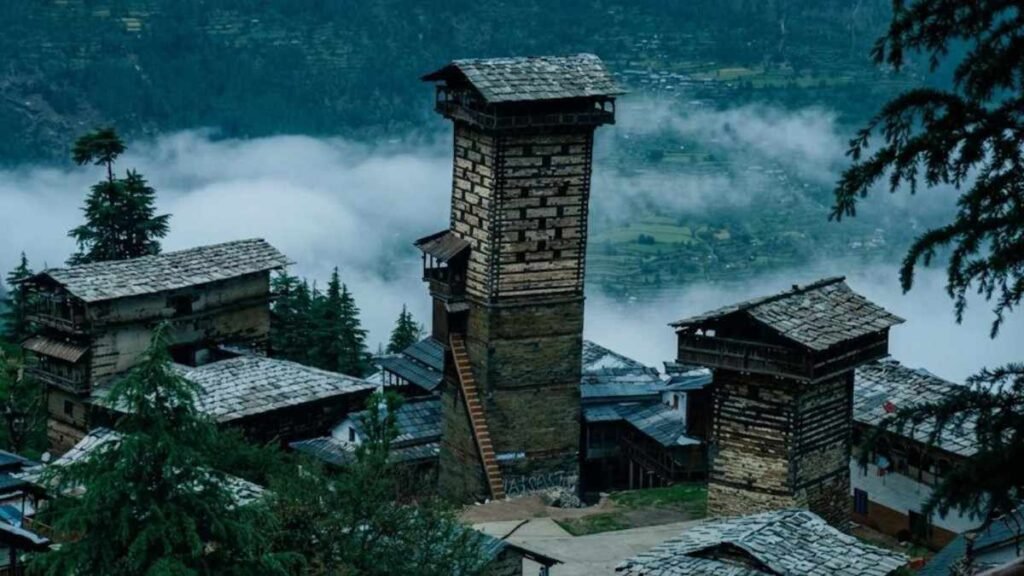
Chehni Kothi is a tall stone-and-wood tower built in the traditional Kath Kuni style, and it is one of the best-preserved examples in this part of the valley.
The walk up is uphill, and sources vary from a short 1 to 1.5 km climb to around 30 to 60 minutes depending on where you start and how fit you are.
You get valley views, old village settlements and apple orchards along the way. Pair it with the nearby Shringa Rishi Temple for a slow, cultural half-day.
If you are still deciding between this quiet valley and a livelier base, our comparison on जिभी versus कसोल helps you weigh the two.
3-Day Jibhi Itinerary for September

This plan suits travellers who want the highlights without rushing.
On day one, arrive and rest. Give your legs and your stomach a break after the drive, then take the easy walk to Jibhi Waterfall in the afternoon.
Spend the evening slow. Grab a riverside café seat, eat something warm, and let the sound of the stream do its thing. Do not try to squeeze in Jalori Pass on arrival day.
On day two, drive up to Jalori Pass and pick one trek based on the weather, either Serolsar Lake or Raghupur Fort. If your group wants a relaxed trip, do not attempt both in one day.
On day three, visit Chehni Kothi and Mini Thailand in the morning, eat a proper local meal, and start your drive out.
If you are coming from Delhi with only two nights, do not overstuff the plan. The drive alone eats a big chunk of day one, and a rushed itinerary in September rain is how good trips go sideways.
👉 Pick the right stay & route — we’ll help.
4-Day Slow Travel Itinerary for Jibhi and Tirthan Valley

This one is for couples, families and anyone who wants a calm, unhurried trip.
Day one is arrival and Jibhi village. Settle into your stay, walk to the waterfall, and keep the evening easy.
Day two is Jalori Pass with one trek. Choose Serolsar Lake for the forest walk or Raghupur Fort for the ridge views, and let the weather decide.
Day three moves to Tirthan Valley and Gushaini. This is river-and-trout country, so slow down, eat well, and spend time by the water. Our Tirthan Valley tour packages cover this stretch with riverside stays that fit the September mood.
Day four is an easy morning and departure. No alarm, one last coffee by the stream, then the road home.
For couples who want the romantic version of this trip with cosy stays, our Himachal couple tour packages are a good starting point. You can also browse our wider set of popular Himachal tours to mix and match.
How to Reach Jibhi in September from Delhi, Chandigarh and Manali
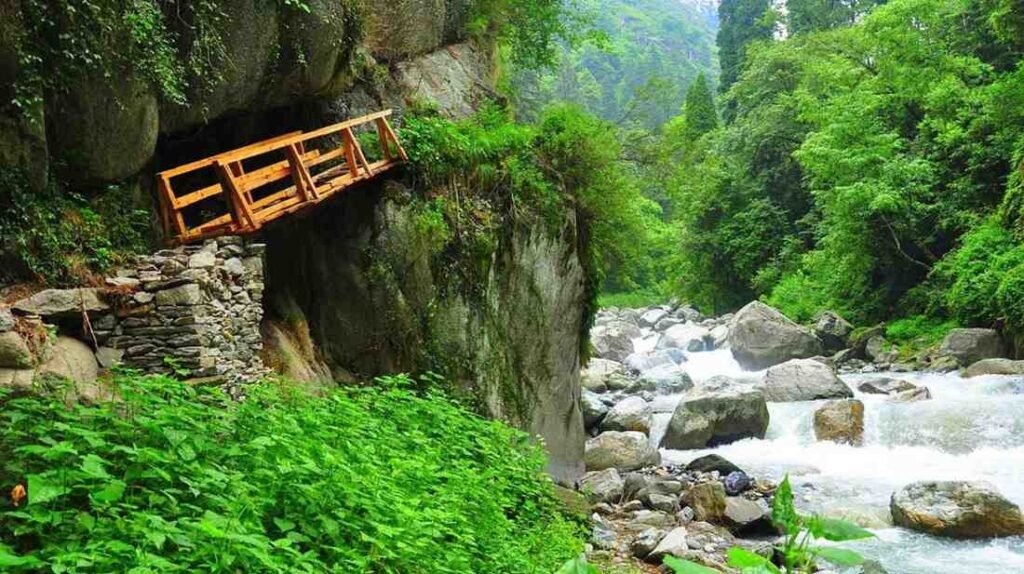
Delhi to Jibhi
Delhi to Jibhi is roughly 500 to 535 km and usually takes 10 to 13 hours depending on route, traffic and stops.
The main route runs via Chandigarh, Mandi, the Aut Tunnel, NH-305, Banjar and then Jibhi. Most people take an overnight bus or private cab to Aut, then a taxi for the final mountain leg.
Chandigarh to Jibhi
Chandigarh to Jibhi is around 290 km and takes about 7 to 8 hours in normal conditions. This is the cleaner half of the drive, with the tricky part starting once you leave the highway.
Manali to Jibhi
Sources conflict on Manali to Jibhi, ranging from 100 km to 145 km and 3.5 to 5 hours. Our own valley guide puts it closer to the shorter end via Kullu and Aut.
Either way, this pairs well with a Manali stay, so many travellers add it on. Our Manali tour packages can fold Jibhi in as a quiet extension.
Aut to Jibhi (the Final Stretch)
Aut to Jibhi distance is also inconsistent across sources, listed anywhere from 33 km to 56 km. What matters more is the time, so plan around 1.5 to 2 hours for this final mountain stretch in normal conditions.
This is the section that rain hits hardest. Landslides, slow traffic and reduced visibility all show up here in September, so drive it in daylight and keep buffer time.
If you are approaching from the Shimla side instead, the Sutlej valley route via Rampur and Narkanda is scenic, and our Shimla tour packages can start your trip from there.
What Should You Pack for Jibhi in September?

September needs a rain-and-cold combo, not a heavy winter kit.
Carry light woolens, a rain jacket, grippy shoes, extra socks, quick-dry clothes, a power bank, basic medicines, a waterproof bag for electronics, cash, and a small daypack for treks.
A full winter jacket is usually overkill for Jibhi village. A warm layer is enough there, but you will want it for Jalori Pass, Shoja and early mornings when the cold bites.
The one thing people forget is dry socks. Wet feet on a slippery September trail turn a nice walk into a miserable one, so pack a spare pair in your daypack.
How Much Does a Jibhi Trip Cost in September?

Online group package references show a rough range of ₹6,500 to ₹20,000 per person, depending on duration, sharing type, transfers, meals and inclusions.
At HimTrails, our Jibhi trips start from around ₹7,499 per person for a 2N/3D plan, though the final number moves with your dates, pickup city, stay style and whether Jalori Pass is included.
We do not sell a fixed one-size package. We build a Jibhi and Tirthan trip around what you actually want, so a quiet couples trip and a big group plan will not cost the same.
You can get a quick estimate using our Himachal trip cost calculator.
Do You Need Permits for Jibhi, Jalori Pass or GHNP?
For Jibhi and Jalori Pass, you generally do not need any permit. You can drive up and walk the trails freely.
The Great Himalayan National Park (GHNP) is different. GHNP entry is by permit, and official permits come through the Shamshi, Shairopa and Ropa range offices.
The GHNP official site asks travellers to check the latest fees with park authorities, because rates get finalised locally.
Reports of the 2026 Himachal wildlife fee revision mention around ₹300 per day for Indian citizens and ₹600 per day for foreign nationals for the first three days. Confirm the current figure at the counter rather than trusting an old blog.
Jibhi vs Kasol in September: Which Should You Pick?
This is the question we get most, and the answer depends on the vibe you want.
Pick Jibhi
For slow stays, waterfalls, couples, families, forest walks and quiet evenings by the stream. It is the calmer, greener choice, and September suits it beautifully.
Pick Kasol
For cafés, backpacker energy and easy access into the Parvati Valley. It is livelier and more social, which some travellers love and others find too busy.
Both need the same September homework. Check live road and rain updates before you commit to either, because the monsoon tail affects both valleys.
If Kasol edges ahead for your group, our Kasol tour packages cover it, and you can still add a couple of Jibhi nights for balance.
Local Tips from Our Himachal Team

In our experience, late September is far easier to plan than early September, so if you can flex your dates even by a week, push them later.
नकद साथ रखें
There is no reliable ATM in Jibhi, so withdraw what you need at Banjar or Aut before you head into the valley.
Fill fuel at Banjar or Aut too
Do not gamble on finding a pump deeper in.
Mobile network reports are mixed here
Some travellers get signal, others barely do, so ask your stay before you rely on Jibhi for work calls.
And the one we repeat every season: do not force Jalori Pass in fog, rain or after a landslide. We would rather rework your day than send you up a bad road.
If you want us to plan the whole thing around live conditions, reach out to HimTrails and we will build it around your dates.
👉 Want this trip? Let’s plan it right.
अक्सर पूछे जाने वाले प्रश्न
Also Read: Kasol in September 2026: Weather, Roads, Treks, Cost & Itinerary
क्या आप अपने हिमाचल एडवेंचर के लिए तैयार हैं?
Get FREE customized itinerary · Best Price Guaranteed · Local Himachal Experts · 3,973+ Happy Travelers