
Jibhi Tour Packages From Delhi
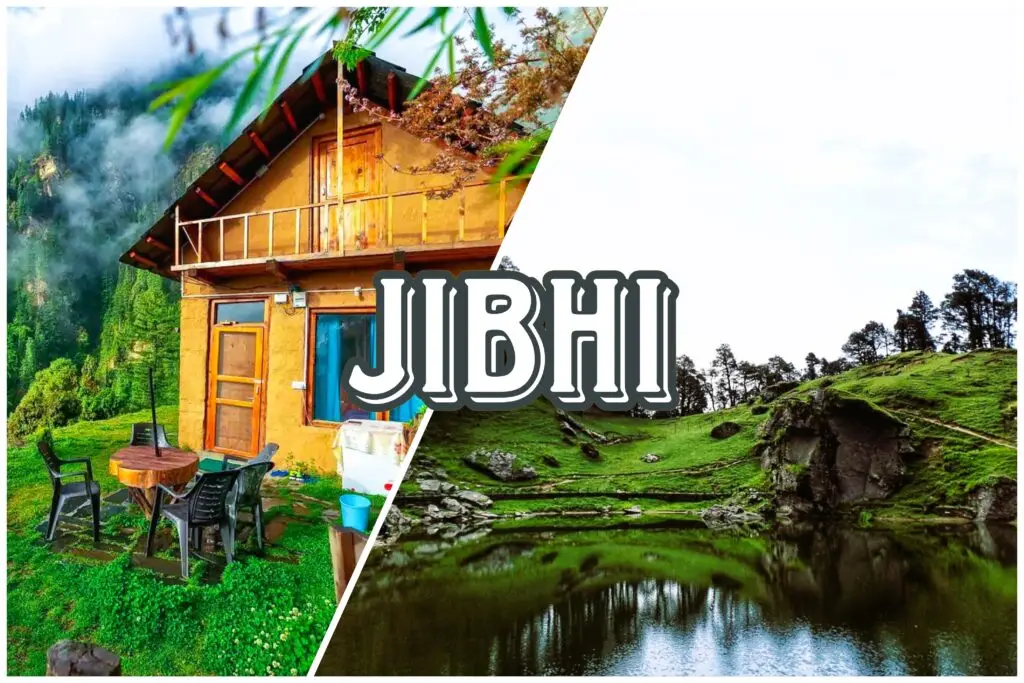
Planning Jibhi tour packages from Delhi comes down to one honest question most operators skip: not just where you’ll stay, but how you’ll actually get there and who manages the final mountain transfer. Jibhi suits travellers who want a quieter Himachal stay — forest walks, river views, wooden-shingle cottages and easy access to Tirthan Valley, Shoja and Jalori Pass. It also suits travellers who accept that the journey from Delhi is long and that mountain weather can rewrite the plan.
A Delhi to Jibhi trip usually follows the road towards Chandigarh, Bilaspur, Mandi, Aut, Banjar and Jibhi. Travellers on an overnight bus often need a separate transfer from Aut, Bhuntar, Banjar or another confirmed arrival point — and that final leg should be locked in before departure, not after reaching the mountains.
Two hotel nights can work for a fast weekend, but three or more usually create a more comfortable holiday. HimTrails, a Shimla-based team, can help you compare private cab, overnight Volvo, self-drive and mixed transport plans based on your leave days, group size and preferred stay.
Browse the full range on our main जिबही टूर पैकेज hub, or read on for Delhi-specific pickup, transfer and cost guidance.
Delhi to Jibhi Trip at a Glance
How far is Jibhi from Delhi?
The practical road distance is usually around 500 to 535 km, depending on your starting point across Delhi NCR and the route used. A pickup from Gurugram, Noida, Ghaziabad or Faridabad can change the total distance and departure time.
How long does the Delhi to Jibhi journey take?
Plan for roughly 11 to 14 hours by road in normal conditions. Traffic while leaving Delhi, road work, meal breaks, weekend congestion, rain and mountain road sections can all add time.
What is the usual route?
A common road approach passes through the Chandigarh region, Bilaspur, Mandi, Pandoh, Aut, Banjar and Jibhi. The exact route can change with current road conditions and diversions.
How many days are enough for Jibhi from Delhi?
Two hotel nights are possible but fast-paced. Three nights are a more practical starting point, while four or five nights allow a slower Jibhi, Tirthan Valley or Shoja plan.
Is a direct bus available?
Some booking platforms may display Delhi to Jibhi as one bookable journey, but you should not assume every service is a single physical bus running directly to Jibhi. The final transfer may begin from Aut, Bhuntar, Kullu, Banjar or another operator-confirmed point.
Who is Jibhi suitable for?
Jibhi works well for couples, families, friend groups and travellers seeking a slower mountain break. Travellers who prefer broad highways, large markets or extensive nightlife may find मनाली or शिमला more convenient.
Compare Jibhi Packages From Delhi
HimTrails packages differ in hotel nights, starting point, transport arrangement, property category and places covered. Before selecting, check whether a package begins in Delhi, Chandigarh, Aut, Bhuntar, Banjar or Jibhi.
Also compare private and shared transport, the final transfer to Jibhi, meal plans, local sightseeing, parking, property access, walking requirements and seasonal limits. A package that includes Jalori Pass or Serolsar Lake should clearly state that access depends on current road, snow and trail conditions.
5 रातें / 6 दिन
Offbeat
- Jibhi – Shoja – Jalori Pass
₹24,999PP
4 रातें / 5 दिन
कपल
- Jibhi – Jalori Pass – Serolsar Lake
₹16,999PP
3 रातें / 4 दिन
एडवेंचर
- Jibhi – Serolsar Lake – Raghupur Fort
₹16,999PP
How to compare the available packages
Do not compare packages only by displayed price. A lower price may reflect fewer hotel nights, shared transport, a simpler stay, a different starting point or fewer sightseeing transfers. Check the following before enquiring:
- Number of hotel nights and actual sightseeing days
- Delhi pickup, fixed boarding point or self-arrival arrangement
- Private cab, shared vehicle, bus or mixed transport
- Aut, Bhuntar or Banjar transfer inclusion
- Return transfer to Delhi or the booked departure point
- Jibhi only, or combined with Tirthan Valley, Shoja or Jalori Pass
- Hotel, cottage, homestay, guesthouse or glamping category
- Exact property area and distance from the main road
- Direct vehicle access, nearby parking, stairs or a walking approach
- Breakfast, dinner and other meal inclusions
- Local sightseeing vehicle
- Walking or trekking requirements, and guide inclusion where required
- Room heating and hot water arrangements
- Power backup and internet expectations
- Winter, monsoon and higher-road accessibility
- Suitability for children, older travellers or people prone to motion sickness
Treat the names, prices, durations and inclusions in the live cards as the final source of truth, and ask for a written quotation before making payment.
What Does a Jibhi Package From Delhi Actually Include?
A destination package and a complete Delhi-pickup package are not always the same product. A package may cover your stay and sightseeing in Jibhi while expecting you to reach Aut, Bhuntar, Banjar or Jibhi independently. Review each transport component separately.
| Travel component | What to confirm |
|---|---|
|
Delhi pickup |
Home, airport, railway station or a fixed meeting point |
|
Delhi to Himachal travel |
Private vehicle, scheduled Volvo, shared vehicle or self-arranged |
|
Main bus drop point |
Aut, Bhuntar, Kullu, Mandi, Banjar or another confirmed point |
|
Final transfer to Jibhi |
Private cab, shared transfer, public transport or self-arranged |
|
Local sightseeing |
Dedicated cab, selected transfers or no vehicle |
|
Return journey |
Delhi drop, return bus ticket, return transfer or self-arranged |
|
Road charges |
Tolls, parking, driver allowance and waiting charges |
|
Seasonal sightseeing |
Jalori Pass, Shoja and walking routes subject to conditions |
|
Stay facilities |
Heater, hot water, power backup, parking and vehicle access |
|
गतिविधियाँ |
Guide, permits, equipment and activity fees where relevant |
The final quotation should state whether each item is included, optional or excluded, and whether the price is per person, per room, on double sharing, or per vehicle.
Best Ways to Travel From Delhi to Jibhi
A Delhi to Jibhi trip can be planned by private cab, self-drive car, overnight Volvo plus a local transfer, public transport, train plus road, or flight plus road. The right option depends on your time, comfort, luggage, group size and chosen property.
| Travel option | Transfers | Best suited to | Main consideration |
|---|---|---|---|
|
Private cab from Delhi |
Few or none |
Families, couples, private groups |
Higher cost, better luggage & stop flexibility |
|
Overnight Volvo + private transfer |
Usually one planned handover |
Couples, small groups, leave-savers |
Drop point & transfer must be confirmed |
|
Overnight Volvo + shared transfer |
One or more |
Flexible budget travellers |
Waiting time, luggage, limited availability |
|
Self-drive car |
None |
Confident hill drivers |
Fatigue, parking, winter limitations |
|
Public bus combinations |
Several |
Independent budget travellers |
More transfers, less luggage convenience |
|
Train + road |
At least one major connection |
Rail-preferring travellers |
A long road journey is still required |
|
Flight + road |
Airport transfer + mountain road |
Travellers prioritising flight dates |
Cost, weather, baggage, onward road time |
Delhi to Jibhi by private cab
A Delhi to Jibhi by private cab trip is the simplest door-to-door plan. It can collect you from a confirmed Delhi or NCR address and continue towards Jibhi without moving luggage between buses and local vehicles. This suits families, couples, groups carrying more luggage, and travellers staying at a property outside the main Jibhi area.
Departure time matters. Leaving Delhi too late increases NCR traffic and can push the mountain section into an uncomfortable hour; a very early start or a planned journey break often suits families and older travellers better. Confirm the vehicle category, luggage capacity, route, driver allowance, night-halt policy and pickup point in writing. A private cab costs more than a Volvo plan but reduces transfer uncertainty when weather or traffic shifts the schedule. Roads narrow and wind after the highway approach, so experienced mountain driving matters on the Aut, Banjar and Jibhi stretch.
Delhi to Jibhi by overnight Volvo or scheduled bus
A Delhi to Jibhi by overnight Volvo journey reduces daytime travel and helps manage limited leave. You leave Delhi in the evening, travel overnight, and continue towards Jibhi after reaching a confirmed Himachal arrival point — for many travellers, the HRTC or private Volvo departs ISBT Kashmere Gate and reaches Aut by early morning.
The key question is not only whether a ticket is labelled “Delhi to Jibhi.” Confirm the actual vehicle route, boarding point, physical drop point and final transfer. Many practical plans use a bus towards Aut, Bhuntar, Kullu or Manali, followed by a prearranged road transfer to Jibhi. Before booking, ask:
- Where exactly will the bus stop — a bus stand or a roadside point?
- Is the final transfer included?
- Who will contact you before arrival, and what happens if the bus is delayed?
- Is the return transfer also arranged?
- How much luggage is allowed, and is the connection suitable for an early-morning arrival?
Families with young children, travellers with older parents and anyone carrying heavy luggage often prefer a private transfer after the bus journey.
Delhi to Jibhi by self-drive car
Self-driving offers freedom to stop en route and visit nearby places without a fixed vehicle schedule. It suits drivers comfortable with a long day on the road and winding mountain sections. Don’t treat it as a simple highway drive — NCR traffic, congestion around busy towns, road work, rain, fog and the narrower approach after Banjar all increase fatigue. Avoid a continuous overnight drive just to save a leave day; a rested driver matters more than arriving a few hours earlier. Before leaving, check road and weather conditions, vehicle and tyre condition, spare tyre, fuel and accommodation parking, since some properties lack direct vehicle access.
Delhi to Jibhi by public bus and shared transport
Public transport lowers cost but needs more planning and flexibility. You may combine services through Mandi, Aut, Bhuntar or Banjar, with shared vehicles or local buses covering the final leg subject to time of day and availability. This suits independent budget travellers with manageable luggage, and can be tiring for families or late-evening arrivals. Check public bus timings and shared-taxi availability close to your travel date, and don’t assume a connection will wait for a delayed intercity bus.
Delhi to Jibhi by train and road transfer
There is no railway station in Jibhi. Rail-preferring travellers can reach Chandigarh or Kalka and continue by road. This breaks the journey into modes but doesn’t remove the long mountain section. Plan connection time, station transfer, luggage handling and the road pickup point carefully, and confirm schedules and seat availability for your date.
Delhi to Jibhi by flight and road transfer
Chandigarh Airport works as a larger gateway, followed by a road transfer towards Jibhi — useful for travellers arriving from elsewhere in India who’d rather skip central Delhi. Bhuntar Airport (Kullu–Manali Airport) is closer to the Kullu region, but its value depends on flights operating for your dates, fares, baggage rules and weather. A flight doesn’t remove the final mountain road journey, so include airport pickup, buffer time and possible disruption. Verify flight operations before booking any non-refundable component.
How the Delhi to Jibhi Journey Works
The common road approach moves towards the Chandigarh region, then through Bilaspur, Mandi, Pandoh and Aut. From Aut, the journey enters the Banjar Valley approach towards Banjar and Jibhi. Diversions may apply when road work, traffic or weather affects the normal corridor.
What happens after reaching Aut?
Aut is an important highway-side gateway for many Jibhi journeys. A bus traveller may leave the main intercity service here (or at another confirmed nearby point) and continue towards Banjar and Jibhi by a separate vehicle. Agree the transfer process before departure:
- Confirm the exact physical bus drop point.
- Get the transfer driver’s name and contact number.
- Get a mapped meeting location.
- Confirm the waiting and delay procedure.
- Confirm whether the same arrangement applies on return.
Don’t plan to wait beside a tunnel, highway or unfamiliar roadside point without clear instructions — “Aut,” “near Aut,” “Aut Tunnel area” and “Aut bus stand” may not describe the same place.
Why Banjar matters
Banjar is one of the main access towns for the wider valley. The road to Jibhi continues from the Banjar side and narrows beyond the highway sections. A property marketed as being “in Jibhi” may sit in the main village, beside the river, towards Ghiyagi, in a nearby village or further towards Shoja — and the exact location affects transfer time, parking and luggage handling.
Still planning? Let us build your perfect Jibhi itinerary — free, within 24 hours.
Delhi and NCR Pickup Options
HimTrails can plan a Delhi pickup only when the pickup point, vehicle arrangement and package inclusion are confirmed in the written quotation. A private cab may be quoted from a home, hotel, airport or railway station address, while a shared or fixed departure trip may use one common meeting point. Potential starting points include a confirmed Delhi address, IGI Airport, New Delhi Railway Station, Hazrat Nizamuddin Railway Station, a fixed group departure point, Gurugram, Noida, Ghaziabad, Faridabad, Chandigarh, Mandi, Aut, Bhuntar, Banjar or Jibhi.
Pickup from Gurugram, Noida, Ghaziabad or Faridabad may increase distance, journey time or the quotation, and multiple pickup points can delay departure. Travellers arriving by flight or train should keep a realistic connection buffer, since a delay can affect a fixed group departure — a private pickup is often more practical when arrival time is uncertain. No pickup should be treated as included unless it appears in the final booking document.
How Many Days Do You Need for Jibhi From Delhi?
Three hotel nights are a practical starting point for many Delhi travellers. Two nights can work with overnight travel but may feel rushed. Read package durations carefully — a “three-day” or “four-day” package may describe hotel and sightseeing time, while overnight travel from Delhi adds separate travel nights.
| Hotel stay | Trip style | Realistic coverage | Delhi leave planning |
|---|---|---|---|
|
2 nights |
Fast-paced |
Jibhi + one nearby outing |
Uses overnight travel, little recovery |
|
3 nights |
Balanced |
Jibhi + Tirthan Valley or Shoja & Jalori Pass when accessible |
Usually more practical for a short break |
|
4 nights |
Relaxed |
Jibhi, Tirthan Valley & selected higher areas |
Better for couples, families, slower travel |
|
5+ nights |
Extended |
Wider valley combination with weather buffer |
Best when travel shouldn’t dominate the trip |
Can you visit Jibhi over a normal weekend?
Yes, but only with a compact plan and efficient transport. A Friday-evening departure, Saturday arrival and Sunday-evening return gives limited destination time, and you may reach Delhi early Monday after another overnight leg — tiring before work or school. A weekend works better when you accept it’s a fast break: focus on Jibhi and one nearby outing rather than trying to include Jalori Pass, Serolsar Lake and several village walks at once.
How many leave days should you plan?
Leave depends on your departure hour, transport mode and recovery needs. An overnight Volvo reduces daytime leave but may not give good sleep; a private cab gives flexibility but still requires a long travel day. Keep a transport buffer during monsoon, winter, long weekends and festive periods.
Choose a Trip Structure That Fits Delhi Travel Time
These frameworks help you pick a duration; they are not fixed itineraries.
Two hotel nights, three sightseeing days
Suits travellers with limited leave who accept overnight travel and a fast schedule — time around Jibhi and one nearby outing. Adding several higher areas or long walks makes it exhausting, so families with small children and older travellers may prefer an extra night.
Three hotel nights, four sightseeing days
A more balanced Jibhi holiday from Delhi. It can combine Jibhi with Tirthan Valley, Shoja or Jalori Pass depending on road access and weather, and allows more recovery after the overnight journey.
Four hotel nights, five sightseeing days
Suits couples, families and private groups who want to enjoy Jibhi without turning every day into a long drive — Jibhi, Tirthan Valley, Gushaini, Shoja and selected village visits. Jalori Pass, Serolsar Lake and higher routes remain condition-dependent.
Jibhi and Tirthan Valley Package From Delhi
These pair well with at least three hotel nights and an unhurried plan. A split stay reduces repeated driving and offers a different valley setting — review current options on the तिरथन टूर पैकेज page and the Tirthan Valley destination guide.
Jibhi and Shoja Package From Delhi
Shoja is higher and colder than Jibhi, suiting travellers wanting access towards Jalori Pass who are comfortable with narrower roads. Select a Shoja stay only after checking property access, heating, parking and seasonal road conditions.
Jibhi, Jalori Pass and Serolsar Lake Package From Delhi
This depends on current access to Jalori Pass; Serolsar Lake requires a walk from the Jalori side when the route is practical. Don’t treat the outing as guaranteed — snow, ice, rain, mud or fallen trees can change the plan.
Winter and workation plans
A winter itinerary should build in flexibility for shorter daylight, cold, snow and possible access restrictions, with lower-valley alternatives replacing higher sightseeing. A workation should focus on a longer stay, verified internet, power backup, room comfort and easy meals — confirm these for the specific property rather than assuming every cottage has reliable Wi-Fi.
Which Jibhi Package Is Right for Your Group?
Jibhi family packages from Delhi
Jibhi suits families with a realistic duration and a suitable property. A private cab reduces transfer inconvenience and allows better break planning; ask for a road-accessible stay, comfortable rooms and shorter sightseeing days. Discuss children’s ages, older relatives’ mobility, staircase access, meal preferences and motion sickness before booking, and approach river areas carefully during strong flow. See broader options on the Himachal Family Tour Packages page.
Jibhi couple and honeymoon packages from Delhi
Jibhi suits couples who prefer a slower schedule, quieter surroundings and a private stay over a crowded town centre — a comfortable cottage or homestay, forest and village walks, local drives and time at the property. Confirm room category, washroom, heating, hot water, power backup and actual location. Room decoration, cake, private meals, bonfire, upgrades, river view and snowfall should be included only when confirmed in writing. Compare wider options via Himachal Couple Tour Packages.
Friend groups, student groups and corporate trips
Group travel lowers per-person transport cost but needs coordination. Confirm the common Delhi pickup point, vehicle capacity, luggage space, room-sharing plan, meals, property rules and the group’s walking ability. Corporate groups should verify meeting space, internet, power backup and meal timings. See formats on the Himachal Group Tour Packages page.
Budget and premium trips
A budget Jibhi trip may use an overnight Volvo, a shared transfer, a simpler stay or fewer private movements — but budget shouldn’t mean unclear logistics, so confirm the final transfer, return journey, meal plan and property location before payment. Premium travel may include a higher property category, private transport or a slower itinerary; the word “premium” doesn’t automatically confirm a river view, direct vehicle access or strong Wi-Fi, so ask for the exact property and inclusion list. Review Himachal Luxury Tour Packages for more.
What Affects the Cost of a Jibhi Trip From Delhi?
There is no single fixed cost for every Delhi to Jibhi package. The quotation depends on travel dates, group size, pickup point, transport, stay and sightseeing plan. Live cards show current prices — read the price basis before comparing. Costs shift with:
Travel month and day of week; long-weekend, summer-holiday or festive demand; number of adults and children; child age and extra-mattress policy; Delhi or NCR pickup location; Chandigarh, Aut, Bhuntar, Banjar or Jibhi starting point; private cab, Volvo, shared or mixed transport; vehicle category and luggage; number of hotel nights; double, triple or group sharing; property type and road access; meal inclusions; local sightseeing vehicle; Shoja, Jalori Pass or Tirthan additions; guide, permit or activity needs; room heating; tolls, parking and driver allowances; airport or railway pickup; one-way or return transport; and seasonal route changes.
A displayed price may be per person on double sharing with a minimum group size, and may exclude Delhi transport, bus tickets, taxes, room heating or local activities. The written quotation should clearly state price basis, pickup and drop point, transport type, hotel nights, room sharing, meals, local transfers, sightseeing, taxes and road charges, guide or activity charges, heater policy, and cancellation/weather-change terms.
Use the Himachal Trip Cost Calculator for an initial planning estimate. The final price should come from a current written quotation.
What to share for an accurate quote
Travel dates; number of adults; number and ages of children; Delhi or NCR pickup point; preferred transport; number of hotel nights; private or shared preference; preferred stay category; places you want to include; walking or trekking interest; mobility or accessibility concerns; motion-sickness concerns; and meal preferences.
Where Should You Stay: Jibhi, Tirthan Valley or Shoja?
Stay location affects road time, weather, parking and the type of holiday you have. Jibhi suits travellers wanting to stay close to the village, local walks and common sightseeing. तीर्थन घाटी or Gushaini suit travellers wanting more time beside the river; a split stay reduces repeated driving on longer trips. Shoja is higher and colder, useful for a Jalori-focused plan when the road is accessible — check property approach, parking, heating and road condition, especially in winter.
Property access questions to ask
A cottage described as “in Jibhi” may be in the main settlement or the wider Banjar Valley. Confirm the exact village or map location, distance from the main road, direct vehicle access, parking location, stairs or uneven approach, luggage assistance, room heating, hot water, power backup, internet expectation, meal timings, river or slope proximity, and room category and view. A quieter property offers more privacy but may be farther from the market with fewer late-evening food options.
Places Commonly Covered in Jibhi Packages From Delhi
Coverage varies, so check the live card and written itinerary rather than assuming every place is included. For deeper detail, read the Jibhi destination guide.
- Jibhi Waterfall and village area — a common short outing; the approach may cross uneven or wet ground.
- Tirthan Valley and Gushaini — a day outing or separate stay; trout fishing, where available, may need guidance or advance arrangement (see Trout Fishing in Himachal Pradesh).
- Shoja — a higher settlement on the road to Jalori Pass; access should be checked for your date.
- Jalori Pass — one of the most requested higher areas, not accessible year-round by vehicle.
- Serolsar Lake — reached by a walk from the Jalori side when the road and trail are practical.
- Raghupur Fort — a mountain walk, not a short roadside stop.
- Chehni Kothi — village roads, uneven paths or stairs; check access for family or senior itineraries.
- Great Himalayan National Park areas — require guides, permits and extra time, so don’t add them to a short weekend without checking what’s realistic.
Travellers wanting a walking-focused holiday can review Trekking in Himachal Pradesh and the Himachal Trek Map.
🏔 Planning your trip to Jibhi?
फ्री कस्टमाइज्ड यात्रा प्लान पाएं · बेस्ट प्राइस की गारंटी · लोकल हिमाचल ट्रैवल एक्सपर्ट्स की सहायता।
📞 कॉल / व्हाट्सएप करें: +91 77176 97177 | ✉️ go.himtrails@gmail.com
🌐 himtrails.in | शिमला, हिमाचल प्रदेश
Walking, Trekking and Activity Planning
Jibhi packages often include short walks or offer access to longer mountain routes — “walk” and “trek” should not be used interchangeably. Serolsar Lake generally needs a sustained walk from the Jalori side when access is open; Raghupur Fort involves mountain walking; village outings may include rough surfaces, slopes or stairs. Difficulty changes with rain, snow, ice, mud, fallen branches, route changes, fitness, pace, altitude comfort and footwear. Children and older travellers may need a shorter alternative — carry suitable shoes, water, a snack and weather protection, and arrange a guide where the route, group ability or weather makes independent walking unsuitable.
Best Time to Travel From Delhi to Jibhi
Jibhi changes considerably across seasons.
- Early spring brings cool weather and uncertain Jalori access — lower-valley sightseeing stays practical.
- Late spring and summer are popular with Delhi travellers escaping the heat; days are comfortable, evenings cool, and May–June weekends bring more traffic and demand.
- मानसून requires flexibility — heavy rain can cause poor visibility, slippery roads, landslide risk, stronger river flow and delays, so keep buffer time for onward flights or work.
- पतझड़ offers cooler evenings and clearer conditions after the rains, suiting couples and photographers.
- Early winter brings colder nights and possible changing conditions at Shoja and Jalori.
- Peak winter needs realistic expectations — snow, ice and short daylight affect roads and walks, Jalori Pass may be restricted, and lower-valley alternatives should be built in. Snowfall cannot be guaranteed for a fixed date.
Snowfall, Jalori Pass and Serolsar Lake Guidance
Snow conditions in Jibhi and the higher Shoja/Jalori areas can differ on the same day — a report of snow near Jalori Pass doesn’t mean Jibhi village has snow, and snow can melt quickly after clear weather.
- Is snowfall guaranteed? No. Snowfall depends on current weather and cannot be promised for any booking date.
- Is Jalori Pass open year-round? No — access depends on snow, ice, road condition, weather and official restrictions, and a vehicle may reach only part of the road in difficult conditions.
- Is Serolsar Lake accessible year-round? No — the lake is reached by a walk from the Jalori side when the road and trail are practical, and snow, mud, rain, ice or fallen trees can make it unsuitable. Families with small children, older parents and travellers with limited walking comfort should keep an alternative plan.
Prepare for the Long Journey From Delhi
The road journey is a major part of the holiday, so plan rest, food, comfort stops and a realistic arrival schedule. Traffic can be slow leaving Delhi and NCR, especially on long weekends. After the plains, expect long mountain sections with bends and changing width; the approach after Aut and Banjar can tire travellers prone to motion sickness. Private drivers and self-drive travellers should avoid fatigue, build in breaks, and not schedule a long sightseeing day immediately after an exhausting overnight journey. Rain, fog, road work, landslides, snow and ice can delay travel — check conditions before departure and again before returning, and keep a buffer before any onward flight, train or work commitment.
Travelling with children or older parents
Children and older travellers may need more frequent stops, shorter sightseeing days and a property with direct vehicle access. Discuss mobility, stair use, motion sickness, room heating, washroom access and meal timings before booking. Medical services in remote mountain areas can be limited compared with Delhi, so carry regular personal medication.
River safety and motion sickness
Riverbanks, waterfalls and wet paths become slippery, and water flow increases during rain — don’t enter fast-moving water or let children near an unprotected river edge without close supervision. For motion sickness, sit where you feel most comfortable, avoid heavy meals before winding sections, keep water and light snacks handy, and follow your doctor or pharmacist for medicine.
Food, Packing and Practical Information
खाना
Jibhi stays commonly serve simple North Indian meals, with some properties offering Himachali dishes based on availability. Vegetarian food is usually easier to arrange; request Jain or other dietary needs before confirmation. Check whether breakfast, dinner, lunch, tea, driver meals, packed food or special requests are included, and confirm dining times before a late arrival. Carry basic snacks and drinking water for the road and walking days.
Packing (from Delhi)
Jibhi can feel much cooler than Delhi, especially in evenings, rain and winter. Pack layered clothing, a warm jacket, thermals for colder periods, rain protection, comfortable walking shoes, a winter cap and gloves when needed, sunglasses and sunscreen, lip balm and moisturiser, personal medication, a small day bag, a reusable water bottle, a power bank, identity documents, some cash and basic road snacks. Carry lighter layers even in warmer months, and avoid excessive luggage on shared buses.
Network, cash and fuel
Mobile signal and internet vary by network, village, property location, weather and power supply, so ask about recent internet performance and power backup before choosing a workation stay. Power cuts can occur — carry a charged power bank and keep tickets available offline. Keep some cash for small purchases and transfers, since ATM availability isn’t guaranteed near every stay. Self-drive travellers should fill the tank before quieter local routes.
Why Plan Your Delhi to Jibhi Trip With HimTrails?
A useful Jibhi package should solve more than the hotel booking — it should explain how you’ll leave Delhi, where the main journey ends, who manages the final transfer, and what happens when mountain conditions change the plan. HimTrails is based in Himachal Pradesh and plans trips around the realities of mountain travel, helping you compare Delhi pickup, overnight Volvo, self-drive and alternative starting points such as Chandigarh, Aut, Bhuntar or Banjar.
Planning can also cover realistic trip duration, private and shared transport choices, property location and road access, parking and walking approach, family and couple requirements, seasonal route limitations, Jalori Pass and Serolsar Lake alternatives, meal and room preferences, clear inclusions, and support before and during the trip. Learn more through Our Story, or browse wider Himachal Pradesh Tour Packages.
अक्सर पूछे जाने वाले प्रश्न
Jibhi is roughly 500 to 535 km from Delhi by road, depending on your starting point, route and road conditions.
Delhi to Jibhi usually takes around 11 to 14 hours by road. Traffic, weather, roadwork and stops can increase travel time.
A private cab is the most convenient option. An overnight Volvo with an onward transfer is more economical and saves daytime travel.
Not always. Some journeys require a bus to Aut, Bhuntar, Kullu or Banjar, followed by a transfer to Jibhi.
Aut is a common drop point for onward travel to Banjar and Jibhi. Some services may use Bhuntar, Kullu or Mandi.
Yes, but it can feel rushed. A weekend trip works best for Jibhi and one nearby outing rather than several attractions.
Three hotel nights are a practical starting point. Four to five nights are better for adding Tirthan Valley, Shoja or nearby villages.
The cost depends on dates, transport, hotel category, nights, group size and sightseeing. Private cab packages usually cost more than Volvo-based options.
Yes. Families should choose comfortable transport, a road-accessible stay and a relaxed itinerary, especially with children or older parents.
Snow is more likely in winter, especially around Shoja and Jalori Pass, but snowfall cannot be guaranteed for specific dates.
No. Jalori Pass access depends on snow, ice, weather and road conditions, and it may be restricted or closed during winter.
Yes. The package can be customised by dates, pickup point, transport, stay category, duration and sightseeing, subject to availability.
Request A Customized Package
क्या आपकी कोई विशेष आवश्यकताएं हैं? हमारे एजेंट कुछ ही समय में आपके लिए एक व्यक्तिगत पैकेज तैयार कर देंगे।
Jibhi Tour Packages from Popular Indian Cities
Related Tour Packages
क्या आप अपने हिमाचल एडवेंचर के लिए तैयार हैं?
Get FREE customized itinerary · Best Price Guaranteed · Local Himachal Experts · 3,973+ Happy Travelers
