
Leh Ladakh Travel Guide 2026 — Everything You Need to Know
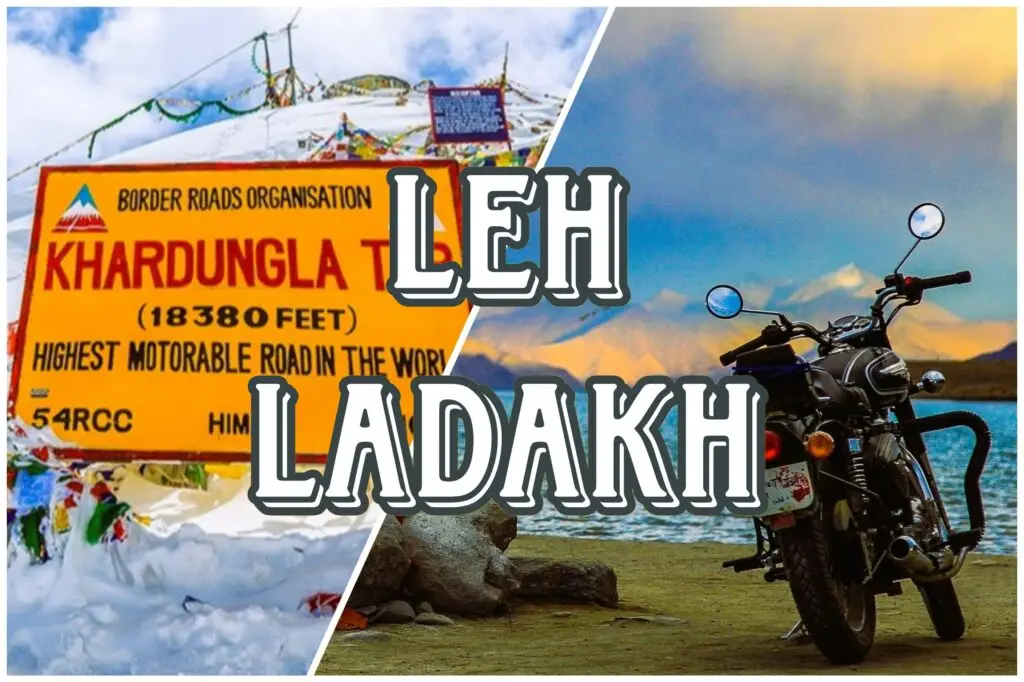
Leh Ladakh is technically a Union Territory, separate from Himachal Pradesh since 2019. But for anyone planning a Himachal trip through Manali, लेह लद्दाख is the natural next chapter — accessed via the Manali–Leh Highway, one of the world’s great mountain roads. At HimTrails, we plan Leh Ladakh circuits as both standalone expeditions and as extensions of our Manali and Spiti packages, and we include this guide here because we know most travellers planning the Himachal circuit are thinking about Ladakh in the same breath.
Ladakh is not a comfortable destination. The altitude alone — Leh is at 3,500 metres, and most of the highlights are significantly higher — demands respect and planning. But for those who plan well and give their bodies time to adjust, Ladakh delivers experiences that are genuinely unlike anywhere else on Earth. The quality of light at altitude, the scale of the Indus Valley, the ancient monasteries on cliff faces, the silence of Pangong Tso at dawn — these are things that stay with you permanently.
Why Leh Ladakh Belongs in a Himachal Guide
The Manali–Leh Highway, which connects Manali to Leh over two major passes (Rohtang at 3,978 m and Tanglang La at 5,359 m), is the most famous road journey in India and one of the most dramatic in the world. The highway passes through Lahaul (the area between Rohtang and Keylong), Baralacha La, Sarchu, and Pang before descending to the Indus Valley. Every section of this road is scenically extraordinary, and it’s the natural continuation of any Manali–Spiti circuit.
The trails that connect the Himalayan communities of Lahaul and Ladakh — by road, by bike, and on foot — are what give this entire region its character. Travelling from Shimla to Spiti to Manali and then to Leh on a single expedition is one of the great mountain journeys available to any traveller in the world.
Top Places to Visit in Leh Ladakh
लेह लद्दाख is a breathtaking high-altitude region known for its dramatic mountain deserts, turquoise lakes, ancient monasteries, and thrilling mountain passes. From exploring centuries-old Buddhist monasteries and remote valleys to witnessing crystal-clear lakes and some of the world’s highest motorable roads, the region offers unforgettable adventures and surreal Himalayan landscapes.
Pangong Tso (Pangong Lake)
Pangong Lake, at 4,350 metres, stretches 134 km across the India–China border and changes colour through the day from pale turquoise to deep blue to silver in the evening. The journey from Leh to Pangong (140 km via Chang La pass) is a full day’s drive through landscapes that include canyon roads, high-altitude plains, and the extraordinary light quality of eastern Ladakh.
Sunrise at Pangong is one of the finest natural spectacles in India — the sky turns gold before the sun clears the ridge, the lake surface mirrors the colour, and the surrounding mountains frame the whole scene in absolute silence. Camping at Pangong (designated camps only) and waking to this is something travellers consistently describe as the highlight of their entire Ladakh trip.
Nubra Valley
Nubra Valley, north of Leh via the Khardung La Pass (5,359 m — one of the highest motorable passes in the world), is a wide river valley formed by the Nubra and Shyok rivers. The combination of white sand dunes at Hunder (with Bactrian camels that have lived here since the Silk Road era), the Diskit Monastery above the valley, and the village of Turtuk near the Pakistan border (accessible since 2010 to Indian tourists) creates an extraordinary variety of landscapes within a single valley.
Hemis Monastery & the Gompa Circuit
Hemis, 45 km from Leh, is the largest and wealthiest monastery in Ladakh and the venue of the famous Hemis Festival (June–July) — a two-day masked dance festival that draws visitors from around the world. The monastery houses significant art collections including tangkhas that are displayed publicly only every 12 years. The Hemis National Park, which begins just above the monastery, is the best location in India for winter snow leopard sightings (January–February).
The Ladakhi monastery circuit — Hemis, Thiksey (morning prayer at 6 AM), Shey, Namgyal Tsemo above Leh, and Alchi (120 km from Leh, finest murals in Ladakh, 11th century) — can fill three days of rich cultural exploration.
Tso Moriri
Tso Moriri, at 4,522 metres, is the less-visited alternative to Pangong and arguably more beautiful. The lake sits at higher altitude, in a wider, more open valley, with the Korzok Monastery on its western shore. The road to Tso Moriri from Leh (250 km) passes through some of the most spectacular Ladakhi landscapes — the Puga geothermal valley and the Rupshu plateau are unlike anything else in the region.
Khardung La (5,359 m)
The Khardung La Pass, north of Leh, is one of the highest motorable roads in the world and a pilgrimage for motorcyclists from across India and beyond. The pass itself is often covered in snow and cloud, but on clear days the view toward the Karakoram range to the north is extraordinary. The trails around Khardung La are increasingly used by mountain bikers doing the descent back to Leh — one of the finest high-altitude downhill routes in Asia.
The Manali–Leh Highway
The Manali–Leh Highway (approximately 490 km, 2 days drive) passes through Rohtang Pass, the Lahaul Valley, Baralacha La (4,890 m), Sarchu (4,290 m), Pang, the Morey Plains, and Tanglang La (5,359 m) before descending to Leh. Every section is different and extraordinary. Travelling this road by bike is one of India’s classic adventure experiences — HimTrails runs guided bike expeditions on this route from Manali to Leh every season.
Best Things to Do in Ladakh
बाइक एक्सपीडिशन
The Manali–Leh Highway by Royal Enfield is on the bucket list of hundreds of thousands of Indian travellers. HimTrails runs fully guided bike expeditions on this route, covering accommodation logistics, mechanical support, and route planning.
4×4 Expedition
The Ladakh circuit — Leh, Nubra, Pangong, Tso Moriri, back to Leh — involves several high passes and remote roads that require proper 4×4 vehicles. Our guided 4×4 expeditions cover the full circuit in 7–9 days.
ट्रैकिंग
The Markha Valley trek (6 days), Stok Kangri (challenging, summit at 6,153 m), Zanskar Valley traverse, and the Chadar frozen river trek (January–February, exceptional and unique) are the major options.
Monastery Visits
The gompa circuit in Ladakh is unparalleled in scope and quality. Budget 3–4 days for a comprehensive monastery visit programme.
Stargazing
Leh’s elevation and lack of light pollution make it one of the best stargazing destinations in Asia. The Milky Way is visible with the naked eye on clear nights, and dedicated astronomy camps are available.
Best Time to Visit Leh Ladakh
June to September
The main season. The Manali–Leh Highway is typically open from mid-June. Weather is clear and stable. All attractions accessible. July–August is peak season — book accommodation and bike rentals well in advance.
अक्टूबर
The Manali–Leh Highway closes after the first serious snowfall (usually mid to late October). Leh is accessible by air year-round. October in Ladakh is strikingly beautiful — clear skies, light snowfall at altitude, and very few tourists.
January to February
Winter in Ladakh is extreme (temperatures to -20°C) but increasingly popular for Chadar frozen river trek and snow leopard spotting at Hemis National Park. Requires serious cold-weather preparation.
November to May
Leh is accessible by air but the main passes are closed. Ladakh in this period is quieter and colder, with activities limited to the immediate Leh area.
How to Reach Leh Ladakh
हवाई मार्ग द्वारा
Leh Kushok Bakula Rimpochee Airport (IXL) has direct flights from Delhi (1 hour 20 minutes), Mumbai, and Chandigarh. Air India, IndiGo, and SpiceJet operate routes. Flying into Leh (3,500 m altitude) requires a mandatory rest day on arrival for acclimatisation — do not plan activities on your first day.
By Road via Manali–Leh Highway
Approximately 490 km, 2 days drive (overnight at Sarchu or Jispa). Open mid-June to mid-October. The most scenic approach and the one that allows proper altitude acclimatisation.
By Road via Srinagar–Leh Highway
434 km from Srinagar, 1 day drive. Open May–October. This route is lower in altitude for longer, giving better acclimatisation, and passes through Sonamarg and Zoji La.
Altitude & Health in Ladakh
Leh is at 3,500 metres, and most of Ladakh’s main attractions are between 4,000 m and 5,500 m. Altitude sickness (Acute Mountain Sickness, or AMS) is a genuine risk for travellers who ascend too quickly.
If Flying to Leh
Rest completely for the first 24 hours. No major activity. Drink 4–5 litres of water. Avoid alcohol. Most people feel normal after 2 days of acclimatisation.
If Driving via Manali
The 2-day road journey is the best natural acclimatisation — altitude gain is gradual and the body has time to adjust. Symptoms of AMS include headache, nausea, dizziness, and shortness of breath. If symptoms are severe, descend immediately.
Acetazolamide (Diamox) is commonly used for altitude acclimatisation. Consult a doctor before taking it.
हिमट्रेल्स keeps a basic altitude sickness kit on all Leh Ladakh expeditions and our guides are trained to recognise and respond to AMS.
Permits for Leh Ladakh
Indian Nationals
No permit required for Leh, Nubra, Pangong, Tso Moriri, and most major attractions. Inner Line Permit required for certain border areas (Dah-Hanu, Turtuk). Available from the DC office in Leh or online.
Foreign Nationals
Protected Area Permit required for most of Ladakh. Obtainable in Leh with valid passport and Indian visa. Some areas (Siachen sector) remain closed to foreign nationals.
हिमट्रेल्स handles all permit logistics for our Leh Ladakh packages — Indian and foreign travellers.
Where to Stay in Leh Ladakh
Leh Town
The main base for travellers visiting Ladakh. Most hotels, guesthouses, cafés, bike rentals, and tour operators are located here. Staying in Leh is ideal for acclimatization and for exploring nearby attractions like monasteries, markets, and viewpoints.
Nubra Valley (Diskit / Hunder)
Perfect for travellers exploring the famous sand dunes and double-humped Bactrian camels. Accommodation options include camps, guesthouses, and boutique stays surrounded by dramatic desert–mountain landscapes.
Pangong Lake
Best for travellers who want to experience the iconic high-altitude lake at sunrise and sunset. Camps and homestays line the lakeshore in villages like Spangmik, offering incredible views but basic facilities.
Tso Moriri (Korzok Village)
A quieter and less crowded alternative to Pangong Lake. Korzok village offers small guesthouses and camps with stunning views of the lake and surrounding mountains, ideal for travellers seeking a remote Himalayan experience.
Leh Ladakh Travel Tips
Altitude
Leh sits at about 3,500 m, and much of Ladakh is even higher. Altitude sickness is common for first-time visitors, so spend at least 24–48 hours acclimatising in Leh before visiting high passes or lakes like Khardung La or Pangong Lake. Drink plenty of water, avoid alcohol on the first day, and keep activity light.
Permits
Some areas in Ladakh require Inner Line Permits (ILP) for Indian travellers. Places such as Nubra Valley, Pangong Lake, and Tso Moriri require permits, which can be obtained online or through local travel agencies in Leh.
Clothing
Even during summer, Ladakh nights can drop to 0–5°C. Carry thermal layers, a fleece jacket, windproof outerwear, gloves, sunglasses, and sunscreen. Strong sun and cold winds are typical due to the high altitude desert climate.
Cash & Connectivity
ATMs are mainly available in Leh, and digital payments may not work in remote regions like Nubra Valley or Hanle. Carry enough cash for travel outside Leh. Only postpaid SIM cards usually work in Ladakh, and network coverage can be limited.
Local Food
Ladakhi cuisine is simple and hearty. Try Thukpa (noodle soup), Momos, Skyu (traditional Ladakhi pasta dish), and Butter Tea in local cafés and homestays. Restaurants around Leh market also serve Tibetan and Himalayan dishes with views of surrounding monasteries and mountains.
A minimum 7-day trip covers Leh (2 days acclimatisation + city), Nubra Valley (1 day), Pangong (1 day), and return. Ten days allows adding Tso Moriri and more monastery time. For the Manali–Leh road trip with proper exploration, 12–14 days is ideal.
Yes — Ladakh is safe for travellers. The main health risk is altitude sickness, which is manageable with proper acclimatisation. Road conditions on high passes require experienced drivers, which HimTrails provides for all expeditions.
Summer (June–August) in Leh sees daytime temperatures of 20–30°C and nights of 5–10°C. At higher passes and in Nubra Valley, it can be considerably colder. Carry layers at all times.
With a guided group and a reliable bike, yes — many riders do their first long-distance bike trip on the Manali–Leh route. HimTrails bike expeditions include route support, mechanical assistance, and accommodation logistics, making the trip manageable for riders without prior long-distance experience. Basic riding proficiency (comfortable on a 350cc+ motorcycle on mountain roads) is required.
Fly into Leh for proper acclimatisation and ease of access, then exit via the Manali–Leh highway (one way drive, southbound). This gives you the best of both worlds — the acclimatisation of flying in without the rushed approach, and the road experience of the Manali highway on the way out.
The best time for Leh Ladakh trip planning is May to September, when roads like Khardung La and Chang La are open and most tourist attractions are accessible.
अनुरोध करे अनुकूलित पैकेज
क्या आपकी कोई विशेष आवश्यकताएं हैं? हमारे एजेंट कुछ ही समय में आपके लिए एक व्यक्तिगत पैकेज तैयार कर देंगे।
Related Packages: हिमाचल टूर पैकेज | मनाली टूर पैकेज | लेह लद्दाख टूर पैकेज | स्पीति टूर पैकेज | कसोल टूर पैकेज | जिबही टूर पैकेज | किन्नौर टूर पैकेज | धर्मशाला टूर पैकेज | बिर बिलिंग टूर पैकेज | तिरथन टूर पैकेज | शिमला टूर पैकेज | नारकंडा टूर पैकेज | चंबा टूर पैकेज
क्या आप अपने हिमाचल एडवेंचर के लिए तैयार हैं?
फ्री कस्टमाइज्ड यात्रा कार्यक्रम पाएं · बेस्ट प्राइस गारंटी · हिमाचल के स्थानीय विशेषज्ञ 5+ साल से · 3,973+ खुशहाल यात्री