
Jibhi is a small village in Himachal’s Banjar valley, and most people who come here for a weekend end up wishing they had booked an extra night after discovering different things to do in जिभी.
It is not a loud destination. There are no cable cars, no crowded viewpoints with selfie stands, and no hotel strips. What you get instead is pine forest, a river that is never out of earshot, short treks with barely anyone on them, cafés that actually do good coffee, and one or two heritage stops that most travellers in Himachal never find.
Quick Answer: जिभी is strongest for treks, waterfalls, café time, short cultural walks, and slow mountain days. Most first-timers do well with 2 nights and 3 days. Add a night if you want to cover GHNP and a day trip to Shoja or Gushaini properly. The five strongest picks for a first-timer: Jibhi Waterfall on arrival, a drive to Jalori Pass on your full day, one trek between Serolsar Lake and Raghupur Fort, one cultural stop at Chehni Kothi or Shringa Rishi Temple, and at least one slow café or riverside session.
What Kind of Trip Is Jibhi Best For?
Jibhi works for couples who want mountains without the noise, trekkers who want accessible forest trails without a crowd, solo travellers who want a safe and social base, and families with older kids who can handle a short uphill walk.
It is not a heavy-adventure destination in the Manali sense. Do not come expecting snow sports or full-day adrenaline circuits. Come for scenic forest walks, short treks, heritage stops, riverside downtime, and coffee that does not taste like instant powder.
What most tourists get wrong: they try to rush through Jibhi on a one-night stop between Manali and Kasol, see nothing properly, and assume the place is overrated. Jibhi needs at least two full days to make sense. With two days you will understand why people come back here.
What Are the Best Adventure Activities in Jibhi?
Trek to Serolsar Lake
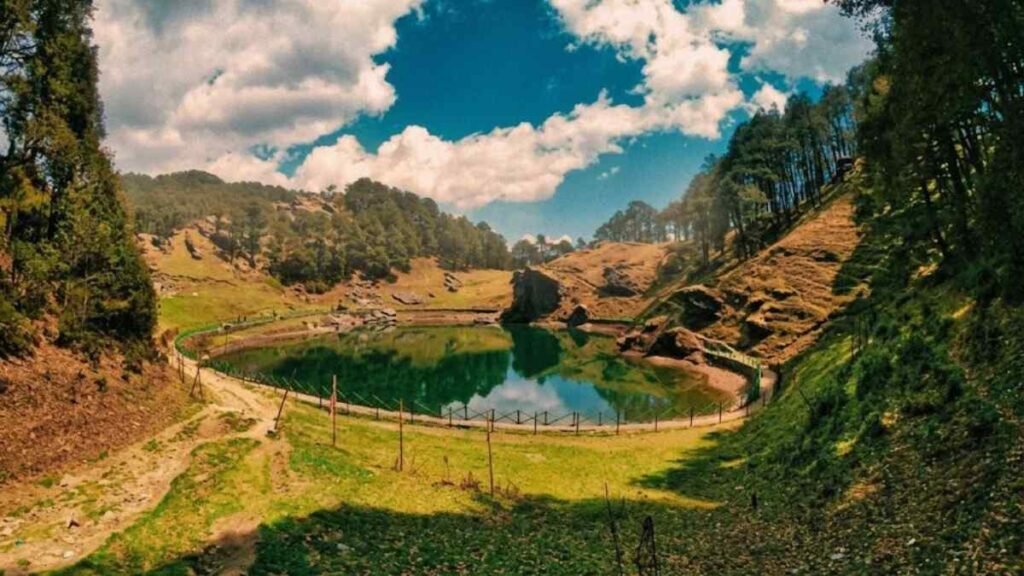
Serolsar Lake is the signature trek from this area, and the reason most trekkers put Jibhi on their map. The trail starts from Jalori Pass and covers roughly 5 km one way through dense oak and rhododendron forest, taking about 2 to 3 hours each way.
The forest on this trail is the main event. The canopy gets so thick that you lose the sky for long stretches. Then the trees open up and you are standing at a still, green lake with no vendor noise, no phone signal, and sometimes no other people in sight.
One of our travellers sat at Serolsar for over an hour without seeing another person. That kind of quiet is rare in Himachal now. The trail also has religious significance, with a small temple at the far end of the lake. Walk around it slowly.
Access depends entirely on Jalori Pass being open. As of late March 2026, the pass was closed for regular vehicles because of snow. It typically reopens from May onwards. Confirm the pass status the day before you plan this trek.
Hike to Raghupur Fort
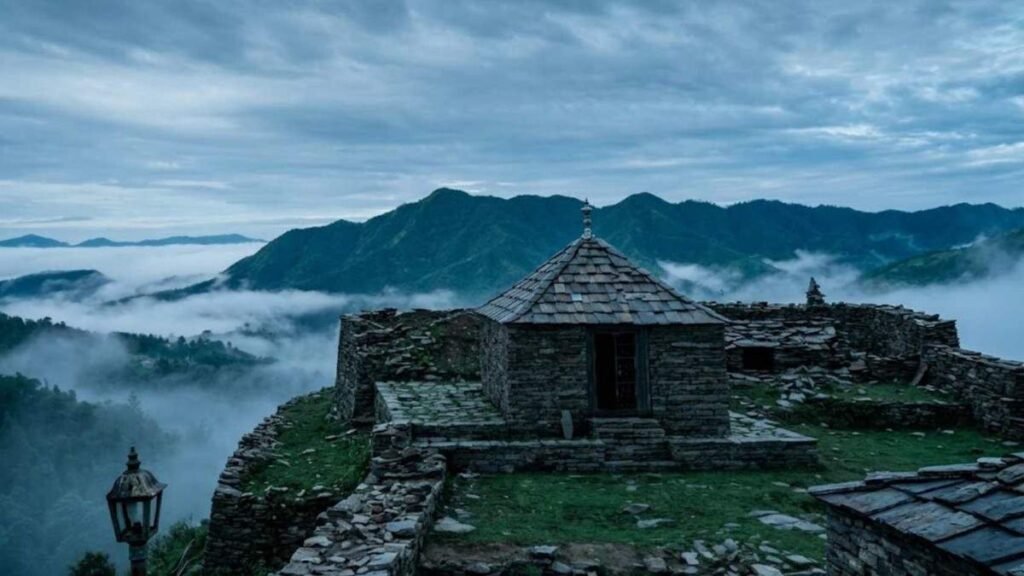
Raghupur Fort sits on a ridge above Jalori Pass and gives you some of the most open views in the Banjar region. The trail takes you out of the forest entirely onto a wide ridge — you can see ranges on both sides and the valley below.
Distance varies across sources and is roughly 3 to 5 km one way from the pass. What matters more than the number is the character of the walk: it is physically more demanding than Serolsar and sees noticeably fewer hikers.
Choose based on what you want. Serolsar is a forest immersion ending at a quiet lake. Raghupur is open sky, wind, and a panoramic ridge walk ending at a ruined fort. Travellers with two full days at Jalori often do both and do not regret it.
Try Waterfall Rappelling If You Want One Adrenaline Activity
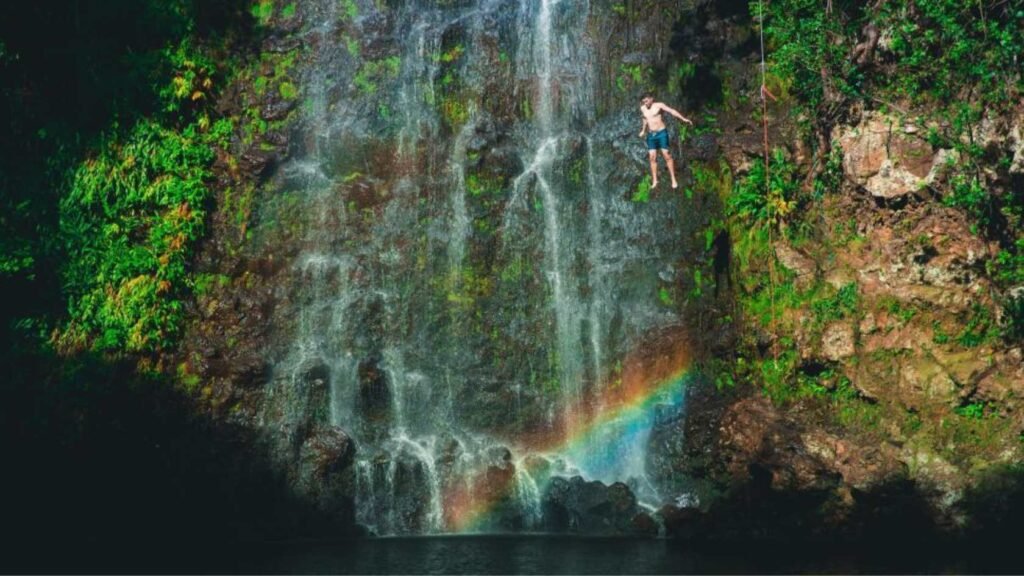
This is an optional activity, not something every Jibhi visitor needs to do. But if your group wants one adrenaline moment in an otherwise slow trip, rappelling down a 55 ft waterfall near the area is it.
Pricing varies significantly between operators, from around ₹600 to ₹2,500 per person. Before you pay anyone, ask specifically what is included: harness quality, whether a trained instructor accompanies you, the duration of the session, and the refund policy for weather cancellations. Do not pay upfront without those answers.
Avoid booking this in heavy monsoon weeks when water flow is unpredictable.
Go Trout Fishing in the Tirthan Side of the Valley

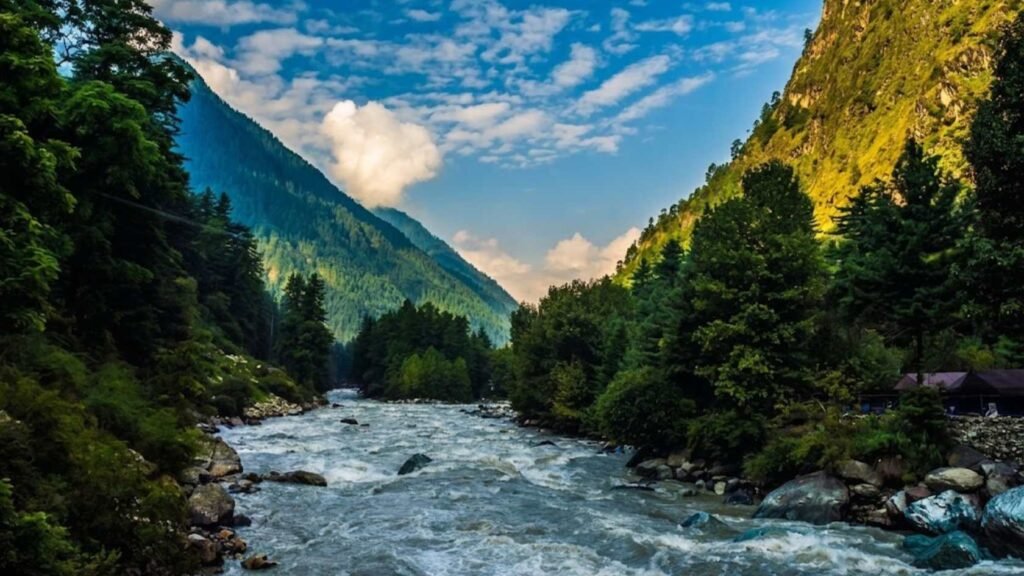
Trout fishing in the Tirthan River is one of the most underrated activities near Jibhi, and one of the few experiences you genuinely cannot replicate anywhere else in Himachal. The river is clean, cold, and runs through a valley so quiet that the loudest thing you hear is the water.
You need a fishing license from the Himachal Fisheries department. Most local guesthouses and guides near the Tirthan side arrange the permit, equipment, and a guide as a packaged experience. Costs range from roughly ₹500 to ₹2,500 per person depending on inclusions.
Go for the experience, not the catch. Standing in that river with mountains on every side and no traffic noise is worth the permit cost even if you come back empty-handed.
If you want a trip that builds fishing, GHNP access, and the riverside into the itinerary properly, our Jibhi and Tirthan valley Packages handle the logistics so you do not have to piece it together yourself.
Which Nature Spots in Jibhi Are Actually Worth Your Time?
Visit Jibhi Waterfall
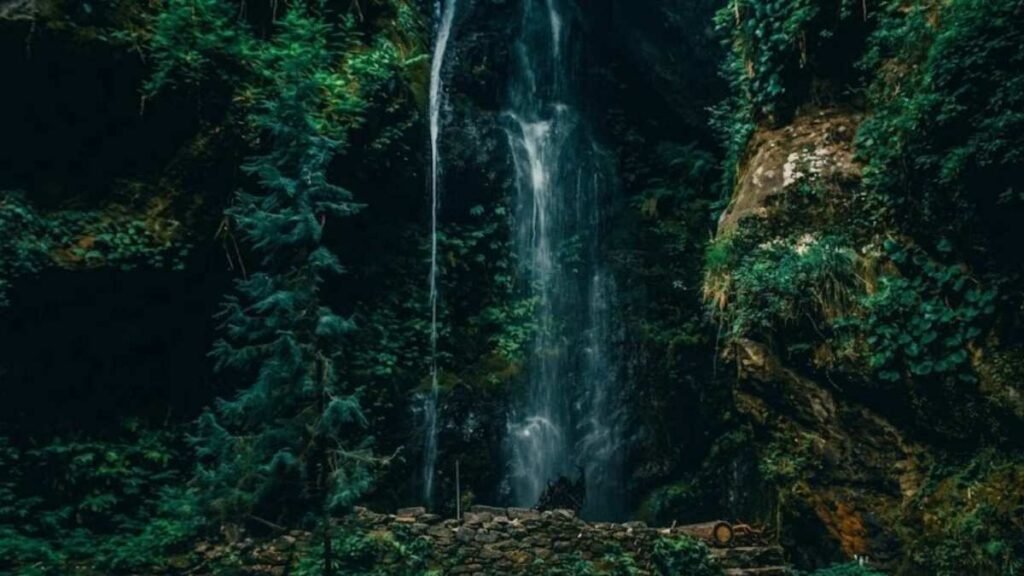
Jibhi Waterfall is the right first-day activity for almost every kind of traveller. It is about 1 km from the village centre, the forest walk to it takes roughly 10 to 15 minutes, and the waterfall is not a dramatic roaring cascade — it is the kind of place you sit next to for an hour without needing anything else.
Entry is reportedly around ₹20 per person. The path is easy enough for most ages. Go on arrival evening before you settle in, or first thing the next morning before the day-trippers arrive.
Skip the paid viewpoint near the waterfall parking area that charges ₹100 for a photo. The trail 200 metres further gives you the same view for free and with nobody standing in front of you.
Drive Up to Jalori Pass for the Views
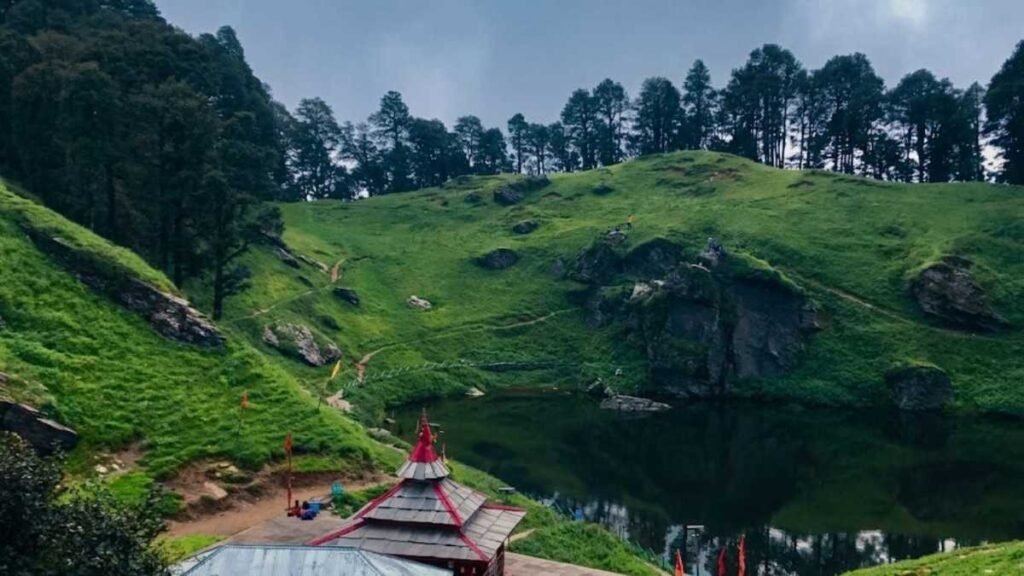
Jalori Pass is 14 km from Jibhi and takes about 45 minutes by road. Even without doing either of the treks from the top, the drive up is worth doing for the views.
The pass is also the starting point for both Serolsar Lake and Raghupur Fort, so if you plan either of those, you will come here regardless. For travellers who just want the drive and the view, it works cleanly as a half-day morning activity before a café afternoon.
Honest note: Jalori can be snowbound in winter and early spring. Always confirm current pass status with your stay the evening before you plan to go up.
Spend Half a Day Around GHNP and Sai Ropa
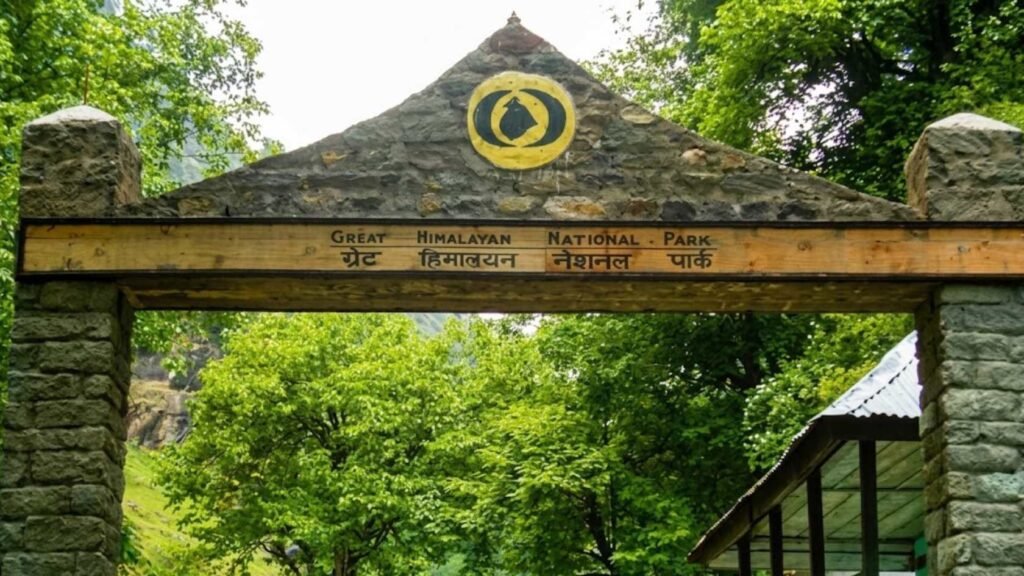
Great Himalayan National Park is a UNESCO World Heritage Site, and the Sai Ropa entry area is the most practical access point for day visitors. It is roughly 35 km from Jibhi and takes about 1.5 hours by road.
A permit is required. The core zone entry fee is officially listed at ₹200 for Indian adults and ₹800 for foreign adults. Buffer zone fees may differ — confirm the correct amount for the specific section you plan to walk before you go, because numbers vary between the official PDF and what local guides cite.
This suits nature lovers, birders, and anyone who wants something quieter than the main tourist trail. It is a slow, beautiful walk into one of the most biodiverse zones in the Western Himalayas, not an adventure trek.
Do a Slow Riverside Walk Around Tirthan and Gushaini
In our experience running trips to the Banjar valley, this is the activity most travellers thank us for suggesting, and the one they most often skip because it sounds too simple.
You are not going anywhere specific. You walk along the Tirthan River, sit on rocks, watch the water, and do nothing useful.
The river is clear green in summer. The banks are empty except for the occasional fisherman. There are no touts, no queues, no entry fee. Take a camera or a book or someone you want to talk to properly. This is the slow Himachal that most travellers drive past.
What Cultural Experiences Can You Have Around Jibhi?
See Chehni Kothi and Its Kath Kuni Architecture
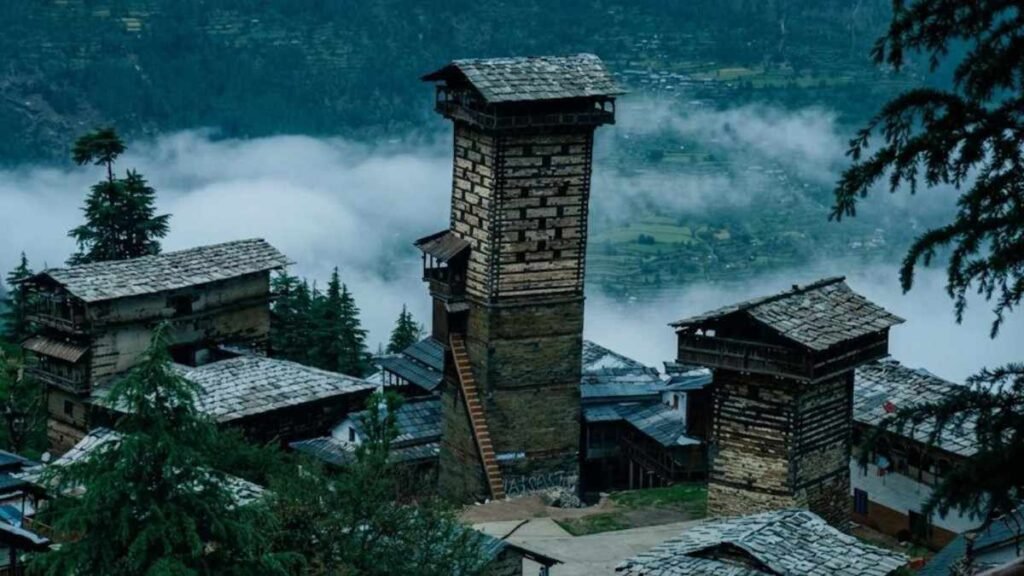
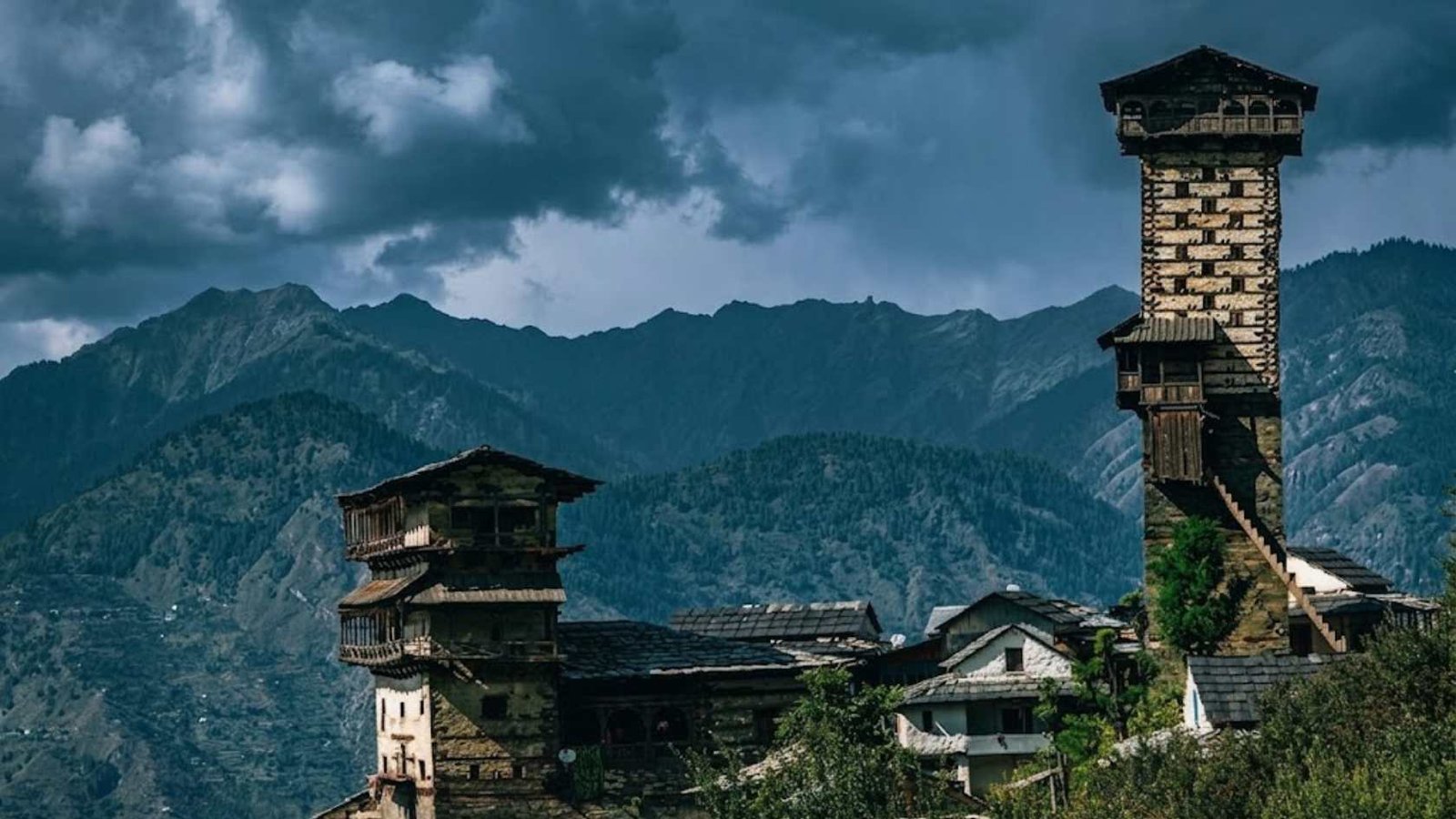
Chehni Kothi is a 17th-century defensive tower built in Kath Kuni style — a traditional Himachali technique that stacks wood and stone in alternating layers without mortar or binding material. The tower has been standing for over 300 years.
Getting there involves 1 to 1.5 km of uphill walking from Chehni village. The full outing including travel from Jibhi takes roughly 2 to 3 hours. Wear proper shoes, not sandals.
The real reward is not just the tower. The approach walk takes you through a village that has stayed completely outside the Jibhi tourist loop — stone paths, carved wooden balconies, old homes, and people going about their day without looking at you. That walk is worth as much as the tower itself.
Visit Shringa Rishi Temple on the Same Circuit
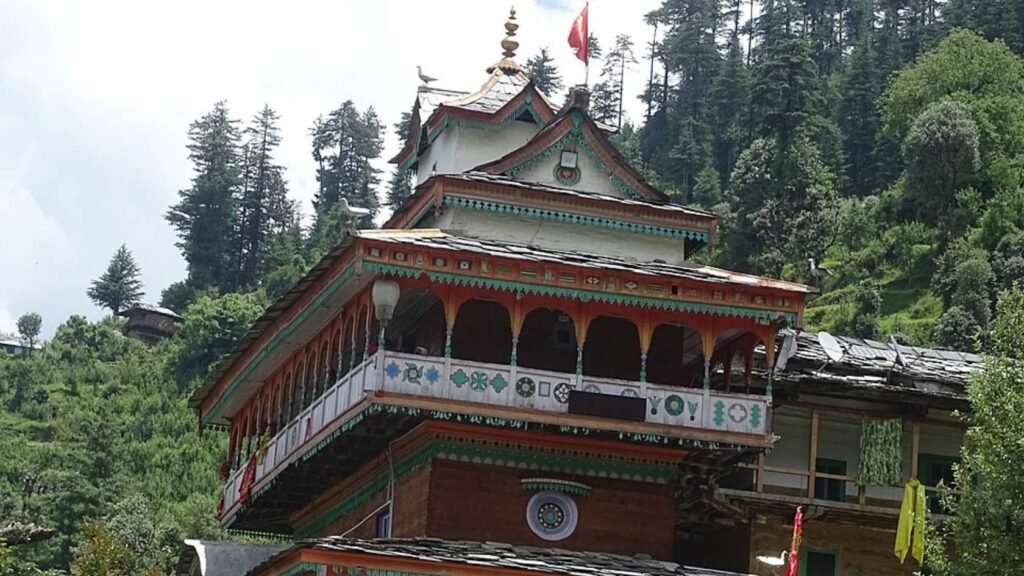
Shringa Rishi Temple in Baggi village in the Banjar valley is one of the most significant local deity sites in this part of Himachal. It pairs well with Chehni Kothi for a half-day cultural circuit if you want more than one stop.
The temple sees active local worship, not just tourist visits. Dress respectfully, move quietly, and do not rush through it for a photo. The atmosphere there reflects genuine religious life, and it deserves that respect.
Walk the Bahu and Balu Nag Temple Side Trail
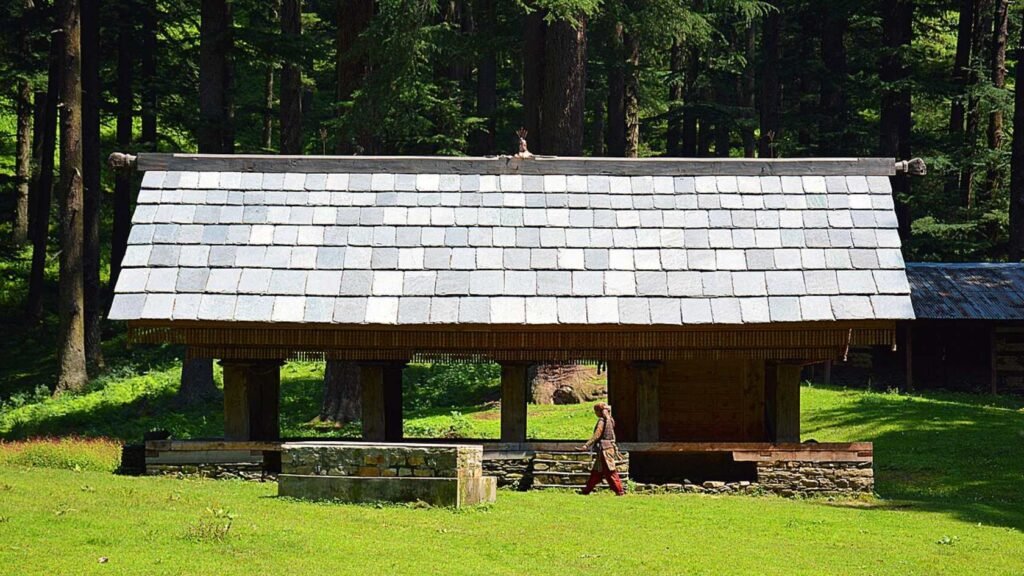
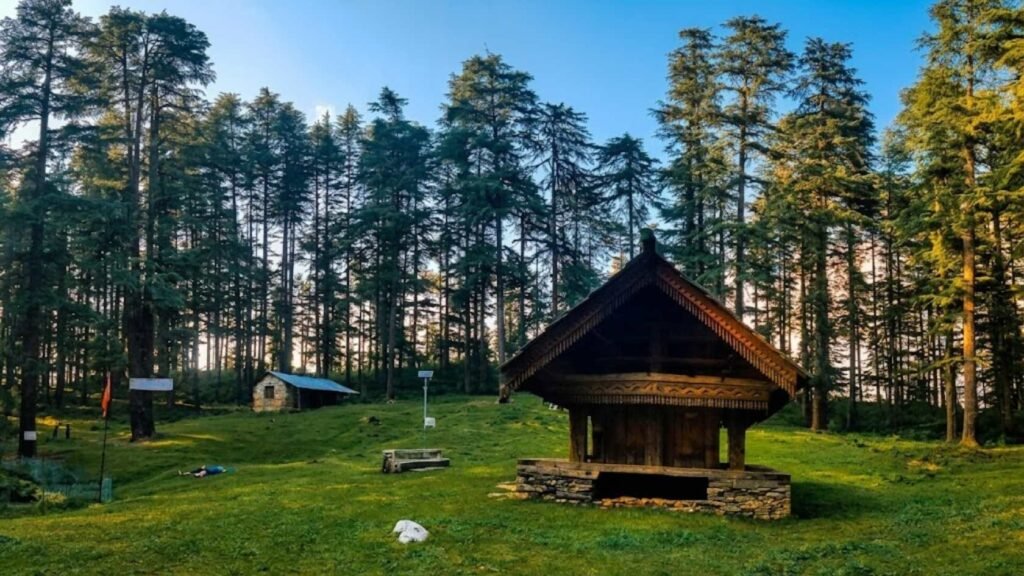
Most Jibhi itineraries skip this entirely, which is exactly why it is worth doing. The trail around the Bahu and Balu Nag Temple covers roughly 30 to 45 minutes through quiet forest and sees very few visitors at any time of day.
It is not a major destination. It is a gentle forest walk with a small local temple at the end — peaceful in the way only empty trails can be. For travellers who have already done Serolsar and Chehni, this is a low-key morning option that still earns the chai afterwards.
Where Should You Eat and Café-Hop in Jibhi?

Spend One Slow Session Café Hopping in the Village
Jibhi’s café scene is not an afterthought anymore. It is one of the reasons repeat visitors come back. After days on rough mountain roads, finding a place with real coffee and a bench by a stream does something to you.
Names that keep coming up in our groups: Forest Bean, Cafe Bleeblu, Tenzin Cafe, Café Old School, Enzo’s Coffee House, and Great Himalayan Café. Most run around ₹700 to ₹800 for two for a full session with food.
The best timing is not at peak lunch hour. Go at breakfast for eggs and mountain air. Go after a trek when your legs hurt and you need something warm. Go just before sunset when the village light goes golden. These are the versions of Jibhi café time that people actually remember.
Try Local Himachali and Tibetan Comfort Food
Do not spend every meal at a café menu. The best food in Jibhi will usually come from a homestay kitchen or a small local dhaba rather than any printed menu.
Momos here are handmade and served hot. Thukpa on a cold night is exactly what it should be. Siddu — a steamed Himachali bread stuffed with walnut paste or poppy seeds — is the local thing most cafés do not serve but homestays sometimes do on request. Ask your host if they make it.
Our standing advice to every traveller: on your first evening, ask whoever is running your stay where the locals actually eat. The answer will not be in any guide. The food will be better.
For the drive back from Jalori, the small dhabas in Banjar town serve himachali rajma-rice, dal, and roti for under ₹150 a plate [VERIFY]. It is the best meal-to-rupee ratio on the entire circuit.
Which Hidden Gems Most Tourists Miss in Jibhi?
Mini Thailand for the Easiest Hidden-Spot Payoff
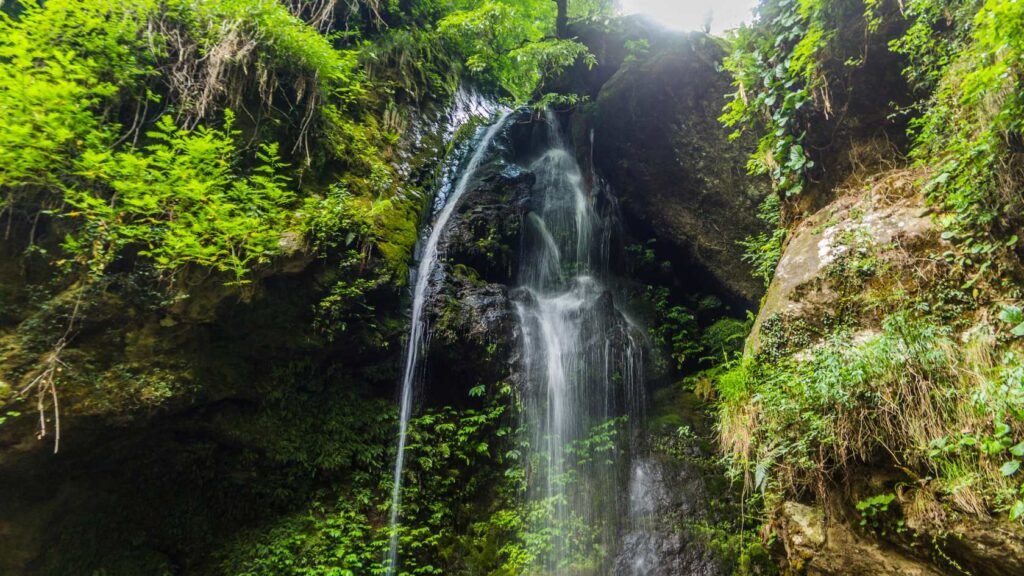
Mini Thailand is a stretch of the Tirthan River where the water runs shallow over flat, smooth rocks and the banks open into something that does not look like it belongs in Himachal. On a sunny day the whole scene is genuinely strange — clear water, white rocks, surrounding forest.
Treat it as a short detour, not a full-day plan. Take off your shoes, dip your feet, get your photos, and move on. It suits couples and photographers most. The road to it can be narrow, so confirm current access with your stay before driving.
Quiet Village Walks Around Lambri, Ghiyagi, or Nearby Hamlets
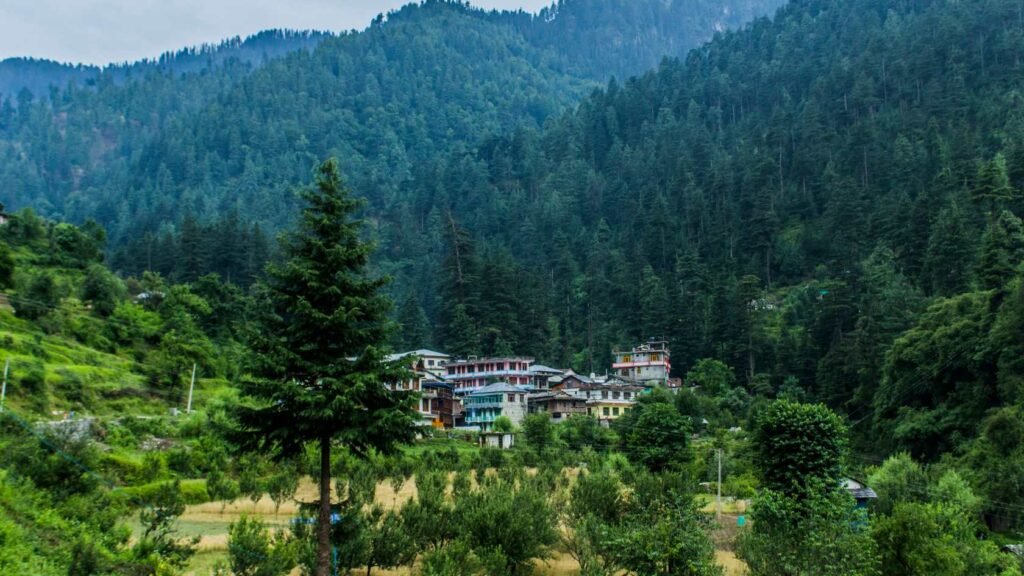
The main Jibhi village has enough tourism now that it has its own visitor energy. Walk 20 minutes in any direction into the hamlets nearby — Lambri, Ghiyagi, and the smaller unnamed ones between them — and the atmosphere changes completely.
Wooden homes with carved balconies. Apple orchards. Old men playing cards outside. Kids walking home through a pine forest. No agenda, no entry fee, no queue.
These walks are the closest you will get to what Jibhi was five years ago. Do at least one before you leave.
What Are the Best Day Trips From Jibhi?
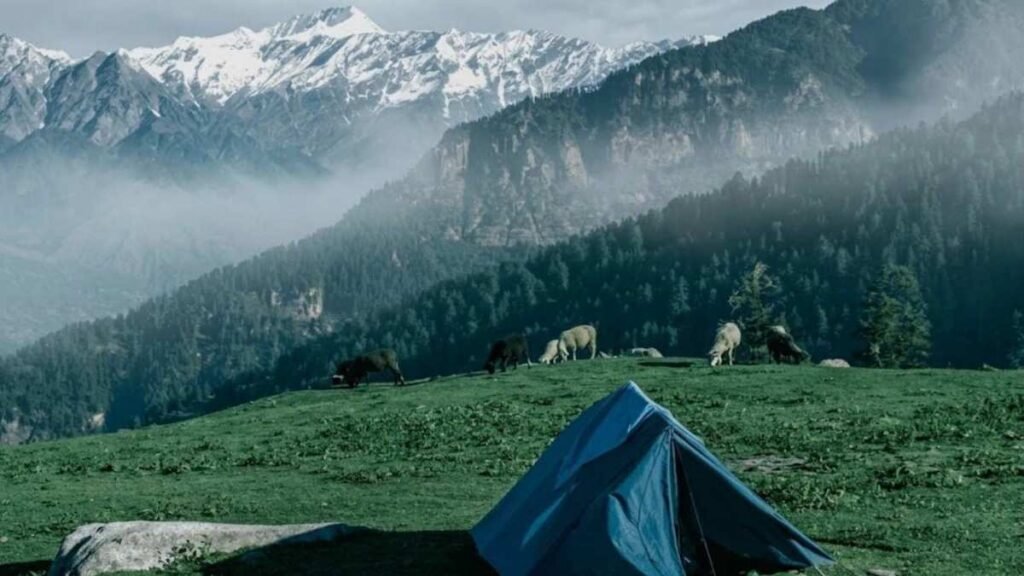
Do a Shoja or Gushaini Day Trip Depending on Your Mood
Shoja is about 30 minutes from Jibhi by road. It sits higher with better ridge views and a quieter village feel than the main Jibhi stretch. If you want altitude, open views, and a day that feels more like an upper valley walk, go to Shoja.
Gushaini and Sai Ropa are roughly 35 km away and about 1.5 hours by road. If you want the Tirthan river up close, GHNP buffer access, and a gentler nature day, the Gushaini side is the better call.
We tend to recommend Shoja for trekkers and Gushaini for nature and river lovers. If your group is split, do Gushaini in the morning and swing through Shoja on the way back.
Best One-Day Combinations From Jibhi
For arrival day, keep it simple. Walk to Jibhi Waterfall in the late afternoon, café session at sunset, early sleep. You have just driven to a mountain village and your body needs rest more than sightseeing.
For an active trek day, drive to Jalori Pass first thing in the morning (confirm the night before it is open), choose either Serolsar or Raghupur based on what you want, and be back at the pass by 3 PM for the drive down. Stop at a dhaba in Banjar for dinner on the way back.
For a relaxed day, skip the treks entirely. Walk to Mini Thailand in the morning, spend two hours at a café, take a Tirthan riverside walk in the afternoon, and end with home-cooked food at your stay. That day costs almost nothing and is the version of Jibhi that most travellers wish they had given themselves.
Which Jibhi Activities Work Best by Season?
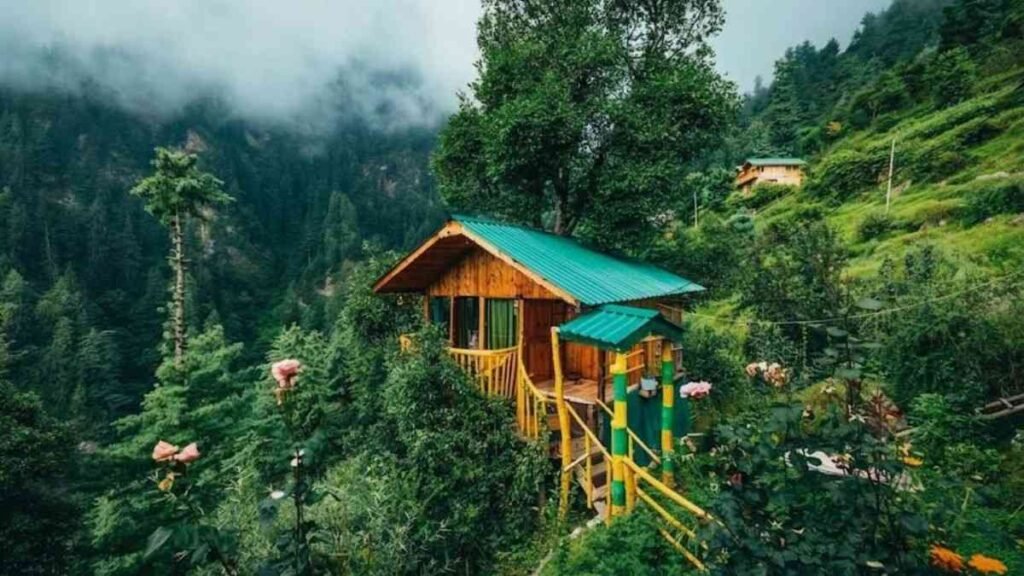
Spring (March to April)
It is when Jibhi looks its best — rhododendrons in bloom, clear skies, and the river running fast from snowmelt. But Jalori Pass is likely still closed in March and opens gradually through April depending on the year. If your whole plan depends on Serolsar or Raghupur, do not fix March dates without a fallback.
Summer (May to June)
It is when Jibhi runs at full activity capacity. Jalori Pass is usually open from May, all treks are accessible, cafés are running proper hours, and the weather is comfortable through June. If you are visiting for the first time and want to see everything, this is the window.
Monsoon (July to August)
It brings greenery so intense the forest looks like it belongs in a different country. But NH305 is landslide-prone in these two months. A single blockage can delay your plans by a full day. Build buffer time in. Jalori can become inaccessible after heavy rain. It is a genuine trade-off: spectacular green landscapes against unpredictable roads.
Autumn (September to November)
It is the most stable window. Roads are clear after the monsoon lifts, skies turn that deep blue that only comes in autumn at altitude, and the village empties enough that you can hear the river from your bed at night. October especially is hard to beat. This is our strongest recommendation if you have any flexibility with dates.
Winter (December to February)
suits travellers who specifically want snow and do not mind reduced options. Jalori Pass closes. Some cafés shut down for the season. The waterfall trail may have ice patches. But the village under fresh snow is beautiful in a way that photographs cannot capture properly, and the homestays are warm.
How Much Does Each Jibhi Activity Cost in 2026?

Almost-free activities cover most of the Jibhi experience, which is part of why it remains good value. The waterfall walk costs around ₹20 per person entry. Riverside walks, village walks around Lambri and Ghiyagi, and the Bahu-Balu Nag trail cost nothing. Café sessions run around ₹700 to ₹800 for two at the well-known spots.
Transport-linked activities add up based on vehicle hire. The Jalori Pass drive requires either your own vehicle or a local taxi — confirm rates with your stay on arrival. A Shoja day trip adds similar taxi cost. The Gushaini and Sai Ropa outing at 35 km one way needs your own vehicle or a hired SUV for the day.
Operator-based activities are the most variable. Waterfall rappelling is listed anywhere from ₹600 to ₹2,500 per person by different operators — confirm exactly what is included before paying. Trout fishing packages range from ₹500 to ₹2,500 per person depending on whether the guide, equipment, and permit are bundled. GHNP core zone entry is ₹200 for Indian adults, but confirm the buffer zone rate separately.
Watch for one common scam: taxi drivers near the Jibhi bus stand sometimes quote inflated rates for the Jalori Pass drive. We tell every group we send here to ask their homestay what a fair rate looks like before walking out to negotiate. Fix the price and a return time before the driver starts the car. That one conversation saves an argument later.
Which Jibhi Activities Are Best for Couples, Families, Solo Travellers, and Photographers?
Couples
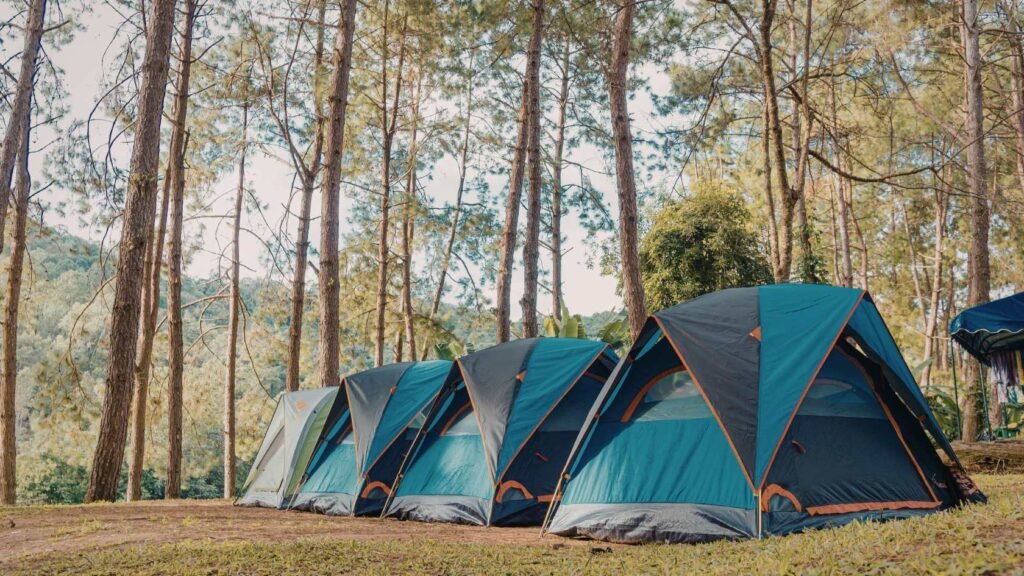
They get the most out of Jibhi’s slower side — café sessions, the Tirthan riverside walk, Mini Thailand for a detour, and Serolsar Lake for one proper forest trek together. The trail to Serolsar has a feeling that suits a long walk with someone you want to talk to — quiet forest, no rush, no other voices.
Families with older kids
They do well on the Serolsar trek and the Chehni Kothi cultural circuit. The waterfall walk is easy enough for almost any age group. Skip Raghupur Fort for younger kids — the exposed ridge section and trail length make it less suitable.
Solo travellers
They have a naturally good time in Jibhi. The village is social, the cafés are an easy place to meet other travellers, and stays tend to be friendly and communicative. Serolsar is safe to do solo. The only activity to approach carefully as a solo traveller is waterfall rappelling — vet the operator in person before you commit to anything.
Photographers
They should prioritise Chehni Kothi’s approach walk (the Kath Kuni architecture in context), the Tirthan riverside at golden hour, Mini Thailand in midday flat light, and Serolsar Lake surface early in the morning before the wind picks up. If you can get here in September or October, the light in the Banjar valley during post-monsoon season is cleaner than anything you will find in peak summer.
If you are trying to decide between Jibhi and Kasol, our Jibhi or Kasol comparison will help you pick based on your travel style without the usual vague advice.
Final Verdict
Jibhi is one of those places that works best when you stop trying to optimise it. The treks are good, the cafés are real, and the river is always there. Plan 3 nights, leave one day unstructured, and let the valley decide what happens.
Explore our जिभी & तीर्थन Valley Packages if you want the logistics handled, or browse our popular Himachal Tours to see what else works well alongside Jibhi.
अक्सर पूछे जाने वाले प्रश्न
Also Read: Mini Switzerland of India — Why Jibhi is Himachal’s Most Underrated Village
क्या आप अपने हिमाचल एडवेंचर के लिए तैयार हैं?
फ्री कस्टमाइज्ड यात्रा कार्यक्रम पाएं · बेस्ट प्राइस गारंटी · हिमाचल के स्थानीय विशेषज्ञ 5+ साल से · 3,973+ खुशहाल यात्री


Pingback: Jibhi In May 2026: Weather, Crowds, Jalori Pass Best Tips