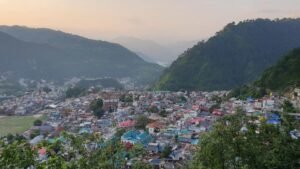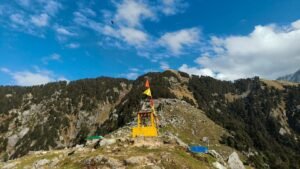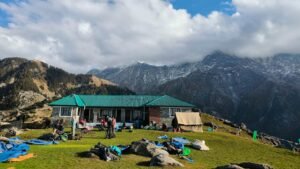
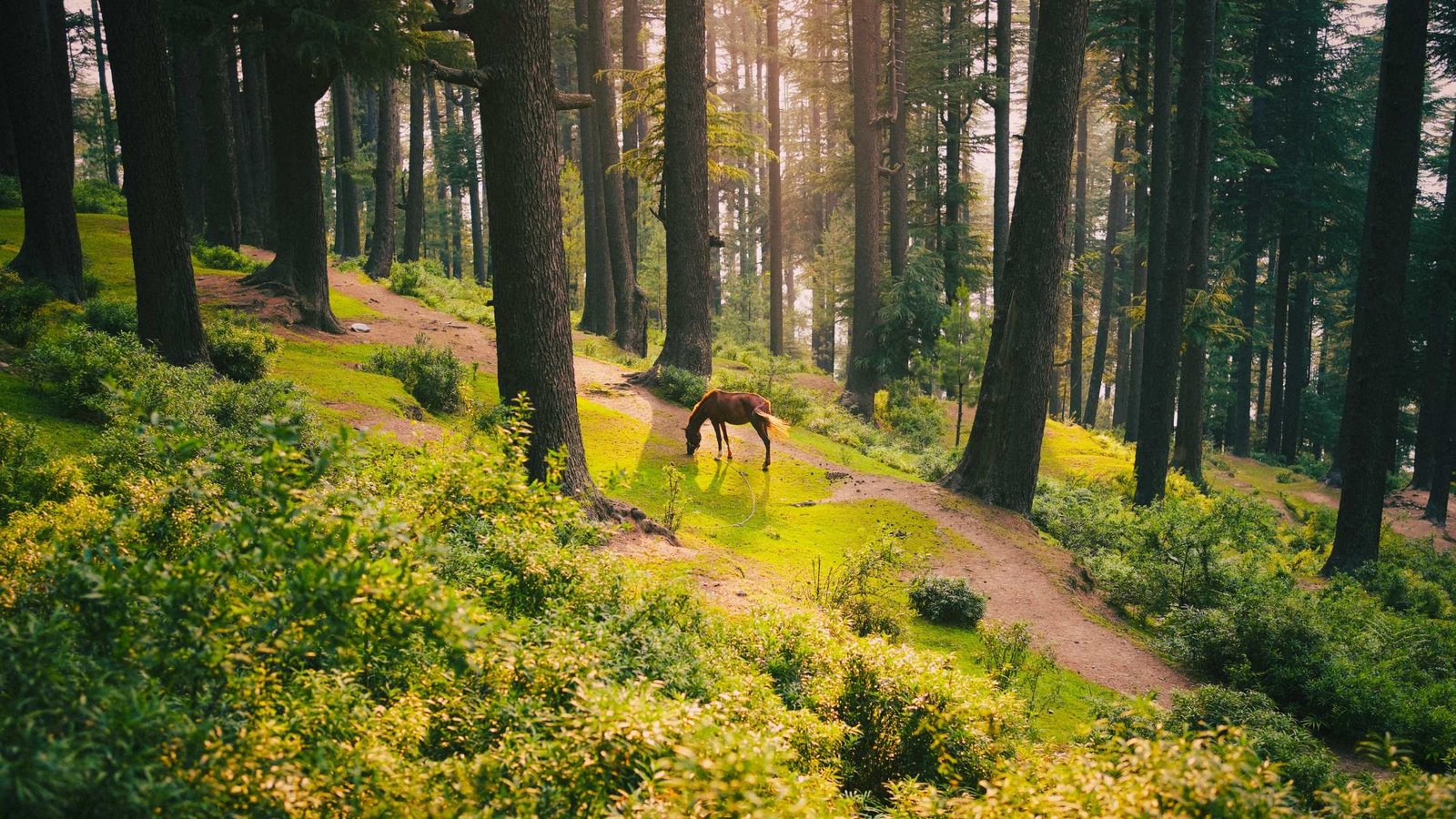
Thinking about Chamba in July 2026? This is full monsoon territory — green hills that look almost overdone, clouds drifting through the valley, the Ravi running fast and brown, and slow, misty days built for old temples and unhurried walks. It’s a quietly special month if you actually enjoy the rain, and the wrong call if you want guaranteed blue skies and a packed schedule.
Chamba town stays warm and humid while Dalhousie and Khajjiar feel cooler and a lot wetter, so timing your days around weather windows matters more than ticking off a list. This guide covers July weather and rainfall, road safety, the best places to visit, a flexible 3-day itinerary, packing tips, and the 2026 updates — Minjar Fair, road status and more — you’ll want before you book.
Quick Answer: Is Chamba Worth Visiting in July?
Short version, yes, Chamba is worth it in July if you actually enjoy the monsoon. Green hills, low cloud sitting in the valley, old temples, slow walks across Chowgan between showers, and a trip where you do not rush. If that sounds like your kind of holiday, you will like it here.
It is not the right month for high altitude treks, tight back to back itineraries, or first time self driving in the hills during heavy rain. So if you want guaranteed clear mountain views and a packed schedule, July is not your month.
One thing worth knowing. Chamba town itself stays warm and humid in July, while Dalhousie and Khajjiar feel noticeably cooler because of altitude. And whatever you plan, check the weather and road condition 3 to 5 days before you travel. Mountain weather in monsoon does not follow your calendar.
👉 Confused? Let locals plan your trip.
What is Chamba Like in July?
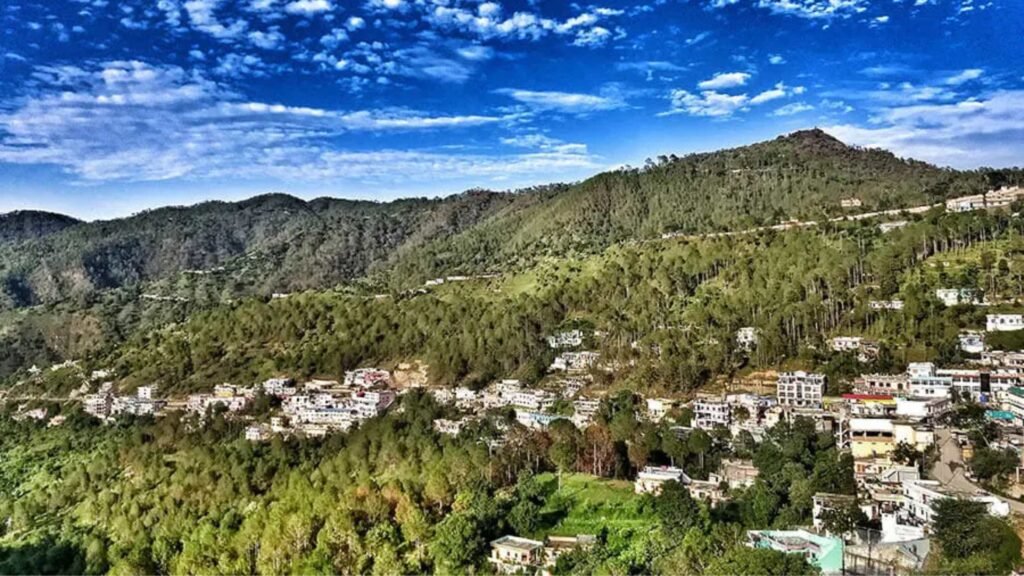
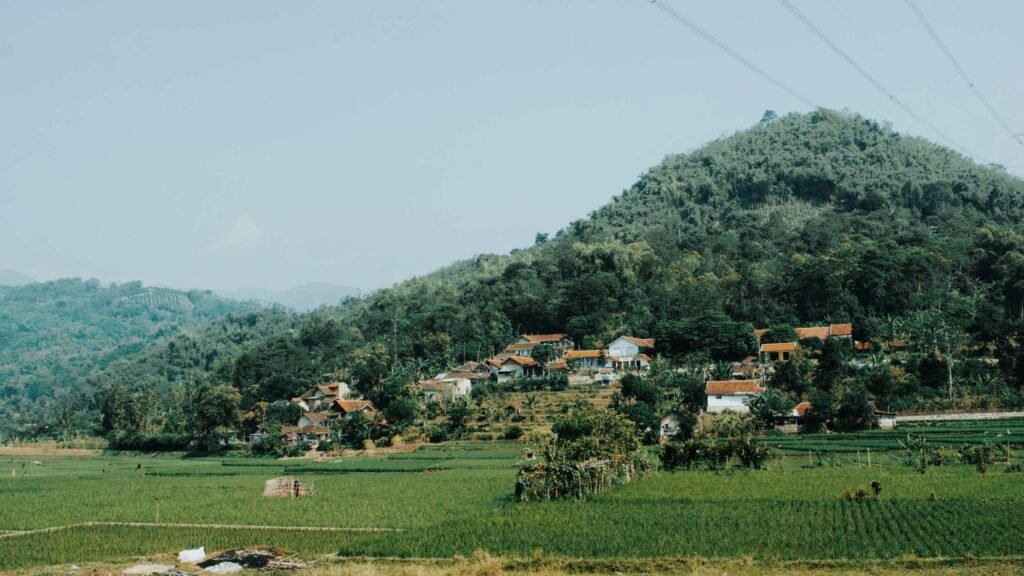
July is a full monsoon month in Chamba. Expect green hills that look almost overdone, clouds drifting through the valley, the Ravi river running fast and brown, wet roads, and the kind of misty mornings that make for good photos and slow starts.
In our experience, the people who love Chamba in July are the ones who walk Chowgan between showers, sit out a heavy spell with a cup of tea, then head out again when it clears. The temple visits, the old town lanes, the Bhuri Singh Museum, all of it works beautifully on a rainy day.
Be clear with yourself about one thing. This is not a blue sky summer trip. If you go in expecting sunshine all day, you will spend the trip frustrated. Go in planning to enjoy the rain rather than fight it, and the whole thing changes. If you want to see the wider state before you decide, you can explore our Himachal tour options and pick a base that suits the season.
Chamba Weather in July: Temperature, Rain and Humidity
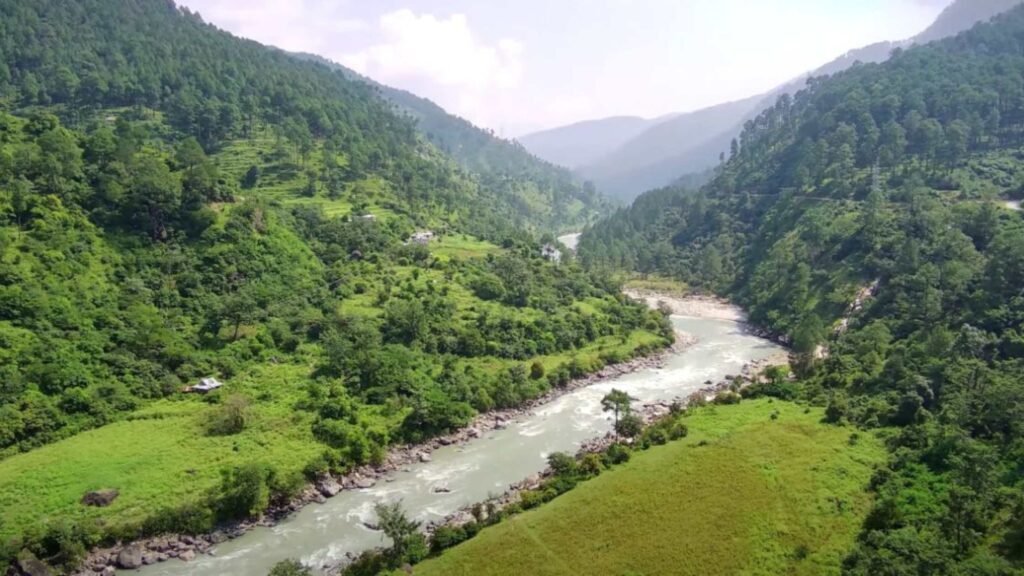
Chamba Town Weather
Chamba town sits low, so it stays warm. The July mean maximum is around 32.6°C and the mean minimum is around 21.5°C. Humidity hovers near 80%. So the town feels warm, sticky and cloudy, not cold. Pack for warm and wet, not for winter.
Dalhousie and Khajjiar Weather
Climb up to Dalhousie and the numbers drop fast. Dalhousie July mean maximum is around 23.6°C and the mean minimum is around 15.7°C. Khajjiar sits at a similar height, so both feel much cooler and mistier than Chamba town. A light jacket up here in the evening is not optional, it is sensible.
Rainfall in July
Here is the part most people underestimate. The Chamba district July rainfall normal is around 268.1 mm across roughly 11.8 rainy days. The Chamba observatory specifically records about 169.2 mm over 10.8 rainy days. But Dalhousie is a different story. Dalhousie July rainfall normal is around 588.0 mm over 18.3 rainy days. Thunderstorms are common too, with around 2.8 thunder days in July.
In plain words, Dalhousie, Kalatop and Khajjiar can be a lot wetter than Chamba town. So if you plan a Khajjiar day, treat the weather window as the thing you build the day around, not the other way round. Rules and road conditions can change quickly in monsoon, so reconfirm locally before you head up.
Is July a Good Time to Visit Chamba?
It depends entirely on what you want from the trip, so here is the honest split.
July is good for monsoon lovers, photographers, anyone drawn to temples and old town culture, travellers who genuinely want a slower trip, and people whose dates line up with the Minjar Fair. For that crowd, it is a quietly special month.
July is not ideal if you want dry roads, clear mountain views every single day, long treks, or a tight itinerary where every hour is booked. The rain will eventually break a rigid plan, and you will end up annoyed. Our team always tells these travellers to either shift to a drier month or come with flexible dates.
Is It Safe to Travel to Chamba in July?
Safety here depends almost entirely on the exact weather week you pick. In normal rain, the main routes are usually manageable. In heavy rain, you can hit landslides, traffic delays, slippery stretches and the occasional blocked road. So a safe July trip is really about timing and sensible driving, not luck.
There is a 2026 road update you should know before planning anything towards Bharmour. In 2026, maintenance of NH154A Chamba to Bharmour was handed to NHAI. A May 2026 report said the highway had suffered damage during the 2025 monsoon and some stretches remained vulnerable. We are deliberately not telling you the road is open or closed right now, because that genuinely changes week to week. Verify the current status before you head towards Bharmour, Hadsar or Manimahesh.
A few practical rules that actually matter. Avoid night driving in rain. Do not stop or park under loose, freshly cut slopes. Stay away from river edges during heavy rain. Keep one buffer day in your plan so a washed out road does not wreck the whole trip. And if you are not used to Himachal monsoon roads, hire a local driver. The last point is not us being cautious for the sake of it. A driver who knows which stretch slides and when is worth every rupee in July.
Not sure which week is safe to travel? Talk to our Himachal team on WhatsApp
Best Places to Visit in Chamba in July
Chamba Town
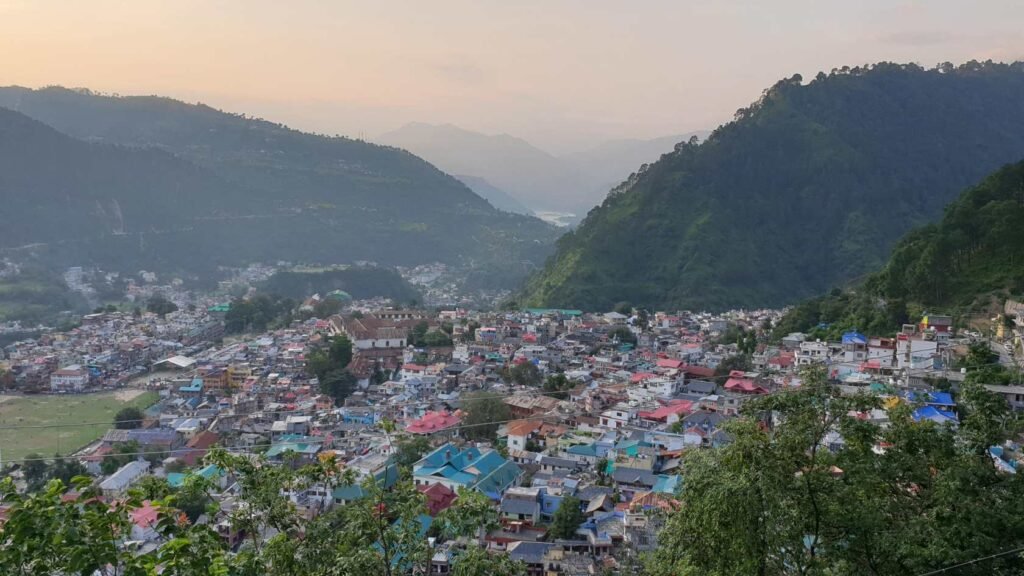
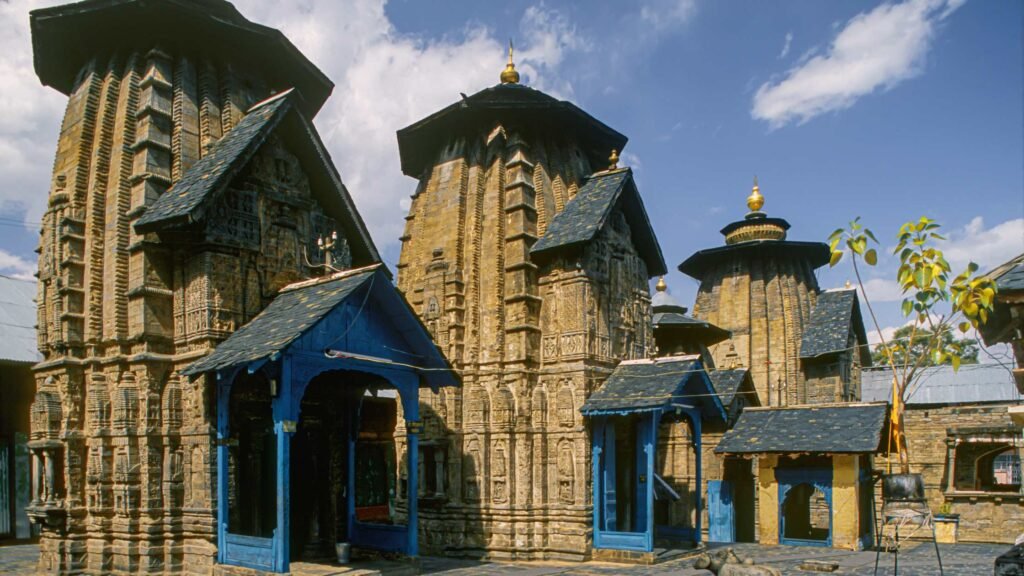
Chamba town is the rain proof core of any July trip, because most of it works fine even when it is pouring. Start with the Laxmi Narayan Temple, built by Sahil Verman in the 10th century, a cluster of stone shikhara temples that is the real heart of the old town. Then the Bhuri Singh Museum, which formally opened on 14 September 1908 and is open 10 AM to 5 PM, closed on Monday and gazetted holidays. It is small, well kept, and a genuinely good way to spend a wet hour. (Entry fee, only a traveller review mentioned around fifty rupees and we could not confirm an official figure.)
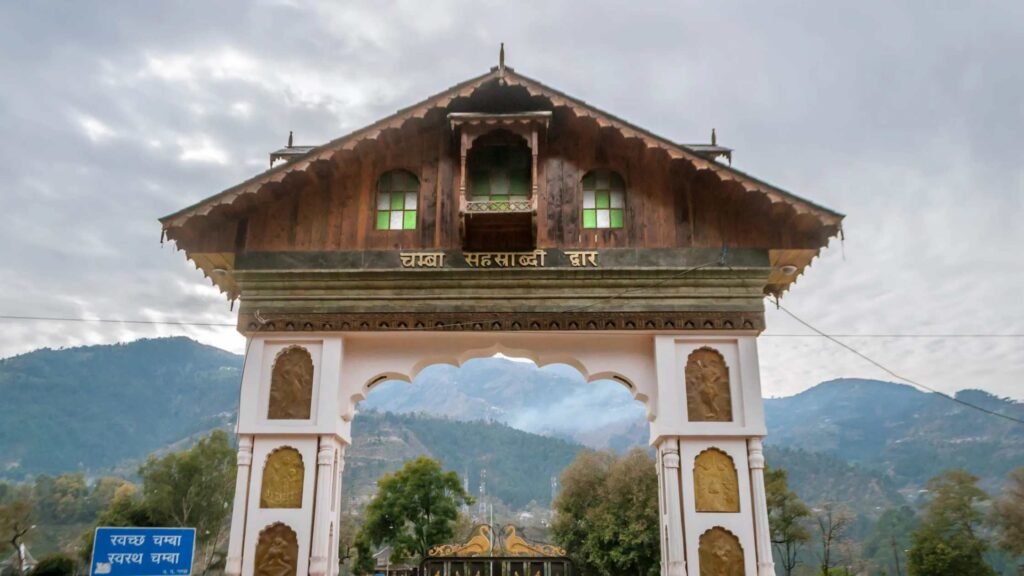
Walk Chowgan, the historic open ground where the Minjar Mela is held, then add Chamunda Devi Temple on the hill for the view back over town, and the Rang Mahal and Akhand Chandi Palace area for the old royal Chamba feel. Honestly, this is the section of the trip we would protect first if rain eats a day elsewhere.
Khajjiar
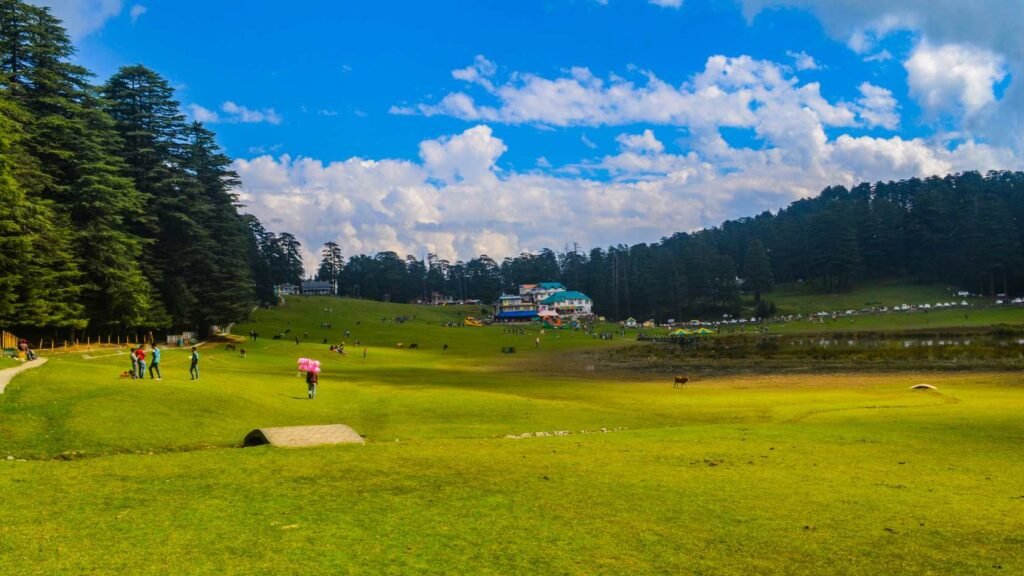
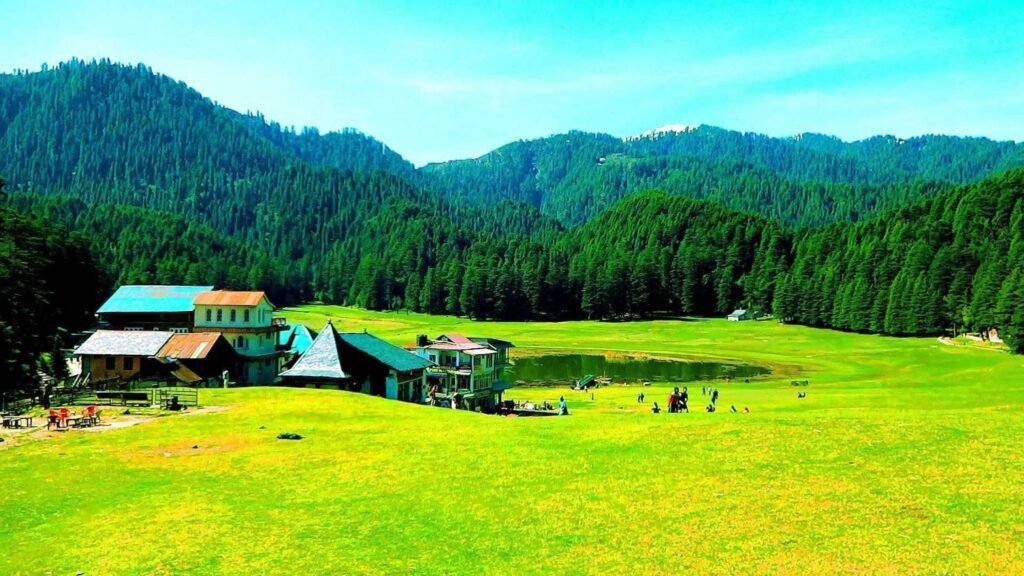
Khajjiar is about 24 km from Dalhousie, sits at around 6,500 ft, and was famously tagged Mini Switzerland by the Swiss Ambassador on July 7, 1992. On a clear July morning, the meadow ringed by deodar is lovely.
Fair warning though. In July that famous meadow can be wet or properly muddy, and low cloud can wipe out the view entirely. So start early, and only commit to the Khajjiar leg when visibility looks decent that morning. Forcing it in thick mist just means a slippery walk and no view.
Dalhousie and Kalatop
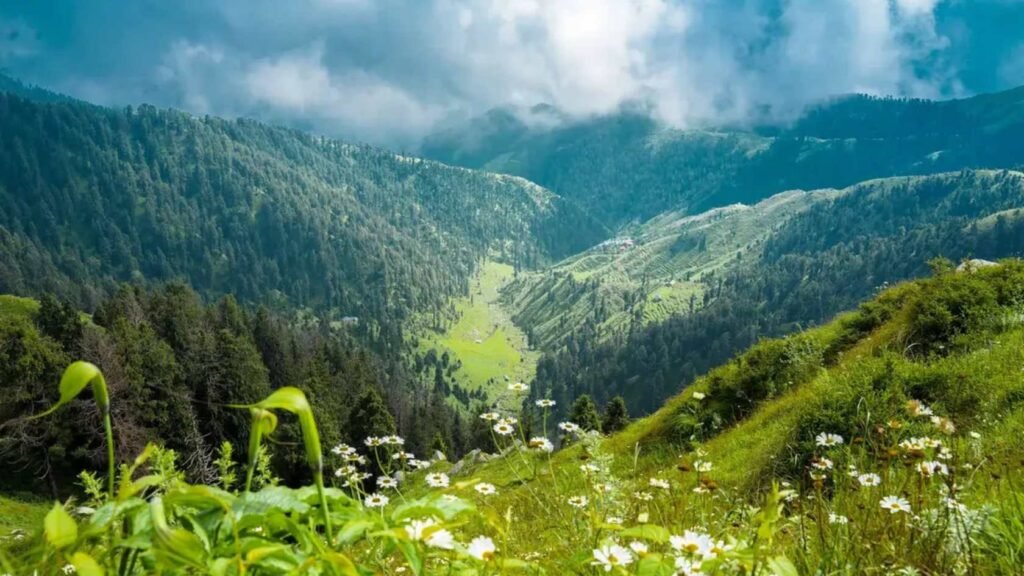
Dalhousie is 45 km from Chamba, and Kalatop, a government declared wildlife sanctuary, sits between Dalhousie and Khajjiar. In July you get misty deodar forest, cooler air, and a colonial hill station feel softened by rain.
The catch is the same one as everywhere up here in monsoon. Walking paths get slippery, so this is not the time for long hikes during active rain. Keep the walks short and the footwear sensible. If you are weighing this region against the McLeodganj side, our Dharamshala tour options cover that route and help you decide which base fits your trip better.
Chamera Lake
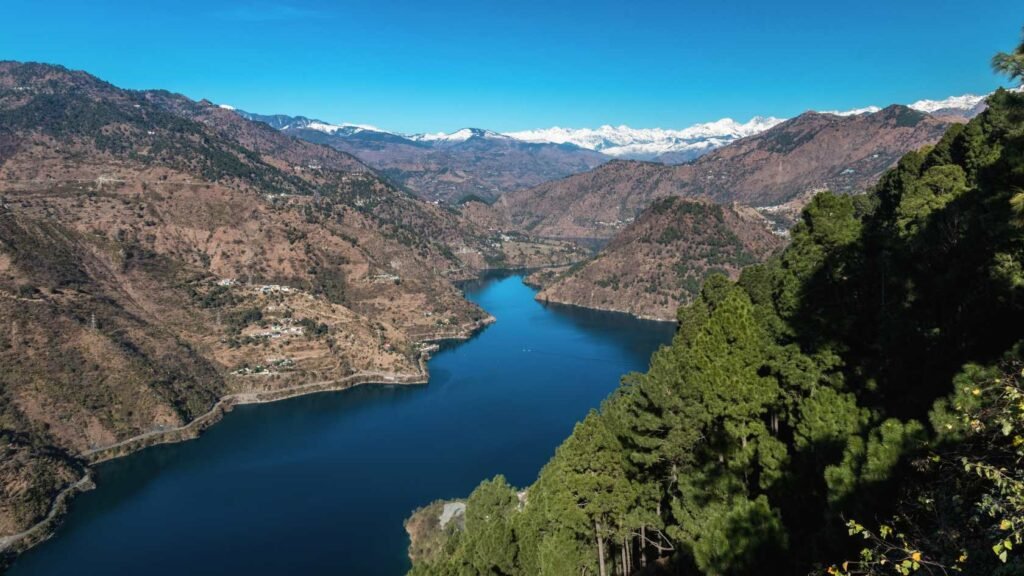
Chamera Lake can be a quietly scenic stop, and there is fresh news here. In February 2026, the Chamba administration opened the lake for recreational angling and allowed tourists to bring inflatable boats. That said, do not treat boating or angling as guaranteed in July. Whether you can actually get on the water depends on weather, local permission and water conditions on the day. Go for the scenery, and confirm any lake activity locally before you build your plans around it.
Bharmour and Manimahesh
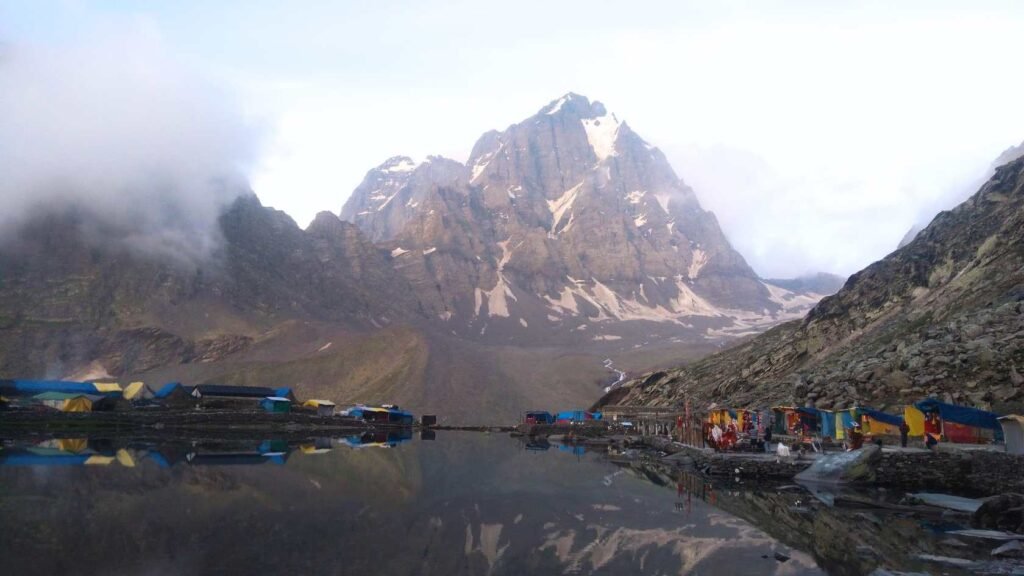
This is the one to be careful with. Manimahesh Lake is 26 km from Bharmour, sits at around 13,000 ft, and the trek from Hadsar to Manimahesh is 13 km. The official Manimahesh Yatra page mentions mandatory registration when the yatra is active, but the 2026 yatra dates are, because the official page still showed 2025 dates when we last checked.
Please do not treat Manimahesh as a casual July sightseeing add on. It needs route checks, weather checks, real physical readiness, and official yatra updates before you even consider it. High altitude plus monsoon is a serious combination, not a day trip.
👉 Pick the right stay & route — we’ll help.
Suggested 3 Day Chamba Itinerary for July

Day 1: Chamba Town Heritage Day
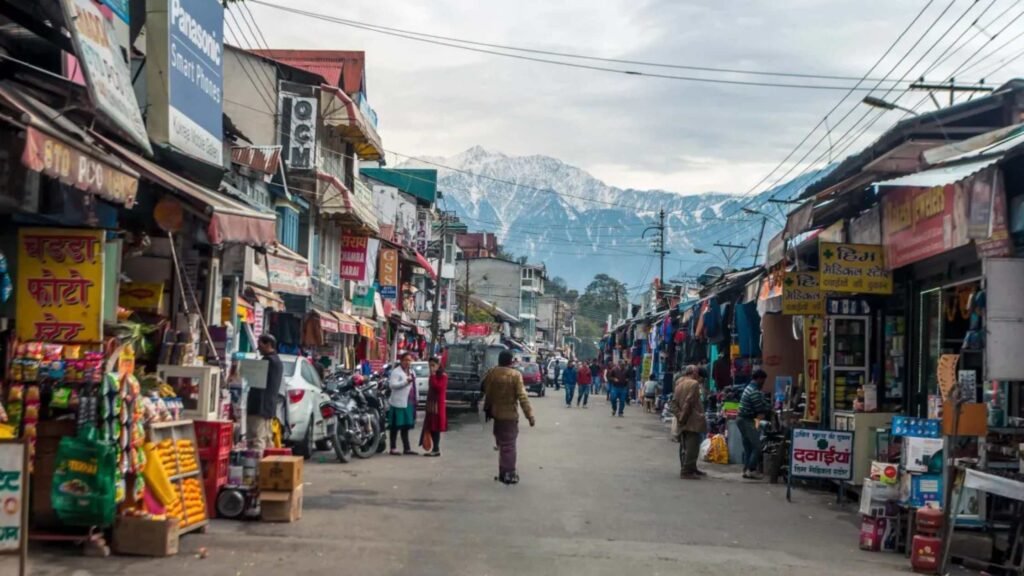
Keep day one rain friendly and based in town. Laxmi Narayan Temple in the morning, then the Bhuri Singh Museum, a slow walk across Chowgan, Chamunda Devi Temple for the view, the local market for Chamba rumals and snacks, and a relaxed evening. If it rains hard, none of this falls apart, which is exactly why it is day one.
Day 2: Khajjiar and Dalhousie Weather Window Day
Start early and let the weather make the call. If visibility is good, do Khajjiar first while the meadow is at its best. Then continue to Kalatop or Dalhousie only if the rain and roads are clearly manageable. If the morning is socked in with cloud and rain, do not force the full loop. Trim it. A relaxed half day beats a stressful, viewless full one.
Day 3: Chamera Lake or Slow Local Day
If the weather is safe, head to Chamera Lake for the scenery. If not, lean into a slow Chamba town day, café time, a temple revisit, or some unhurried local shopping. Add Bharmour only if roads and weather are clearly safe, and only if you have read the Manimahesh caution above. If you would rather have all of this stitched into a ready route with stays sorted, our 3 night Chamba route covering Chamba, Khajjiar and Dalhousie is a good starting point to adapt.
How to Reach Chamba in July
Chamba is reached by road and sits about 580 km from Delhi. For reference inside the region, Chamba to Khajjiar is 24 km, and Chamba to Dalhousie via Khajjiar is 56 km.
Your nearest railhead is Pathankot, listed as 118 km by HPTDC and 120 km by the official district page. The nearest airport is Kangra, also called Gaggal, listed at around 170 to 172 km. In practice, most travellers reach Pathankot, Kangra or Delhi and then continue by taxi or bus depending on comfort and budget.
The one rule for July, build in buffer time. Rain slows mountain roads in ways that flat highway driving never prepares you for, and a single slow stretch can push your arrival by hours. Do not plan to land and immediately drive a long leg in the dark. If you want help locking the route and transfers, just contact our team and we will map it around your arrival point.
What to Pack for Chamba in July

Pack for warm and wet at the base and cool and wet up top, in that order. The non negotiables are a proper raincoat and a compact umbrella, quick dry clothes that do not stay soggy, and waterproof shoes with real grip, because the meadows and forest paths get slippery. Throw in a couple of spare socks, you will thank yourself.
Add a light jacket for the cool evenings in Dalhousie and Khajjiar, your regular medicines, a power bank, a waterproof phone pouch, your ID, some cash, and a small towel. Do not overdo the winter clothing. Chamba town is not freezing in July, it is warm and humid. The higher areas can feel cool when it rains, but you need layers, not heavy woollens. For a fuller season by season approach, our smart Himachal packing guide is worth a quick read before you zip the bag.
Chamba in July With Family, Kids and Senior Citizens
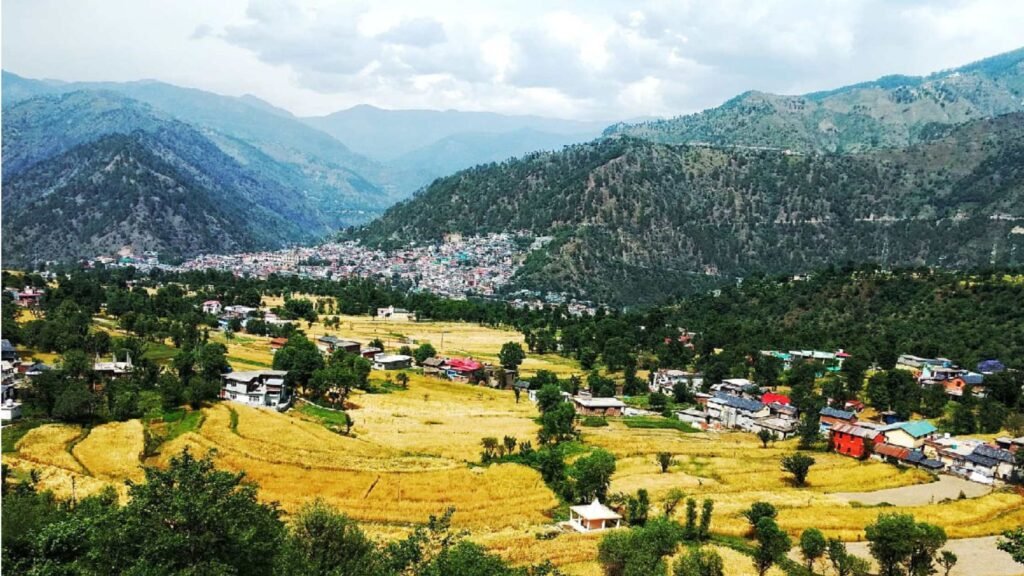
For families, kids and seniors, keep your base easy. Chamba town or Dalhousie work best, because both give you easy road access, food close by, and medical support within reach. Look for hotels with parking and a simple, flat approach rather than a remote property up a rough track.
The big mistake we see families make in July is booking a remote stay during an active heavy rain alert. Do not. If the forecast looks rough, choose convenience over view every time, because a stuck car with tired kids in the rain is nobody’s idea of a holiday. If you are travelling with elderly parents, the same logic doubles. For comparison, you can look at how an easier hill base works on our Shimla tour options before deciding where to anchor the trip.
Chamba in July vs June, August and September
If you are flexible on dates, here is how the months actually compare. June is the better bet for drier sightseeing, since the heavy monsoon usually arrives after mid June, so views and roads tend to be easier. July is greener and far more monsoon heavy, which is wonderful if you want atmosphere and not so great if you want certainty.
August can bring stronger monsoon impact, plus fair or yatra crowds depending on the dates, so it swings between lovely and disrupted. September often improves as the rain eases off, with cleaner air and fewer wet days, though roads still need checking because monsoon damage lingers. As a rough rule, June for ease, July and August for green and culture, September for the after rains calm. If you would rather chase clear skies somewhere else entirely in this window, our Manali tour options give you a different kind of summer trip to weigh up.
2026 Travel Updates for Chamba
A few current things worth folding into your 2026 planning.
Minjar Fair Chamba 2026 is scheduled from July 26 to August 2, 2026, at the historic Chowgan ground. If your dates overlap, the town gets festive and busy, so book stays early.
NH154A Chamba to Bharmour. Maintenance was handed to NHAI in 2026, and a May 2026 report said the highway had been badly damaged during the 2025 monsoon, with some stretches still vulnerable. Treat any Bharmour or Manimahesh leg as conditional and verify before travelling.
Chamera Lake. Opened in February 2026 for recreational angling and inflatable boating tourism. Good news, but check local permission and weather before planning any actual lake activity.
Manimahesh Yatra 2026 dates. The official page still displayed 2025 dates when we last checked, so do not lock plans around unconfirmed dates.
Where to Stay in Chamba in July
Your base should match your priority. Choose Chamba town if you want heritage, temples, museum access and the convenience of having plenty to do on a rainy day without driving anywhere. Choose Dalhousie if you want cooler weather and a wider hill station feel, with cafés, walks and a slightly more touristy comfort.
Pick Khajjiar only if you are a flexible traveller who is genuinely okay with mist, mud and last minute plan changes. It is beautiful when it behaves, but in July it does not always behave. If you would rather hand the stay planning to someone local, our Jibhi and Tirthan valley options show how we set up quieter, slower bases, and we can apply the same thinking to Chamba.
Final Verdict: Who Should Visit Chamba in July and Who Should Skip It?
Chamba in July is at its best for travellers who like rain, deep green landscapes, old temples, local fairs, slower itineraries and flexible plans. If that is you, you will probably remember this trip more fondly than a dry, crowded peak season one.
It is not the right call for dry weather travellers, anyone who needs guaranteed clear views, high trek plans, or first time monsoon self drivers. There is no shame in admitting July is not your month, it just saves you a frustrating trip. If I am being real, our team’s standing advice is simple. Keep your Chamba, Khajjiar and Dalhousie plans flexible in July rather than locking every hour of the itinerary. Build the trip around weather windows and you will have a far better time. And if a wholly different high mountain experience is calling instead, our Spiti Valley tour options sit in a rain shadow zone and behave very differently in the same season.
👉 Want this trip? Let’s plan it right.
अक्सर पूछे जाने वाले प्रश्न
Also Read: Leh Ladakh in July 2026: Weather, Road Status, Itinerary, Permits and Local Travel Tips
क्या आप अपने हिमाचल एडवेंचर के लिए तैयार हैं?
Get FREE customized itinerary · Best Price Guaranteed · Local Himachal Experts · 3,973+ Happy Travelers