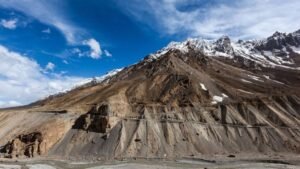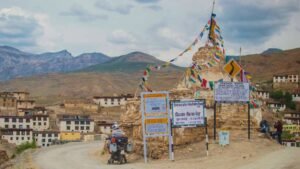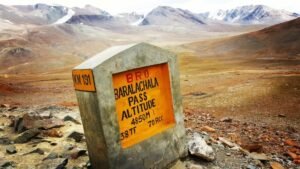
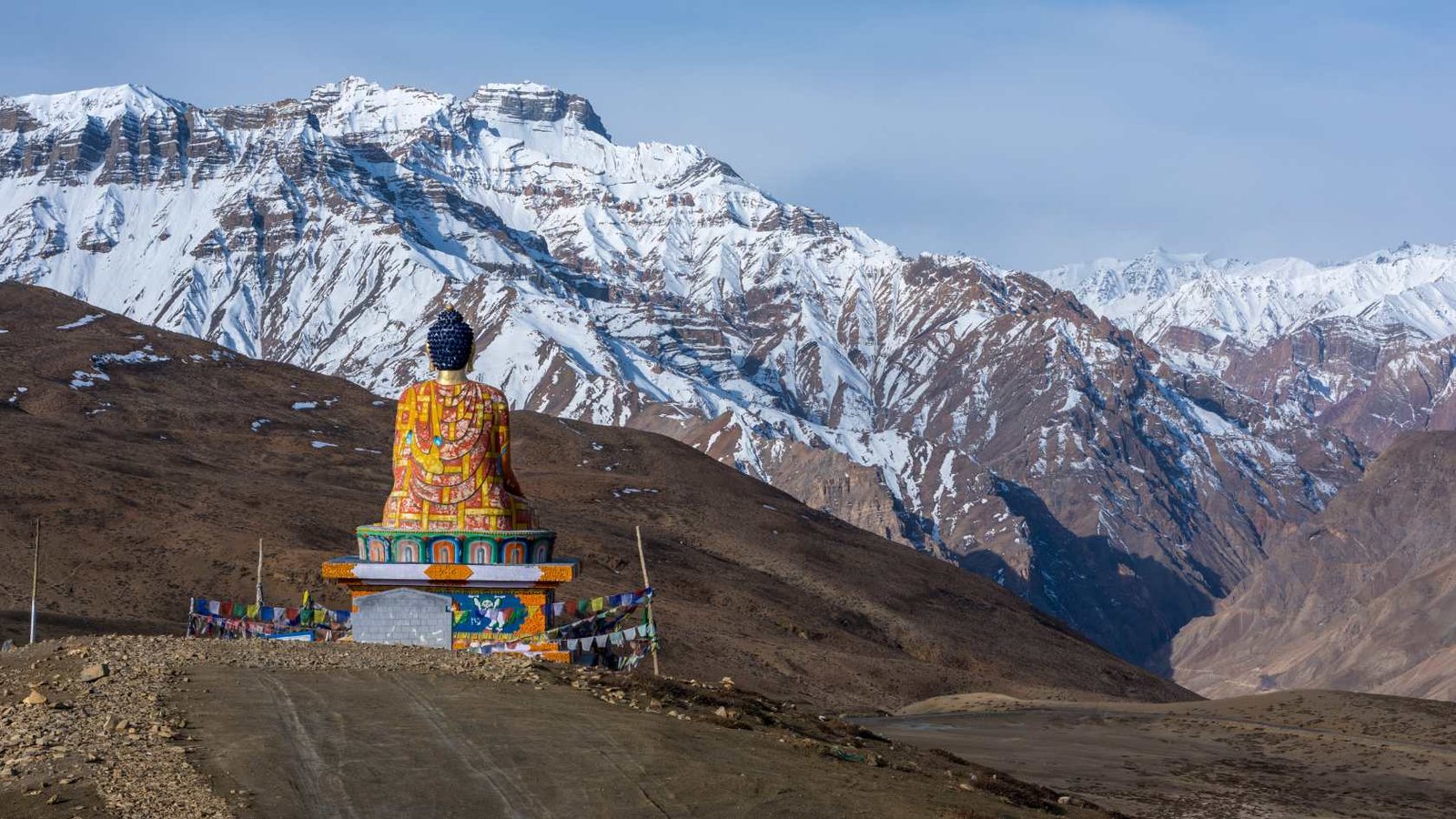
Planning a trip to Spiti Valley in July 2026? You’ve picked a season when the full circuit comes alive — open roads, a real shot at Chandratal, buzzing homestays in Kaza and that classic Himalayan road-trip energy. But July also sits in the monsoon belt, so the approach drives through Manali and Kinnaur can throw rain, slush and the odd landslide your way before you reach the dry Spiti core. This guide walks you through everything you need to plan it right: July weather, current road status, the best route to take, an 8-day itinerary, permits, costs and honest advice on whether July is the month for you.
Quick Answer: Is July a Good Time to Visit Spiti Valley?
Yes, July is one of the better months for Spiti if you want open roads, a real shot at the full circuit, and access to Chandratal, especially from mid to late July. By then the high passes have usually settled after their spring opening, and Kaza is fully alive with homestays, shops and travellers.
But July is not risk free. The approach roads through Manali, Lahaul, Kinnaur and lower Himachal sit right in the monsoon belt, so you can hit rain, slush, water crossings and the odd landslide before you ever reach the dry Spiti core. Plan for delays, keep a buffer day, and check road status before you leave.
👉 Confused? Let locals plan your trip.
What Is Spiti Valley Weather Like in July?
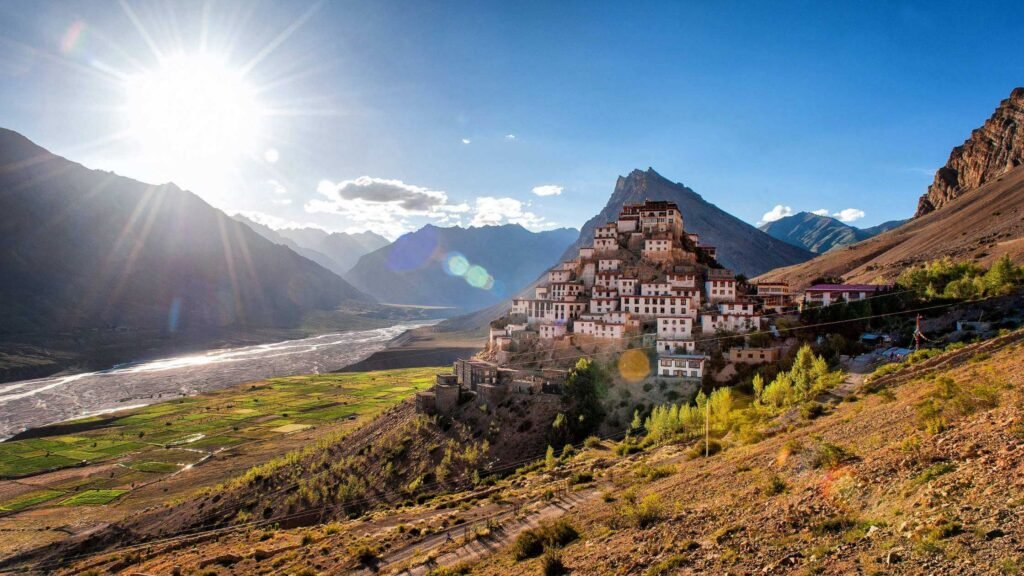
Here is the thing about Spiti weather. It changes with altitude and exact location, so one number for the whole valley is useless. In the core Spiti area and around Kaza, July daytime temperatures sit broadly around 15 to 25°C depending on the spot and the source. Nights cool down to roughly 5 to 12°C.
Chandratal is a different animal. Sitting higher and more exposed, it runs colder, around 12 to 18°C in the day and 2 to 5°C at night, and with the wind chill it can feel close to freezing once the sun drops.
Now the part most people get wrong. Spiti core is dry, because it sits in a rain shadow behind the big Himalayan ranges. Manali, Lahaul, Kinnaur and lower Himachal do not get that protection, so the rain that hits your approach drive is real even when Kaza itself stays clear. Do not pack like this is an ordinary summer hill station trip. It is a high cold desert with a wet doorway.
Is Spiti Valley Open in July 2026?
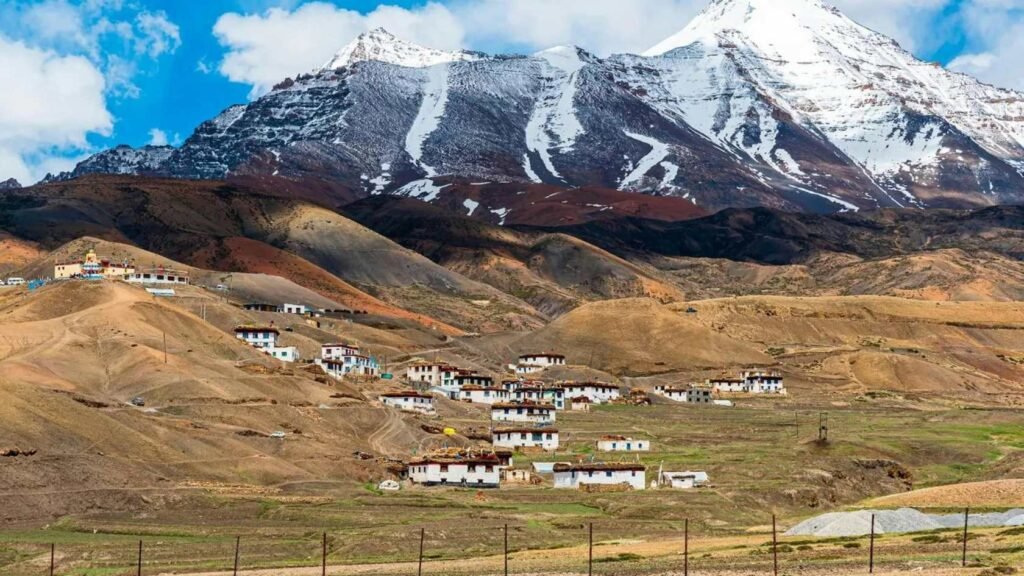
In practice, yes. To understand why, you need to know that Spiti has two doors and they behave very differently.
The Shimla to Kinnaur to Kaza route is the safer backbone. It is technically open more often through the year, though heavy rain and landslides can still cause delays. The Manali to Kaza route through the Atal Tunnel, Gramphu, Batal and Kunzum Pass is seasonal and depends entirely on BRO snow clearance and road condition.
For 2026, here is the picture. The official Lahaul and Spiti road page was last updated on 20 March 2026, and at that point it showed Delhi to Manali open, Manali to Keylong open, Keylong to Kaza closed, and Keylong to Leh open. Since then, a later update reported that BRO reopened the Gramphu to Kaza to Sumdo highway via Kunzum Pass for 4×4 vehicles, and that the Manali to Rohtang road was open.
So by July the full circuit is normally a live option. Still, mountain roads change daily. Verify the road status 48 hours before you travel, and again before you cross Kunzum. In our experience, the travellers who get stranded are almost always the ones who trusted a month old update.
Early July vs Mid July vs Late July: Which Is Better?
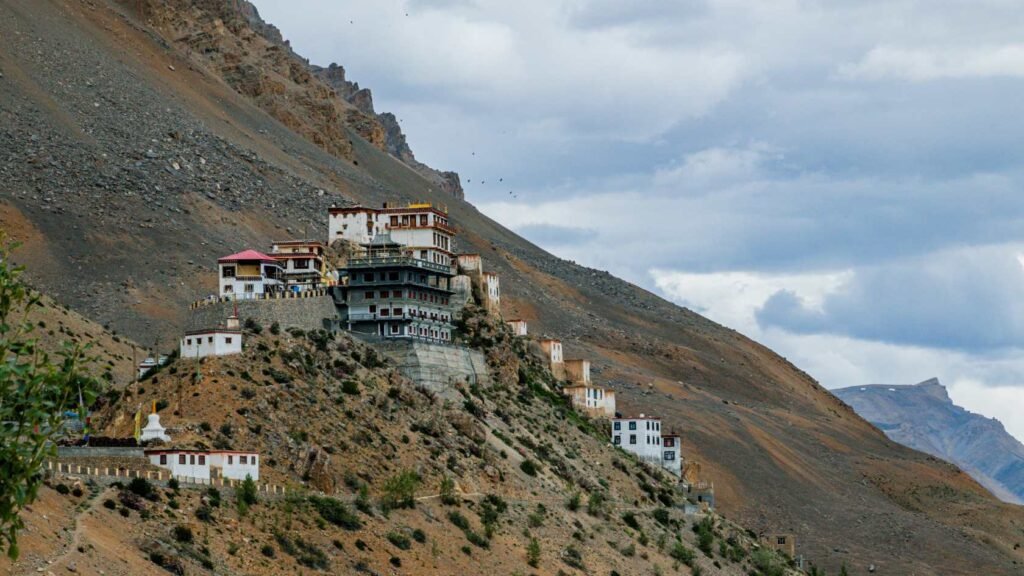
Early July is possible but less predictable, especially for Chandratal and the Manali side. The roads have only just shaken off winter, and the rough high stretches are still settling. If you are going in early July, keep Chandratal optional rather than the centrepiece of your plan.
Mid July is the sweet spot for most full circuit plans. By now the roads have had a few weeks to firm up after opening, the camps are running, and the whole loop is usually doable without too much drama.
Late July gives you good access but more exposure to monsoon alerts and landslide delays on the approach routes. The driving inside Spiti is fine. It is the lower stretches that can hold you up. Keep at least one buffer day if you are travelling late in the month.
Which Route Is Better for Spiti in July, Shimla or Manali?
Short version. Enter from Shimla, exit through Manali. That order gives you a gentle altitude climb on the way in and the dramatic high pass crossing on the way out, after your body has adjusted.
Shimla to Kinnaur to Kaza Route
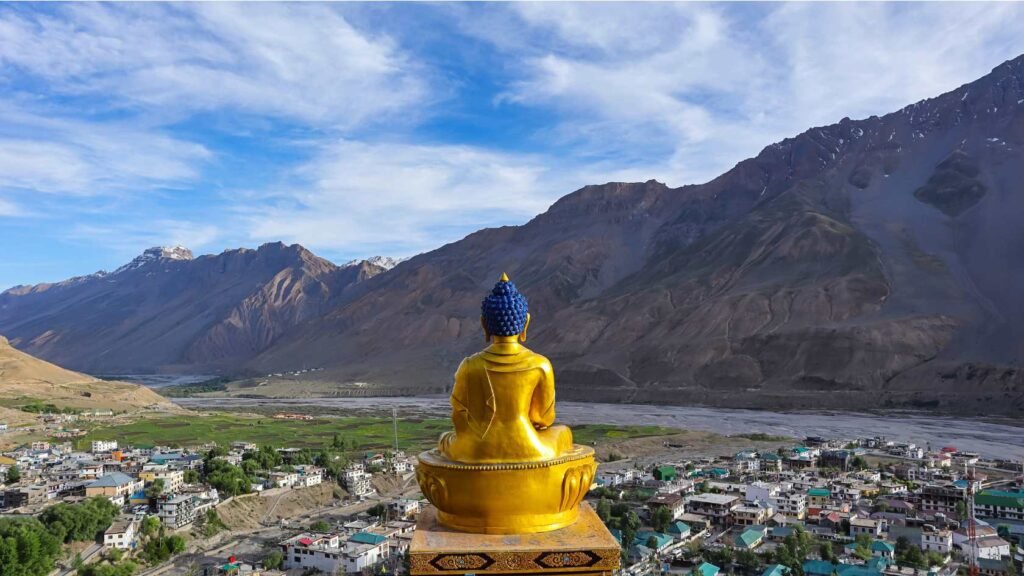
This is the route we point first timers, families and anyone nervous about altitude towards. The gain is gradual, so your body has time to adjust instead of being thrown to 12,000 feet in one shot. Good overnight breaks include Narkanda, Rampur, Sangla, Kalpa, Nako and Tabo, depending on how long your trip is.
The drawback is monsoon. Kinnaur and NH-5 can throw landslides, shooting stones and delays during heavy rain. So this route is safer for acclimatisation, but it is not immune to weather. It buys you a healthier body, not a guaranteed smooth drive.
If you want this done properly with stays and permits sorted, our Spiti tour packages follow exactly this gradual entry, and our Kinnaur tour packages cover the Sangla and Kalpa side if you want to slow down and soak in the valley first.
Manali to Kaza via Atal Tunnel, Gramphu, Batal and Kunzum
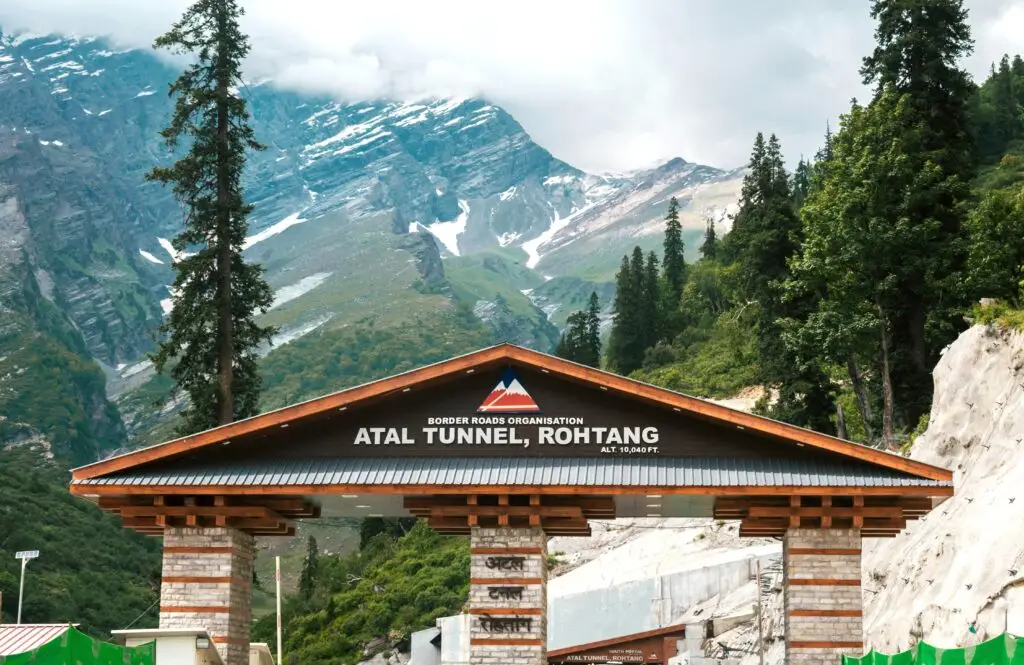
This route is shorter on the map but harder on the body. The altitude gain is sharp, which is exactly why it works better as an exit route after you have already entered through Shimla and acclimatised. Doing it the other way around is how people end up with splitting headaches in Kaza.
The rough sections around Gramphu, Batal, Kunzum and the water crossings can be genuinely tough in July. This is not a stretch for a low car. We recommend an SUV or a high ground clearance vehicle here, no exceptions. If you are flying into Manali first and want the loop handled end to end, our Manali tour packages connect into the Spiti circuit cleanly.
Can You Visit Chandratal Lake in July?
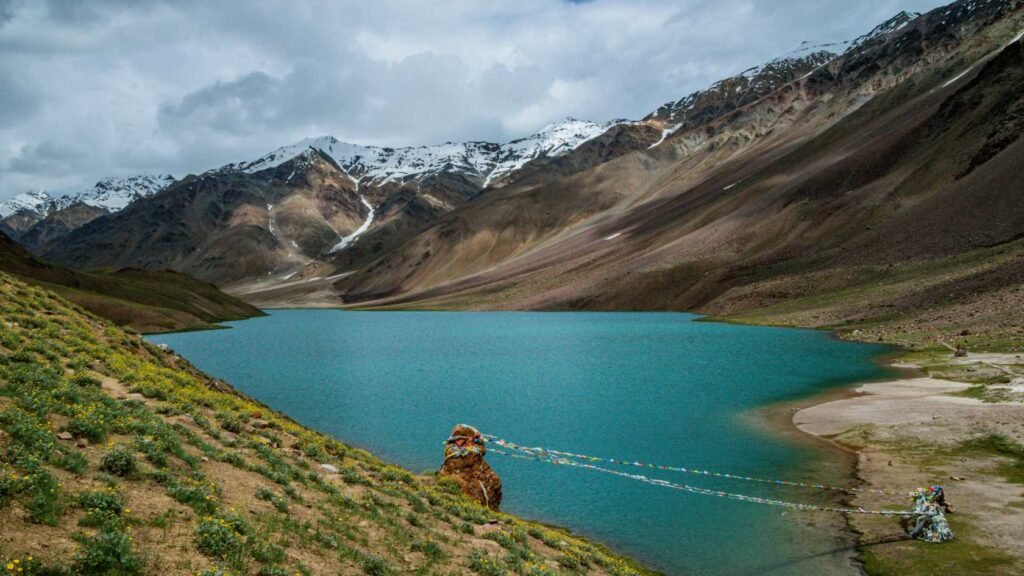
Usually yes, especially mid to late July. That said, do not assume. Check the road status from Kaza, Losar or Batal before you set off, because this stretch opens and closes on its own schedule. The camps near the lake are usually active in July.
Route matters here. The Kaza side through Losar and Kunzum tends to be more predictable, because it sits on the dry rain shadow side. The Manali side can throw rain, slush, water crossings and temporary closures at you. If you have a choice, approach from Kaza.
And if Chandratal does not work out, do not sulk. Spiti is loaded with backups. Losar, Key Monastery, Kibber, Chicham Bridge, Langza, Hikkim, Komic, Pin Valley, Mudh village, Dhankar Monastery and the Dhankar Lake trek are all worth your time, and several of them are arguably more memorable than the lake itself.
Worth knowing before you go: it helps to read up on when Chandratal will open in 2026 and to clear up the common confusion about whether Chandra Taal is in Lahaul or Spiti, since that one trips people up when they plan the loop. Our Spiti tour packages build Chandratal in as an option with a Losar fallback already planned.
Suggested 8 Day Spiti Valley Itinerary for July

This works best entering via Shimla and exiting via Manali, because that order does the acclimatisation work for you.
Day 1
Drive from Chandigarh or Shimla to Narkanda or Rampur. An easy first day to get into the rhythm and start gaining a little height.
Day 2
Narkanda or Rampur to Sangla or Kalpa. This is where the Kinnaur scenery starts doing the heavy lifting, apple orchards giving way to bigger, barer mountains.
Day 3
Sangla or Kalpa to Tabo, via Nako. A long but spectacular day where the green falls away and the cold desert begins. Tabo for the night, near its old monastery.
Day 4
Tabo, Dhankar, Pin Valley and on to Kaza. You cover serious ground today, with the dramatic Dhankar Monastery perched on its ridge and a side trip into the Pin Valley before settling in Kaza.
Day 5
Kaza local sightseeing. Key Monastery, Kibber, the Chicham Bridge, and the high villages of Langza, Hikkim and Komic. This is the day people remember, so do not rush it.
Day 6
Kaza to Chandratal if it is accessible, with Losar as your fallback if the road is not cooperating. Either way you sleep high tonight.
Day 7
Chandratal or Losar to Manali, crossing Kunzum, then down through Batal, Gramphu and the Atal Tunnel. This is the big crossing day. Start early.
Day 8
Manali to Chandigarh, or wind down in Manali if you have the time. Do not book a same day flight out, more on that below.
👉 Pick the right stay & route — we’ll help.
How Many Days Are Enough for Spiti in July?
From Chandigarh, 7 days is the practical minimum if the route is tight and you do not mind a brisk pace. 8 to 10 days is the sweet spot for most travellers, enough to breathe between drives and actually enjoy Kaza. From Delhi, give yourself 10 to 12 days if you do not want to feel rushed.
For context, a common local recommendation is around 8 days to enjoy Spiti properly and acclimatise, and our own guidance for trips from Chandigarh lands at roughly 7 to 10 days depending on route and pace.
One firm rule. Keep at least one buffer day in July, and never book a same day flight after you exit from Manali. A single landslide on the lower road can eat half a day, and a missed flight stings far more than an extra night in the hills.
Is Spiti Safe in July for Families, Couples and Solo Travellers?
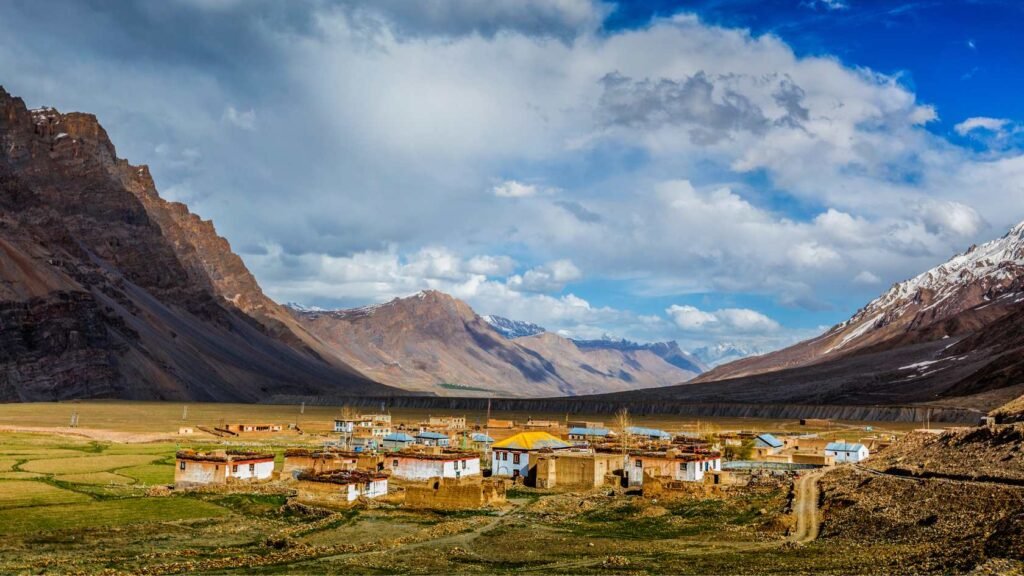
July is operational, not effortless. Roads are open more often than not, hotels and homestays are running, and sightseeing is fully on. The honest caveat is weather. Delays happen, and you have to be okay with that.
Families, enter via Shimla and keep driving days short. The gradual climb is genuinely easier on kids and grandparents. Couples, take a private vehicle if the budget allows, because the freedom to stop where you like is half the joy of this drive. Solo travellers, share your itinerary with someone back home, carry cash, and avoid the isolated stretches after dark.
If you are a woman planning to travel alone, it is worth reading up on whether Spiti Valley is safe for solo female travellers before you finalise your plan, so you go in informed rather than anxious.
Do You Need Permits for Spiti Valley in July?
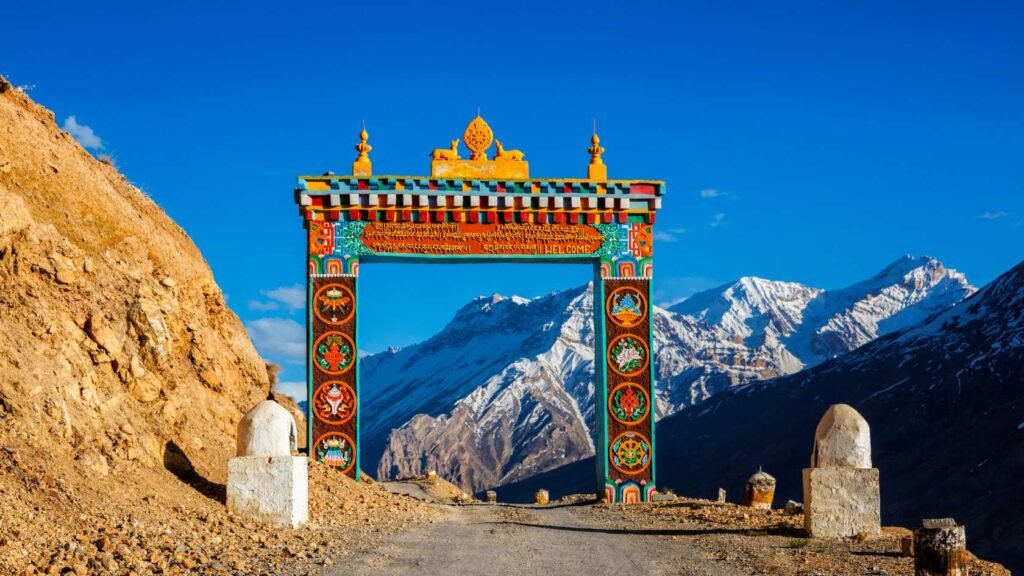
Indian citizens do not need an Inner Line Permit or Protected Area Permit for normal Spiti tourism. Just carry a valid photo ID for the checkpoints along the way.
Foreign nationals do need a permit for the notified protected areas. The officially listed areas include Khab, Samdo, Dhankar, Tabo, Gompa, Kaza, Morang and Dubling. The Kinnaur tourist guideline shows a fee of ₹200 per person at the e-Governance Centre plus service charges, but treat that number as something to confirm, because counters and rules change.
On Rohtang, do not over worry. The rules are route specific. If you are taking the usual Atal Tunnel route, you generally do not need a Rohtang permit, so ignore anyone who tells you otherwise by default. If you specifically plan to cross Rohtang or Gulaba, check the current Kullu administration rules before you go.
What Vehicle Is Best for Spiti in July?
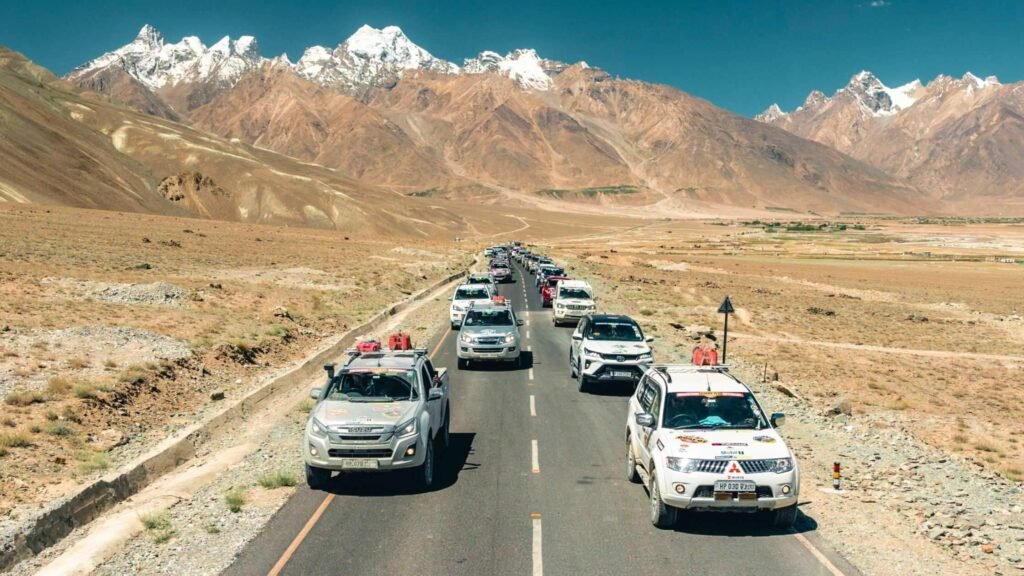
For the Manali to Kaza side and for Chandratal, take an SUV or a high ground clearance vehicle. That is not us being fussy, it is the reality of the Gramphu to Kunzum stretch and the water crossings. A hatchback can manage the Shimla to Kaza side if road conditions are good and the driver knows what they are doing, but we would not send one towards Chandratal or the rough Manali side.
Two ground rules that save trips. Do not attempt flooded water crossings late in the day. And start early, because those crossings swell through the afternoon as snowmelt and rain feed them. What is an ankle deep trickle at 8 am can be a knee deep problem by 3 pm.
What Should You Pack for Spiti Valley in July?

Pack for cold even though it is summer. You want a thermal inner layer, a fleece, a windproof jacket and a rain layer, plus quick dry pants, gloves and a cap. On the practical side, carry sturdy shoes, sunscreen, sunglasses, an SPF lip balm, ORS, basic medicines and any personal prescriptions.
For the road itself, bring offline maps, a power bank, a reusable water bottle, cash, and photocopies of your ID. And remember, Chandratal and Kunzum can feel genuinely cold even on a day when Kaza feels pleasant. The altitude does not care that it is July.
Approximate Cost of a Spiti Trip in July

Our group Spiti circuits start from around ₹24,999 per person, and because tour pricing is dynamic and depends on dates, group size and inclusions, always confirm the current rate before you lock anything in. You can see the live options on our Spiti tour packages page.
If you would rather build it yourself, plan for homestays at roughly ₹700 to ₹1,500 per person per night with breakfast and dinner included, keeping in mind that local prices shift through the season. For Chandratal camps, we are deliberately not quoting a number, treat that as and confirm directly, because camp rates change year to year.
Final Verdict: Should You Visit Spiti Valley in July?
Go in July if you want the full circuit, a real chance at Chandratal, open homestays, a lively Kaza and that proper summer road trip energy. This is the season the whole loop comes alive.
Choose September instead if you want clearer skies, far less monsoon worry, and sharper light for photography. The valley is just as beautiful, with less of the weather gamble.
Skip July if you cannot tolerate road delays, you have a very tight return flight, or mountain roads in the rain make you uneasy. There is no shame in waiting for a calmer month.
If I am being real, July rewards travellers who stay flexible and punishes those who over schedule. Browse our full range on the Himachal tour packages page, or just contact HimTrails and we will shape a Spiti plan around your dates.
👉 Want this trip? Let’s plan it right.
अक्सर पूछे जाने वाले प्रश्न
Also Read: Narkanda in June 2026: Weather, Places to Visit, Hatu Peak Tips and Travel Plan
क्या आप अपने हिमाचल एडवेंचर के लिए तैयार हैं?
Get FREE customized itinerary · Best Price Guaranteed · Local Himachal Experts · 3,973+ Happy Travelers