If you are planning Shinkula Pass in July 2026, you are looking at one of the better months to attempt this raw, high climb between Lahaul and Zanskar.
July usually means the snow clearance from June has settled, the road has had a few weeks to firm up, and camps and dhabas down in Lahaul are running.
But July sits inside the monsoon, and that changes everything on the approach roads. We have run this Manali side route for years, and the road can look perfect in the morning and shut by afternoon.
This guide gives you the honest July picture. Road status, weather, snow, the vehicle you actually need, a realistic itinerary, and the mistakes we see travellers make every season.
Quick Answer: Is Shinkula Pass Good in July 2026?
Yes, July is usually one of the better months for Shinkula Pass in July, because the route has generally settled after the June snow clearance.
That said, the road can still change suddenly. Rain, slush, landslides, shooting stones, water crossings, and local police restrictions can all stop you on the same day you set out.
A high ground clearance SUV is far safer than a sedan on this road, especially after rain.
Always check the road status on the same morning you travel. Do not trust week-old reports.
👉 Confused? Let locals plan your trip.
Is Shinkula Pass Open in July?
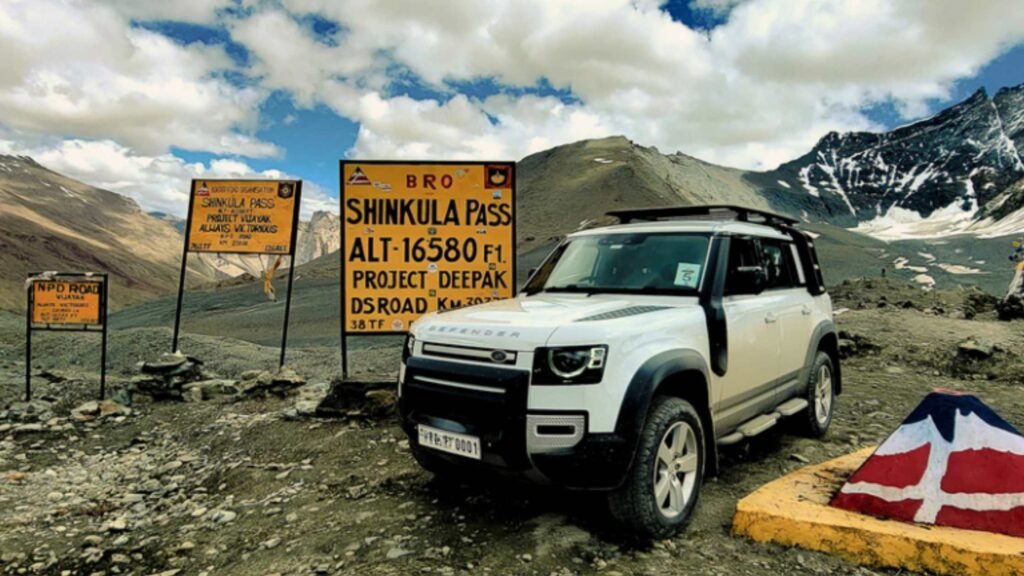
July falls inside the practical travel window for Shinkula Pass. The full Manali to Darcha to Shinkula to Padum stretch was recorded as clear and open on 1 July 2025.
But that same update came with a clear warning. Travellers were told to watch out for rain-season weather, landslides, shooting stones, and to follow local police instructions.
So here is the honest part. “Open” does not mean “smooth” and it does not mean “safe for every vehicle.”
The route can be open at sunrise and stopped at the Darcha checkpost by lunch if a nala swells or a slope starts shedding rocks. We have seen this happen more than once.
In our experience, the safest mindset for July is simple. Treat the road as open with conditions, not open and guaranteed.
What Is Shinkula Pass Like in July?
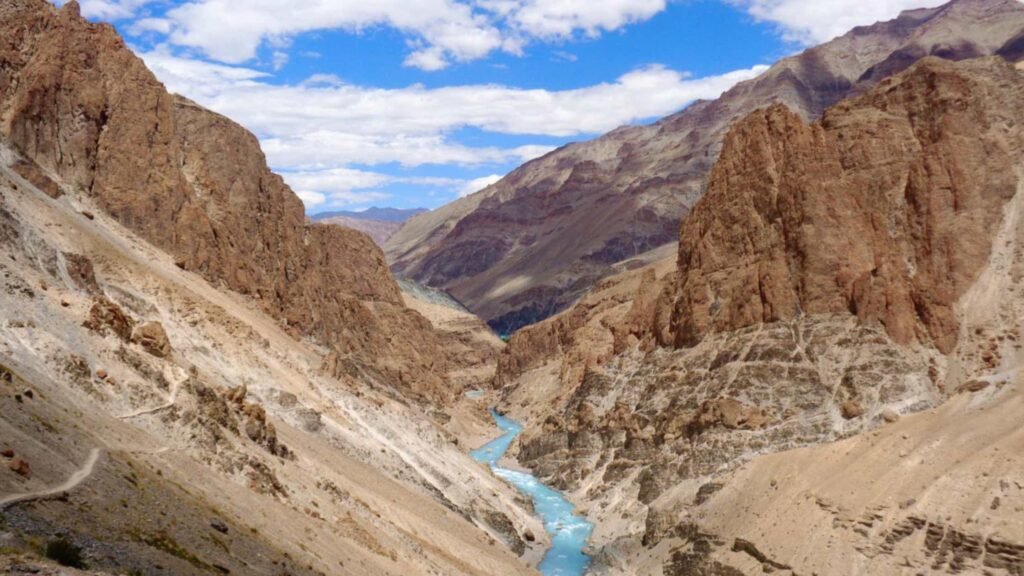
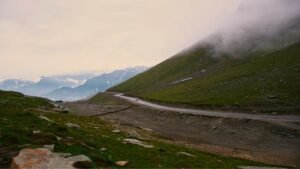
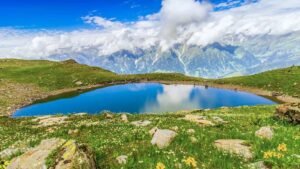
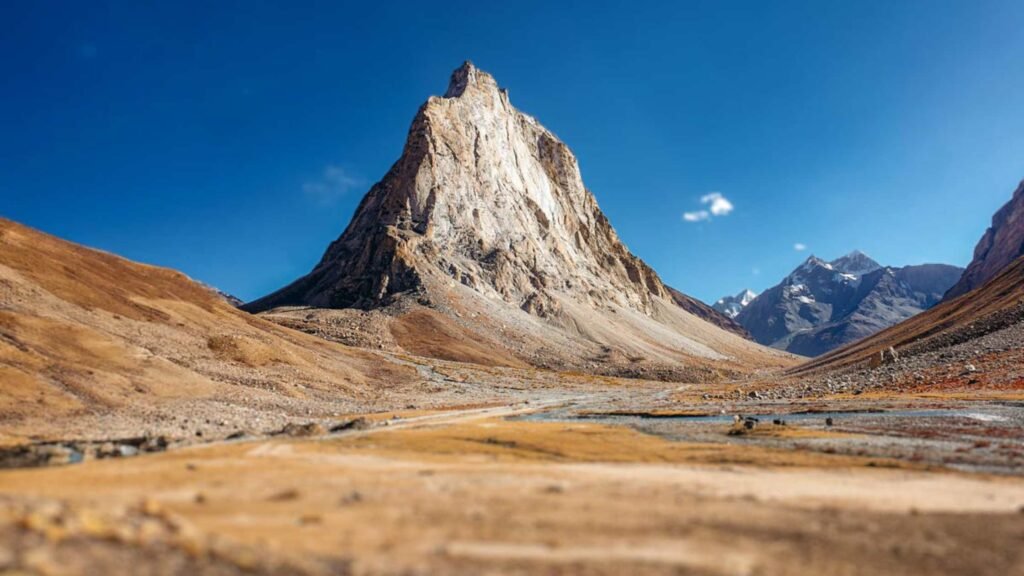
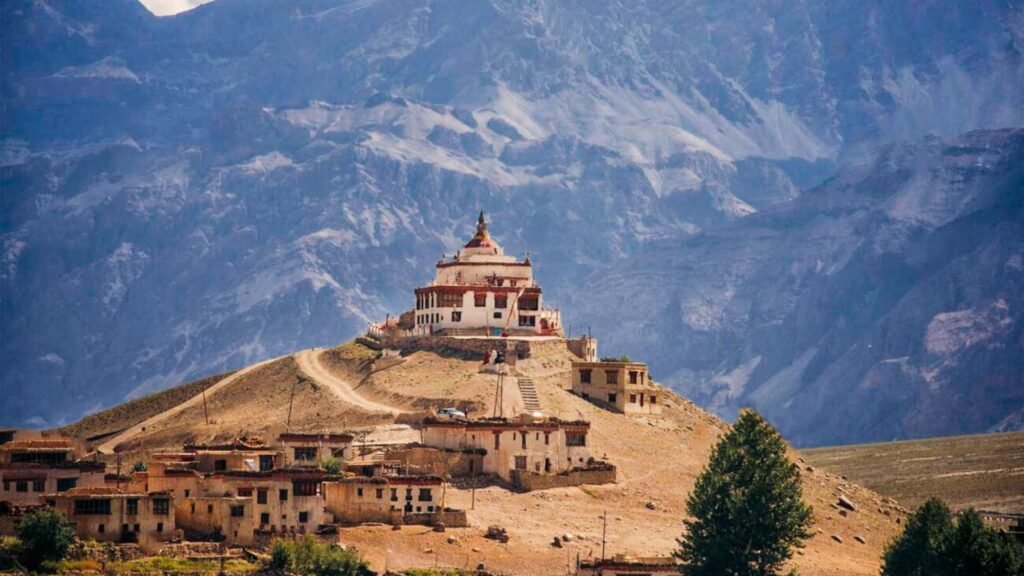
The drive flips the scenery in a few hours. You start in green, watered Lahaul with the Bhaga River beside you, and you end up in dry, raw, brown Zanskar-style mountains with almost nothing growing.
Shinkula Pass connects Himachal’s Lahaul region with Ladakh’s Zanskar region. It is one of the easiest 5,000 metre plus passes in the Indian Himalaya in terms of gradient, but the altitude is no joke.
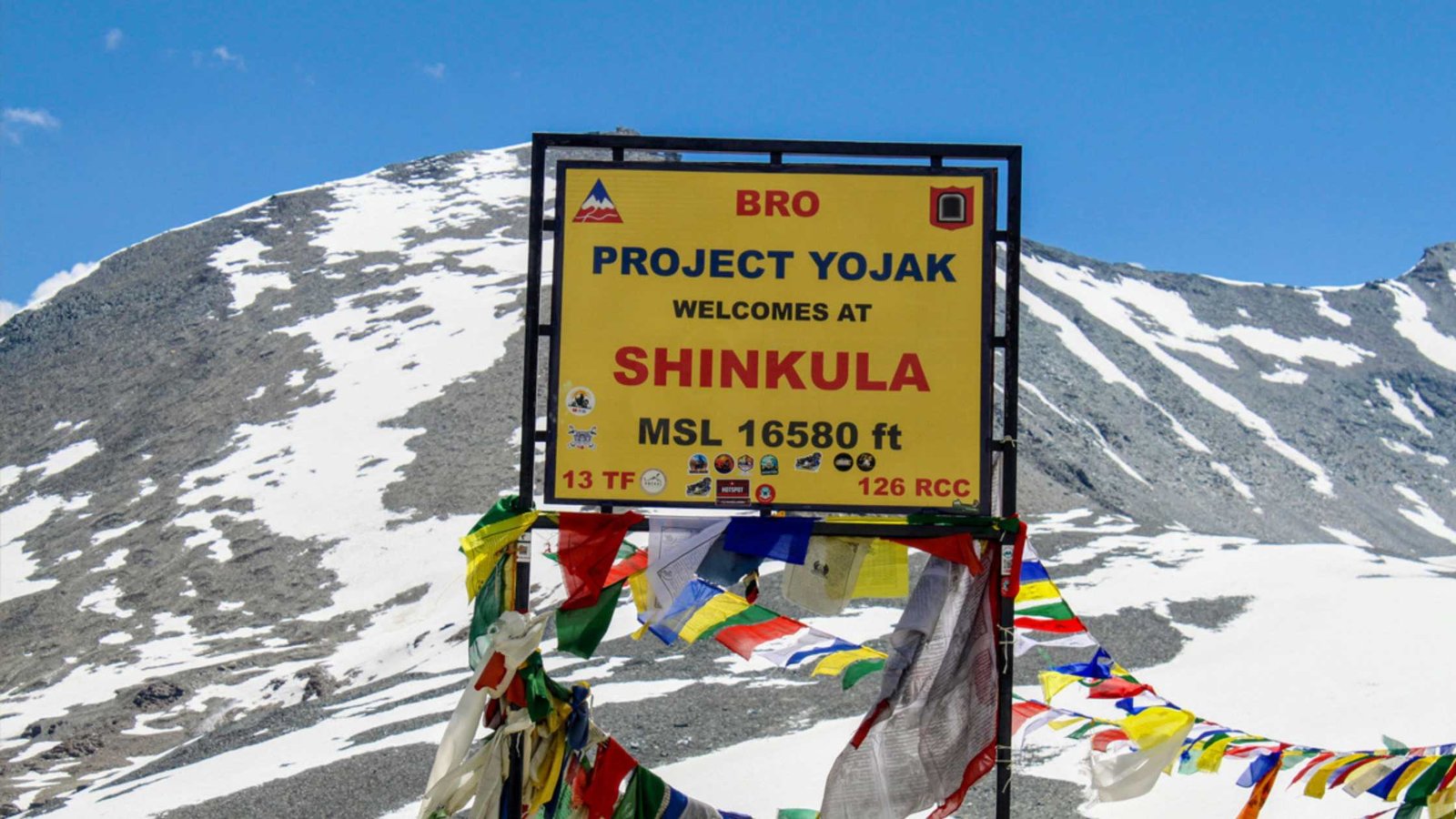
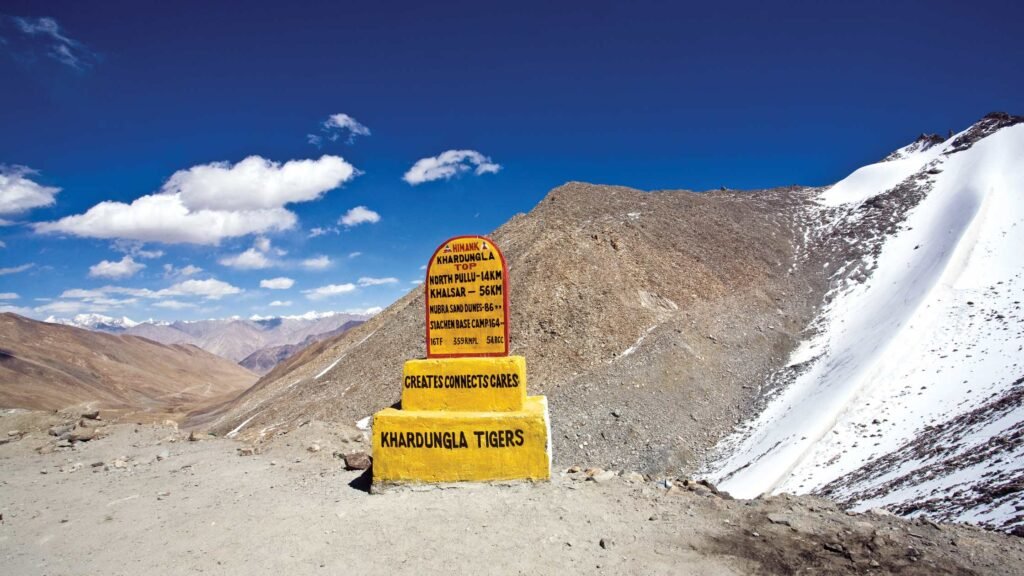
The altitude sits at around 16,580 feet, though numbers vary by source. The official signboard reads about 16,615.5 feet, and the Lahaul-Spiti district geography page lists Shingola at 5,090 metres.
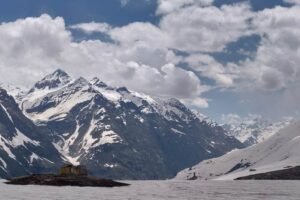
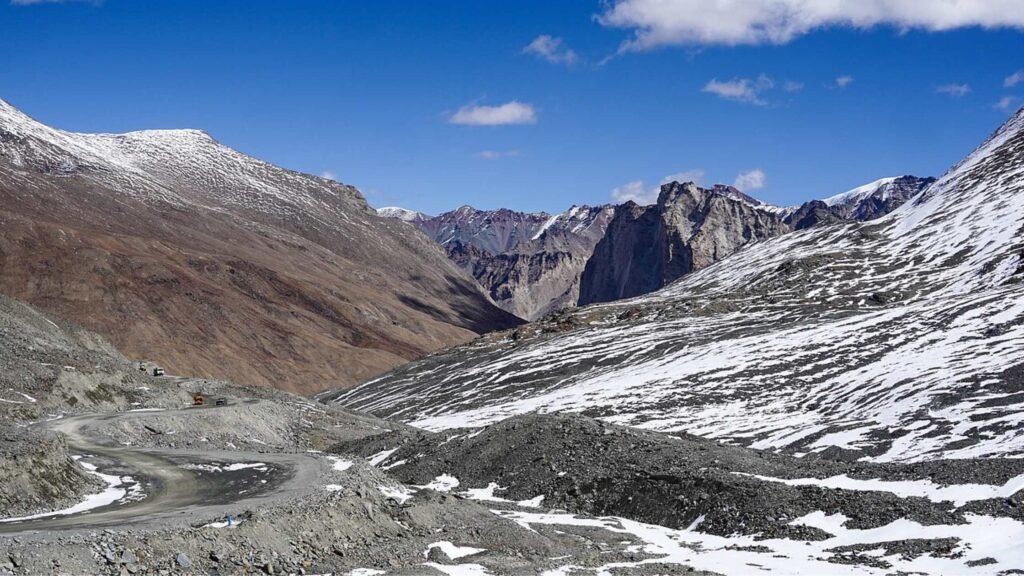
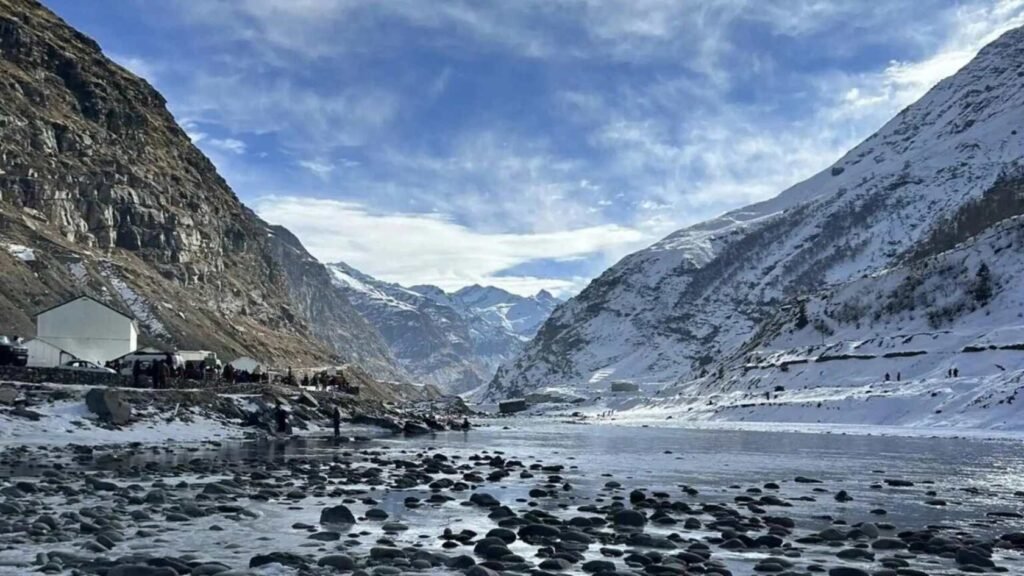
In July you will still see snow on the higher slopes near the top, even when the lower valley feels warm. That contrast is the whole charm of this route.
If you want this pass built into a proper Ladakh plan, our team can help. You can explore our Leh Ladakh tour packages and we will route it around the road mood, not just the calendar.
What Most Travellers Get Wrong Here
Most people treat Shinkula like a quick Rohtang style snow point. It is not.
They drive straight up from Manali in one day, skip a night in Lahaul, and then wonder why they get headaches and feel sick at the top. That one skipped halt ruins more trips than bad weather does.
Shinkula Pass Weather in July: Temperature, Rain and Wind
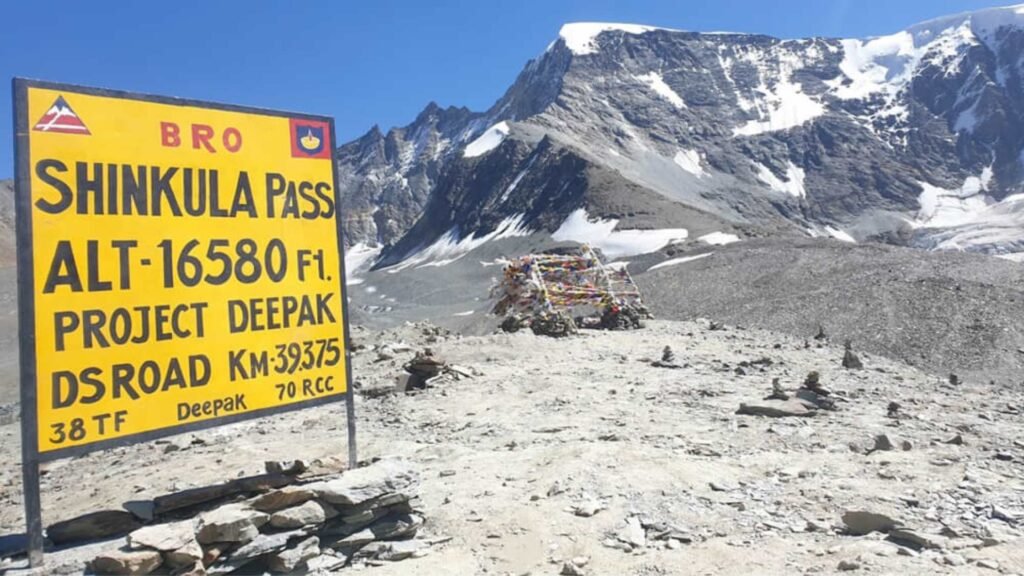
July weather at the pass can feel cold even when Manali feels like summer. The sun is strong at noon, but the moment a cloud rolls in or the wind picks up, the cold comes straight back.
Based on competitor road-guide estimates, July and August daytime temperature at this altitude sits around 10 to 15 degrees Celsius, and nights drop to around 0 to 5 degrees Celsius. Treat these as approximate.
Lahaul itself is officially a rain-shadow area with little or no monsoon rain. So the high stretch near the pass often stays drier than you expect.
The problem is not the pass. It is the road to it. The approach from Manali and the lower valleys can still face rain-triggered landslides, slush, and shooting stones in July.
Wind chill at the top is the other thing people underestimate. A 5 degree morning with wind can feel close to freezing. Weather windows are short, so a clear sky can close in under an hour.
Road Condition from Manali to Shinkula Pass in July
The drive splits into two very different halves. Manali to Darcha is mostly good, modern highway. Darcha to the top is where the real work begins.
Manali to Atal Tunnel and Sissu
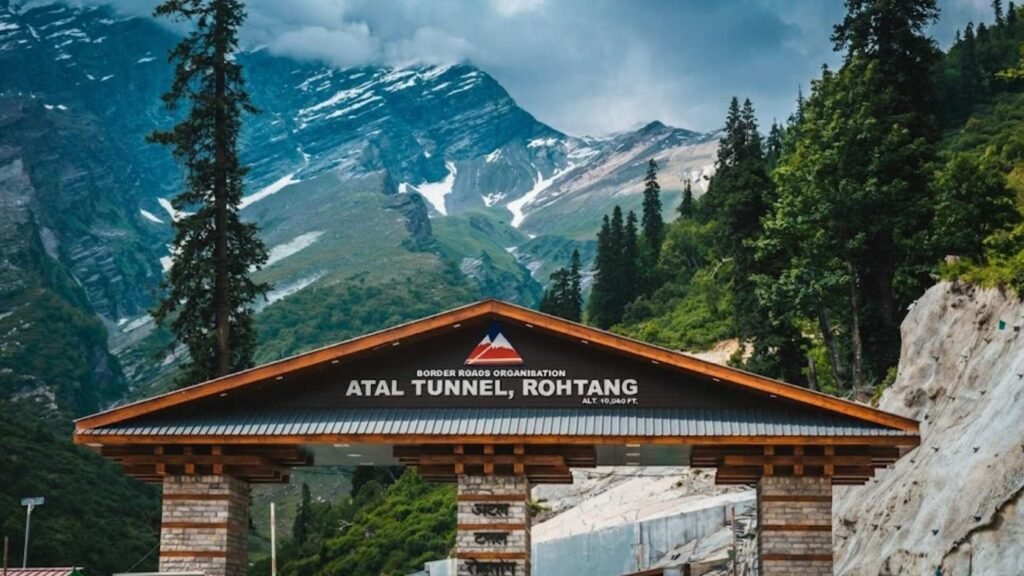
This is the smoother, more travelled stretch. You cross the Atal Tunnel and drop into the Lahaul Valley near Sissu in a couple of hours.
The road here is double-lane and in good shape. Exact figures vary, but Manali to the Atal Tunnel is roughly 25 km, and Manali to Sissu is around 37 to 40 km.
If you want someone to handle the Manali end of the logistics, you can plan a Manali trip with HimTrails and we will line up the stay, driver, and an early start.
Sissu to Keylong and Jispa
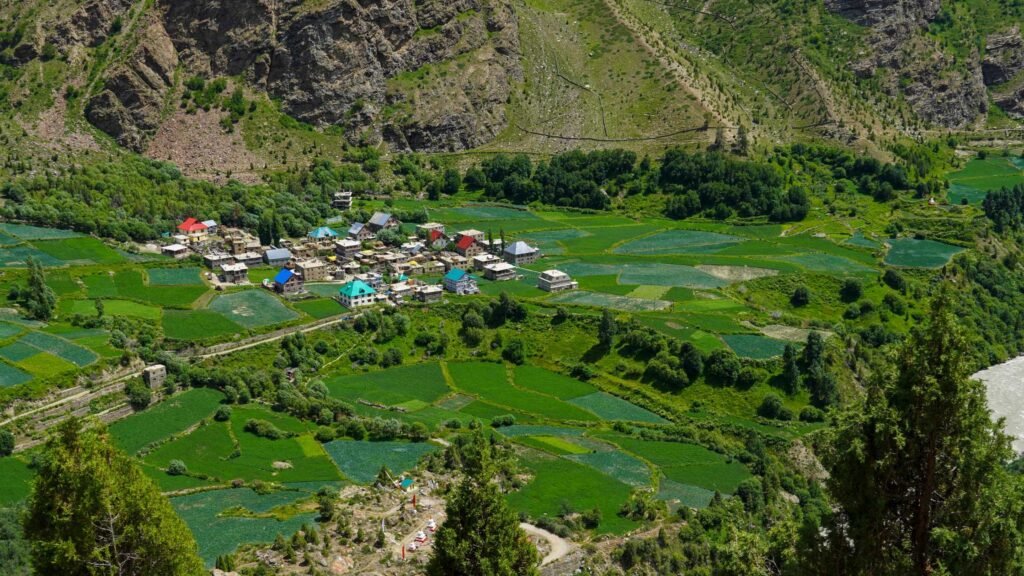
From Sissu you continue along the valley to Keylong, the district headquarters, which sits at 3,156 metres. This is your best service town with shops, fuel, and proper rooms.
Jispa is 22 km from Keylong and lies right by the Bhaga River. It is quieter, more scenic, and sits higher, which makes it the smartest overnight halt before the pass.
Sleeping at Keylong or Jispa is not just about comfort. It gives your body a night to adjust before you climb past 16,000 feet. We break down the best Lahaul halts in our Leh Ladakh in July guide if you want the full route picture.
Jispa to Darcha
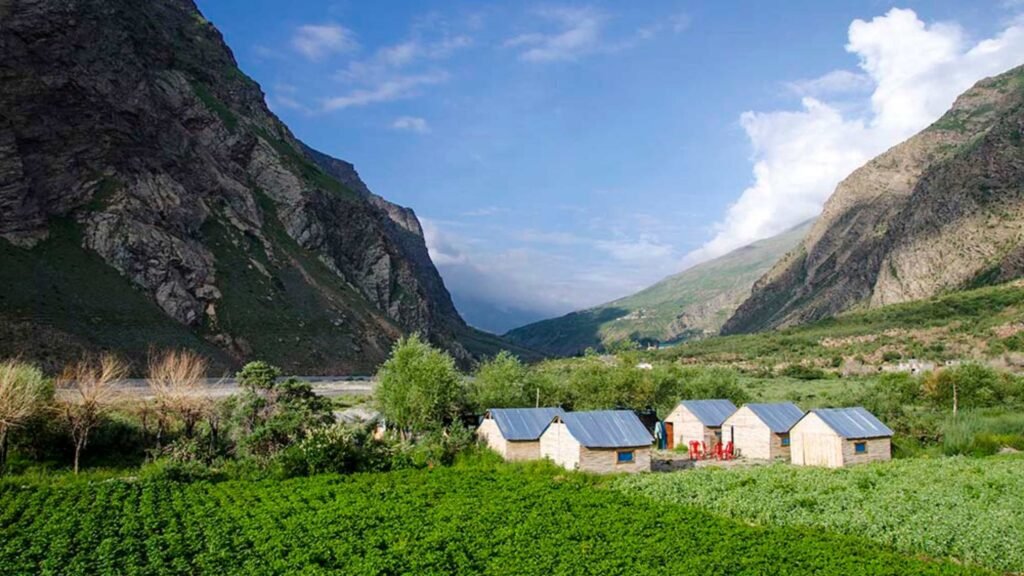
From Jispa you reach Darcha at about 3,500 metres. The Lahaul-Spiti district site calls Darcha an ideal base camp for acclimatisation, and they are right.
Darcha has a police checkpost, and it is the jump-off point towards Padum over Shinkun La. The Zanskar road forks left here while the straight road carries on towards Baralacha La.
This is where you register, check the road, and listen to what the locals and police say. If they tell you not to go, do not go.
Darcha to Shinkula Top
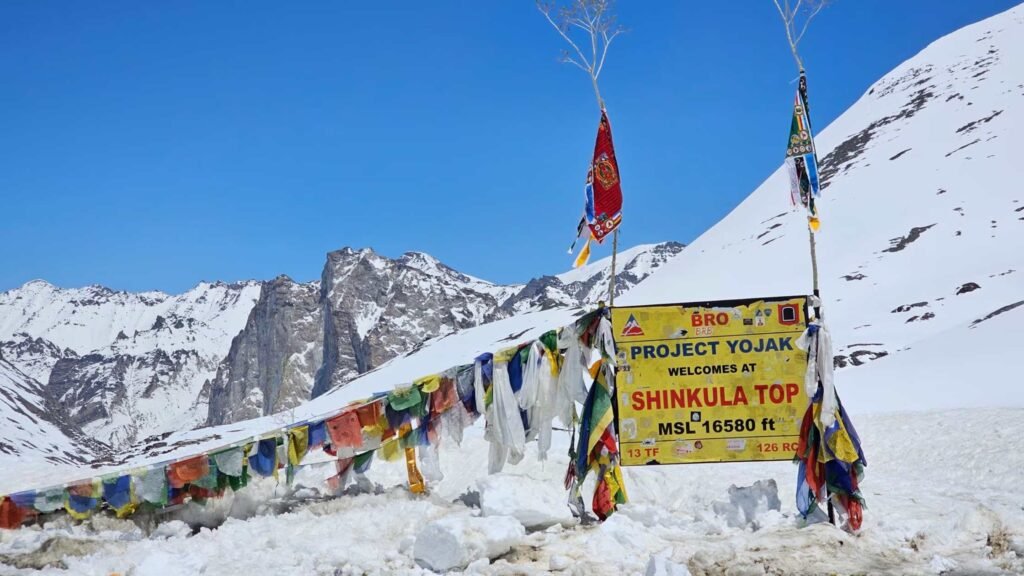
This is the serious part of the drive. The road climbs hard from Darcha towards the top over roughly 40 km.
Expect rough patches, slush, water crossings, narrow sections, and loose stones. Progress is slow, and Google’s time estimate means nothing here.
Recent 2026 traveller reports say the road has improved a lot, with some saying Manali to Padum is now possible in under 8 hours when conditions are good. We still tell our travellers to plan for delays, not for the best-case run.
Shinkula Pass Road Status in July 2026
Official sources do not always carry a dedicated Shinkula line. The Lahaul-Spiti road-status page, last updated on 2 June 2026, showed Delhi to Manali open, Manali to Keylong open, and Keylong to Leh open, with Keylong to Kaza closed.
There was no separate Shinkula entry on that update, which is exactly why same-day local checks matter. Follow BRO (Project Deepak), the district administration, and a Lahaul-based operator before you commit.
Can a Normal Car Go to Shinkula Pass in July?
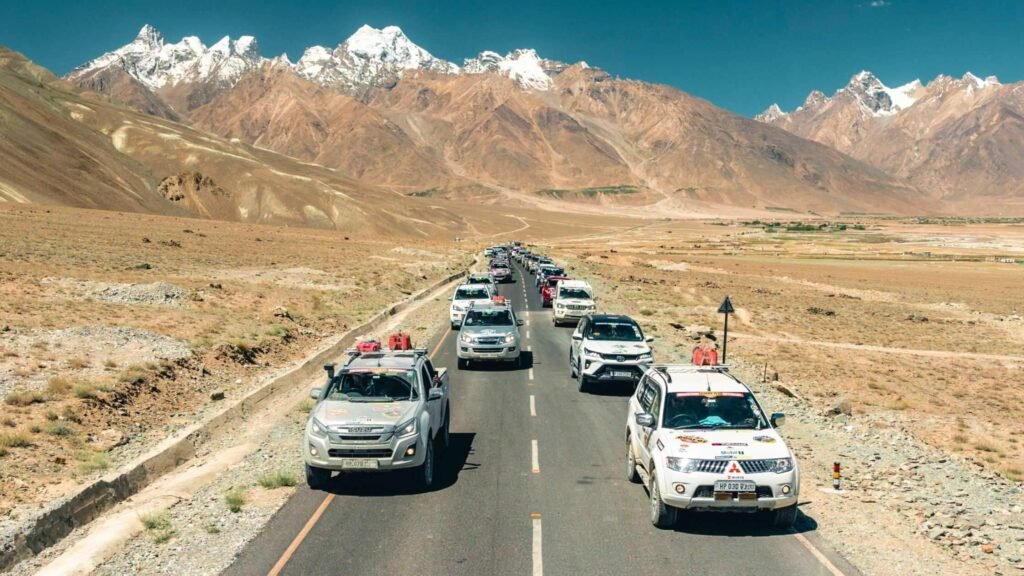
Here is the conservative local answer. A normal car may manage up to Darcha in good weather, because that stretch is real highway.
Darcha to Shinkula is a different story. We do not recommend it for sedans or hatchbacks. Low ground clearance, slush, water crossings, and loose stones will punish a low car, and there is no quick recovery out there.
A high ground clearance SUV is strongly recommended. After any rain, snow, or advisory, a proper 4×4 becomes far more important, not optional.
On 25 April 2026, the road was open only for 4×4 vehicles because the area near Shinku La was slippery with snow and ice, and snow chains were advised. That tells you how quickly the vehicle requirement can tighten.
If you want a guided off-road run with the right machine and a driver who knows the nalas, look at our 4×4 expedition options.
Is Shinkula Pass Safe in July for Families, Couples and Bikers?
July is safer than early season, but Shinkula is not a casual picnic road for anyone.
The risks are altitude, thin air, long driving hours, a rough road, limited facilities, and fast weather changes. None of that disappears just because it is peak season.
For families, the single best decision is an overnight stop at Jispa or Keylong before the pass. Rushing up from Manali in one day with kids is how altitude sickness ruins a trip.
For couples, a private SUV with a calm local driver beats self-driving. You enjoy the views instead of fighting the road.
For bikers, this is a serious ride. Carry waterproof gear, gloves, warm layers, spare tubes or a puncture kit, and start early. If you want backup support, see our bike expedition options.
Manali to Shinkula Pass Distance, Time and Route
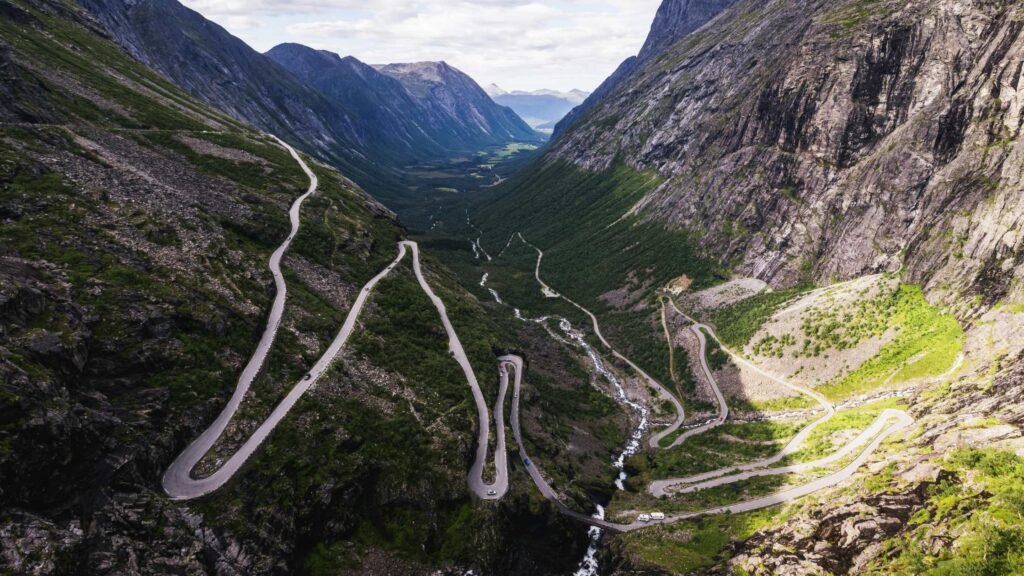
The route runs Manali, Atal Tunnel, Sissu, Keylong, Jispa, Darcha, and then the climb to Shinkula Pass.
Manali to Shinkula Pass is commonly treated as around 145 to 150 km one way, with some sources listing up to roughly 165 km via the Atal Tunnel. Confirm with Google Maps and same-day diversions before you publish or plan.
On paper that is short. On this road it is a long day. The Darcha to top section alone eats a huge chunk of time for its distance.
A 2022 Tripadvisor user review mentioned a Manali to Shinku-La day trip of 150 km one way, starting around 7 am and getting back around 7:30 pm. Treat that as user-review data, not official timing.
Best July Itinerary for Shinkula Pass

There is no single right plan. It depends on your time, your vehicle, and how your body handles altitude. Here are three that work.
2-Day Safer Plan from Manali
Day 1 is Manali to Keylong or Jispa, with relaxed sightseeing and a real focus on acclimatising. Take it slow and sleep well.
Day 2 is Jispa or Keylong to Darcha to Shinkula Pass and back. Exact driving hours vary with road conditions, so start before sunrise.
3-Day Relaxed Plan
Day 1 is Manali to Jispa. Day 2 is Jispa to Shinkula Pass, with the option to push a little further only if the road is genuinely good.
Day 3 is the return to Manali. This version gives you buffer for delays and a calmer pace at altitude.
Zanskar Extension
Only if road status, vehicle, driver, and weather all line up, you can continue from the top towards Kargyak, Purne, and Padum.
Facilities get very basic beyond Darcha, so this is for prepared travellers. You can see our popular Himachal and Ladakh tours to build a Zanskar leg properly.
👉 Pick the right stay & route — we’ll help.
Where to Stay for Shinkula Pass in July
Manali is your launch base, with the widest choice of stays and an early-morning head start.
Keylong is the service town. It has rooms, shops, and fuel, and works well as a practical halt.
Jispa is our pick for the night before the pass. It is scenic, sits higher for better acclimatisation, and is calm at night.
Padum only matters if you are continuing deep into Zanskar. Remember, facilities beyond Darcha are basic and should not be treated like mainstream Himachal hotels.
Permits, Checkposts and Local Rules in July
For a simple Shinkula day trip from the Himachal side, Indian tourists usually do not need a special permit. Recent 2026 reports confirm no inner-line permit for Indian travellers on this stretch, but rules change, so mark this before you travel.
What is not optional is the Darcha police checkpost. You must follow checkpost and local administration instructions, including any stop order.
Foreign nationals, and anyone continuing deeper into Ladakh or border-sensitive areas, should verify current permit rules separately before the trip.
A Local Money Tip Most Blogs Skip
There is no reliable fuel beyond Tandi, which is your last dependable pump before Darcha. Fill up fully in Manali and top up at Tandi.
Carry enough cash from Manali. ATMs do not exist out here, and dhabas and camps rarely take UPI or cards. Running out of either fuel or cash on this road is a self-made emergency.
What to Pack for Shinkula Pass in July

Pack for two seasons in one day. Carry warm layers like thermals and a fleece, plus a good down or insulated jacket for the top.
Add a waterproof jacket, because the approach can get wet, along with gloves, sunglasses, and high SPF sunscreen for the strong UV.
Carry your own water, dry snacks, and a basic medicine kit for headache, nausea, and stomach trouble. Keep cash in small notes, and download offline maps since the network drops out.
Bring a power bank, and for bikers, a puncture kit, a tow rope, and extra fuel.
Even in July, the pass can feel like winter because of wind and altitude. Pack warmer than you think you need.
What Can Go Wrong in July?

A lot, if you do not respect the road. July brings landslides, shooting stones, flash floods, slush, water crossings, possible bridge damage, fog, snow at the higher reaches, vehicle breakdowns, and altitude sickness.
This is not scare talk. On 2 September 2025, the Darcha to Shinku La to Padum stretch was blocked after flash floods, traffic was stopped at Darcha, and it was snowing at Shinku La and higher up.
That is how fragile this route is. A clear morning is no promise for the afternoon.
The fix is not fear. It is buffer days, an early start, a capable vehicle, and the discipline to turn back when locals say so. We cover the same monsoon road realities in our Spiti Valley in July guide.
One Thing to Skip
Skip the temptation to chase Padum on day one straight from Manali. People do it for bragging rights and then drive a dangerous descent tired and unacclimatised.
Break the journey, see the top properly, and keep Padum for a planned multi-day run instead.
Should You Visit Shinkula Pass in July or Choose Another Month?
July is better than early June for road stability, because the worst of the snow clearance and early washouts are usually behind you.
The trade-off is monsoon risk on the approach roads from Manali and the lower valleys. That is the price of July.
August and September can be clearer for the Zanskar side, with August still carrying landslide risk and September often the cleanest. Late September and October turn colder and less predictable, and the pass is snowbound from October to April.
So July is a strong, balanced choice. If you want the cleanest skies, late August into September is worth considering.
The Best Time of Day to Start
Leave Manali before sunrise, ideally by 5 to 6 am. The Atal Tunnel is quieter early, and you want maximum daylight for the rough Darcha to top section.
Reaching the pass earlier also means clearer weather. Clouds and wind tend to build through the afternoon, and you do not want to be high on that road in fading light.
HimTrails’ Local Advice for July 2026
We do not plan this route off a calendar alone. Our Himachal team checks the road mood first, then everything else follows.
We look at your vehicle type, your driver’s comfort with high passes, your altitude plan, the live weather, and whether you should sleep at Jispa or Keylong before the climb.
What we tell first-timers is honest. If the road is shaky or your group is not acclimatised, we will tell you to wait or change the plan. A safe trip is worth more than a forced photo at the top.
👉 Want this trip? Let’s plan it right.
Conclusion
July is one of the best months to attempt Shinkula Pass in July 2026, but it still demands respect.
Start early, use a capable SUV, and sleep at Jispa or Keylong before you climb past 16,000 feet.
Check the same-day road status from BRO, the district administration, and a local operator. And if locals or police tell you to hold back, listen to them.
Get the timing and the vehicle right, and Shinkula gives you one of the rawest, most beautiful drives in the Himalaya. Get them wrong, and the road will remind you why it is closed half the year.
अक्सर पूछे जाने वाले प्रश्न
Also Read: Kunzum Pass in July 2026: Road Status, Weather, Safety and Travel Tips
क्या आप अपने हिमाचल एडवेंचर के लिए तैयार हैं?
Get FREE customized itinerary · Best Price Guaranteed · Local Himachal Experts · 3,973+ Happy Travelers