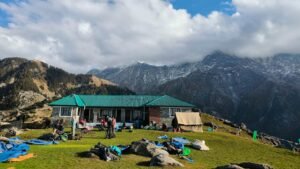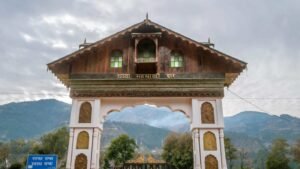
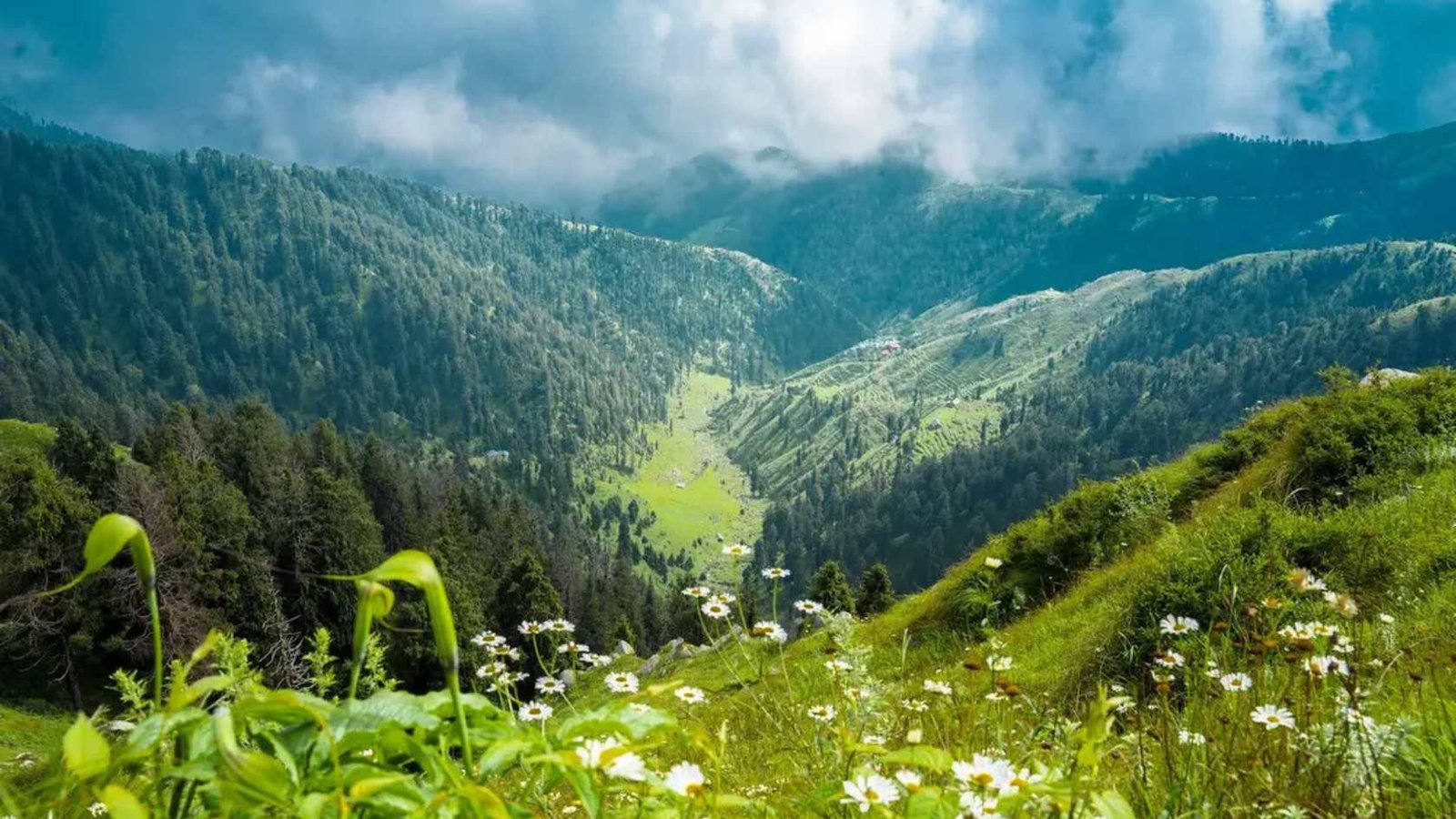
Here is the one thing that changes everything about Chamba in September this year: the Manimahesh Yatra runs from 4 to 19 September 2026. For those sixteen days, the road you were planning to drive casually up to Bharmour becomes a pilgrimage highway carrying tens of thousands of people.
That single fact reshapes your dates, your hotel rates, and your traffic. Most Chamba blogs will not tell you this because they were written in a different year and never updated.
We are HimTrails, based in Shimla. We run this Chamba–Dalhousie–Khajjiar route every season. This guide is written for a September trip in 2026 specifically, not a generic monsoon article with the year swapped in.
Quick Answer: Is September a good time to visit Chamba?
Yes, with one condition. September gives you deep green hills, thin crowds in Khajjiar, and hotel rates well below peak. The catch is that it is a monsoon-transition month, not a clean post-monsoon month.
Late September beats early September for normal sightseeing. By the third and fourth week, the rain thins out and the roads settle.
Stick to Chamba town, Khajjiar, Kalatop and Chamera Lake if the weather turns. These four are low-risk and stay pleasant even in drizzle.
Bharmour, Manimahesh and Sach Pass are a different category. Those need real route checks, not optimism.
👉 Confused? Let locals plan your trip.
What is Chamba weather in September like?
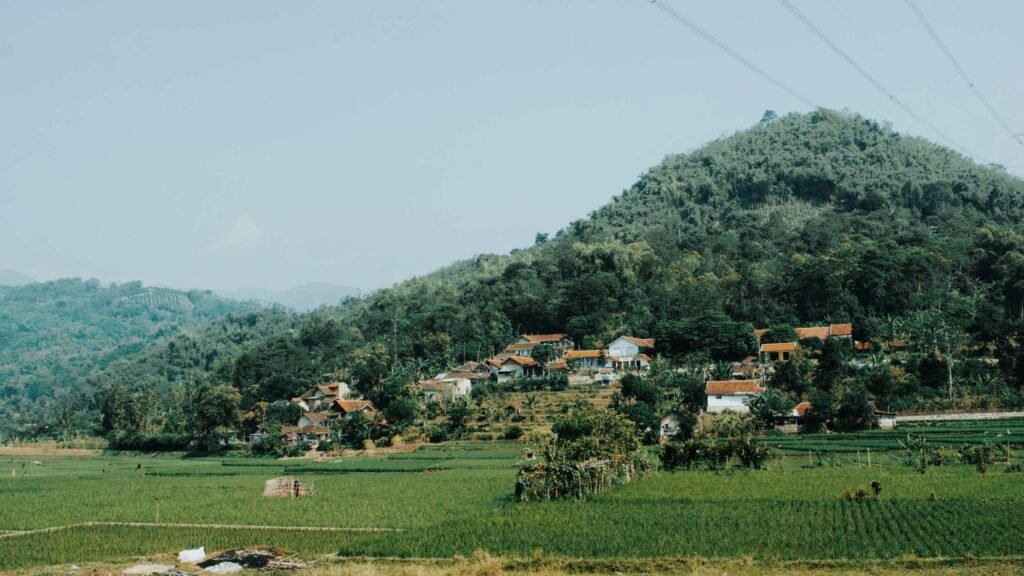
Be careful with weather numbers you find online for Chamba, because the popular sources flatly disagree.
MakeMyTrip lists September at 22°C max and 13°C min with 127 mm rain. Holidify lists the same month at 29°C and 20°C with 18 rainy days.
That is a 7-degree gap on the same month. Neither is lying. They are measuring different things and probably different reference points.
Here is what actually matters on the ground. Chamba town sits low and feels warmer and muggier than people expect in September.
Khajjiar, Kalatop, Bharmour and anything on the Manimahesh side sit higher. Those feel genuinely cold and wet, especially after 5 PM.
So pack for two climates in one bag. Light clothes for Chamba town, proper woollens and rain gear for the higher stops.
What most tourists get wrong: they read “22 degrees” and pack like it is Delhi winter. Then they hit Khajjiar at dusk in wet grass with one thin jacket and spend the evening shivering in the car.
Want a slower, weather-proofed Himachal plan instead? Plan a relaxed Himachal trip with routes that hold up in rain.
Does it rain in Chamba in September?
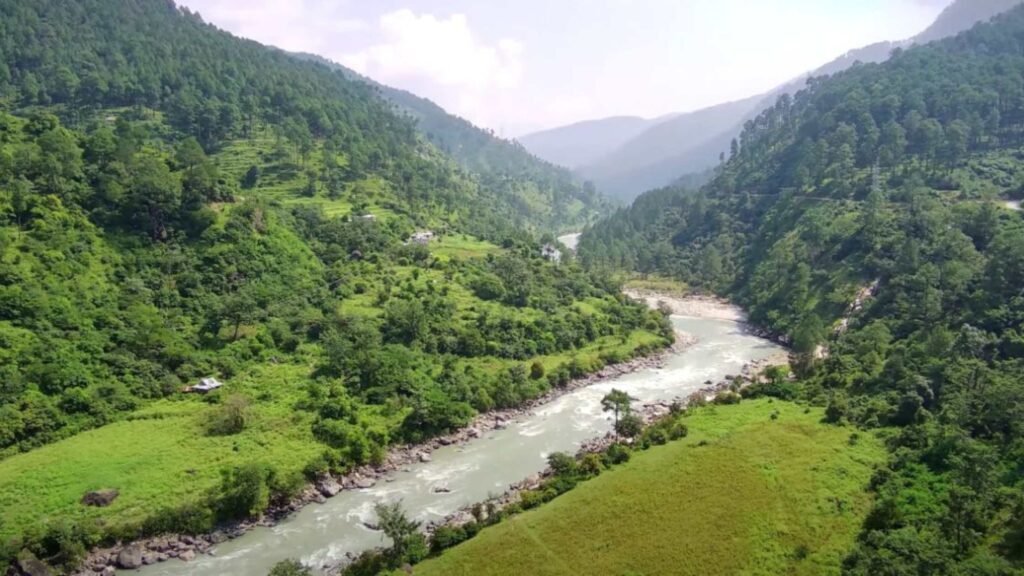
Yes. July to September is treated as the monsoon and off-season window for Chamba, which is exactly why rooms are cheap and the hills are so green.
September is not October. People conflate the two and then get caught out.
Early September still carries proper monsoon behaviour. Wet roads in the morning, mist sitting in the Ravi valley, and sudden afternoon rain that arrives with no warning.
By late September the pattern breaks. Fewer rain days, clearer light, and roads that dry out between showers.
Rain here does not just mean you get wet. It means slower driving, delayed sightseeing, and the occasional stretch of road that goes down for a few hours.
The honest negative: if you want guaranteed sunshine and zero road risk, September in Chamba is the wrong month for you. Come in October and pay more for the privilege.
Are Chamba roads safe in September 2026?
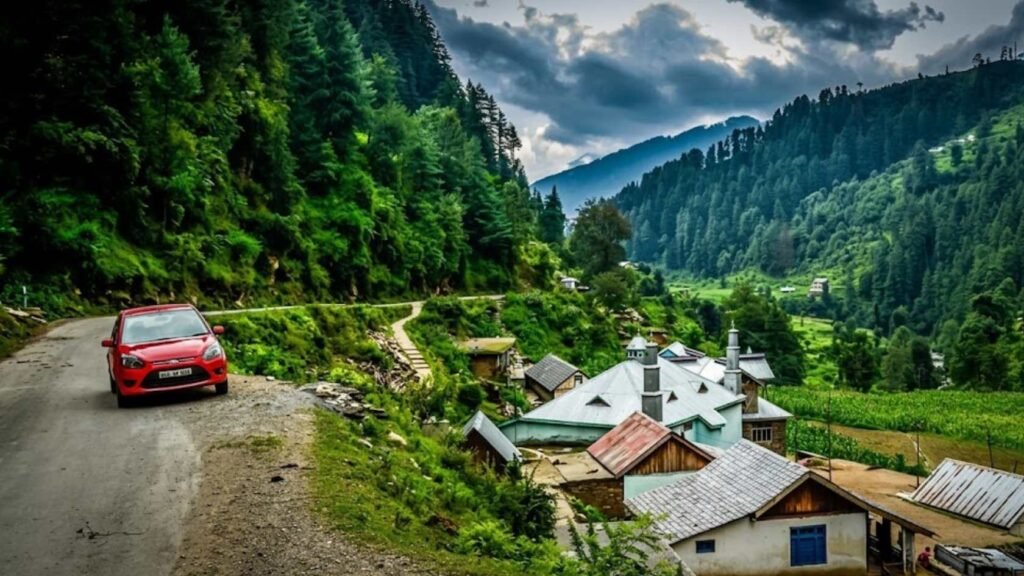
This section is the reason to read this article rather than a 2023 one.
Pathankot is your main approach.
The nearest airport and railway station are both Pathankot, listed by District Chamba at 120 km from Chamba town.
Other airports are Kangra at 172 km, Amritsar at 220 km and Chandigarh at 400 km. Pathankot is the practical choice for almost everyone.
HRTC runs long-distance buses to Chamba from Shimla, Solan, Kangra, Dharamshala and Pathankot, plus Delhi, Punjab, Haryana and Chandigarh.
The NH-154A situation you need to know about
The Chamba–Bharmour road is NH-154A, running 172 km from near Pathankot through Banikhet and Chamba to Bharmour.
That highway was severely damaged in the last monsoon and was formally handed over to NHAI on 30 April 2026.
As of July 2026, NHAI has approved an emergency restoration and monsoon plan worth ₹83.01 crore, floated tenders across five packages, set up a dedicated Project Implementation Unit at Chamba, and completed drone videography of the whole highway to map landslide-prone stretches. Heavy machinery is on standby.
Now the part nobody wants to say out loud. During last year’s Manimahesh Yatra, more than 15,000 pilgrims were stranded when landslides and flash floods damaged the highway at several points.
Read that number again before you treat Bharmour as a casual add-on.
The restoration work is real and it is aimed squarely at getting this road stable before the Yatra. That is genuinely good news. But work in progress is not work completed.
Safety numbers to save in your phone
State Emergency Operation Centre is 1070, and the SACHET app carries official disaster alerts. Put both on your phone before you leave home, not after.
What we tell our travellers
Treat the Chamba–Bharmour leg as conditional every single time. We confirm it the morning of travel, never the week before. A road that was fine on Tuesday can be shut by Wednesday afternoon.
Best places to visit in Chamba in September
Chamba town, Chowgan and Laxmi Narayan Temple
The Chowgan is the heart of Chamba. It is a long open promenade ground, roughly half a mile long and 80 yards broad, and it is where the town actually lives.
It closes after Dussehra until April for maintenance, so September still catches it open and in use. That is a genuine reason to come now rather than later.
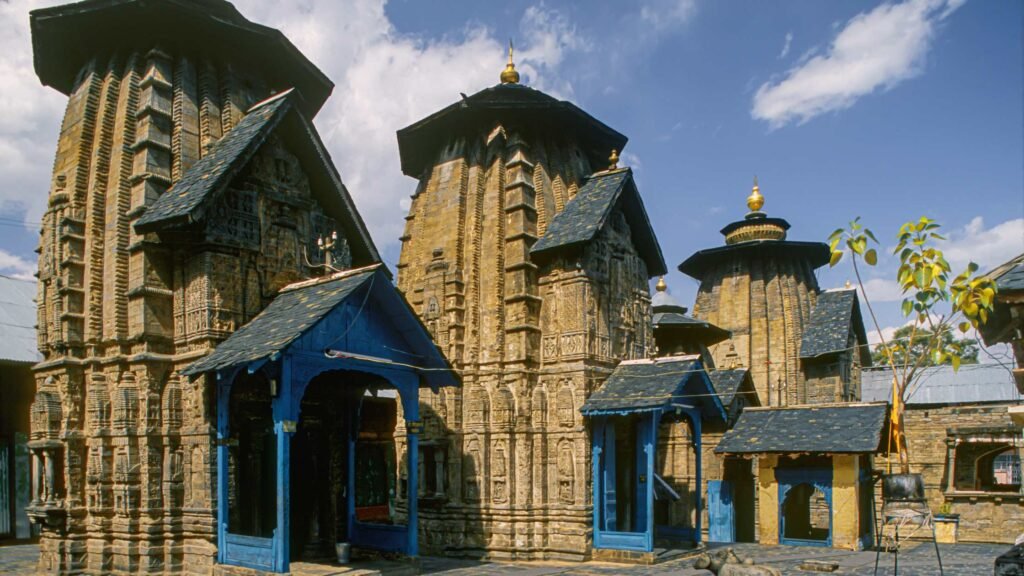
The Laxmi Narayan Temple complex was built by Sahil Verman in the 10th century AD in Shikhara style. It is the single best thing to see in Chamba town, and it is right there in the middle of everything.
Timings are commonly listed as 6:00 AM to 12:30 PM and 2:30 PM to 8:30 PM.
Timing tip that changes the visit: go to the temple complex before 8 AM. The stone is still wet from the night, the light is soft, and the local families doing their morning rounds outnumber the tourists. By eleven, it is just a hot courtyard with people taking photos.
Bhuri Singh Museum
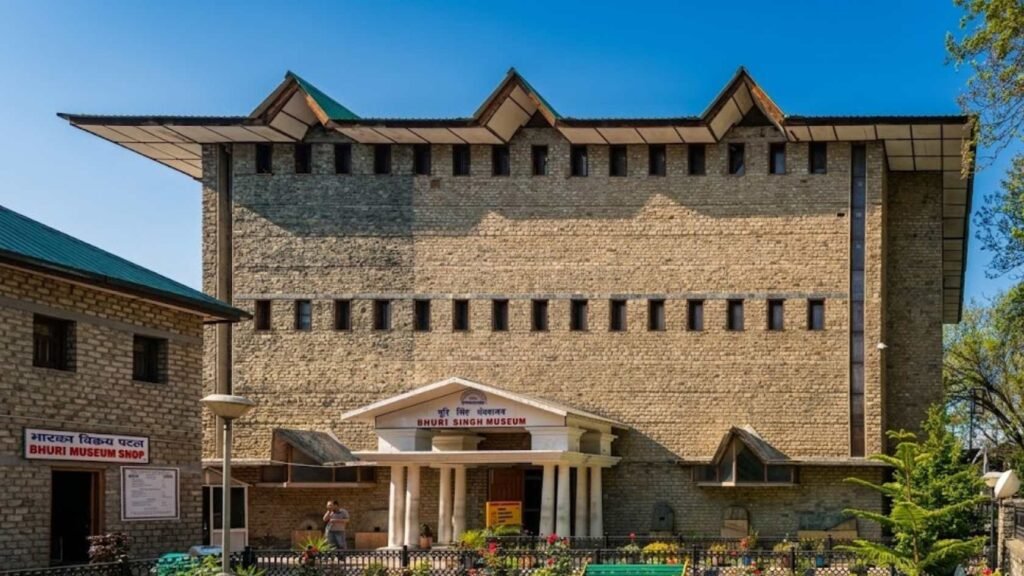
This is your rainy-day insurance, and in a September trip you will probably need it.
The museum opened formally on 14 September 1908 and holds Pahari miniatures, Chamba Rumal embroidery, stone inscriptions and coins.
Here is the detail almost every blog gets wrong. The standard listing says 10 AM to 5 PM, closed Mondays and gazetted holidays. But the museum’s own site shows Sunday opening at 11 AM, not 10 AM.
If you show up at 10:15 on a Sunday morning with rain coming down, you will stand outside a locked door for 45 minutes. We have watched it happen.
Entry is ₹50 for Indian visitors, ₹150 for foreign visitors, and ₹30 for children under 10. A camera or mobile camera ticket is ₹100 for Indians and ₹200 for foreigners.
Skip this: do not pay the ₹100 camera ticket unless you actually shoot seriously. The galleries are dim, flash is discouraged, and phone photos of miniature paintings behind glass come out as reflections of your own face. Look properly instead. Spend the ₹100 on lunch.
Khajjiar
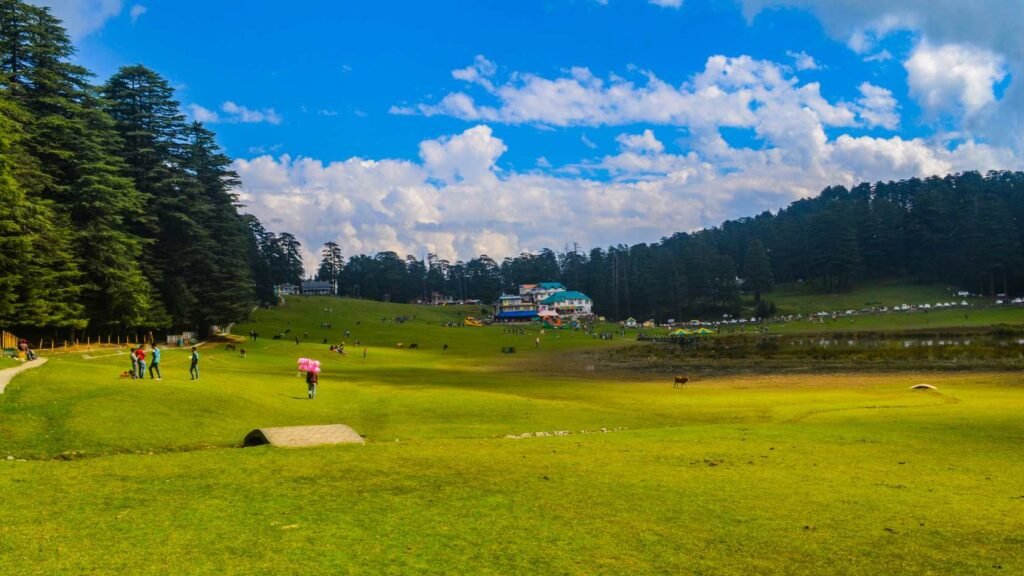
September is when Khajjiar earns its reputation. The meadow is at its greenest, fed by a full monsoon, and the crowds have not arrived yet.
District Chamba puts it at about 24 km from Dalhousie at 6,500 ft. Trawell lists it at 20 km from Chamba and 21 km from Dalhousie. Call it around 20 to 24 km depending on your route and source.
Expect mist rolling across the meadow, wet grass that soaks your shoes in ten steps, and muddy patches around the edges. This is not a bad thing. It is what makes the September version worth seeing.
Wear shoes with grip. Every season we see people arrive in slippers and spend the whole visit walking gingerly around the perimeter.
Horse riding runs only if conditions allow on the day. Do not build your afternoon around it.
Safety and money warning: the horse-ride touts at Khajjiar will quote you an opening price and then quietly extend the route mid-ride and ask for more at the end. Fix the price and the exact loop before you get on. Say the number out loud. Agree it in front of your driver.
Kalatop Wildlife Sanctuary
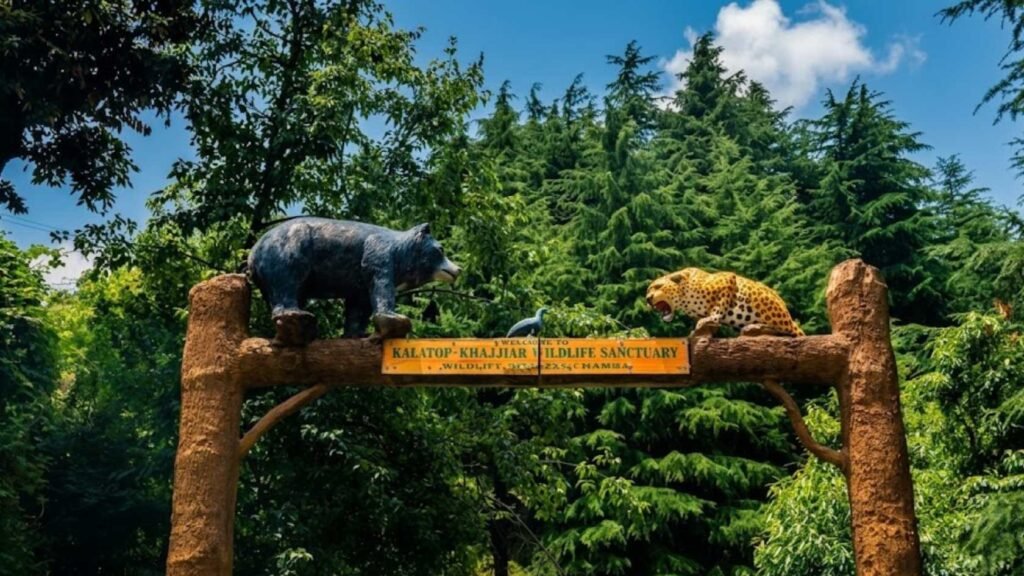
Kalatop sits almost midway between Dalhousie and Khajjiar, so it slots into the same day without any detour.
District Chamba describes the forest as deodar, kail, spruce and ban, with birdlife and wildlife including leopards and black bear occasionally present.
In September the forest floor is damp, the deodars drip for hours after rain stops, and the whole place smells like wet cedar. It is the single most atmospheric stop on this route.
HP wildlife sanctuary fees were revised in 2026 per a news report: ₹300 per day for Indian visitors for the first three days, ₹600 per day for foreign visitors, and ₹1,000 per day for light vehicle entry.
Our insider tip: enter Kalatop early morning right after rain. That is when the birds come out and the light cuts through the mist in shafts between the deodars. Midday in dry sun, it is just a nice forest. At 7 AM after a wet night, it is something else entirely.
Chamera Lake
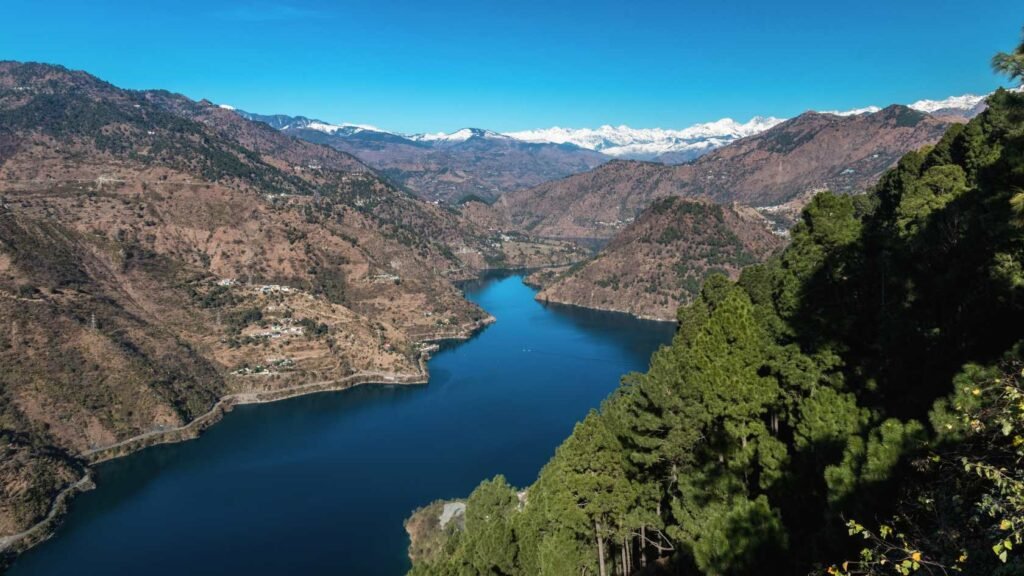
Fresh update worth knowing. In February 2026, the Chamba administration opened Chamera Lake for recreational angling and encouraged visitors to try leisure fishing and inflatable boat rides. A Lake Festival at Taleru was planned for 20 to 22 February 2026.
Treat this as a current tourism direction, not a guaranteed daily activity. Whether you actually get on the water in September depends on weather, water level and local permission that day.
Go for the drive and the views. The road down to the lake with the Ravi backed up behind the dam is genuinely worth the trip on its own.
If boating happens, treat it as a bonus.
Should you visit Manimahesh or Bharmour in September 2026?
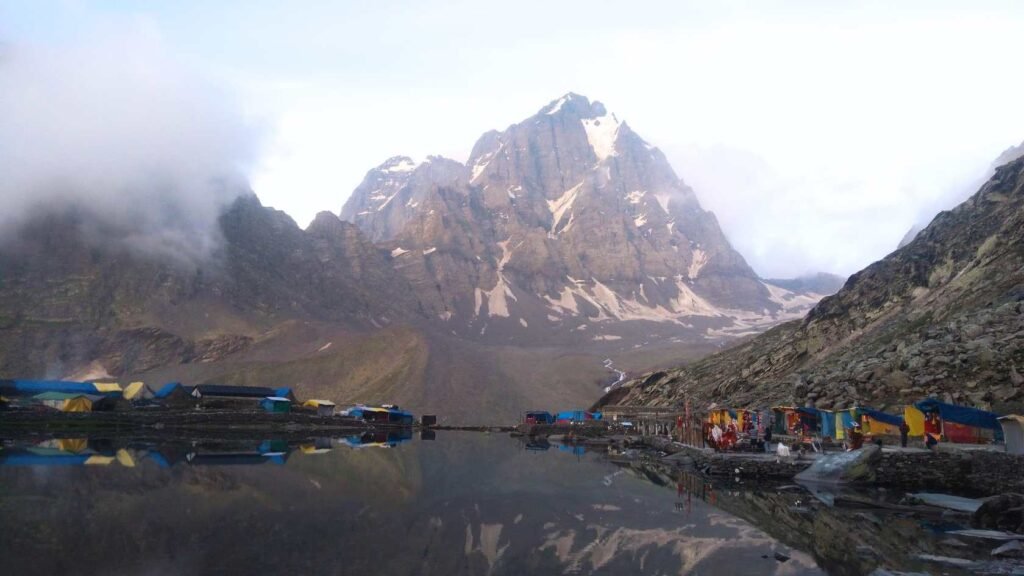
This is the section people skim and then regret skimming.
Manimahesh is a pilgrimage and a high-altitude trek. It is not a picnic stop. (Manimahesh Yatra)
The Manimahesh Yatra 2026 runs from 4 to 19 September. Registration is mandatory and happens through the official portal at manimaheshyatra.hp.gov.in.
From the official district guidance, the rules that catch people out: you need to carry a printout of your registration acknowledgement, one mobile number can register up to five people, and a medical fitness certificate is required. Anyone found unwell at Base Camp Hadsar will not be allowed to start the trek.
They check your pulse and your paperwork. Turning up without either means you drove eight hours for nothing.
The distances, so you can judge the day honestly
Chamba to Bharmour is 65 km. Bharmour to Hadsar is 13 km. Hadsar to Dhanchoo is 11 km. Manimahesh Lake sits about 35 km from Bharmour.
Manimahesh Lake is at 4,190 m. Manimahesh Kailash peak stands at 5,656 m.
That is serious altitude. Not “nice viewpoint” altitude.
What we tell our travellers: if you are going for the Yatra, sleep a night at Bharmour first. Do not drive Pathankot to Hadsar and start walking. Your body needs the night to adjust, and 4,190 m does not forgive people who rush it.
And if you are not doing the Yatra, then those sixteen days in September are exactly when you should stay away from Bharmour. Packed road, packed rooms, packed everything.
Is Sach Pass possible in September?
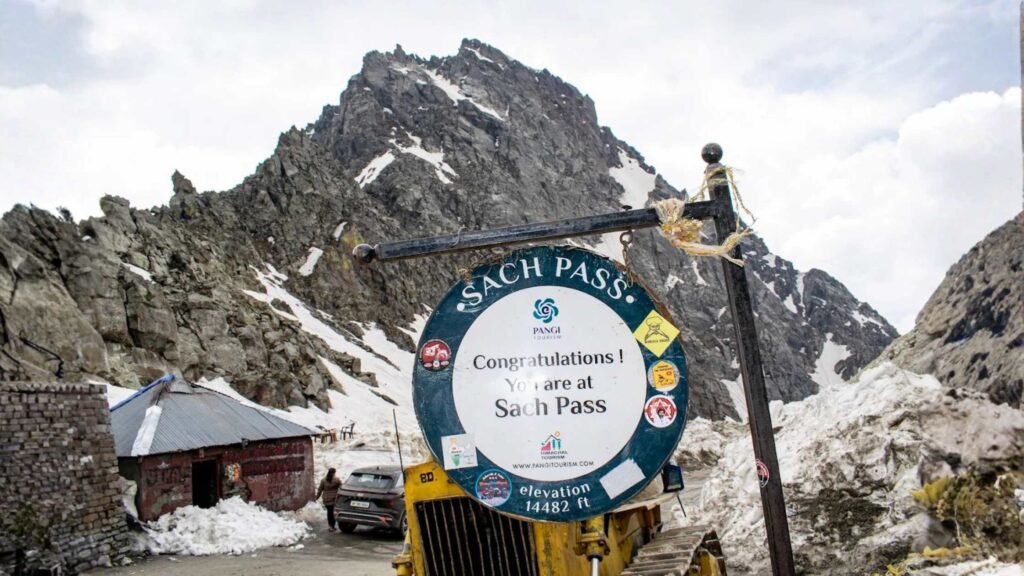
Short answer: only if you know what you are doing.
Sach Pass sits at 4,425 m and connects Chamba to the Pangi Valley. Travel reports put July to September as the short open window, but the road is narrow, rough and extremely weather-sensitive.
This is not a sightseeing drive. It is a mountain crossing that punishes casual attempts.
Attempt it only with local confirmation on the day, an experienced driver who has done it before, a high-clearance vehicle, warm layers, your own food and water, and a forecast with no heavy rain in it.
If any one of those is missing, do not go. The pass will still be there next year.
The honest version: most people asking about Sach Pass in September should not be driving Sach Pass in September. There is no shame in that. Drive to Khajjiar instead and enjoy your holiday.
Want something with the same mountain feel and a fraction of the risk? Compare it against our Manali tour packages, which give you high-altitude scenery on far more forgiving roads.
👉 Pick the right stay & route — we’ll help.
How many days are enough for Chamba in September?
2-day Chamba plan
Day 1 covers Chamba town: the Laxmi Narayan Temple, the Bhuri Singh Museum, the Chowgan, and an evening walk through the local market.
Day 2 goes to Khajjiar and Kalatop, but only if the roads are clear that morning. If it is pouring, stay in town and see the museum properly instead of rushing it.
Two days is tight for September. It leaves you zero room for a bad-weather day.
3-day Chamba, Khajjiar and Chamera plan
This is the plan we recommend for most people, and it is the one our Chamba Weekend Escape package is built around at ₹9,999 per person.
Day 1: arrive via Pathankot or Dalhousie. Easy evening in Chamba, no ambitious sightseeing after a long drive.
Day 2: Khajjiar and Kalatop together. They sit on the same road, so one weather window covers both.
Day 3: Chamera Lake on the way out, plus anything you missed in Chamba town before you depart.
4 to 5-day plan with Bharmour or Dalhousie
Add Bharmour only after road and weather checks, and only outside the 4 to 19 September Yatra window unless you are actually going for the Yatra.
Build in one buffer day. Not as a luxury. As the thing that saves the trip when rain takes out an afternoon.
Our Chamba Adventure & Heritage Tour covers Chamba–Dalhousie–Khajjiar across 4N/5D at ₹17,999 per person, with the buffer already built in.
Pairing Chamba with the Kangra side? Our Dharamshala and McLeodganj guide covers the natural extension of this route.
Where should you stay: Chamba, Dalhousie or Khajjiar?
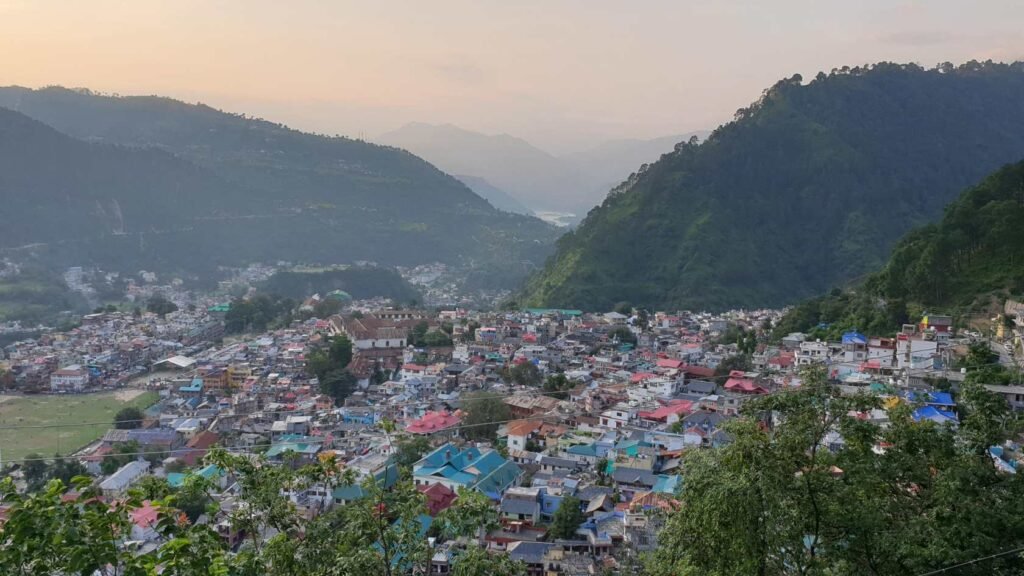
Chamba town is best for heritage, markets and practical access. Everything is walkable, and on a rainy day you have the museum and the temples without touching your car.
Dalhousie is best for hotel choice and first-time family travellers. More options, more cafés, more of a hill-station feel with the comfort that comes with it.
Khajjiar is best for the view and worst for the evening. It is quiet, misty and genuinely dark after sunset, with limited food options. Beautiful at 7 AM. Lonely at 9 PM.
Our honest recommendation: base in Chamba or Dalhousie and visit Khajjiar as a day trip. Very few people actually enjoy sleeping there, whatever the photos suggest.
Hotel prices on booking sites are dynamic and swing hard by date. A search snapshot showed listings from under ₹1,000 to ₹9,000 plus, but treat that as a range, not a quote.
The money-saving tip locals know: September is off-season, and Chamba hotel owners know it. Rates on the booking sites are not final rates. Call the property directly and ask for their September price. We routinely see 20 to 30 percent between the app price and the phone price in this window, because the room is otherwise sitting empty.
What should you pack for Chamba in September?

Start with rain. A proper rain jacket, not a windcheater that pretends. A compact umbrella that lives in your daypack, not in the car boot.
Light woollens for Khajjiar and Kalatop evenings. Quick-dry clothes, because cotton that gets wet in this humidity stays wet all day.
Waterproof shoes with grip, and spare socks. More spare socks than you think. Wet feet ruin more Himachal trips than bad weather does.
Basic medicines, a torch, a power bank, your ID proof, and cash. Card machines fail in the rain more often than anyone admits, and small dhabas run on cash regardless.
For Manimahesh or Bharmour, add serious warm layers, your medical fitness certificate, and a realistic assessment of your own fitness. Sub-zero nights are normal up there in late September.
The chai stop worth planning around: the small dhabas along the Chamba–Khajjiar road, roughly where the deodar forest starts thickening before Kalatop, do hot chai and Maggi through the rain all day. Stop at whichever one has trucks parked outside. Trucks parked outside means the tea is good and the price is fair. That is not a metaphor, it is a rule.
Who should visit Chamba in September?
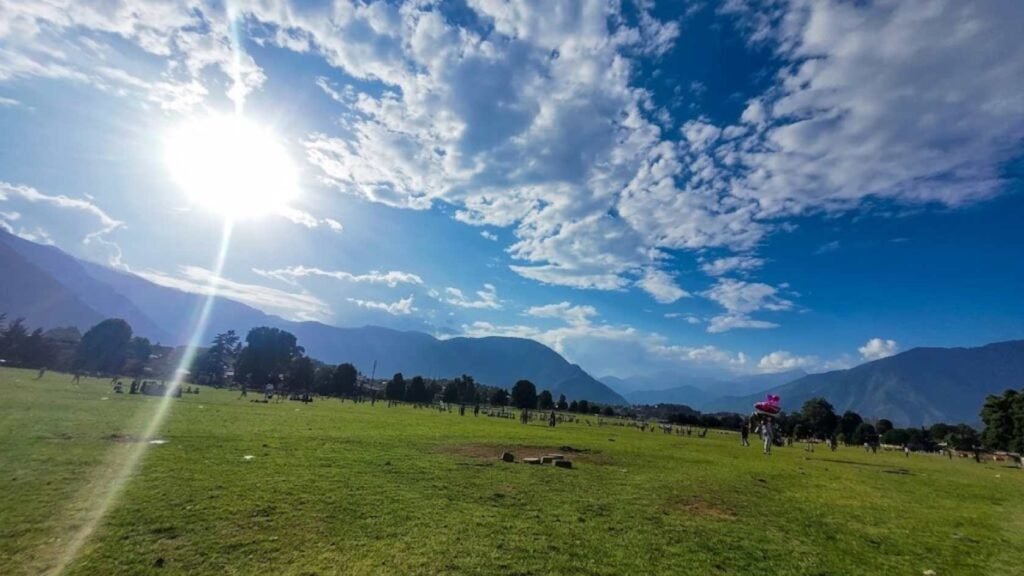
September suits couples, photographers, slow travellers, culture lovers, and families who genuinely do not mind rain.
It suits anyone who would rather have Khajjiar half-empty and green than full and dry.
It does not suit people who need predictable weather, zero road risk, or fast high-altitude sightseeing on a fixed schedule.
If your leave is non-refundable and your itinerary is rigid, October is a better month and it is worth waiting for.
Chamba in September versus October
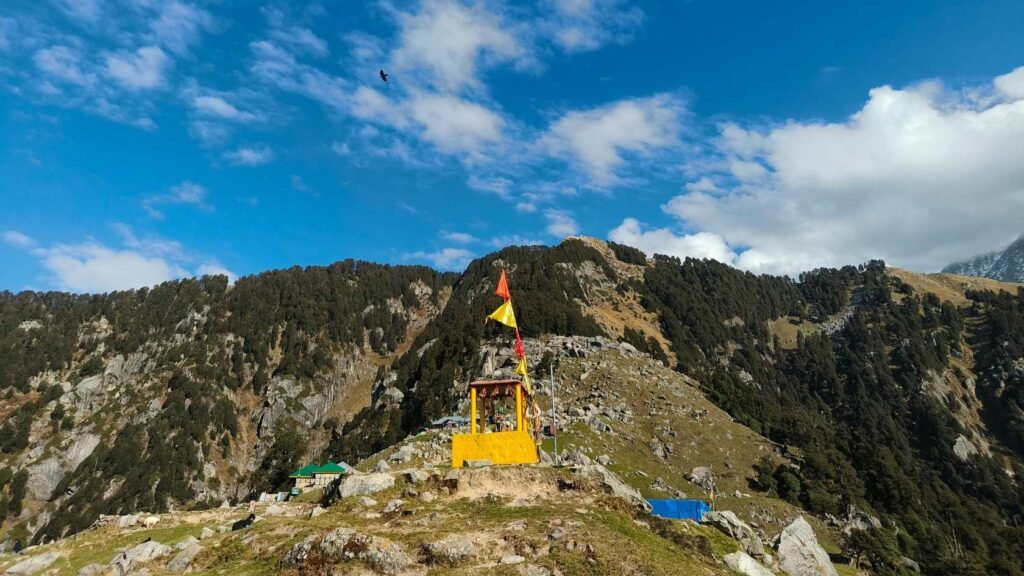
September is greener, moodier, cheaper and more rain-prone. The hills are at their most alive, and you pay less for the room.
October is drier, clearer and steadier. It is the better month for families, for first-timers, and for anyone who wants to see everything on the list without a weather contingency.
For reference, MakeMyTrip lists October rainfall at 24 mm, against September’s 127 mm. Holidify lists October at 26°C and 16°C with 4 rainy days, against September’s 18 rainy days.
Whichever source you trust, the direction is the same. October has roughly a fifth of the rain.
So which do you pick? If you want photographs and quiet and a lower bill, take late September. If you want certainty, take October and accept the crowds and the rates that come with it.
Looking for somewhere quieter still? See more offbeat Himachal ideas in Kinnaur, which peaks in exactly this window.
Final verdict: Should you plan Chamba in September 2026?
Yes, for greenery, heritage, an uncrowded Khajjiar and off-season rates.
Choose late September over early September. The rain thins, the roads settle, and the light gets clean.
Work around the 4 to 19 September Manimahesh Yatra unless you are going for it. Those dates change the character of the entire district.
Check routes independently for Bharmour, Manimahesh, Sach Pass and any high-altitude drive. NH-154A is under active restoration, and “under restoration” is not the same as “fixed.”
Keep one buffer day. Pack for rain. Save 1070 in your phone.
Chamba in September is one of the best-value trips in Himachal right now, and almost nobody is doing it. That is exactly why it is worth doing.
👉 Want this trip? Let’s plan it right.
अक्सर पूछे जाने वाले प्रश्न
Also Read: Narkanda in September 2026: Weather, Apple Orchards, Road Status and Itinerary
क्या आप अपने हिमाचल एडवेंचर के लिए तैयार हैं?
Get FREE customized itinerary · Best Price Guaranteed · Local Himachal Experts · 3,973+ Happy Travelers