Narkanda in September is the version of this hill town most tourists never see. The Instagram crowd shows up in January for snow. September gives you something better — green hills, apple orchards mid-harvest, and Hatu Peak without a single queue.
We’re HimTrails, based in Shimla, about 60 km down the same road you’ll drive. Our team runs this route through the apple season every year. Here’s what actually happens in Narkanda in September, and what nobody tells you.
Quick Answer: Is Narkanda good in September?
Yes. September is one of the best months for Narkanda, especially the second half.
The hills are green after the monsoon, apple orchards are alive with harvest work, days sit somewhere around 15°C to 24°C, and Hatu Peak is usually clear enough to be worth the climb.
Early September can still bring rain and wet roads. So check road conditions before you leave.
Late September is the sweeter window. Clearer views, less rain, orchards still busy.
👉 Confused? Let locals plan your trip.
What is Narkanda like in September?
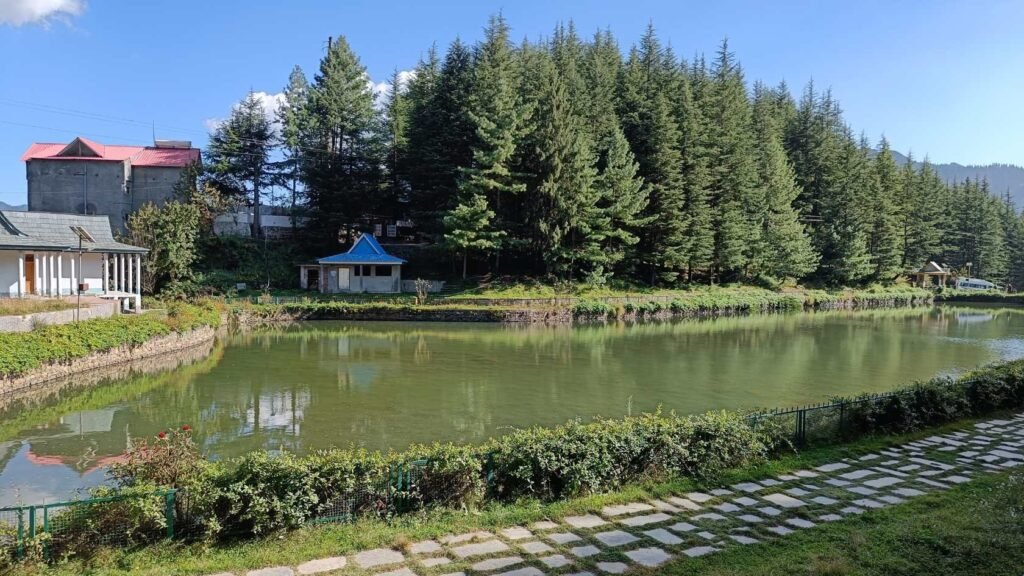
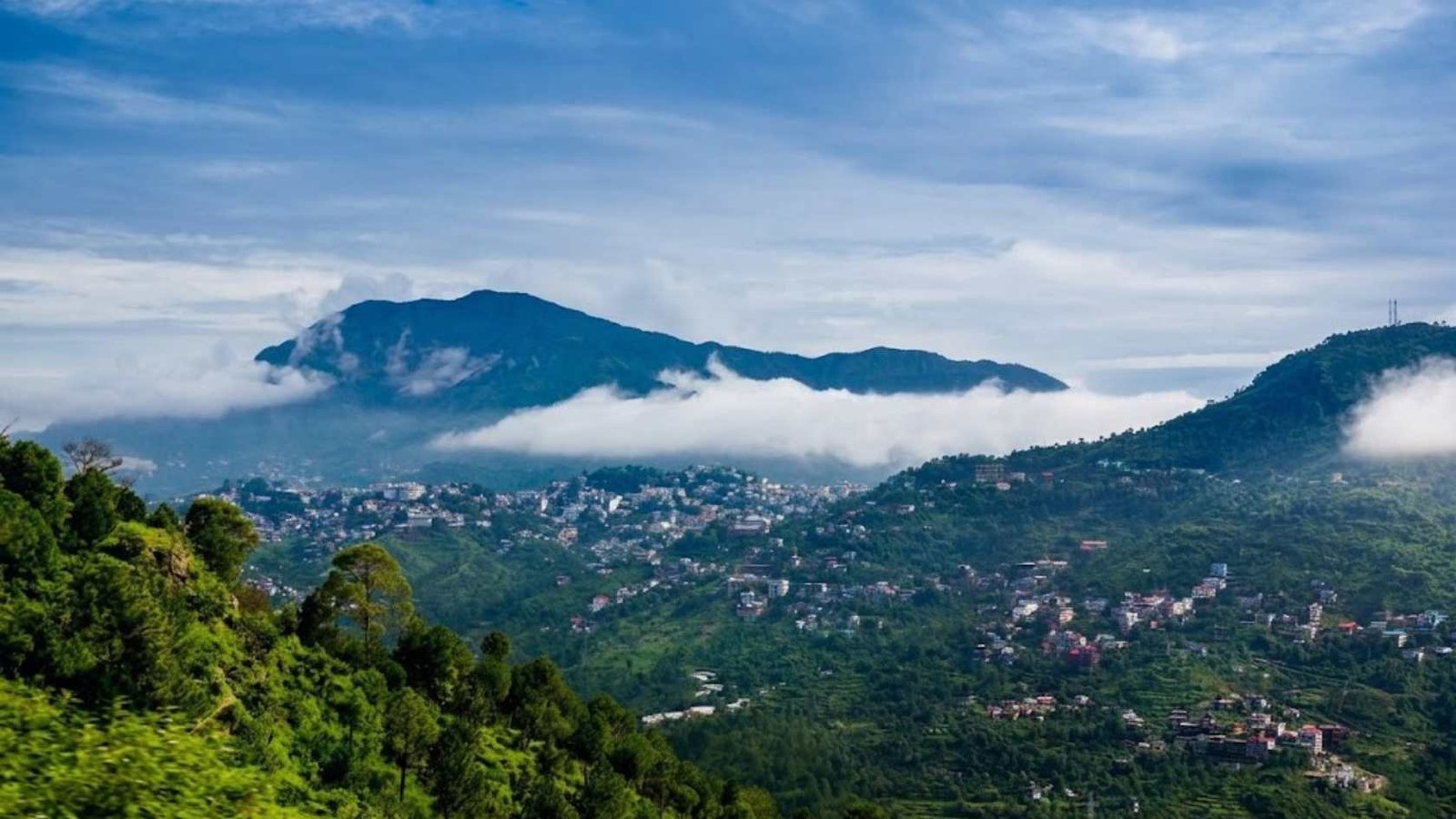
Narkanda sits at 2,708 metres in the Kumarsain subdivision of Shimla district. In September, it feels like the town just finished a long shower and stepped outside.
The deodar forests are dark green. The valleys below hold mist until about 9 AM. And the apple belt is working — trucks, crates, sorting sheds, people on ladders.
This is what most tourists get wrong about Narkanda. They come in winter for snow, take three photos at Hatu, and leave. They never see the town when it’s actually alive.
September is when Narkanda has a job to do. The whole belt is in harvest mode, and you get to watch it happen.
Compared to Shimla and Kufri, Narkanda in September is quiet. No Mall Road crowd. No horse touts. No queue for a viewpoint.
Early September still feels monsoon-ish. Wet roads, sudden cloud, low visibility on Hatu some days.
Late September flips it. Skies open up, the green stays, and the views from Hatu actually show you the Himalayas instead of a wall of cloud.
If you want the trip handled end to end, our Narkanda tour packages cover stays, cab, and the Hatu run without you having to negotiate anything on the road.
How is the weather in Narkanda in September 2026?
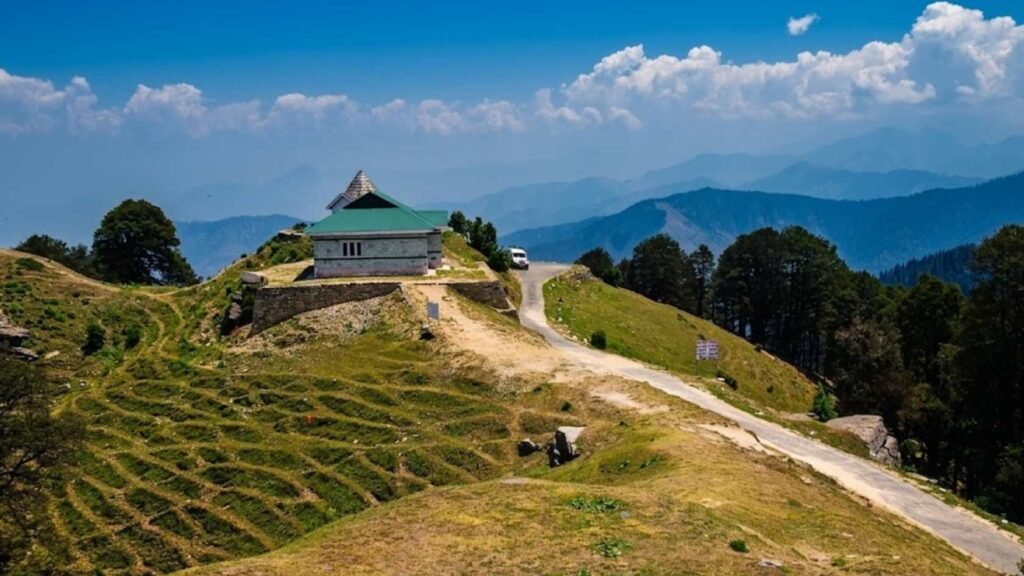
Day and night temperatures
Narkanda September weather sits in a comfortable range. Daytime temperatures across sources fall between 15°C and 24°C.
Nights drop to around 10°C to 14°C. Cool, not brutal. One good jacket handles it.
For a specific 2026 date, check the forecast closer to travel. September weather in Himachal shifts week to week.
Rain, fog and visibility
July to September counts as monsoon season in most travel sources. September is the tail end of it.
Rain is still possible, mostly in the first half of the month. Expect wet roads, sudden fog, and mornings where you cannot see 50 metres.
Late September usually starts clearing. This is the payoff.
Here’s the honest negative: if you land in Narkanda in the first week of September and it rains for two days straight, you will see nothing from Hatu Peak. Nothing. Just white cloud and cold wind.
But after the rain, those valleys turn a green you do not get any other month.
Will there be snow in September?
No. Narkanda does not get snow in September. Do not plan around it.
Snow here is a winter thing, generally December to February. Ski activity is usually linked to January to March.
We get this question every single September, and the answer never changes. If snow is your goal, book winter.
Is September safe for a Narkanda trip?
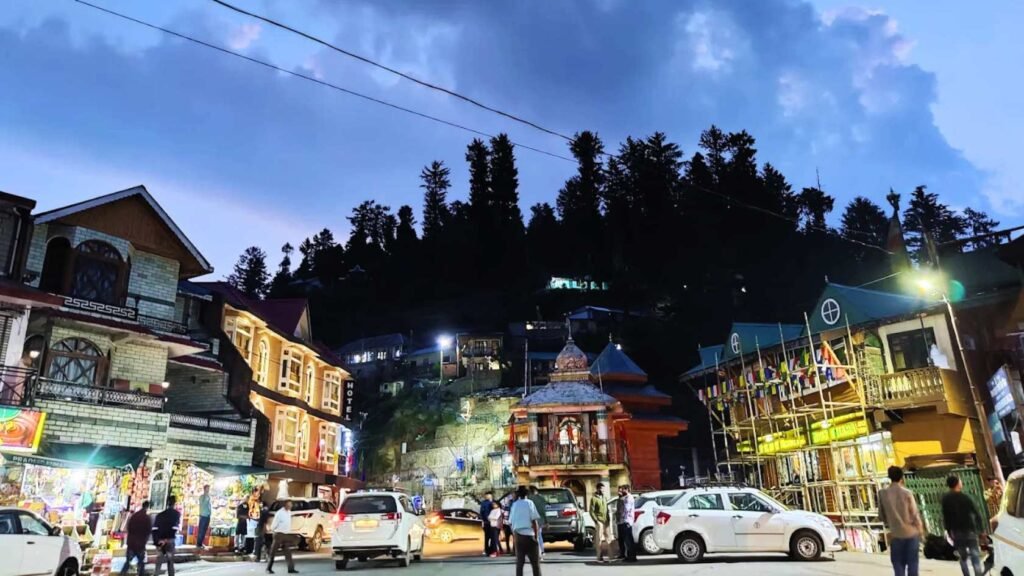
Shimla to Narkanda road status
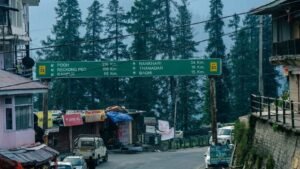
Narkanda sits on the Shimla to Rampur side of NH5, the old Hindustan Tibet Road. The official Shimla district page puts it at about 60 km from Shimla.
For planning, use 60 to 65 km and around 2 to 3 hours, depending on traffic, rain, and repair work.
One caution for 2026. In May 2026, reports said the Himachal Pradesh High Court raised concern about the condition of the Hindustan Tibet Road, including Dhalli to Narkanda stretches.
This does not mean the route is closed. It means check road updates before you drive, avoid night driving after rain, and keep buffer time.
Our drivers do this stretch weekly. The advice we give every traveller: leave Shimla before 9 AM, and you avoid both traffic and afternoon cloud.
Should you use the Shimla bypass?
If you’re coming from the Chandigarh or Solan side, this matters.
In June 2026, Shimla Police advised travellers heading to Kufri, Mashobra, Narkanda, Hatu Peak, and Fagu from the Chandigarh side to use the 33 km Shoghi Mehil Dhalli bypass instead of entering Shimla city during heavy traffic periods.
Most travel agents will not tell you this. They send you straight through Shimla town, and you lose an hour crawling past Victory Tunnel.
Take the bypass. You skip the city entirely and join the Narkanda road at Dhalli.
Hatu Peak road caution
The Hatu Peak road is narrow, steep, and full of sharp bends. It runs about 7 to 8 km from Narkanda.
Go early in the morning. Do not drive it after dark.
If you’re not confident on mountain roads, hire a local cab. Local Hatu Peak cab cost is reported around ₹500 to ₹1,000 return, with some reviews mentioning around ₹800.
Fix the price before you sit in the car. Always.
Best things to do in Narkanda in September
Hatu Peak and Hatu Mata Temple
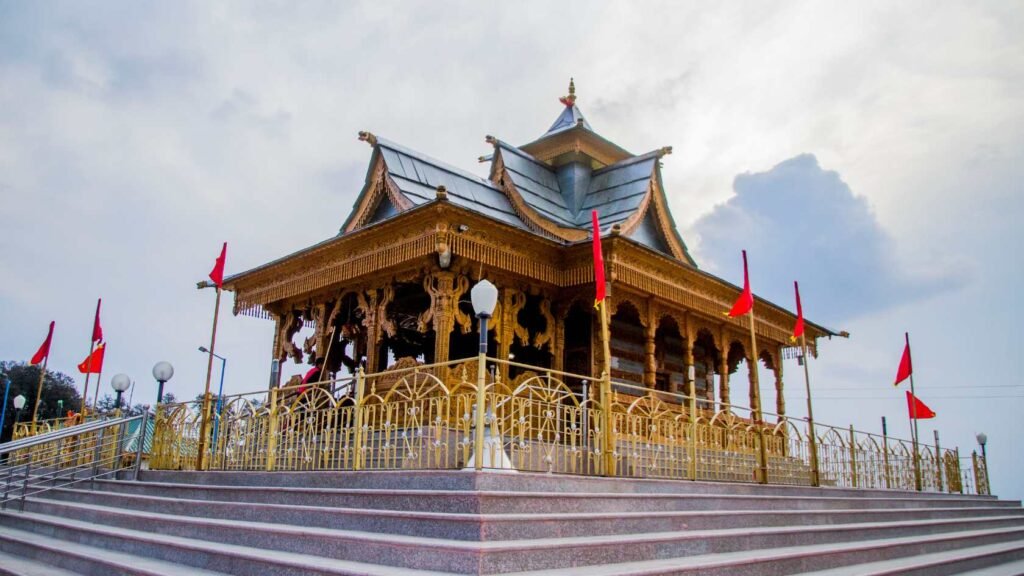
Hatu Peak in September is the main event and a solid half-day.
The peak sits at around 3,400 metres. That is roughly 700 metres above Narkanda town, and you feel it.
It is windy up there and noticeably colder than town. Carry a jacket even if Narkanda felt warm when you left.
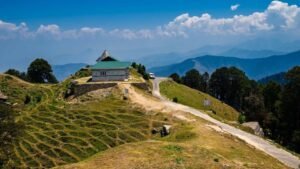
The Hatu Mata Temple at the top is a small wooden structure. Quiet, not commercialised, worth ten minutes of standing still.
Timing tip that changes everything: get to Hatu before 9 AM. Cloud builds through the morning and by noon in September you are often looking at nothing. Early light, clear view, empty road.
Apple orchards in Thanedar and Kotgarh
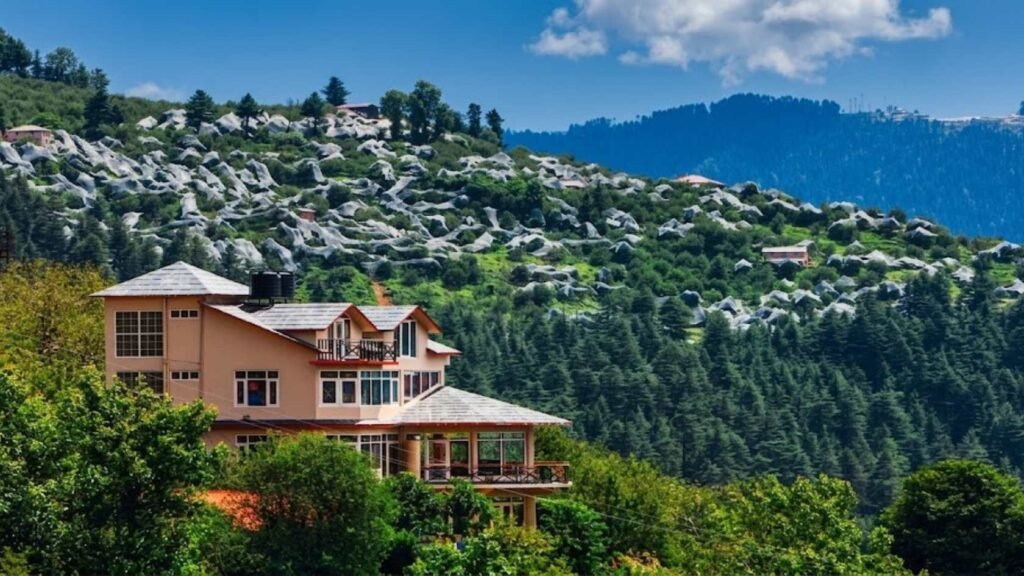
September is a strong month for the apple belt. The whole area is in harvest rhythm.
But be honest about the timing. Harvest varies by orchard and by variety. Some sources say July to September, some say September to October, some say September to November.
So September gives you active orchard life, but which apples are being picked depends on where you are and what’s planted.
Do not pluck apples without permission. This sounds obvious and people still do it. These are working farms, not photo props.
Tani Jubbar Lake
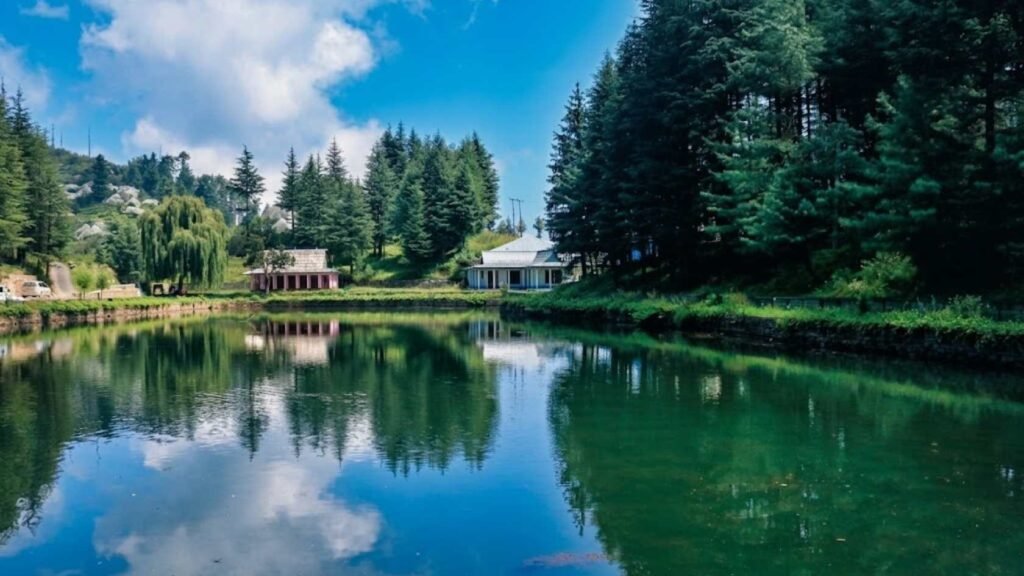
Tani Jubbar Lake Narkanda is around 10 to 12 km from Narkanda.
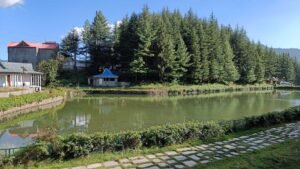
It is a small artificial oval lake with a Nag Devta temple nearby and forest all around it. Calm, not dramatic.
Timings are often listed as 6 AM to 6 PM and entry is generally listed as free.
Here’s our skip-this warning. If you have one day and the weather is clear, skip Tani Jubbar and give that time to Hatu and the orchards. The lake is pleasant, not essential.
Jau Bagh and forest walks
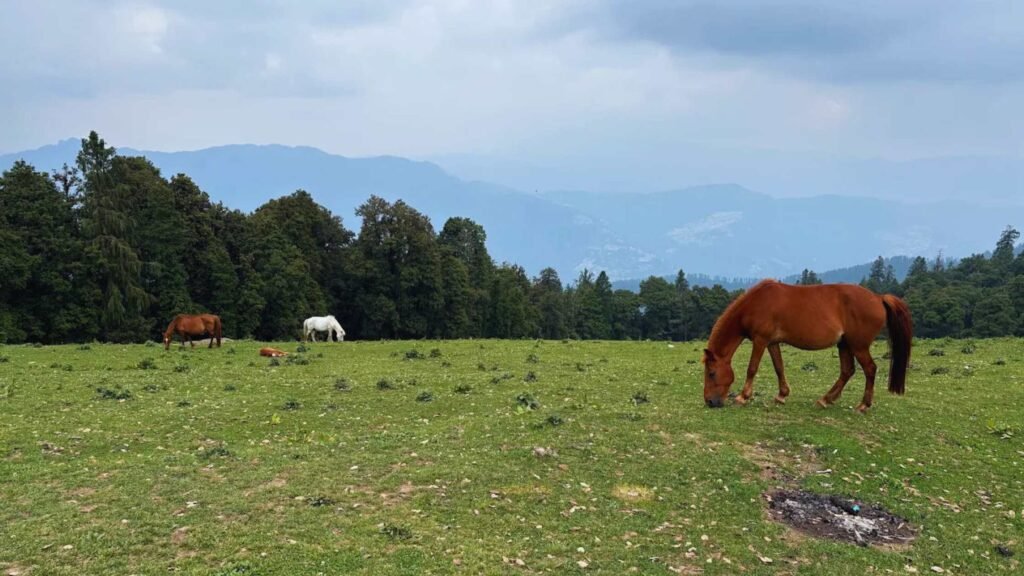
Jau Bagh is a quiet meadow and forest walk near the Hatu side. Good for a slow morning.
After rain, the forest shortcuts turn slippery fast. Do not take them unless you have a local guide or proper grip shoes.
Kacheri and Mahamaya Temple
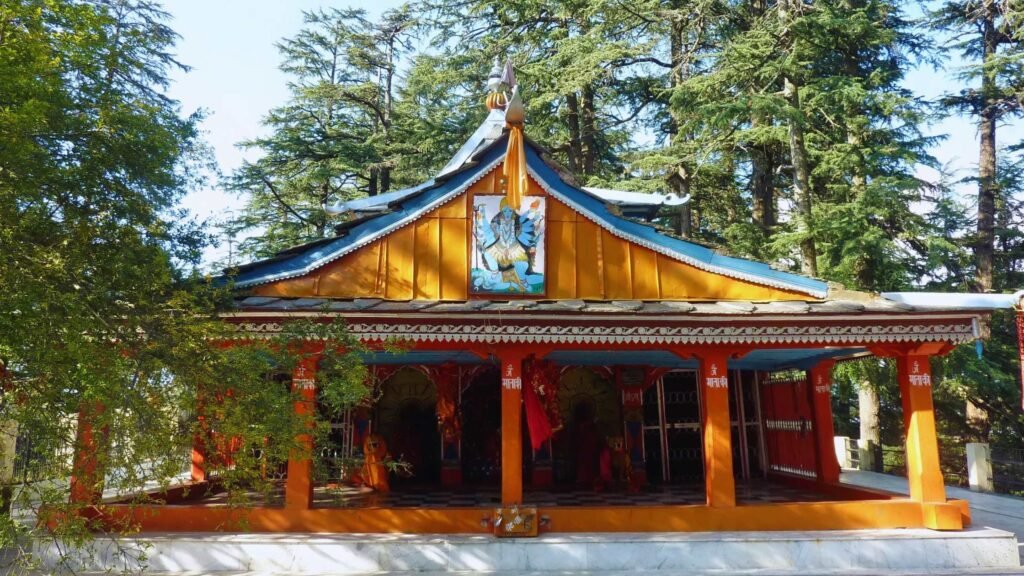
Kacheri is around 7 km from Narkanda, often paired with the Mahamaya Temple.
It’s a calm cultural stop. Not a must-do, not something to rush your day for.
If you’re stitching Narkanda into a longer Shimla plan, our Shimla tour packages cover the Kufri–Fagu–Narkanda line properly instead of squeezing it into one exhausting day.
Narkanda apple orchards in September: what should you expect?
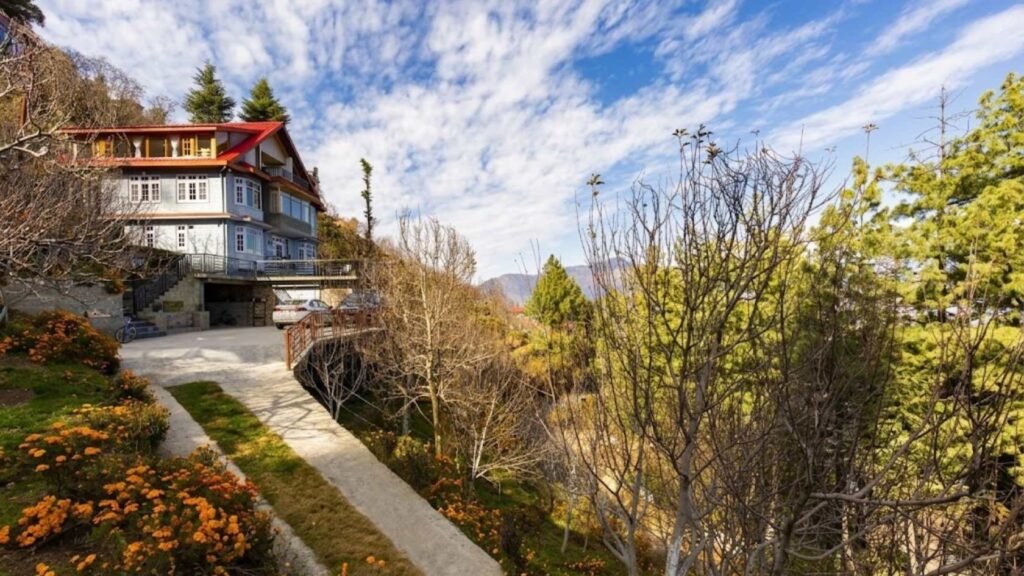
The Narkanda apple harvest season centres on Thanedar and Kotgarh, and this is the real reason to come in September.
Stokes Farm sits at Thanedar, around 16 km from Narkanda. It’s described as one of the oldest apple orchards in Shimla district.
Satyanand Stokes started apple cultivation in this region in 1916. That single decision built the entire Himachal apple economy you’re driving through.
Stokes Farm timings are listed as 6 AM to 6 PM, entry as free. Confirm access locally though, because private orchard entry depends on the owner’s mood and the harvest load that day.
What you’ll actually see: apples being sorted by size, wooden crates stacked shoulder-high, packing sheds running, trucks waiting on the road.
The food is the part nobody plans for. The small local eateries around the Thanedar and Kotgarh belt do apple chutney, apple halwa, and apple pakoras during harvest.
Our drivers stop for the apple pakoras every time they run this route in September. Ask at a small dhaba in the Thanedar stretch — they’ll know what you mean.
You can buy fresh apples directly. Straight from a crate, an hour off the tree. It does not taste like anything you buy in a city.
Do not assume every orchard allows picking. Most do not. Ask first, always.
👉 Pick the right stay & route — we’ll help.
Suggested 2-day Narkanda itinerary for September

Day 1: Shimla or Chandigarh to Narkanda
Start early. If you’re coming from the Chandigarh or Solan side, check whether the Shoghi Mehil Dhalli bypass makes sense for your timing.
Reach Narkanda by afternoon. Check in, and do not overplan the evening.
If the sky is clear, run out to Tani Jubbar Lake. If it’s raining, don’t. Sit with a chai and let the day be slow.
Day 2: Hatu Peak, Hatu Mata Temple and orchards
Leave for Hatu Peak by 7 AM. Beat the cloud, beat the wind.
Come back down before afternoon. The road is not a place you want to be when visibility drops.
After lunch, drive out to Thanedar or Kotgarh for the orchards. Return to Narkanda or Shimla by evening, depending on road conditions.
Suggested 3-day relaxed itinerary

Day 1: Reach Narkanda slowly
Arrival day. Drive, check in, walk around town, eat.
If it rains, do nothing. Seriously. Do not force sightseeing on a wet arrival day.
Day 2: Hatu Peak and Jau Bagh
Hatu Peak is the main plan. Early start, jacket packed.
Add Jau Bagh only if the trail is dry and the weather held. Otherwise, come back and rest.
Day 3: Thanedar, Kotgarh and return
This is the slow apple day. Orchard visit, a proper local lunch, apples bought and packed.
Keep buffer time on the return drive. September roads do not reward tight schedules.
Want the whole thing built around your dates instead of a generic plan? Our popular Himachal tours can be reshaped into exactly this.
How to reach Narkanda in September
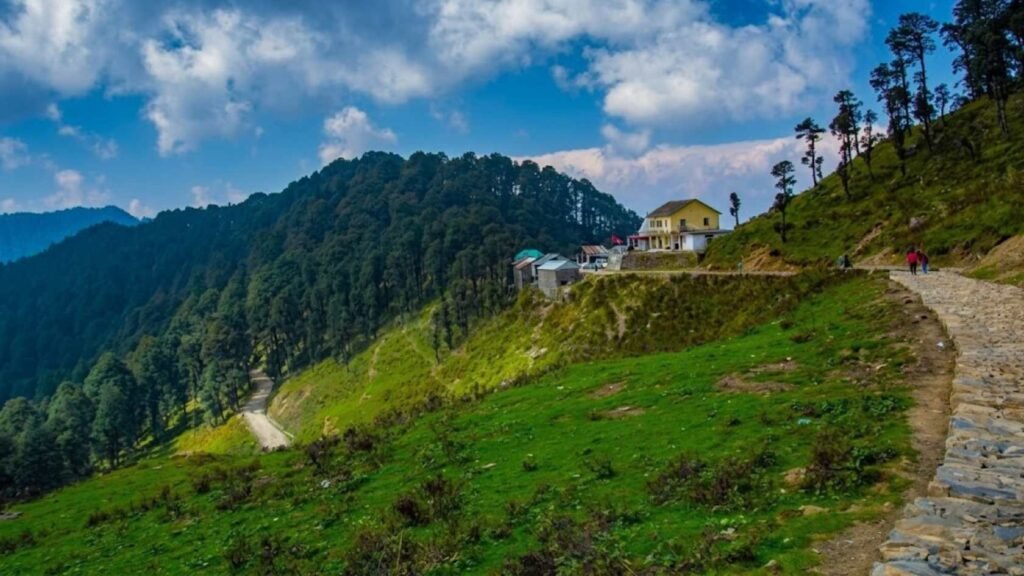
शिमला से
60 to 65 km, around 2 to 3 hours depending on traffic, rain, and road condition.
The distance is short. The time is not. Do not plan by kilometres here.
चंडीगढ़ से
174 to 200 km, because sources vary by route. Travel time runs around 5 to 7 hours depending on traffic and road conditions.
Use the Shoghi Mehil Dhalli bypass and you save yourself the Shimla city crawl.
दिल्ली से
Around 415 km via Chandigarh and Shimla, around 9 to 10 hours of driving.
Start before 5 AM or break the journey overnight in Shimla. With family, break it. Ten hours in a car ruins day one of any trip.
By bus
HRTC and private buses connect Shimla and Narkanda.
Money-saving tip most blogs skip: the Shimla to Narkanda bus costs around ₹154 to ₹195, with one source showing ₹175. That’s a fraction of a cab fare.
Take the HRTC ordinary bus from Shimla ISBT, get off at Narkanda, and hire a local cab only for the Hatu Peak run. You’ve just cut your transport cost by more than half.
Bus timings change by season, so confirm before you travel.
Where should you stay in Narkanda in September?
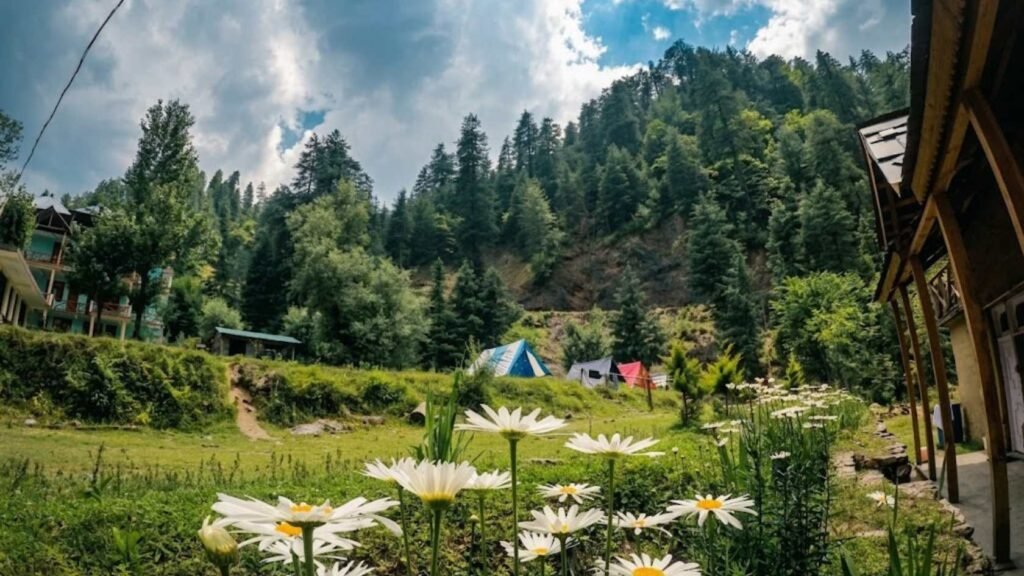
Narkanda town works for first-timers. Everything is close, food is easy, and you’re on the main road for the Hatu and Thanedar runs.
The Hatu side gives you quieter views and cold mornings. Fewer options though, so book ahead.
Thanedar and Kotgarh are where you go if the apples are the point. Orchard stays put you inside the harvest instead of driving to it.
Shimla or Fagu works if someone in your group wants cafes, shopping, or city comfort. You just add drive time each day.
If Narkanda is your gateway into the wider apple belt, the road continues towards किन्नौर, and September is a genuinely good month for that stretch.
What should you pack for Narkanda in September?

Light woollens for the evenings and a windproof jacket for Hatu Peak. The wind at 3,400 metres cuts through anything thin.
Carry a compact rain jacket even in late September. The monsoon does not read calendars.
Shoes with grip matter more than shoes that look good. Wet forest trails and orchard slopes are slippery.
Extra socks, because wet socks in a cold hotel room at 10°C is a miserable way to spend a night.
Add an umbrella, basic medicines, cash, a power bank, and a small day bag for the Hatu climb.
What we tell every traveller: pack for Narkanda town, then add one warm layer specifically for Hatu Peak. It is a different climate up there, and people always underestimate it.
Estimated Narkanda trip cost in September

Shimla to Narkanda bus fare is around ₹154 to ₹195.
Local Hatu Peak cab runs around ₹500 to ₹1,000 return, with some reviews mentioning ₹800.
Tani Jubbar Lake and Hatu Peak are generally listed with no entry fee, but check current local charges when you get there.
Safety and money warning together: agree the Hatu cab fare before you sit in the vehicle. Some drivers quote at the top of that range and push higher once you’re on the road. Fix it in writing on your phone if you have to.
Hotel prices in Narkanda swing with the season and the property. September is not peak, so you have room to negotiate.
Narkanda vs Shimla, Kufri, Jibhi and Kinnaur in September
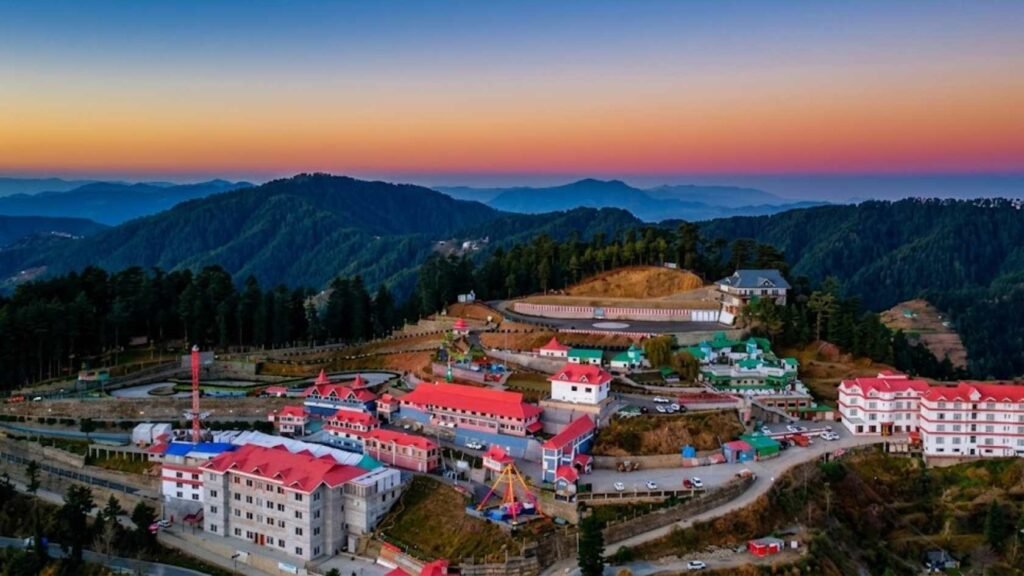
Narkanda is calmer than Shimla and Kufri. That’s the whole pitch, and it’s true.
Shimla in September has cafes, shopping, and crowds. Narkanda has orchards, Hatu, and quiet.
Kufri is 16 km from Shimla and packed with horse rides and tourist stalls. Narkanda is 60 km further out and gives you actual mountain silence.
Jibhi gives you a river-and-forest valley feel. Completely different mood, more trees, more water, no apple belt.
Kinnaur needs more road time and better weather checks after monsoon. It’s spectacular, but it’s not a 2-day trip.
For a short September break with genuinely good views and no crowd, Narkanda wins. For a longer valley trip, look at जिभी and तीर्थन घाटी.
Common mistakes to avoid in Narkanda in September
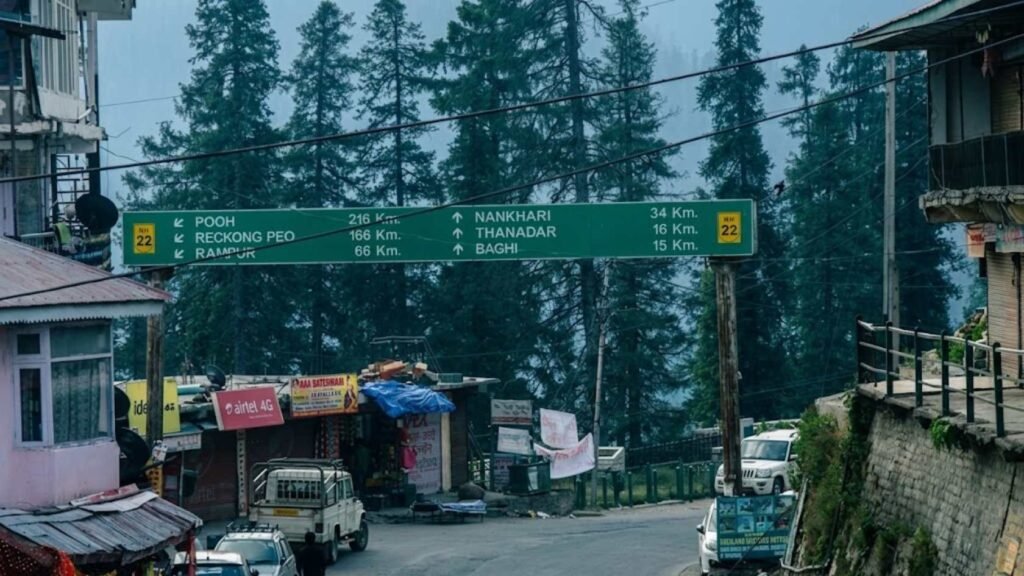
Expecting snow. There is no snow in Narkanda in September. People still book September trips hoping for it, and they leave disappointed.
Starting late for Hatu Peak. If you leave Narkanda at 11 AM, you will reach a cloud, not a view.
Ignoring road updates. The Dhalli–Narkanda stretch had official concern raised in May 2026. Check before you drive.
Wearing bad shoes. Wet orchard slopes and forest trails punish smooth soles.
Plucking apples without asking. It’s someone’s income hanging on that branch.
And the biggest one: trying to cover Shimla, Kufri, Narkanda, Hatu Peak, Thanedar, and Tani Jubbar in one day. We see this itinerary constantly and it does not work. You’ll spend eleven hours in a car and see none of it properly.
👉 Want this trip? Let’s plan it right.
अक्सर पूछे जाने वाले प्रश्न
Also Read: Tirthan Valley in September 2026: Weather, Roads, Itinerary and Local Travel Tips
क्या आप अपने हिमाचल एडवेंचर के लिए तैयार हैं?
Get FREE customized itinerary · Best Price Guaranteed · Local Himachal Experts · 3,973+ Happy Travelers