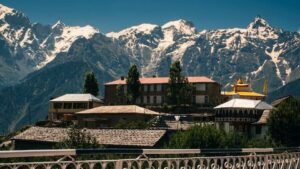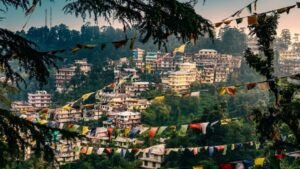
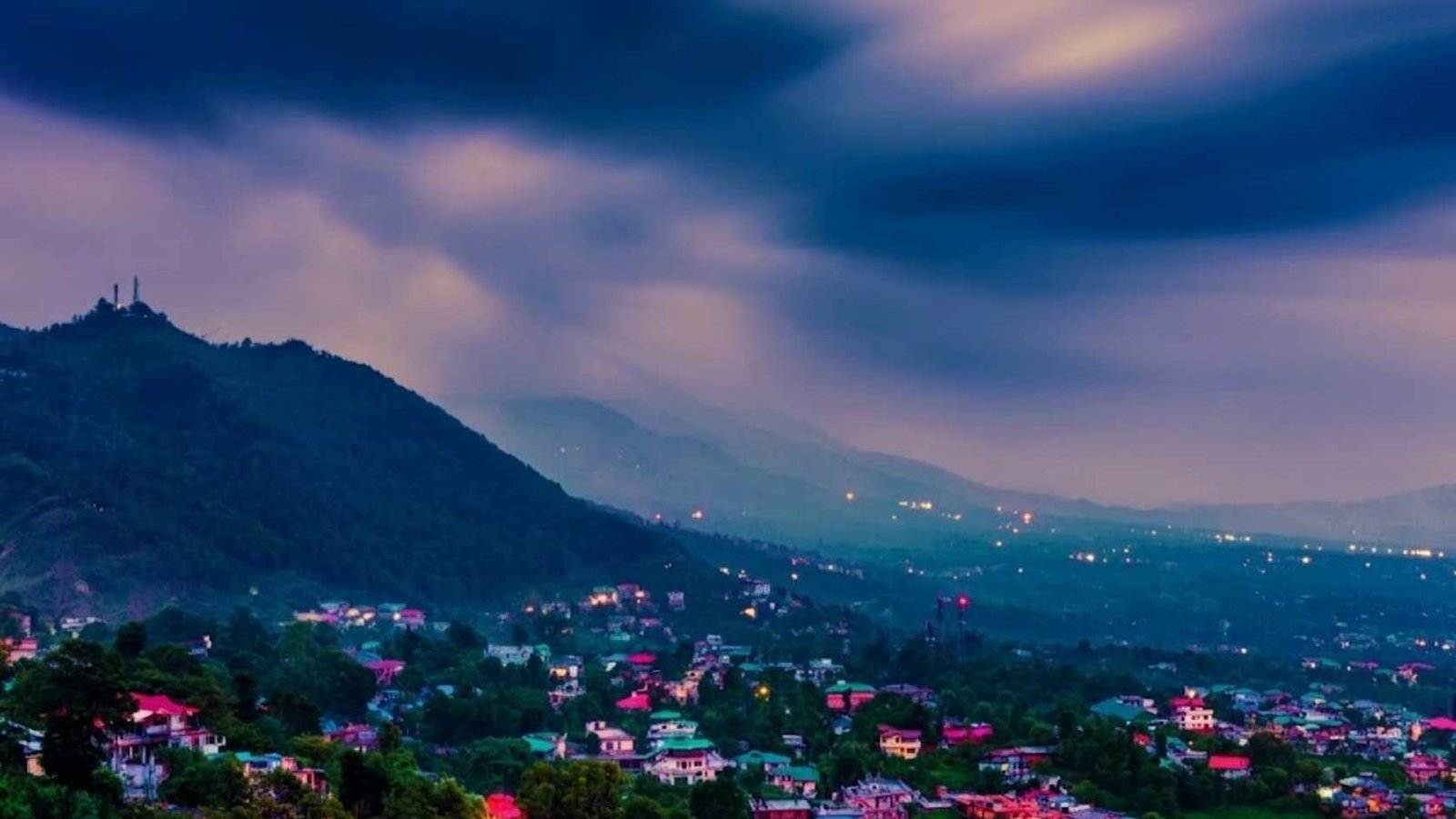
Dharamshala in Monsoon transforms into a lush green paradise with mist-covered mountains, flowing waterfalls, and refreshing weather. While the season brings occasional rainfall and travel considerations, it also offers peaceful landscapes, fewer crowds, and stunning natural beauty, making it an excellent time for nature lovers, photographers, and travelers seeking a quieter Himalayan escape.
Quick Answer: Is Dharamshala Worth Visiting in Monsoon?
Yes, if you travel slow and stay flexible. Dharamshala in monsoon suits rain lovers, photographers, couples, café people and cultural travellers who do not mind changing plans. July and August are very wet. September usually gives the best balance of green hills and workable weather. It is not the season for guaranteed treks or clear Dhauladhar views.
If you want a ready plan without doing all the homework yourself, our Dharamshala tour packages are built with flexible days for exactly this kind of weather.
👉 Confused? Let locals plan your trip.
What Is Dharamshala Really Like During Monsoon?
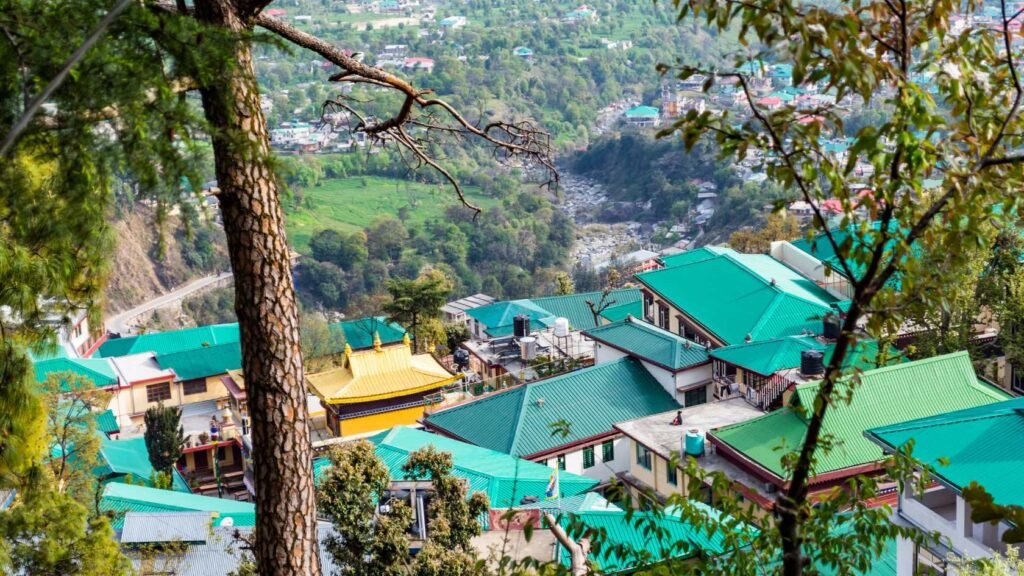
Clouds sit low over the Dhauladhar. Mist rolls through the deodar forests. The waterfalls turn loud and full. The air stays damp and the peaks disappear behind grey for most of the day.
This is an atmospheric trip, not a clear-view trip. You come for the green, the mist and the quiet cafés, not for sharp mountain photos.
This guide covers both Dharamshala and McLeodganj, since almost everyone visits them together.
When Does the Monsoon Start and End in Dharamshala?
Late June
This is the shift into the main rainy season. The onset changes every year, so do not assume late June is light. Some years it is already pouring by then.
जुलाई
The long-term IMD normal for July is a mean minimum of 20.4°C, a mean maximum of 27.2°C, 848.3 mm of rain and 21.4 rainy days. These are averages over decades, not a forecast for the July you travel in.
अगस्त
The IMD normal for August is a mean minimum of 20.1°C, a mean maximum of 26.5°C, 781.2 mm of rain and 21.8 rainy days. Even if one day is drier, the ground stays soaked from the days before.
सितम्बर
The IMD normal for September is a mean minimum of 18.2°C, a mean maximum of 26.5°C, 346.2 mm of rain and 13 rainy days. The monsoon usually pulls back during September, but the exact date shifts year to year.
How Much Does It Rain in Dharamshala?
The 1971 to 2000 IMD station normal is 848.3 mm for July and 781.2 mm for August. But the real story is how wildly it swings year to year.
Look at the completed July totals. July 2025 got 429.9 mm. July 2024 got just 241.2 mm. July 2023 got 912.2 mm. July 2022 got a massive 1,060.3 mm. July 2021 got 963.8 mm.
That is the whole point. Nobody can predict your three-day trip from a monthly average. One July is nearly double another.
The same IMD table gives Dharamshala an annual mean of about 2,745.2 mm of rain across roughly 100.8 rainy days. Monsoon humidity in Kangra district usually stays above 75 percent, and the sky is heavily clouded most of the time.
What Is the Latest Dharamshala Monsoon Update for 2026?
As of 19 July 2026, the IMD placed Kangra district under heavy-rain alerts. Its bulletin for 19 to 22 July flagged heavy to very heavy rain at isolated places across Kangra and nearby districts, and warned about landslides, flash floods, rising water levels, waterlogging, slippery roads, low visibility and traffic disruption. Strong winds of 30 to 40 kmph were also forecast for the wider region during this window.
Recent Kangra observations showed steady rain and very high humidity around this period.
Because these alerts change within days, check the current status yourself before you travel. Read the latest IMD press release and the Kangra IMD city forecast, then confirm with your hotel and local driver.
Not sure whether your dates fall in a good window?
Is Dharamshala Safe During Monsoon?
Dharamshala is not always unsafe in monsoon, but heavy rain brings real risks. Here is how to think about each one.
Landslides and temporary road blockages
Intense or long spells of rain raise the chance of landslides and road blocks on the hill routes. Not every road is dangerous, but blockages do happen.
Keep buffer time before any flight, train or non-refundable onward journey. In our experience, the travellers who get stressed are the ones with a same-day flight and zero margin.
Waterfalls, streams and swollen drains
IMD’s own advice is simple: keep a safe distance from rivers, streams, rivulets and drains during heavy rain. Water levels can jump because of rain far upstream, even when the spot in front of you looks calm.
Slippery streets and low visibility
The steep roads, stone steps and stone paths around McLeodganj get slippery fast. Wear shoes with grip, drive slower than usual and skip unnecessary late-night moving around when it is actively raining.
Families, children and senior travellers
Pick a hotel with vehicle access, fewer stairs, reliable hot water, an in-house restaurant and some indoor space to sit out a wet afternoon. This one choice changes the whole trip for families and older travellers.
Which Places to Visit in Dharamshala During Monsoon?
The best monsoon spots are the ones that do not depend on clear mountain views. Here is where we send travellers when the weather is grey.
Tsuglagkhang and the Dalai Lama Temple area
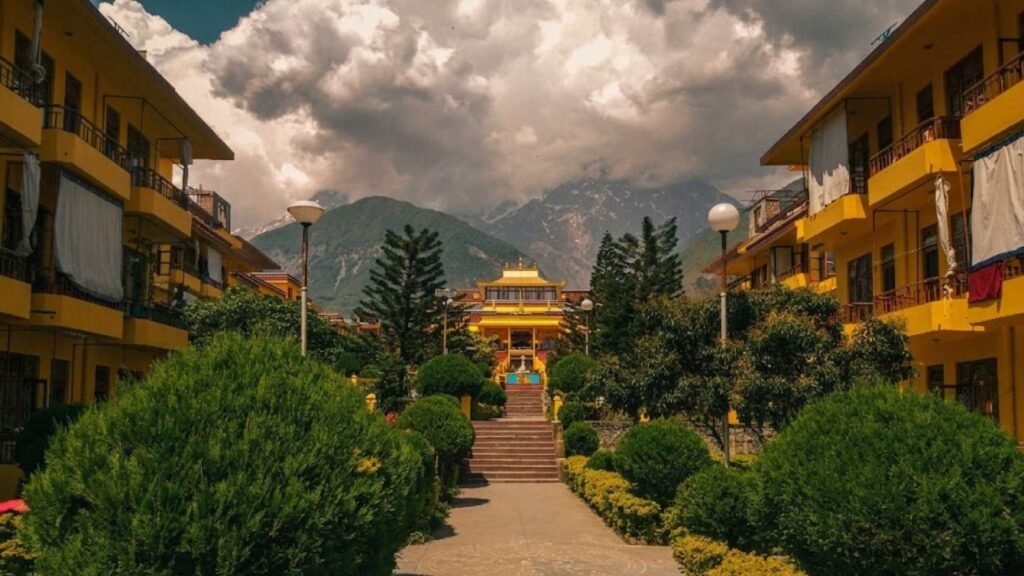
This is the Namgyal Monastery complex, the heart of Tibetan life in exile. A cultural and spiritual visit that works even under cloud, since it does not rely on mountain views.
Tibet Museum
A calm indoor option right next to the temple area, so you can pair the two. Good for a rainy morning.
Norbulingka Institute
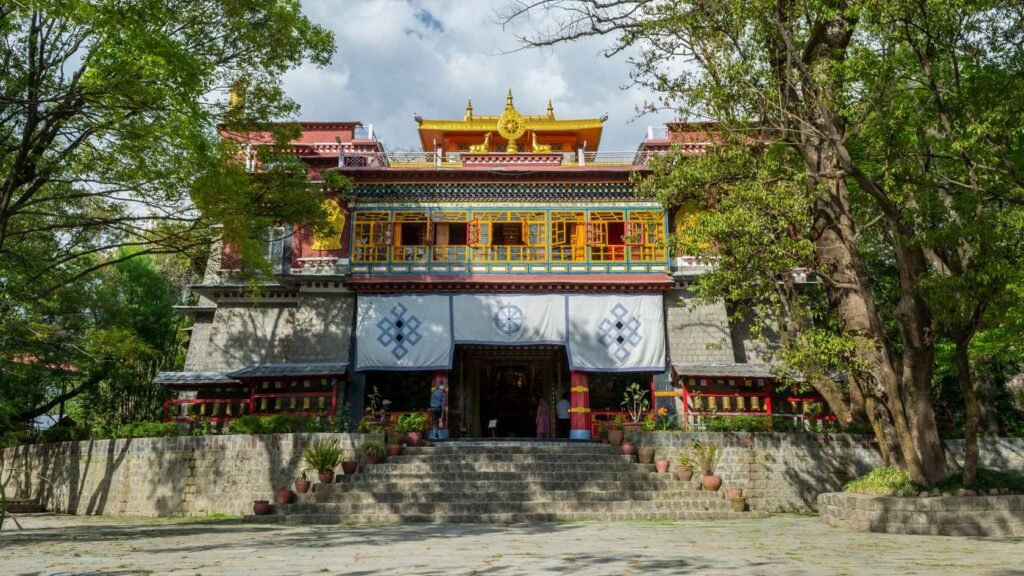
A Tibetan art and craft centre with workshops, lovely architecture and plenty of covered space. One of the better rainy-day picks near Dharamshala.
St. John in the Wilderness
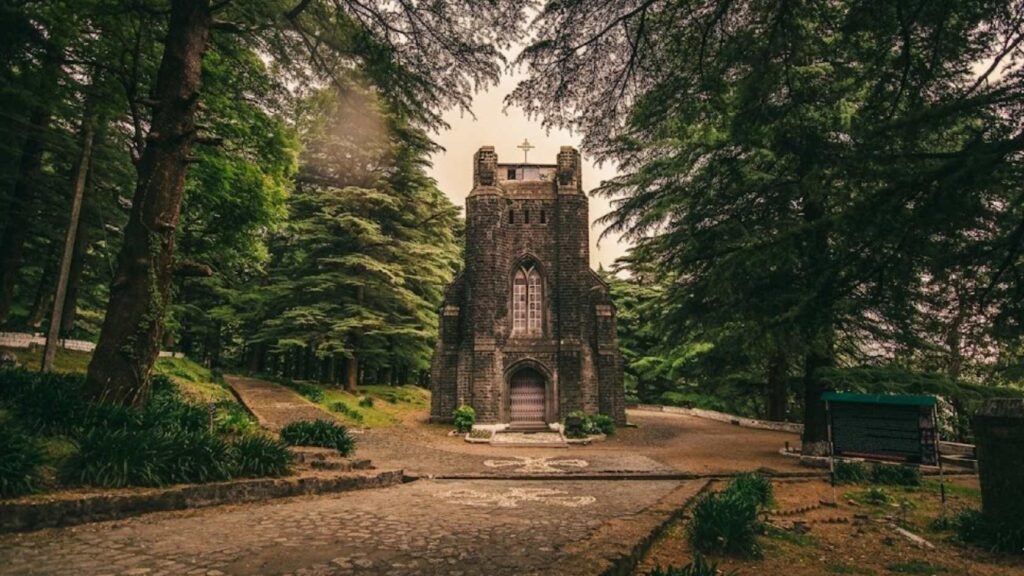
A stone church sitting in a deodar forest, moody and beautiful in the mist. Watch your step though, the paths turn slippery in the rain.
Bhagsu and Bhagsu Waterfall
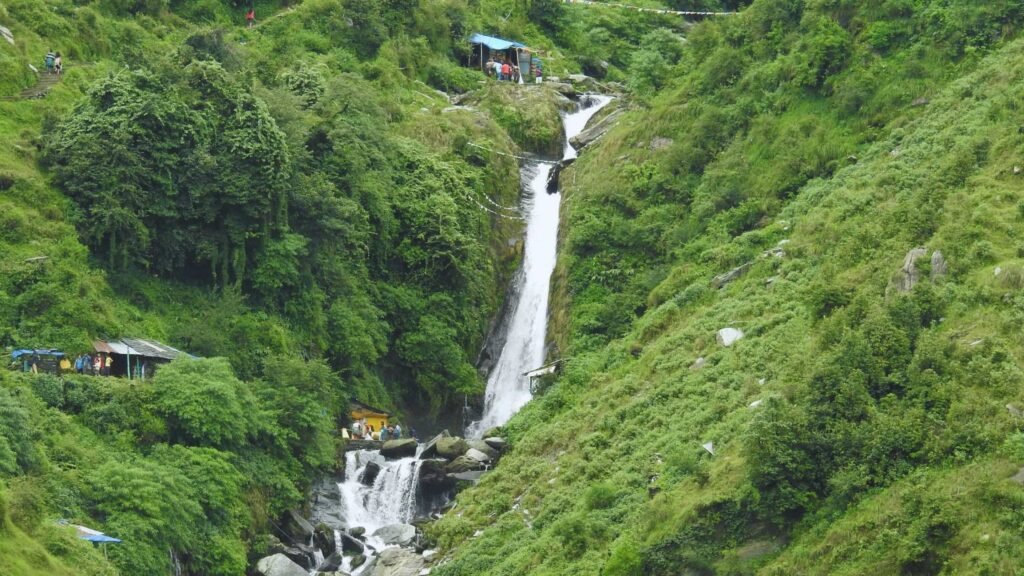
The Bhagsu waterfall becomes powerful in monsoon, which is exactly why you have to be careful. Fast water and wet rocks are a real hazard. Treat access as weather-dependent and do not go near the base after heavy rain.
Naddi and Dal Lake
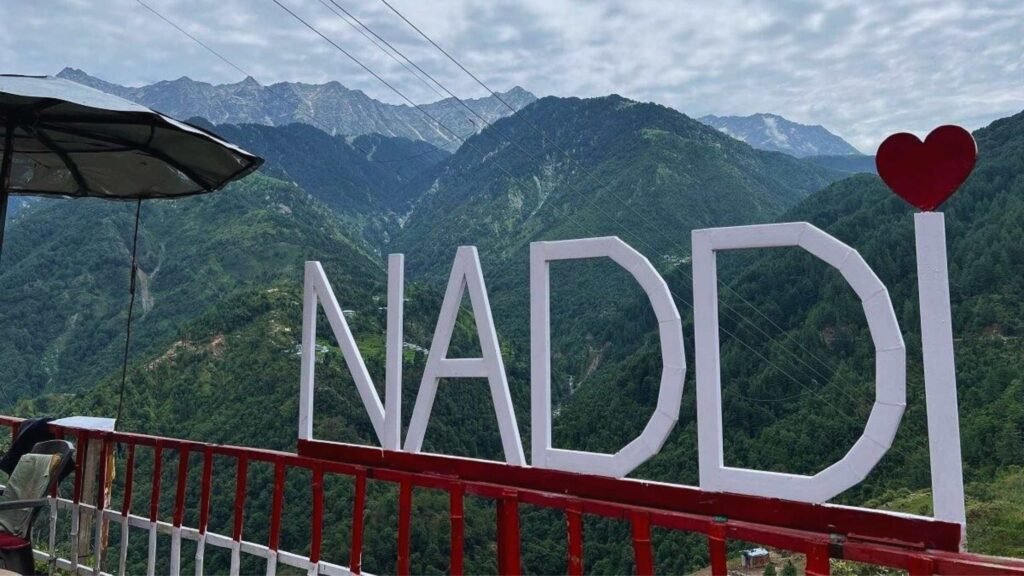
Nice short outings if the weather holds. Just know that the Dhauladhar views from Naddi are not guaranteed in monsoon, so keep expectations low.
Lower Dharamshala and HPCA Stadium
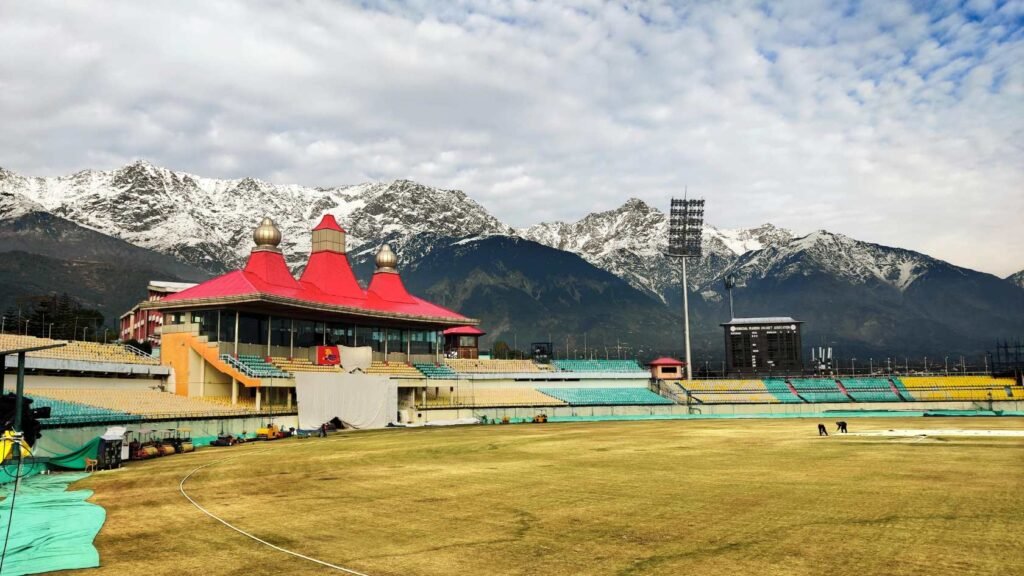
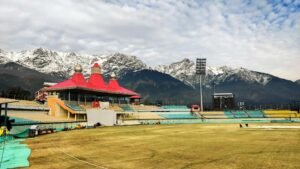
The HPCA cricket stadium in lower Dharamshala is a popular stop, but visitor access changes with matches, maintenance and security.
For a fuller list of spots and how they connect, see our guide to the top places to visit in Dharamshala and McLeodganj.
What Can You Do in McLeodganj When It Rains?
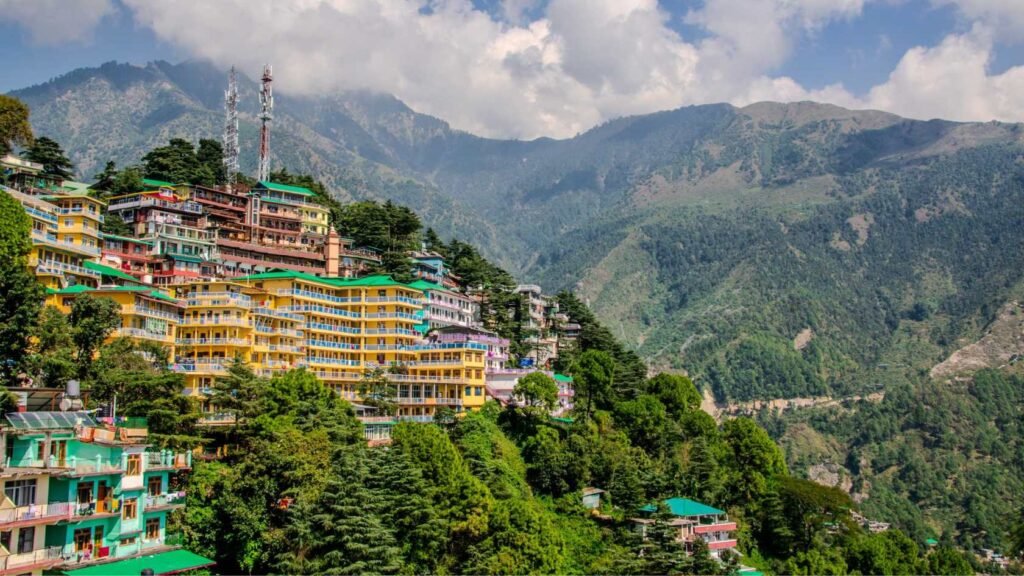
Plenty, honestly. McLeodganj is built for slow, indoor days. Sit in the cafés, eat Tibetan momos and thukpa, browse the bookshops, visit the monastery and museums, shop for handicrafts, or just read while the rain comes down.
What we tell our travellers is to plan one outdoor priority and one indoor fallback for each day. That way a wet morning never wrecks the whole plan.
We are skipping café prices here on purpose, since they change often and we would rather not quote a number we cannot stand behind.
Can You Do the Triund Trek During Monsoon?
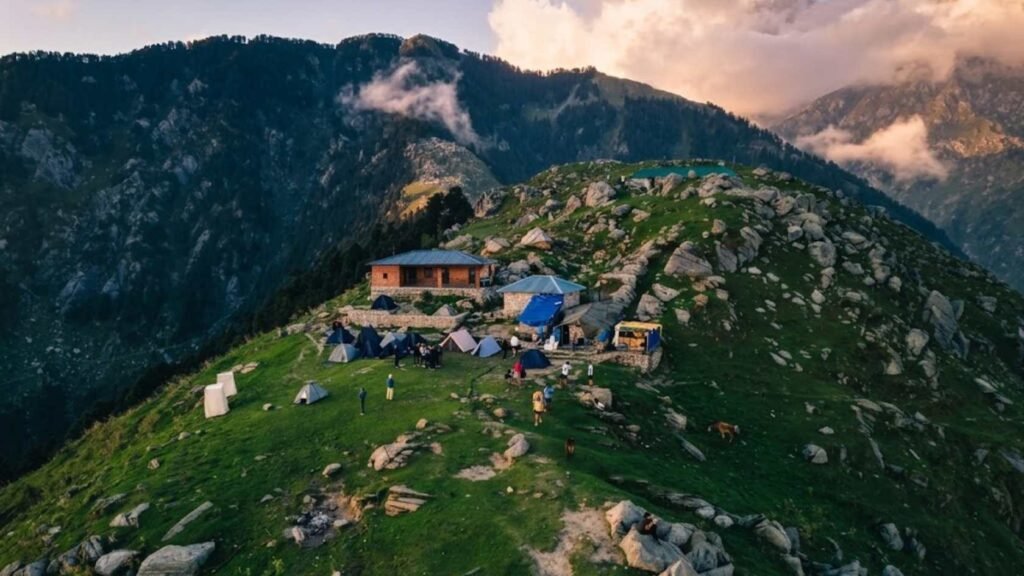
Triund is the famous ridge trek above Dharamshala. The official Kangra district page describes the route climbing through oak, deodar and rhododendron forest to the ridge.
In monsoon it gets tricky. Slippery ground, low visibility, saturated slopes, wind and weather that flips within an hour can all make the trek unsuitable.
Right now this matters even more. IMD’s active severe-rain advisory says to avoid trekking. When a heavy-rain warning is live, the honest answer is do not go.
Triund is not permanently closed, and no blanket 2026 closure has been confirmed. There was a July 2026 High Court proceeding about waste management at Triund, but that is about garbage, not a trek ban. Do not read it as a closure.
Before you plan Triund, check the day’s IMD warning and ask local forest staff or a guide. Postpone the trek any time a heavy-rain warning is active. You can read the official Triund page from Kangra district for the route details.
Three-Day Dharamshala Monsoon Itinerary

This plan keeps a Plan A and a rain-day Plan B for each day, so weather never fully derails you.
Day 1: McLeodganj Culture Circuit
Start with Tsuglagkhang and the Tibet Museum, then wander the McLeodganj market. Keep a café or covered stop ready for when the rain arrives.
Day 2: Norbulingka and Lower Dharamshala
Make Norbulingka the main activity of the day, with all its indoor art spaces. Add the HPCA Stadium only if access and weather allow.
Day 3: Flexible Weather Day
If the weather is stable: Naddi, Dal Lake, St. John in the Wilderness, and Bhagsu waterfall from a safe viewpoint.
If it is pouring: monastery, museum, café, handicraft shopping or simply rest at the hotel. Do not force Triund into a guaranteed slot.
Want this built around your exact dates? Explore our Himachal tour packages and we will shape a Plan A and a rain-day Plan B for you.
👉 Pick the right stay & route — we’ll help.
How Do You Reach Dharamshala During Monsoon?
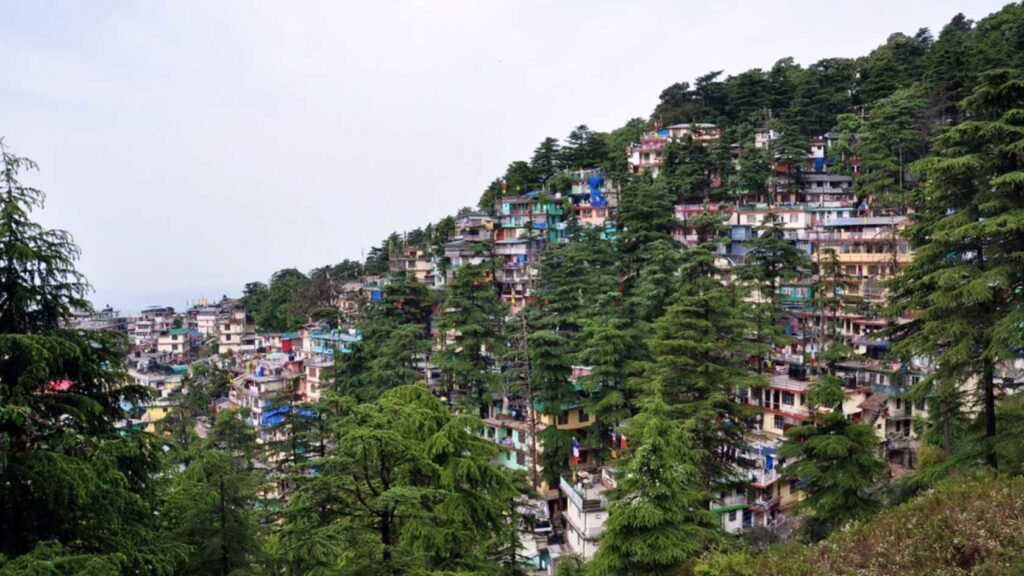
हवाई मार्ग द्वारा
Kangra Airport at Gaggal is the nearest airport. Mountain weather can affect flights in monsoon, so check your flight status before you leave for the airport.
ट्रेन द्वारा
Pathankot Railway Station is the nearest major railhead, listed by Incredible India. From there the rest of the journey is by road.
सड़क मार्ग से
Himachal Tourism describes Dharamshala as an 18 km gradual uphill drive from Kangra. Road travel time in monsoon changes with rain, traffic and temporary blockages, so we are not going to promise you a fixed number of hours from Delhi, Chandigarh or Pathankot.
Comparing hill stations for the season? You can also look at our Manali tour packages or Shimla tour packages.
Where Should You Stay in Dharamshala During Monsoon?
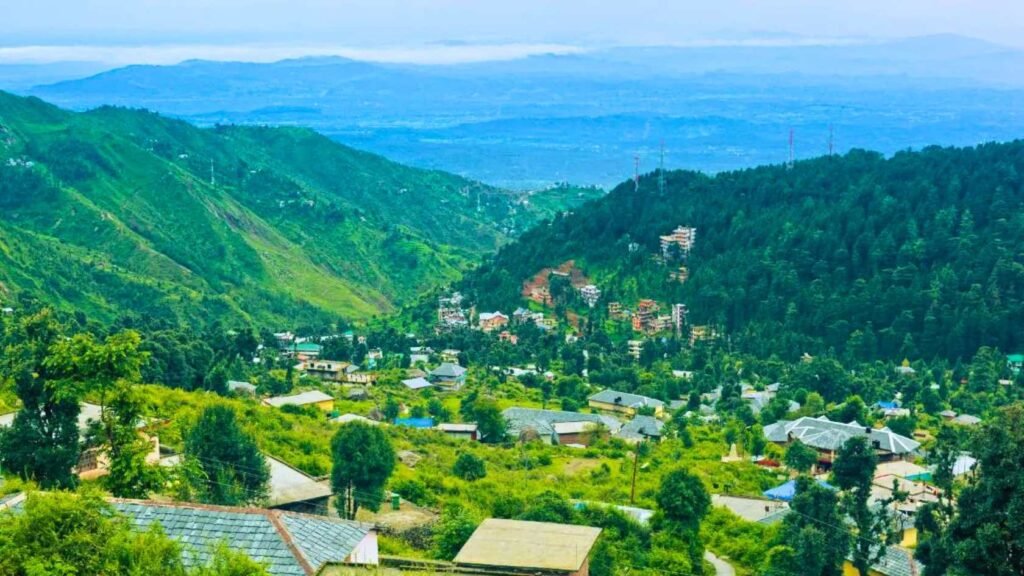
McLeodganj is the most convenient base for cafés and cultural spots, but expect steep lanes and stairs.
Dharamkot is quieter and calmer, though some stays there are walking-access only, which is no fun with luggage in the rain.
Naddi can give you valley or mountain-facing stays, but remember the views depend entirely on the weather.
Lower Dharamshala usually offers easier vehicle access, while the McLeodganj attractions sit above you on an uphill drive.
Before booking, ask about drainage, mould, power backup, hot water, in-house meals, taxi access and the number of stairs. In monsoon these small things decide how comfortable you actually are.
What Should You Pack for Dharamshala in Monsoon?

Pack for wet, not just cold. Carry a hooded rain jacket, a compact umbrella, quick-dry clothes, a light warm layer for the evenings and extra socks, because wet feet ruin a day.
Bring footwear with real grip, a rain cover for your bag, a waterproof phone pouch, your personal medicines, a torch and a power bank. Do not rely on folk tricks for leeches, and do not assume waterproof shoes make a slippery trek safe. They do not.
How Much Does a Dharamshala Monsoon Trip Cost?

There is no official citywide 2026 tariff we could verify, so treat these as rough guides, not fixed rates.
A basic comfortable room runs around ₹1,200–₹2,000 per night .
A basic three-day trip works out to roughly ₹3,500–₹5,000 per person. Clarify whether transport all the way to Dharamshala is included, since that changes the figure a lot.
Ignore any blanket claim that all hotels give 30 to 50 percent monsoon discounts. Some do, many do not.
Who Will Enjoy Dharamshala in Monsoon?
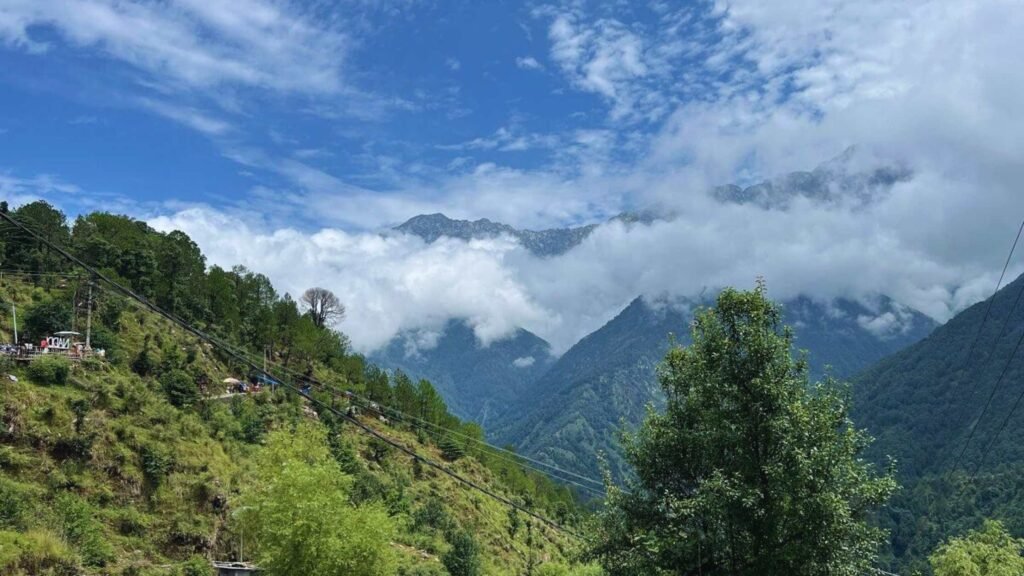
Couples looking for cosy, misty days. Photographers who love mood over sharpness. Writers and café travellers who want slow time. Cultural travellers drawn to the monasteries and museums. And anyone with a flexible schedule.
In our experience, monsoon works best for travellers who are happy to let the weather set the pace instead of fighting it.
Who Should Avoid It?
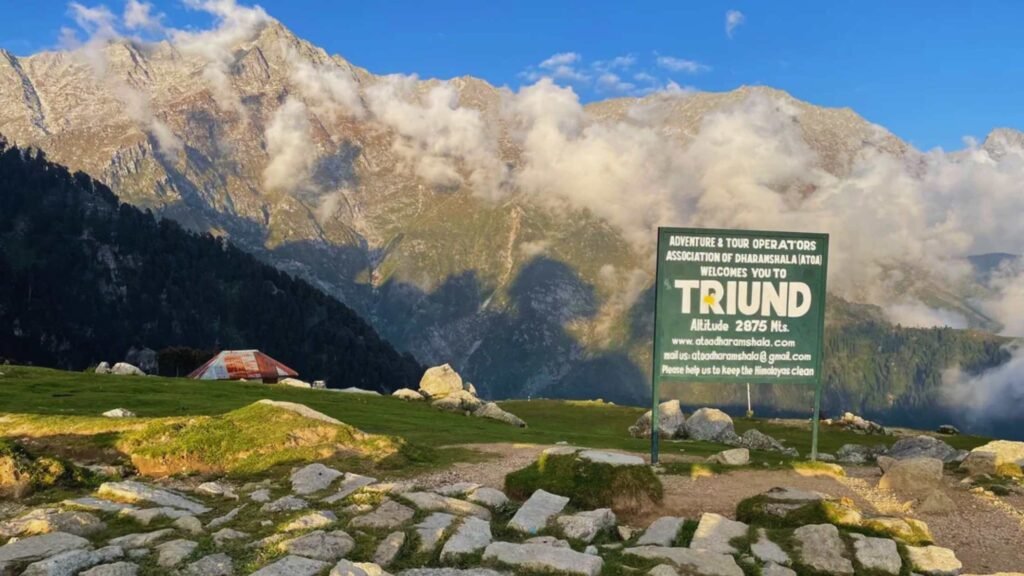
Trek-first travellers who came only for Triund. Anyone who needs guaranteed clear Dhauladhar views. People on rigid, minute-by-minute schedules. And anyone unwilling to change plans when an official warning is out. For you, September or the post-monsoon months are a better call.
Is July, August or September Best?
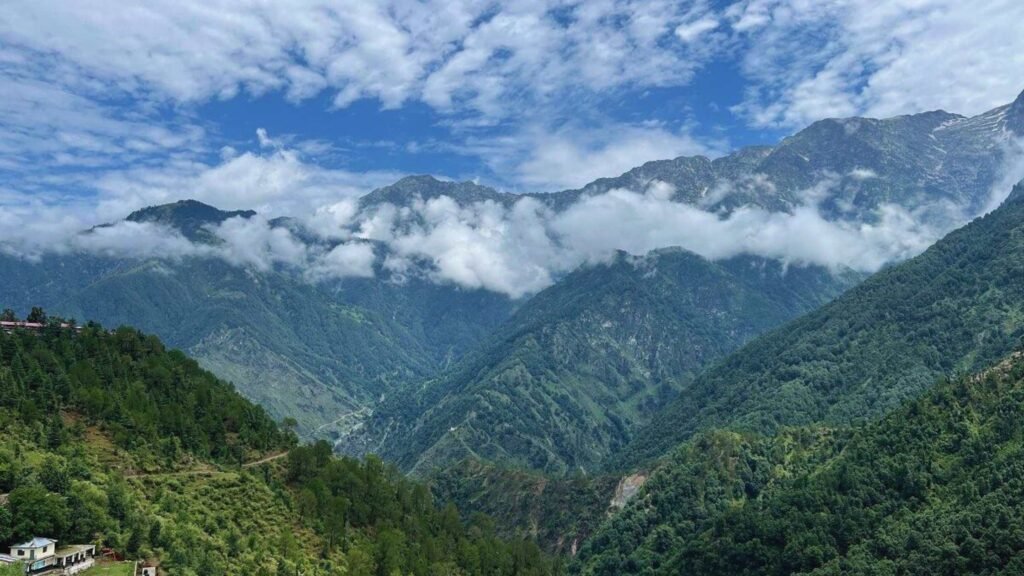
July is extremely wet and dramatic. Full waterfalls, deep green, and the highest chance of road disruption.
August is similarly wet, with ground that is already saturated from weeks of rain, so landslide risk stays high on the approach roads.
September is the usual first-timer pick. The long-term rainfall normal drops to 346.2 mm, the skies often clear up, and the balance of green and workable weather is the easiest of the three. It is still not a guarantee of dry days.
Final Verdict
Dharamshala in monsoon is rewarding as a flexible, slow, cultural holiday. It is not the season for a guaranteed trekking trip.
July and August suit committed rain lovers who want the drama and do not mind delays. September generally gives the easiest balance for most travellers.
👉 Want this trip? Let’s plan it right.
अक्सर पूछे जाने वाले प्रश्न
Also Read: Jibhi in Monsoon 2026: Weather, Road Safety and Honest Travel Guide
क्या आप अपने हिमाचल एडवेंचर के लिए तैयार हैं?
Get FREE customized itinerary · Best Price Guaranteed · Local Himachal Experts · 3,973+ Happy Travelers