If you are planning Dharamshala in September, here is the honest version before the pretty photos. September is the tail end of the monsoon, so you get green hills, full waterfalls, thin crowds, and the odd afternoon of rain that reshuffles your plans.
Get the timing right and it is one of the best-value months to walk the Kangra Valley. Get it wrong and you spend two days stuck in a café waiting for the clouds to lift.
We run trips through this valley every season, and September is a month we tell people to plan loosely on purpose. This guide covers exactly how to do that.
Quick Answer: Is Dharamshala Good in September?
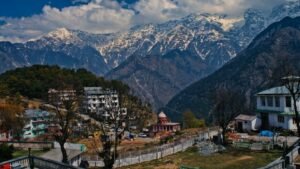
Yes, September is a good time for Dharamshala if you are okay with leftover monsoon rain, misty mornings, and a flexible plan. You get lush green ridges, a roaring Bhagsu waterfall, fewer tourists, and softer hotel rates than peak summer.
Temperatures usually sit around 17°C to 23°C in the day and dip to about 12°C at night, so it stays cool and pleasant, not cold.
Late September is the smarter pick. Early September is greener but wetter, while the second half of the month gives clearer Dhauladhar views and a far better shot at doing Triund.
If you would rather someone handle the logistics around the weather, our Dharamshala tour packages come with built-in buffer time and a local coordinator who checks the forecast for you.
👉 Confused? Let locals plan your trip.
What Is the Weather Like in Dharamshala in September?
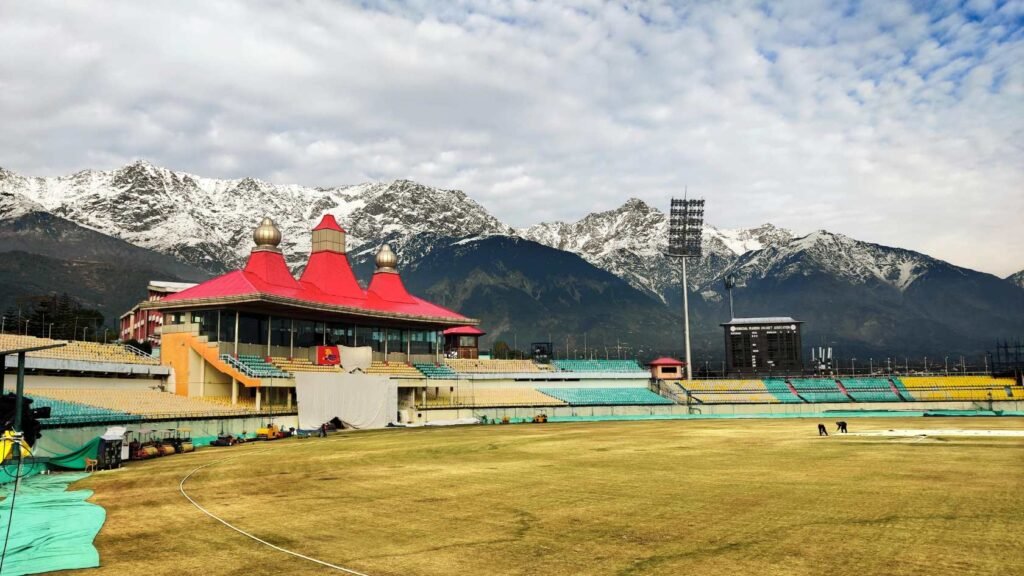
Dharamshala September weather is cool, humid, and a bit moody. Mornings are often misty, afternoons can bring a shower, and evenings turn crisp once the sun drops behind the Dhauladhars.
The official Kangra climate split puts the rainy season from July to mid-September, and mid-September to mid-November as the retreating monsoon or cooler season. So September sits right on the changeover line.
That is why the first half feels wetter and the second half starts to clear up. You are watching the monsoon pack its bags in real time.
On temperature, verified sources put the September band roughly at 17°C to 23.4°C through the day. Nights are cooler, often near 12°C, so carry one warm layer even if the afternoon feels like T-shirt weather.
Kangra district itself lists September to December as part of the best season to visit, mainly because the air clears and the views sharpen after the rain.
One honest warning. Do not expect guaranteed blue skies. Mountain weather ignores calendars, and a clear morning can cloud over by 2 PM.
Early September vs Late September: Which Is Better?
This is the single biggest planning decision for the month, so let us be direct about it.
Early September
Is greener, wetter, and cloudier. The waterfalls are at their strongest and the tea gardens look their richest, but rain interrupts outdoor plans more often and the big Dhauladhar views stay hidden behind cloud.
Late September
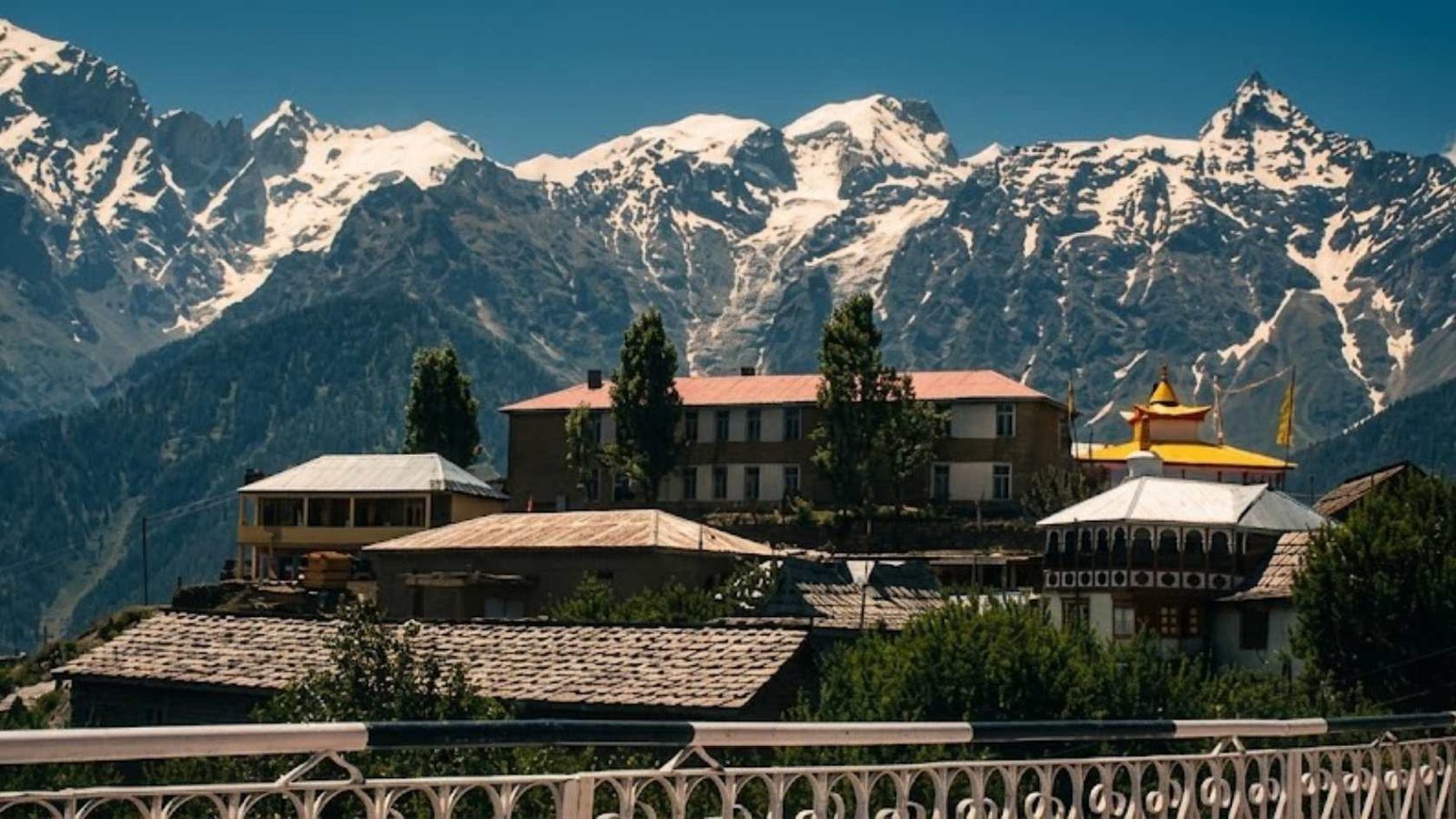
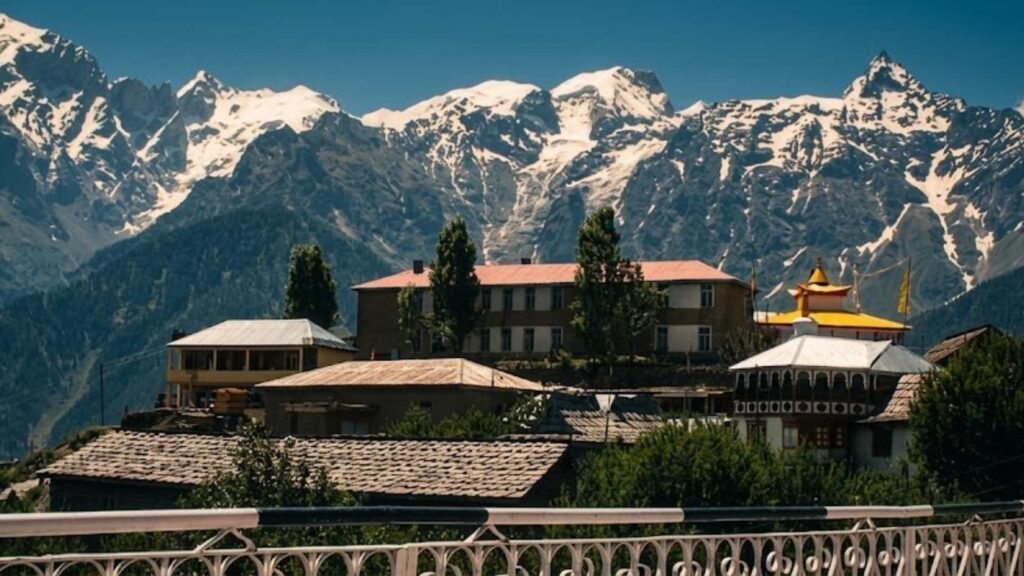
Is the better choice for most travellers. The rain eases off, the Dhauladhar range starts showing itself clearly, walking conditions improve, and your chance of actually completing the Triund trek goes up a lot.
What most tourists get wrong is treating the whole month as one thing. It is not. The difference between the 5th and the 25th of September can be the difference between a washed-out weekend and postcard skies.
Here is the local reality though. Mountain weather does not follow a strict calendar, so check the live forecast a few days before you leave rather than trusting a monthly average.
Does It Rain in Dharamshala in September?
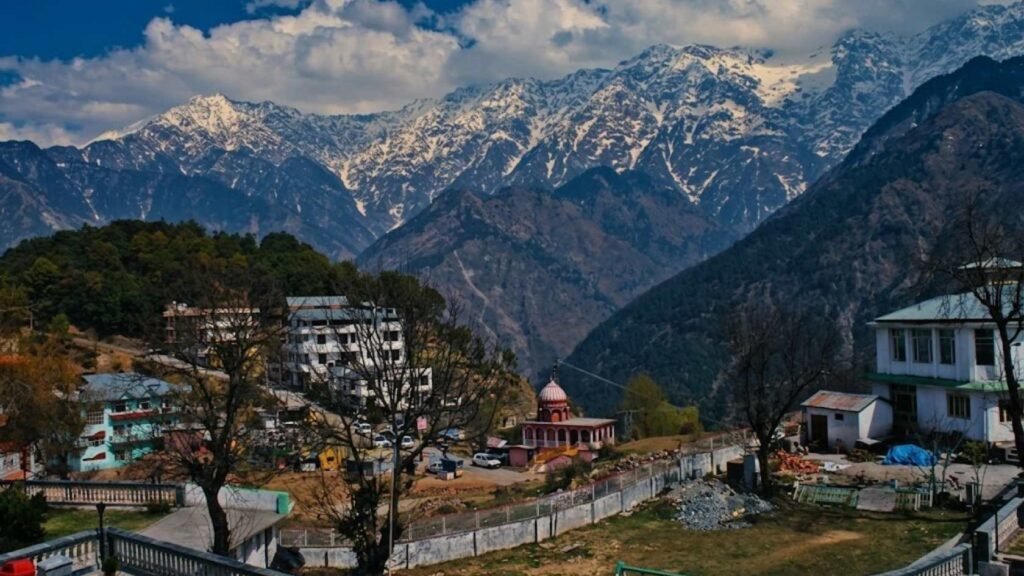
Yes, it does, and pretending otherwise would set you up for a bad trip. Dharamshala rain in September is common, especially in the first half of the month.
The good news is that rain here usually reshuffles a day instead of ruining a whole trip. A wet afternoon just means you swap the viewpoint for a monastery, a museum, or a long café stop.
The pattern is fairly kind if you plan around it. Mornings tend to be the driest window, so we always push outdoor plans, treks, and viewpoints to the early hours.
Keep your afternoons soft and swappable. Cafés on the Mall Road, the Tibet Museum, the Namgyal Monastery, and market walks all work perfectly when the sky opens up.
Heavy spells do happen, and when they do they can pause sightseeing, close a trek, and slow the roads. That is normal for the season and exactly why a buffer day matters.
Is Dharamshala Safe to Visit in September 2026?
Dharamshala is generally safe to visit in September, but this is still a monsoon month, so it needs the right kind of caution rather than blind confidence.
The risks are weather-linked, not town-linked. Expect slippery roads, patches of low visibility, some waterlogging, and a few landslide-prone stretches on the approach roads during heavy rain.
The 2026 season is worth noting. IMD Shimla said the Southwest Monsoon covered all of Himachal Pradesh on 1 July 2026, which is later than the normal date of 25 June. A later arrival can mean the tail of the rains lingers a little longer into September.
IMD’s heavy rain advisory for the state lists the usual impacts to plan around: localised landslides, waterlogging, slippery roads, low visibility, traffic congestion, and disruptions to essential services during intense spells.
None of this makes Dharamshala a no-go. It just means you drive in daylight, keep a buffer day, and do not force a high trek on a bad-weather morning. In our experience, travellers who stay flexible have a great September trip.
Best Places to Visit in Dharamshala and McLeodganj in September
The best places to visit in Dharamshala in September are the ones that still work in mixed weather. September rewards a plan that mixes rain-safe indoor spots with quick outdoor windows.
Here is how we sequence it for our travellers, starting with the stops that hold up even when it rains.
Tsuglagkhang Complex and Namgyal Monastery
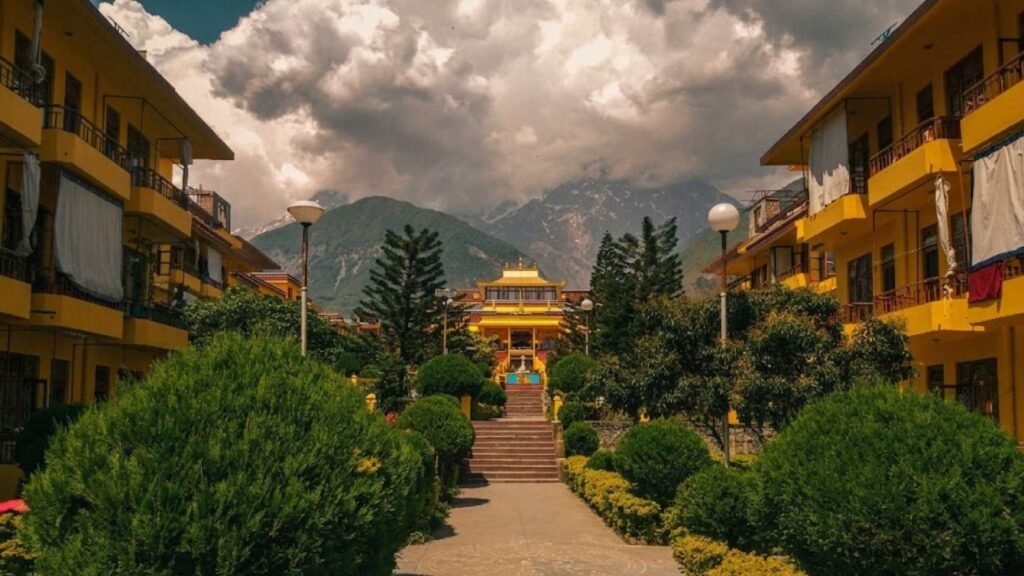
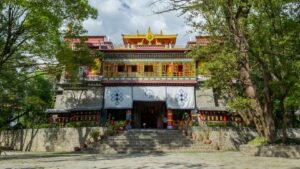
Start here. The Tsuglagkhang Complex is the best rain-safe cultural anchor in McLeodganj in September, and it sets the tone for the whole trip.
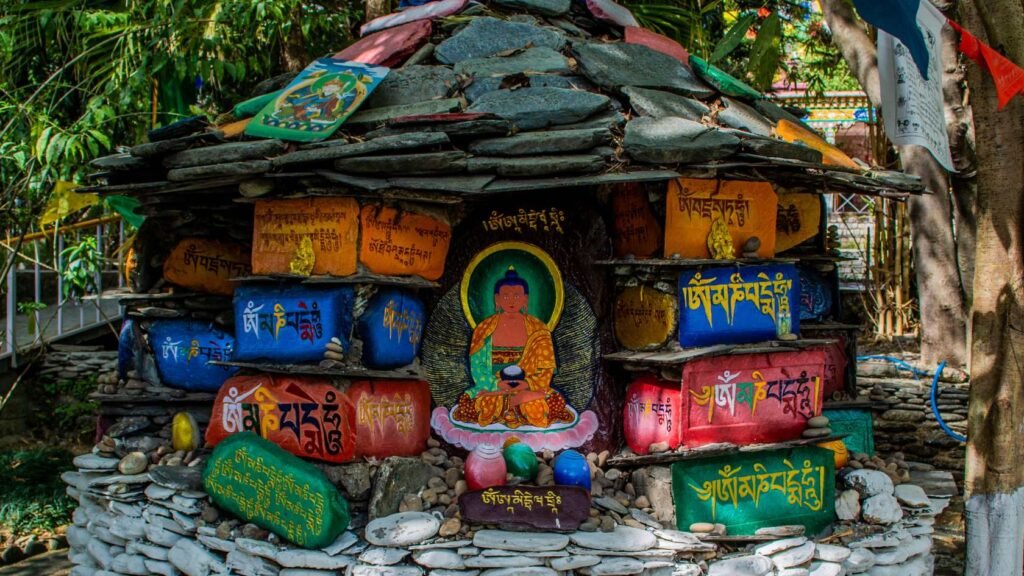
Spin the prayer wheels, sit through a bit of the monastery calm, and give the Tibet Museum real time. It is a quiet, honest walk through the Tibetan story in exile.
There are cafés right around the complex, which makes it the perfect spot to wait out an afternoon shower with a plate of momos. We usually keep this stop for a cloudy hour.
Bhagsu Waterfall and Bhagsunag Temple
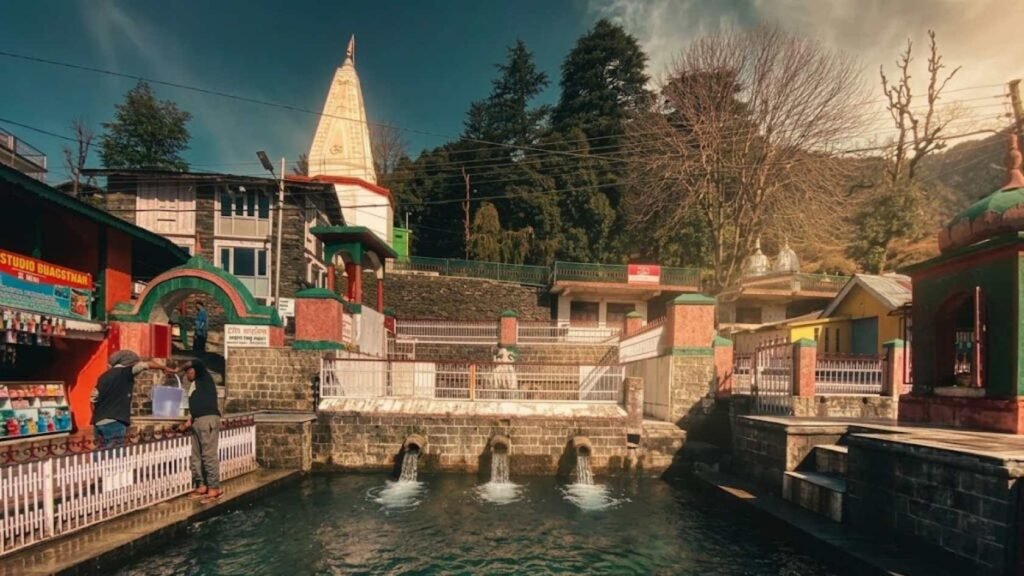
September is when Bhagsu earns its reputation. The monsoon feeds it, so the Bhagsu waterfall in September runs stronger and looks far more dramatic than in the dry months.
That power comes with a catch. The trail and the rocks near the falls get slippery, and every season we hear about someone who slipped chasing a photo.
Wear shoes with grip and stay off the wet rocks close to the water. The official Kangra distance table lists Bhagsunag Falls at 11 km from Dharamshala, and the temple sits on the same short trail just before the falls.
Dharamkot Cafés and Forest Walks
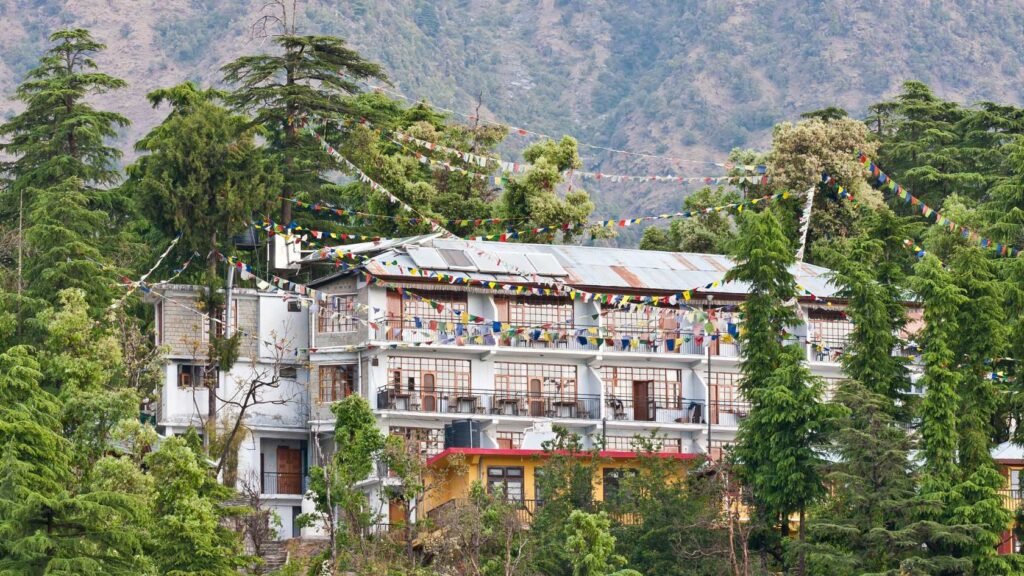
Above McLeodganj sits Dharamkot, the quieter, greener, more relaxed side of the hill. It is a café and forest-walk area rather than a sightseeing checklist.
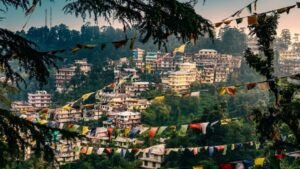
In September mist it looks genuinely lovely, with pine trees fading into cloud and cafés glowing warm. It is our favourite place to lose a slow afternoon.
The honest downside is the walking. The uphill lanes turn wet and tiring after rain, so skip the steep shortcuts and stick to the main path when it is slick.
Naddi Viewpoint and Dal Lake
Naddi is a viewpoint that lives and dies by the clouds. On a clear morning it opens straight onto the Dhauladhars, so hit it early when the sky is most likely to cooperate.
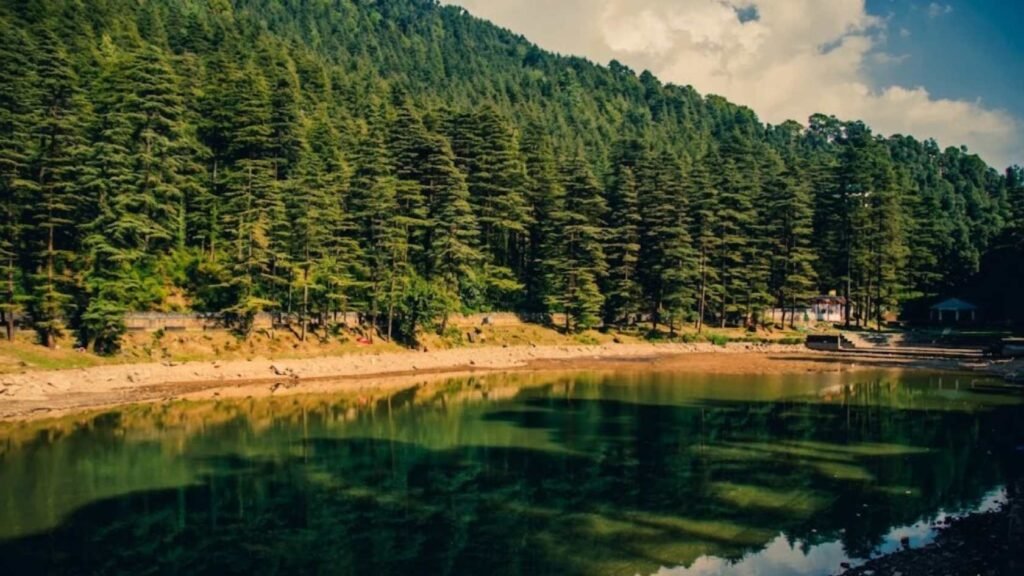
Set your expectations honestly for Dal Lake. Kangra district puts it about 11 km from main Dharamshala town and 2 to 3 km west of the McLeodganj bazaar, sitting at around 1,775 m, and entry is free.
Here is the local truth most guides skip. The official Kangra page notes Dal Lake can shrink or look muddy in dry periods, while the monsoon often improves its water levels. So September is actually a decent time to see it fuller.
A small bonus. A Dal Fair is sometimes held around August or September, so if the timing lines up you might catch a bit of local colour by the water.
Lower Dharamshala: HPCA Stadium, Kangra Art Museum, War Memorial and Norbulingka
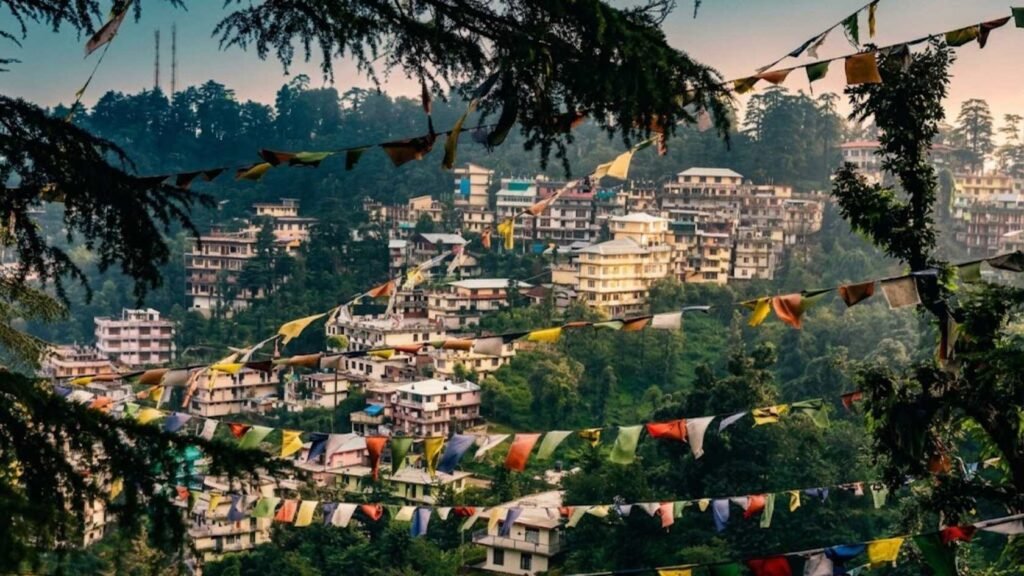
When rain settles in for the day, drop down to lower Dharamshala. This is your rainy-day buffer and it works well for families.
Kangra district lists HPCA Stadium, the War Memorial, Norbulingka, the Kangra Valley tea gardens, McLeodganj, Triund, Dal Lake, and Kangra Fort among the area’s tourist places, so there is plenty to fill a wet day.
Norbulingka is the pick of the lot for a grey afternoon. Use only these figures: timings are about 9:00 AM to 5:00 or 5:30 PM, entry is roughly ₹50 for Indians and Tibetans and ₹110 to ₹200 for foreign visitors, and it sits about 7 to 8 km from Dharamshala and around 12 km from McLeodganj.
We mark those timings and fees on purpose. The official page itself asks you to confirm before visiting, so check on the day.
For a fuller walk-through of the town’s stops, our team guide to the best places to visit in Dharamshala and McLeodganj breaks each one down by season.
Can You Do the Triund Trek in September?
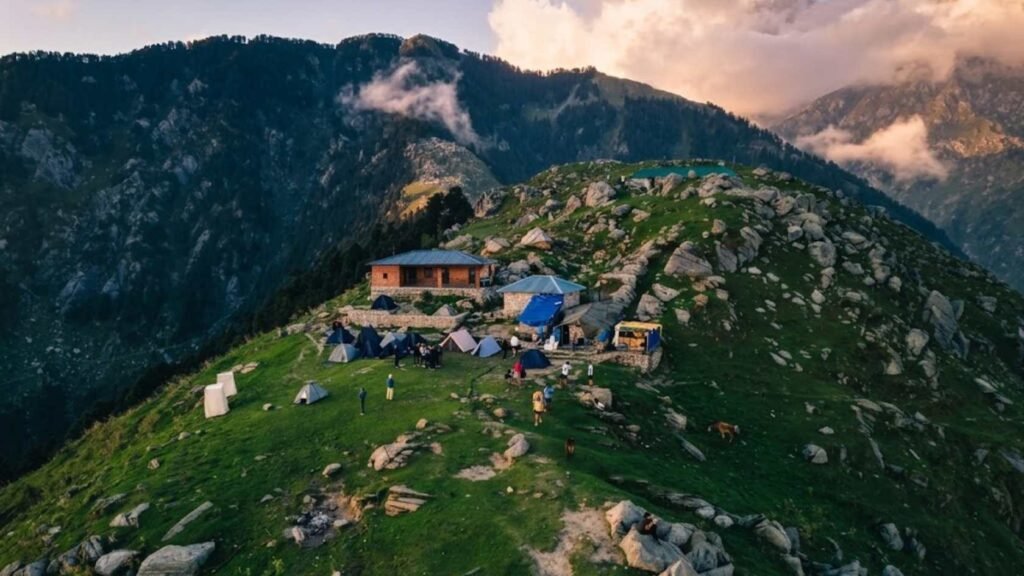
Yes, you can do the Triund trek in September, but not blindly. Late September is far more sensible than early September, when rain and fog can shut the good views down.
The route is a proper day trek, not a stroll. Official HP Eco Tourism figures put the Triund Forest Rest House at 2,842 m, reached by a 9 km uphill trek from McLeodganj along the south face of the Dhauladhars.
The path climbs through oak, deodar, and rhododendron forest, which is genuinely pretty in the September green. The last stretch, the section locals call the 22 curves, is the demanding part, and it feels harder with wet ground under your shoes.
Rain and fog do two things up there. They flatten the views you came for, and they make the descent slippery and slow. So start early, be off the top before the afternoon mist rolls in, and keep a backup day in case the weather says no.
For the trek, grippy trekking shoes are not optional in September. If you want a guided version with permits, transport, and a local trek lead sorted, our Dharamshala Adventure & Trekking package is built around exactly this, and you can read more about our trekking in Himachal setup too.
A Realistic 2-Day Dharamshala Itinerary for September

Two days works if you accept that weather runs the show. Here is the plan we hand our short-trip travellers.
Day 1
Base yourself in McLeodganj and start with the Tsuglagkhang Complex and the Tibet Museum while the morning is calm. Move to Bhagsunag Temple and the waterfall trail before lunch, then keep the afternoon for the McLeodganj market and café time.
The beauty of this order is simple. If rain arrives after lunch, the day still works, because the café and market part is meant for exactly that.
Day 2
Aim for Naddi first thing if the morning is clear, since that viewpoint needs a break in the clouds. Then wander Dharamkot, stop at St John in the Wilderness church tucked in the deodar forest, and end in lower Dharamshala.
If the Skyway ropeway is running, that is a nice optional add. And if the rain flips your plan, swap the viewpoints for museums, monasteries, and cafés, and push the outdoor bits to whichever morning is clear.
👉 Pick the right stay & route — we’ll help.
A 3-Day Itinerary If You Want Triund or a Slower Trip
If Triund is on your list, or you simply want a calmer pace, give the trip three days. In our experience, three days beats two in September because the rain buffer is the whole point.
Day 1
Stays gentle. Settle into McLeodganj, do the monastery and Tibet Museum, and walk the easy Bhagsu waterfall trail to get your legs used to the altitude.
Day 2
Is Triund, but only if the weather is clear. Start early, carry warm layers for the top, and if the forecast is bad, hold it and reshuffle rather than forcing it.
Day 3
Mops up the rest at a relaxed pace. Naddi for the morning view, Dharamkot for the forest and cafés, Norbulingka for a slower cultural hour, and lower Dharamshala to round things off.
That single extra day is your insurance against a washed-out Triund attempt, and it is the version we quietly push most September travellers toward.
Where Should You Stay in September: Dharamshala, McLeodganj or Dharamkot?
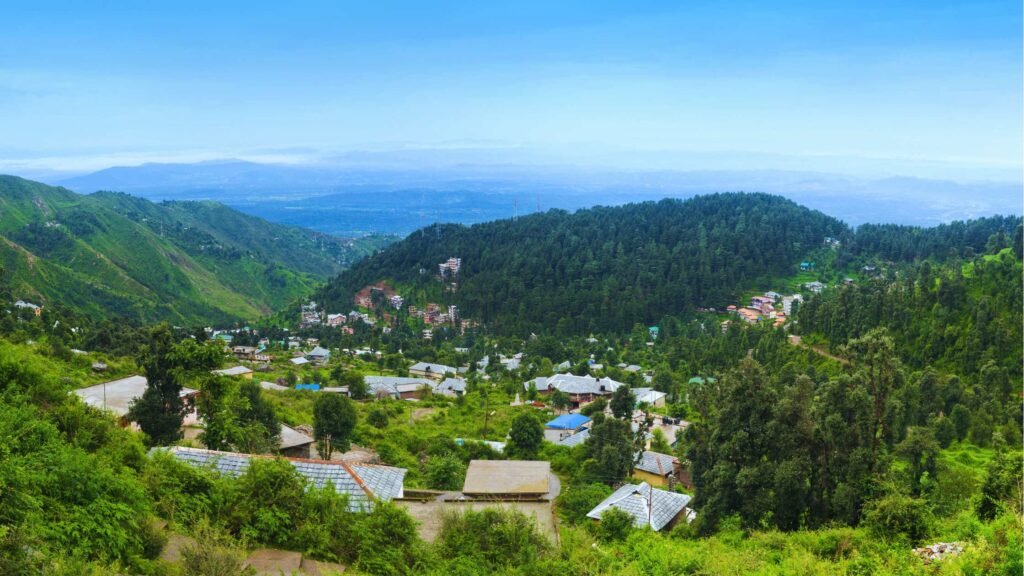
Where you sleep changes your whole September trip, so match the base to your travel style.
McLeodganj is best for first-timers. You can walk to the cafés, the temple, the market, and the Bhagsu trail without hunting for a cab every time it drizzles.
Dharamkot suits quiet stays, yoga, long café mornings, and solo travellers who want calm over convenience. The trade-off is the wet uphill walks, which get tedious in heavy rain.
Lower Dharamshala works for families who want parking, bigger hotels, and easy road access. Just know you will need transport to reach McLeodganj and Bhagsu each day.
How to Reach Dharamshala in September 2026
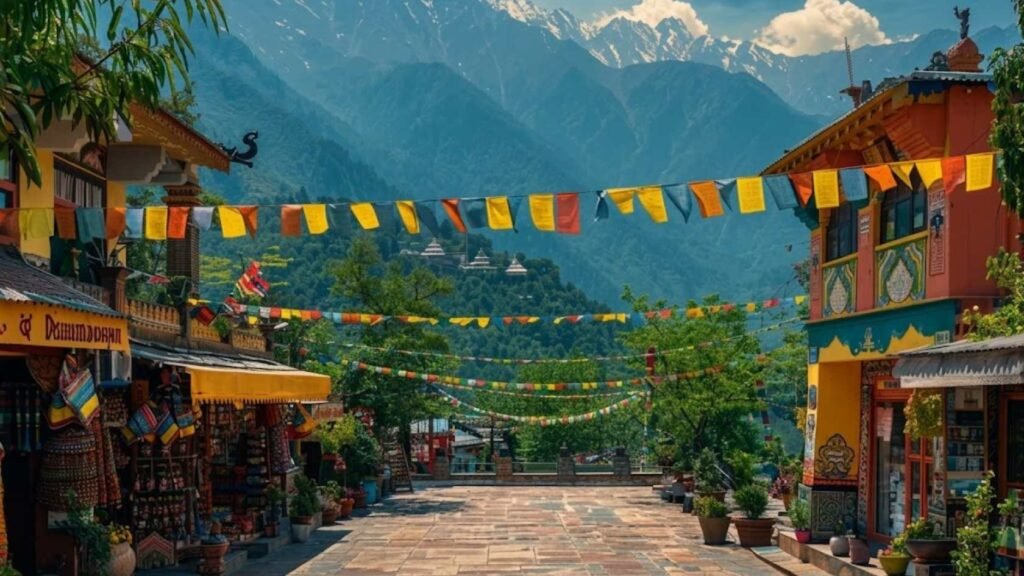
Most people reach Dharamshala by road, and September is fine for it as long as you drive in daylight and keep an eye on the weather.
Using official Kangra distance figures, Delhi to Dharamshala is 525 km, Chandigarh to Dharamshala is 255 km, Pathankot to Dharamshala is 88 km, Amritsar to Dharamshala is 190 km, and Shimla to Dharamshala is 250 km. If you are pairing it with a hill circuit, our Shimla tour packages connect neatly on that 250 km stretch.
For flights, the nearest airport is Gaggal, also called Kangra Airport, about 13 km from Dharamshala. It keeps the last leg short and easy.
For trains, the nearest broad-gauge railway station is Pathankot, about 95 km from Dharamshala, from where you pick up a cab for the climb into the valley.
One 2026 update to watch. A report says the NH-503 upgrade in the Kangra region is expected by September 2026 and could cut the Delhi to Dharamshala travel time, but completion timelines and real-world travel times shift often, so treat it as a maybe until it is done.
Planning to combine the valley with a bigger loop? Chamba and Dalhousie sit close, and our team’s honest take on that side in the wet months is in our Chamba in monsoon guide, which is worth a read before you lock a route.
Dharamshala September Trip Cost and Package Planning

Rather than throw random hotel and taxi numbers at you, here is our verified package range so you can budget with confidence.
Our Dharamshala tour packages start from ₹12,999 per person and go up to ₹32,999 and above for the longer, premium circuits. That includes accommodation, transfers, sightseeing, Triund trek coordination where relevant, and a 24×7 WhatsApp trip coordinator from the day you leave home to the day you get back.
The final number depends on your dates, hotel category, whether you travel by Volvo or private cab, and your group size. Couples and groups of four or more usually land better per-head rates.
Want to run a rough estimate yourself first? Our Himachal trip cost calculator gives you a quick ballpark before you talk to anyone.
What Should You Pack for Dharamshala in September?

Pack for a month that cannot decide if it is summer or autumn. The key items are all about staying dry and adding one warm layer.
Carry a rain jacket or a light poncho, because you will use it. Add waterproof shoes with real grip for the wet trails, some quick-dry clothes, and a light fleece or hoodie for the cool evenings.
A waterproof daypack keeps your camera and phone safe on the walk to Bhagsu or up to Triund. Throw in a power bank and a small kit of basic medicines while you are at it.
You do not need heavy woollens for normal town sightseeing in September. Triund is the exception, so if you are trekking up, pack proper warm layers for the top where it gets genuinely cold after sunset.
September 2026 Things to Verify Before You Go
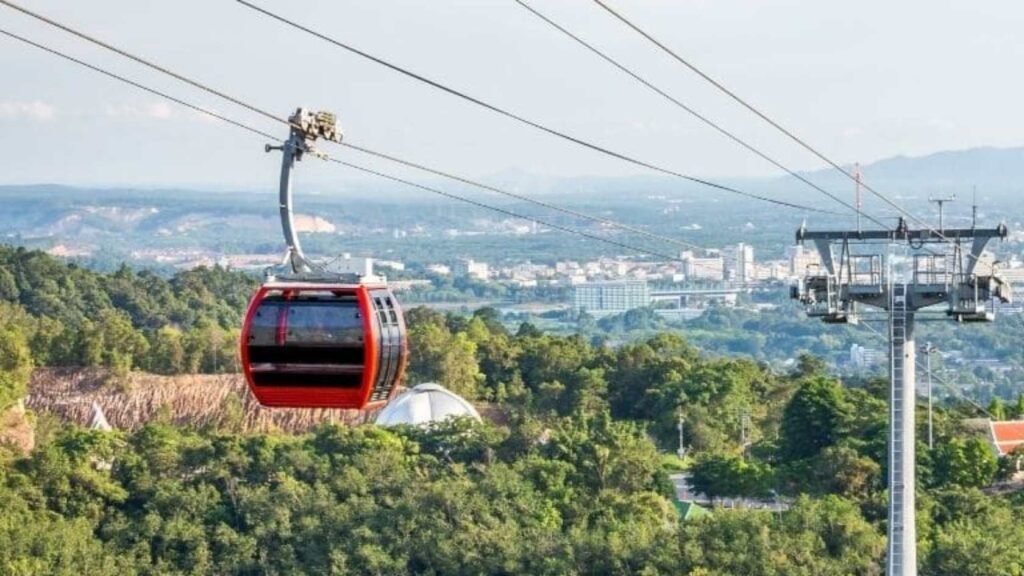
September moves fast, so check a few live things close to your travel date instead of trusting any single blog, including this one.
Verify the current weather alerts, the road condition on your approach, the Triund trail status, and the Dal Lake water level. Also confirm your hotel’s approach road holds up in heavy rain, since a few upper lanes get tricky when it pours.
The Dharamshala Skyway ropeway is one to double-check. Sources conflict on fare, with some listings showing ₹450 to ₹500 one way and ₹675 to ₹750 return, while one traveller review mentions ₹750 per person.
The ropeway hours are just as murky. One listing shows operating hours of 9:30 AM to 5:45 PM, so treat that as a guide and confirm on the day rather than building your whole afternoon around it.
👉 Want this trip? Let’s plan it right.
अक्सर पूछे जाने वाले प्रश्न
Also Read: Shimla in September 2026: Weather, Places to Visit and Local Travel Guide
क्या आप अपने हिमाचल एडवेंचर के लिए तैयार हैं?
Get FREE customized itinerary · Best Price Guaranteed · Local Himachal Experts · 3,973+ Happy Travelers