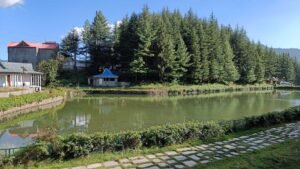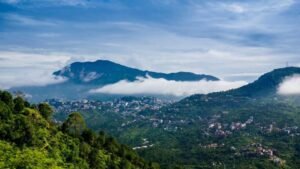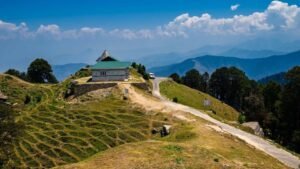
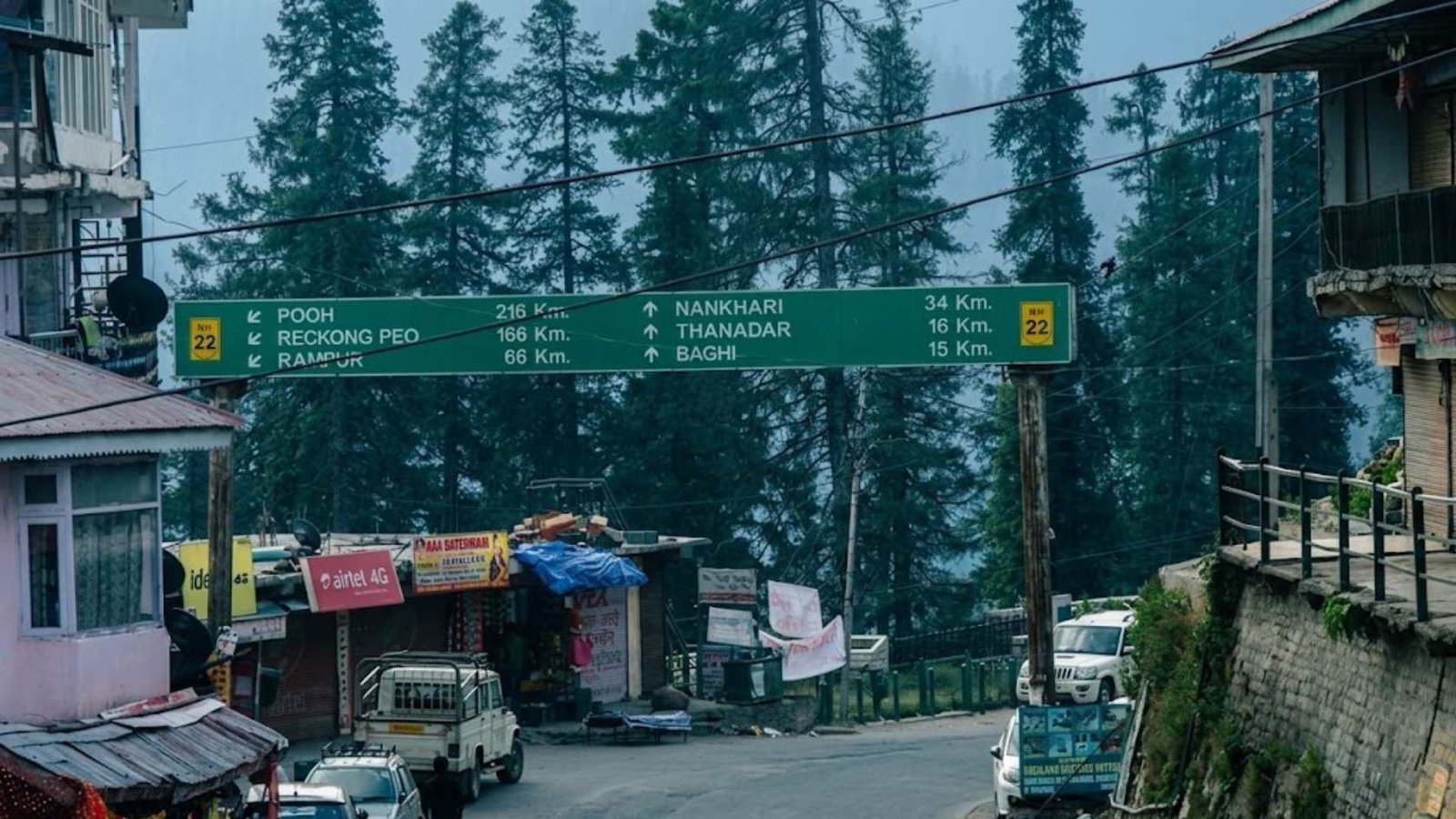
Autumn can be a good season to visit Narkanda, and October is the month we’d suggest for most first-time travellers. It gives you the best all-round balance of cooler post-monsoon conditions and lower rain uncertainty. September still sits inside Himachal’s monsoon classification, so it carries more weather risk, while November turns noticeably colder as late autumn sets in. One thing to settle early: Narkanda in Autumn does not guarantee apples on the trees or snow on the ground. Both need qualification, and this guide explains exactly what each month realistically offers so you can pick the right one.
Quick Answer: Is Autumn a Good Time to Visit Narkanda?
Yes, especially if you want cool, quiet hill scenery rather than snow sports. Narkanda sits at 2,708 metres and is about 60 km from Shimla. September falls inside Himachal’s official monsoon classification, October begins the post-monsoon period, and November is colder in the regional climate pattern. October offers the best overall balance for most first-time visitors. Don’t plan the trip around guaranteed apples or snow, since neither can be promised for a specific date. For broader details, see our Narkanda travel guide.
Narkanda in Autumn at a Glance
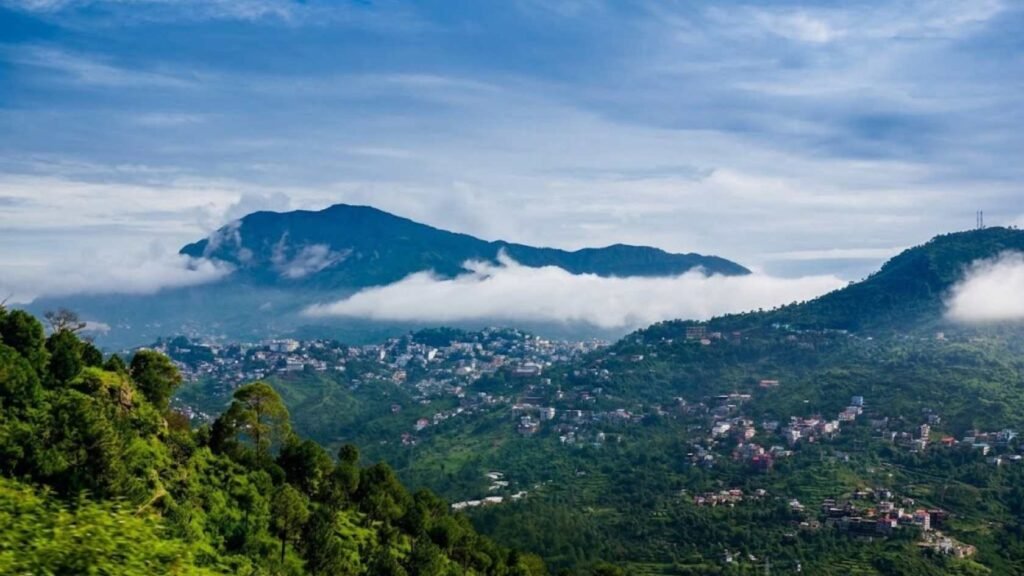
The table below compares the three months so you can match a month to what matters most to you. Treat it as planning guidance built on regional climate patterns, not a forecast for your exact travel dates.
| महीना | Weather context | Rain uncertainty | Apple expectation | Best for | Main limitation |
| सितम्बर | Still classified as monsoon state-wide | Higher | Harvest atmosphere possible, not guaranteed | Earlier harvest energy | More weather disruption risk |
| अक्टूबर | Post-monsoon begins | Lower | Regional market activity continues | Best overall balance | No guarantee of clear skies |
| नवंबर | Colder late autumn | Lowest of the three | Market arrivals continue regionally | Quiet, cool late-autumn trip | Colder; no snow or fruit promise |
👉 Confused? Let locals plan your trip.
Narkanda in September: Harvest Energy, More Weather Uncertainty
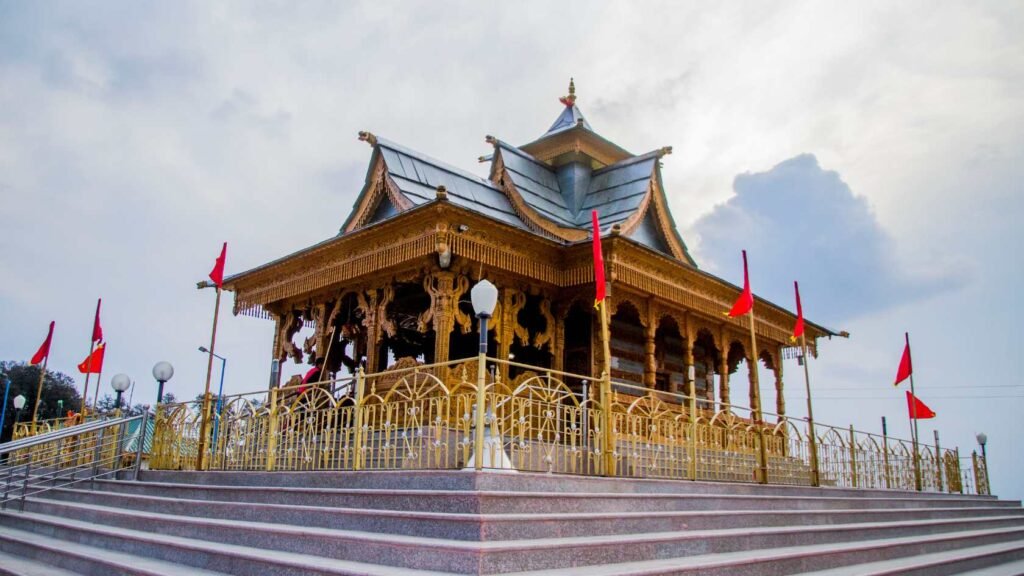
Himachal Pradesh’s government climate classification places June to September under the monsoon period. So even in mid-to-late September, the state framework still treats the month as monsoon, which is why rain uncertainty stays higher than in October.
As Shimla regional context only, IMD’s 1971–2000 climatology for the Shimla station recorded a September mean daily minimum of 12.9°C and maximum of 20.4°C, with 148.7 mm of rainfall across 8.8 rainy days. These are Shimla figures, not Narkanda averages, but they show why September carries more disruption risk.
September can suit you if earlier harvest atmosphere matters and you’re comfortable accepting weather that may change your plans. For a fuller month-specific breakdown, read our guide to Narkanda in September.
Narkanda in October: Best Balance for Most First-Time Travellers
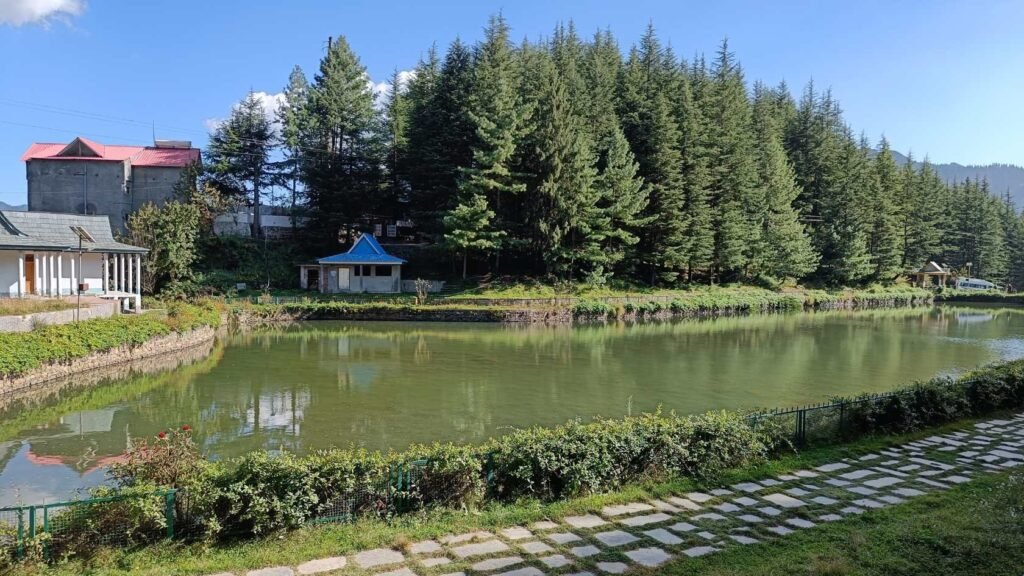
This is our central recommendation, though it’s an editorial synthesis from official regional evidence rather than an official “best month” label. October marks the start of the post-monsoon period in the state climate classification.
The Shimla historical proxy shows a large rainfall drop from September to October, falling to 36.3 mm across just 2.2 rainy days, with a mean minimum of 10.5°C and maximum of 18.9°C. Again, these are Shimla station figures used as regional context, never Narkanda averages.
Regional apple-market activity still runs during the wider season, so the orchard-country mood can still be present. None of this guarantees clear skies or apples on any particular tree. For wider seasonal planning, see Himachal Pradesh in autumn.
Narkanda in November: Colder and Quieter, but Don’t Expect Snow
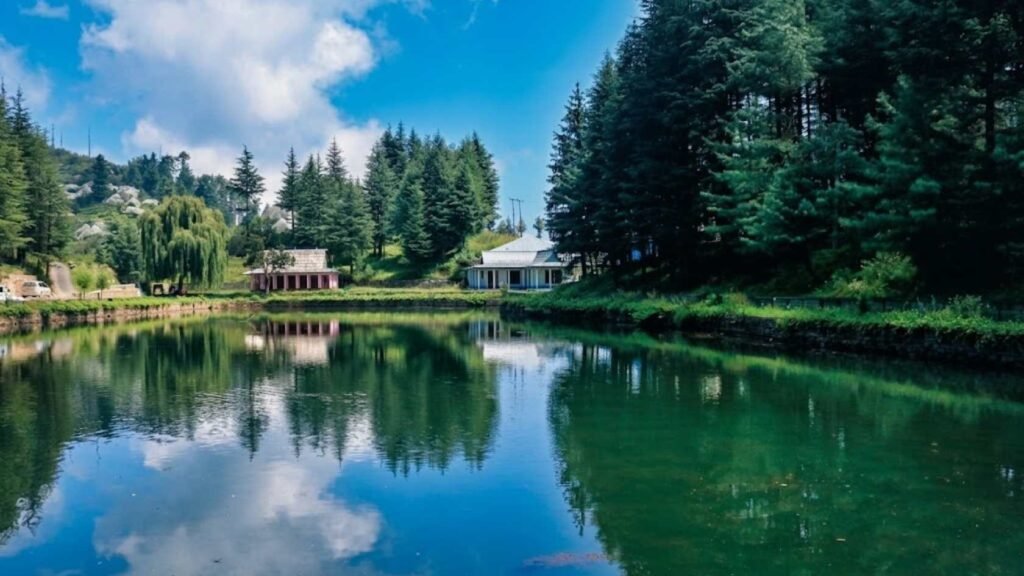
State climate guidance indicates temperatures fall more rapidly after November, so you’re travelling into genuinely colder conditions. The Shimla historical proxy is colder in November than October, with a mean minimum of 7.0°C, maximum of 15.4°C, 22.5 mm of rainfall and 1.5 rainy days.
November suits travellers who accept colder late-autumn weather and don’t need apples or snow. Do not plan on snowfall in November. Official tourism material places the winter snow transformation from December, so November is not a reliable snow month. Orchard fruit is not guaranteed either.
Apple Season in Narkanda: What You Can Actually Expect
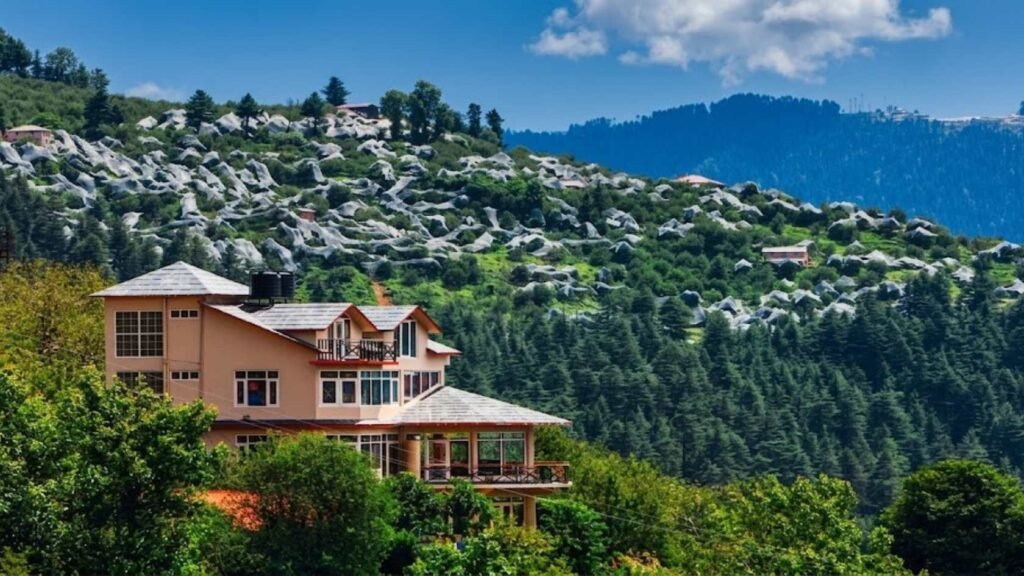
This is where expectations most often go wrong. APMC Shimla & Kinnaur records apple arrivals at several regional markets from June through November. That confirms a long agricultural-market season across the region.
Market arrivals, however, do not prove apples remain on visitor-facing orchard trees during your visit. The mandi season and what you’ll actually see on a roadside orchard are two different things.
If seeing or picking apples is the main reason for your trip, confirm directly with the specific orchard or property before you commit. We can’t promise paid apple picking, entry rules, orchard timings or particular varieties, because those aren’t officially established.
Hatu Peak in Autumn: Access and Vehicle Reality
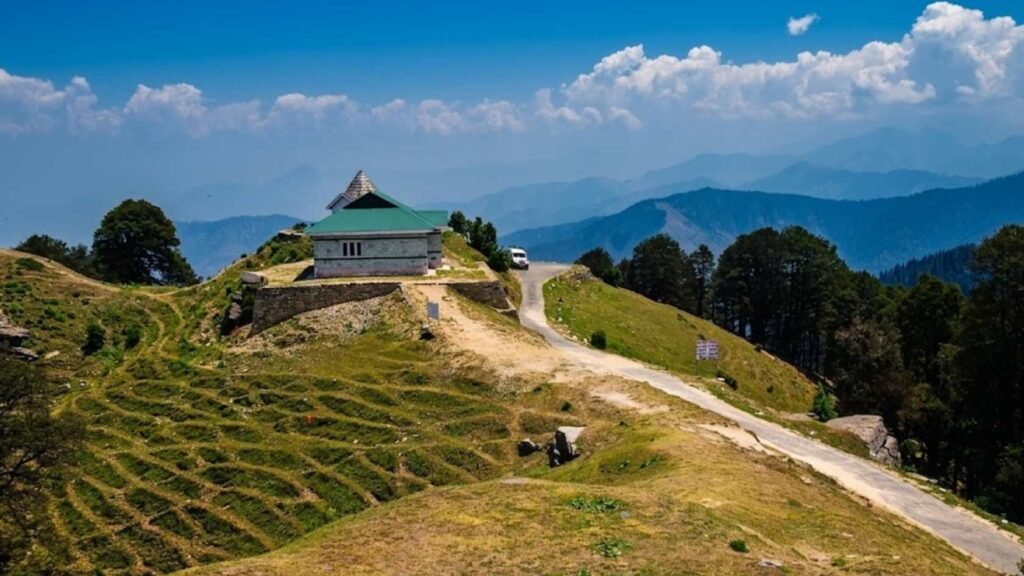
The official Shimla District guidance for Narkanda specifically flags vehicle suitability for reaching Hatu Peak. That’s an unusual thing for a district page to note, so it’s worth taking seriously.
Don’t assume every vehicle or driver is suitable for the approach. Reconfirm access and vehicle suitability locally before setting out on the excursion, especially in autumn when conditions shift. This isn’t a categorical 4×4 rule, just a reason to check rather than assume “any car can go.”
👉 Pick the right stay & route — we’ll help.
How to Reach Narkanda from Shimla in Autumn
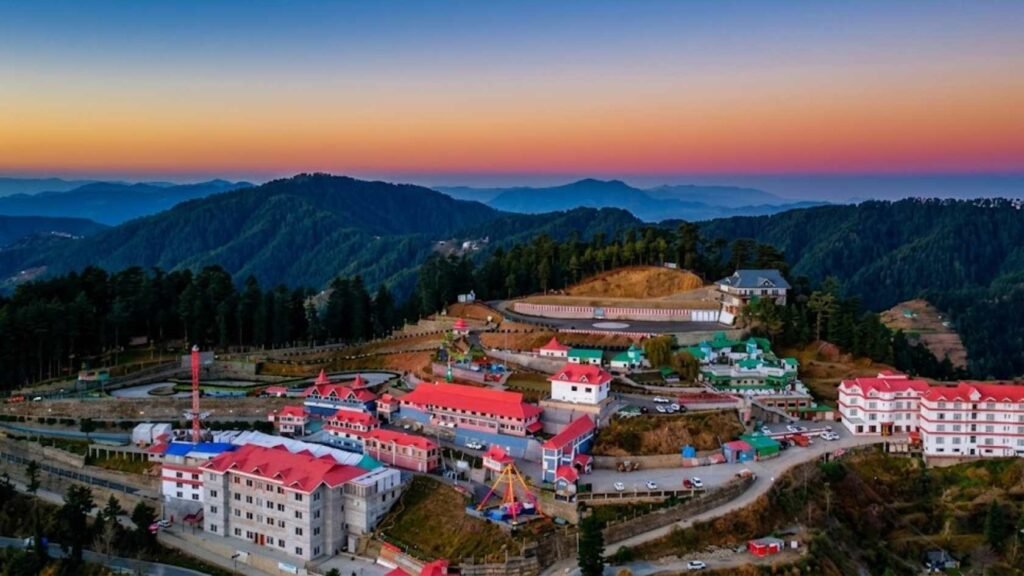
Narkanda is about 60 km from Shimla. The Shimla District page notes buses toward Rampur and Narkanda running every 2–3 hours, with a bus journey of 4–5 hours and a private taxi, cab or tempo traveller taking 3–4 hours.
Treat these as planning guidance, not guarantees, since traffic and weather both affect real travel time. If you’re taking a bus, confirm the actual service for your date on the HRTC booking site rather than assuming a departure will run. For planning your base city first, see our Shimla travel guide.
Where to Stay and What to Verify
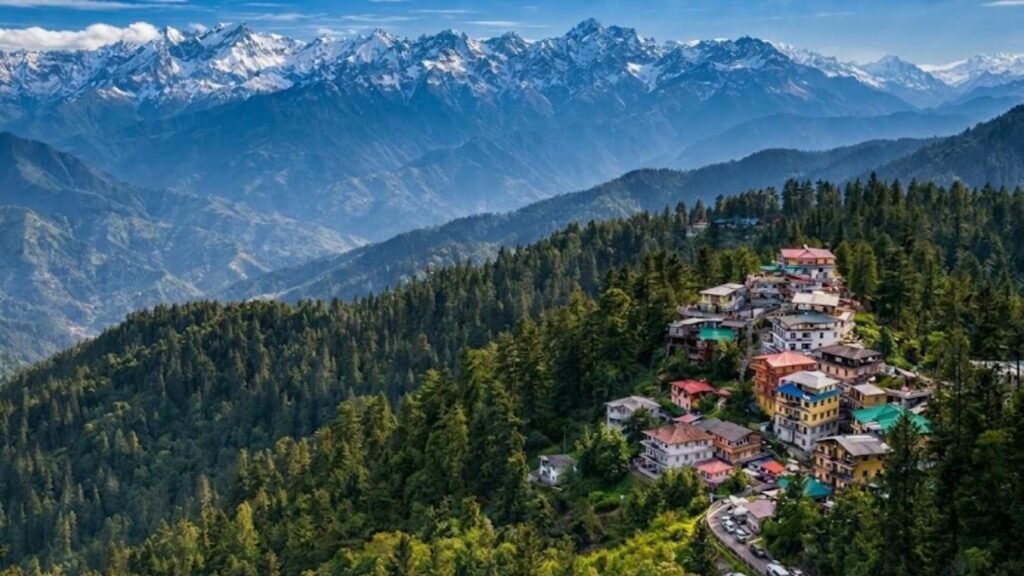
Rather than a broad unsourced hotel list, here’s one concrete example you can verify yourself. HPTDC’s The Hatu lists a restaurant, parking and drive-in access, debit and credit-card acceptance, and a public washroom on its direct page.
That covers several practical needs in one place. Confirm room availability and current rates separately with the property, since those change and aren’t fixed here.
What Most Tourists Get Wrong About Narkanda in Autumn
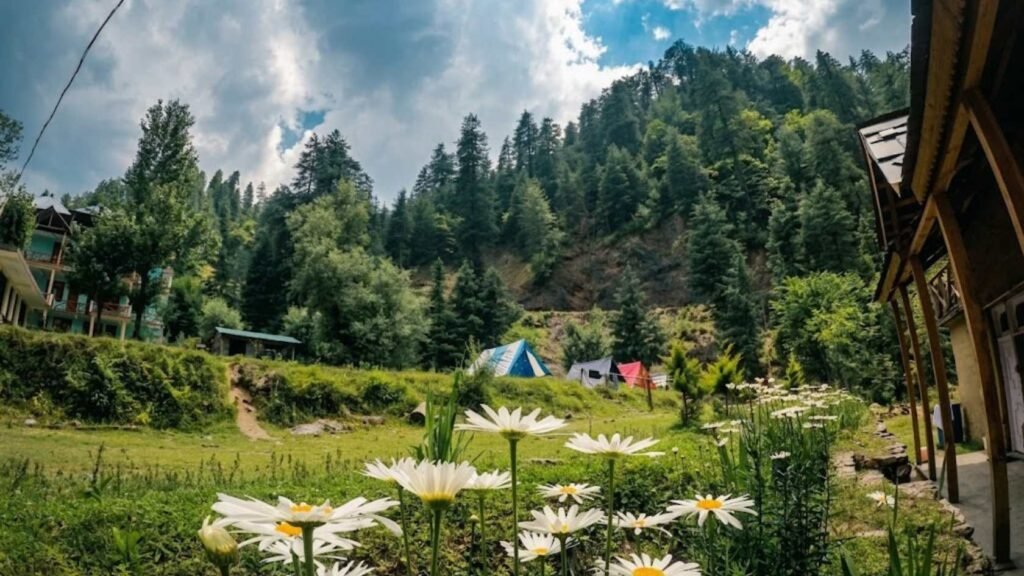
The common mistake is treating September, October and November as one identical “autumn” and expecting all four things at once: ripe apples on trees, mild conditions, dry weather and snow. No single month delivers that combination.
The better approach is to frame each month around trade-offs. September leans toward harvest atmosphere with more rain risk. October balances cooler, drier conditions. November is quieter and colder. Decide which of these matters most, then pick accordingly.
Road, Weather and Safety Checks Before You Go
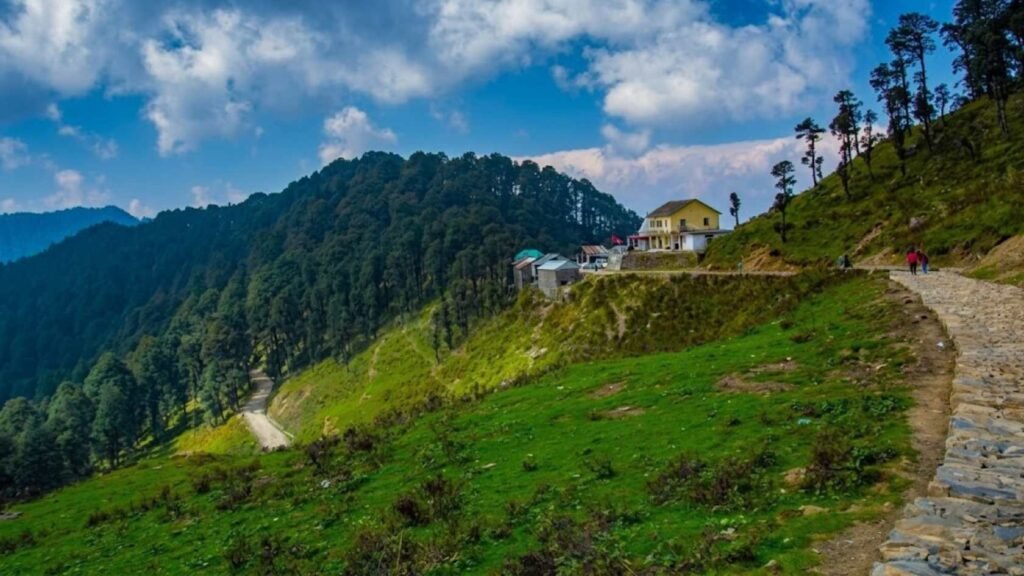
IMD Meteorological Centre Shimla publishes district warnings, highway weather forecasts and tourism weather forecasts, so check it close to your departure. Shimla District also publishes official notifications worth scanning before you travel.
As one example of why live checking matters: a section of NH-5 at Theog was officially closed from 28 July to 28 August 2025 after land subsidence. That was a past event, not a statement about current road status, but it shows how quickly access can change.
For emergencies, the district lists 112 for police, 108 for medical assistance and 1077 for disaster management. A dated blog or social post is not a reliable source for current road conditions.
Who Should Choose Narkanda in Autumn?
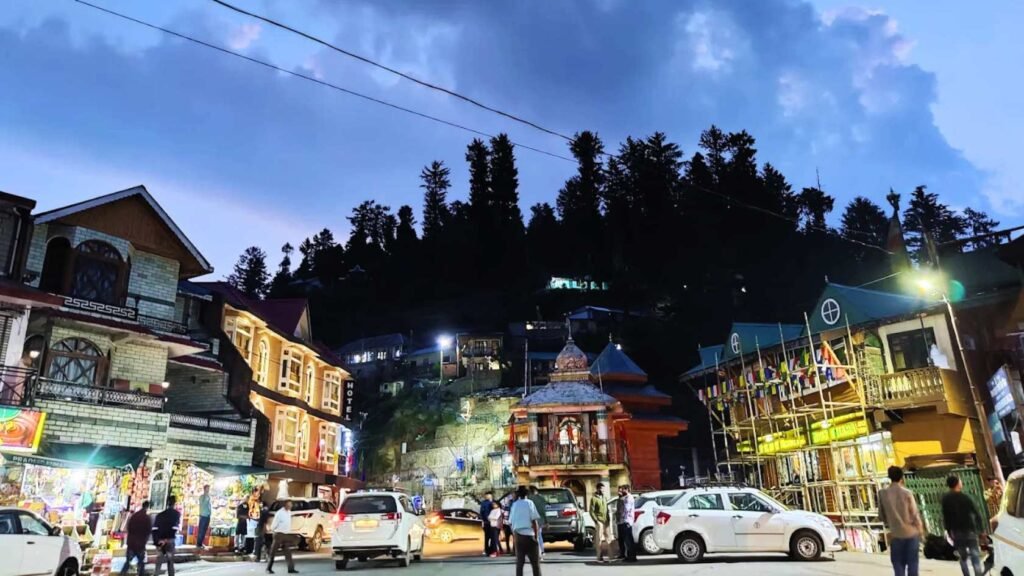
Autumn works well if you want scenic, cool-weather hill time, enjoy orchard-country atmosphere without needing guaranteed picking, and prefer a quieter trip over snow sports. For couples and families after a calm post-monsoon break, it’s a sensible window.
Reconsider if skiing is your main purpose, if snow is essential to your plan, or if you’ll be disappointed without apples visibly on the trees. To weigh other options, browse our destinations in Himachal Pradesh.
Final Verdict: Which Autumn Month Should You Pick?
Choose October as the default for most first-time visitors, since it offers the best balance of cooler, drier conditions. Choose September if earlier harvest atmosphere matters enough to accept greater weather uncertainty. Choose November if colder late-autumn conditions are fine and you don’t need apples or snow.
Whichever month you pick, plan around trade-offs rather than expecting everything at once. If you’d like a ready-made structure for the trip, you can look at our Narkanda tour packages for route and stay planning.
👉 Want this trip? Let’s plan it right.
अक्सर पूछे जाने वाले प्रश्न
Also Read: Kinnaur in Autumn: September vs October vs November
क्या आप अपने हिमाचल एडवेंचर के लिए तैयार हैं?
Get FREE customized itinerary · Best Price Guaranteed · Local Himachal Experts · 3,973+ Happy Travelers