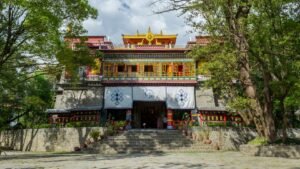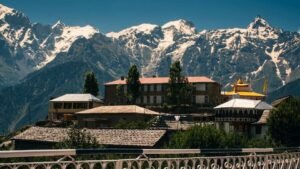

Dharamshala in winter is a good choice if you want Tibetan culture, cafés, mountain views and relaxed cold-weather sightseeing. It is the wrong choice if your trip only works with guaranteed snowfall or a fixed winter Triund trek.
The upper areas around McLeod Ganj are colder than the lower town, and snow is possible there. Nobody can promise it on your dates. Build the trip around museums, monasteries and food, and count any snow as a bonus.
If this is your first visit, our Dharamshala travel guide explains how the lower town, McLeod Ganj and the nearby areas fit together.
Quick Answer
Choose Dharamshala for a winter trip built around culture, not one that depends on snow. Kangra district treats mid-November to mid-March as its cold season. In IMD’s 1971–2000 data, January had the lowest average minimum at the Dharamshala station, at 5.7°C. Upper Dharamshala is colder than the lower town, and snow there is possible but never scheduled. Make Tibet Museum, Norbulingka Institute and McLeod Ganj your core, keep Triund optional, and treat these averages as history, not a forecast for 2026–27.
Does It Snow in Dharamshala in Winter?

The most common mistake is treating the whole Dharamshala area as one winter climate. Travellers see the Dhauladhar peaks under snow in photos and assume the town will turn white too. Then they book any hotel and spend the trip waiting and refreshing forecasts.
Seeing snow on the high peaks is one experience. Having snow fall around your hotel is a different one, and the first does not promise the second.
Upper Dharamshala, including McLeod Ganj and the higher neighbourhoods, is colder in winter than lower Dharamshala. Snow is possible in those upper areas. No particular day, week or month can be guaranteed, and we will not pretend otherwise.
Make your choice before booking. If snow is the main reason you are travelling, compare options on our snow activities in Himachal page first. If culture and views matter more, Dharamshala works well, and any snowfall becomes a lucky extra.
Accept one real downside. Snow, rain or cold can disrupt outdoor plans at short notice, so keep at least one day flexible.
Dharamshala Winter Weather: December vs January vs February

The figures below are India Meteorological Department averages for the Dharamshala station over 1971–2000. They describe past winters at one measuring point. They do not predict winter 2026–27, the upper areas, or conditions at your hotel.
| महीना | Mean daily maximum | Mean daily minimum | Mean precipitation | Mean rainy days |
| दिसंबर | 16.9°C | 7.1°C | 54.1 mm | 3.1 |
| जनवरी | 15.0°C | 5.7°C | 92.5 mm | 5.3 |
| फ़रवरी | 16.5°C | 7.1°C | 114.9 mm | 5.8 |
जनवरी is the coldest month in this dataset, with the lowest average maximum and minimum. दिसंबर has the least precipitation and the fewest rainy days. फ़रवरी has the most precipitation and the most rainy days, though its temperatures sit close to December’s.
Which month should you pick? For sightseeing, we prefer December, because it historically had the fewest rainy days. January suits travellers who want the coldest winter feel. February suits flexible travellers who can live with more wet days in the averages. None of these choices guarantees the weather you will actually get.
This Dharamshala winter weather data comes from the station, not McLeod Ganj. If you stay higher up, plan for colder nights than the table suggests.
If December is already on your shortlist, our Dharamshala in December guide covers that month in more detail.
Best Places to Visit in Dharamshala in Winter
Winter favours sightseeing that does not depend on open trails or snow. The places to visit in Dharamshala in winter that hold up best are cultural sites. Add outdoor stops when the day allows.
McLeod Ganj and the Main Tibetan Temple
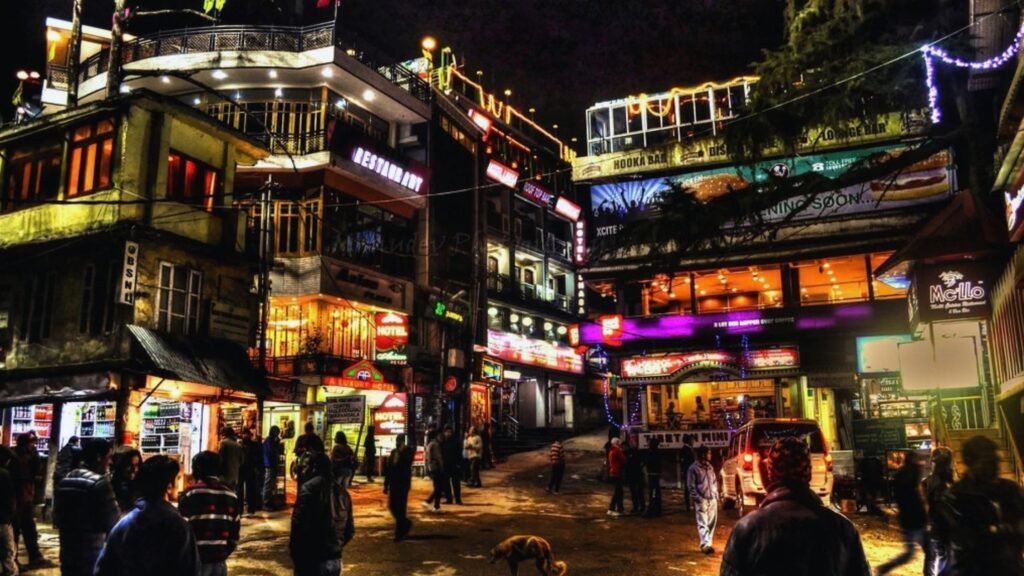
McLeod Ganj is closely associated with the Tibetan community and its institutions, so it makes a sensible first stop. The Main Tibetan Temple area anchors most visits.
The temple hosts teachings on selected dates. Do not plan your trip around a teaching or an audience, because neither can be promised. Our McLeod Ganj town guide covers the upper town in more depth.
Tibet Museum at Gangchen Kyishong

Do not assume the Tibet Museum sits inside the Main Tibetan Temple complex. It is at Gangchen Kyishong, within the Central Tibetan Administration premises, so plan it as a separate stop.
Published hours are 9 am–5 pm. The museum closes for lunch from 1–2 pm and stays shut on Saturdays. Adult entry is listed at ₹20, and children under 18 enter free. These details were published as of November 2026 and may change, particularly in 2027.
Time your visit for the morning or after 2 pm, so the lunch closure does not split it in half. Check the holiday list before you set out.
Norbulingka Institute and Thukpa in Sidhpur
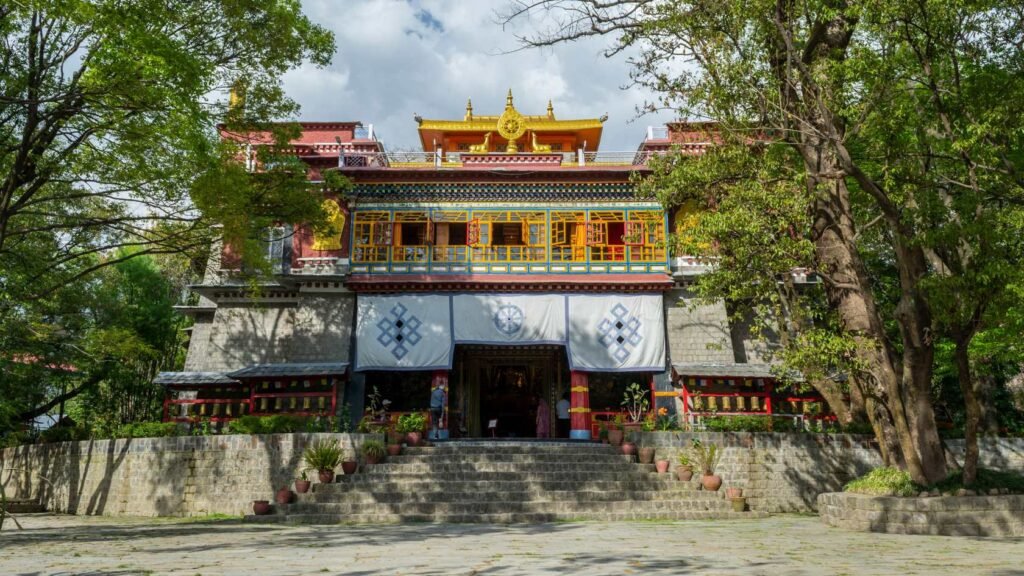
Norbulingka Institute, in Sidhpur, preserves Tibetan culture and arts. Its webpage lists general visitor hours of 9 am–5:30 pm. Do not assume every workshop or section will be open on your day.
For a cold-day meal, order the Tibetan thukpa at Norling Restaurant, inside the institute. The restaurant advertises thukpa and momos, with published hours of 7 am–9:30 pm. Eating on campus means you need not leave mid-visit to find lunch. Confirm it is operating on your date, because holidays can change arrangements.
Bhagsu Area

The Bhagsu area works as a flexible stop for a lighter day. Decide on the morning, based on weather and how much walking suits your group.
Dal Lake and Naddi: Only When Conditions Suit
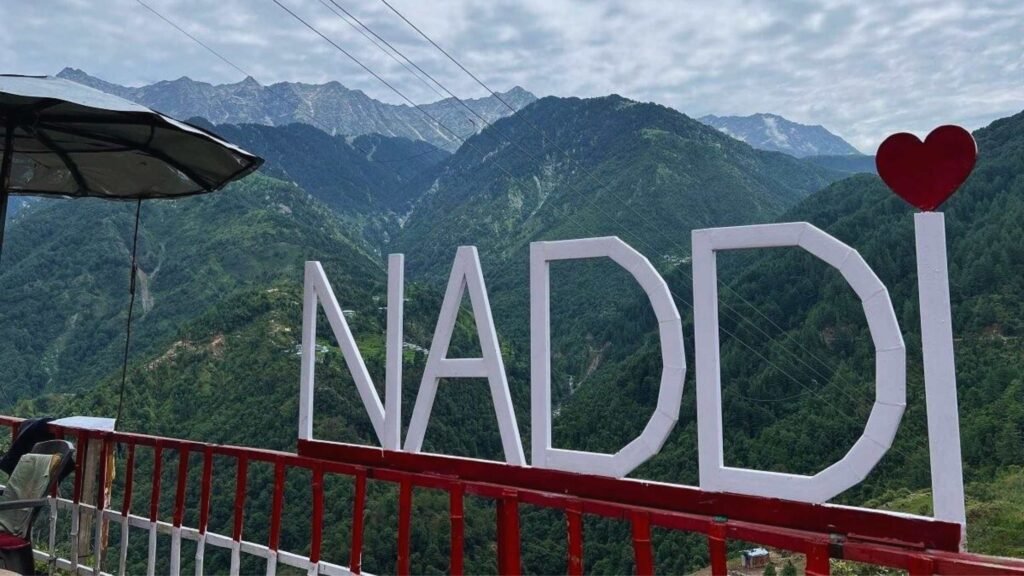
District Kangra lists Dal Lake at about 12 km from Dharamshala. That figure starts from the town’s reference point, not from your hotel.
District information also notes that Dal Lake has had low water during winter and dry periods. What you find may not match the full lake in promotional photos.
Skip a special Dal Lake detour if recent reports point to low water and a full-lake photograph is your main reason for going. If you are already nearby or simply enjoy the setting, a short stop can still fit. Treat Naddi the same way, and add it only when conditions and road access suit your day.
Where Should You Stay in Winter?

Your base shapes a winter trip more than any single attraction. The main choice is between lower Dharamshala and the upper McLeod Ganj area.
The upper area puts you nearer the main Tibetan sightseeing cluster, but it is colder. Some upper-town properties can also be hard to reach for some visitors, because of steps or a luggage carry from the final drop-off. That matters for senior travellers, small children and anyone with heavy bags.
The lower town is less cold, but you will rely more on transport to reach McLeod Ganj sights. It suits travellers who put warmth and easier access ahead of walking to the sights.
Here is the simplest money-saving move. If your stay is within walking distance of what you plan to see, you can explore on foot and depend less on local taxis. The trade-off is effort and comfort: walking in the cold, after dark or with limited mobility will not suit everyone, and walking requirements vary by property.
Before booking, ask the property to confirm these points in writing:
- Room heating, and whether a heater costs extra
- Hot water
- Steps between the drop-off point and your room
- How far you must carry luggage
- Parking, if you are driving
- The exact final drop-off point for taxis
Do not assume any property offers these features until it confirms them.
How to Reach Dharamshala in Winter
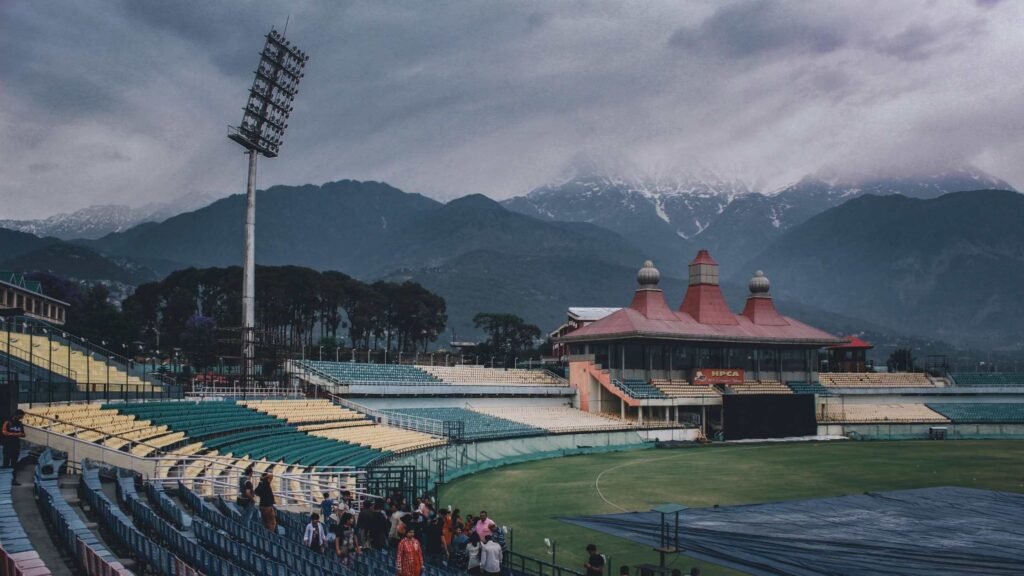
The regional airport is Kangra Airport at Gaggal, about 14 km from Dharamshala. For rail, Pathankot offers broad-gauge access, with the rest of the trip by road.
By bus, HRTC’s official booking portal lists Dharamshala routes to Delhi and Chandigarh. As of 6 November 2026, the portal also carried a notice about restrictions affecting certain Volvo services to Delhi. A listed route does not prove a bus will run on your date, so check the portal before booking.
Within Dharamshala, the Dharamshala Skyway connects the lower town with McLeod Ganj. Its operator website advertises 9:30 am–6 pm. Confirm that it is running, and the current fare, before planning a day around it, and keep a road option ready.
Our Himachal trip itinerary planner helps you fit arrival, transfers and sightseeing into a realistic winter plan before you lock your dates.
Is Triund Trek Possible in Winter?
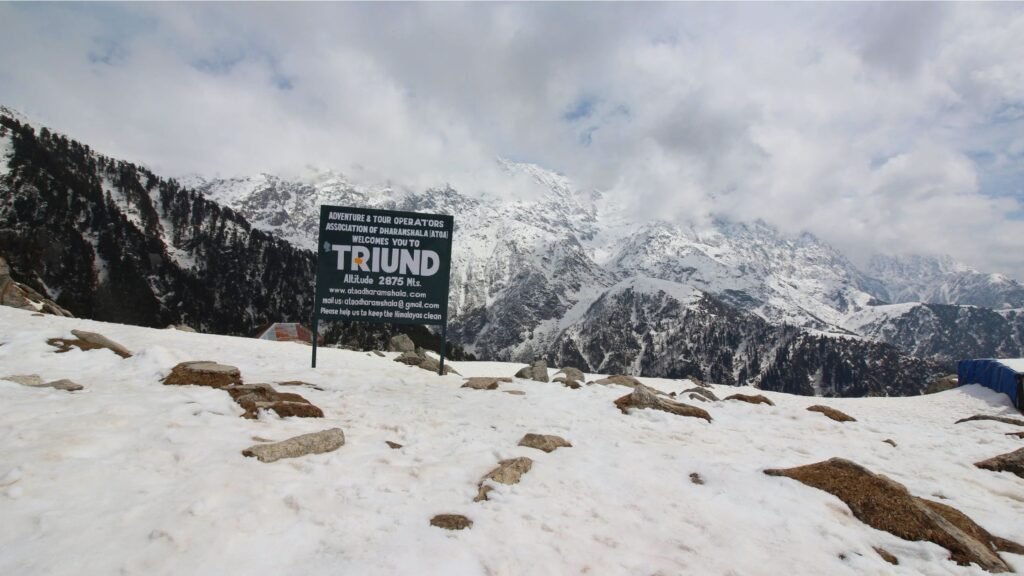
Sometimes, but do not build your winter trip around it. HP Ecotourism describes the Triund route as a 9 km uphill walk from McLeod Ganj, with a demanding final section. In winter, access depends on conditions and the latest official rules.
HP Ecotourism maintains a trekking booking listing that begins at Gallu, near Dharamkot. Trekking restrictions in Kangra have changed through government orders over time.
That leads to our main safety warning. Do not rely on permission rules from an old blog, forum or social post. Check the current official position close to your date, and turn back if conditions or instructions say so.
Keep Triund optional, never the centrepiece. If it becomes possible, our Triund trek guide explains the route in detail. Kangra district lists 108 as the emergency ambulance number.
A Practical 3-Day Dharamshala Winter Itinerary
This Dharamshala winter itinerary keeps the core days cultural, so one cold or wet day does not sink the trip. We have left out drive times, because they depend on your base, traffic and conditions. Confirm them with your driver or transport provider.
Day 1: Arrive and Explore McLeod Ganj
Check in, make sure the room heating works, and keep the afternoon light. Explore the accessible parts of McLeod Ganj and the Main Tibetan Temple area at an easy pace.
Day 2: Tibet Museum and Norbulingka Institute
Visit the Tibet Museum in the morning, before the 1–2 pm lunch closure. Then head to Norbulingka Institute in Sidhpur and have thukpa at Norling Restaurant.
If Day 2 falls on a Saturday, swap it with Day 3, because the museum closes that day. Check both sites’ holiday arrangements beforehand.
Day 3: Bhagsu or Another Flexible Stop
Use the last day for the Bhagsu area or another accessible viewpoint. Choose on the morning, based on weather and your group’s mobility. Add Dal Lake or Naddi only if conditions suit.
Bad-weather alternative: if rain, snow or cold makes outdoor plans unwise, slow down around McLeod Ganj instead. Spend longer at a cultural site you rushed, sit out the worst of it in a café, and save outdoor stops for a better window.
Dharamshala Winter Trip Cost: What to Budget For

We do not publish a fixed winter budget, because the total depends on the choices you make. Build your estimate from five parts:
- Intercity transport: bus, flight, or train plus road transfer
- Stay: the room rate per night, plus any heater charge
- Meals: daily food, including café stops
- Local transport: taxis, transfers, or the Skyway if it is running
- Optional activities and entries: for example, Tibet Museum lists adult entry at ₹20
Ask for heater charges and transport costs in a written quote before paying. Without them, you cannot compare two quotes fairly.
To turn these parts into a rough figure for your dates and group, try our Himachal trip cost calculator.
What to Pack and Check Before You Leave
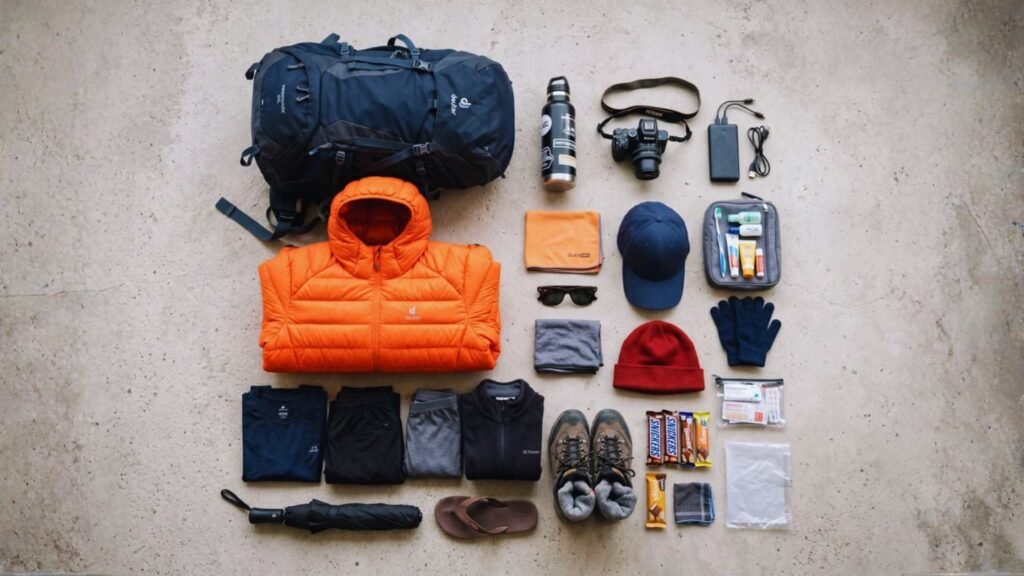
Packing for Dharamshala in winter starts with Kangra district’s own advice: carry heavy woollen clothing. Build layers around it that you can add or remove, such as a thermal base, a warm mid-layer and an outer jacket. Add a cap, gloves and warm socks for mornings and evenings.
Your needs still depend on your base and plans. A hotel higher up, early starts or a Triund attempt call for more warmth than a lower-town stay with indoor sightseeing.
A few days before departure, recheck the essentials. Look at the latest weather for your dates. Confirm your bus, flight or train, and whether the Skyway is running. Ask your hotel to reconfirm heating. Check the current position on any outdoor activity, especially Triund, and the Tibet Museum’s holiday schedule.
Final Verdict: Who Should Visit Dharamshala in Winter?
Go if you want a flexible cultural trip with cold-weather sightseeing, cafés and mountain views. Couples, families and small groups who enjoy museums, monasteries and food will get real value from it.
Choose another destination if snowfall is non-negotiable, if a winter Triund trek is the main goal, or if cold nights are hard for you without properly heated rooms.
Our recommended approach is simple. Pick a base near the activities you want, plan cultural sightseeing first, and treat every snow-related plan as conditional. If you would prefer the stay, transport and pacing coordinated for you, look through our Dharamshala tour packages once your dates are clear.
अक्सर पूछे जाने वाले प्रश्न
Also Read: Spiti Valley in Winter 2026–27: Roads, Snow & Trip Planning
क्या आप अपने हिमाचल एडवेंचर के लिए तैयार हैं?
Get FREE customized itinerary · Best Price Guaranteed · Local Himachal Experts · 3,973+ Happy Travelers