Planning Himachal in August is a gamble, and we say that as a Shimla based team that runs these roads every single season.
August is the peak of the monsoon in most of Himachal. The valleys turn deep green, the waterfalls run full, and the crowds thin out.
But the same rain that makes it beautiful also breaks roads, triggers landslides, and turns a 4 hour drive into a 7 hour one.
This is not a month for a tight, packed checklist trip. It is a month for slow travel, buffer days, and a plan that can bend when the weather decides to change.
Below is the honest picture of Himachal in August, from a team that has rerouted plenty of trips mid journey when a pass went bad.
Quick Answer: Should You Visit Himachal in August 2026?
Yes, but only if you are flexible. Himachal in August is stunning and quiet, but it is monsoon season in most of the state, so expect rain, road delays, and last minute itinerary changes.
Pick August if you love green hills, misty mornings, fewer tourists, and you can afford to lose a day to bad weather.
If you have fixed flight dates, small kids, or elderly parents, September is usually the safer, calmer choice after the rain starts to pull back.
For high altitude Spiti and Lahaul, August can still work because these areas sit in a rain shadow, but you still need road checks and backup days.
👉 Confused? Let locals plan your trip.
What Is Himachal in August Like?
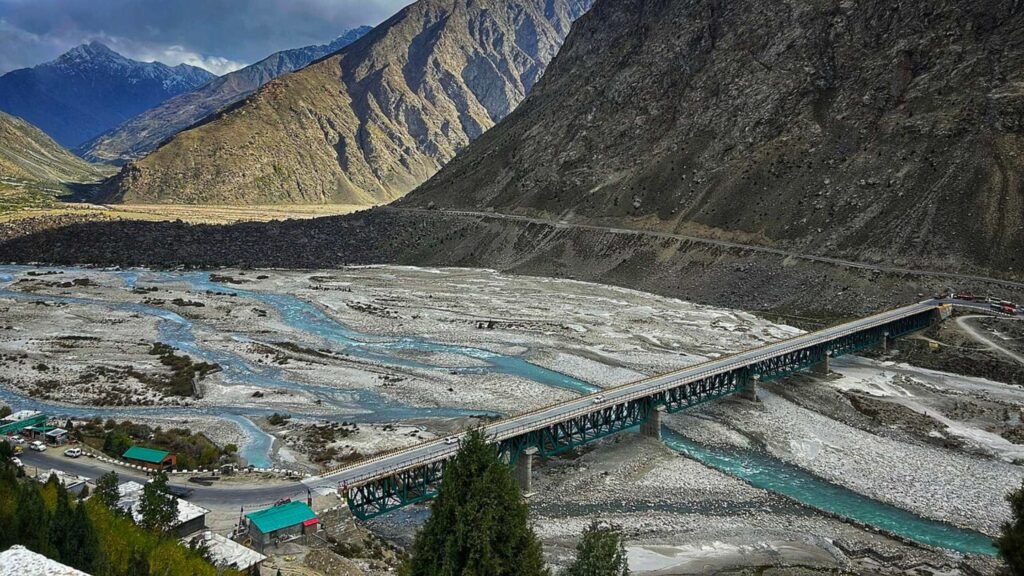
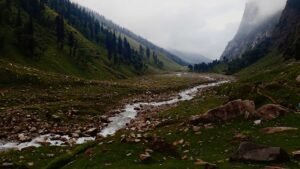
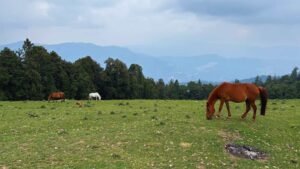
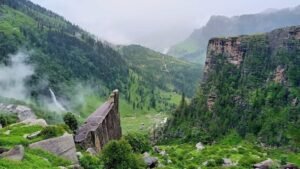
August is the greenest you will ever see Himachal. Every hillside is thick with forest, the rivers run high, and the whole state smells of wet earth and pine.
The waterfalls are at full force. Streams that are dry in May are roaring by August.
Crowds drop a lot compared to June. Hotels are cheaper, roads are emptier, and popular spots feel calmer.
But the trade off is real. Roads get slippery. Fog rolls in and blocks the big mountain views you came for.
Weather flips fast. A bright morning can turn into a heavy afternoon downpour with almost no warning.
In our experience, the travellers who enjoy August are the ones who slow down. They pick one or two bases and soak in the place instead of racing between six towns.
If your idea of a holiday is ticking off ten viewpoints in five days, August will frustrate you. If it is chai on a balcony watching clouds move through a valley, this is your month.
Is Himachal Safe in August?
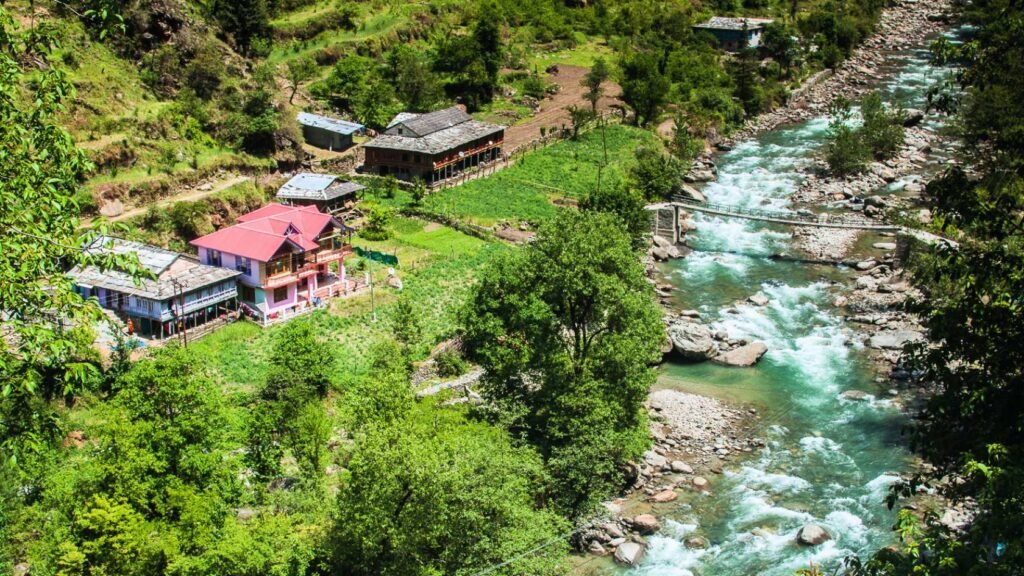
Safety in August depends entirely on where you go, the live road status, the rainfall warnings for that day, and how flexible you stay.
The India Meteorological Department lists the real risks during heavy rain, and they are worth taking seriously.
These include localised landslides and mudslides, waterlogging, damage to weak structures, vehicles skidding, low visibility, traffic jams, and disruption to essential services like water, electricity, and phone networks.
The IMD advice is simple and we follow it ourselves. Follow official traffic advisories. Stay away from vulnerable and waterlogging prone areas.
Do not swim or boat in streams and rivulets during heavy spells. Keep a safe distance from river flow and any water body.
Here is the part most blogs skip. Even the drier high altitude routes can turn dangerous without any rain at all.
On 30 June 2026, a sudden surge in the Jhalma Nallah in Lahaul-Spiti damaged a road and stranded more than 50 tourist vehicles.
Officials said it was not rain. It was a sudden rush of glacier meltwater, in an area where no rainfall was even reported that day.
That is the whole point. In August, you cannot assume a route is safe just because the sky looks clear. You check, you carry buffer days, and you never force a plan.
Himachal Weather in August 2026
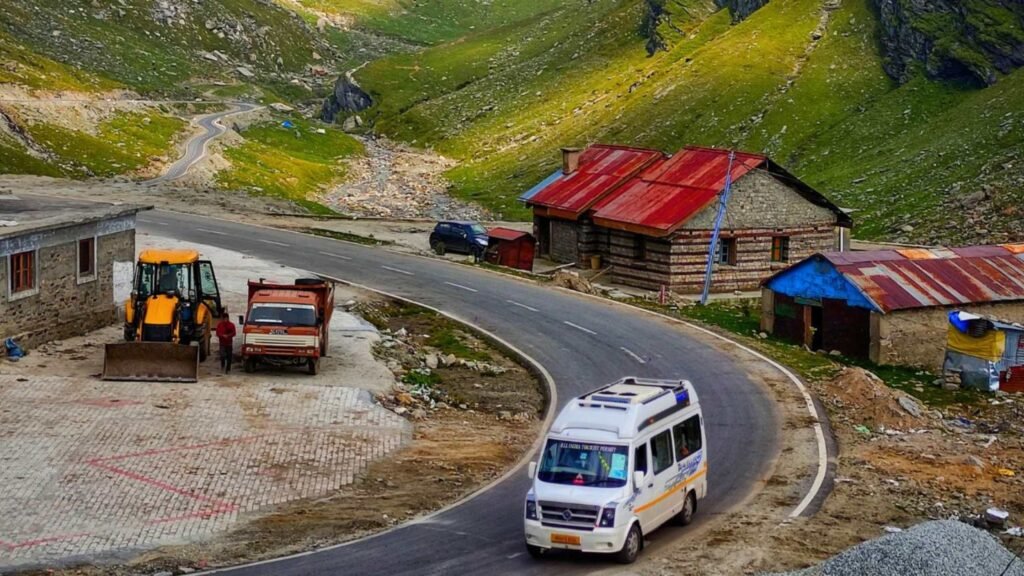
The 2026 southwest monsoon over India is expected to be about 90 percent of the long period average, with a model error of plus or minus 4 percent.
For Himachal, the IMD forecasts below normal monsoon rainfall over most of the state, under 92 percent of LPA.
The exceptions matter for trip planning, so read the next few sections carefully.
Lower and Middle Himachal
This covers Shimla, Manali, Kullu, Mandi, Kangra, Dharamshala, Dalhousie, Chamba, Jibhi, Tirthan, and Kasol.
These are the areas that catch the most monsoon rain. Expect showers, fog, high humidity, and wet roads.
Route delays are normal here in August. Landslide prone stretches near Mandi and on the Kullu highway can slow you down for hours.
None of this means you cannot travel. It means you plan for slower days and keep your itinerary loose.
Lahaul, Spiti and High-Altitude Areas
Lahaul and Spiti sit behind the main Himalayan range, so they often feel much drier than lower Himachal even in monsoon.
But drier does not mean risk free. The Jhalma Nallah surge proved that.
For 2026, the IMD forecast is mixed for these zones. Below normal rain over most of the state, but above normal rainfall likely in some areas of Lahaul-Spiti and northern Chamba, and normal rainfall in some areas of Kinnaur.
So if you are heading to Spiti in August, check daily advisories. Do not treat a rain shadow as a guarantee.
District-Wise Rainfall Risk
Rainfall varies a lot across Himachal, and the numbers tell you where the risk sits.
The normal southwest monsoon rainfall for the whole state is 734.4 mm. Anything well above that is a wetter, higher risk zone in August.
Kangra is the wettest by far at 1622.4 mm, which is why we tell people to be extra careful on Kangra treks and exposed trails during rain alerts.
Sirmaur gets 1183.8 mm and Mandi gets 1097.5 mm, so both see heavy monsoon activity and landslide risk on the roads.
Shimla sits lower at 627.5 mm and Kullu at 548 mm, which is manageable but still wet.
The high altitude districts are the driest. Lahaul-Spiti gets 382.9 mm and Kinnaur just 247.8 mm.
What this means in plain terms. If you want the least rain interference, lean toward the higher, drier belt and stay flexible on the wet lower districts.
Best Places to Visit in Himachal in August
Here are the best places to visit in Himachal in August, sorted by how well they hold up in monsoon and who they suit.
Sissu and Lahaul Valley
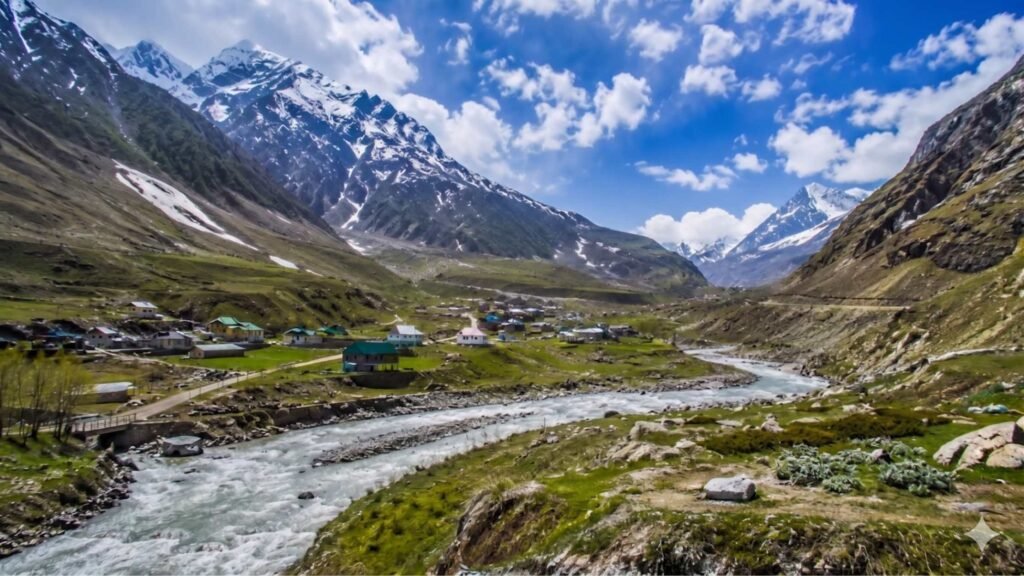
Sissu and the wider Lahaul Valley are a strong pick in August if you want dramatic mountains with far less rain than Manali just across the tunnel.
The landscape here is bare, brown, and huge. The Sissu waterfall runs full and the whole valley feels raw and open.
But you only go with live road checks and buffer days, because the approach from the Manali side depends on weather and the Atal Tunnel corridor staying clear.
We usually pair Sissu with Manali as part of our Manali tour packages so the logistics and road updates are handled for you.
स्पीति वैली
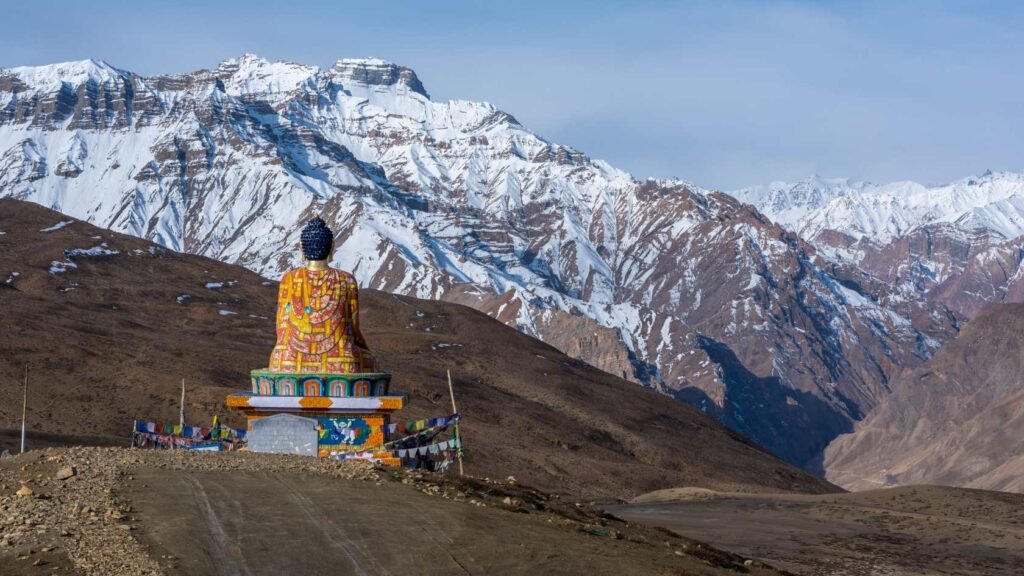
Spiti is the best monsoon escape in Himachal because it sits in a rain shadow and stays mostly dry while the lower hills are soaked.
But do not call it easy. Spiti Valley in August means high altitude, long driving days, and remote stretches with no quick help if something goes wrong.
Go only if you have enough days, can handle the altitude, and can keep buffer time in your plan.
The rewards are worth it. Ancient monasteries like Key and Tabo, cold desert landscapes, and Chandratal, but only if the road is open and your permissions are in place.
Our Spiti tour packages build in acclimatisation stops and daily road checks, and our full Spiti Valley travel guide lays out the routes and seasons clearly.
Travelling solo? The Spiti destination guide covers solo safety and what women travellers specifically need to know, because Spiti has its own realities for those travelling alone.
Dharamshala and McLeodganj
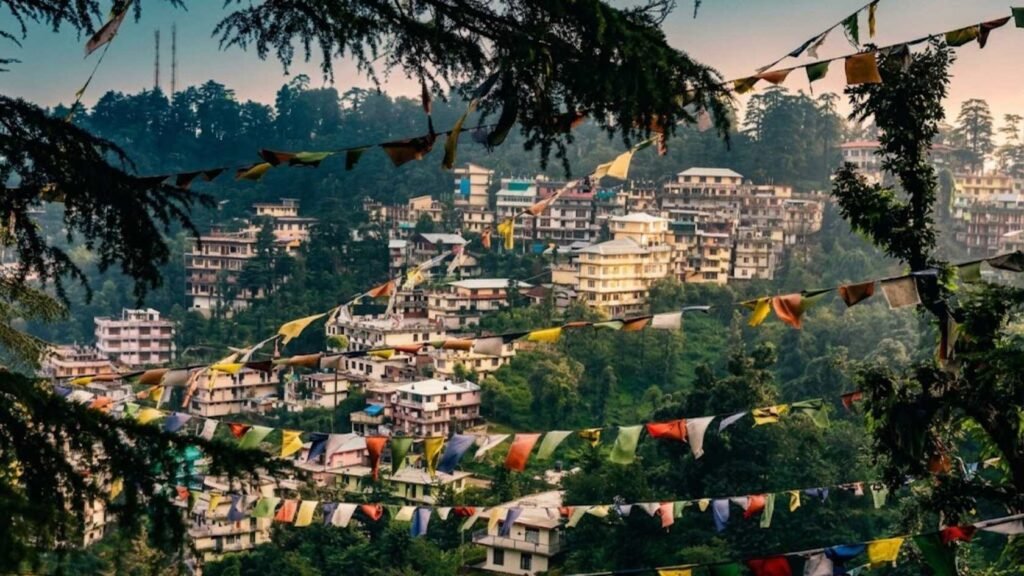
Dharamshala and McLeodganj are made for slow August travel. Cafés, monasteries, quiet local walks, and stays where you can just watch the rain from a warm room.
This is the kind of trip where the weather barely matters, because the point is to relax, not to chase viewpoints.
One warning. Kangra district gets the heaviest monsoon rain in the state, so skip Triund and other exposed trails during any rain alert.
Triund is a 9 km trek from McLeodganj and 18 km from Dharamshala, and that ridge is no place to be in a downpour.
For a full list of what actually works here, our Dharamshala and McLeodganj destination guide points you to the calmer, monsoon friendly spots. You can also browse our Dharamshala tour packages for ready-made monsoon itineraries.
Shimla, Chail and Narkanda
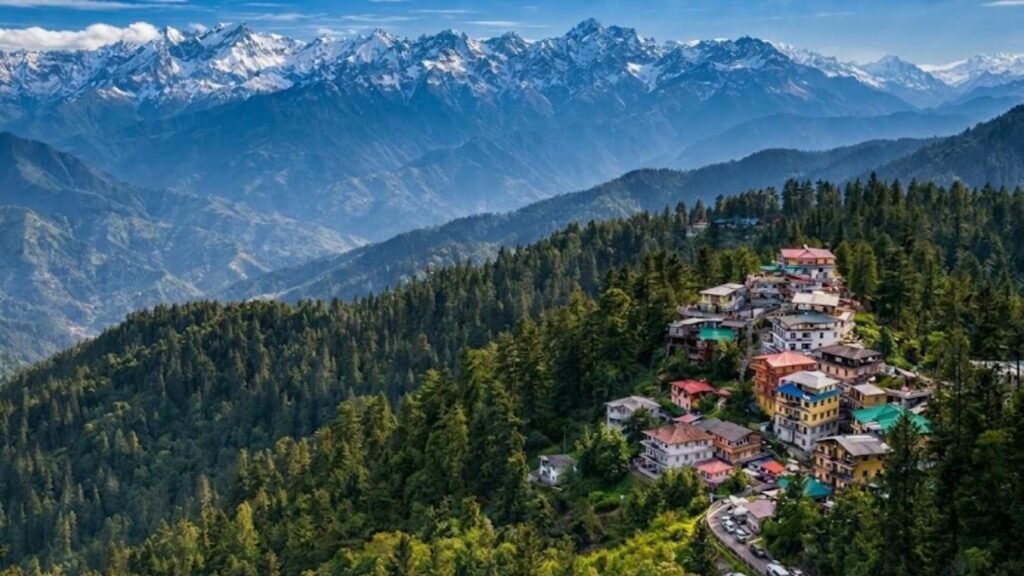
Shimla, Chail, and Narkanda work well for short August trips as long as the roads and weather stay stable.
Shimla is easy to reach, has plenty of indoor options, and suits families and couples who want comfort over adventure.
Chail and Narkanda are quieter, greener, and good for slow days.
One rule though. Do not drive these hill roads during an active heavy rain warning. Wait it out, then move.
If you want the logistics sorted, our Shimla tour packages cover stays, local sightseeing, and a driver who knows which roads to avoid on a bad day.
Jibhi and Tirthan Valley
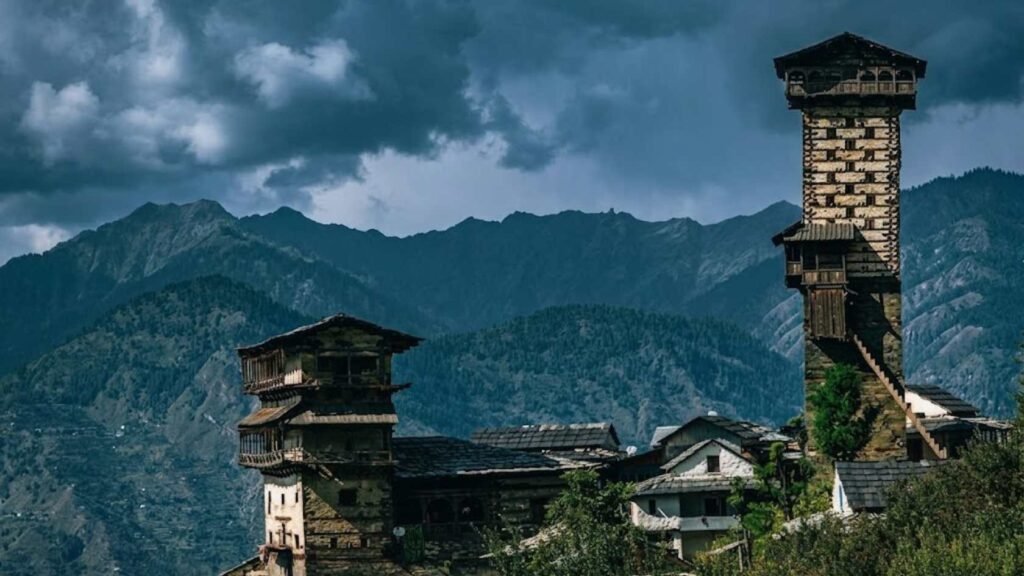
Jibhi and Tirthan are two of the prettiest slow nature stays in Himachal, and August makes them lush and green.
Treat these as a relaxed riverside break, not a risky adventure trip.
Stay away from waterfall edges and remote forest trails during rain. The rocks get slippery and the streams rise fast.
Both valleys sit right by the river, so enjoy the water from a safe distance and never wade in during heavy spells.
Our Jibhi tour packages and Tirthan tour packages handle the stays and transport, and if you cannot decide between here and Parvati Valley, our things to do in Jibhi guide includes a detailed Jibhi vs Kasol comparison that breaks down which suits you.
Manali and Solang
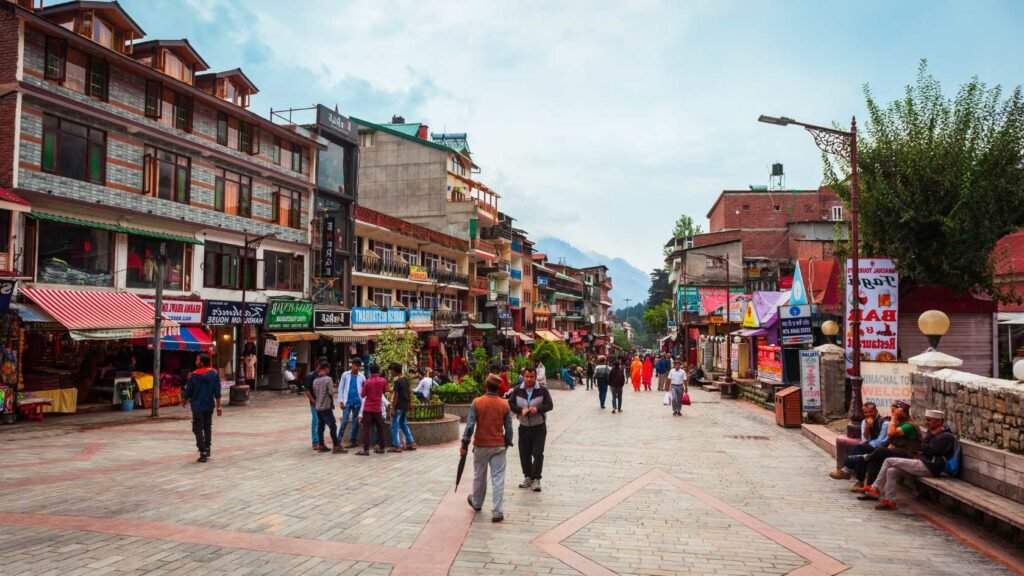
Manali works in August, but only with a flexible plan and no fixed hour by hour schedule.
Rain can shut down Solang activities like paragliding and zorbing, and it can fog out the local sightseeing you came for.
Manali sits 45 km from Kullu, and the nearest airport, Kullu-Manali Airport in Bhuntar, is 50 km from Manali, so plan your arrival buffer around that.
The town itself gives you plenty to do on a wet day, from Old Manali cafés to Hadimba Temple under the deodars.
For the adventure side, check our Manali destination guide and our Himalayan treks guide so you know which activities need clear weather.
👉 Pick the right stay & route — we’ll help.
Places to Avoid or Treat Carefully in August
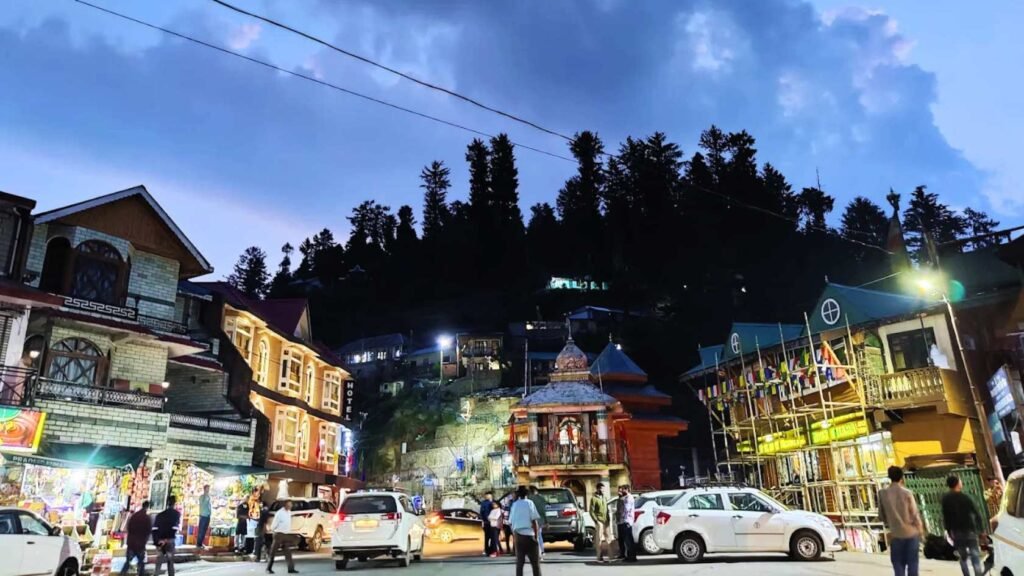
Some spots are not off limits in August. They just need respect and good timing.
Avoid remote treks during heavy rain. A trail that is fine in September becomes a mudslide risk in a wet August week.
Stay off waterfall edges and slippery rock near cascades. Every year people slip trying to get one photo.
Keep away from riverbanks during heavy spells. Rivers here rise fast and quiet, then surge.
Be careful on freshly cut mountain roads and any stretch below a loose slope. That is exactly where debris comes down.
Skip low lying waterlogged areas and never attempt night drives on hill roads in the rain.
When we say avoid, we mean avoid during bad weather and active warnings. On a clear, stable day, many of these are perfectly fine. The skill is knowing the difference, which is where a local check helps.
Himachal in August for Different Travellers
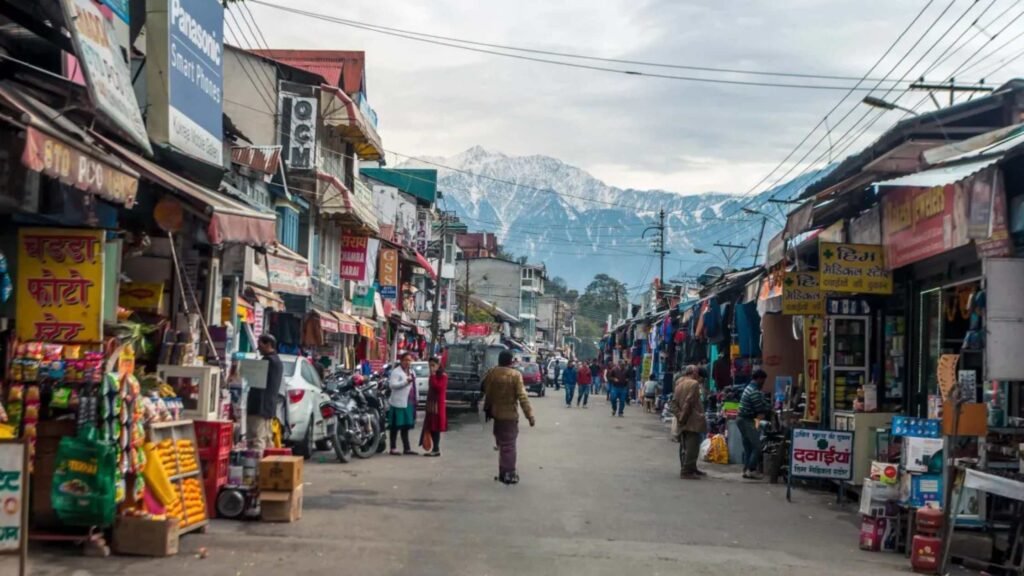
The right August plan looks completely different depending on who is travelling.
Families With Kids or Elderly Travellers
Keep it slow. Pick one base, minimise road movement, and stay somewhere comfortable with backup options for a rainy day.
Shimla, Dharamshala, or Manali work well if the weather is stable and you are not chasing distant sightseeing. Our family tour packages are designed around shorter drives and rain-proof plans.
Long circuits and Spiti need far more caution with kids or elders, because of altitude, cold, and the lack of medical help out there.
Couples and Honeymooners
August is quietly romantic. Fewer crowds, misty valleys, and cheaper luxury stays.
Relaxed bases in Shimla, Dharamshala, Jibhi, Sissu, or Manali all work, depending on the day’s road and weather updates.
Keep the itinerary light and let the rain set the mood instead of ruining the plan. Our couple tour packages include monsoon-friendly honeymoon itineraries.
Adventure Travellers
This is not the month to force risky treks or river rafting during heavy rain. The water is high and unpredictable.
Go with guided plans, local checks, and a willingness to swap a big trek for a shorter, safer one if the forecast turns.
Our 4×4 expedition trips run on routes we monitor daily, which is the safer way to do adventure in monsoon.
Workation Travellers
Pick one stable base and settle in. A cottage with a view and a reliable kitchen beats hopping between towns.
Expect that internet or electricity can drop during heavy rain, so plan buffer power and do not schedule critical calls on a stormy afternoon.
Keep your checkout dates flexible in case a road out closes for a day.
Best Himachal Itineraries for August

These August itineraries are built for monsoon, which means fewer stops, more rest, and buffer days baked in. Use our Trip Itinerary Planner to customise any of these around your dates.
3 Nights: Shimla or Dharamshala Slow Trip
Day 1 is arrival and settling in. Take it easy after the drive and let your body adjust to the hills.
Day 2 is gentle local sightseeing. In Shimla that is the Ridge, Mall Road, and Jakhoo. In Dharamshala it is monasteries, the market, and cafés.
Day 3 is a café or monastery day, kept flexible so you can duck indoors if it rains.
Day 4 is departure. This whole plan is rain friendly because nothing depends on a long mountain drive.
Browse our 2 Nights 3 Days packages or 3 Nights 4 Days packages for ready-made versions.
4 to 5 Nights: Manali Plus Sissu
Start with two nights in Manali for Old Manali, Hadimba, and Solang if the weather allows.
Add a day trip or overnight to Sissu through the Atal Tunnel, with Lahaul’s drier landscapes as the reward.
Keep one full buffer day in this plan. We never promise the Sissu route stays open, because the tunnel corridor can close on a bad weather day.
If you want it handled end to end, our Manali tour packages include a driver who tracks the road status for you. Also see our 4 Nights 5 Days Himachal packages.
6 to 7 Nights: Dharamshala, Jibhi and Tirthan With Caution
This one combines three green, relaxed regions, but it only works when the weather stays stable across the whole week.
Split it as a few nights in Dharamshala, then a slow riverside stretch in Jibhi and Tirthan.
If the forecast looks rough, do not try to cover all three. Pick one region and go deep instead of spreading thin and losing days to road delays.
Our Jibhi tour packages and Tirthan tour packages can be shaped to one valley or two depending on how the week looks. See also our 6 Nights 7 Days packages.
8 to 9 Nights: Spiti Circuit With Chandratal
This is the big one and it needs the most care. Acclimatisation is non negotiable, so build in slow altitude gain.
Check road status every day, and complete your e-Aagman entry formalities for Lahaul-Spiti before you go.
Keep buffer days for the rough stretches near Batal and Gramphu, and treat Chandratal as a bonus, not a certainty.
Browse our Spiti tour packages for the full circuit, or our 8 Nights 9 Days packages and 9 Nights 10 Days packages for variations. If you are timing Chandratal, our Hampta Pass Trek in July guide explains why lake access and Spiti access are two separate things.
Road Status, Permits and Travel Rules for August 2026
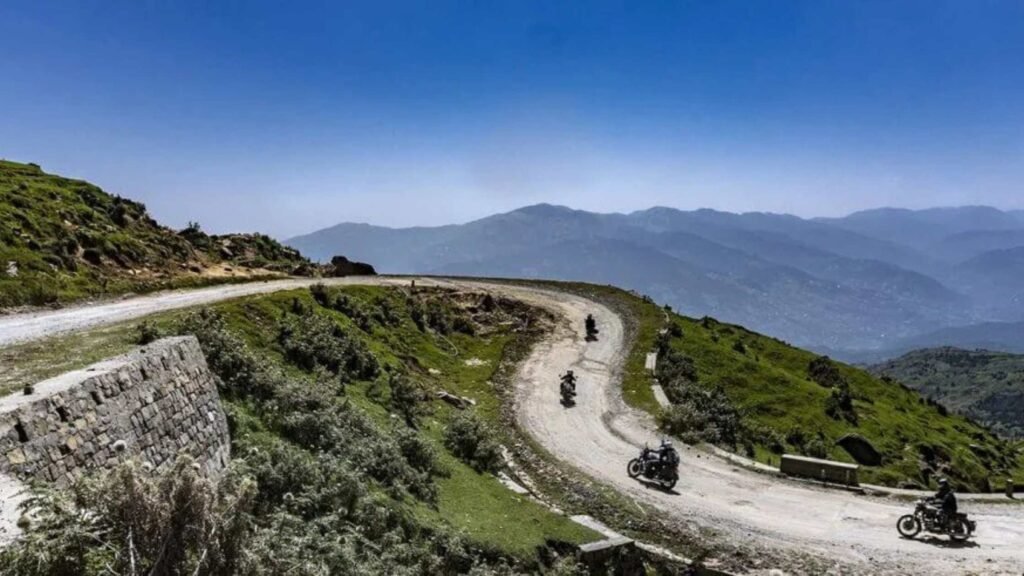
Permits and road rules trip up more August travellers than the rain does. Here is what you actually need.
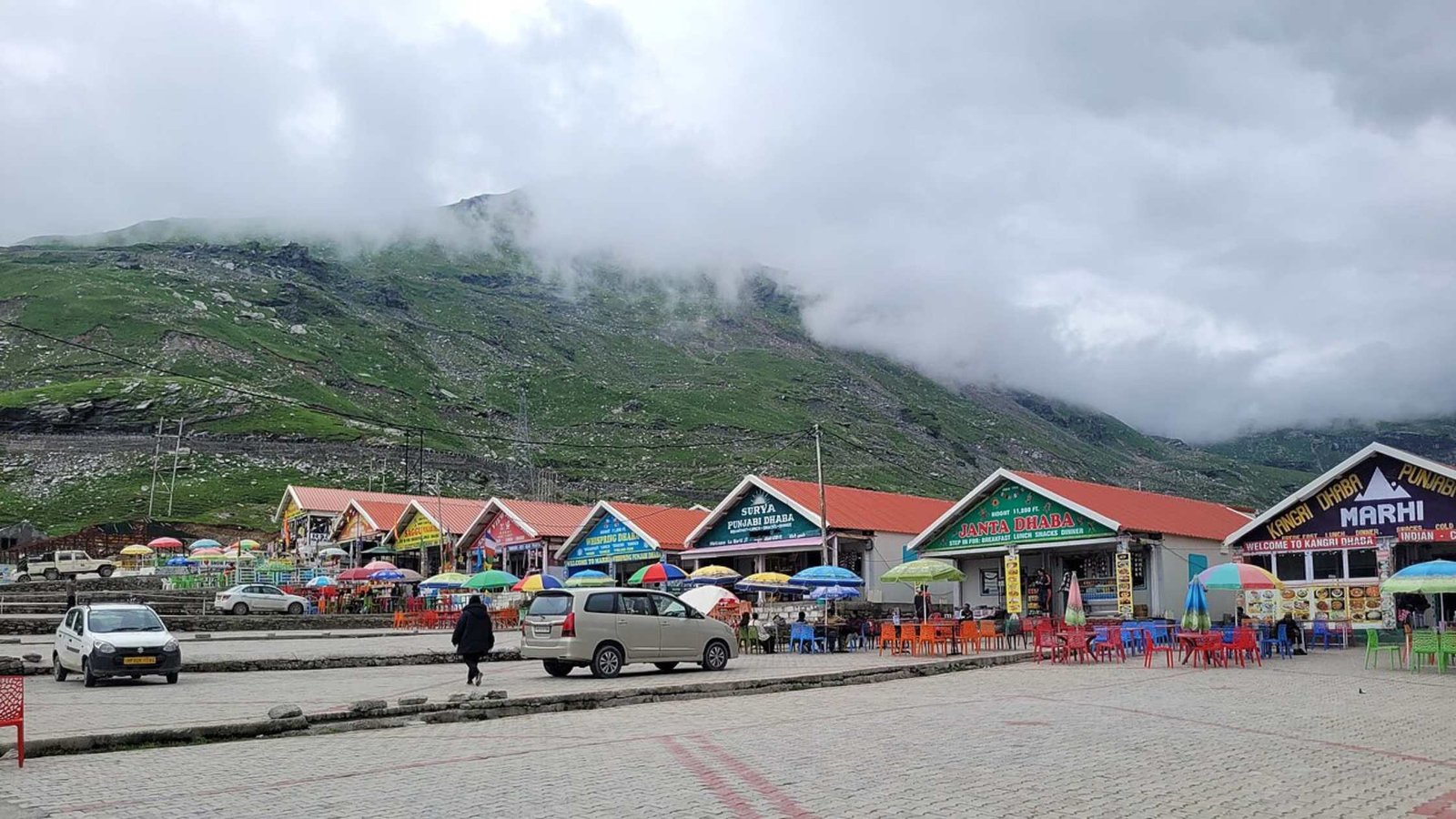
Rohtang Pass Permit
The official Rohtang permit page says the tourism permit applies to vehicles visiting Rohtang Pass for tourism, and it is valid for one day, to and fro.
The special permit category is tighter. Only 60 petrol and 40 diesel vehicles are permitted per day, and you can apply only for the next 2 days from the current date.
There is also a congestion charge on vehicles crossing the Gulaba Bridge under the Beyond Rohtang rules, valid one day to and fro.
Rules change often, so always check the official portal at rohtangpermits.nic.in before you travel.
Lahaul-Spiti e-Aagman
If your vehicle is entering Lahaul-Spiti, the official e-Aagman portal says you have to apply for an e-pass.
For the Atal Tunnel Rohtang, Koksar, and Chandertal circuit, an e-permit per vehicle is required.
For other places in the region, an e-ticket per vehicle is required instead.
Sort this online before you leave. It saves you a headache at the checkpoints.
Atal Tunnel and High-Altitude Roads
The Atal Tunnel is a game changer. It cuts hours off the old Rohtang route and gives faster, more reliable access to Lahaul.
But it does not remove weather risk. Beyond the tunnel, sudden flash floods and glacier melt events can still block roads.
The Jhalma Nallah surge happened in this exact zone, with no rain. So use the tunnel, enjoy the easy access, and still keep buffer days.
What to Pack for Himachal in August

August packing is all about staying dry and layering for cold nights.
Start with a proper rain jacket and waterproof shoes. These two matter more than anything else this month.
Add quick dry clothes that do not stay soggy, and one light warm layer for cold evenings, especially at altitude.
Carry your personal medicines, a power bank, and a waterproof pouch for your documents and phone.
Pack spare socks, a torch, and offline maps, because network drops on most mountain routes.
Throw in some snacks too. When a landslide holds up traffic for two hours, you will be glad you did.
Local Safety Tips Our Himachal Team Follows

These are the rules our drivers and guides live by every monsoon, and they are why our August trips stay safe.
No night driving on hill roads. Visibility drops and fresh debris is hardest to spot in the dark.
No stopping below loose slopes. If a slope looks freshly cut or crumbly, we keep moving.
No river selfies and no parking near streams. Water levels change fast and quietly here.
We check IMD forecasts and local police advisories before every travel day, not just at the start of the trip.
We always keep one buffer day, and we never force the plan. If a route is bad, we reroute or wait.
For emergencies, save the numbers. The SDMA Shimla control room is 1070 and the ambulance line is 108.
In our experience, the safest August trips are the slow ones. The travellers who give themselves room to adjust are the ones who come back saying it was the best trip they ever took.
August vs September: Which Month Is Better for Himachal?
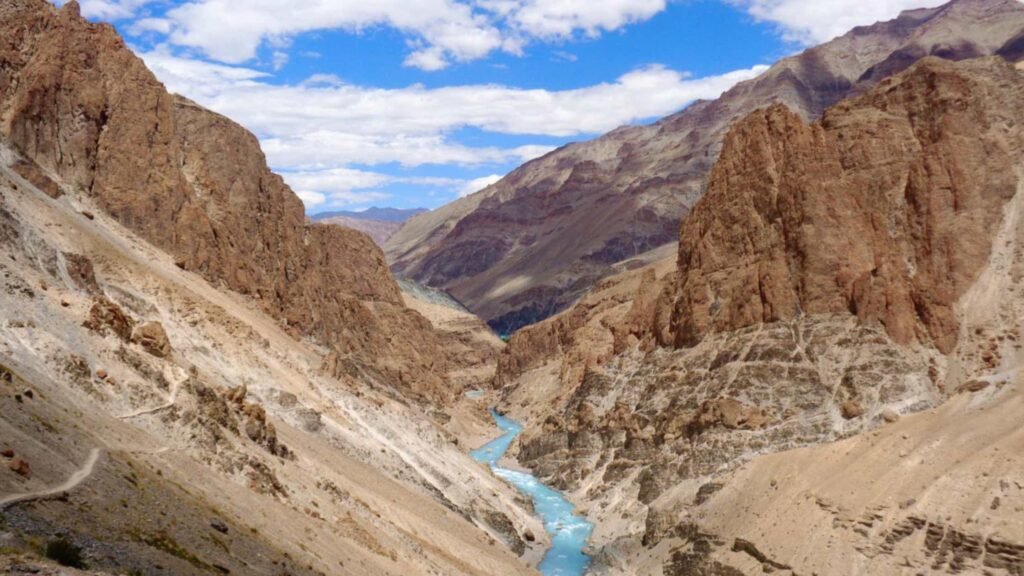
August is greener, moodier, and quieter, but riskier. Full waterfalls, thick forests, low crowds, and the constant chance of rain reshuffling your plan.
September is usually the better all rounder. As the monsoon starts to retreat, the skies clear, the roads settle, and the big mountain views come back.
For fixed date family trips and honeymoons where you do not want uncertainty, we almost always suggest September.
Choose August only if the green, the calm, and the lower prices matter more to you than a guaranteed clear sky.
Final Verdict: Who Should Visit Himachal in August?
Visit Himachal in August if you love rain, you can keep your plans flexible, you enjoy slow travel, and you are happy leaning on local guidance when a road goes bad.
You will get the greenest, quietest, most atmospheric version of the state, at lower prices than peak season.
Postpone to September or October if you are travelling with elderly family, small kids, or fixed flights, or if your schedule has no room for a lost day.
There is no shame in waiting a month. The mountains are not going anywhere, and the right timing turns a stressful trip into a great one.
Explore all our Himachal Pradesh tour packages. You can also use our Trip Cost Calculator to estimate your budget.
👉 Want this trip? Let’s plan it right.
अक्सर पूछे जाने वाले प्रश्न
Also Read: Himachal in July 2026: Weather, Best Places, Road Status and Safety Guide
क्या आप अपने हिमाचल एडवेंचर के लिए तैयार हैं?
Get FREE customized itinerary · Best Price Guaranteed · Local Himachal Experts · 3,973+ Happy Travelers