Jibhi in winter is worth booking if you want a quiet village stay with short local outings. It is the wrong choice if your trip depends on snow or on reaching Jalori Pass, because nobody can promise either for any date. Jalori has had long winter disruptions, with vehicle access restricted during snow clearance. The Great Himalayan National Park also warns that higher trekking routes may close after snowfall. Village walks and Jibhi Waterfall remain possible when paths are safe, so plan a slow, flexible stay.
Quick Answer: Should You Visit Jibhi in Winter?
Yes, if you want a quiet village stay and can keep your plans flexible. Village walks and Jibhi Waterfall can anchor the trip when paths are safe. Higher routes face seasonal restrictions, and Jalori Pass has closed after snowfall in recent winters. Nobody can promise snow or open upper roads for your dates. If trekking or a fixed Serolsar Lake day is your main goal, pick another season.
What Is Jibhi Like in Winter?
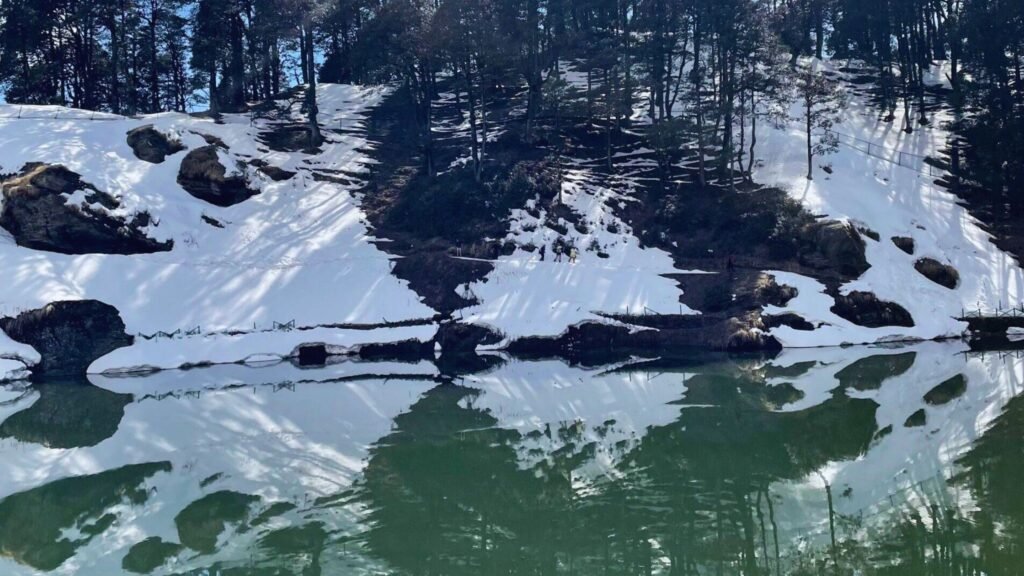
A winter trip to Jibhi works as a stay, not as a sightseeing circuit. That changes how you should plan, and it explains the most common mistake.
Many first-time road-trippers plan to enter from the Shimla side over Jalori Pass, because it looks like a short link on the map. When snow shuts the pass, the route in and the main outing both fail. Come in via Aut and Banjar instead, and keep Jalori optional.
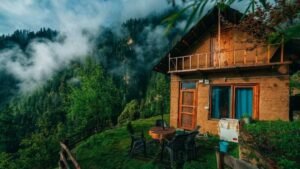
Jibhi sits in the Banjar area of Kullu district. Its everyday attractions are close to the village: village walks, Jibhi Waterfall and time at your stay. Our Jibhi travel guide covers the year-round basics.
The higher ground behaves differently. GHNP warns that most of its trekking routes are restricted during winter or after snowfall. So split your plan in two: village sightseeing that can carry the trip, and upper routes that stay conditional.
Jibhi in December vs January vs February

No winter month guarantees snow or open upper roads. The real difference is how much flexibility each month asks of you.
| महीना | What to expect from the trip | Upper-road reality |
| दिसंबर | A workable winter stay, with snow and access uncertain | Treat Jalori as optional, never essential |
| जनवरी | A winter stay that needs particular flexibility | Snow closed Jalori on 23 January 2026 (past event) |
| फ़रवरी | Still winter, with the same route checks | Snow closed Jalori on 5 February 2025 (past event) |
December suits travellers who accept that snow and access are uncertain. For month-specific planning, read our detailed guide to Jibhi in December.
Jibhi in January: Plan for Particular Flexibility
Plan January with particular flexibility over upper roads and excursions. In 2026, snowfall closed Jalori on 23 January, and the first reported reopening applied only to 4×4 vehicles. That is history, not a forecast for 2027. It shows why a January plan should not hang on a single upper-road day.
Jibhi in February: The Same Route Checks Apply
February is still a winter trip, and it needs the same checks as December and January. Snowfall closed Jalori in early February 2025. Past February reopenings tell you nothing reliable about 2027, so check the road close to your dates.
Does It Snow in Jibhi in Winter?

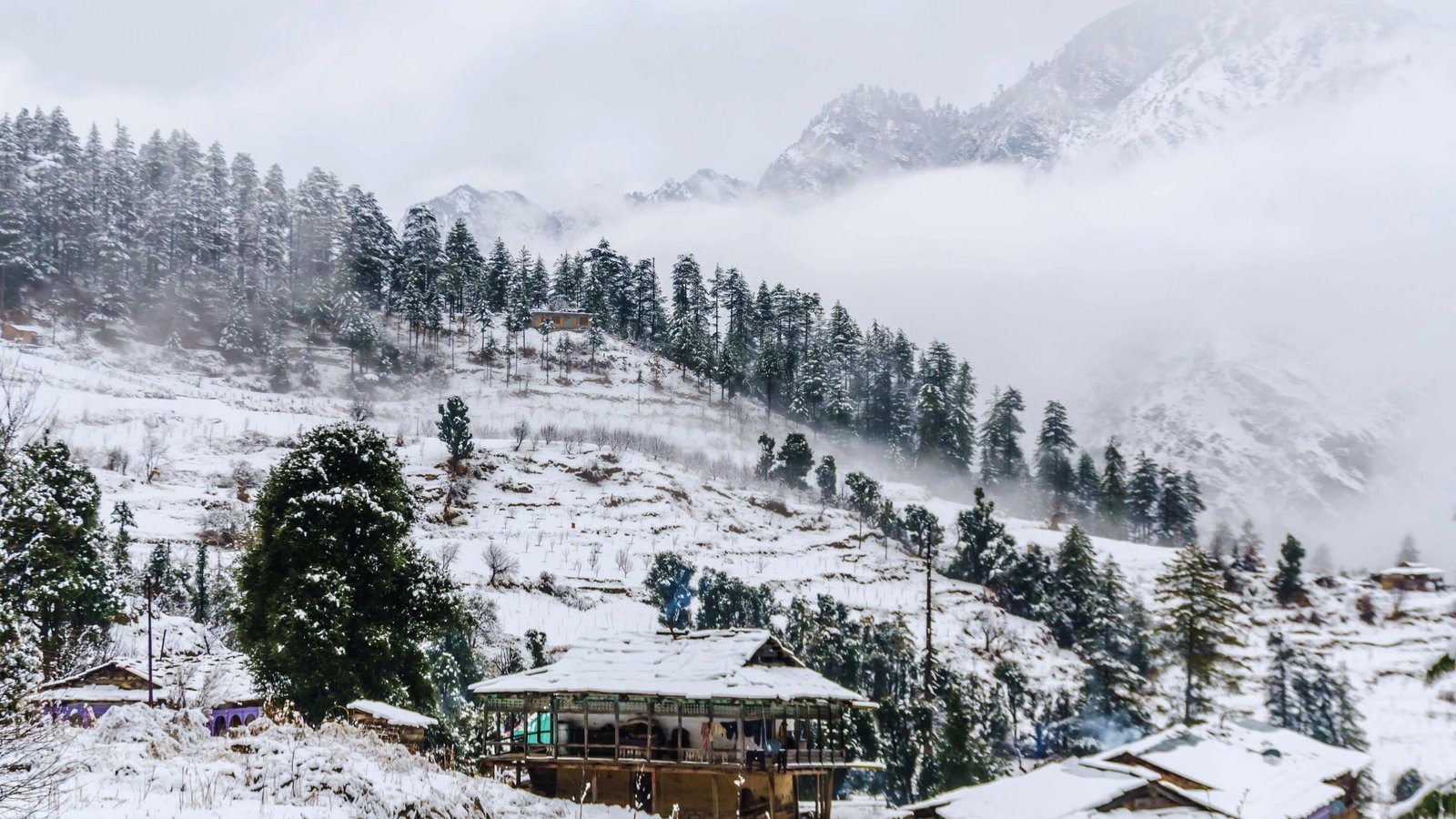
Snow in Jibhi village is possible in winter, but nobody can guarantee it for a chosen date. Book the trip for the quiet stay, and treat any snow as a bonus.
Jibhi Snowfall vs Snow on Higher Routes
Jibhi snowfall and snow on the higher routes are separate questions. GHNP reports winter snowfall in its higher zones and warns that higher trekking routes may close. That warning describes the upper trails. It does not prove the village will be white during your stay.
The effect also works in reverse. Snow up high can block an upper excursion even when the village stays dry. That is why we recommend building the trip around village days and keeping anything higher as optional.
How to Reach Jibhi in Winter

From the Delhi or Chandigarh side, travellers normally reach Jibhi through Aut and Banjar. We suggest this approach for winter, subject to road conditions on the day. It keeps your entry and exit off the high pass.
The listed alternative from Shimla runs through Ani and over Jalori Pass towards Shoja and Banjar. First-time self-drive travellers often pick it because it looks direct on the map. In winter, one snowfall can take that convenience away.
Recent winters show the pattern. Snowfall on 5 February 2025 closed the Jalori section of NH-305. The highway was reported restored initially for 4×4 vehicles by 9 February 2025. In the next winter, snowfall on 23 January 2026 closed Jalori again. A report dated 11 February 2026 said it had reopened for 4×4 vehicles.
One detail many trip plans miss: both reported reopenings applied first to 4×4 vehicles only. A 4×4 reopening does not tell you that ordinary private cars or buses could cross. Read any reopening news carefully before you commit a car or a bus journey to it.
If you plan to use public transport, HRTC states that bus arrival and departure depend on roads, weather and natural calamities. Check services close to your date rather than trusting an old schedule. We do not quote a fixed winter journey time, because winter conditions change the drive.
Is Jalori Pass Open in Winter?

It can be open on some winter days and closed on others. Access depends on actual snow clearance and on restrictions set by the responsible authority. No guide can answer this weeks ahead, so check official road information close to the day.
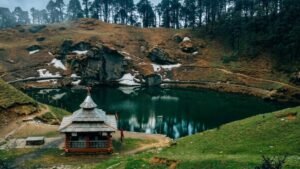
The pass matters for more than the drive. The usual tourist trail to Serolsar Lake begins at Jalori Pass. So the lake depends on reaching the pass and on the trail being in suitable condition. Our Serolsar Lake trek guide explains the walk itself. Do not attempt it when access has not been confirmed.
Skip one expense: a paid upper-pass sightseeing trip that rests on unconfirmed access. If you hire a private vehicle, do not lock in a prepaid Jalori day weeks ahead. Jalori is not poor value in itself. It becomes a poor bet when the whole day depends on a road nobody can confirm, so decide close to the day.
Places to Visit in Jibhi During Winter
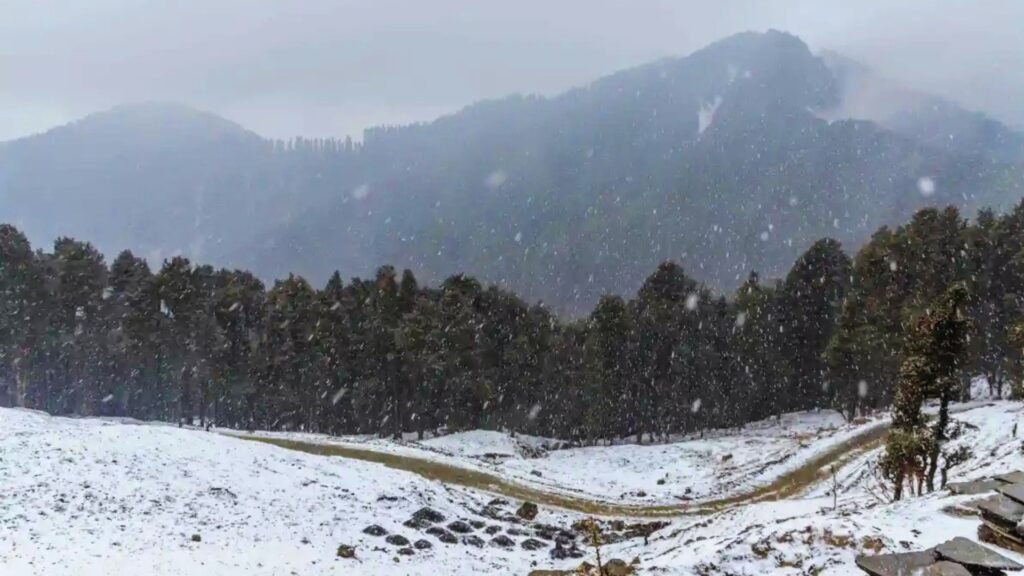
Build your sightseeing around what sits close to the village. Village walks and Jibhi Waterfall are the natural anchors, as long as the paths are safe that day. Ice, snow or wet ground can change a short walk, so judge each local path on its own conditions.
For more options near the village, browse our list of things to do in Jibhi. Not every item will suit every winter date, so check conditions before you commit.
Keep high-altitude excursions in a separate category. An open village road or a usable forest path tells you nothing about the upper trails.
Neighbouring Tirthan Valley is worth a look when you plan further. Treat it as an area to research and check, not as a guaranteed open substitute when Jalori is shut. Our Tirthan Valley travel guide covers the valley in detail.
Where to Stay in Jibhi During Winter
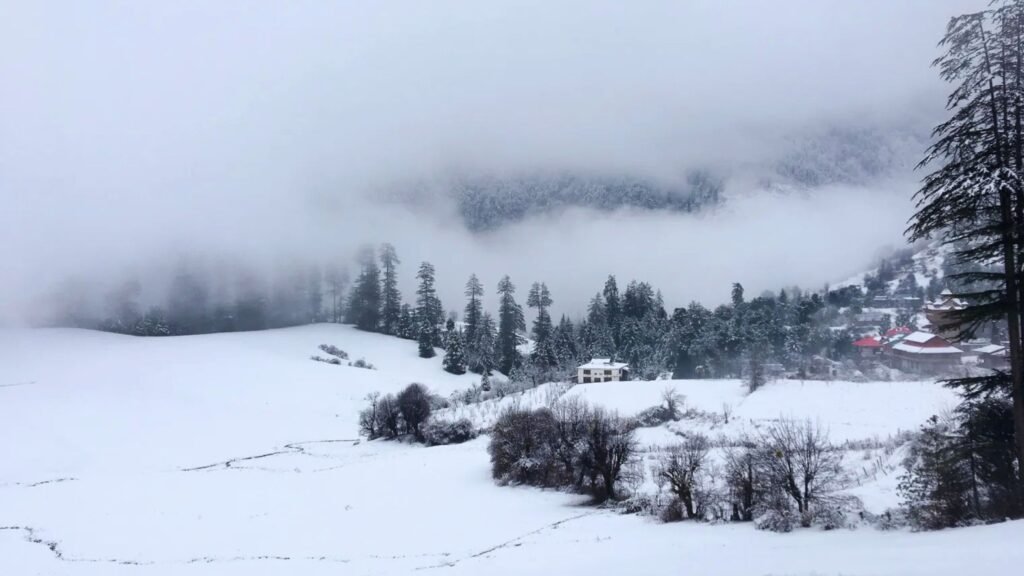
Central Jibhi is the practical base if your trip is mostly local. We consider it convenient for local attractions and cafés, which suits a winter plan built on walks and short outings. Individual properties still differ, so the room matters as much as the address.
Before you pay, ask the property to confirm these in writing:
- Room heating, and any extra charge for it
- Hot-water availability
- Backup electricity
- Vehicle access to the property
- How far you carry luggage from the road
- Meal availability
These are sensible booking questions, not a hint that any particular hotel falls short. Families, older travellers and anyone uncomfortable with cold should weigh the answers more heavily than the view.
If you want to sketch the days before you book, our Himachal itinerary planner can help you lay out a flexible trip. Treat its output as a draft, and confirm winter routing separately before you pay for anything.
Winter Food and Local Comfort
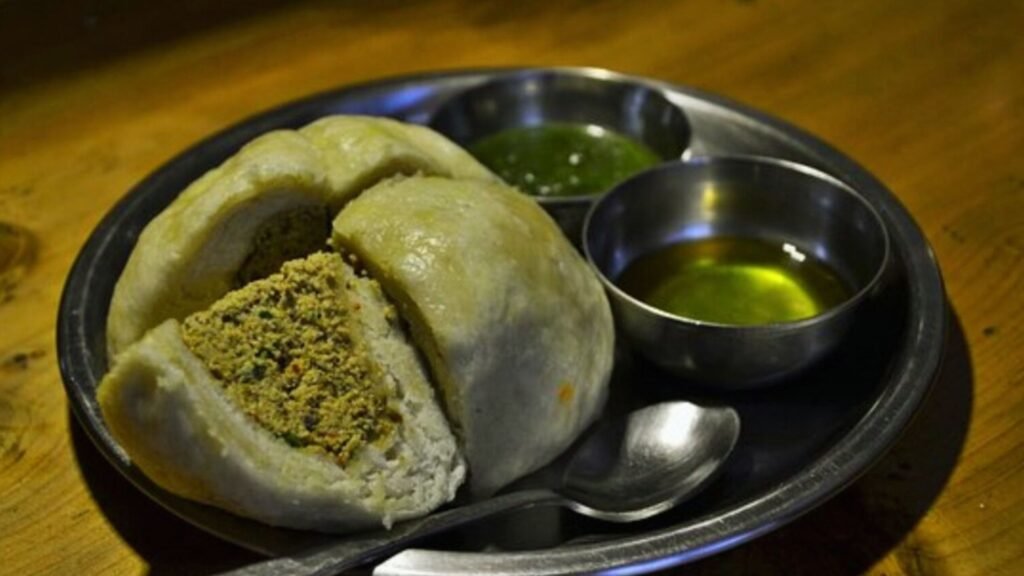
For a warm local dish, look for siddu with chutney. Winterfell Cottages, at Village Mihar, Jibhi, lists it on its in-house dining menu. Two limits apply: the listed dining is for property guests, and the menu changes with the season and availability. If you stay there, it gives you a local dish without heading out on a cold evening. Otherwise, confirm with the property before you plan around it.
A Flexible Jibhi Winter Itinerary

Use this as an editorial example, not an operator-checked driving schedule. It shows how to order three days so one bad-weather morning does not decide the trip.
Day 1, arrival: Reach Jibhi, check in and keep activities light. Confirm the heating and meal arrangements you asked about.
Day 2, flexible sightseeing: Choose accessible local sightseeing, such as a village walk or Jibhi Waterfall if paths are safe. Consider a Jalori excursion only if official road conditions and trail access allow it that day.
Day 3, departure: Leave without relying on an upper-pass crossing, using the Banjar and Aut side, subject to road conditions.
Why not save Jalori for the final day? A weather-dependent outing on departure day leaves you no room to adjust. Putting it on a flexible day gives you a choice. That does not promise better conditions on another day, but it stops one closure from deciding the whole trip.
Timing tip: start outdoor sightseeing with plenty of daylight in hand. Before you set out, agree on return arrangements with your driver or host. A fixed return plan matters more in winter, when changing roads leave you less margin.
Jibhi Winter Trip Cost and Money-Saving Tips

We are not quoting a rupee total for winter, because room rates, fares and package prices for your dates are not fixed in advance. Your budget has five moving parts: accommodation (including any heating charge), transport, food, optional sightseeing and the flexibility you pay for, such as better cancellation terms.
If you book HRTC tickets online, HRTC’s FAQ lists a non-refundable 1.5% service charge on e-tickets. HRTC also takes reservations up to 60 days ahead, though that does not confirm any particular seat. Check the current booking terms before you pay.
Money-saving tip: if you mainly want nearby village activities, a central Jibhi stay can reduce some separate short vehicle transfers. The trade-off is that a central property may not be the cheapest room. Compare the room rate against the transfers you would avoid.
To see how duration, group size and stay category change a Jibhi budget, try our Himachal trip cost calculator. Its figures are estimates, not a confirmed winter quote.
Winter Safety, Permits and Restrictions

Base every road decision on official weather and road information. IMD’s Shimla centre publishes weather forecasts and warnings. Forecasts change, so check again on the morning you travel.
Never treat an unofficial “it’s passable” as permission to cross a restricted road. That applies whether the reassurance comes from a driver, another traveller or a social media post. If the responsible authority has restricted a road, follow the restriction.
Village sightseeing and the Great Himalayan National Park follow different rules. Entering GHNP requires prior permission. Core-zone permits are issued at the Shamshi, Shairopa and Ropa offices, and a range officer must discuss and approve your trekking route. Multi-day park trekkers must engage certified guides and porters, and open fires are forbidden inside the park. These rules cover the park, not an ordinary walk around Jibhi village.
Leave regulated trout fishing out of a winter plan. The official trout close season runs from 1 November through the last day of February.
Save these numbers before you travel. Official sources listed them when checked on 6 November 2026:
- Emergency services: 112
- State Emergency Operation Centre: 1070
- District emergency operation centres: 1077
- Banjar police: 01903-221227
- Banjar Government Civil Hospital: 01903-221214
- HRTC Banjar inquiry: 01902-276243
Who Should Visit and Who Should Avoid a Winter Trip?

Choose Jibhi in winter if you enjoy quiet stays, relaxed time indoors and flexible local outings. Couples, friend groups and budget travellers who are happy with village walks and a slow pace fit this well.
Choose another season if trekking is your main goal, if you want unrestricted sightseeing, or if access uncertainty would spoil the trip. The honest downside is that some of the best-known upper-area excursions may become inaccessible, including Jalori Pass and the Serolsar walk. That hits trekkers and attraction-focused visitors hardest, and planning can only soften it. Families with young children or older relatives should judge the trip on the room and the outing plan, not just the destination.
Final Verdict: Is Jibhi Worth Visiting in Winter?
Yes. Book Jibhi in winter if a quiet, flexible village stay appeals to you on its own. Base the decision on what you want from the trip, not on promised snowfall. Approach via Aut and Banjar, subject to road conditions, and treat Jalori Pass and Serolsar Lake as conditional extras.
The advantage is a slow stay with local outings that do not depend on a high pass. The limitation is upper-road access, which stays uncertain until close to the day. If you would like stays and transfers arranged around that plan, browse our Jibhi tour packages and ask which winter sightseeing is realistic for your dates.
अक्सर पूछे जाने वाले प्रश्न
Also Read: Kasol in Winter 2026–27: Snow, Weather & Trip Planning
क्या आप अपने हिमाचल एडवेंचर के लिए तैयार हैं?
Get FREE customized itinerary · Best Price Guaranteed · Local Himachal Experts · 3,973+ Happy Travelers