Most people ask us whether September is safe for Kinnaur. The honest answer is that it depends on which half of the month you pick.
Early September still carries monsoon leftovers. Late September is when the valley turns into the version you saw on Instagram.
We are a Shimla-based team, and we run this route every season. Here is what actually happens on the ground.
Quick Answer: Is September a Good Time to Visit Kinnaur?
Yes, Kinnaur in September is a strong month, especially the second half.
The monsoon starts pulling back, the dust settles, and the valley looks washed and fresh.
Early September still needs caution. Rain can trigger landslides and shooting stones on NH-5, and delays are normal.
Late September is the sweet spot for Kalpa, Sangla, Chitkul, apple orchards, and clear Kinner Kailash views.
If you only take one thing from this article: book the last ten days of the month, not the first ten.
👉 Confused? Let locals plan your trip.
How Is Kinnaur in September Really?
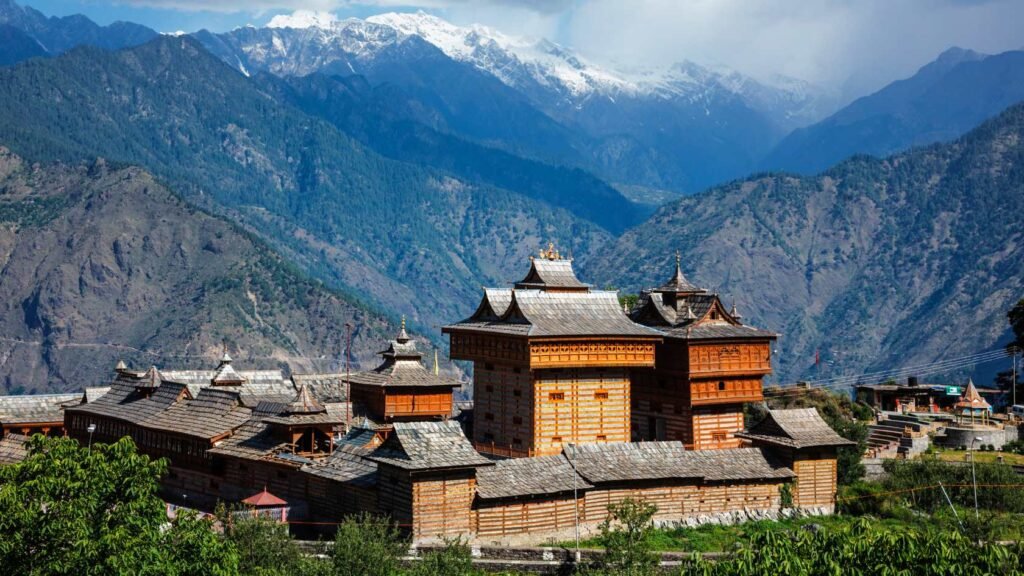
September is not one season in Kinnaur. It is three.
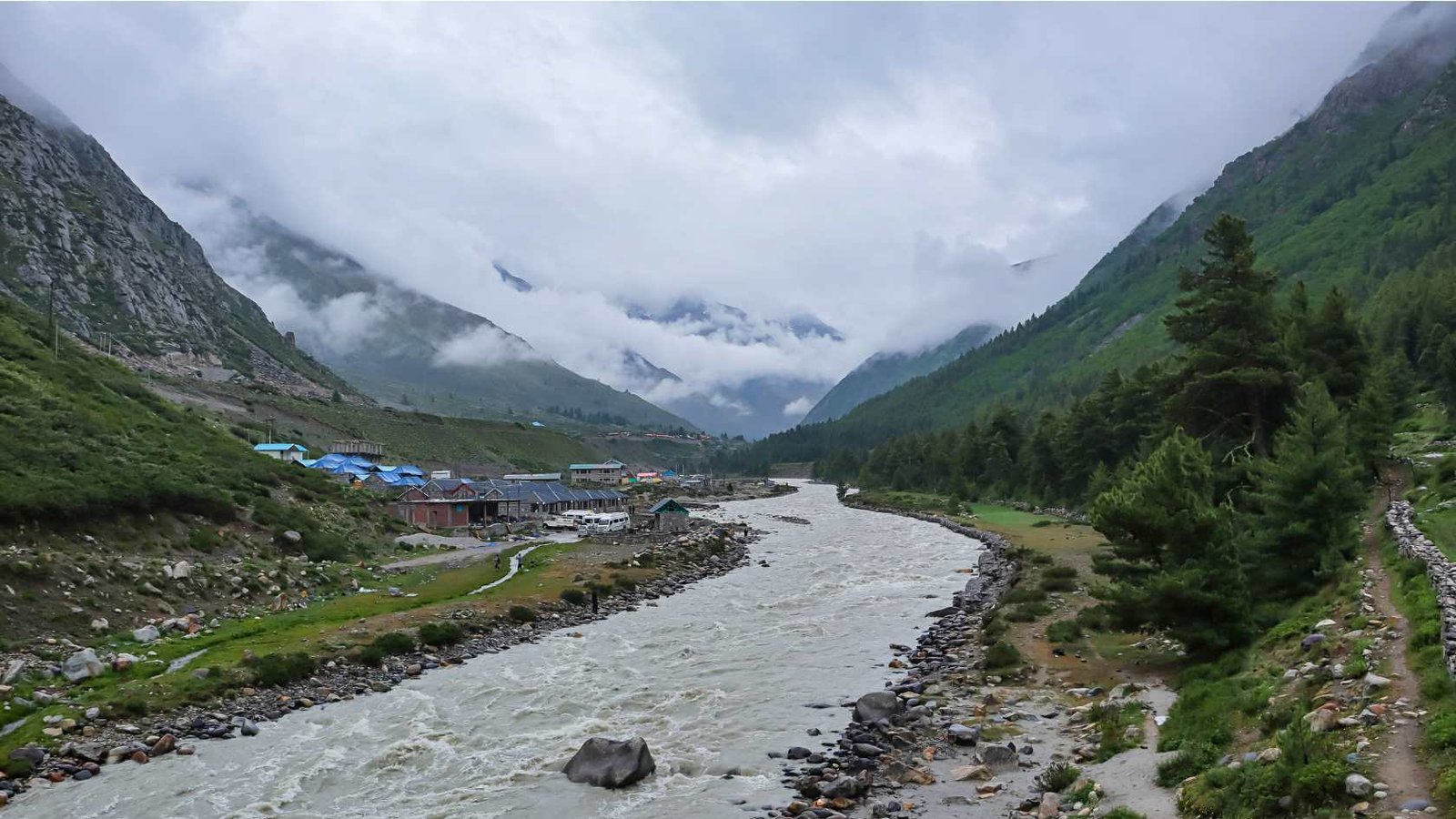
Early September still behaves like monsoon. Roads get slippery, rivers run high, and a single night of heavy rain can shut a stretch of highway for hours.
Mid September is the transition. Some days feel bright and settled. Others still throw rain at you.
Late September finally feels like autumn. Skies clear, the light gets sharp, and photos start looking the way you hoped.
This is why we always tell travellers to keep buffer time. A tight five-day plan with a same-day flight home is the worst way to do Kinnaur in September.
If you want the trip handled end to end with a local driver who knows which stretch slips after rain, our Kinnaur tour packages are built around exactly this kind of flexibility.
What Is the Weather Like in Kinnaur in September?
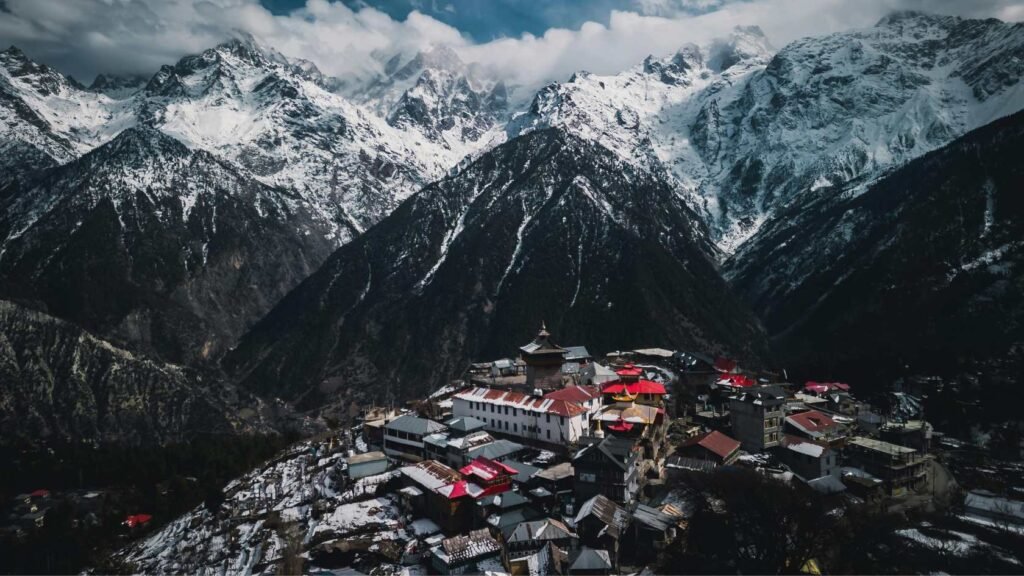
Kinnaur weather in September changes with altitude, and travellers keep forgetting this.
Kalpa, Sangla, Chitkul and Nako do not feel the same on the same day.
For Kalpa, the September forecast range sits around 63°F to 72°F for daily highs and 42°F to 54°F for lows.
Roughly that is about 17°C to 22°C in the day and about 6°C to 12°C at night.
Days feel pleasant in the sun. The moment the sun drops behind the ridge, it gets cold fast.
Chitkul at 3,450 m and Nako at 3,663 m are noticeably colder than Kalpa or Sangla. Evenings there need a proper jacket, not a hoodie.
What Most Tourists Get Wrong About September Weather
People pack for the daytime temperature they saw on their phone.
They land in Chitkul at 6 PM in a t-shirt and spend the night shivering under a thin blanket.
Pack for the night, not the afternoon. That single change fixes most complaints we hear.
Are Kinnaur Roads Open and Safe in September?
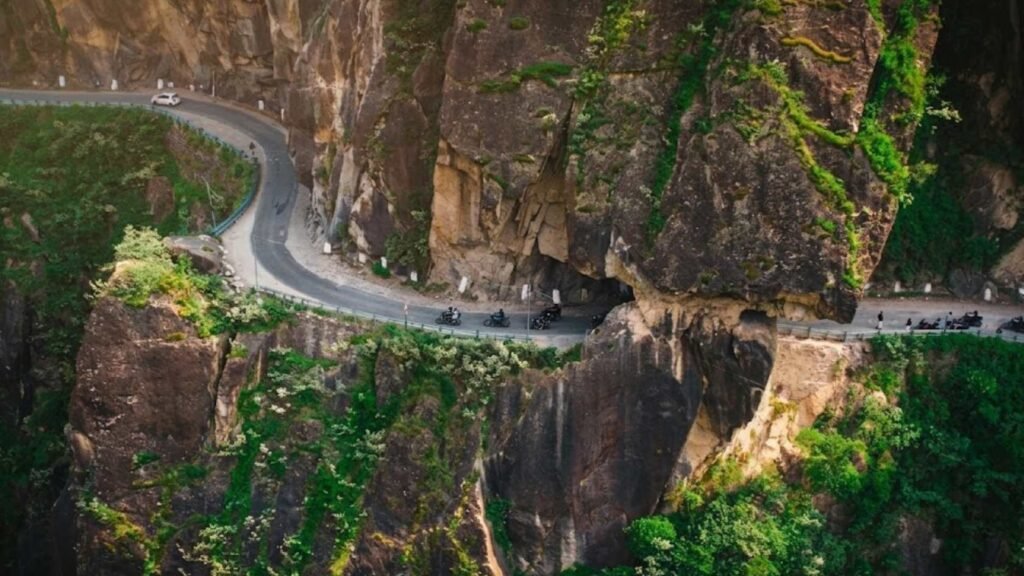
The main route is the Shimla to Kinnaur road trip along NH-5, running through Narkanda and Rampur towards Reckong Peo.
Reckong Peo is 235 km from Shimla, and it sits at 2,670 m.
Kinnaur has no direct rail or air access. You drive, or you take a bus. HRTC runs buses to different parts of Kinnaur, and the direct Shimla to Kaza bus via the Sutlej valley takes about 24 hours.
On Kinnaur road conditions September, the district administration itself advises travellers to check road status before travelling in the rainy season. That advisory is not a formality.
Landslides, shooting stones, and long clearing delays happen after heavy rain. We have had vehicles held up for hours on the Sutlej stretch waiting for a single boulder to be cleared.
Drive in Daylight. That Is Not a Suggestion.
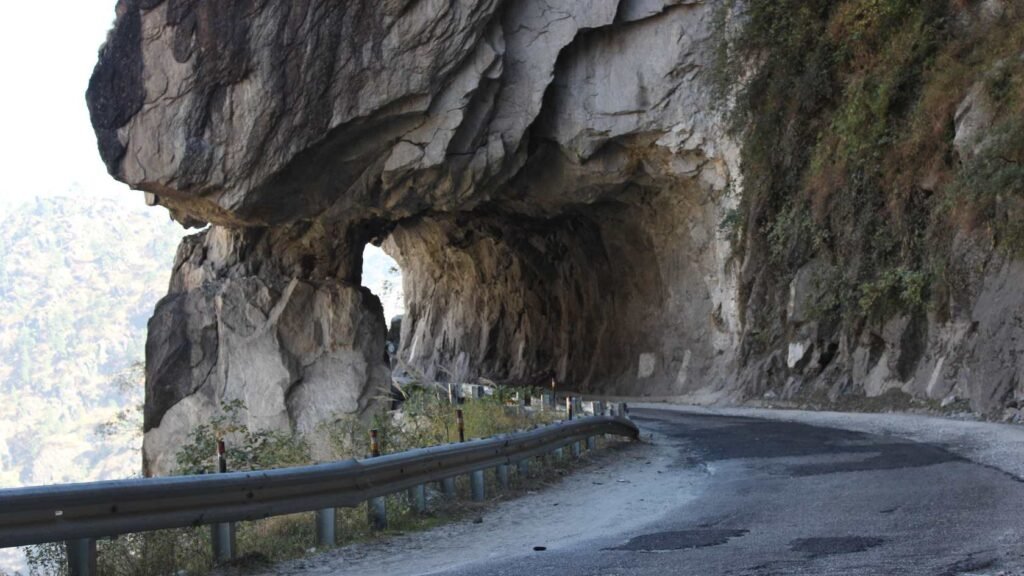
Do not drive Kinnaur roads after dark. Not on the NH-5 stretch, not on the Sangla road.
There are sections with a rock face on one side and a straight drop to the Sutlej on the other, with no barrier.
In daylight you see the loose stone before you reach it. At night you do not.
Our drivers finish every leg before sunset. Every single trip.
Early September vs Late September: Which Is Better?
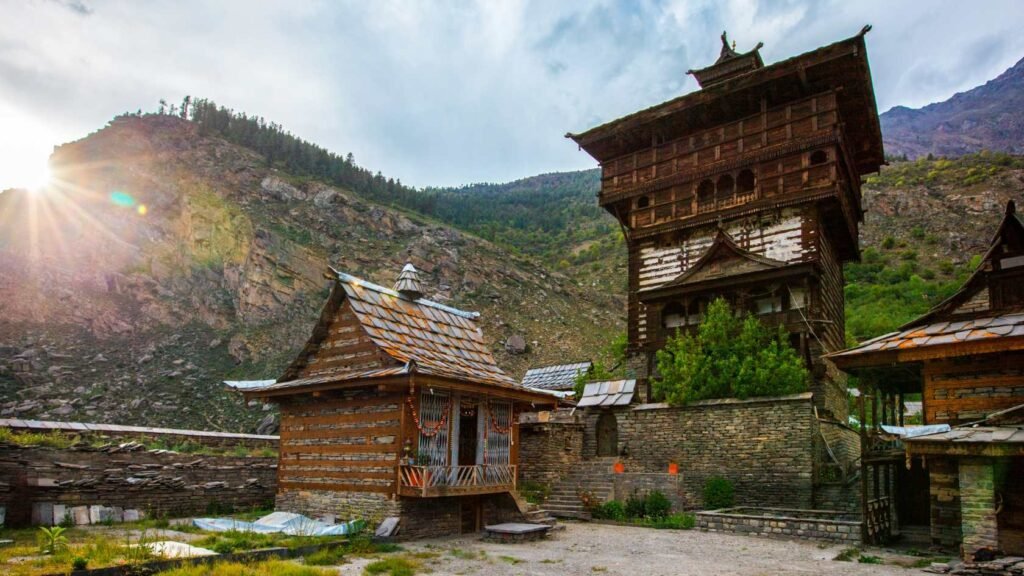
Early September is greener. It is also riskier.
The valley is still lush from the rain, waterfalls run full, and you will see fewer tourists.
But monsoon risk extends into September, and July and August are already the two worst months for landslides and closures. Early September inherits some of that.
Late September gives you clear views, calmer skies, better photography, and far more reliable roads.
For first-time visitors, our team recommends late September over early September, every time. If you have never driven a Himalayan road before, do not make your first attempt during a rain alert.
Best Places to Visit in Kinnaur in September
Kalpa in September
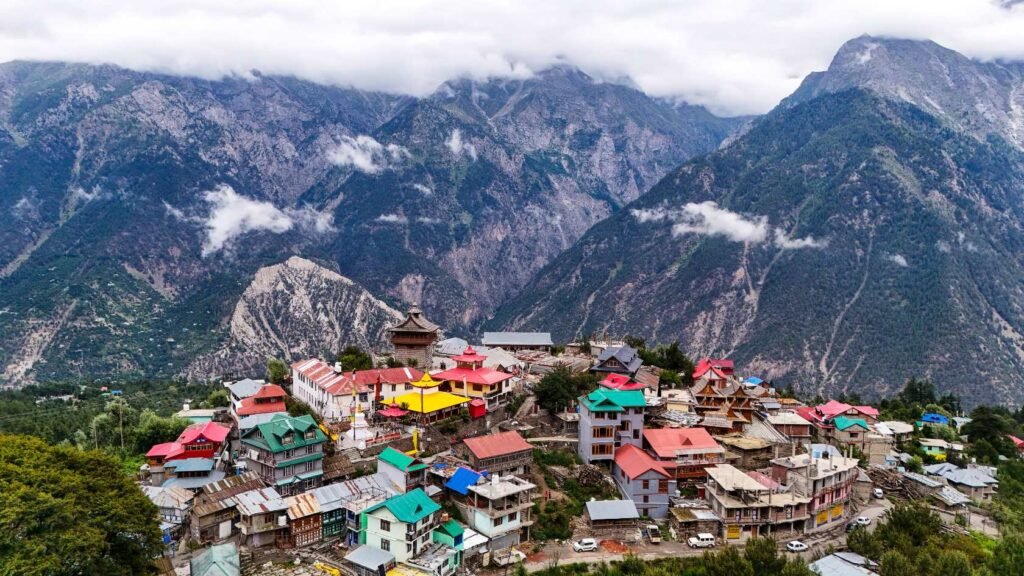
Kalpa sits at 2,759 m and is the easiest base in Kinnaur.
It is famous for the Kinner Kailash views, and in late September you actually get to see them instead of staring at cloud.
Two nights in Kalpa works well. You get one full day to slow down and one morning for the mountain.
Local Insider Tip Most Guides Skip
Wake up early in Kalpa. The Kinner Kailash range catches first light before the valley does, and the peak turns gold for a few minutes.
By 8 AM the light is flat and ordinary. Most travellers sleep through the only good window of the day.
Sangla in September
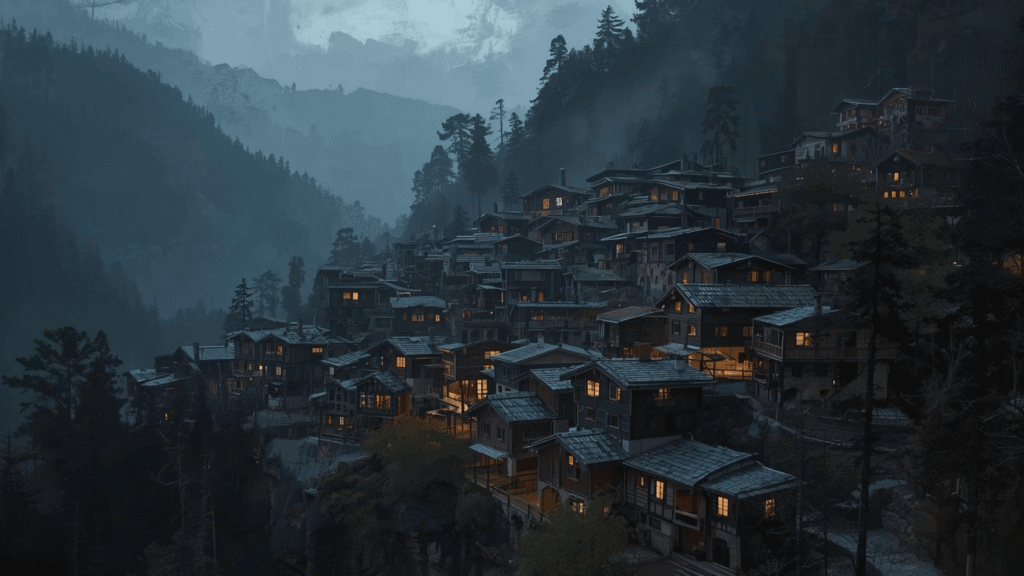
Sangla sits around 2,621 m in the Baspa Valley, roughly 17 km from Karcham.
Baspa Valley September is when the apple orchards look their best and the riverside stays are genuinely pleasant.
Sangla is a comfortable pace. Nothing here demands that you rush.
Chitkul in September
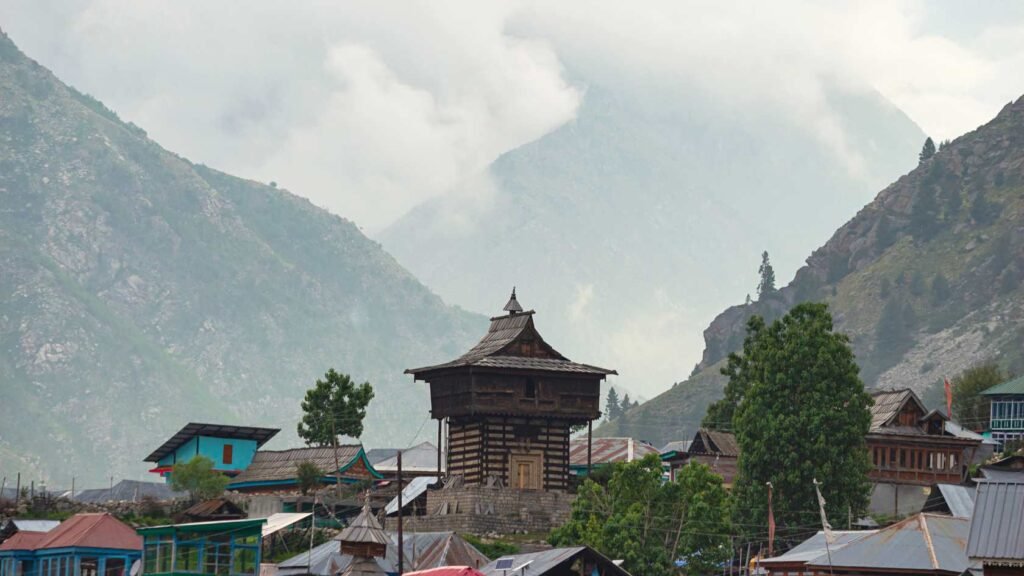
Chitkul sits at around 3,450 m, the last village on this side of the valley.
It is beautiful. It is also the most road-sensitive stop on the entire trip.
Keep Chitkul in September flexible. Do not build your whole itinerary around it and do not treat it as guaranteed after heavy rain.
Rakchham
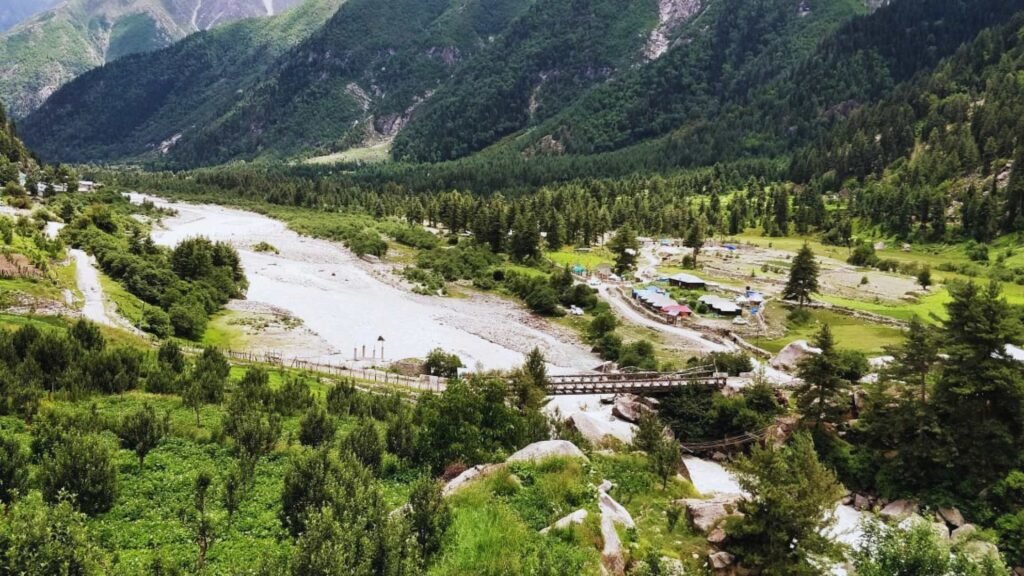
Rakchham sits between Sangla and Chitkul and works well as a quieter overnight stay.
If Sangla feels crowded, this is where you go instead. Fewer vehicles, fewer people, same valley.
Nako
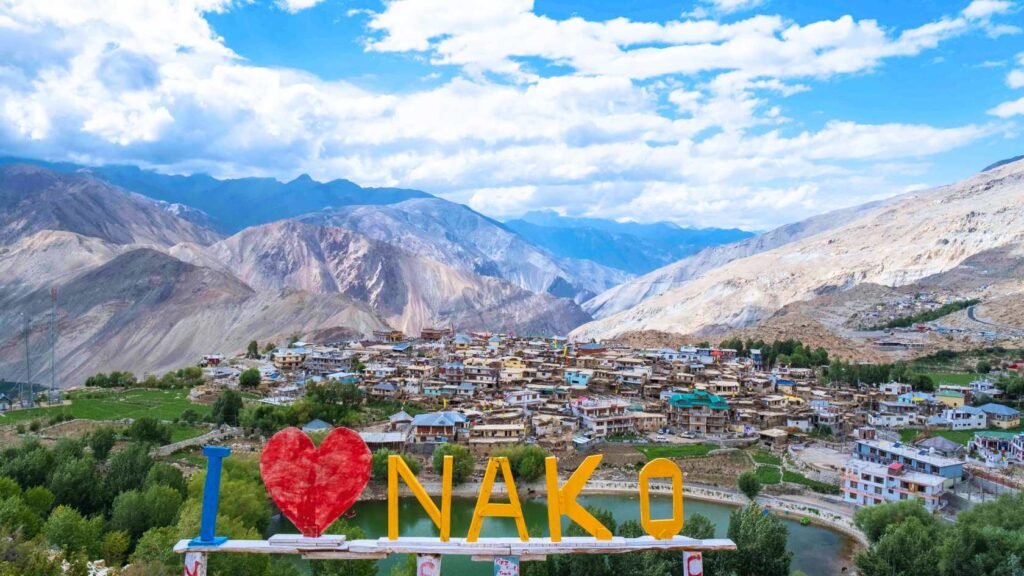
Nako sits at 3,663 m and is 119 km from Kalpa.
That distance matters. Nako belongs in a longer trip or a Kinnaur Spiti September trip, not a rushed four-day Kinnaur run.
Trying to squeeze Nako into a short plan is how people end up spending their holiday inside a car.
Skip This: The Rushed Chitkul Day Trip From Kalpa
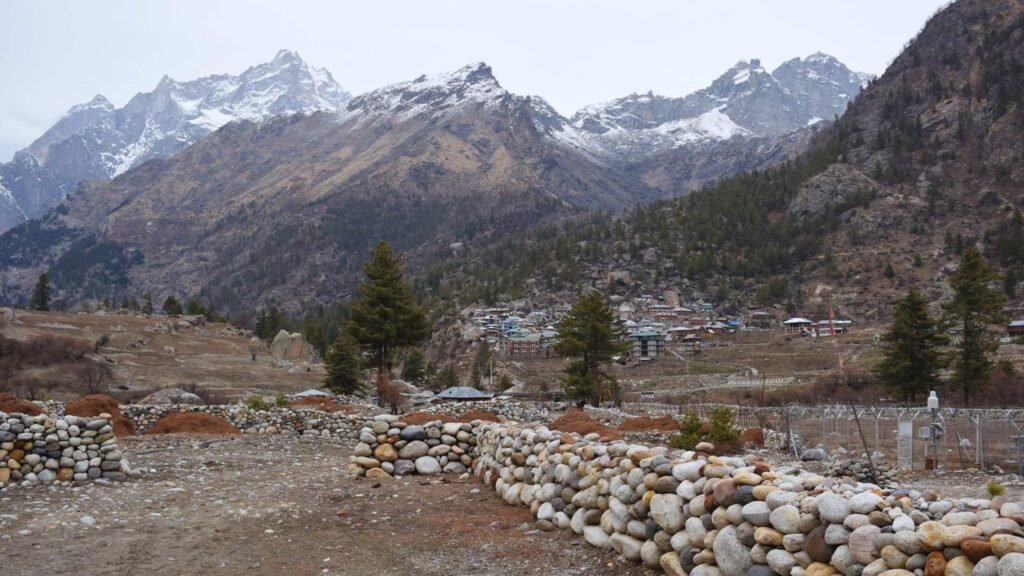
People try to do Chitkul as a day trip from Kalpa because it looks close on the map.
It is not close in practice. You spend the entire day driving, reach Chitkul tired, take twenty minutes of photos, and drive back in fading light.
Stay in Sangla or Rakchham instead. Do Chitkul as a short morning run from there. You will actually enjoy the village instead of just proving you reached it.
Suggested Kinnaur Itinerary for September

5 Day Kinnaur Itinerary
Day 1 takes you from Shimla to Sangla along NH-5 through Narkanda and Rampur.
Day 2 is Sangla to Chitkul and back, keeping the day light so weather can change your plan without wrecking it.
Day 3 moves you from Sangla to Kalpa.
Day 4 is Kalpa and nearby sightseeing, with the Kinner Kailash morning built in.
Day 5 is the return towards Shimla.
This Kinnaur September itinerary works, but it has no slack. One landslide and the whole thing tightens.
6 Day Relaxed Kinnaur Itinerary
Add one extra night, either in Kalpa, Sangla, or Rakchham.
This version is better for families and couples, because September roads slow you down whether you planned for it or not.
The extra night is not a luxury. It is your buffer day pretending to be a holiday.
8 to 9 Day Kinnaur Spiti Itinerary
The route runs Shimla, Sangla, Chitkul, Kalpa, Nako, Tabo, Kaza, if the roads hold.
This gives you gradual altitude gain, which is the whole reason the Kinnaur side is the better entry into Spiti.
Plan this one only after checking road updates. Our Spiti tour packages cover this exact circuit with buffer days built in, and if you want to start the trip properly rested, our Shimla tour packages work as a front leg.
You can also sketch your own version first using our trip itinerary planner before you talk to anyone.
👉 Pick the right stay & route — we’ll help.
Can You Visit Chitkul in September?
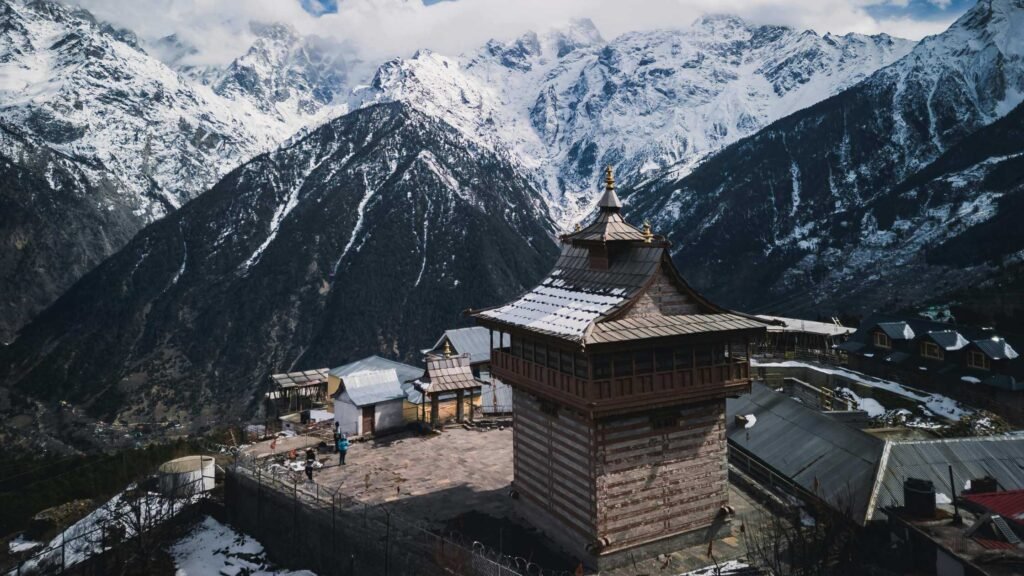
Yes. Chitkul is part of almost every September Kinnaur trip we run.
But rain, landslides, and local closures can shut the road with no warning.
The smart move is to stay in Sangla or Rakchham and treat Chitkul as a day trip you attempt when the weather looks right.
If it looks doubtful on the morning, do not push it. The road there is narrow, and a wet slope above it is not something you argue with.
Kinnaur Apple Season and the Phulaich Festival
Apple harvesting begins around August and continues into September.
What that means for you is trucks. Loaded apple trucks on narrow roads, moving slowly, with nowhere to overtake.
Your Google Maps time estimate is going to be wrong. Add an hour and stop being annoyed about it.
Phulaich: The Flower Festival Most Tourists Miss
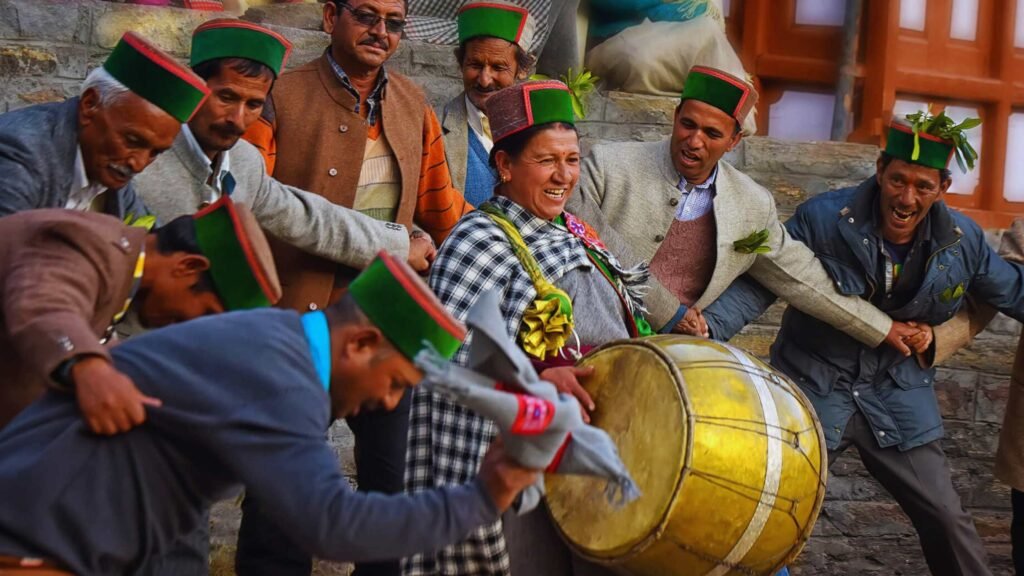
Phulaich is Kinnaur’s local flower festival, and the season runs from 10 August to 26 October.
Middle Kinnaur commonly celebrates Phulaich in September, and Ribba holds a district-level Phulaich celebration from 16 September to 22 September.
If your dates line up with Ribba, you get to see something very few outside travellers ever do.
Watch respectfully. Do not walk into restricted temple spaces without permission, and do not point a camera at people who have not agreed to it.
This is a village festival, not a photo opportunity that happens to have villagers in it.
Do You Need a Permit for Kinnaur in September?
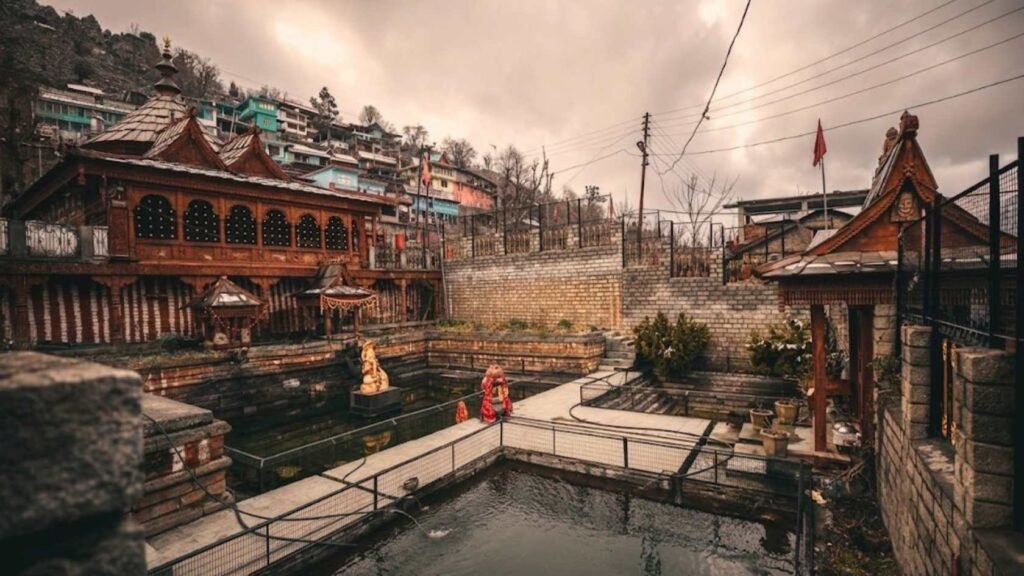
For Kinnaur permit for Indians, regular tourist travel to Kalpa, Sangla, Chitkul and Reckong Peo generally does not need a permit.
Kinnaur permit for foreigners is a different story. Foreign nationals need permits for protected areas near the Inner Line and the international border.
The official ILP fee is ₹200 per person at the e-Governance Centre, plus any travel agency service charges.
Carry ID proof regardless. There are checkposts, and being asked for it is normal.
Kinnaur Kailash Yatra 2026 Update: Read This Before You Plan
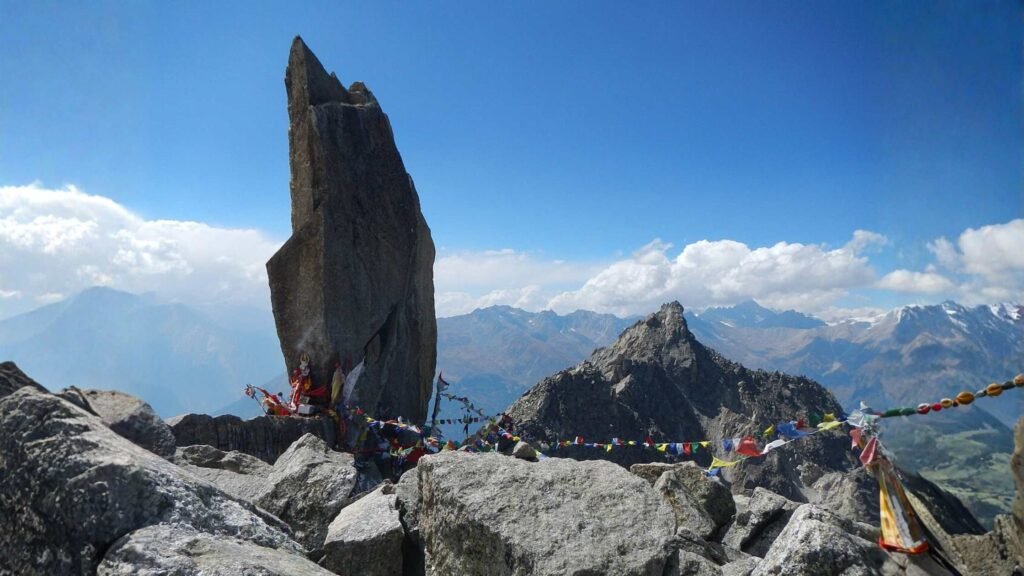
Kinnaur Kailash Yatra 2026 has been postponed until further orders by the District Administration Kinnaur.
The official reasons are glaciers, unstable boulders, rockfall, landslides, falling debris, and dangerous stretches on the route.
Do not attempt the yatra unless the administration officially reopens it. This is not bureaucratic caution. People have died on that route.
To be clear: this affects the pilgrimage trek only. Normal sightseeing in Kalpa, Sangla, Chitkul and Reckong Peo is unaffected and continues as usual.
You can still see Kinner Kailash from Kalpa. You just cannot climb to it.
What Should You Pack for Kinnaur in September?

Carry a proper warm jacket, not a light one. Add light woolens for the evenings, a rain shell for early September, and waterproof shoes with grip.
Bring your personal medicines and motion sickness tablets. The Sutlej road has enough hairpins to test anyone.
Carry cash. ATMs get scarce once you cross Rampur, and card machines fail more often than they work.
Pack a power bank, download offline maps, keep ID proof handy, and carry your own snacks and water.
Chitkul and Nako need warmer layers than Kalpa or Sangla. If you are going to either, add one more insulating layer than you think you need.
The Chai Stop We Send Everyone To
Break your Shimla to Kinnaur drive at the dhabas around Rampur. It is the last stretch where you get a proper hot meal without going hunting for it.
Eat properly there. Past that point, food gets simpler and the gaps between stops get longer.
Is Kinnaur in September Good for Families, Couples and Solo Travellers?
Families
Families should pick late September and private transport. Do not attempt this with a public bus schedule and small children.
Fixed departure times and mountain roads do not mix well when someone needs a bathroom stop.
Late September also gives you the settled weather that makes a Kinnaur family trip September actually relaxing instead of stressful. Our family tour packages are built around this pace.
Couples
Couples get the best version of Kinnaur in late September. Orchard stays in Sangla, clear Kinner Kailash mornings in Kalpa, and quiet evenings.
Our couple tour packages work well for this if you want the logistics off your plate.
Solo Travellers
Solo travellers should avoid night travel completely. That is the single biggest Kinnaur road safety rule.
Keep cash on you, share your itinerary with someone at home, and check road status locally before each leg.
Ask the dhaba owners and the taxi drivers. They know before the internet does..
Safety Warning: The Taxi Rate Conversation
Have the fare conversation before you sit in the car. Not after.
Local taxi rates in Kinnaur vary by route and season, and quotes to unfamiliar tourists tend to start high.
Ask two drivers, not one. Fix the number out loud. Then get in.
This is normal practice here and nobody will be offended by it.
Kinnaur in September Budget: What to Expect

We are not going to invent a package price for you.
The real cost depends on your cab type, hotel category, start city, and number of days. A Shimla start costs differently from a Delhi start. A sedan costs differently from an SUV.
Budget stays in Kinnaur run around ₹500 to ₹800 per night, and mid-range hotels around ₹1,500 to ₹3,000 per night.
HRTC fares from Shimla to Reckong Peo run around ₹430 for ordinary to ₹650 for Himmani Deluxe.
For an actual number, run the numbers yourself on our trip cost calculator, browse our popular Himachal packages. Our own Kinnaur package pricing gets confirmed against live rates, not a table on a webpage.
The Money Tip Nobody Tells You
HRTC buses are genuinely usable on this route, and travellers keep ignoring them because a travel agent said not to.
If you are solo, on a budget, and comfortable with a long ride, the Shimla to Reckong Peo bus is a real option. It costs a fraction of a private cab.
No agent will tell you this, because there is nothing in it for them.
September Travel Tips From a Shimla-Based Team

Start early. Every single day. Six or seven AM departures mean you finish before the light goes.
Never drive at night on these roads.
Keep one buffer day. Always. It is the difference between a delay and a ruined trip.
Check road status before you leave Shimla, and again before you leave Rampur. Conditions change overnight here.
Do not force Chitkul in bad weather. The village will still be there next year.
Carry cash before you go deeper into the valley. Do not assume the next town has a working ATM.
Respect temple rules and village customs. Kinnaur villages are not tourist sets. Ask before you photograph, and take your shoes off where people take their shoes off.
Final Verdict: Should You Visit Kinnaur in September?
Yes, if you pick the second half of September and keep your itinerary flexible.
That version of the trip gives you clear skies, apple orchards, empty roads, and Kinner Kailash without a cloud in front of it.
No, or wait for October, if you cannot handle a delay or you have a tight return flight you absolutely cannot miss.
Kinnaur does not care about your schedule. It is a valley with real rockfall and real weather, and the travellers who enjoy it most are the ones who built in a spare day and stopped fighting it.
Come with a buffer day and an open plan, and Kinnaur will give you one of the best trips of your life.
We drive these roads every season. If you want us to build the version that fits your group, we are one message away.
👉 Want this trip? Let’s plan it right.
अक्सर पूछे जाने वाले प्रश्न
Also Read: Leh Ladakh in September 2026: Weather, Road Status, Itinerary and Travel Tips
क्या आप अपने हिमाचल एडवेंचर के लिए तैयार हैं?
Get FREE customized itinerary · Best Price Guaranteed · Local Himachal Experts · 3,973+ Happy Travelers