Most people cancel their Leh Ladakh in monsoon plans the moment they see July or August on the calendar. That fear quietly costs them the best-value trip of the year.
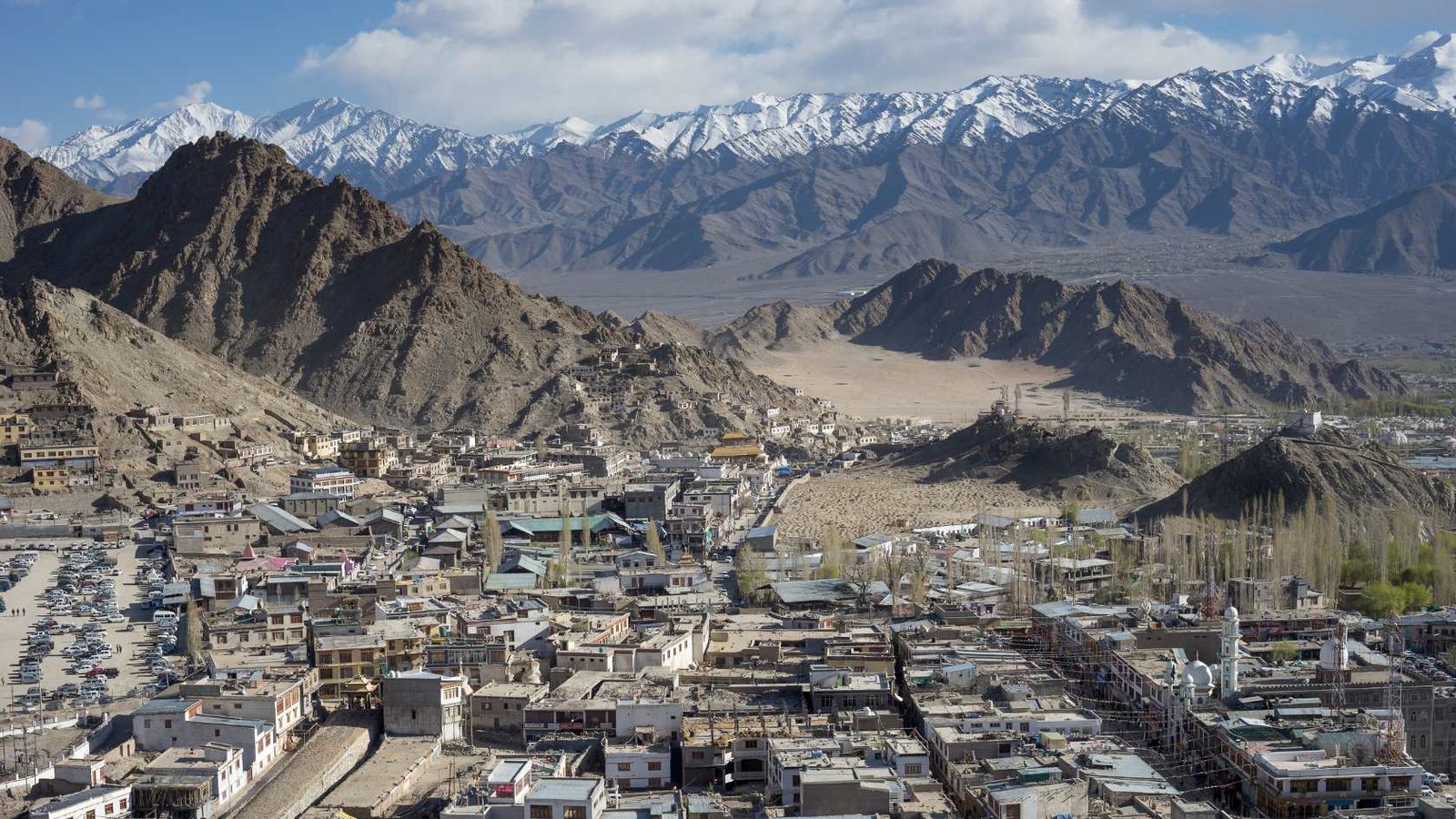
Here is the part the rest of India does not know. Leh sits in a rain shadow. While the plains flood and Manali turns into a traffic jam of umbrellas, Leh stays dry, blue, and wide open.
We run trips here every season, and our July and August groups almost always come back happier than the crowded June lot. This guide gives you the real picture of Leh Ladakh in monsoon. Weather, roads, safety, costs, and a 7-day plan that actually works.
Quick Answer: Is Leh Ladakh Worth Visiting in Monsoon?
Yes. Leh Ladakh in monsoon is one of the smartest times to go, and most travellers get this completely wrong.
Leh barely gets rain because it lies behind the big Himalayan ranges. Days stay pleasant, the lakes stay open, and the crowds are thinner than peak June.
The only real catch is the approach roads. The Manali-Leh and Srinagar-Leh highways can get hit by landslides when it rains heavily lower down. Fly into Leh and that risk almost disappears.
Short version. Go. Keep one buffer day. Rest for 48 hours to acclimatise. You will thank yourself.
👉 Confused? Let locals plan your trip.
Why Visit Leh Ladakh During Monsoon?
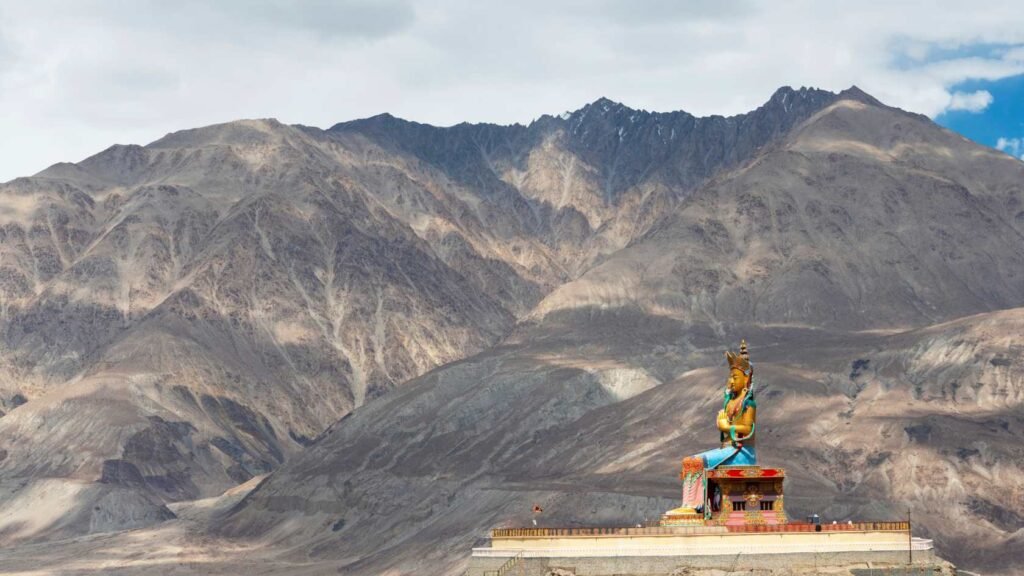
What most tourists get wrong is thinking monsoon means rain everywhere in the mountains. It does not. Ladakh is a high cold desert, and the rain clouds rarely make it over the passes.
In our experience running July and August groups, three things make the monsoon window special.
First, the weather is kind. The sun is warm without the brutal May cold, and the light at this altitude in monsoon is something photographers chase for years.
Second, the headline spots stay open. Pangong Lake and Nubra Valley both stay accessible through the rainy months, so you do not miss the big experiences.
Third, fewer people. The summer holiday rush thins out by late July, so you get quieter monasteries, softer hotel rates, and Pangong without a hundred cars parked beside it. If you want the full lake-by-lake breakdown, our Leh Ladakh travel guide covers every stop in detail.
Here is a tip generic guides skip. The few days right after a rain spell in the plains are often the clearest in Leh. The dust settles, the sky scrubs clean, and the peaks look sharp enough to cut. Our drivers plan photo stops around exactly these windows.
If you would rather hand the planning to locals who drive these roads every season, look at our Leh Ladakh tour packages. We build them around real road conditions, not a brochure map.
Does It Rain in Leh Ladakh During Monsoon?
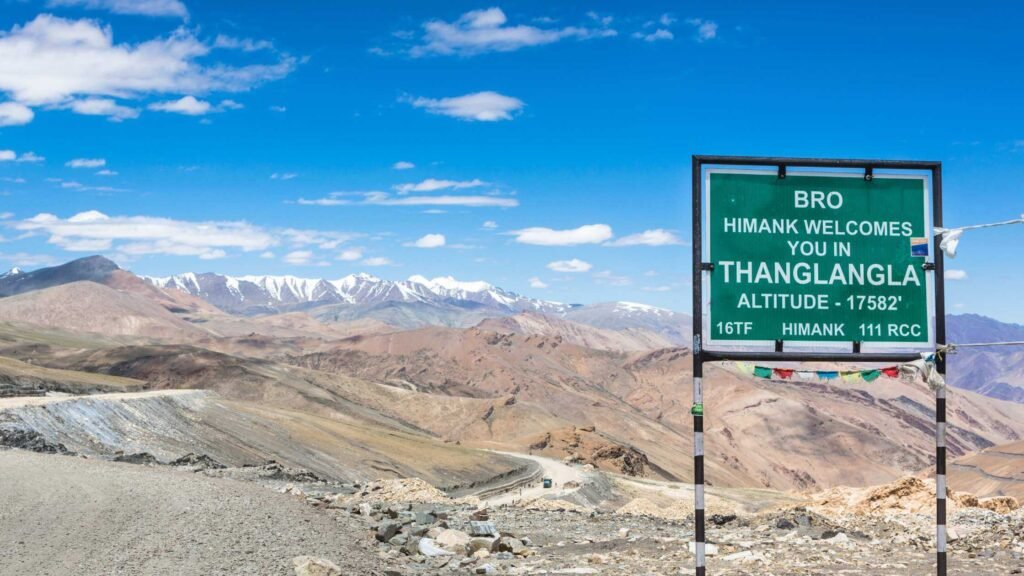
Barely. And this one fact changes everything about your trip.
The monsoon clouds come up from the south, heavy with water from the Bay of Bengal and the Arabian Sea. They hit the big Himalayan walls first and dump most of their rain on the outer ranges around Manali, Dharamshala, and the plains.
By the time whatever is left climbs over those ranges into Ladakh, it has almost nothing to give. This is the rain shadow effect, and Leh sits deep inside it.
So while a friend in Manali is wringing out their socks, you can be standing under a clear sky in Leh in a light jacket. You might catch a short drizzle or a passing cloud, but proper all-day rain is rare.
The honest warning is this. The roads getting you into Ladakh pass through the wet zones first. The rain you avoid in Leh is the same rain that can block your highway near Manali or Srinagar. More on that below.
Leh Ladakh Weather in July and August
This is the question we get on WhatsApp more than any other. People expect cold and grey. They get warm days and crisp nights instead.
July Weather
July is one of the most comfortable months in Leh. Daytime temperatures sit around 21 to 25 degrees Celsius, so you can walk the bazaar in a t-shirt at noon.
Nights are a different story. Temperatures drop to around 7 to 10 degrees once the sun goes down, and it feels colder at the lakes and high passes.
The trick is layering. Warm afternoons, cold mornings, freezing nights at Pangong. Pack for all three in the same day.
August Weather
August stays mostly dry in Leh compared to almost any other Indian destination in that month. The cold desert holds its calm while the rest of the country drips.
Days feel pleasant in the sun and cool in the shade, broadly similar to July . Nights again drop sharply, so the same warm layers apply.
The one thing August adds is a slightly higher chance of rain on the approach roads. Inside Leh you are fine. On the highways near Manali and Srinagar, build in a buffer day.
Is Leh Ladakh Safe During Monsoon?
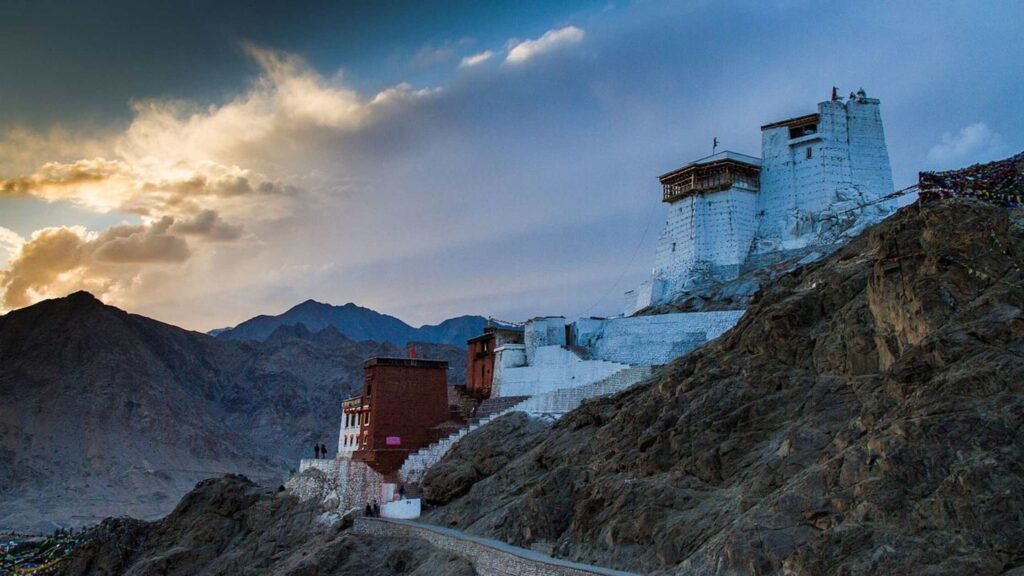
Yes, with the right plan. The danger in Ladakh is not the lake or the town. It is the road and the altitude.
Landslides can occasionally hit both the Manali-Leh and Srinagar-Leh highways when heavy rain loosens the slopes lower down. A blocked road can mean a wait of a few hours, sometimes a day.
Flash floods and water crossings are the other monsoon risk on the road sections that pass through narrow gorges. Never push through a rising stream or a fresh slide in fading light.
Altitude is the bigger health concern. Leh sits at roughly 3,500 metres, and most of the highlights are much higher. We strongly recommend a full 48 hours of rest and acclimatisation in Leh before you head to Nubra or Pangong.
This is what we tell every traveller before they fly in. Day one is for doing nothing. Drink water, skip alcohol, walk slow, and let your body catch up. The people who ignore this are the ones who lose a day to a headache and nausea instead.
Carry basic medicine for headache, nausea, and stomach trouble. Diamox can help, but only take it after talking to your doctor. If anyone shows worsening confusion or vomiting, descend, do not wait it out.
Manali to Leh vs Srinagar to Leh During Monsoon
Both road routes stay open through monsoon in most years, but they behave very differently when it rains. Here is how we see them on the ground.
Manali Route
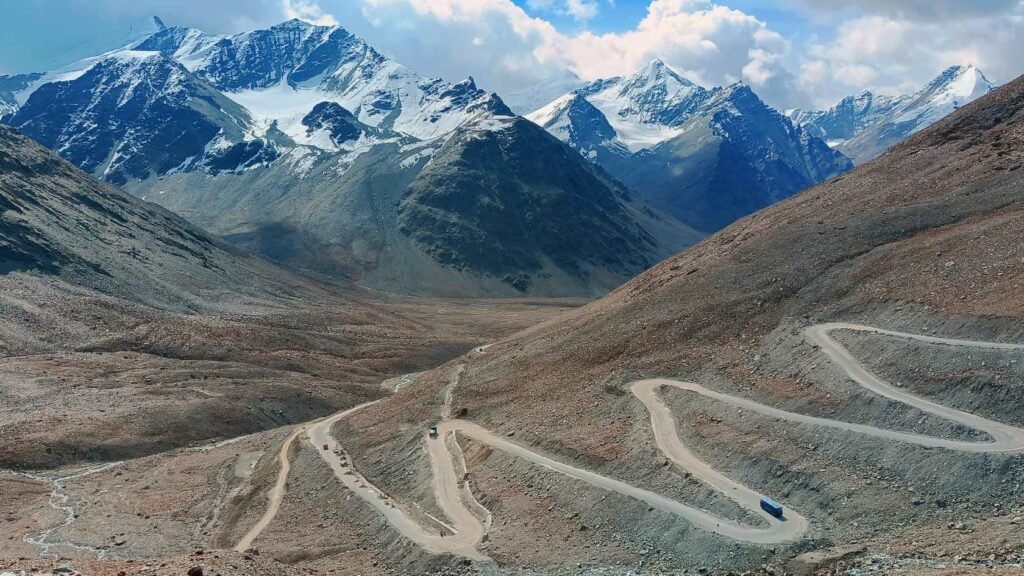
The Manali-Leh highway runs through the Atal Tunnel, then over high passes like Baralacha La and Tanglang La before dropping into Leh.
It is the more dramatic drive and the favourite for bikers. The catch in monsoon is the lower stretches near Manali, which take the brunt of the rain and the occasional landslide.
If you start from this side, a buffer night in Manali is smart. Our Manali tour packages often build that buffer in for exactly this reason.
Srinagar Route
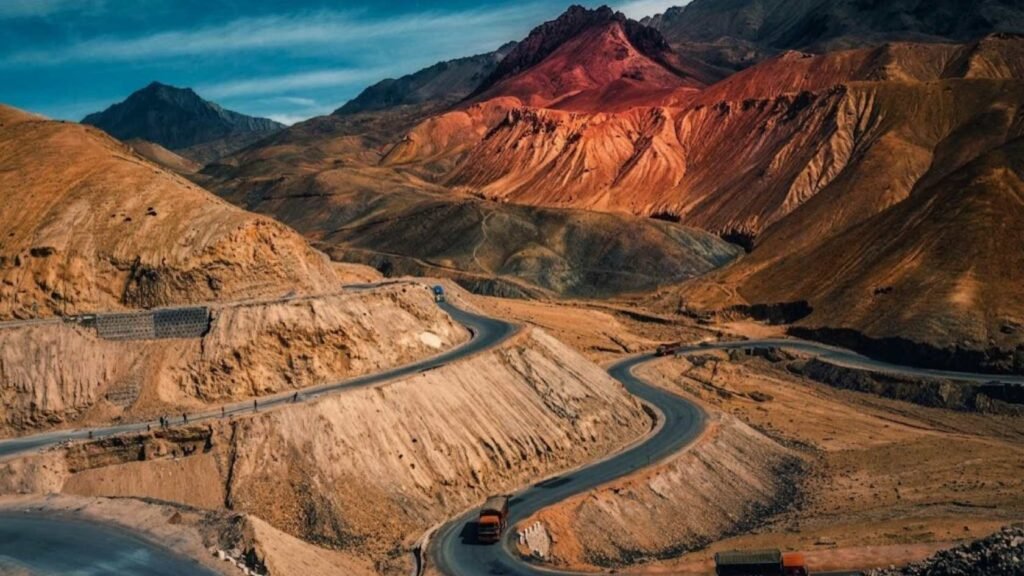
The Srinagar-Leh highway is the gentler climb. It gains altitude slowly through Sonmarg and Kargil, which is genuinely better for acclimatisation.
In monsoon, the Kashmir side can see rain and the odd slide around the Zoji La stretch. As with Manali, check live road status the week before you travel and keep a day spare.
Which Route Should You Choose?
Our honest answer for a monsoon trip is simple. Fly into Leh.
Flying in skips the wettest, most landslide-prone road sections entirely and lands you straight into the dry rain-shadow zone. You lose the road drama but gain reliability.
If the road journey is the whole point, take the Srinagar side in for the slow climb, then exit over the Manali side. That gives you the best of both without rushing your body up the altitude.
👉 Pick the right stay & route — we’ll help.
Best Places to Visit in Leh Ladakh During Monsoon
Almost everything stays open and looks better without the peak crowds. Here is where to spend your days.
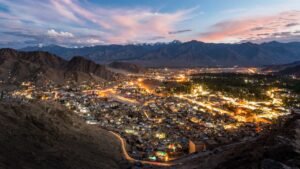
Leh Town
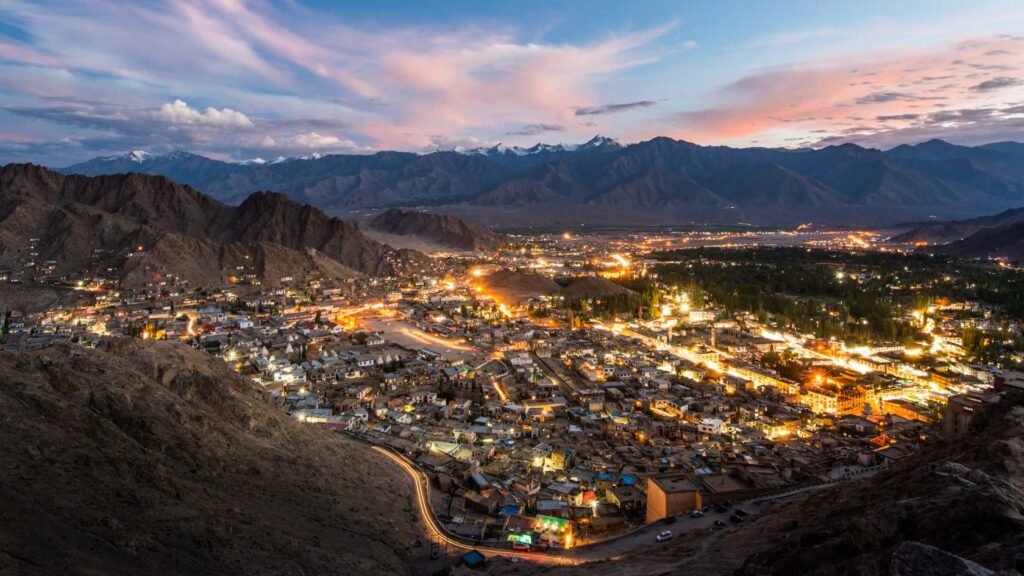
Your base and your acclimatisation day. Wander the Main Bazaar, sit in a rooftop cafe, and let your lungs settle before the high stuff.
Eat at the small Tibetan kitchens in the lanes behind Leh Main Bazaar. A bowl of hot thukpa and a plate of steamed momos is the best cheap meal in town, and the butter tea grows on you by day two.
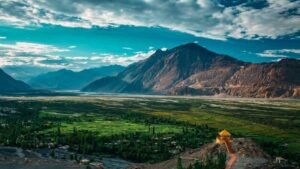
Nubra Valley in Monsoon
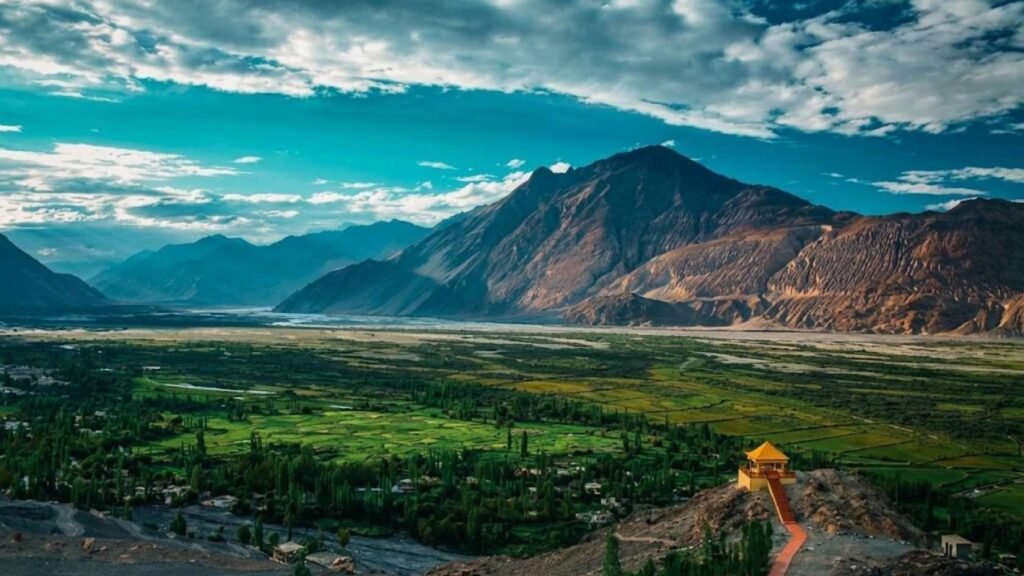
Nubra Valley stays accessible through the rains and is one of the strangest landscapes in India. Sand dunes, a cold river, and double-humped camels, all ringed by bare mountains.
You reach it by crossing Khardung La. Go early, because the pass is at its clearest in the morning before clouds build up.
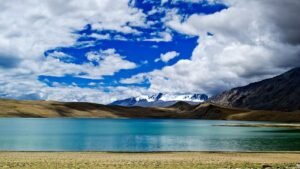
Pangong Lake in August
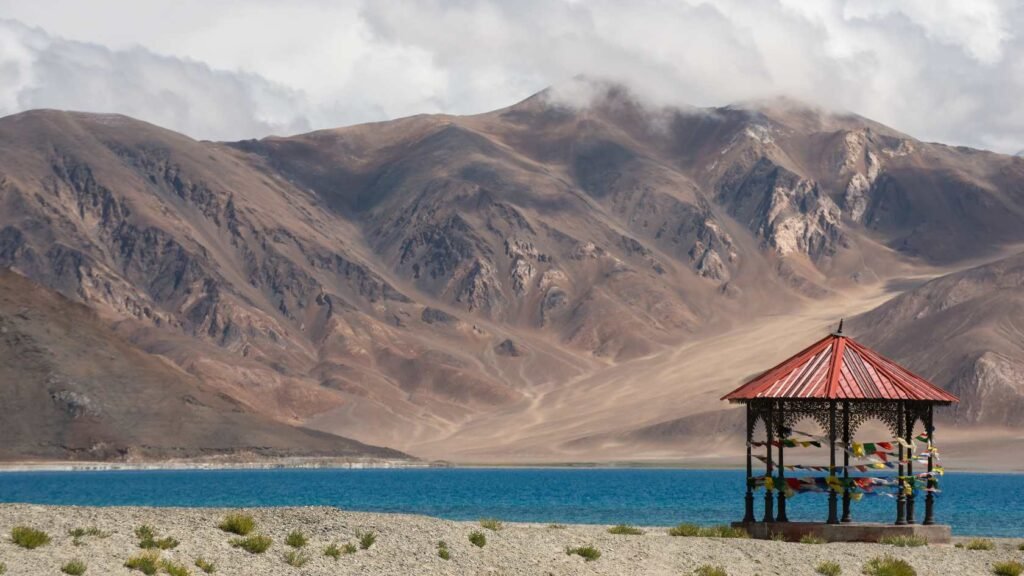
Pangong Lake in August is the photo everyone comes for, and it lives up to it. The water shifts from deep blue to green depending on the light, and the colour in clear post-rain air is unreal.
Reach the lake before the late-morning crowd rolls in from Leh. The first hours after sunrise give you stillness, sharp reflections, and the lake almost to yourself.
One honest warning. The camp toilets at Pangong are basic and the nights are bitterly cold. Carry your own warm layers and do not expect hotel comfort beside the water.
Tso Moriri
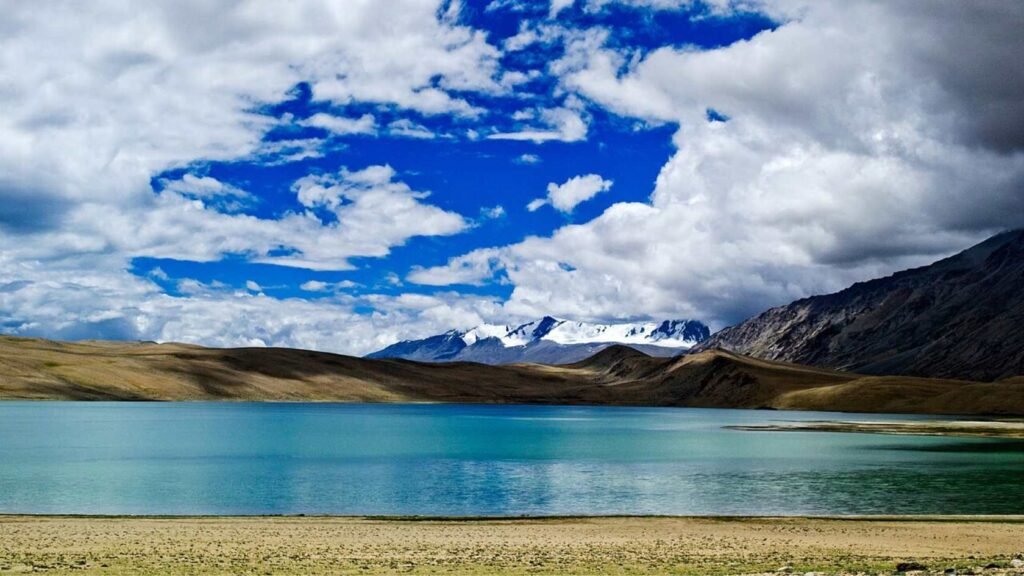
If you want Pangong’s beauty without Pangong’s crowd, Tso Moriri is the quieter answer. It is remote, harder to reach, and far less visited, which is exactly its charm.
It suits travellers with an extra day or two who do not mind a longer, rougher drive for a more peaceful lake.
Magnetic Hill
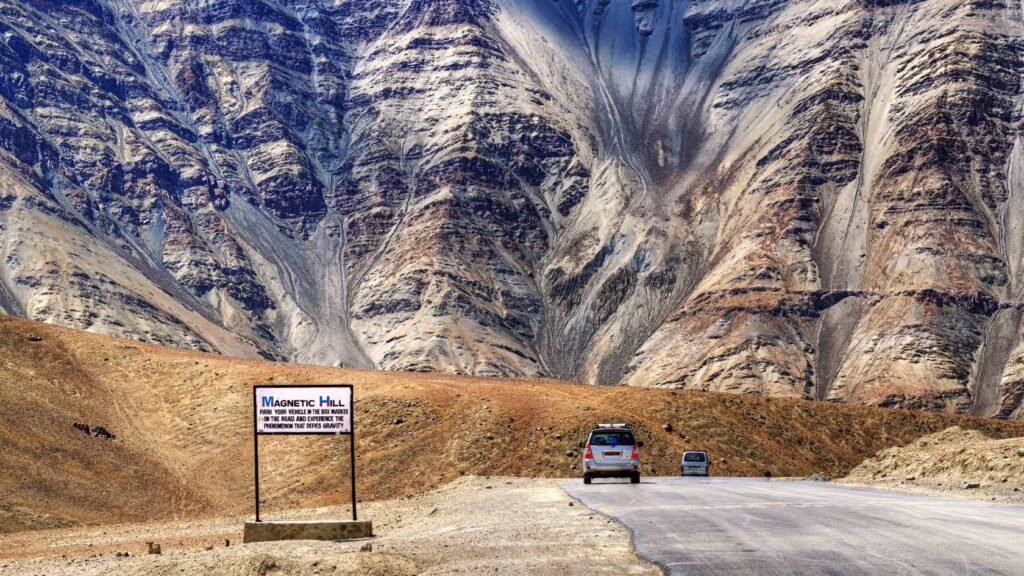
Here is our skip-this honesty. Magnetic Hill is on every itinerary, but it is a roadside curiosity, not a destination. You stop, watch a car appear to roll uphill, take a photo, and leave in ten minutes.
Do not build your day around it. It works fine as a two-minute halt on the way to or from the Sangam, nothing more.
Khardung La
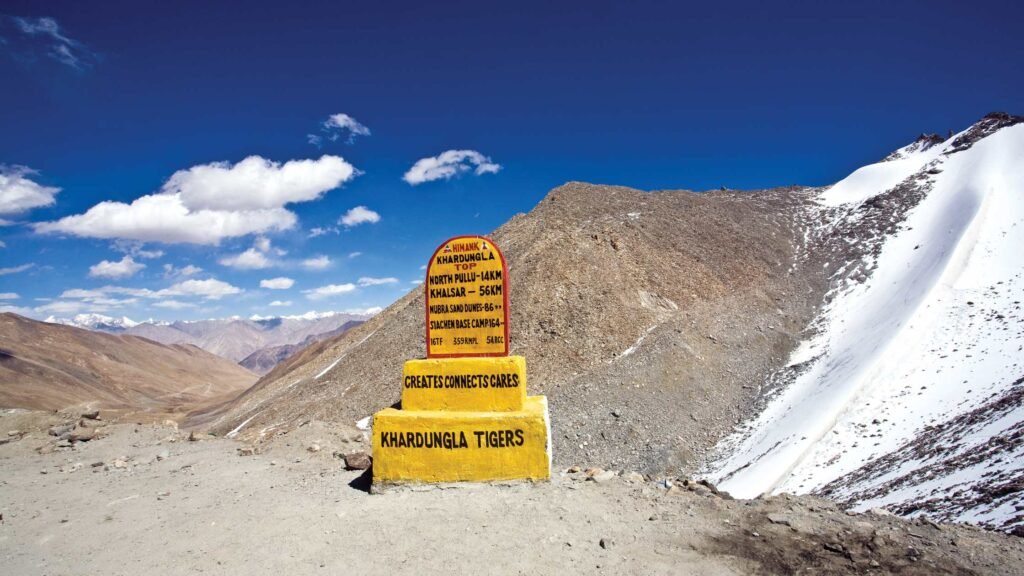
Khardung La is one of the highest motorable passes in the world and the gateway to Nubra. The drive up is the real experience, all switchbacks and big sky.
Do not linger long at the top. The altitude is serious, so take your photos, grab a quick chai at the army canteen, and keep moving.
Thiksey Monastery
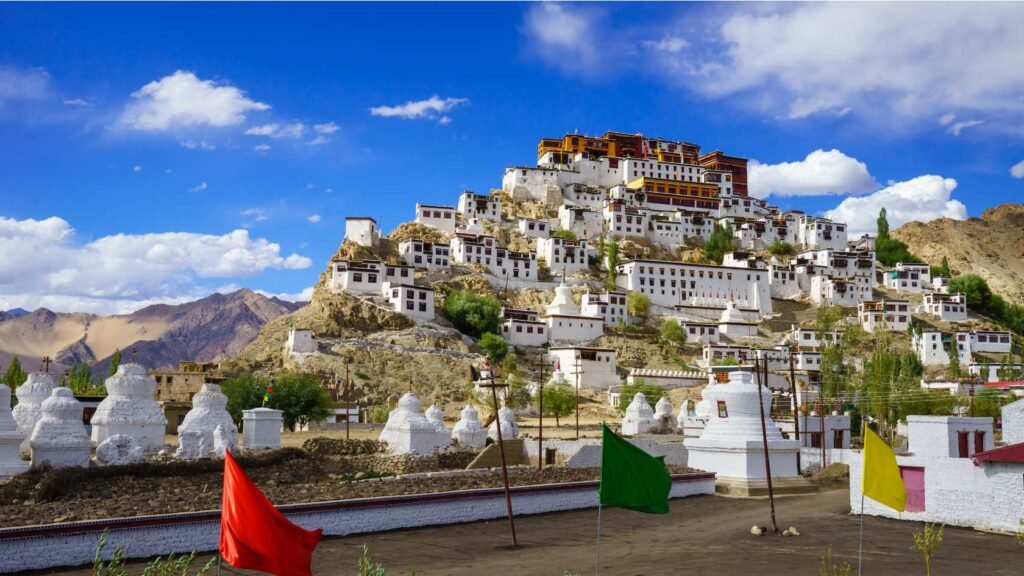
Thiksey Monastery rises off a hillside like a mini Potala Palace and is one of the most rewarding stops near Leh. Time it for the early morning prayers if you can.
The monks chanting in the cold morning, with the Indus Valley spread out below, is the kind of moment people remember long after the trip.
Suggested 7 Day Leh Ladakh Monsoon Itinerary

This is the plan we use most often for monsoon flights into Leh. It protects your acclimatisation and keeps a buffer for road delays.
Day 1
Fly into Leh. Do nothing. Rest at your hotel, drink water, and let your body adjust to 3,500 metres. This day is not optional.
Day 2
Easy Leh sightseeing. Leh Palace, Shanti Stupa, and the Main Bazaar. Still no high passes. You are finishing your 48 hours of acclimatisation.
Day 3
Leh to Nubra Valley over Khardung La. Camel ride at the dunes, overnight in Nubra.
Day 4
Nubra to Pangong Lake via the Shyok route. Long but stunning drive. Overnight at a Pangong camp.
Day 5
Sunrise at Pangong, then drive back to Leh via Chang La. Rest in the evening.
Day 6
Day trip to the Sangam, Magnetic Hill halt, Thiksey Monastery, and the local monasteries circuit.
Day 7
Buffer and departure. Keep this day flexible for any road delay, then fly out. If everything went smooth, use it for last-minute shopping.
Want this as a fixed-price plan with stays and transport sorted? See our Leh Ladakh tour packages or message us your dates.
Leh Ladakh Bike Trip During Monsoon
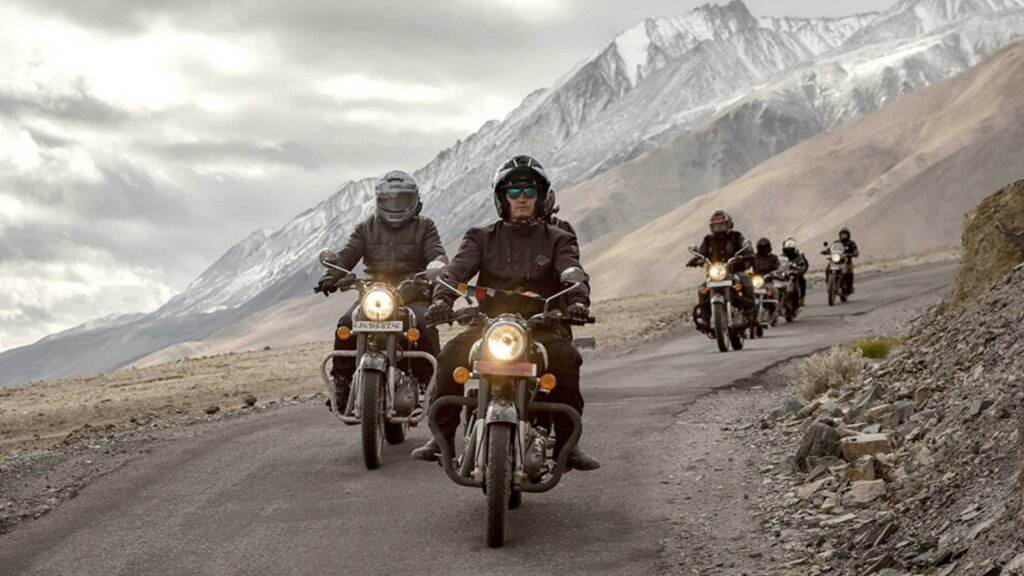
A Leh Ladakh bike trip in the rainy season is absolutely doable, and the post-rain light makes for incredible riding. But it asks more of you than a summer ride.
The wet sections are not in Leh. They are on the way in, near Manali and Srinagar, where slides, slush, and water crossings show up after heavy rain. Ride those stretches in daylight only.
Carry proper rain gear, waterproof your luggage, and never trust a water crossing you cannot read. Wait for a local vehicle to cross first if you are unsure of the depth.
In our experience, the riders who struggle are the ones who treat monsoon like peak summer. Slow your pace, add a buffer day, and the trip rewards you.
If you want backup support, a lead rider, and mechanical help on the route, our bike expedition trips handle the logistics so you can focus on the road.
What to Pack for Leh Ladakh in Monsoon

Pack for warm days and freezing nights in the same bag. This is the part travellers underestimate most.
Carry thermal inners, a fleece, and a windproof or down jacket for the cold nights and the lakes. A light rain jacket or poncho covers the odd shower and the wet approach roads.
Add warm socks, gloves, and a cap. Sunscreen and UV sunglasses are non-negotiable, because the sun at this altitude burns fast even on cool days.
Bring a headlamp, a power bank, basic medicine, and a reusable water bottle. And carry enough cash, since ATMs are scarce and unreliable once you leave Leh town.
One local tip. Get a BSNL or Airtel postpaid SIM before you travel. Jio and Vi barely work in Ladakh, and prepaid SIMs from outside the region often do not activate here.
Cost of Visiting Leh Ladakh During Monsoon
Monsoon is quietly one of the better-value windows, because the peak holiday rush has thinned and rates soften a little.
Flights into Leh swing a lot by date and demand. Booking early and avoiding weekend departures usually saves the most.
Organised packages take the guesswork out. Our Leh Ladakh tour packages start from around Rs 9,999 per person, with the final cost depending on duration, hotel category, and group size.
If you travel independently, your main costs are the flight, an SUV with driver, camp and hotel stays, permits, and food. A high-clearance SUV is worth every rupee on the rough sections.
A money-saving tip locals know. Club Nubra and Pangong into one continuous loop instead of two separate out-and-back trips from Leh. You cut a full day of driving and a night of stay, which adds up fast on shared vehicle costs.
Travel Tips for Leh Ladakh During Monsoon

These are the small things that decide whether your monsoon trip runs smooth or falls apart.
Rest for 48 hours before going high. We will keep repeating this because it is the single biggest mistake we see.
Check live road and weather status the week before you travel, and again the morning you move between towns. Conditions in the wet zones change overnight.
Always keep at least one buffer day. A single slide can hold a road for several hours, and a buffer day turns a crisis into a minor delay.
Fly in if you can. It is the simplest way to dodge the monsoon road risk and protect your trip.
One more scam to watch. Some drivers at the start points quote inflated one-way fares for the Nubra and Pangong runs. Fix the full price before you sit in the vehicle, and ask your hotel for the going rate first.
Leh Ladakh vs Spiti Valley During Monsoon
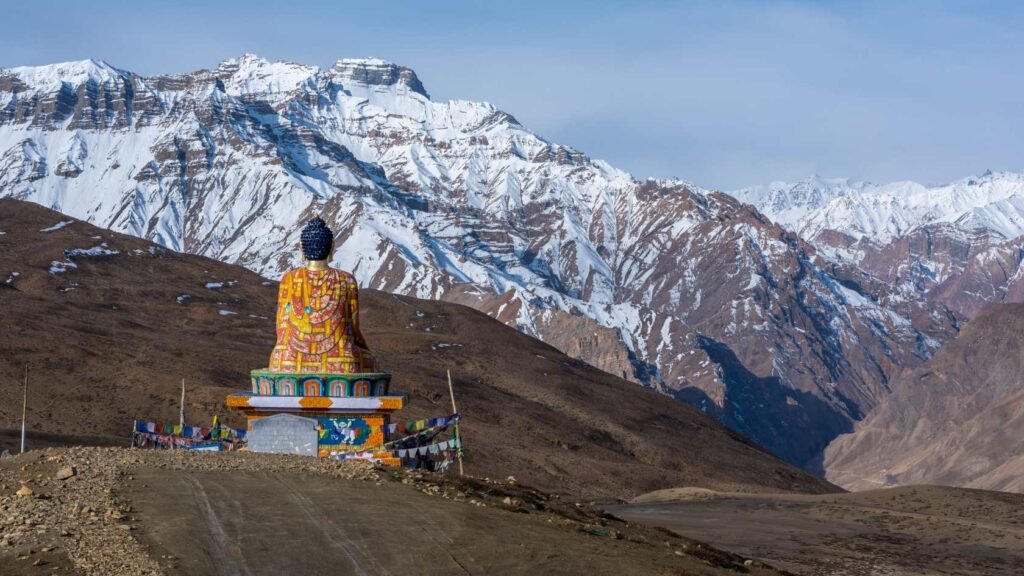
People often choose between these two for a monsoon trip, so here is the straight comparison.
Both Leh and Spiti sit in the rain shadow, so both stay drier than the rest of the country in July and August. The difference is access and altitude.
Leh is easier to reach because you can fly in and skip the wet roads. Spiti has no airport, so you drive in through stretches that can see rain and slides on the approach.
Spiti is the better pick if you want a slower, road-trip feel through cold desert villages and ancient monasteries. Our Spiti tour packages run the full Shimla-Kinnaur-Kaza circuit every season.
Leh wins if you want the big lakes, the highest passes, and the reliability of flying in. If you are still torn, our Leh Ladakh in May guide shows how the season builds up before monsoon.
Our honest take. For a first-timer in monsoon with limited days, Leh by flight is the safer, smoother choice. Spiti rewards travellers who have a buffer day and do not mind a rougher road in.
👉 Want this trip? Let’s plan it right.
अक्सर पूछे जाने वाले प्रश्न
Also Read: Rohtang Pass in August 2026: Weather, Permit, Snow and Honest Travel Tips
क्या आप अपने हिमाचल एडवेंचर के लिए तैयार हैं?
Get FREE customized itinerary · Best Price Guaranteed · Local Himachal Experts · 3,973+ Happy Travelers