If you are searching for the Hampta Pass Trek in August, you have probably seen two kinds of blogs. One says August is the most beautiful month on the trail. The other says skip it because of rain. Both are partly right, and that is exactly the problem.
We are HimTrails, a Shimla based trekking and travel team. Our guides cross Hampta every season, including in August, and we know the road to the trailhead, the dhabas on the way, and the exact spot where the green Kullu side suddenly turns into the brown Lahaul desert.
This guide gives you the honest version. What August really looks like on Hampta, how cold it gets, the full Hampta Pass Trek in August itinerary, the Chandratal question, permits, cost, and the mistakes we watch people make every single year.
Quick Answer: Is Hampta Pass Trek Good in August?
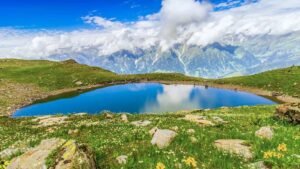
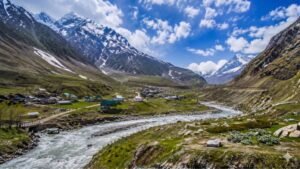
Yes, the Hampta Pass Trek in August is beautiful. The Kullu side is lush and green, waterfalls are full, wildflowers are everywhere, and the cloudy mountain drama is something photos never fully capture.
But August is also monsoon season. That means rain, slippery trails, swollen streams, and the odd landslide delay on the approach roads. You need rain gear, a guided team, flexible dates, and a same day road check before any Chandratal move.
If you want clearer skies and lower rain risk, September is usually the safer month. Late August sits somewhere in between. For most fit trekkers, August works well as long as you go prepared and do not lock yourself into a tight, zero buffer schedule.
👉 Confused? Let locals plan your trip.
What Is Hampta Pass Trek Like in August?
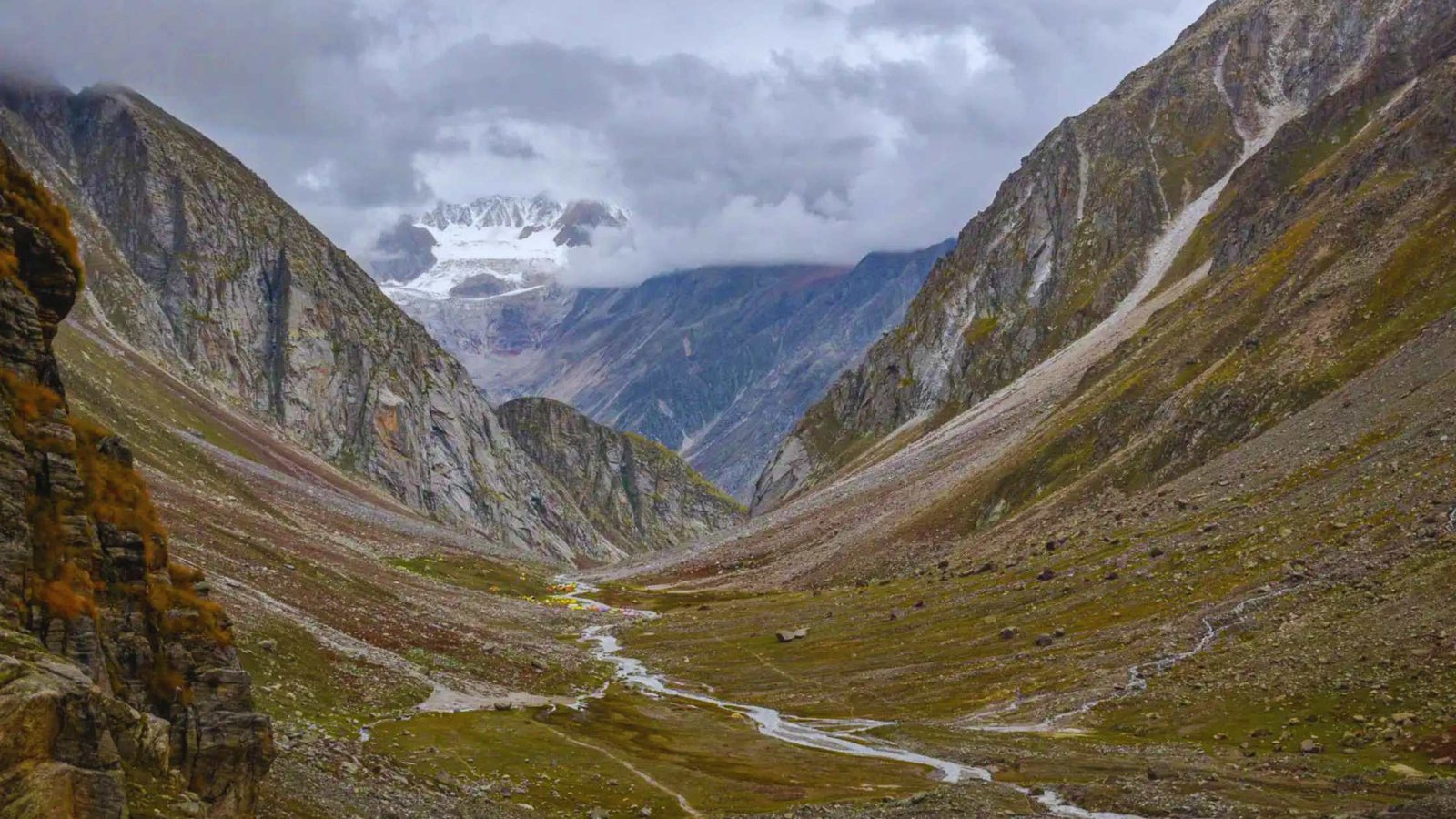
The first two days feel like a different country from the last two. That contrast is the whole point of this trek, and August makes it sharper.
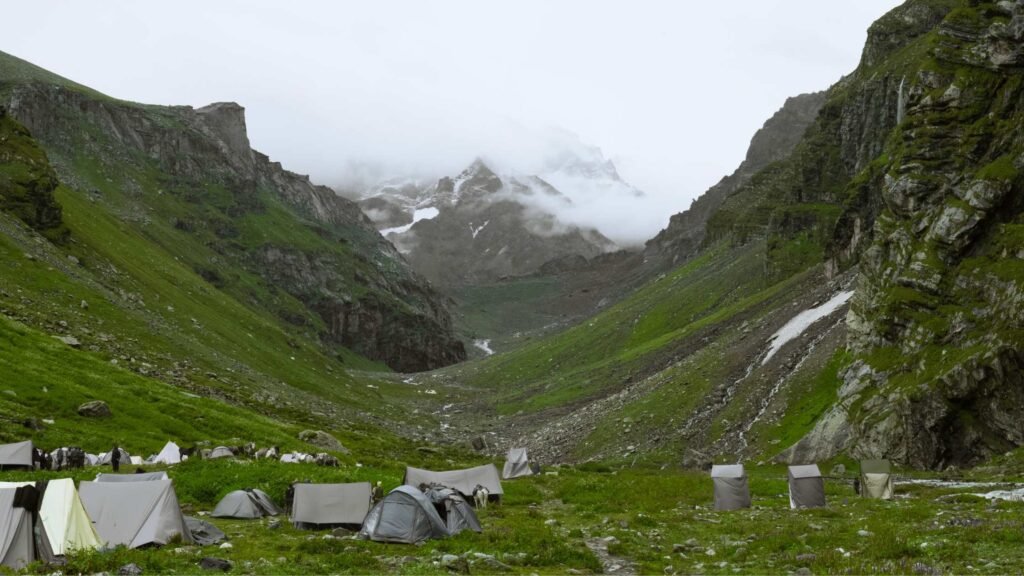
On the Kullu side, the trail is green and alive. Streams run fast, the meadows are soft and wet, and mist rolls through the valley in the afternoon. You walk past wildflowers in Chika and through grazing grounds that look almost unreal after rain.
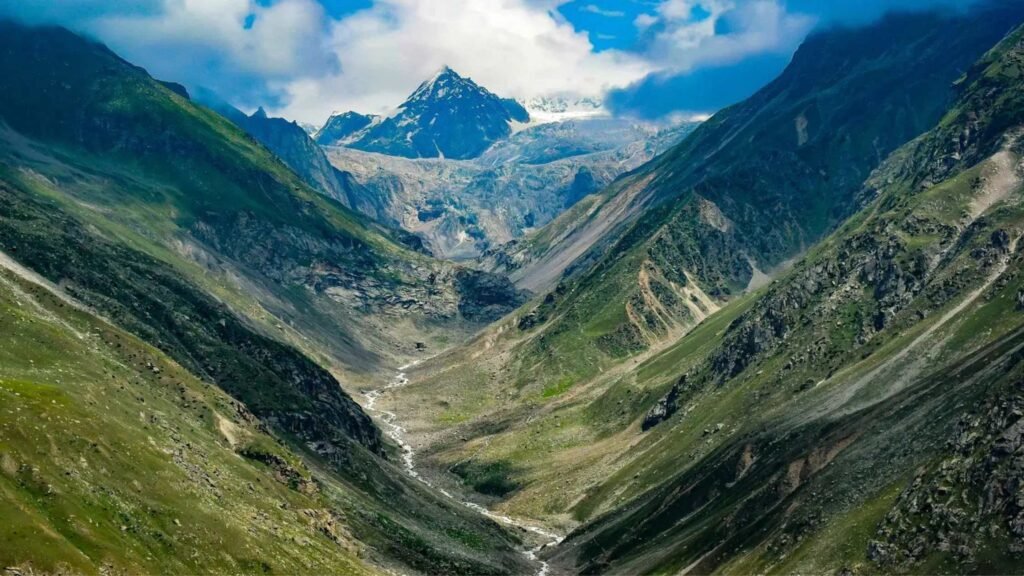
Then you cross the pass. Within a few hours the green disappears. The Lahaul side is dry, brown, and stark. Same trek, completely different planet. In our experience, that single moment at the top is what people remember years later.
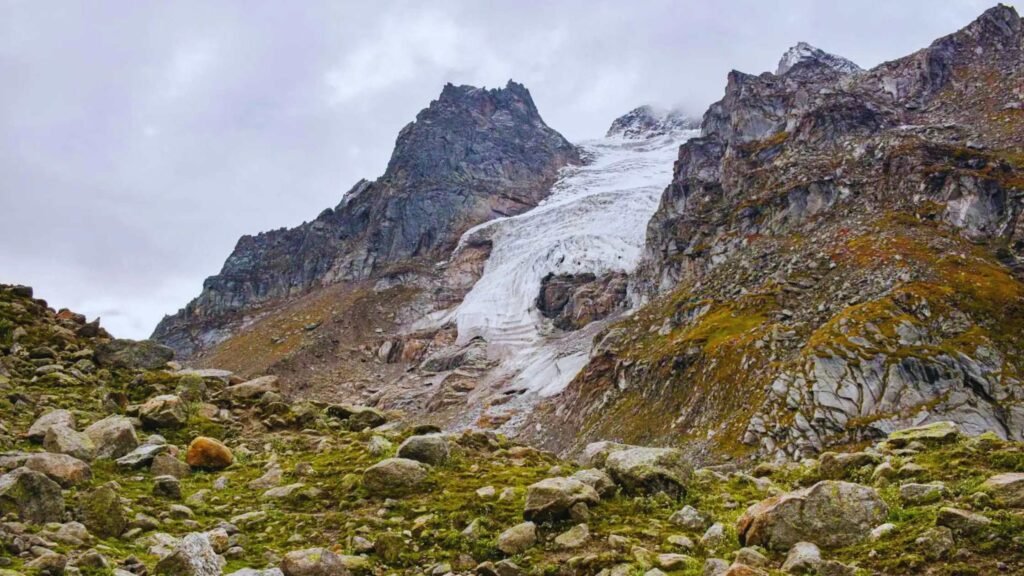
August is not the month for snow, though. Most of it has melted by then. If snow walls and frozen edges are what you came for, this is the wrong month and we will say so honestly.
The weather also changes fast. A bright morning can turn into rain by 2 PM. That unpredictability shapes the whole trek, which is why your guide reading the sky matters more than any forecast app.
If you want the bigger picture of which trail suits you, our complete treks in Himachal Pradesh guide breaks down every major route by season and difficulty.
What Most Trekkers Get Wrong About Hampta in August
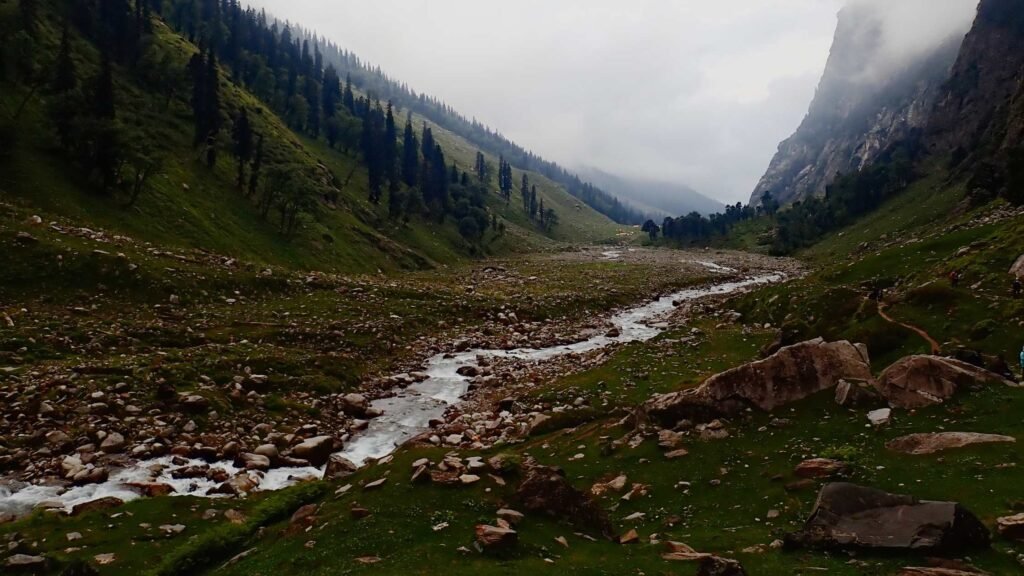
The single biggest mistake is planning the Hampta Pass Trek in August with zero buffer days. People book a tight five day window, hit one rain delay, and the whole plan collapses.
August roads near Manali and Chatru can shut for a few hours after heavy rain. One landslide, one swollen stream, and your “perfect” schedule is gone. A buffer day is not wasted time here. It is the thing that saves your trip.
The second mistake is treating the pass day like a normal trek day. It is the longest and hardest day of the whole route, and people start it too late and too casually.
Is Hampta Pass Trek Safe in August?
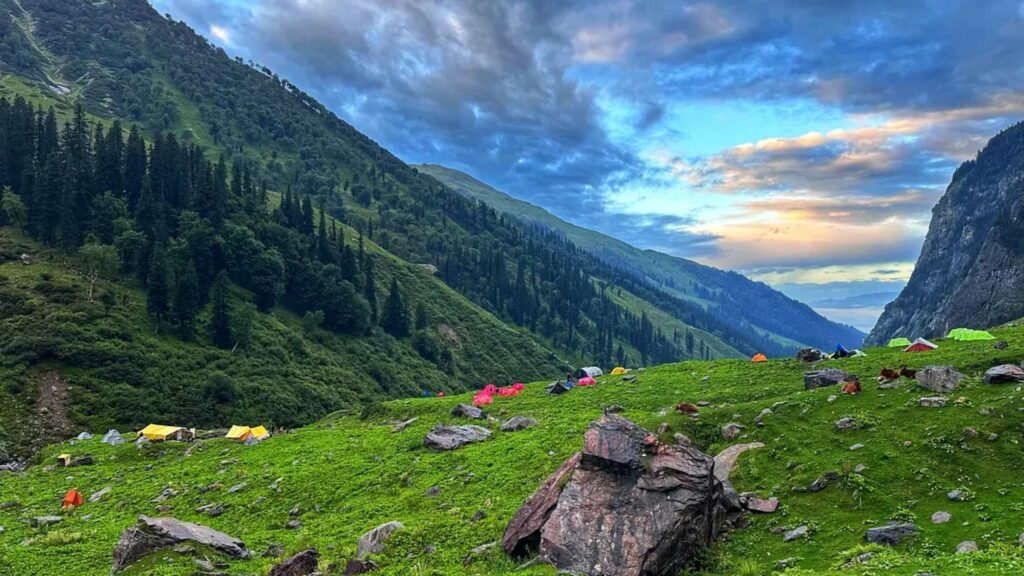
August is manageable with a good guide and proper rain gear. It is not risk free, and anyone who tells you otherwise has not done it in a real monsoon week.
The real risks are slippery trails, wet rocks, cold stream crossings that swell after rain, and landslide delays on the drive to and from the trailhead. None of these are dramatic on their own. Together, in bad weather, they add up.
This is why we run small groups with certified guides. Our standard is one trained guide for every six trekkers on high trails, plus a first aid kit built for altitude. Weather gets checked before departure, and if a stream or slope looks unsafe, we wait or reroute.
Who should think twice about August. Solo beginners, nervous first timers, families with small children, and anyone with a fixed return flight right after the trek. If that is you, plan September instead. The trail is the same, the stress is much lower.
For the safety standards we follow on every departure, our trekking activity page lays out exactly how we run things.
Hampta Pass August Weather and Temperature Explained
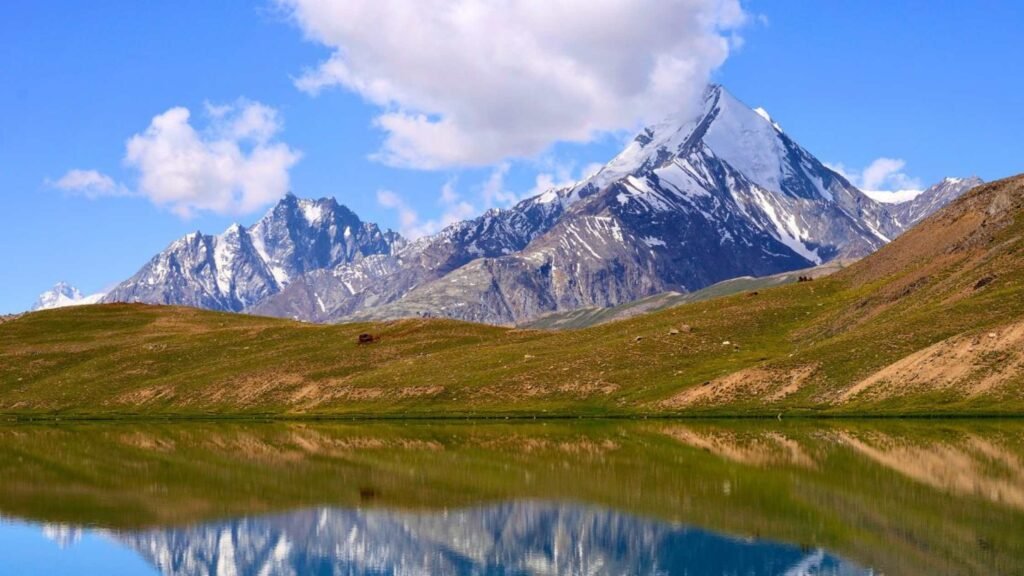
August weather on Hampta is two stories in one day. Pleasant when the sun is out, cold and wet the moment it is not.
Indiahikes lists July and August daytime temperatures at roughly 13 to 18 degrees C, with evenings around 8 to 13 degrees C. Nights at the higher camps run colder, and the numbers drop further during rain.
Himalaya Shelter gives a slightly cooler August range, around 10 to 14 degrees C in the day and 3 to 7 degrees C at night.
Treat these as a practical range, not a promise. The mountain does what it wants in monsoon. Always check the live forecast close to your dates.
The takeaway is simple. Pack for a warm afternoon and a near freezing wet night in the same bag, because you will get both.
Will There Be Snow on Hampta Pass in August?
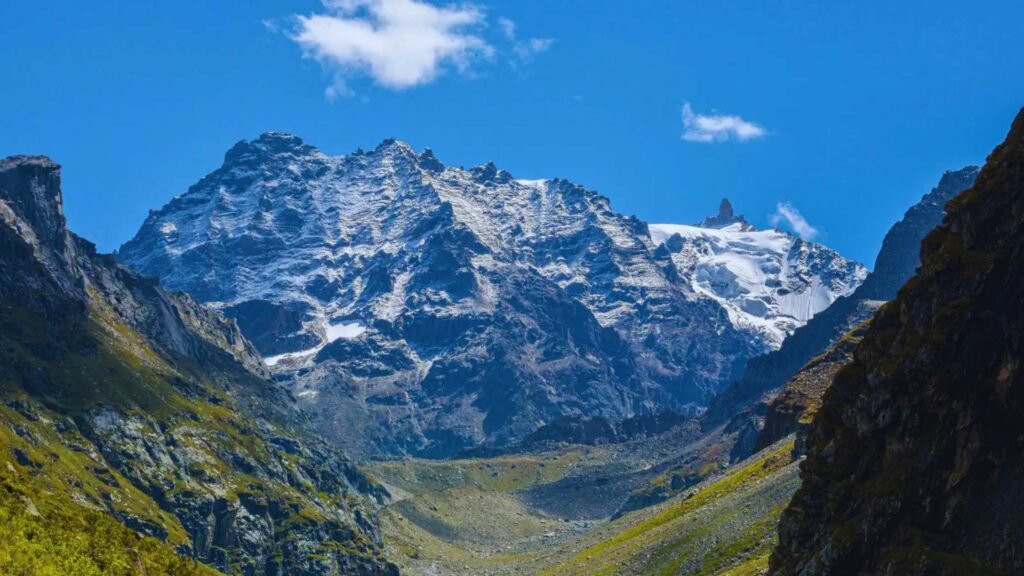
Mostly no. By August, most of the season’s snow has melted, according to sources like JustWravel and Moxtain. You might find small patches near the higher sections, and that varies year to year.
We never promise snow on an August trek. It would be dishonest, and we have seen too many groups arrive expecting white walls that simply are not there anymore.
If snow is the dream, choose June or early July instead. That is the window when the higher reaches still hold proper snow and the pass day feels like a winter crossing.
Hampta Pass Itinerary: 5-Day Route From Manali

Here is the classic five day Hampta Pass itinerary that starts and ends in Manali. The distances below follow The Trekking Hub style route data and are rounded off, so treat timings as honest estimates, not stopwatch numbers.
Day 1: Manali to Jobra, then Trek to Chika
You drive from Manali (2,050 m / 6,730 ft) to Jobra (2,800 m / 9,300 ft). It is about a 16 km drive and takes roughly 1 hour over a road full of hairpin bends.
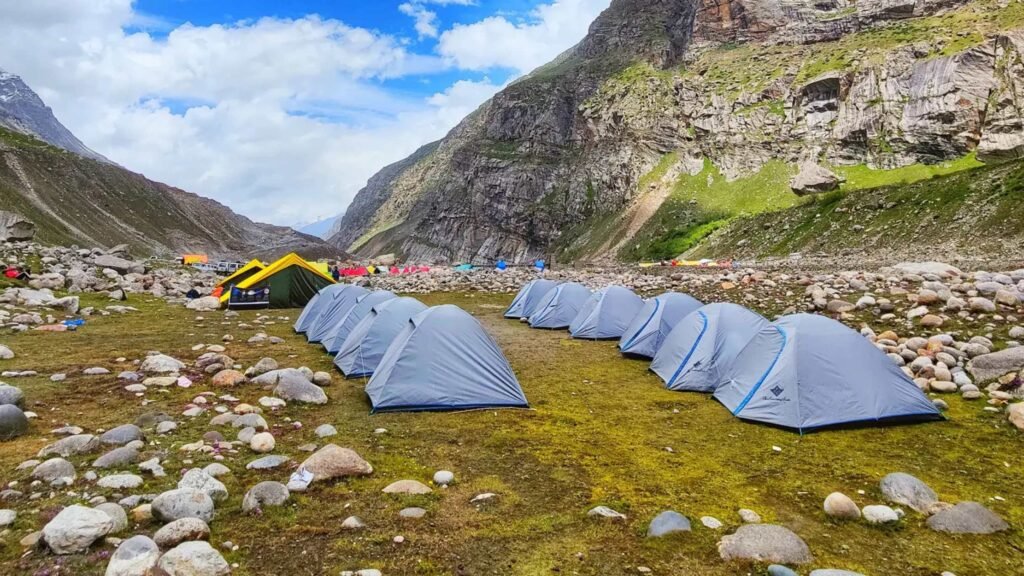
From Jobra, the real trek starts. It is a short 3 km walk of about 2 hours to Chika (3,100 m / 10,100 ft), your first camp. Easy day, good for the legs to settle.
This first night is also where the hot camp kitchen earns its keep. A plate of dal, rice, and a cup of chai at Chika after the drive does more for your mood than you would expect.
Day 2: Chika to Balu Ka Ghera
This is a steady 7 km day taking about 5 to 6 hours, climbing to Balu Ka Ghera (3,600 m / 12,000 ft).
The trail follows the river, crosses a few streams, and opens into wide meadows. In August these meadows are wet and green, and the stream crossings need care after rain.
Balu Ka Ghera means “bed of sand,” and that is roughly what your campsite feels like. Rest well here, because tomorrow is the big one.
Day 3: Balu Ka Ghera to Shea Goru via Hampta Pass
This is the longest and toughest day. Roughly 7 to 8 km, but 9 to 10 hours of actual effort, because you cross Hampta Pass at approximately 14,000 feet (HimTrails lists the pass at about 4,270 m).
You climb steadily to the top, where the green Kullu valley sits behind you and the brown Lahaul desert opens ahead. Then comes a steep, knee testing descent to Shea Goru camp on the far side.
Start early. We mean genuinely early. In August the afternoons cloud over and rain builds, so being over the pass before noon is not a preference, it is the plan.
Day 4: Shea Goru to Chatru, then Chandratal if Roads Allow
A 7 km descent of about 4 to 5 hours brings you to Chatru, back on a motorable road.
From here, if conditions allow, you can drive towards Chandratal. That drive is roughly 70 km and takes about 4 to 5 hours. Depending on road and weather, the Chandratal visit happens on day 4 or gets pushed to day 5.
Day 5: Chatru to Manali
The return drive from Chatru to Manali is about 65 km and 4 to 5 hours, depending on road conditions and any rain delays.
We strongly recommend keeping a buffer day after this. In August, that extra day is the difference between a relaxed finish and a panicked dash to catch a bus or flight.
If you would rather have all of this handled for you, our Manali tour packages include the trailhead transport, stays, and a certified trek lead so you only carry your daypack and show up fit.
👉 Pick the right stay & route — we’ll help.
Can You Do Hampta Pass with Chandratal in August?
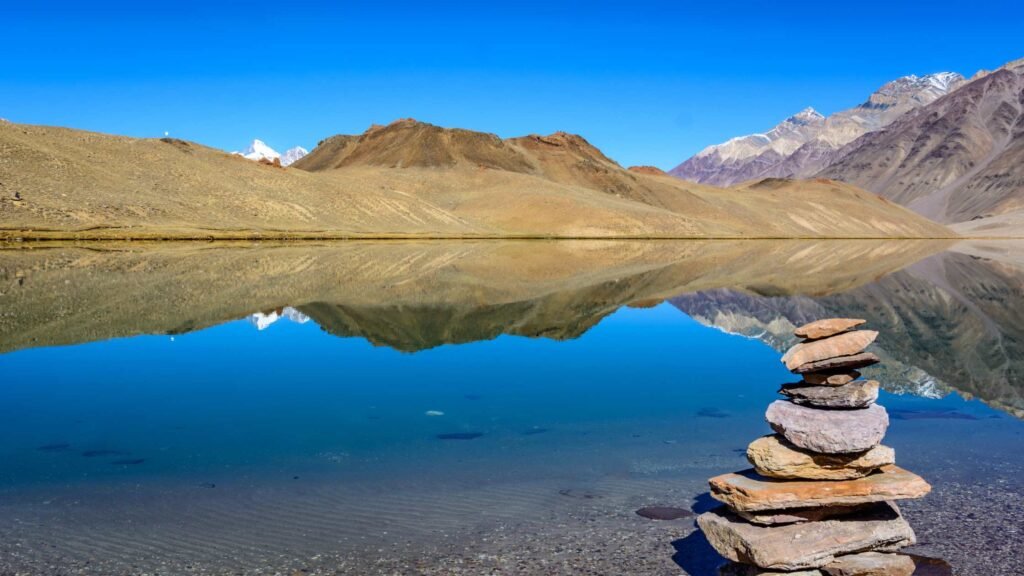
This is the most asked question we get, and the honest answer is “usually yes, but never guaranteed.” Hampta Pass with Chandratal is a highlight combo, but Chandratal access always depends on road, weather, and the trek leader’s call on the day.
Here is the part most blogs skip. Reaching Chatru or even Kunzum does not mean Chandratal is open. The Batal to Chandratal diversion is a separate rough stretch of about 14 km that needs its own clearance, and it is often the last section to open.
Use the 2026 season as a real example. As of early June 2026, Kunzum Pass and the Gramphu to Kaza to Sumdo highway were open for light 4×4 vehicles, but the Batal to Chandratal diversion still needed same day confirmation before anyone could count on it.
There was also a gap between paperwork and ground reality. The official Lahaul Spiti district page (updated June 2, 2026) still showed Keylong to Kaza as closed, while ground reports around June 10 had it reopening for light 4×4 vehicles. By August this stretch is normally well settled, but the lesson holds all season.
So the rule is simple. Verify the Chandratal road on the same morning you plan to move, not from a week old social post. We do this ground check for our groups before any Chandratal run.
For the full season picture, read our Spiti tour packages and our Himachal trek map to see exactly where the diversion sits on the route.
Permits Needed for Hampta Pass Trek in 2026
You need to think about two different things here. Trek permissions and vehicle permissions. They are not the same.
The official Himachal permit portal has a Hamta Pass Permit option listed for tourism purpose. The form asks for vehicle details, fuel type, driver details, tourist ID details, PUC details, and the number of travellers.
Separately, the e-Aagman HP portal states that vehicles entering Lahaul and Spiti need an e-pass, and that one e-permit per vehicle is required for the Atal Tunnel, Rohtang, Koksar, Chandertal circuit.
If you book a guided trek, the operator usually sorts the trek permissions for you. That is one less headache. But if you are self driving towards Chandratal, do not ignore the vehicle e-pass, because checkposts do check.
Himachal rules change often, so confirm the latest before you travel.
Hampta Pass Difficulty in August: How Hard Is It Really?
Hampta is rated moderate, and that rating is fair for good weather. It is not a technical climb. There are no ropes or crampons on the standard route.
August changes the Hampta Pass difficulty though. Rain, mud, wet rocks, and cold stream crossings make every section a little harder, and the long pass day becomes genuinely tiring.
Beginners can absolutely do it, but only if you are reasonably fit, properly prepared, and walking with a guide. If you can jog 3 to 4 km comfortably and walk 12 to 15 km with some incline, you are in good shape for it.
What we tell every first timer is honest, not salesy. If you are not fit and not guided, August Hampta will not be fun for you. Train for three to four weeks before you come.
What Should You Pack for Hampta Pass in August?

Pack for water first, cold second. August is wet, and wet kit ruins trek days faster than cold does.
For rain, carry a proper rain jacket, a poncho, a waterproof backpack cover, and dry bags for your phone, power bank, and spare clothes. These are not optional in monsoon. They are the difference between a good day and a miserable one.
For the body, carry quick dry trekking pants, a warm fleece, a thermal layer, gloves, and a woollen cap. Layering beats one thick jacket every time up here.
For the feet, wear waterproof high ankle trekking shoes and carry extra socks. Wet feet at altitude are how blisters and misery start.
Add a headlamp, your personal medicines, a power bank, and basic snacks. And please leave the cotton t shirts at home for trekking days. Cotton soaks up rain and sweat, stays wet, and chills you for hours.
Our broader camping and gear notes cover what we provide versus what you bring, so you do not over pack or under pack.
Hampta Pass Trek Cost in August 2026

Our Hampta Pass trek package starts at around ₹8,999 per person on a group joining basis. That price includes the certified guide, permits, camping, all trek meals, and transport to and from the trailhead.
Private and custom group rates differ, and they change with season and group size, so always confirm a live quote for your exact dates.
A few things sit outside most trek package costs and can add up. Your transport to Manali, any hotel stay before the trek, gear rental, backpack offloading, meals outside the included plan, and your buffer day expenses.
A real money tip from us. Do not buy expensive new gear for a single trek. You can rent good trekking shoes, jackets, and poles in Manali for a fraction of the buying cost, and joining a fixed group departure is usually cheaper per head than a private trek.
You can rough out your full trip budget using our Himachal trip cost calculator before you commit.
August vs September: Which Month Should You Choose?
Both months work. They just give you different trips.
August is for greenery, full waterfalls, wildflowers, mist, and that heavy monsoon drama. The trade off is rain, slippery trails, and a real chance of road delays.
September is for clearer skies, more stable weather, easier photography, and a lower rain risk. The greens fade a little, but the trails dry out and the views open up.
Our honest pick for a safer balance is late August or September. You still catch some green, but you dodge the worst of the monsoon. Snow lovers, again, should look at June or early July instead.
Local HimTrails Advice for August Trekkers

In our experience, the biggest August mistake is planning Hampta Pass with zero buffer day. We have watched fit, well prepared groups lose their Chandratal day to one afternoon of rain simply because the schedule had no give in it.
So here is what we tell our travellers. Reach Manali one day early to rest and acclimatise. Keep one buffer day after the trek. Check road and weather on the morning of any Chandratal move. And if your trek leader says the pass or a stream is a no go that day, do not argue with the mountain.
One more local tip. Carry small cash. ATMs and card machines do not exist past Manali on this route, and the dhabas at Chatru and Batal run on cash and hot Maggi, in that order.
If you want a rain safe plan built by people who actually walk this trail, message our Himachal team on WhatsApp and we will sort your dates, group size, and Chandratal add on.
Who Should Do Hampta Pass in August and Who Should Wait
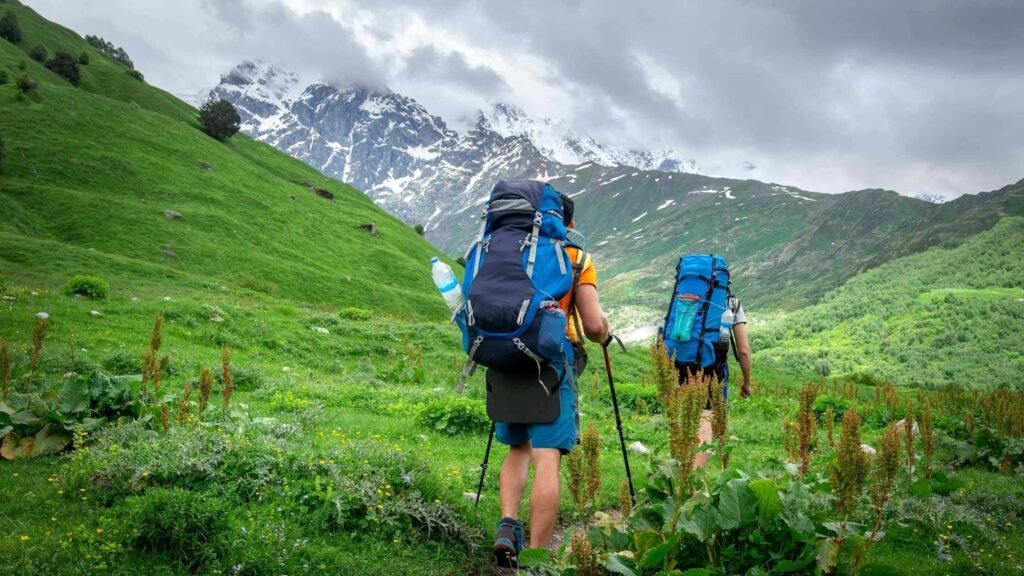
August suits fit trekkers who love rain washed landscapes and do not mind wet shoes, the odd delay, and a route that might change on the day. If that sounds like fun rather than stress, you will love it.
Wait for another month if you want dry trails, a guaranteed Chandratal visit, snow, luxury comfort, or an exact, minute by minute schedule. August gives none of those promises, and pretending otherwise would just set you up for disappointment.
A small honest negative to close on. Hampta in August can rain on you for two days straight and hide the views you came for. It happens. Going in knowing that is what separates a great trip from a let down.
👉 Want this trip? Let’s plan it right.
अक्सर पूछे जाने वाले प्रश्न
Also Read: Leh Ladakh in August 2026: Weather, Roads, Itinerary, Costs and Local Travel Tips
क्या आप अपने हिमाचल एडवेंचर के लिए तैयार हैं?
Get FREE customized itinerary · Best Price Guaranteed · Local Himachal Experts · 3,973+ Happy Travelers