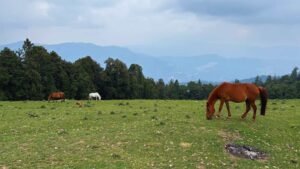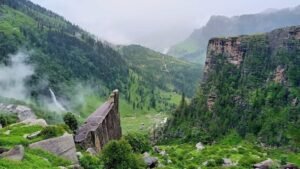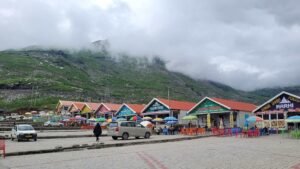
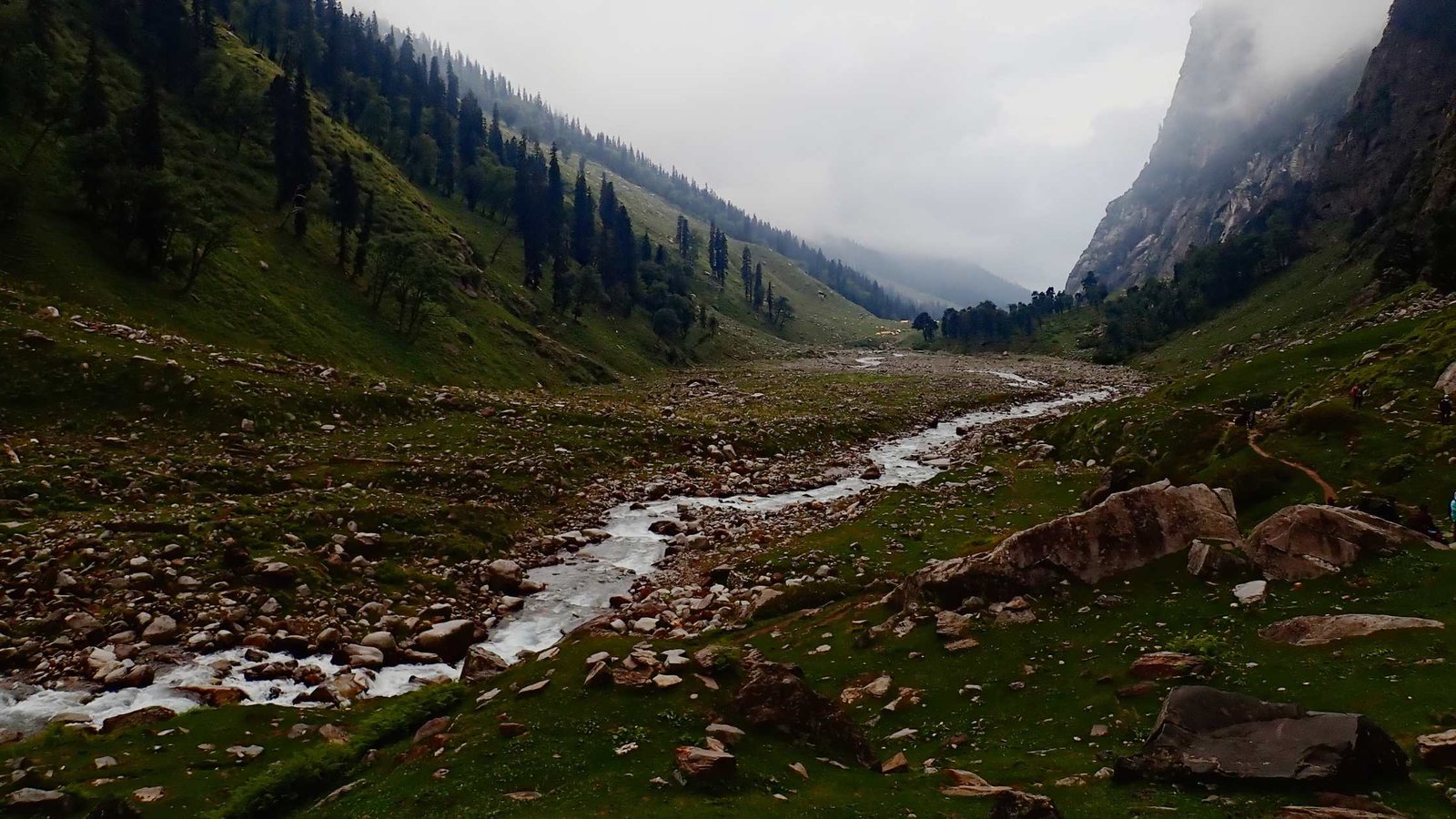
Himachal Pradesh in monsoon is green, quiet, and cheap to travel in, but it is also the season when roads slip, nallahs swell, and plans change overnight.
The monsoon reached the state late this year. On 1 July 2026, the southwest monsoon covered all of Himachal, six days after the normal onset date of 25 June.
So if you are planning a July, August or September trip, this is the guide to read before you book anything.
We run trips out of Shimla every season, and we have pulled travellers out of monsoon road jams more times than we would like. This is the honest version, not the pretty one.
Quick Answer: Is Himachal Pradesh worth visiting in monsoon 2026?
Yes, but only if you travel slow and stay flexible. Himachal in monsoon is beautiful and far less crowded, but it is risky during active rain alerts.
It suits relaxed stays, cafes, monasteries, and local sightseeing from one base. It is not for remote treks, night driving, riverside camping, or rushed circuits where you switch towns every day.
If your dates are fixed and your plan is packed, monsoon is the wrong time. If you can go with the flow, it can be one of the best times to see the hills.
👉 Confused? Let locals plan your trip.
When does monsoon arrive in Himachal Pradesh?
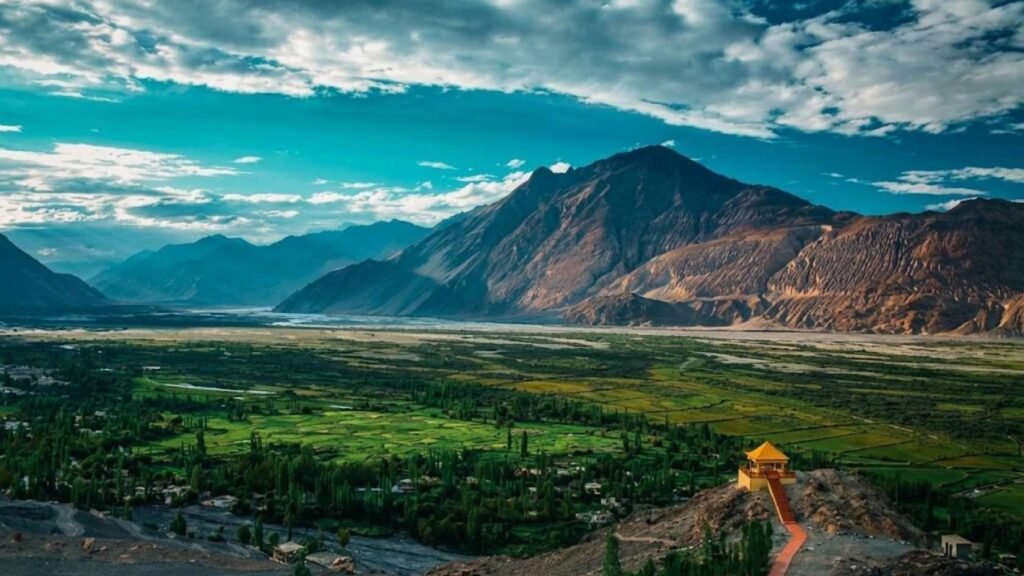
The usual monsoon travel window in Himachal is July to September. That is when most travellers plan their rainy season trips.
This year it came in late. IMD Shimla said the southwest monsoon advanced into parts of Himachal on 30 June 2026.
On that day it had already covered the entire Kinnaur district, most parts of Kullu and Lahaul-Spiti, many parts of Shimla and Mandi, and some parts of Sirmaur and Kangra.
By 1 July 2026, the monsoon had spread across the whole state. That is six days later than the normal date of 25 June.
So the season has officially started. From here on, rain is not a surprise. It is the default. Plan around it, not against it.
What is Himachal weather like in July, August and September?
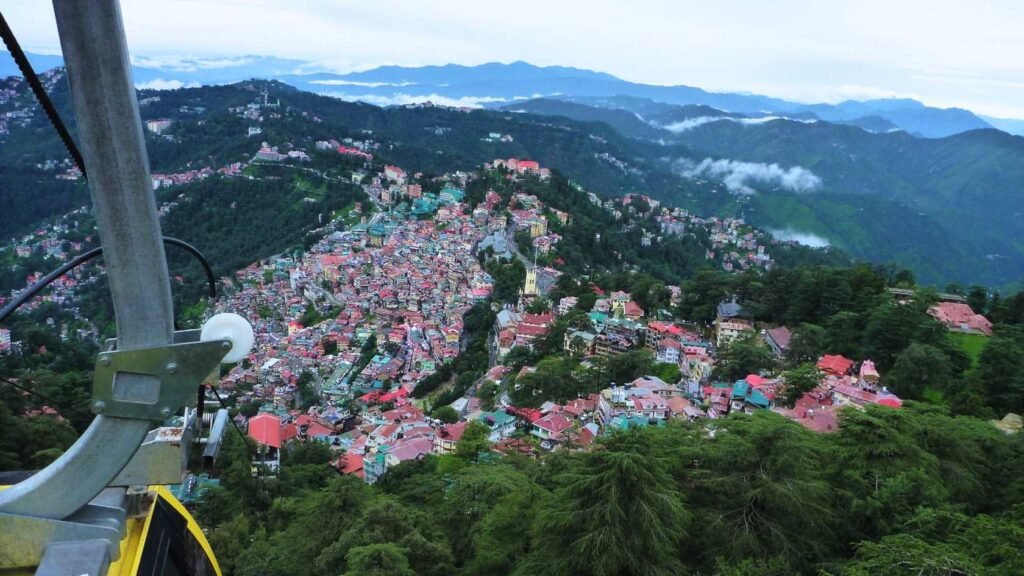
Monsoon temperatures in Himachal broadly sit between 15°C and 25°C, but that number changes fast with altitude. A wet afternoon in Shimla and a cold night in Kaza are not the same trip.
July is the onset month and it is unstable. Some days are bright, then a spell of heavy rain rolls in with no warning. Roads are still adjusting to the first big water load.
August is usually the month you need to be most flexible. The rain gets heavier and the approach roads take the worst hits.
September often feels better once the heavy spells ease off. The air clears, the greens look richer, and the crowds thin. But you still have to check conditions close to your travel dates, because early September can still throw a wet week at you.
We are not going to hand you fake rainfall figures. What matters more is this: pack for warm days and cold, wet evenings in the same bag, every single month.
What most tourists get wrong about Himachal in monsoon
Most travellers treat monsoon like any other season and try to cover five destinations in six days. That single mistake is how people end up stuck on a blocked road at 10 PM with a crying kid in the back seat.
In monsoon, the smart move is the opposite of what feels exciting. You go slower, you pick one base, and you do less.
The other big miss is trusting the forecast in your home city. A clear morning in Delhi tells you nothing about a nallah near Manali that can rise in twenty minutes.
Is Himachal safe in monsoon?
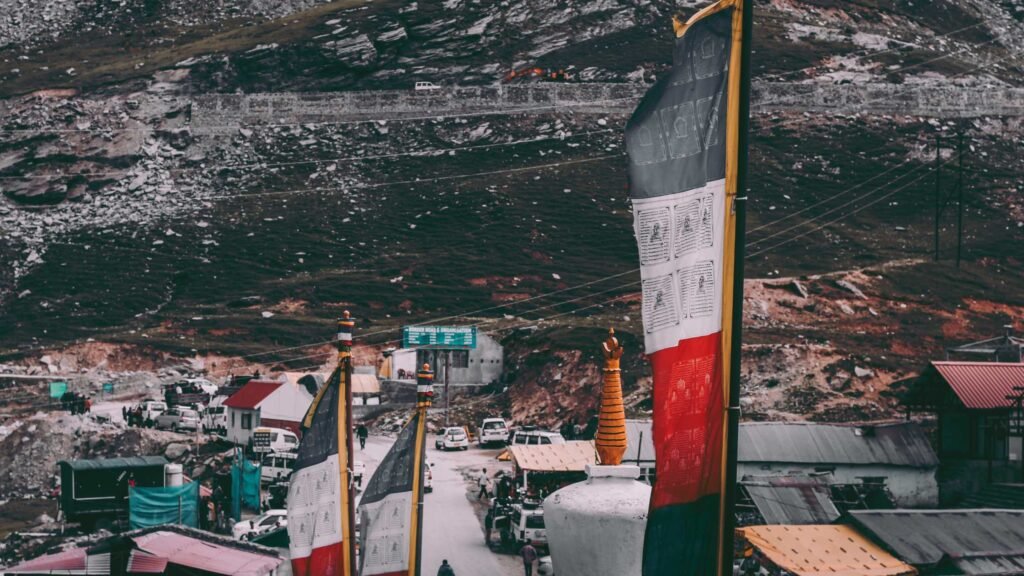
Yes and no. It is manageable, but only with flexible planning, live weather checks, local driver input, and safer base towns.
IMD has been clear about the risks this season. The verified list includes landslides, mudslides, waterlogging, damage to weak structures, slippery roads, low visibility, traffic congestion, and possible disruption to water, electricity and communication.
The numbers are not small. Between 1 March and 30 June 2026, pre-monsoon rains and bad weather caused 128 deaths across Himachal, with losses of nearly Rs 29.84 crore.
On 1 July, 44 roads were blocked across the state. Mandi was worst hit with 28 closures, followed by Shimla with 17. A fresh Western Disturbance was also expected from 2 July, which can push rainfall up further.
IMD advised residents and tourists to avoid unnecessary travel to landslide-prone areas and to stay away from rivers, streams and nullahs during intense rain. That advice is not decoration. Follow it.
So Himachal is safe if you respect the season. It gets dangerous the moment you rush, drive at night, or park next to a swollen stream for a photo.
Best places to visit in Himachal Pradesh in monsoon
Let us be clear about what “best” means in monsoon. It does not mean the prettiest waterfall. It means lower movement, better access, and a base you can actually reach and stay put in.
The safest monsoon plan is a short list of stable towns where you can settle, walk to cafes, and wait out a bad spell without being trapped on a mountain road.
Shimla, Mashobra and Chail
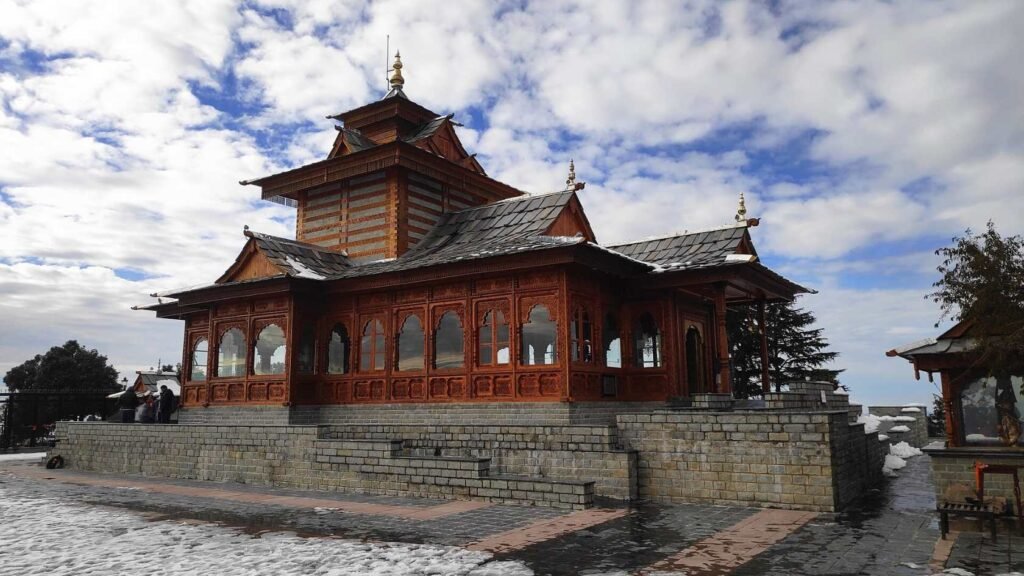
These are our top picks for short monsoon breaks. You get cafes, colonial walks, forest views, and relaxed stays, all reachable without crossing any high pass.
Shimla has a road network that gets cleared faster than remote belts, so a blocked stretch usually reopens quicker. That said, Shimla still saw 17 roads blocked on 1 July, so we are not calling it risk-free.
For a slow, low-risk monsoon trip from Delhi or Chandigarh, this belt is the easiest yes. Our Shimla tour packages are built around single-base stays exactly for seasons like this.
Dharamshala and McLeodganj
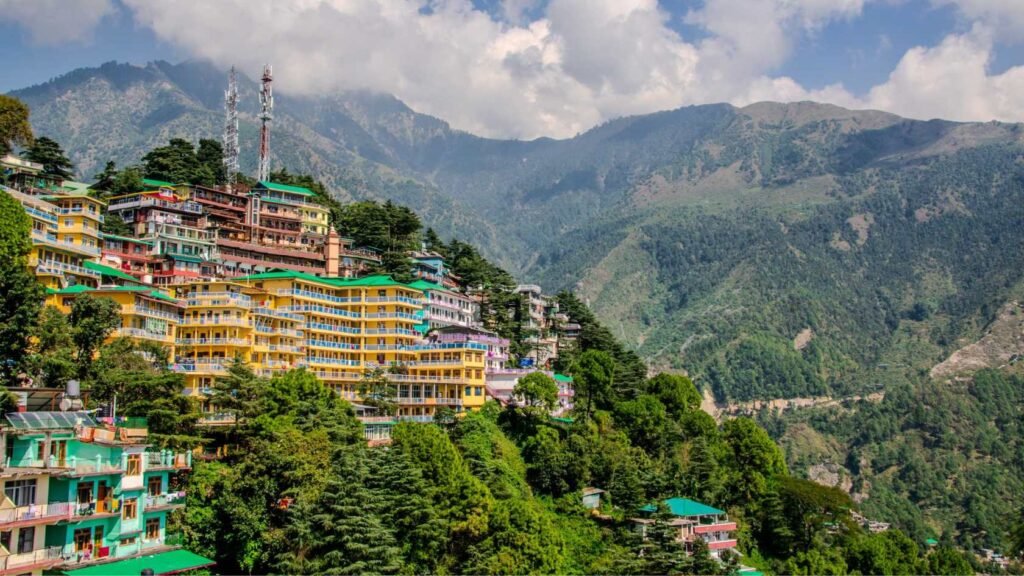
Dharamshala works well in the rains for monasteries, Tibetan markets, cafes, and moody Dhauladhar views when the clouds lift.
But here is the honest warning. Do not go chasing waterfalls or standing near swollen streams during heavy rain. Bhagsu and the smaller nallahs around McLeodganj can turn violent fast.
Pick a good stay, do short walks, and let the mountains come to you. We plan this belt often through our Dharamshala tour packages, and the trick is always fewer moves, more cafe time. For a full list of what works in the rain, our Dharamshala and McLeodganj destination guide covers the calmer, monsoon-friendly spots.
Manali and Sissu, but only with weather checks
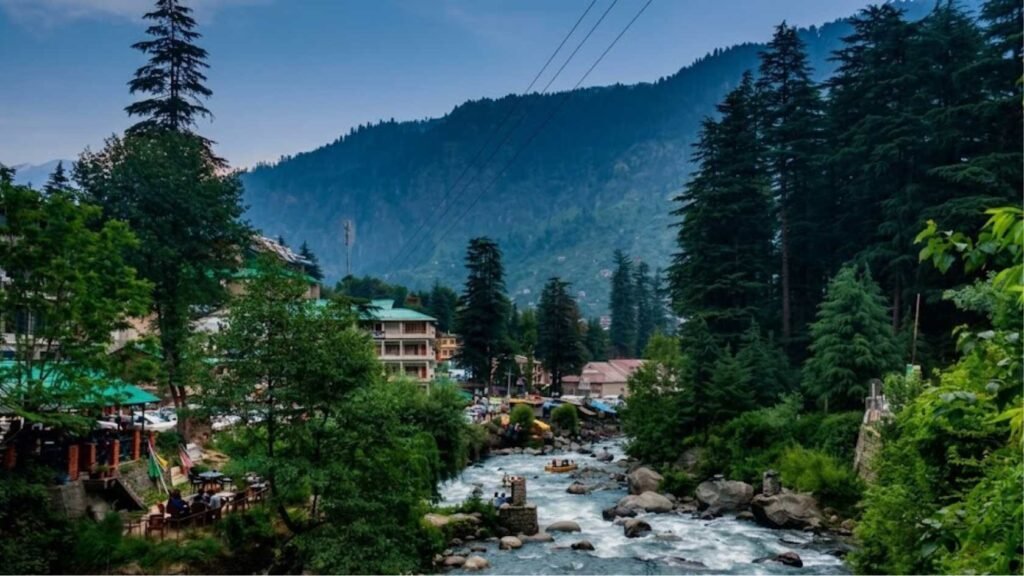
Manali is genuinely enjoyable during a stable weather window. The problem is the windows are short and the surrounding high routes change fast.
Here is a real example from this season. On 30 June 2026, a sudden surge at Jhalma Nallah in Lahaul-Spiti washed away a road section and stranded more than 50 tourist vehicles.
The scary part is that no rain fell in that area at the time. It was glacier meltwater alone. The road was restored by around midnight, but for hours those tourists were stuck.
That is why we never push aggressive Atal Tunnel or Lahaul day trips during alerts. Base yourself in Manali, and treat Sissu as an optional add-on only when the road is confirmed clear. Our Manali tour packages keep the plan loose for this reason. For more on what actually works in Manali during the rains, read our Manali destination guide.
Tirthan Valley and Jibhi for slow stays
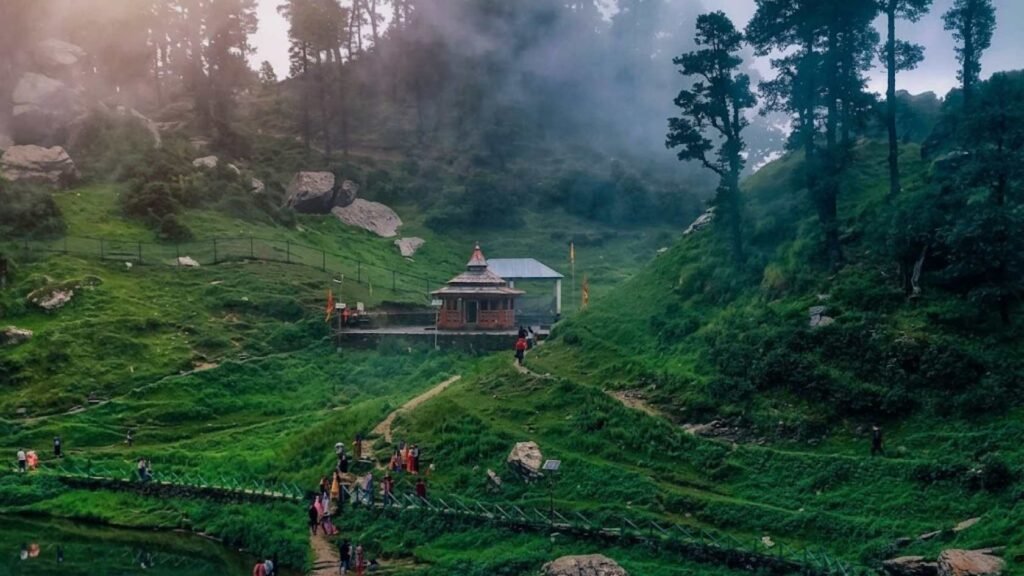
If your idea of a good trip is a balcony, a book, and the sound of rain, this is your belt. Tirthan and Jibhi are made for doing less.
Village stays, forest walks, and long lazy mornings work beautifully here. What does not work is river-edge rooms, slippery waterfall trails, and any trek plan during an alert.
Book a stay set back from the water, not one hanging over it. Our Jibhi tour packages and Tirthan Valley tour packages both lean into this slow-travel style. If you are not sure which valley suits you, our things to do in Jibhi guide includes a detailed Jibhi vs Kasol comparison.
Kasauli, Narkanda and Solan belt
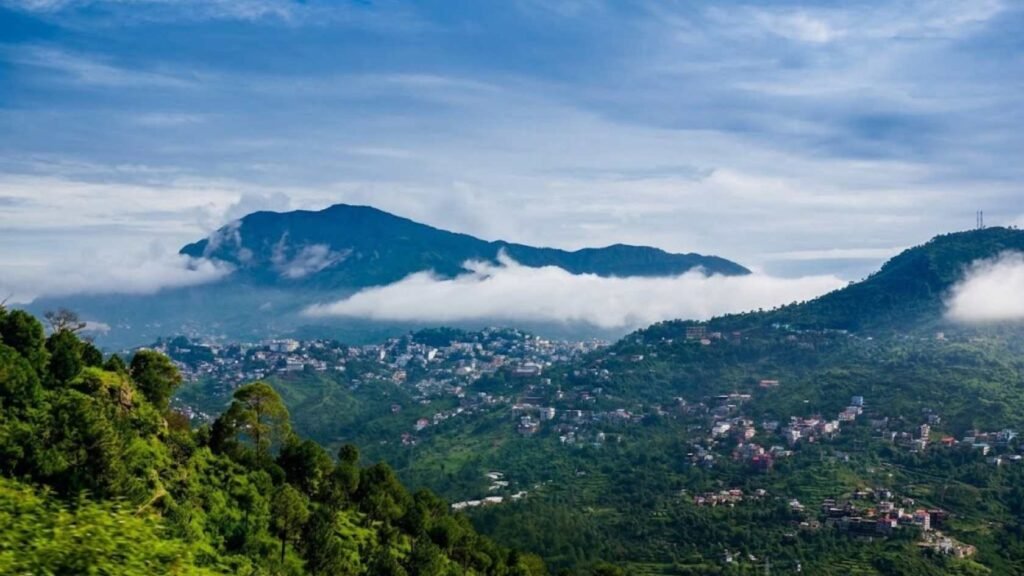
For a quick break from Chandigarh or Delhi, this belt is easy and low-effort. Short drives, forest air, and enough cafes to wait out a wet afternoon.
Do not make hard safety promises to yourself here either. The rule is the same: choose one base and stop changing hotels every night. Every hotel switch in monsoon is another road you are gambling on. Our Narkanda tour packages are built around this single-base approach.
A local food tip most guides skip
On the Shimla to Narkanda stretch, stop at the dhabas just past Narkanda on the Hindustan-Tibet road. In the rains, a plate of hot siddu or rajma-chawal there hits differently than anything you will get in a fancy cafe.
It is also the kind of warm, filling meal that actually helps on a cold, wet drive. We tell every group to eat here before pushing on, not after.
Places and routes to avoid during active monsoon alerts
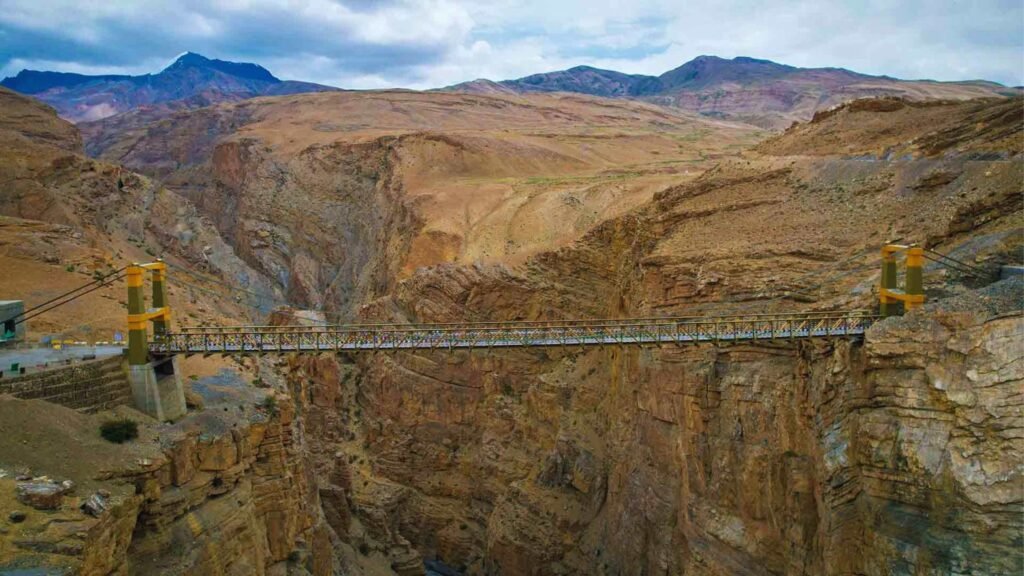
Some things are simply not worth it in peak monsoon. Skip remote treks, riverside camps, waterfall selfies, narrow village shortcuts, high passes, and any late-night road travel.
The Mandi-Pandoh-Kullu belt and the Shimla-Kinnaur highway both need extra caution during active rain. The Mandi belt was the worst hit on 1 July with 28 road closures, which tells you how quickly it takes damage.
We are not calling any route closed today, because that changes hour to hour. Always check the specific stretch locally on the morning you plan to move.
The one that catches people out most is the waterfall photo. A calm stream in the morning can be a wall of water by afternoon. Just do not stand in the streambed.
👉 Pick the right stay & route — we’ll help.
Can you visit Spiti Valley in monsoon?
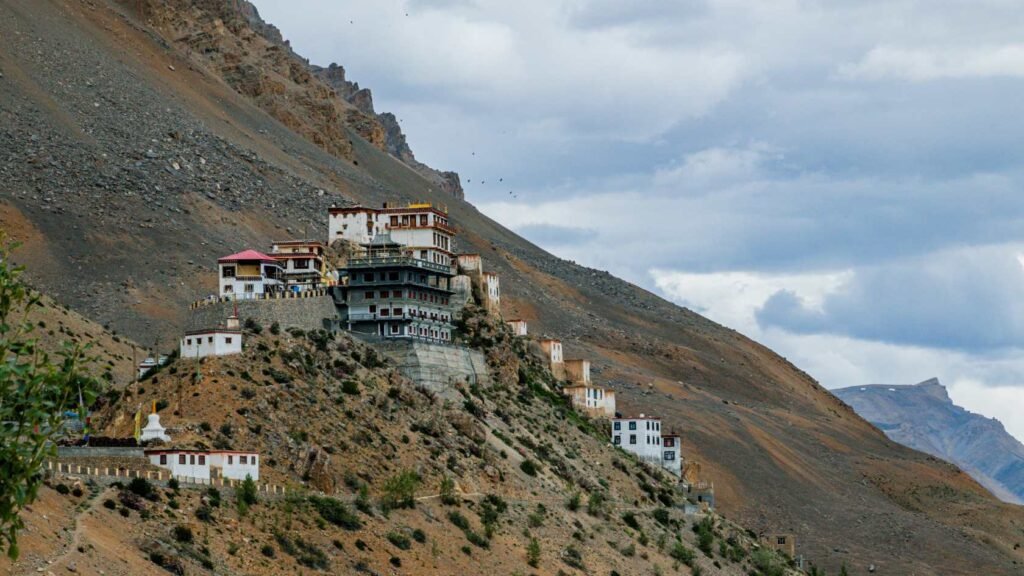
This one needs honesty, not hype. Spiti is often sold as a rain-shadow destination, and yes, the Spiti side itself gets far less rain than the rest of Himachal.
But the roads that get you there are not in the rain shadow. The Manali side, especially the Gramphu-Batal stretch, takes a beating in the monsoon. And as the Jhalma Nallah flood showed, even glacier melt can snap a road with no rain at all.
So we do not tell anyone Spiti is completely safe in monsoon. What our team recommends is going only with updated route checks, an experienced local driver, buffer days, and no fixed “we must reach today” plan.
If you can travel with that mindset, Spiti in monsoon is stunning and gloriously empty. If you cannot handle a delay, wait for September. Our Spiti tour packages always build in buffer days for exactly this. For routes, seasons, and what to expect, read our full Spiti Valley travel guide, which also covers safety advice for solo and women travellers.
Himachal Monsoon Itinerary Ideas

Here is how we actually plan monsoon trips for our travellers. Notice the theme: one region, room to breathe, and no forced movement.
3 days in Shimla, Mashobra and Chail
Arrive slow and do not rush a long drive on day one. Keep the first evening for a relaxed check-in and a short walk near your stay.
Spend the next two days on local walks, cafes, and viewpoints only when the weather is clear. Skip late-night transfers entirely. If it rains, you have cafes and covered spots within reach.
Browse our 2 Nights 3 Days Himachal packages for ready-made versions of this plan.
4 days in Dharamshala and McLeodganj
Give day one to arrival and rest. Use the middle days for monasteries, the local markets, and cafes, with nearby sightseeing only if the sky allows.
Keep one full day as buffer. In monsoon that buffer is not wasted time, it is the day that saves your trip when a road closes for a few hours.
Our 3 Nights 4 Days Himachal packages work well for this pace.
5 days in Manali and Sissu
Plan this one only for a stable weather window. Keep Manali as your solid base and treat Sissu as an optional day out.
Do not force an Atal Tunnel run or Lahaul sightseeing during a rain alert. If the forecast turns, swap it for local Manali and Old Manali cafe time. Nobody ever regretted a lazy rainy afternoon in a warm cafe.
Check our 4 Nights 5 Days Himachal packages for a structured version.
6 to 7 days in one Himachal valley
For a longer trip, pick one valley and go deep. Do not try to link Shimla, Manali, Kasol, Dharamshala and Dalhousie in one monsoon run.
In our experience, that exact “cover everything” plan is how travellers end up stuck in road delays and spend half the trip inside a car. One valley, done properly, beats five valleys done in a panic.
Our 5 Nights 6 Days packages and 6 Nights 7 Days packages are built for this single-region depth.
You can sketch any of these out yourself using our Himachal trip itinerary planner, then send it to us to sanity-check for the season.
Want us to build a monsoon-safe plan around your dates? Send us your dates and group size on WhatsApp and we will send back something realistic.
What should you pack for Himachal in monsoon?
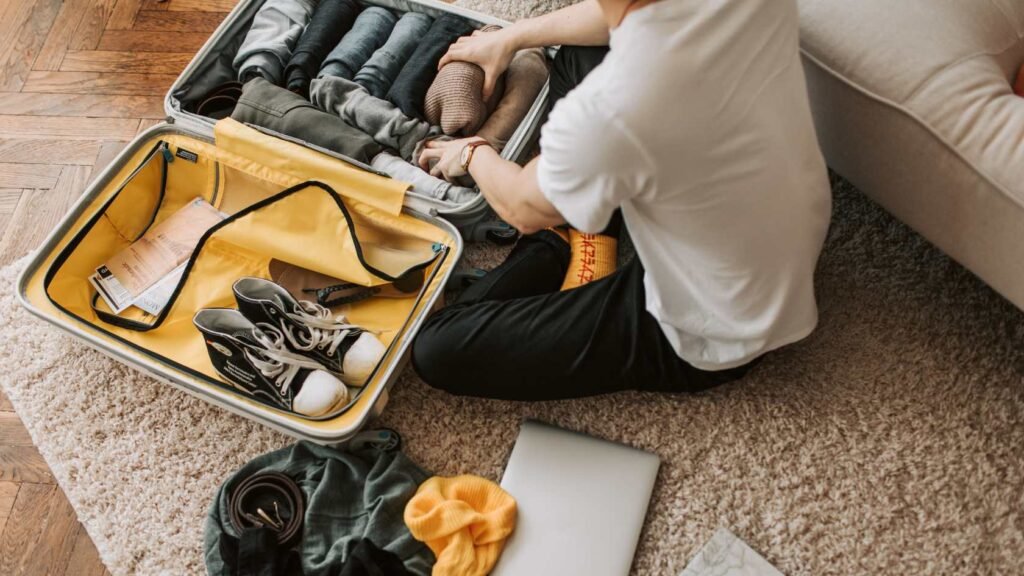
Start with rain gear that actually works. Carry a raincoat or poncho, not just an umbrella, because hillside wind flips umbrellas inside out within minutes.
Add a waterproof backpack cover, quick-dry clothes, and sturdy non-slippery shoes. Wet stone steps in a hill town are one of the most common ways people get hurt.
Pack a torch, basic medicines, a power bank, and some snacks for long road delays. Then throw in one warm layer, because even in July the evenings turn cold once the rain sets in.
Road travel rules for Himachal in monsoon
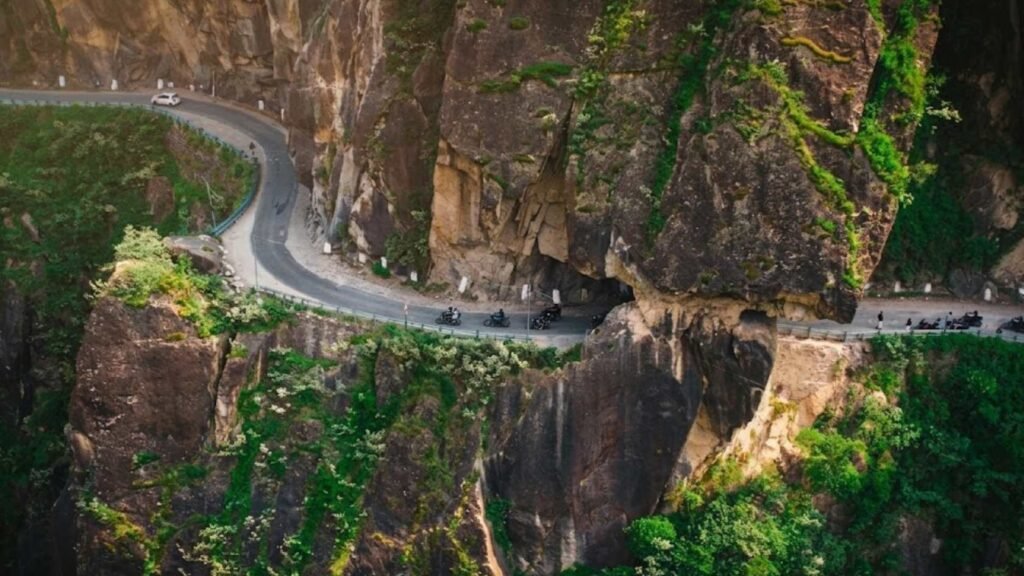
This is the part that keeps you safe, so read it twice.
Do not drive at night during rain. Visibility drops, fresh slides are hard to spot, and help is far away. Move only in daylight.
Check IMD Shimla, HP Police, SDMA, or the local administration before you start each day. Trust police, locals and experienced drivers over a map shortcut, every time.
Do not stop below cliffs or near fresh slide zones. Do not cross a flooded road, even if a smaller car ahead of you made it. Do not park close to rivers and nullahs, because water levels rise without warning.
Keep at least one buffer day before any flight or train. What we tell our travellers is simple: the mountain does not care about your booking, so give yourself a spare day and stop treating your itinerary as a deadline.
Who should avoid Himachal in peak monsoon?
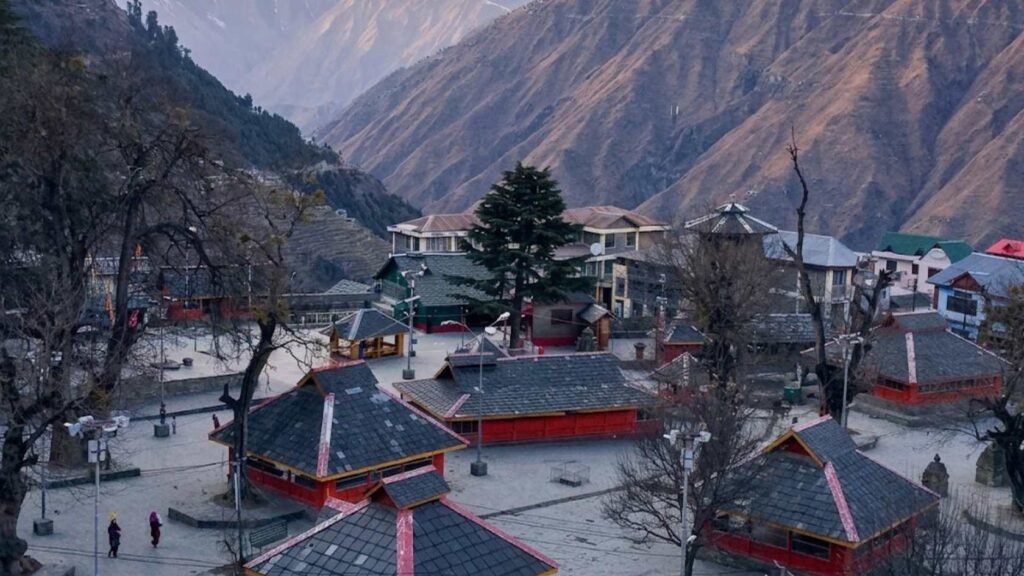
Be honest with yourself here. Some travellers should just wait for a drier month.
Families with infants, and elderly travellers who may need quick medical access, are taking on real risk in remote belts where hospitals are hours away.
First-time self-drivers, anyone on a fixed schedule, adventure-focused travellers set on treks, and people who cannot handle last-minute changes should also skip peak monsoon. If a two-hour delay would ruin your mood, this is not your season.
Who can enjoy Himachal in monsoon?
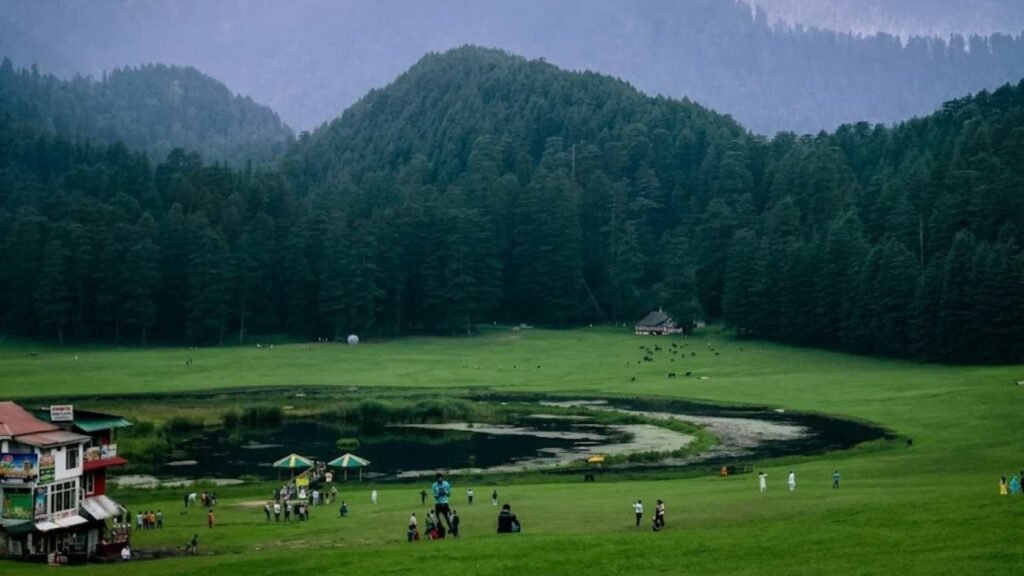
Now the good news. For the right traveller, monsoon Himachal is magic.
Couples, workation travellers, writers, photographers, slow travellers, cafe lovers, and anyone happy doing less will have a brilliant time. Empty viewpoints, cheaper stays, and dramatic cloudy skies are all yours.
Some of our favourite trips to plan are the quiet monsoon ones. A couple on a balcony in Jibhi with rain on the roof and nowhere to be is, in our view, Himachal at its best. Our couple tour packages are shaped exactly for that pace.
A money tip most travel agents will not mention
If you are travelling light and flexible, HRTC ordinary and Volvo buses between Delhi, Shimla and Manali cost a fraction of a private taxi, and the drivers know these roads in the rain better than any app.
HRTC also runs a concession for women travellers on many routes.
For groups who still want a private cab, the saving trick is picking one base instead of a moving circuit. Fewer transfers means fewer paid driving days and far less risk. Our budget tour packages are designed around this principle.
Use our Trip Cost Calculator to estimate your monsoon trip budget before you book.
Final verdict: Should you plan Himachal Pradesh in monsoon 2026?
Yes, if you want a flexible, slow, locally guided trip built around one region. That version of Himachal in monsoon is green, calm, and genuinely special.
No, if you want a rushed circuit, remote treks, night driving, or a fixed hotel-to-hotel plan. That version will fight you the whole way.
The lake, the valley, the cafe, all of it is worth it in the rains. You just have to travel the way the season asks you to. Go slow, stay flexible, and let a local team keep an eye on the roads for you.
When you are ready, explore all our Himachal Pradesh tour packages or contact HimTrails and we will help you plan a monsoon trip that actually works.
👉 Want this trip? Let’s plan it right.
अक्सर पूछे जाने वाले प्रश्न
Also Read: Himachal in August 2026: Weather, Safety, Best Places and Local Travel Advice
क्या आप अपने हिमाचल एडवेंचर के लिए तैयार हैं?
Get FREE customized itinerary · Best Price Guaranteed · Local Himachal Experts · 3,973+ Happy Travelers