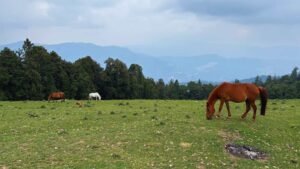

Himachal Pradesh in winter works best when you pick a base for the experience you want, not for a promise of snow. शिमला suits an easy town holiday. Manali and Solang suit winter scenery and possible activities. नारकंडा suits skiing, and धर्मशाला suits culture. Kinnaur and Spiti need far more careful planning, and no destination can guarantee snowfall on your dates.
Quick Answer
For an easy winter break, choose Shimla and plan around town walks and sightseeing. Choose Manali and Solang for winter scenery and activity possibilities, but treat high-road excursions as conditional. Choose Narkanda between January and March if skiing is your goal, and confirm snow and instruction first. Choose Dharamshala for Tibetan culture that does not depend on snowfall. Attempt Kinnaur or Spiti only with flexible dates and full preparation.
What to Expect in Himachal Pradesh in Winter

Many first-time travellers make the same mistake. They book fixed dates and assume two things: snow will fall that week, and every well-known road will be open.
This happens because winter sounds like snow season, and because a tunnel or highway on the map looks like guaranteed access. The result is a drive towards a closed pass, or a holiday spent waiting for snow. The better choice is a base that still works without snow, with snow-dependent outings kept optional.
Cold also varies by region. Lower areas stay milder, while districts such as Shimla, Kullu, Chamba, Kinnaur and Lahaul–Spiti are colder in winter. Pack for the coldest point on your route, not for the town where you arrive.
In Shimla district, December and January form the cold winter visitor period. Visitor pressure has historically built around Christmas and New Year. Treat that as a past pattern, not a crowd forecast for this season.
If your dates fall in December, our guide to Himachal in December covers that month in more depth.
Mountain weather decides your road days. IMD’s Meteorological Centre in Shimla publishes district warnings, nowcasts, and highway and tourism forecasts. Check it the evening before and again on the morning of any long drive.
Best Places to Visit in Himachal in Winter

The right destination depends on what you want from the trip. This table compares the main options by their winter draw, the traveller they suit and the limitation you should accept before booking.
| पर्यटक स्थल | Main winter draw | Best suited to | Main limitation |
| शिमला | Heritage, Mall and Ridge walks, town sightseeing | First-timers, families and couples wanting an easy base | Restricted roads, difficult parking and walking approaches; festive crowds |
| Manali and Solang Valley | Winter scenery and Solang’s winter sporting activities | Travellers wanting snow scenery and a chance at activities | Activities and high-road excursions depend on conditions |
| नारकंडा | Established winter-sports destination with January–March ski instruction | Skiing-focused travellers with flexible dates | Needs adequate snow and available instruction |
| Dharamshala and McLeod Ganj | Tibetan culture and the Norbulingka Institute at Sidhpur | Culture-led travellers who do not need snow | Individual sites have their own operating conditions |
| Dalhousie, Khajjiar and Kasauli | Wooded hills, historic architecture, churches and temples | Couples and families who prefer a slow pace | The Khajjiar excursion depends on the weather |
| Kinnaur and Spiti | A remote winter journey | Experienced, well-prepared travellers with spare days | Kunzum stays closed in winter; bus services can be interrupted |
Shimla: Heritage, Winter Walks and a Festive Holiday
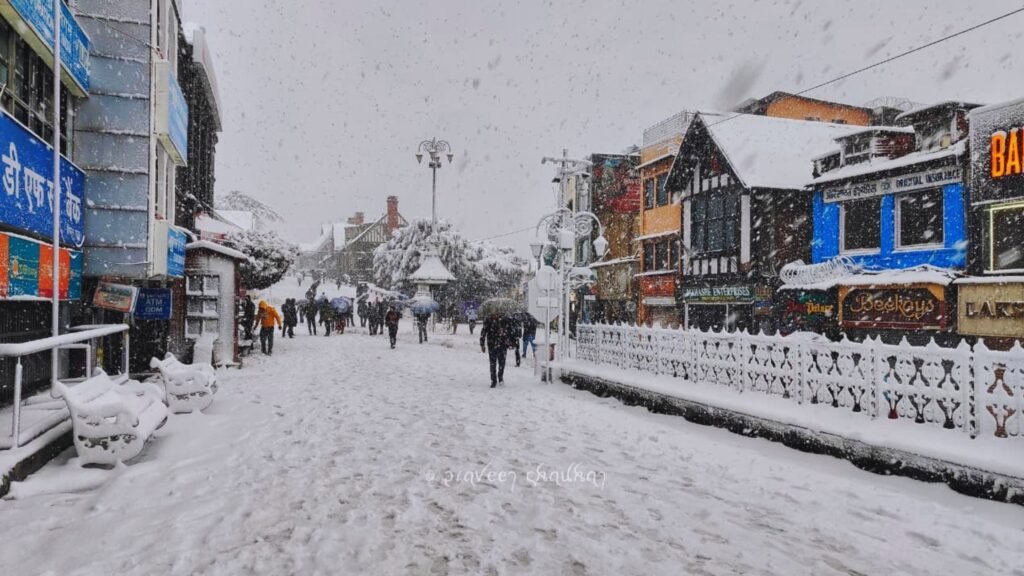
Shimla suits you if you want heritage, town walks and sightseeing without depending on high mountain roads. For most first-time winter travellers, it is the simplest base to plan.
The Christmas and New Year period brings a festive holiday rush. If you travel then, book your stay early and expect busier streets.
The practical catch is access. Roads around the Mall and the Ridge are restricted, parking is difficult, and the central area involves walking. A stay near the Mall or Ridge may mean walking from the vehicle drop point with your luggage. Ask the property exactly where your vehicle can stop and how far you must carry bags.
Here is a simple money-saving change. For central sightseeing, walk the pedestrian stretch and use suitable local transport instead of hiring a sightseeing cab for the day. You avoid paying for a vehicle that faces restricted roads in the centre anyway.
The trade-off is effort. Walking on cold, sloping streets is slower for senior travellers and families with small children. Road rules and fees in Shimla change, so confirm the current regulations locally rather than trusting old figures.
Our Shimla travel guide covers stay areas and sightseeing in more detail. If you would rather compare organised options, browse our Shimla tour packages.
Manali and Solang Valley: Winter Scenery and Activities
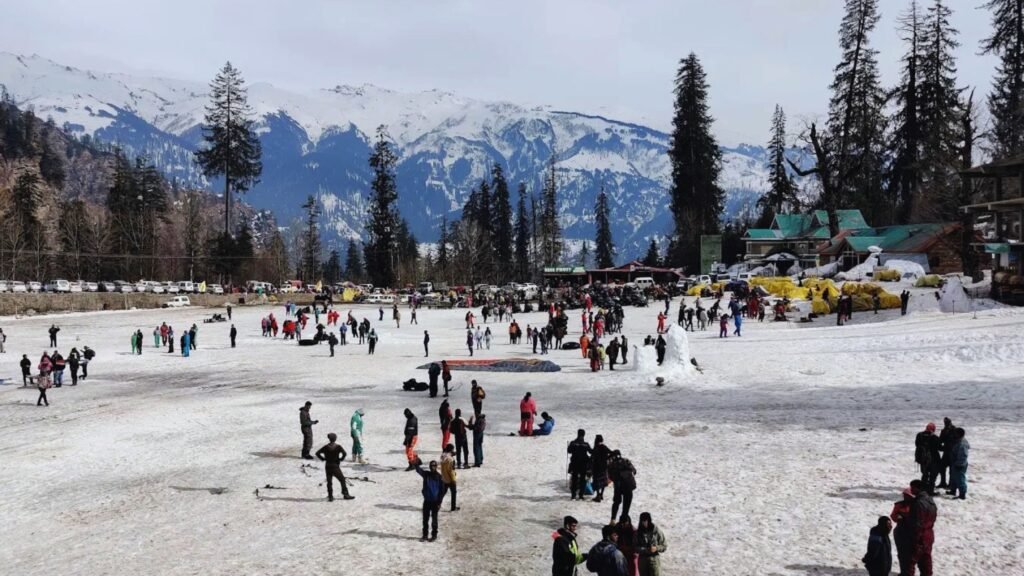
Manali and Solang suit travellers who want winter scenery and a chance at activities. Solang Valley is known for both summer and winter sporting activities, which makes it the activity focus near Manali.
Snow on the ground does not prove that a particular activity is running. Confirm with the operator on the day before you head up.
Keep three places separate in your plan. Solang is the activity area. रोहतांग दर्रा sits on a road affected by heavy snowfall, and it may remain closed through the winter months. The Atal Tunnel is an alternative connection to Lahaul, but your access depends on the weather and road conditions at the time.
Reaching the tunnel area does not guarantee an onward trip to places like Sissu or Keylong. Treat any tunnel excursion as optional, and build your Manali days around what works even if that road stays shut.
For stay areas and local planning, read our Manali travel guide. If you would prefer the stay, transport and pacing coordinated for you, look through our Manali tour packages once your dates are clear.
Narkanda: Winter Sports Within Reach of Shimla
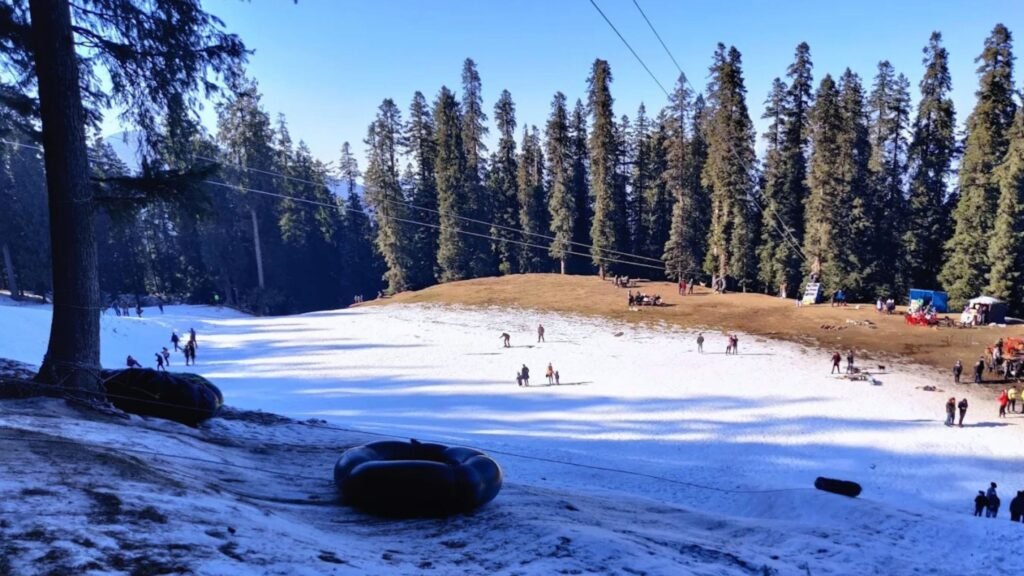
Narkanda is an established winter-sports destination at 2,708 metres, about 60 km from Shimla. That distance makes it a practical addition to a Shimla-based trip when conditions allow.
From January to March, certified instructors guide skiers at designated grounds in Narkanda. This is the identified instruction season, not a promise of snow or a confirmed course. Confirm both snow cover and lesson availability before you leave Shimla.
Our Narkanda travel guide explains the town, stays and how to plan the visit.
Travelling before the instruction season begins? Our guide to Narkanda in December covers what to plan for that month. To compare ready-made trip structures, look through our Narkanda tour packages.
Dharamshala and McLeod Ganj: A Winter Trip Beyond Snow

Dharamshala is a good choice when you want a winter trip that does not hinge on snowfall. McLeod Ganj, near Dharamshala, is associated with Tibetan culture, so your days revolve around cultural sites rather than snow forecasts.
The Norbulingka Institute sits in Sidhpur, near Dharamshala, and fits easily into a culture-led itinerary. Each site has its own operating conditions, so check before you visit.
Bir, also in Kangra district, has Tibetan monasteries. Billing is the paragliding take-off area and Bir is the landing area. Do not assume flying operates on a winter day; confirm with the operator first.
See our Dharamshala travel guide for stays and local sightseeing. If you would prefer the stay, transport and pacing coordinated for you, look through our Dharamshala tour packages once your dates are clear.
Dalhousie, Khajjiar and Kasauli

Dalhousie is known for wooded hills and historic architecture, including churches. It suits travellers who enjoy slow hill-town walks. Chamba district, where Dalhousie sits, falls among the colder winter districts, so pack accordingly.
Khajjiar is about 24 km from Dalhousie. Treat it as a weather-dependent excursion, not a guaranteed winter road. Keep a Dalhousie-only plan ready for that day.
Kasauli offers churches, temples and hillside sightseeing. It suits a sightseeing-focused break rather than a winter-activity trip.
Kinnaur and Spiti: Who Should Consider a Winter Journey?
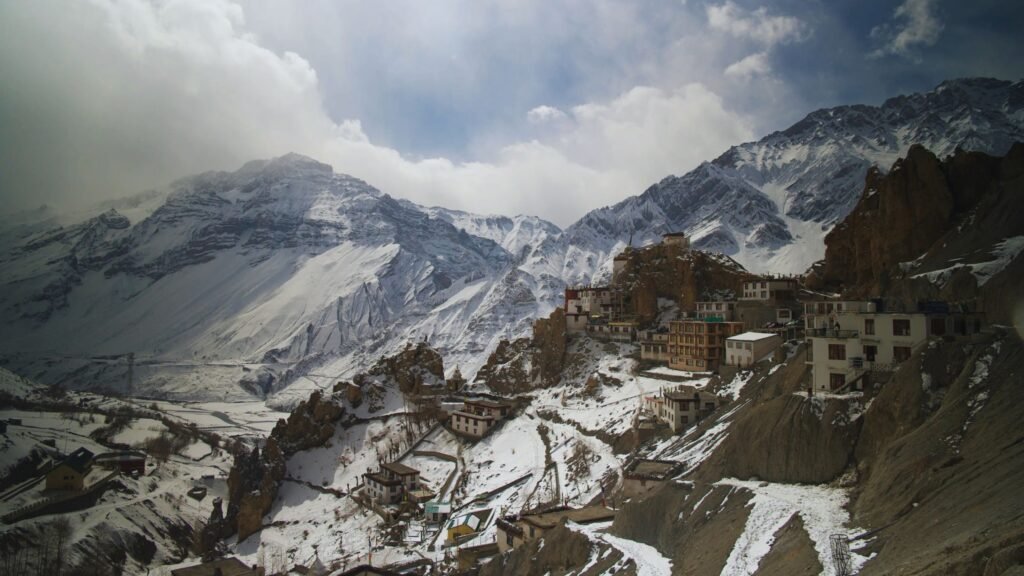
The approach from Shimla to Kaza runs through Kinnaur and covers about 412 km. It is described as almost all-weather, subject to conditions. That does not mean it is always open, and the distance alone does not make it an ordinary one-day drive.
The other approach, the Keylong–Kaza road via Kunzum Pass, is generally closed in winter. The closure broadly runs from around October or November to June or July, depending on the weather.
Here is an insider detail many travellers miss. Kinnaur buses can face extended interruptions in winter conditions, even when a route is not under a season-long closure. Verify the bus service for your actual travel day, not just the route.
A winter journey here suits experienced travellers with spare days and no fixed return. Carry identification and note local contacts before travelling to remote areas. Card payments can be limited outside principal towns, so keep enough cash. If this is your first trip to Himachal Pradesh in winter, start with a town base instead.
See our Kinnaur travel guide and Spiti travel guide for stays and local sightseeing. You can look through our Kinnaur tour packages and Spiti tour packages to see how a trip can be put together.
December vs January vs February

Nobody can honestly promise which month will bring snow at your destination. Compare the months by trip purpose instead.
- December: Part of Shimla’s cold winter visitor period, with historical visitor pressure around Christmas and New Year. Suits a festive town holiday if you accept crowds.
- January: Still within Shimla’s cold December–January visitor period, and the start of Narkanda’s ski instruction season.
- February: Still inside Narkanda’s January–March instruction window, which suits skiing-focused travellers who can stay flexible.
Kunzum Pass stays within its broad seasonal closure across all three months. Plan any Spiti journey through Kinnaur only, and only with buffer days.
What Most Tourists Get Wrong About Winter in Himachal
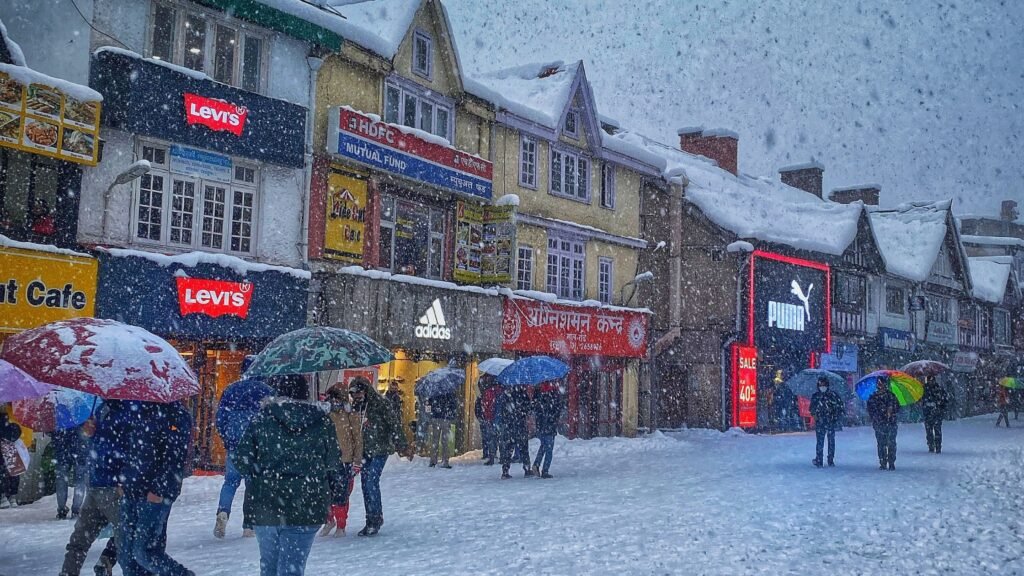
The first error is treating snow as a booking feature. Snow may fall on your dates, or it may not. A trip that only works with snow is a trip built to disappoint.
The second error is mixing up three different things: a road that exists, a tunnel you can reach, and a sightseeing spot you can actually visit. Solang is not Rohtang. The Atal Tunnel is not a guaranteed route to Lahaul. The Kinnaur approach to Kaza is not the Kunzum road.
The honest downside of a winter trip is real. Snowfall uncertainty and seasonal road restrictions can make a fixed itinerary disappointing, especially on a short holiday.
You can reduce the risk with a backup. Pair every snow plan with a no-snow alternative, such as Shimla’s walks, Dharamshala’s cultural sites or Dalhousie’s churches.
How to Plan a Practical Winter Route
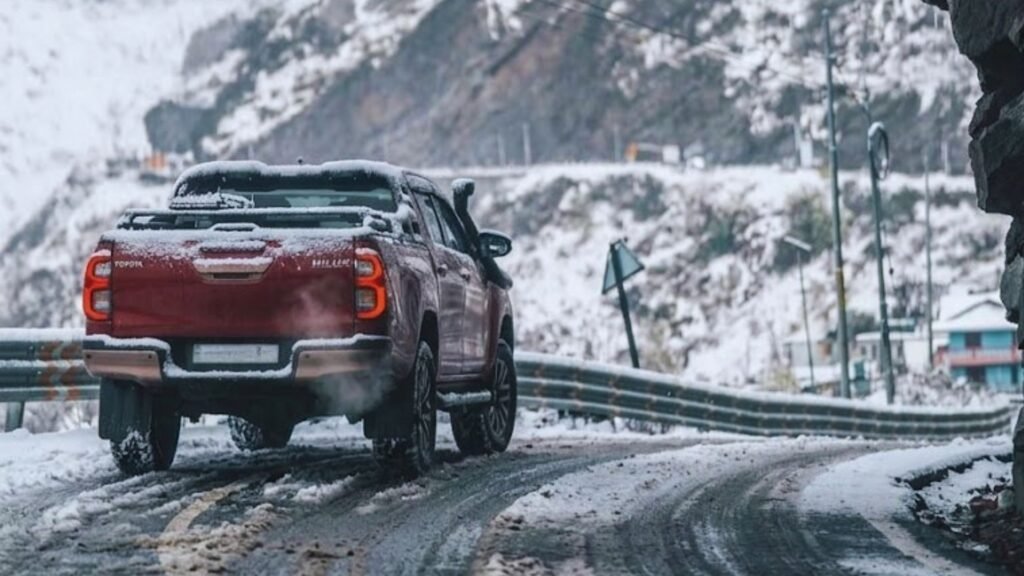
Compare two styles before you book. A town-based stay keeps you in one place with walks and short outings. A road-dependent excursion depends on the weather, the road and transport on a specific day.
Most first-time travellers do better with one main base. Choose it, check which nearby activities actually suit your dates, and avoid long detours that add driving without adding much to the trip.
Plan uncertain mountain excursions for daylight, and keep the freedom to cancel. Do not stack a weather-dependent outing on the same day as a long transfer.
Keep at least one buffer day if your plan includes a high road or a remote area. That single day protects your return train or flight from a weather delay.
To map one base with realistic day trips, use our Himachal trip itinerary planner before you book stays.
Winter Hotel, Heating and Packing Checklist
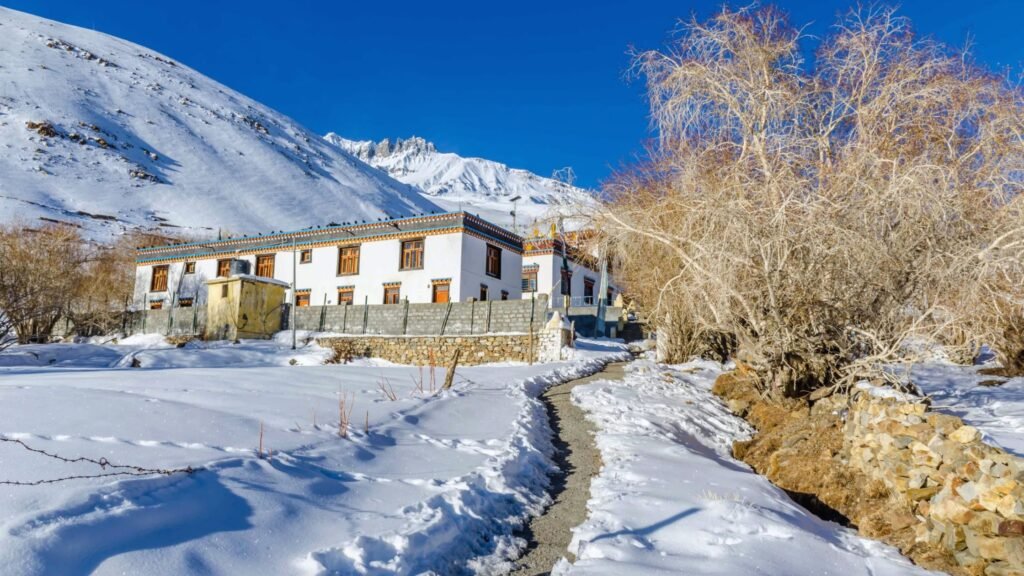
Winter comfort depends on the individual property, not the town. Confirm these points with each hotel before paying:
- Room heating, and whether it is included or charged separately
- Reliable hot water at the times you will need it
- Parking, or the exact vehicle drop point
- Distance and slope you must walk with luggage
- Whether the property is tourism-registered
Stay in tourism-registered accommodation. Families should ask about heating and the luggage walk in particular, because both matter more with children or senior travellers.
For packing, carry valid identification, warm layers for the coldest district on your route, and some cash for areas where cards may not work.
How Much Does a Himachal Winter Trip Cost?
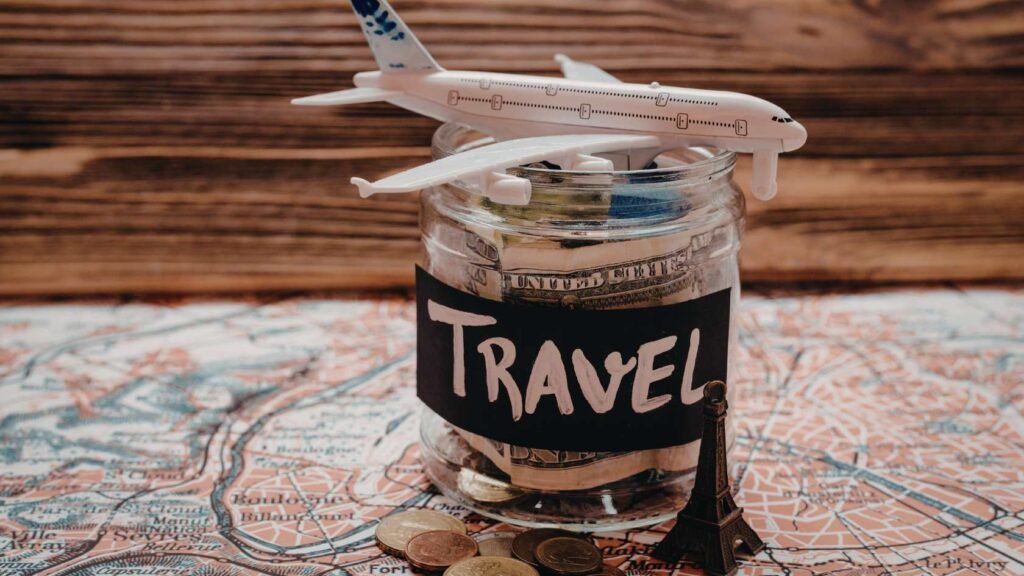
A Himachal winter trip cost depends on five parts. These are transport, lodging, meals, activities and a contingency for weather changes. Winter adds the contingency in a way summer often does not.
Transport is the variable most affected by your route. Concentrating the trip in one accessible region avoids unnecessary transfers and reduces travel fatigue. For bus travel, use HRTC’s official online booking.
Activities such as ski instruction or Solang’s winter sports depend on conditions. Budget for them, but do not prepay for anything you cannot cancel if snow or access fails.
Keep part of your budget for an extra night or a changed route. That buffer turns a cancelled excursion into a minor change instead of a ruined plan.
Work out your own estimate with our Himachal trip cost calculator.
A Food Stop Worth Knowing in Shimla
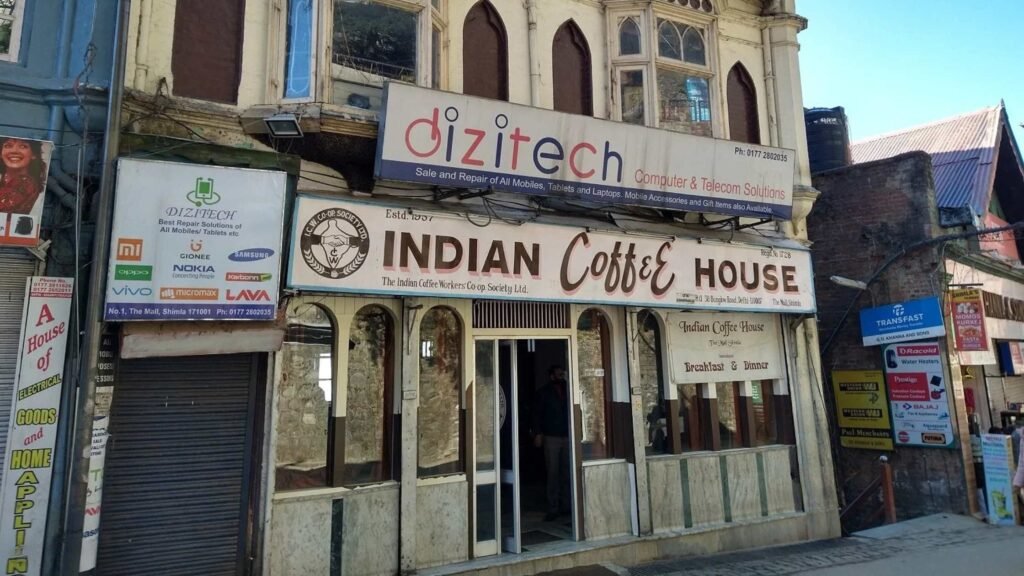
Indian Coffee House on The Mall, Shimla, is a stop for coffee and sambhar-dosa. It sits on the pedestrian stretch, so it fits naturally into a walking day without needing a vehicle.
Check opening hours and service before you go, as these can change.
Himachal Winter Road Conditions, Safety Checks and Expenses to Skip
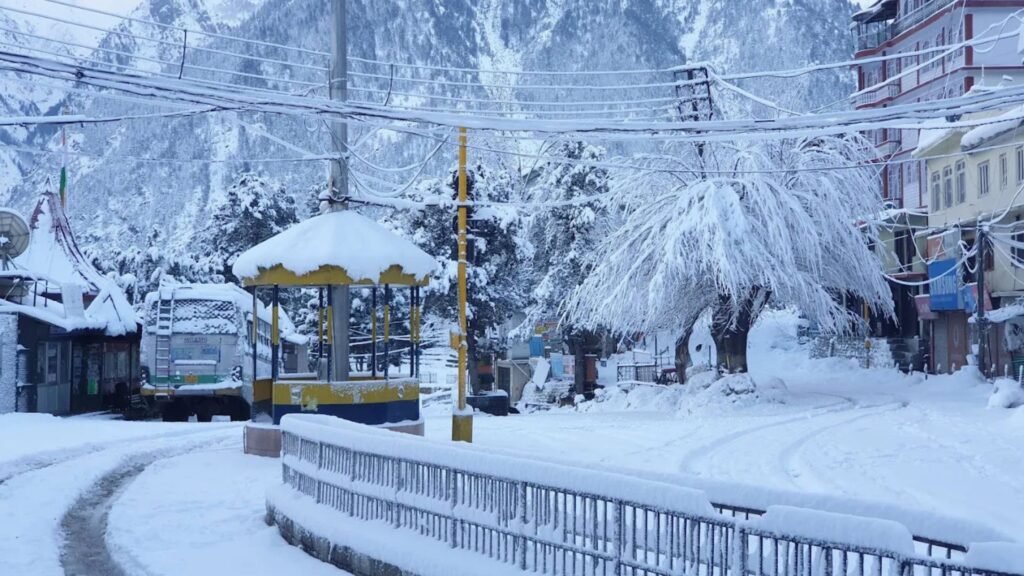
Road access in winter is route-specific. The Shimla–Kaza approach through Kinnaur is almost all-weather, subject to conditions. The Kunzum road stays closed for the season. Rohtang may remain closed, and Atal Tunnel access depends on the day’s weather and road conditions.
Check IMD Shimla’s district warnings and highway forecasts before every road day. In Kinnaur, confirm the bus service on the morning you travel.
In Shimla, do not drive into restricted roads around the Mall and Ridge. Follow local road rules and use the permitted drop points.
Be wary of anyone who guarantees snow or promises an activity will run on a fixed date. Nobody can promise either in advance.
The expense to skip is a winter plan built around रोहतांग दर्रा as a fixed attraction. Heavy snowfall affects that road, and it may stay closed through winter. Travellers on short trips or fixed dates should leave it out entirely.
Which Himachal Winter Destination Should You Choose?
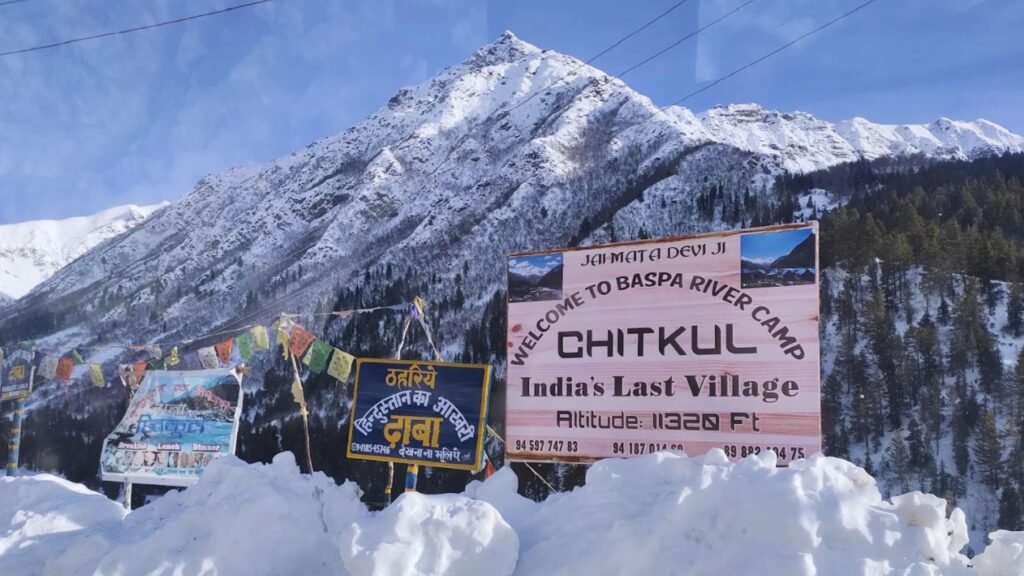
Choose शिमला for an easy first winter trip with heritage and town walks.
Choose Manali and Solang for scenery and activity possibilities.
Choose नारकंडा for skiing between January and March, after confirming snow and instruction.
Choose धर्मशाला for Tibetan culture without depending on snow.
Choose Dalhousie or Kasauli for slow sightseeing.
Leave Kinnaur and Spiti for a later trip unless you have experience, spare days and flexible return plans.
The best plan for Himachal Pradesh in winter is one base, nearby activities, short transfers and weather-dependent outings kept flexible. The limitation remains: nobody can promise snow or road access in advance, so plan a trip you will enjoy either way.
For a ready-made structure to compare, browse our Himachal tour packages and ask how weather-dependent days would be handled.
अक्सर पूछे जाने वाले प्रश्न
Also Read: Jalori Pass in December 2026: Road, Snow & Serolsar Lake Trek
क्या आप अपने हिमाचल एडवेंचर के लिए तैयार हैं?
Get FREE customized itinerary · Best Price Guaranteed · Local Himachal Experts · 3,973+ Happy Travelers