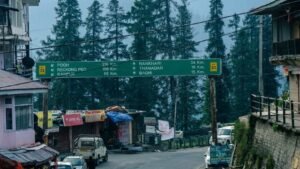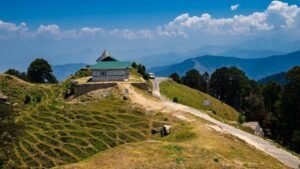
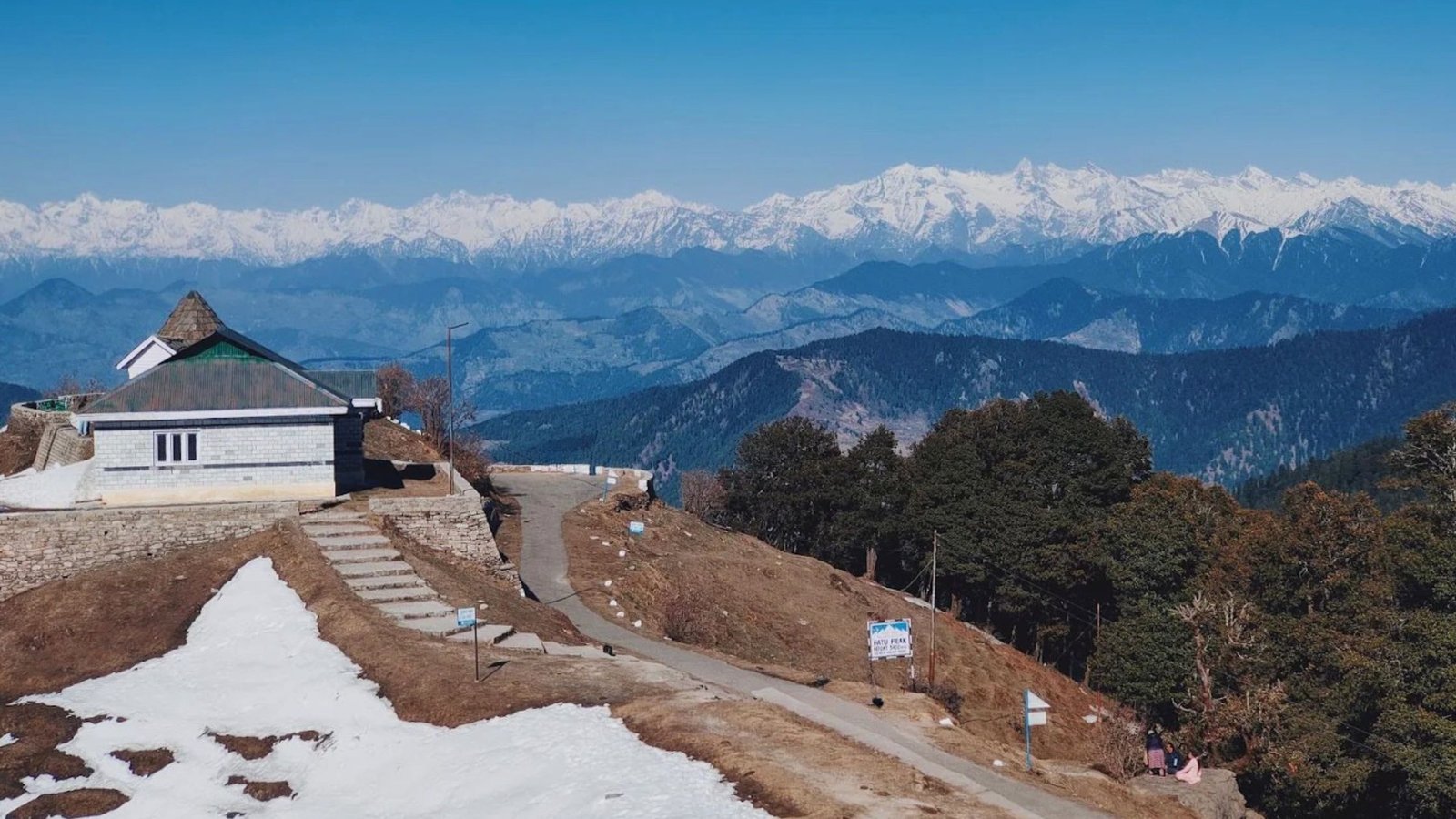
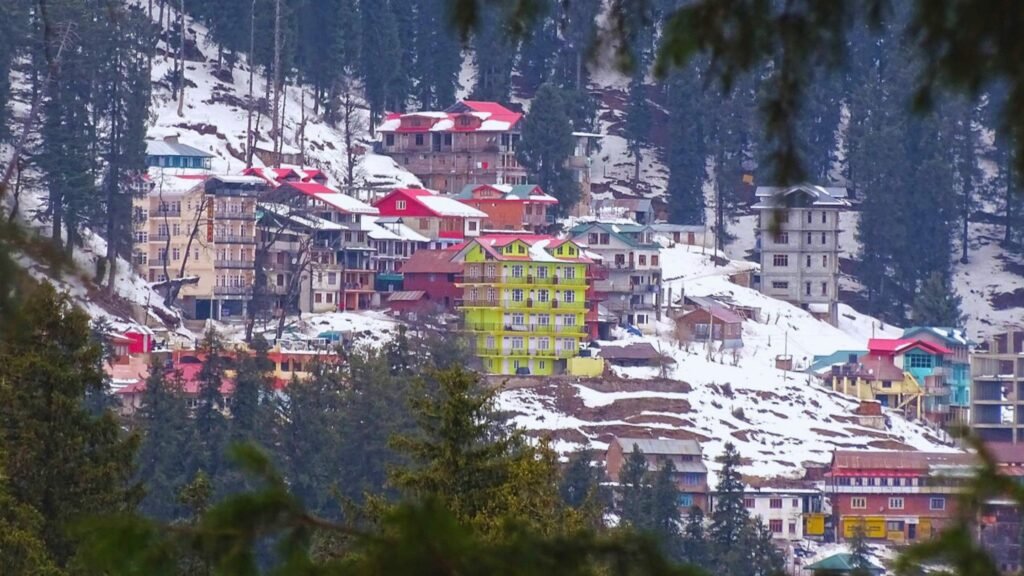
Narkanda in winter suits travellers who want a cold, quiet hill-town break and can handle plans that change. The town has a long, officially recognised skiing history, and official tourism descriptions place skiing instruction between January and March. That season is a pattern, not a booking promise. Snow on your dates, open ski slopes and a passable road to Hatu Peak all depend on conditions you can only confirm close to departure. Make the town your fixed base and treat everything higher up as a bonus.
Quick Answer
Go to Narkanda in winter if you want snow-season scenery, a quiet base and a chance to try skiing. For a snow-focused trip, January and February are stronger planning choices than early December, but neither month guarantees snowfall. Official descriptions place skiing instruction in January–March, so confirm the operator, equipment and dates before you pay. Hatu Peak sits on a steep, narrow road above town and needs its own check on the day. Stay two nights and keep one day flexible.
What Is Narkanda Like in Winter?
The planning mistake to avoid is treating Narkanda town, Hatu Peak and skiing as one guaranteed winter package. The assumption is easy to make because all three sit close together and share the same season. The result can be a prepaid ski plan or Hatu ride that cannot run on your dates. The better choice is to book the town stay first and decide on higher outings once you see the day’s conditions.
Narkanda is a town in the Kumarsain subdivision of Shimla district, listed at 2,708 m. It lies on the historical Indo-Tibet route. In winter, it works as a base for cold-weather scenery, possible skiing and short local outings.
Reaching the town and going higher are separate questions. Hatu Peak climbs further on a narrow, steep road, so its access needs a separate check. For sights and seasons beyond winter, read our Narkanda travel guide.
Narkanda in December vs January vs February: Which Is Better?
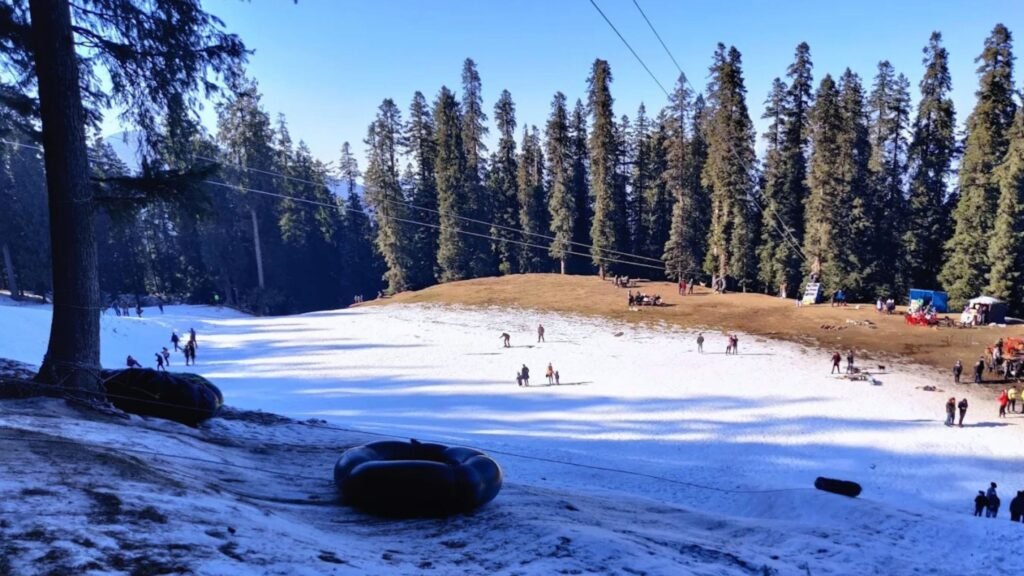
For a snow-focused trip, January and February are the stronger planning months. December works for a cold, quiet break if you treat snow as a possibility. No winter month guarantees snowfall, open ski slopes or Hatu access on a fixed date.
Narkanda in December
December is a cold winter month, but snow on any chosen date is uncertain. It also falls before the described skiing instruction season. If your dates are fixed in December, our Narkanda in December guide covers that month in detail.
Narkanda in January
January falls inside the January–March skiing instruction period. Long-term records from the Shimla observatory, covering the 1990–91 to 2010–11 winters, show much higher average snowfall in January and February than in December or March. That data comes from Shimla, not Narkanda, so treat it as regional context rather than a forecast.
Narkanda in February
February also sits within the established instruction season. The same Shimla records place it alongside January as a heavier snowfall month. That does not make February more or less reliable than January for Narkanda itself, so choose based on your free dates and how much flexibility you have.
Does It Snow in Narkanda Every Winter?
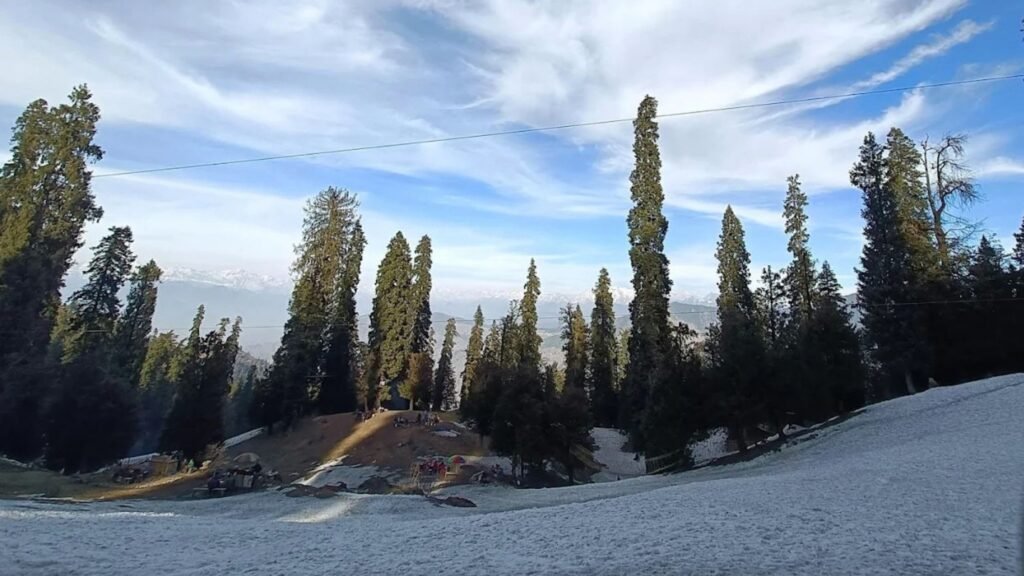
Narkanda is a recognised winter and skiing destination, but no winter promises snow on your dates. Three things are separate: fresh snowfall, snow already lying on the ground and activities that are actually running. You can have one without the others.
A historical pattern tells you which months are stronger bets. It cannot tell you what January 2027 will bring. Check the forecasts and warnings from IMD’s Meteorological Centre Shimla in the days before you leave.
To compare winter options beyond Narkanda, browse our page on snow activities in Himachal Pradesh.
Skiing in Narkanda: What Can Tourists Expect?
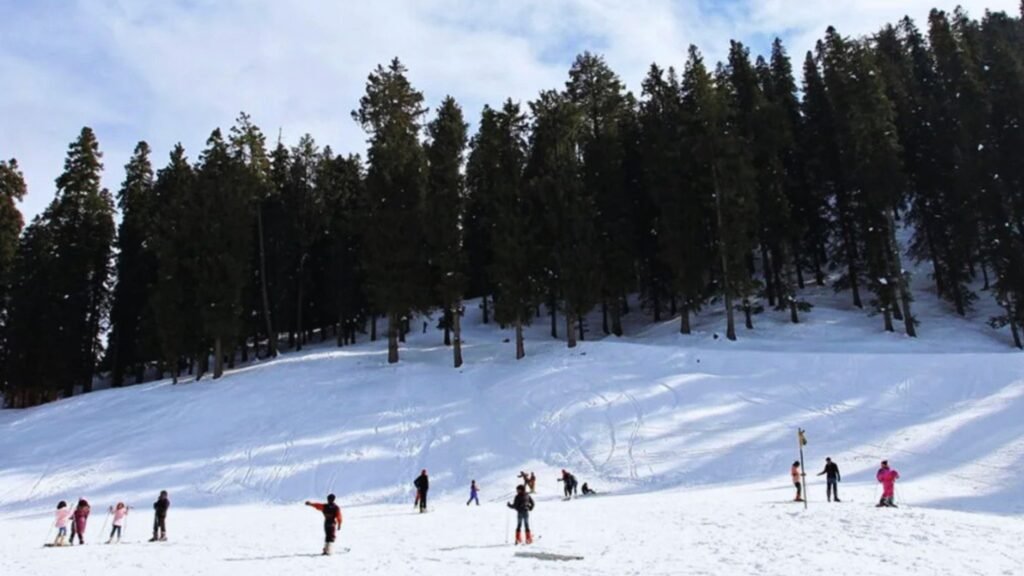
Narkanda has a long skiing history, and official tourism descriptions say skiing instruction takes place here from January to March. That gives beginners a sensible window to aim for.
The skiing area is close to town. HPTDC places the Narkanda ski slopes 1.5 km from its hotel, The Hatu. Treat that as a distance only, not a promise of a safe winter walk or an open slope.
Before you pay, confirm with the operator that lessons are running, which equipment is included, the current charges and the course dates. Also ask what happens to your payment if snow or weather stops the session.
Our page on skiing in Himachal Pradesh shows how Narkanda fits among the state’s ski areas.
Hatu Peak in Winter: Can You Visit?
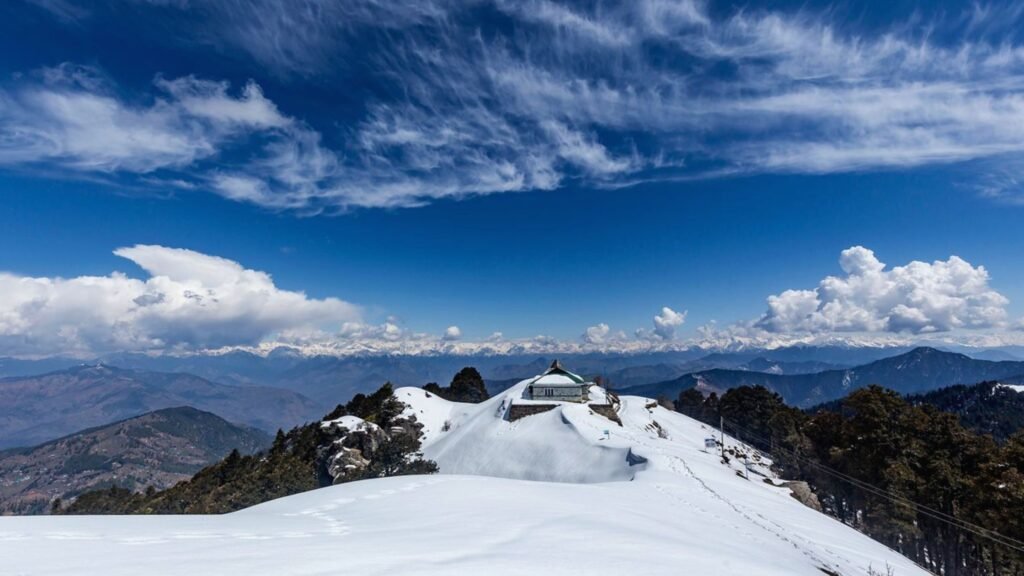
Sometimes, but plan it as a conditional outing. Hatu Peak rises to 3,400 m above Narkanda, and the approach from town is a narrow, steep road.
Shimla district guidance on Hatu mentions 4×4s and small family vehicles. That advice is undated. It is not a legal 4×4 rule, and it does not show that the road is open in snow.
The published visiting window for the attraction runs from sunrise to sunset. Fit the whole outing inside daylight, and check the winter road separately, because the visiting window says nothing about snow on the approach.
If the road looks unsuitable on the day, skip any paid Hatu excursion rather than committing money to a ride that may turn back. Hatu remains worth the trip when conditions allow, but your whole visit should not depend on it.
For the summit and temple in detail, see our guide to Hatu Peak and Hatu Mata Temple.
Other Places to Visit Around Narkanda in Winter

When higher roads are uncertain, a town-based day is a real option, not a fallback. Plan slow walks, winter views from your stay and unhurried meals.
Tannu Jubbar Lake is a nearby Narkanda attraction. Add it only when the access road is safe on the day and local information confirms the visit. Do not count on any winter-specific activity there.
How to Reach Narkanda in Winter
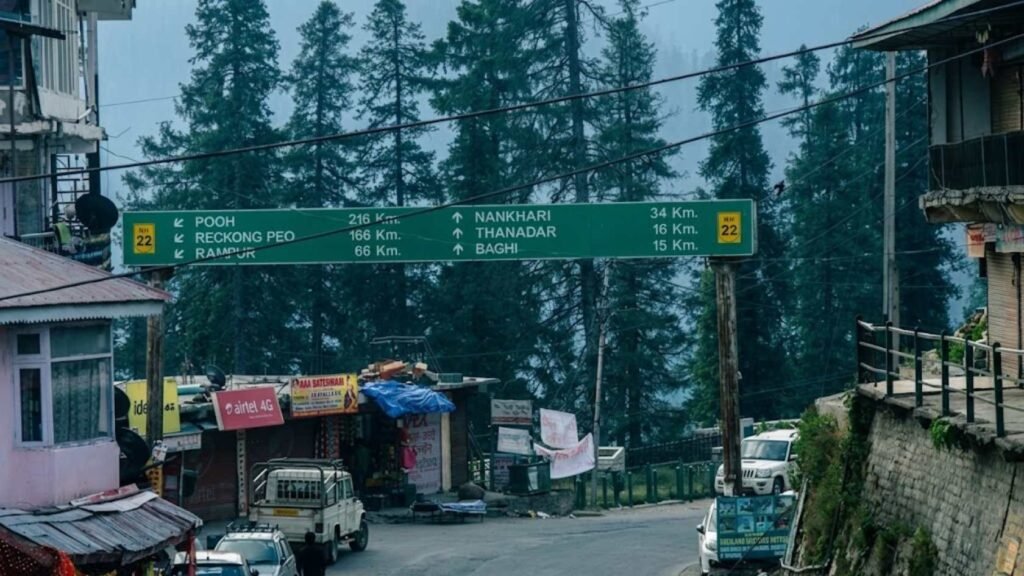
Most travellers reach Narkanda via Shimla, which district guidance places about 60 km away. That is a place-to-place figure, not a journey time. Winter travel depends on weather, traffic and the road surface on the day.
District guidance mentions bus connections from Shimla toward Narkanda and Rampur. HRTC provides online booking information, but not every local service is necessarily bookable online. Confirm your specific bus and departure before travelling.
A car that handles the main road may still struggle after fresh snow, especially on the higher Hatu approach. Check the IMD warnings before setting out and add buffer time on travel days.
To sketch a realistic day-by-day plan, try our Himachal itinerary planner.
Where to Stay in Narkanda During Winter

In winter, choose your stay for comfort before the view. Ask how the road reaches the property, whether rooms have heating, whether hot water is reliable, how meals are arranged and where you can park.
HPTDC’s The Hatu is one verified hotel in Narkanda. Its published facilities include a restaurant and parking, and it lists debit and credit card acceptance. That card listing covers the hotel only, not other Narkanda merchants.
One detail worth knowing: the hotel’s published facilities list does not explicitly mention room heating. That does not mean heating is missing. Ask directly before you pay.
For dinner on a cold evening without driving after dark, ask about The Hatu’s in-house restaurant when you book. Confirm that it is serving and that parking is usable on your dates.
Narkanda Winter Trip Cost and Ways to Save
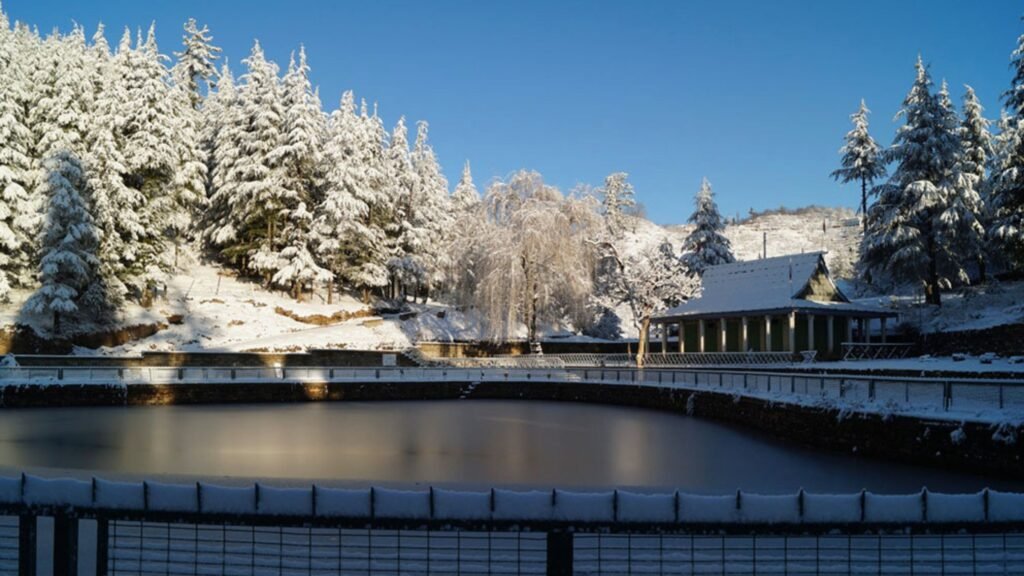
Winter rates for stays, transport and activities change with dates and conditions, so this guide does not quote prices. Build your budget from components: transport from Shimla, nights in Narkanda, meals, local taxi use and any skiing or excursion charges.
Compare actual bus and cab options for your dates. Check whether a hotel’s rate includes heating, and ask what an activity price covers.
The simplest saving is to avoid prepaying for skiing, a Hatu ride or any snow-dependent activity until the operator confirms it will run. The trade-off is arranging things at short notice, but you avoid paying for something the weather cancels.
For a rough budget, use our Himachal trip cost calculator, and treat the result as an estimate rather than a confirmed winter price.
A Flexible Narkanda Winter Itinerary

This two-night plan is our editorial suggestion, not an operator schedule. Adjust it to the weather you find.
Day 1: Arrive and settle in
Travel up from Shimla and check in. Test the room heating and hot water before evening, then keep the afternoon for an easy walk in town.
Day 2: Keep it flexible
If snow and operators allow, use it for skiing. If the road is suitable, use part of it for Hatu Peak within daylight. Both may not fit in one day, so choose what the morning’s conditions support.
Day 3: Leave with a buffer
Start back with spare time, especially after fresh snow. If your onward train, flight or work day is fixed, consider keeping an extra night free.
On a poor-weather day, stay town-based and add Tannu Jubbar only if access allows.
Winter Safety and Packing Tips

Pack for cold air and for snow underfoot:
- Warm layers you can add or remove
- Gloves, a woollen cap and warm socks
- Footwear with good grip on snow or ice
- A charged phone and personal medicines
Check IMD’s Shimla forecasts and warnings close to departure and again before any higher excursion. Make Hatu a daylight-only outing, given its sunrise–sunset window and steep approach.
Before booking skiing or winter transport, confirm the actual operator, the included equipment, the full charges and the arrangement if weather stops the plan. Get these details in a written message.
Confirm heating and meals before you arrive, because a cold room is hard to fix after dark.
What Most Tourists Get Wrong About Narkanda in Winter
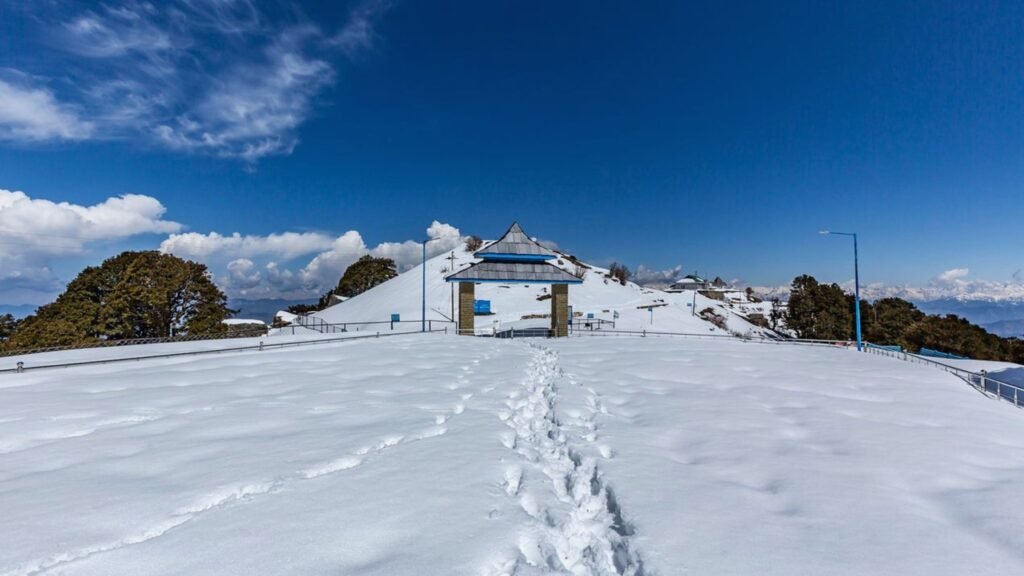
The key mistake is assuming that reaching Narkanda town means Hatu Peak and skiing will be ready too. The town is listed at 2,708 m, while Hatu Peak rises to 3,400 m on a narrow, steep approach. Skiing instruction follows a January–March season, and a recognised ski destination still needs snow and a working operator on your dates.
Book the town, then confirm each higher experience separately.
Is Narkanda Worth Visiting in Winter?
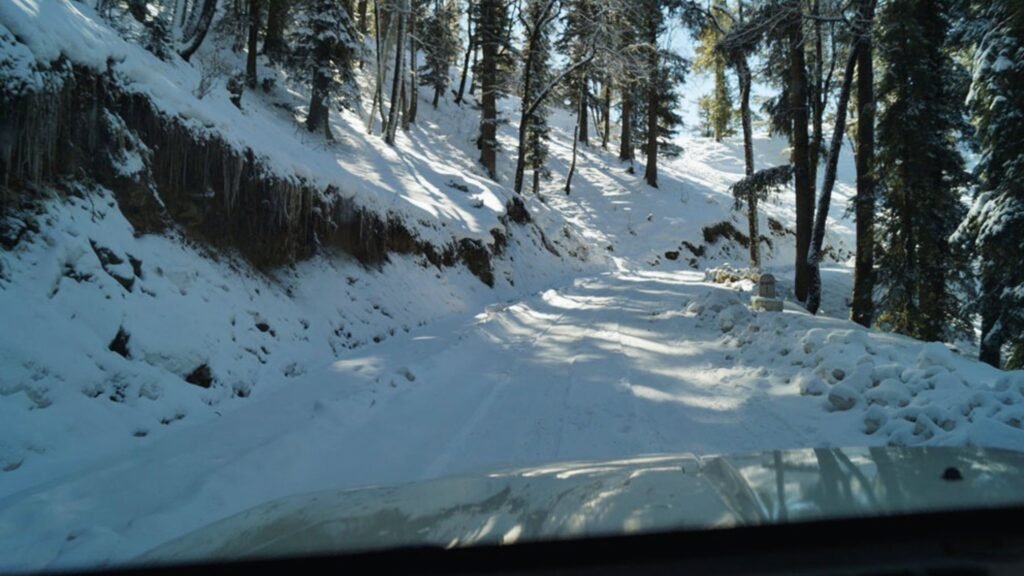
Yes, if your plans can bend. Narkanda suits couples, families and small groups who want winter scenery, a quiet base and a possible first try at skiing. January and February are the stronger snow bets.
Reconsider if your trip only works with guaranteed snow, guaranteed Hatu access or skiing on fixed dates. No booking date assures snowfall, ski operations or the Hatu road.
With two nights, one open day and confirmed activities, winter Narkanda is a sound choice. To compare ready-made trip structures, look through our Narkanda tour packages.
अक्सर पूछे जाने वाले प्रश्न
Also Read: Kinnaur in Winter 2026–27: Snow, Roads & Travel Guide
क्या आप अपने हिमाचल एडवेंचर के लिए तैयार हैं?
Get FREE customized itinerary · Best Price Guaranteed · Local Himachal Experts · 3,973+ Happy Travelers