Spiti Valley in Autumn works well, but “autumn” is really three different trips. September gives you the strongest overlap with the normal high-pass season, so the classic Shimla-Spiti-Manali circuit is most likely to be usable. October can still be a good trip, but the Kunzum and Manali-side crossing becomes a conditional element you cannot assume. November should be planned like winter Spiti, not like a longer September. Before you lock anything, read our Spiti Valley travel guide for the wider planning picture, then decide your month around road access rather than the calendar.
Quick Answer
September is the strongest default for a normal autumn circuit. October stays viable, but treat Kunzum and the Manali side as conditional on fresh official status. November is winter-style planning, so do not assume a classic circuit. Heavy woollens are already relevant from September because Spiti evenings turn cold. Road, permit and transport status must be rechecked close to your travel date, since a seasonal pattern is not a live status report.
👉 Confused? Let locals plan your trip.
Is Autumn a Good Time for Spiti Valley?
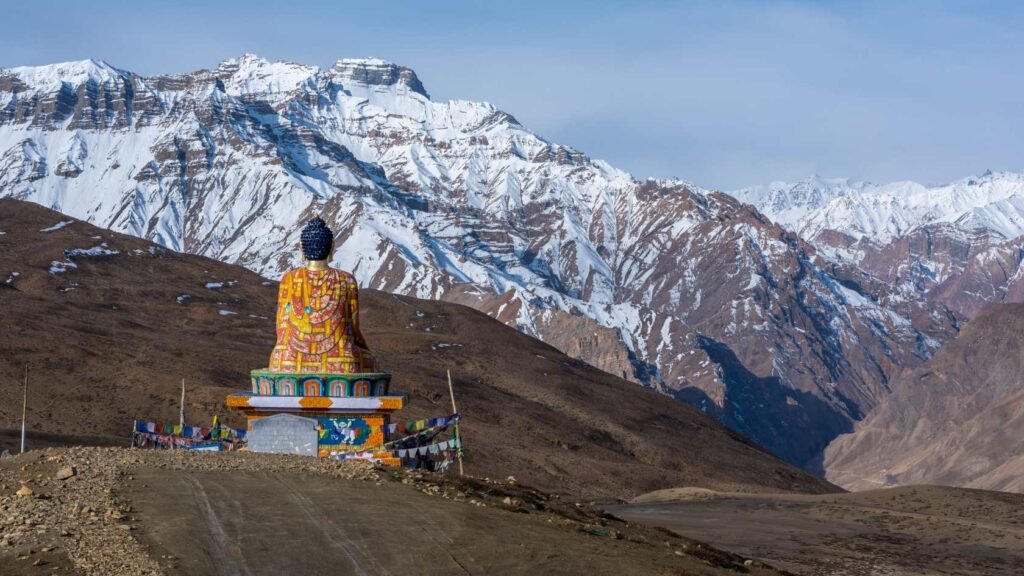
Himachal Tourism defines autumn as September to November. That is a state-wide seasonal label, not a guarantee that Spiti’s roads stay the same across all three months.
Autumn suits flexible travellers who accept cold evenings and can adjust their route if a high pass closes. If your plans are rigid and non-refundable, the season is harder to recommend.
The honest limitation is timing. The district describes roughly mid-May to mid-October as its broad best visiting window, while noting Spiti has comparatively wider access than Lahaul. So the usable full-circuit season contracts earlier than the official three-month autumn calendar suggests.
Spiti in September vs October vs November
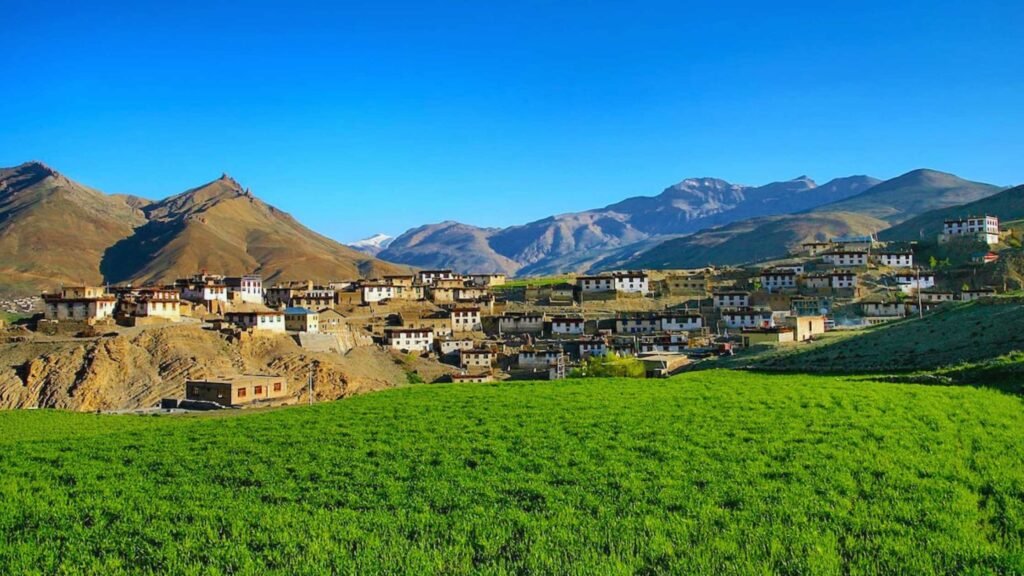
The three months carry different risks. September overlaps most strongly with normal Kunzum motorability. October keeps Spiti reachable but makes the Keylong-Kaza crossing conditional. November behaves like early winter.
| महीना | Full circuit | Kunzum / Manali side | How to plan |
| सितम्बर | Most likely usable | Strongest seasonal overlap | Normal autumn circuit |
| अक्टूबर | Possible, not reliable | Conditional on fresh status | Keep a Shimla-side fallback |
| नवंबर | Do not assume | Usually the seasonal weak link | Winter-style planning |
The district notes the Kunzum route is generally motorable from early August to late September depending on each year’s snowfall, which is why September carries the least route risk. For more on that month across the state, see our guide to Himachal in September. If you are weighing an earlier trip instead, our Spiti Valley in August guide covers the late-summer alternative.
Which Route Should You Use in Autumn?
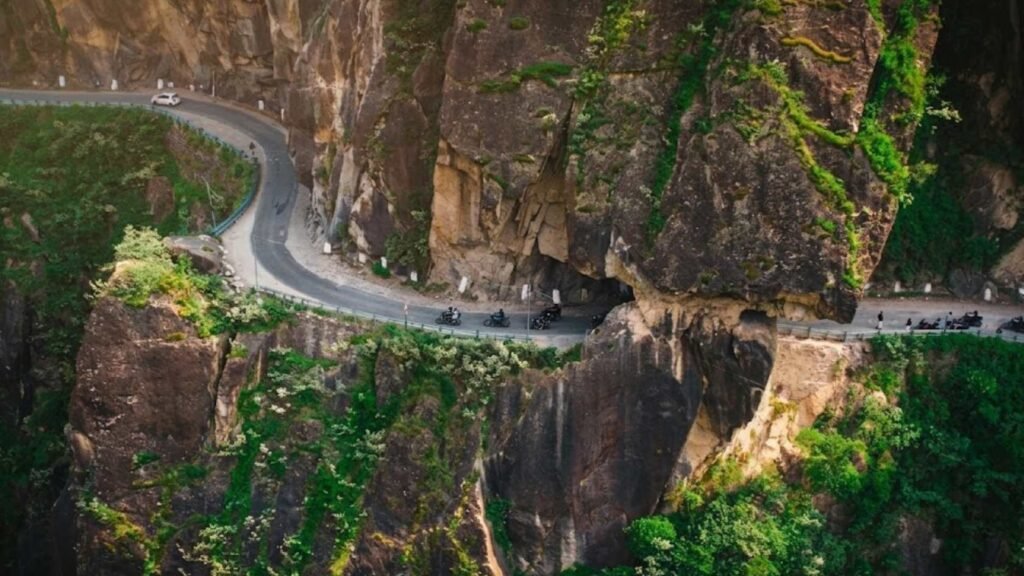
Shimla-Kinnaur-Kaza
The district lists Shimla to Kaza as 412 km and about 20 hours of journey time, excluding a one-night halt. Do not compress that into a single driving day.
Beyond fatigue, there is an altitude reason to slow down. This side lets you gain sleeping altitude more gradually, which matters when your final base sits high. The road speed you can manage should not set your acclimatisation speed.
Kaza-Kunzum-Keylong-Manali
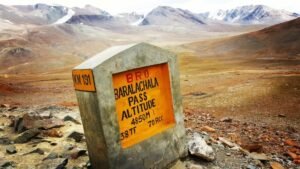
Kunzum Pass sits at 4,550 m and connects Batal with Losar, linking the Spiti and Lahaul sides. In late autumn it is the seasonal weak link.
The district lists Keylong-Kaza at 185 km and says winter closure occurs because Kunzum and snowfall affect the route from around October or November into June or July. There is no fixed annual closure date, so do not plan around one. If you want a sense of how route conditions shift with weather, our Spiti Valley in monsoon guide shows the same route logic under different pressures.
Road Status, Kunzum Pass and Public Transport
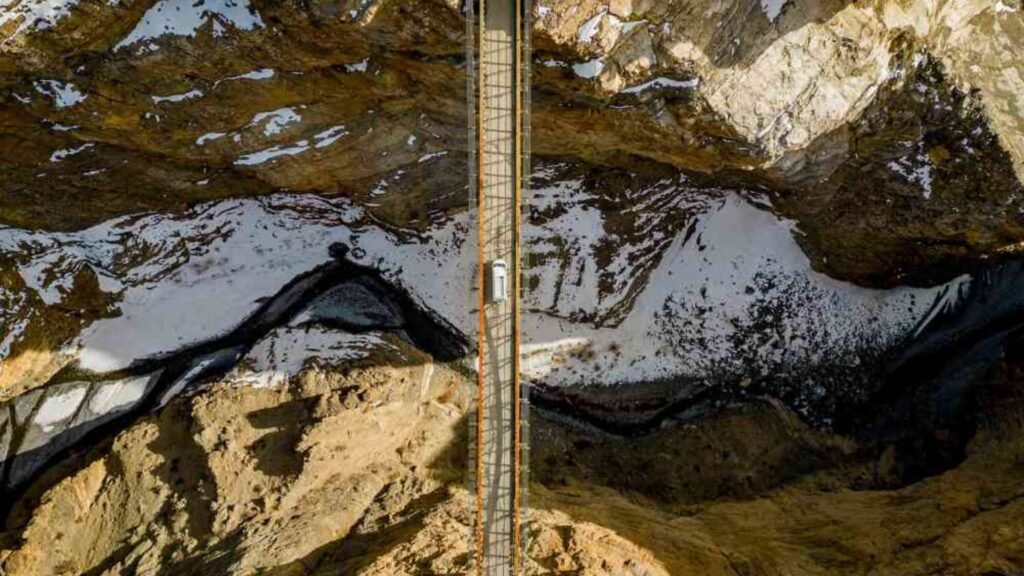
During our 19 August research, the official English and Hindi district road-status pages did not agree with each other. Because of that, neither snapshot can be treated as the current answer, and you must check road status close to departure.
Official tourism describes regular Manali-Kaza bus service in July-October and Shimla/Kinnaur service in May-October. Treat that as seasonal guidance, not a confirmed timetable. HRTC runs an official online search and booking portal, and the exact service for your date should be verified there rather than assumed from the seasonal window.
For live status, use the official road page at hplahaulspiti.nic.in/road-status/ and the HRTC portal at online.hrtchp.com.
Spiti Autumn Weather and What to Pack

Spiti stays cold in autumn, and Himachal Tourism already recommends heavy woollens by September because evenings turn cold.
We are not going to publish neat September, October and November temperature numbers, because those vary and get quoted as fact when they should not be. Base your final clothing decisions on the actual forecast near your travel date. For that, the IMD Shimla forecast page is the sensible official source.
What Can You Visit in Spiti in Autumn?

Kaza and Nearby Villages
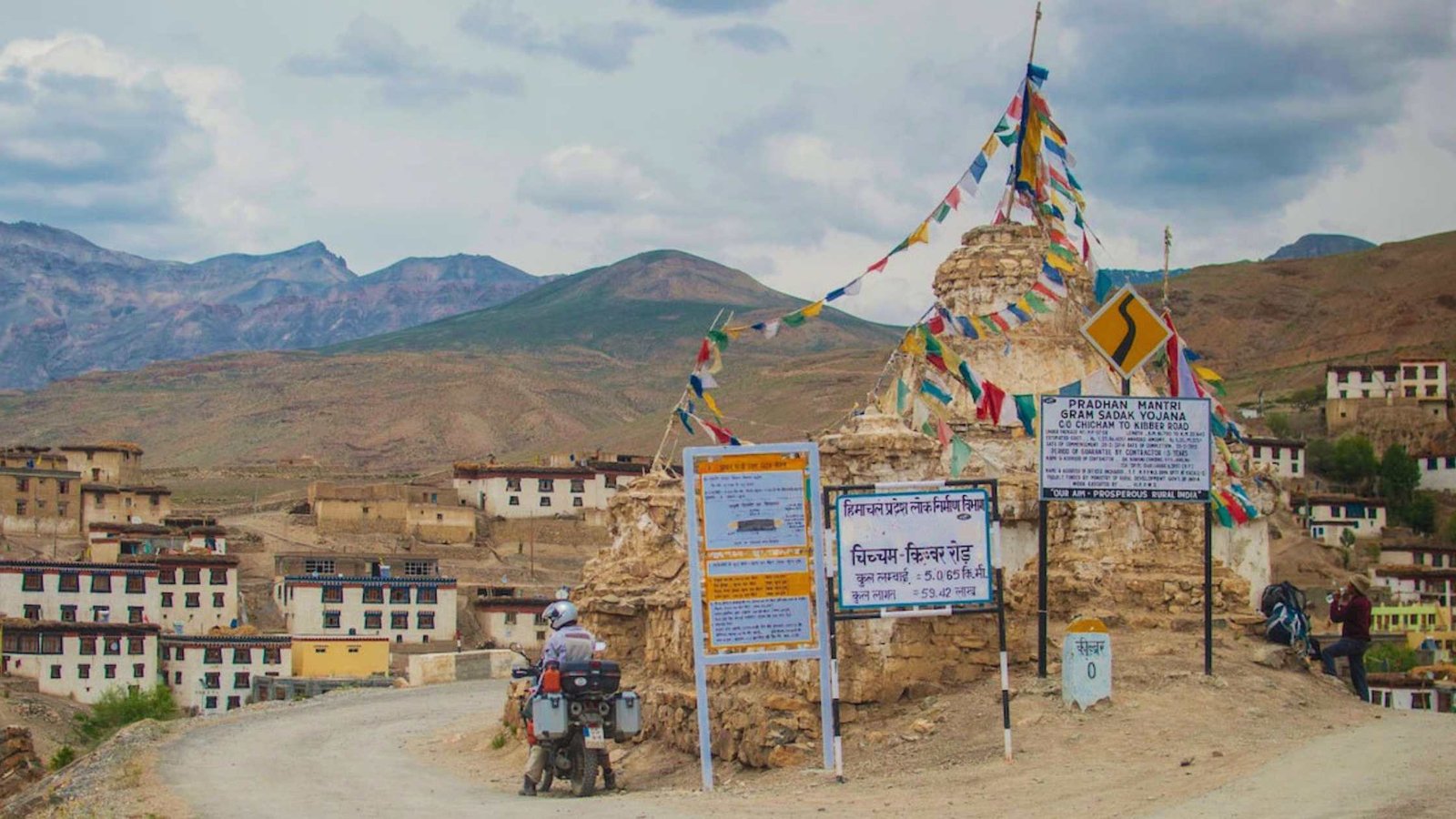
Kaza works as your practical base for services and sightseeing. Official distances from Kaza are Kee 12 km, Langza 16 km, Hikkim 17 km and Kibber 18 km. Drive times depend on road and vehicle, so we are not assigning fixed ones.
Tabo, Dhankar and Pin-Side Planning
Tabo is 48 km from Kaza. The value of this side is that a Shimla-Kinnaur itanderary stays useful even when the Kunzum or Manali crossover becomes uncertain. You can build a satisfying trip that never depends on the high pass at all.
Chandratal — Keep It Conditional
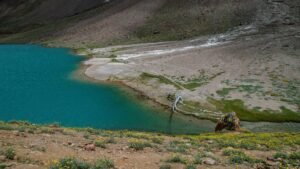
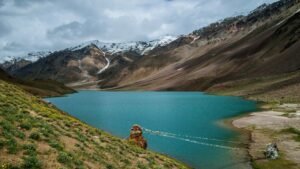
Chandratal is 98 km from Kaza in the official tourism table, and its tented accommodation is described as June-October seasonal operation. That is not a promise for any specific October date.
Keep Chandratal as a conditional item rather than the pin your route hangs on. If Kunzum and Batal access is uncertain, drop Chandratal instead of forcing a risky crossing. This is not about the lake being poor value; it is about not letting one conditional stop dictate an uncertain route.
👉 Pick the right stay & route — we’ll help.
Where to Stay in Spiti in Autumn and What to Confirm
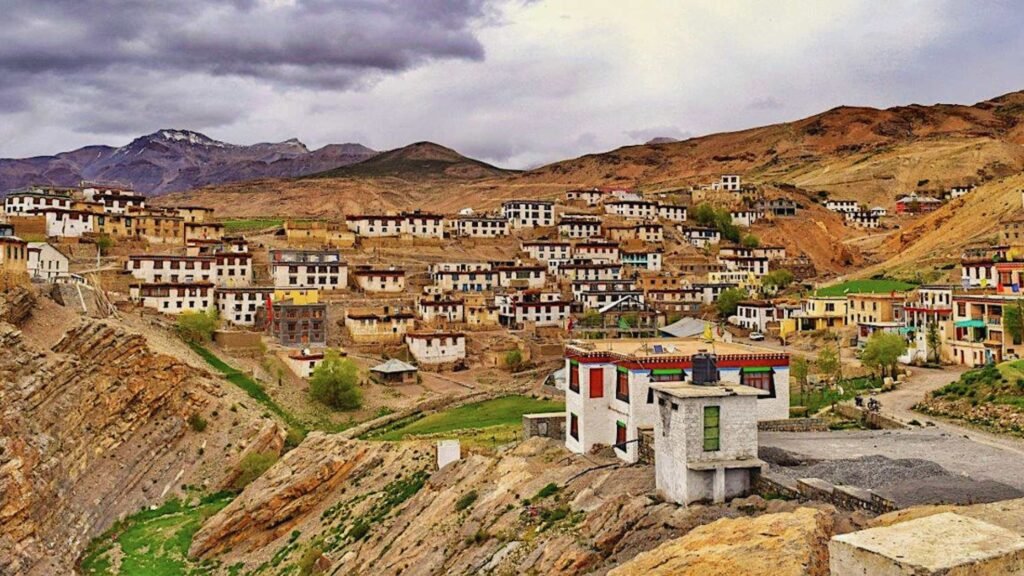
We will not push named hotels we have not verified. Before you pay, confirm directly with the property whether it is operating on your exact date, its room-heating arrangement, hot-water availability, power backup, meal or kitchen availability, and cancellation flexibility.
These are the details that decide whether a cold Spiti evening is comfortable or miserable, and they change late in the season.
Altitude and Acclimatisation
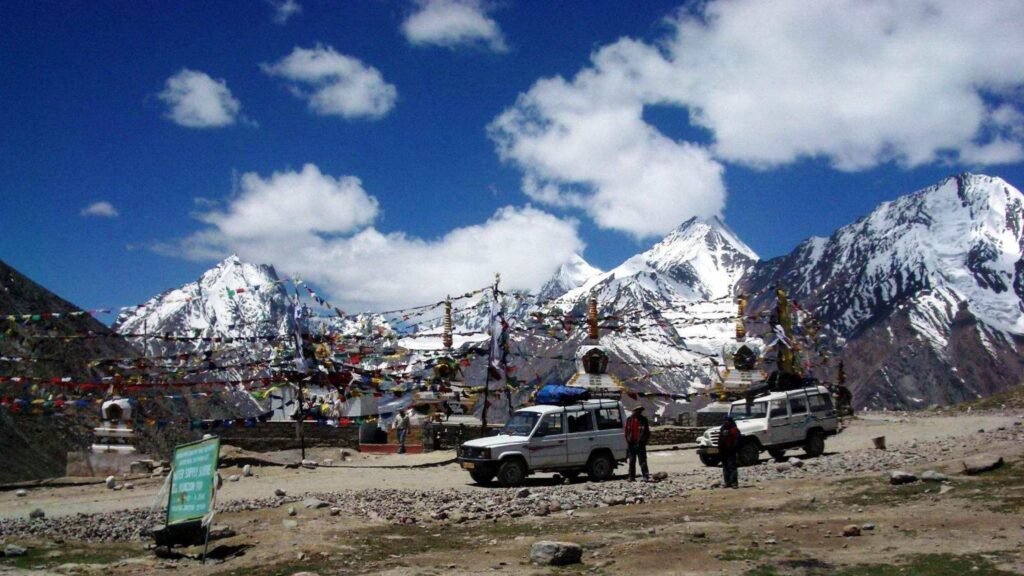
Kaza sits at 3,660 m. The CDC notes that an unacclimatised traveller sleeping at 2,450 m or higher can be at risk of altitude illness, though individual susceptibility varies.
CDC guidance favours gradual ascent. Above 3,000 m, sleeping altitude should generally rise by no more than 500 m per night, with an extra acclimatisation night for every additional 1,000 m gained. This is exactly why the Shimla-Kinnaur side, taken over more than one day, suits a first trip.
We do not prescribe altitude medication. If you have relevant health concerns, seek professional medical advice before a high-altitude trip. Note also that Spiti’s medical facilities are limited, with a Community Health Centre at Kaza.
Permits and e-Aagman for an Autumn Spiti Trip
Two separate things get confused here. One is nationality-based permits; the other is vehicle administration.
Himachal Tourism says Indian citizens do not require the nationality-based inner-line permit for normal Spiti entry. Foreign tourists entering via Shimla-Kinnaur do require an ILP at Reckong Peo.
Vehicle administration is separate. The current e-Aagman portal requires E-Pass registration, with an E-Permit per vehicle for the Atal Tunnel-Rohtang-Koksar-Chandertal circuit and an E-Ticket per vehicle for other places. Recheck both the permit and vehicle rules before you travel, since these change.
Local Autumn Planning Tips Most Guides Miss

What Most Tourists Get Wrong
Most first-timers read “Spiti is open” as “the whole Shimla-Spiti-Manali circuit, Kunzum and Chandratal are all usable.” Those are not the same thing. Kaza being reachable does not mean the Kunzum crossover is. Plan for the circuit and the high pass as separate questions, and your trip survives a closure instead of collapsing with it.
A Specific Food Stop in Kaza
Check for butter tea at Café Piti in the Main Market, Kaza. Himachal Tourism identifies butter tea as a Spiti drink, Café Piti is listed as a local-cuisine café operating through autumn, and a traveller reported ordering butter tea there. Ask whether it is on the menu that day, since we cannot promise a fixed hour or price.
The Money-Saving Choice
Do not make non-refundable payments for a Chandratal or Kunzum-dependent late-autumn add-on before route access is confirmed. This is loss prevention, not a discount claim. If the pass closes, the money you did not prepay is the money you keep.
The Popular Stop You Should Be Willing to Skip
If Kunzum or Batal access looks uncertain, make Chandratal the first item you are willing to drop. It is not a weak destination; it is simply the stop most exposed to a route that may not hold in late autumn.
The Timing Tip That Changes the Trip
If the full classic circuit matters to you, choose September rather than pushing the same plan into late autumn and hoping. September is not a guarantee of clear roads or weather, but it gives you the widest overlap with normal-season access.
Avoid Permit Confusion
Do not pay blindly for a generic “Spiti permit.” The Indian-citizen ILP position and the vehicle e-Aagman system are separate, so use only the official e-Aagman portal and government tourism information rather than an unclear third-party charge.
Who Should Choose September, October or November?
Choose September if the full-circuit possibility and normal-season services matter most to you.
Choose October if you are comfortable with cold, flexible on routing, and happy to return via the Shimla side if needed.
Choose November if you are deliberately seeking winter-style Spiti and can plan without assuming Kunzum, Chandratal or normal-season services.
Reconsider late autumn if your trip depends on rigid same-day connections or non-refundable access to a high-pass attraction.
Final Verdict
For a first autumn Spiti trip, September is the safest recommendation, October is a flexible shoulder-season option, and November is a different, winter-style trip. If you would rather have the routing, stays and permit logistics handled around whichever month you pick, our Spiti tour packages can structure the trip around confirmed access.
👉 Want this trip? Let’s plan it right.
अक्सर पूछे जाने वाले प्रश्न
Also Read: Shimla in Autumn 2026: September, October & November Guide
क्या आप अपने हिमाचल एडवेंचर के लिए तैयार हैं?
Get FREE customized itinerary · Best Price Guaranteed · Local Himachal Experts · 3,973+ Happy Travelers